Tag Archives: Bees

Bees’ Needs week (9th to 17th July) #BeesNeeds

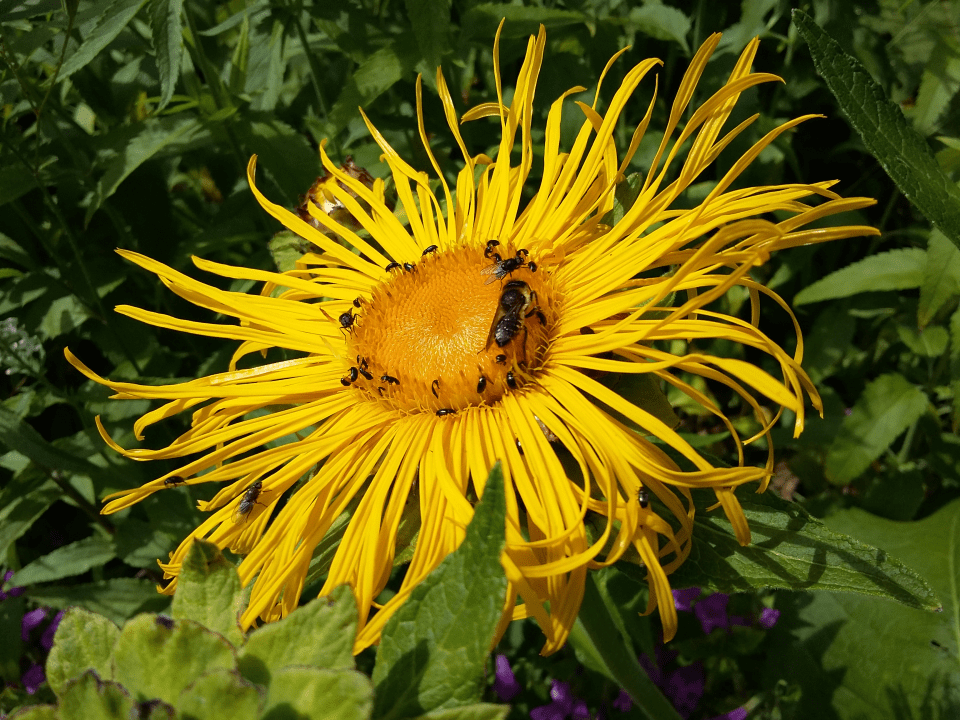
Inula at Ravensthorpe 20160710_145426.png

In the current political turmoil around the Chilcot Enquiry, Brexit, leadership challenges and a change of Prime Minister you’d be forgiven for having missed the fact that 9th to 17th July 2016 has been designated “Bees’ Knees” week, as a follow on to the Pollinator Awareness Week of 2015.

Here’s the link to the Defra press release.

Unlike last year I’ve no specific plans to do any regular posts on the topic, but I will provide links to relevant items as and when I see them, starting with these two:

Why insects are declining globally, and why it matters.

Dave Goulson is trying to crowdfund a project to look at pesticides in plants from garden centres.


Journal of Pollination Ecology – new volume announced

JPE homeHeaderLogoImage_en_US

The latest volume of the international, peer-reviewed  Journal of Pollination Ecology, of which I’m an editor, has just been published.  All papers are free to download – here’s a link.

Unlike most open access journals there are no page charges for authors, so if you are a researcher involved in pollination ecology, please consider submitting a manuscript.


What does Brexit mean for British biodiversity?

Friday 24th June 2016.  What a surreal day.  I spent it trying to understand why a small majority of the voting public had committed us to leaving the European Union, an organisation that has had a demonstrably positive impact upon our lives, our society, our economy, and our environment.  That dream-like state was not helped by the fact that I’d stayed up most of the night with my youngest son James, watching the results roll in.

Saturday 25th June 2016.  Twenty four hours later, after a good night’s sleep, I feel less dislocated but no less confused and disappointed.  It is what it is, let’s get on with it.

It’s much too early to properly answer the question of what this all means for British biodiversity, of course.  But as I pointed out in my post about the environmental arguments for remaining in the EU, there’s a whole raft of policies, legislation, agreements and initiatives that the government and NGOs need to consider.  Just to give a couple of examples, what will happen to the All-Ireland Pollinator Plan, or the Special Protected Area status of places such as the Upper Nene Valley?

What I really hope is that we can continue as before, building on the current situation rather than tearing up the whole thing.  To some extent I’m optimistic that we can for the near future, because the government will have (as it sees it) bigger things to worry about.  But I do worry that eventually we will get left behind as EU environmental legislation evolves.  That’s something we have to be mindful of in the coming years.

The ecological internet is already starting to discuss these issues; here are links to a few pieces that I’ve seen:

Adventuresinbeeland has discussed what leaving the EU means for British bees and beekeepers, pointing out that EU funding has enabled bee inspectors to carry out apiary inspections and work with beekeepers on issues such as bee pests and diseases.

The Wildlife Trusts are trying to look positively at the future, with Brian Eversham, Chief Executive for the Wildlife Trust for Bedfordshire, Cambridgeshire and Northamptonshire, summing it up very well:  “Many of those who disagreed over the Referendum agree strongly that wildlife, our countryside and the natural environment matter, now and for the future. We need their voices loud and clear in the coming months. As we are now responsible for our own, independent future, it is up to all of us to make sure that we keep the environment firmly on the national agenda.”

Mark Avery has also summed up the current situation very succinctly on his blog – one cartoon says an awful lot.

Finally, here’s Craig Bennett, CEO of Friends of the Earth, writing on how can we make Brexit work for the environment?

No doubt there will be more coming soon and I’ll try to provide updates on the blog.

In terms of my day job as an academic at the University of Northampton, things will also change across the whole British Higher Education sector, of course.  On one level that’s a different set of issues to what I’ve been discussing, but there are also links: a great deal of ecological research activity is being funded by the European Union and involves cross-border collaborations.  Scientists across Europe have to continue to make that work.

Silver Medal for the BES’s pollinator’s display at RHS Chelsea Flower Show!

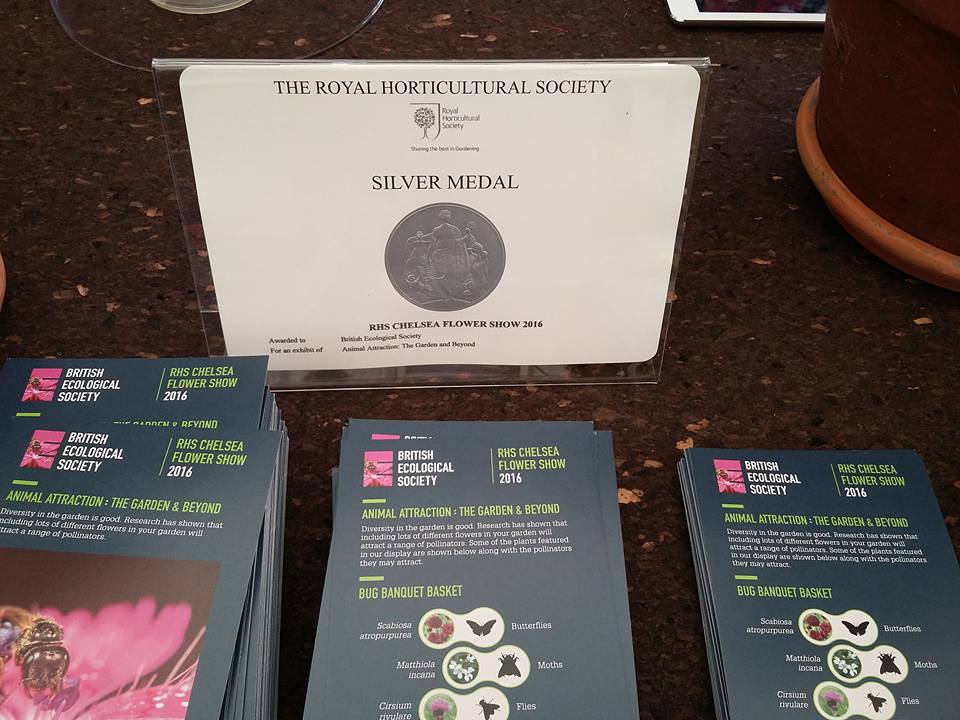
RHS Silver Medal

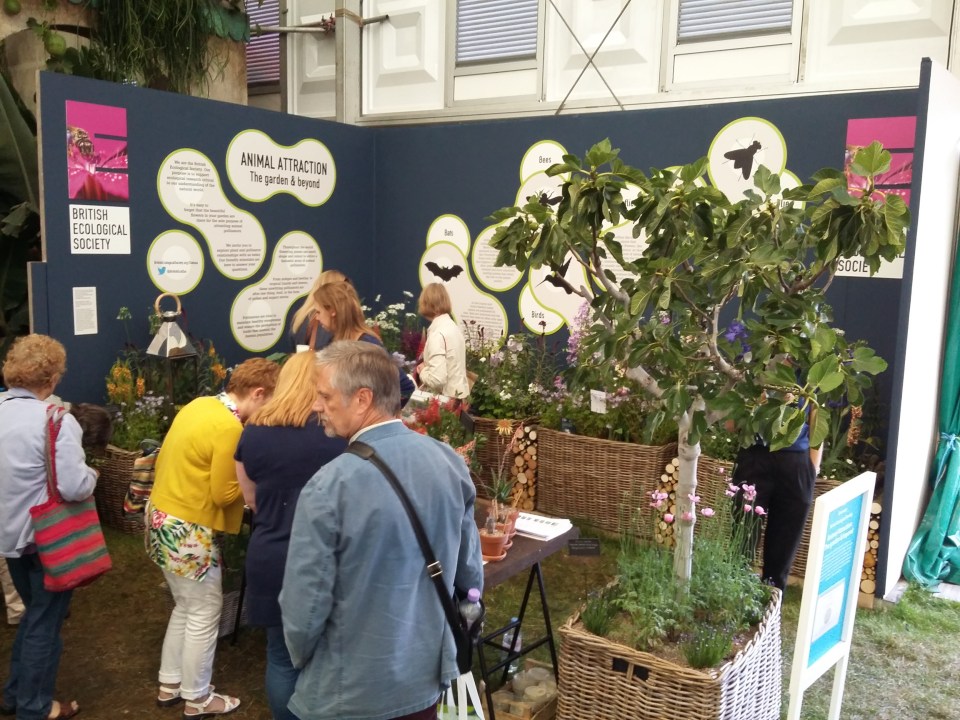
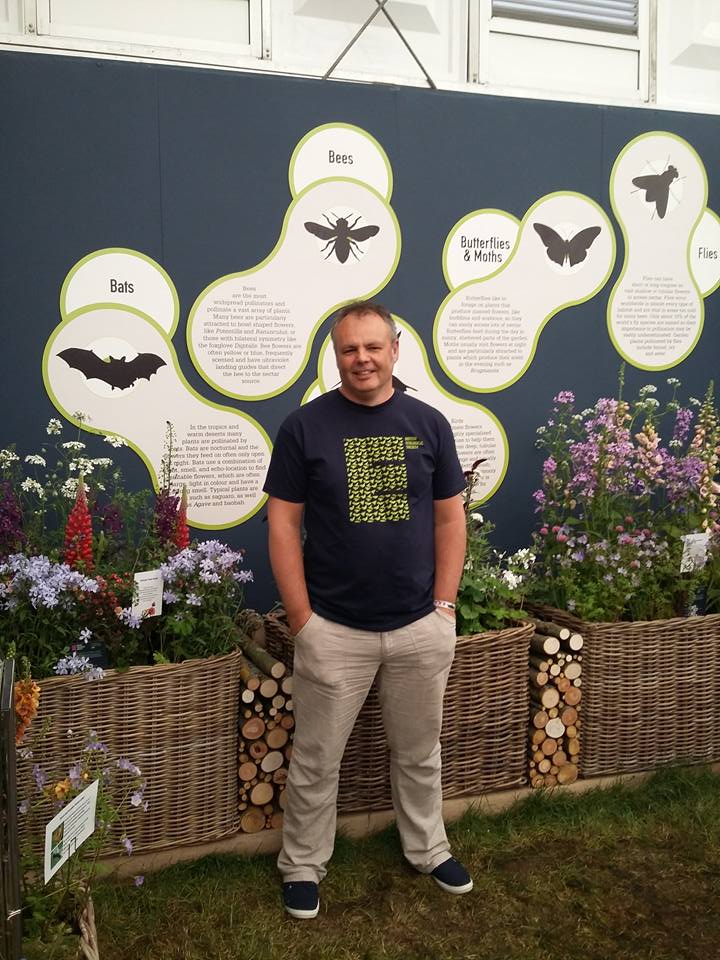
An early train to London yesterday got me to the RHS Chelsea Flower Show in time for the gates opening at 8am.  I’d agreed to spend the day staffing the British Ecological Society’s Animal Attraction: The garden and beyond display, which deals with the relationships between plants and their pollinators – see my recent posts here and here.

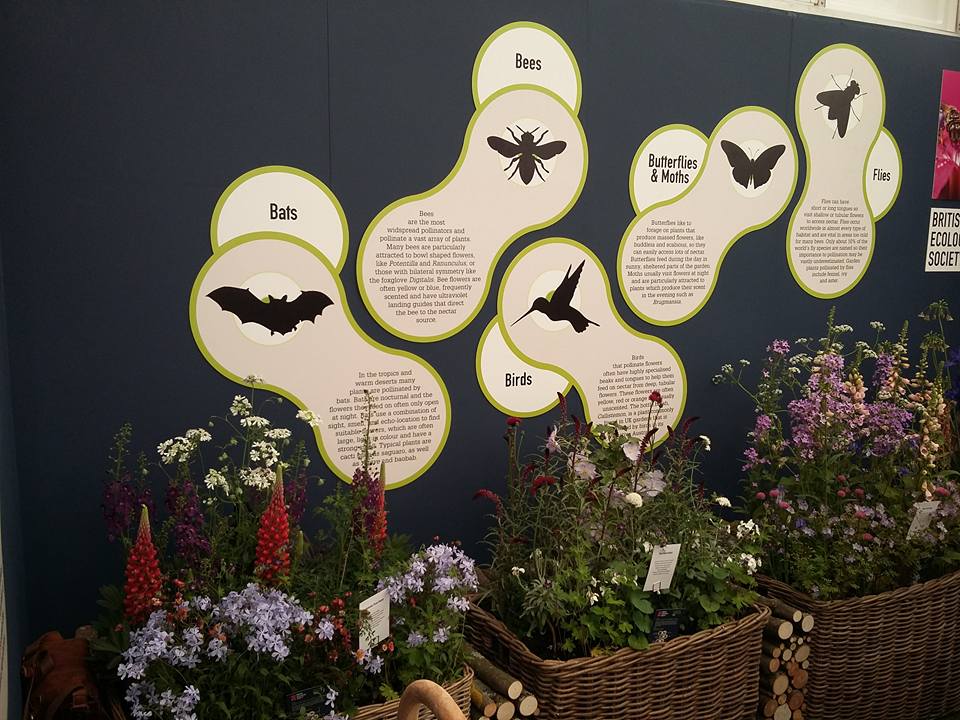
The first thing I noticed as I approached the display was how impressive and well designed it looked, with some wonderful planting to complement the simple, bold scientific information.  The second thing I noticed was that we had won a Silver Medal!  The whole team was very pleased – it’s the third year that the BES has been represented at Chelsea, but the first time that it’s won a medal.  I’m proud to have made a small contribution to that by advising on the plants and the scientific content, but the main kudos goes to the BES’s staff and to the garden designer Emily Darby.

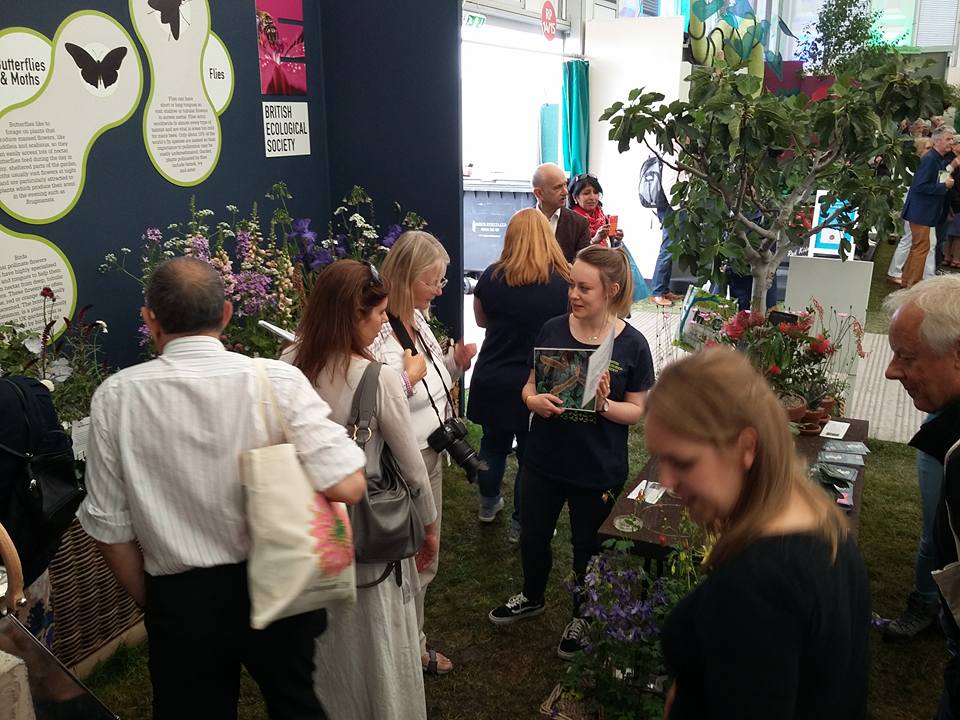
Over the course of a long day we talked to hundreds of visitors about the display, what it represented, and the different ways that flowers are adapted to their pollinators.  There was a huge amount of public interest and support, very gratifying to see.  Here’s some pictures from the day:

RHS display

RHS crowd

RHS crowd with fig

RHS Jeff

RHS display


A bee in a hurry, a plant at its leisure – for Biodiversity Day 2016

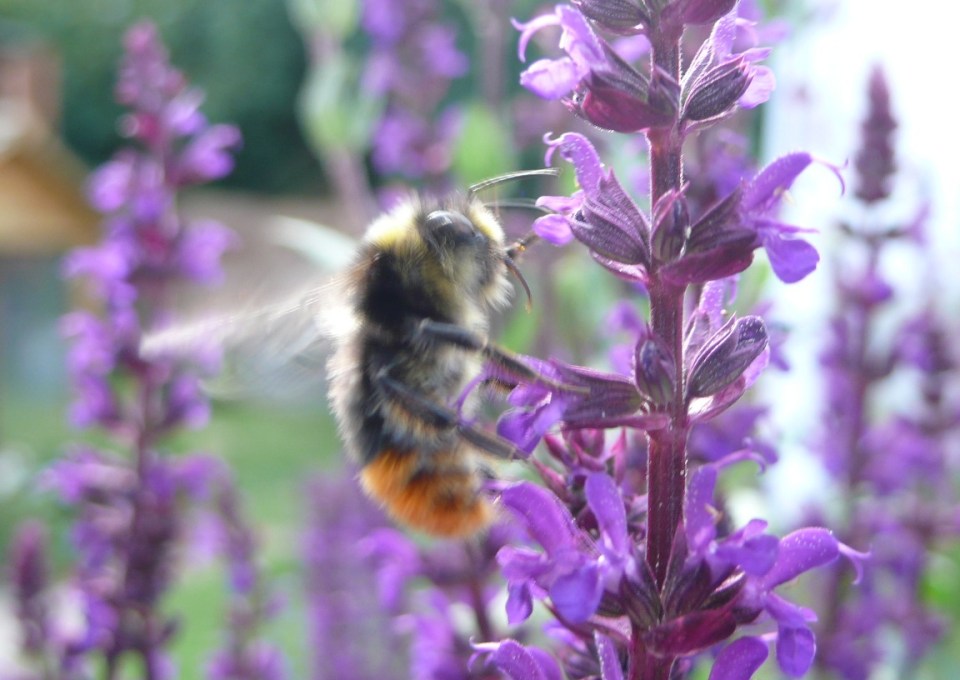
Male B lap on Salvia cropped P1120309Happy Biodiversity Day everyone!  In celebration I thought I’d share with you my entry for this year’s University of Northampton Images of Research competition, the winners of which have just been announced (I wasn’t one of them, but congratulations to those who were).

Here’s the text I wrote to accompany the image:

Sometimes it’s difficult to photograph fast-moving bees, but this blurred image of a male Red-tailed Bumblebee (Bombus lapidarius) captures something of the essence of why plants use pollinators such as bees. Plants are static and cannot go searching for mates, so they sit and wait and use pollen vectors to move their male gametes to the flowers of other plants of the same species. Sometimes this involves wind or water currents; but for most plants this means using animal pollinators.

The bumblebee has been caught with its tongue extended, having just loaded up on nectar to fuel its search for virgin queen bumblebees with which to mate. The plant is a cultivated salvia variety growing in my garden: some of my research group’s work has involved studying pollinator diversity in urban and rural gardens, with a view to understanding the role of these artificial environments for conserving pollinators.

Pollinators at RHS Chelsea Flower Show

20160518_114732

Pollinators, as regular readers of this blog will know, are diverse and important, both ecologically and agriculturally.  But that diversity is declining and it’s an issue that deserves greater publicity and action.

To that end, for the past eight months I’ve been advising a team from the British Ecological Society (BES) on the content for a display at the RHS Chelsea Flower Show which is running all next week.  The display is called “Animal Attraction: The Garden and Beyond” – if you follow that link you’ll get a sense of what the display is all about, but in essence there are three key messages that the BES is trying to get across:

  • Celebrating the diversity of pollinators (not just bees!) both in the UK and globally.
  • Flowers have evolved many different ways of attracting and rewarding pollinators, leading to the fantastic diversity of floral form that gardeners appreciate.
  • Planting a diversity of flowers in your garden can only be a good thing for helping conserve pollinator populations.

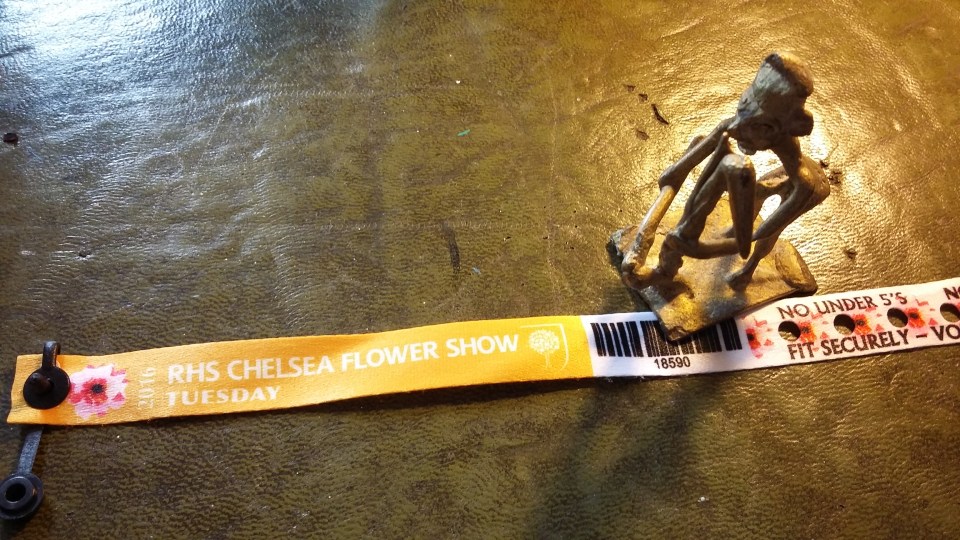
As you can see from my wristband, I’ll be helping to staff the stand all day Tuesday 24th May, so if you’re at the show come and say hello and take a look at what the BES team has produced.

The European Bee Course 2016

Note: I’m not directly involved with this course, I’m just advertising it on behalf of the organisers; please direct any queries to them – details are on the application form (link at the end). 

All of the following text is directly taken from the information that I was sent:

Are you interested in European bees? Join our Super-B training school in Marseille, France in May!

Aim?

We aim (i) to provide a global overview on the Systematics and the Ecology of European bees including the up-to-date methods; (ii) to train to recognize the morphology of the main European genera by using keys; (iii) to collect wild bees in the field with standard technics (net, pan trap, aspirator); (iv) to prepare a collection of pinned specimens.

THE BEE COURSE is designed primarily for botanists, conservation biologists, pollination ecologists, and other biologists whose research, training, or teaching responsibilities require a greater understanding of bee taxonomy. It emphasizes the classification and identification of more than seventy bee genera of Europe, and the general information provided is applicable to the global bee fauna. Lectures include background information on the biology of bees, their floral relationships, their importance in maintaining and/or improving floral diversity, inventory strategies, and the significance of oligolecty (i.e., taxonomic floral specialization). Field trips acquaint participants with collecting and sampling techniques; associated lab work provides instruction on specimen identification, preparation and labelling.

Where?

France, Marseilles, in the beautiful site of the national park of the Calanques: http://sciences.univ-amu.fr/sites-geographiques/site-luminy

Budget?

Super-B budget covers the invitation of the trainers and material. Applicants have to pay for their flights, accommodation (130 euros) and meals (60 euros). A Super-B Grant of 600 EUR is available, this covers all expenses for the course and approximately 300 EUR for a flight.

When?

Arrival the evening of the 16th of May after 6pm, departure the evening of the 20th of May

Who?

Co-organised by the University of Mons (Denis Michez) and the University of Aix Marseilles (Benoît Geslin).

5 supervisors: Denis Michez (UMons, Belgium), Nicolas Vereecken (ULB, Belgium), Murat Aytekin (Hacettepe University, Turkey), Stuart Roberts (BWARS, UK) and Benoît Geslin (Université d’Aix-Marseille, France).

15 students, PhD & postdoc in relevant fields will have priority, but undergraduate student can apply.

Program?

16th of May from 6pm

Arrival, move to the location with minibus


17th of May

10am: Welcome and presentation of the organization and the goal. Denis Michez

11am: Systematics and diversity of European bees. Denis Michez

12am: Lunch

1pm: Practical courses, determination of bees among insects. All trainers

4pm: Lecture, up-to-date methods to study Bee Systematics. Murat Aytekin

6pm: Dinner


18th of May

10am: How to collect, prepare and determine specimens of long-tongued versus short-tongued bees. Denis Michez

12am: Lunch

1pm: Field trip

4pm: Preparation of the collected material

6pm: Dinner


19th of May

10am: Ecology of bees. Christophe Praz

11am: Bee community. Nicolas Vereecken

12am: Lunch

1pm: Field trip

4pm: Preparation of the collected material

6pm: Dinner


20th of May

10am: Determination of the collected material

12am: Lunch

1pm: Analysis of the data

3pm: Last word

4pm: Departure


Framework?

Cost project Super-B: http://superb-project.eu/

SUPER-B is a COST Action that will bring together scientific and societal communities involved in the conservation and sustainable management of ecosystem services mediated by pollinators. >70 of our crops need insects for optimal pollination; these include many fruits, nuts, oil crops, fibres and vegetables with some producing no yield without insect pollination. The direct economic value of crop pollination by insects in the EU is >14 billion euro annually. Moreover, >80 of wild plant species benefit from animal pollinators for fruit and seed production, making pollination a key service for ecosystem and biodiversity maintenance.

SUPER-B will combine scientific evidence (existing and new knowledge) and social feedback for developing conservation strategies for pollinators. Specifically, the Action will (1) identify the role of insect pollination in agriculture and other ecosystems; (2) clarify best practices for mitigation of pollination loss, and (3) compare and contrast important drivers of pollinator loss (wild and managed species). SUPER-B will contribute towards maintaining natural ecosystems and achieving sustainable use of pollinators in agricultural production. Its results are relevant to all European countries and will be disseminated to a wide community of beneficiaries (scientists, farmers, beekeepers, industry, policy-makers, NGOs and the public).

Here’s the application form for the course:

Bee_course_Cost_Application_form (2)


Six bees, one stone: recent pollinator-related talks and workshops

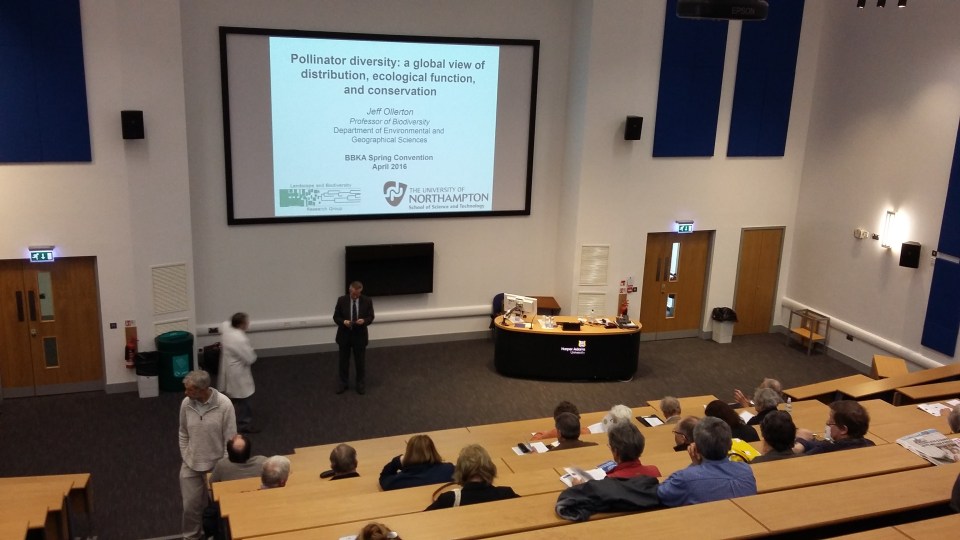
BBKA lecture April 2016As I write this I’m painfully conscious that (a) it’s a couple of weeks since I last posted on the blog; and (b) I have a long list of things to complete before I head off to Tenerife for ten days of field work on Friday.  The absence of posting has been due to my current work load, including the number of conferences, talks and workshops I’ve been involved with in the past month, which seems to have taken up a disproportionate amount of my time.  It’s all been interesting and useful, however, and reflects the rising activity stemming from the National Pollinator Strategy, and increasing interest in pollinators more broadly.  I’ve certainly learned a lot and hopefully my own expertise contributed to the success of these events.
In this post I thought I’d briefly summarise what I’ve been up to recently, in the process expanding the numerical and phylogenetic parameters of “killing two birds with one stone“:

16th March – took part in a workshop to map the latest phase of Buglife’s B-Lines across Bedfordshire, Northamptonshire, Buckinghamshire and Oxfordshire.  This was a really interesting exercise and I felt that we’d actually achieved rather a lot by the end of the day.  Once the final maps are completed I’ll post a link so you can see where the routes go through these counties and how they meet up.

23rd March – spoke at a one-day conference on “delivering biodiversity” organised by the Environmental Association of Universities and Colleges at the University of Worcester.  Although I was talking about our bird surveys on the University of Northampton’s new Waterside Campus, pollinators did receive some attention during a workshop on creating wildflower meadows.  I’ll post an update on the Waterside work once we’ve completed the next set of spring surveys.

30th March – spoke at the Bumblebee Working Group at the University of Sussex – have already posted an account of that.

6th April – took part in a”Pollinator Experts Elicitation” workshop at the University of Warwick, along with a group of nine other academics, and members of stakeholder groups such as FERA and the NFU.  Run as part of Warwick’s Food and Behavioural Science Global Research priority groups, the organisers, from the university’s Department of Statistics, used the Delphi Method to assess the likelihood of sustaining pollinator populations under different scenarios of disease, climate change, and habitat degradation.  It was a fascinating process and interesting to see how often experts’ views converged on the same opinion.  Also rather humbling to see the degree of our uncertainty in our forecasts.  The workshop garnered quite a bit of media attention including pieces on the BBC’s Midlands Today and the Farming Today programmes.

8th-9th April – delivered two lectures at the British Beekeepers Association’s Spring Convention at Harper Adams University.  Rather disconcerting to be the least-informed person in the room, given my limited knowledge of bee keeping, but they were a friendly and curious lot with good-sized audiences for my talks on the diversity of bees to be found in urban settings, and the global diversity and functional importance of pollinators.

13th April – spoke to a very receptive audience at the Friends of Linford Lakes Nature Reserve near Milton Keynes, on the topic of “Bees for dinner?  The importance of pollinators in a changing world“.  Great evening and lots of interesting questions afterwards, though my talk was a bit too long (must cut it for next time).

That’s it for now, hope to do some posts from Tenerife while we are there.


IUCN Bumblebee Specialist Group annual report 2015

Bombus hypnorum March 2010

The International Union for Conservation of Nature (IUCN) has a Bumblebee Specialist Group which is focused on assessing the conservation status of the c. 260 species within the genus Bombus.  If you follow the link above you can find out more information about the group and a PDF of the most recent annual report for 2015, plus past reports for 2012-2014.

The work of specialist groups such as this is vital for providing evidence as to the true picture of how the world’s pollinators are faring, and what can be done to reverse local and regional declines in their diversity and abundance.

Special issue of Leaf Litter devoted to pollinators

Leaf Litter

A short while ago I was interviewed by an American journalist as part of a special issue of the online newsletter Leaf Litter devoted to pollinators.  Produced by a conservation planning and ecological restoration organisation called Biohabitats, this special issue includes:

» Thoughts on Pollinators
» Expert Q&A: Jeff Ollerton
» Expert Q&A: Jerome Rozen
» Expert Q&A: Eugenie Regan
» Inspiration: Promising Progress With Pollinator Habitat
» Non-Profit Spotlight: The Xerces Society
» Video: An ecological planner walks into a cider mill…
» How Saving Pollinators Can Save Water and Fish Resources
» Biohabitats Projects, Places, and People

Here’s a link to Leaf Litter.