Category Archives: Pollination

Just published: Interactions between birds and flowers of Rhododendron spp., and their implications for mountain communities in Nepal – download it for free

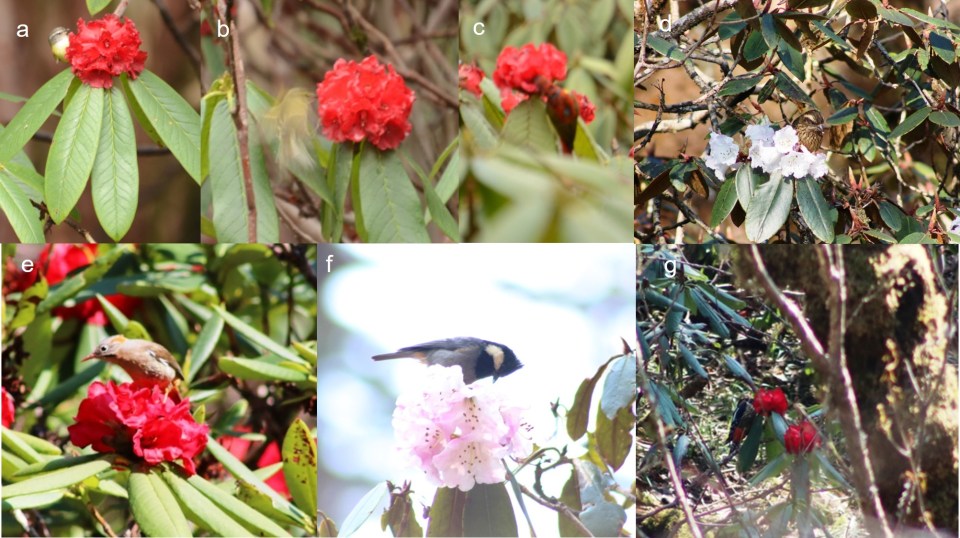
Figure 3

Back in April I posted a series of reports on a student field trip that I was involved with in Nepal, supporting our University of Northampton partner college NAMI in Kathmandu; the first one is here.  During that trip, my NAMI colleagues and I made some interesting observations about the role of generalist passerine birds and specialist flower-feeding sunbirds as pollinators of rhododendrons in the Himalayas.  This was subsequently followed up with another set of observations in which I didn’t take part, and then written up as a short research note.  I’m pleased to say that it has now been published in the new, open-access journal Plants, People, Planet.  Here’s a link to the paper which you can download for free:

Ollerton J., Koju N.P., Maharjan S.R. & Bashyal B. (2019) Interactions between birds and flowers of Rhododendron spp., and their implications for mountain communities in Nepal. Plants, People, Planet 00:1–6. https ://doi.org/10.1002/ppp3.10091

The report really asks more questions than it answers.  It points out how important these rhododendron forests are for the people of Nepal but that we know virtually nothing about the pollination biology of the dominant trees and therefore the long-term persistence of Rhododendron species in the face of forest exploitation and climate change.  Our hope is that it stimulates both further research on the topic and increased awareness of how important it is to protect these habitats.

Ash on the beach, fire in the bush: Australia reflections part 1

2019-12-13 12.17.43

Although we’ve only been in Australia for less that two weeks, it feels as if we’ve been here forever; once we got over the jetlag and the weird sleeping patterns, Karin and I have easily settled into the life of a Southern Hemisphere summer.  It’s hard to believe that back home in the UK it’s cold, wet and (politically) miserable….

We’re based at Coogee Beach in the eastern suburbs of sprawling Sydney, just a short walk from the University of New South Wales (UNSW) where I’ve spent most of my time, and an even shorter walk from sand and surf.  It sounds idyllic but one of the recurring features of the past week has been the amount of ash and charred leaves washing up on the beaches from the bush fires that surround Sydney at the moment:
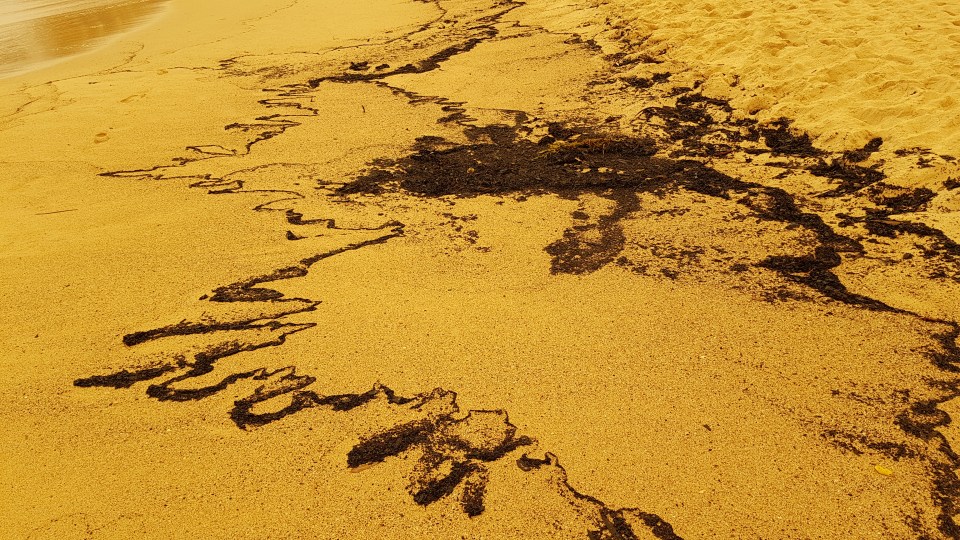
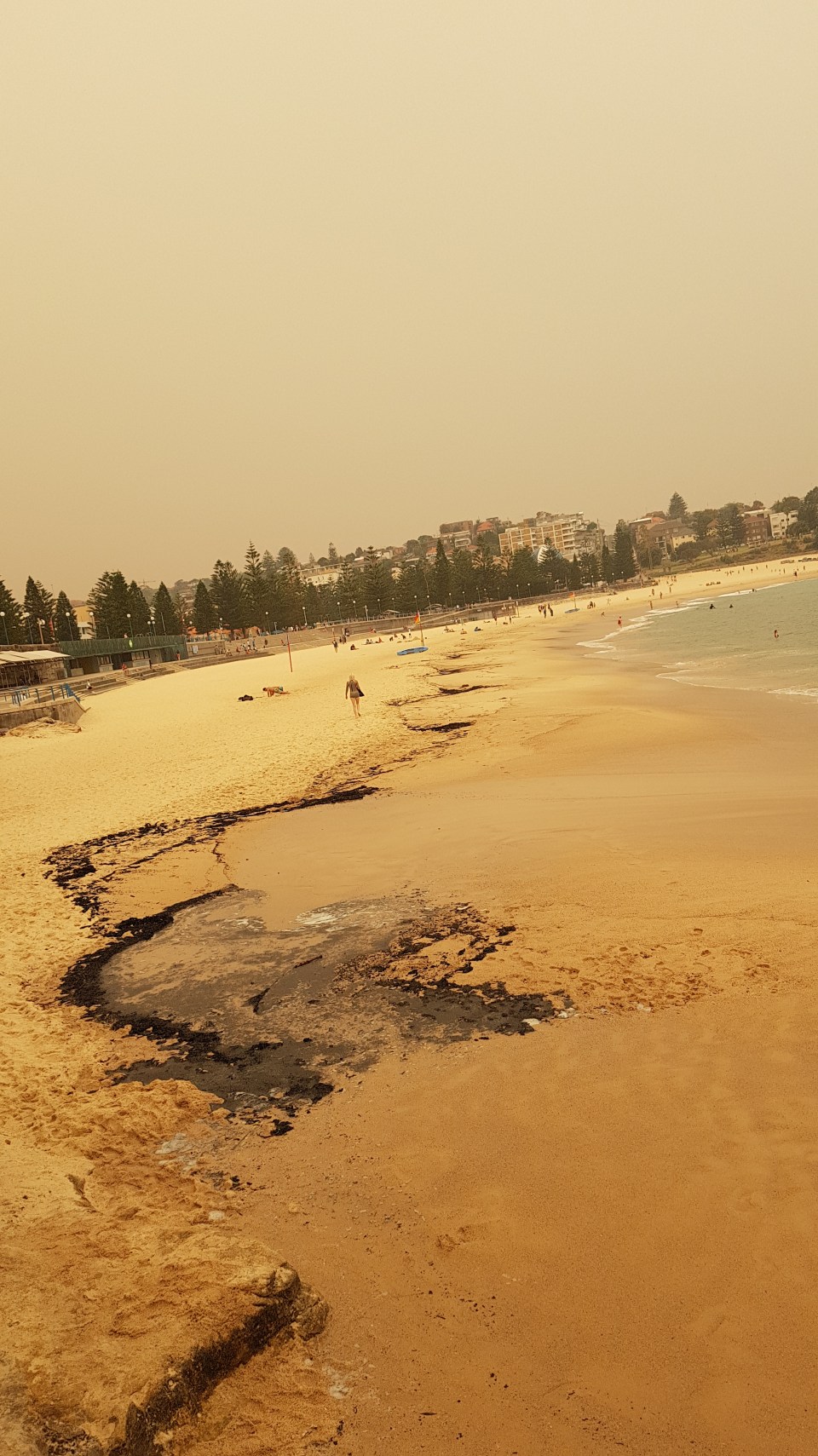
2019-12-06 17.53.21

2019-12-06 18.18.34

The region is in the midst of an extended drought and this has worsened the fire season.  The Australian Government seems intent on denying that it’s anything to do with climate change, though recently one of the state ministers has broken ranks.  That’s going to be little consolation this year but may mark the start of some changes in policies.  Let’s see.

During our time here Karin and I have facilitated a workshop on “Writing for a non-academic audience” which was attended by 17 UNSW postgraduate researchers.  I’ve presented a lecture on “Macroecology and macroevolution of plant-pollinator interactions: pattern and process at large geographical and temporal scales”…..
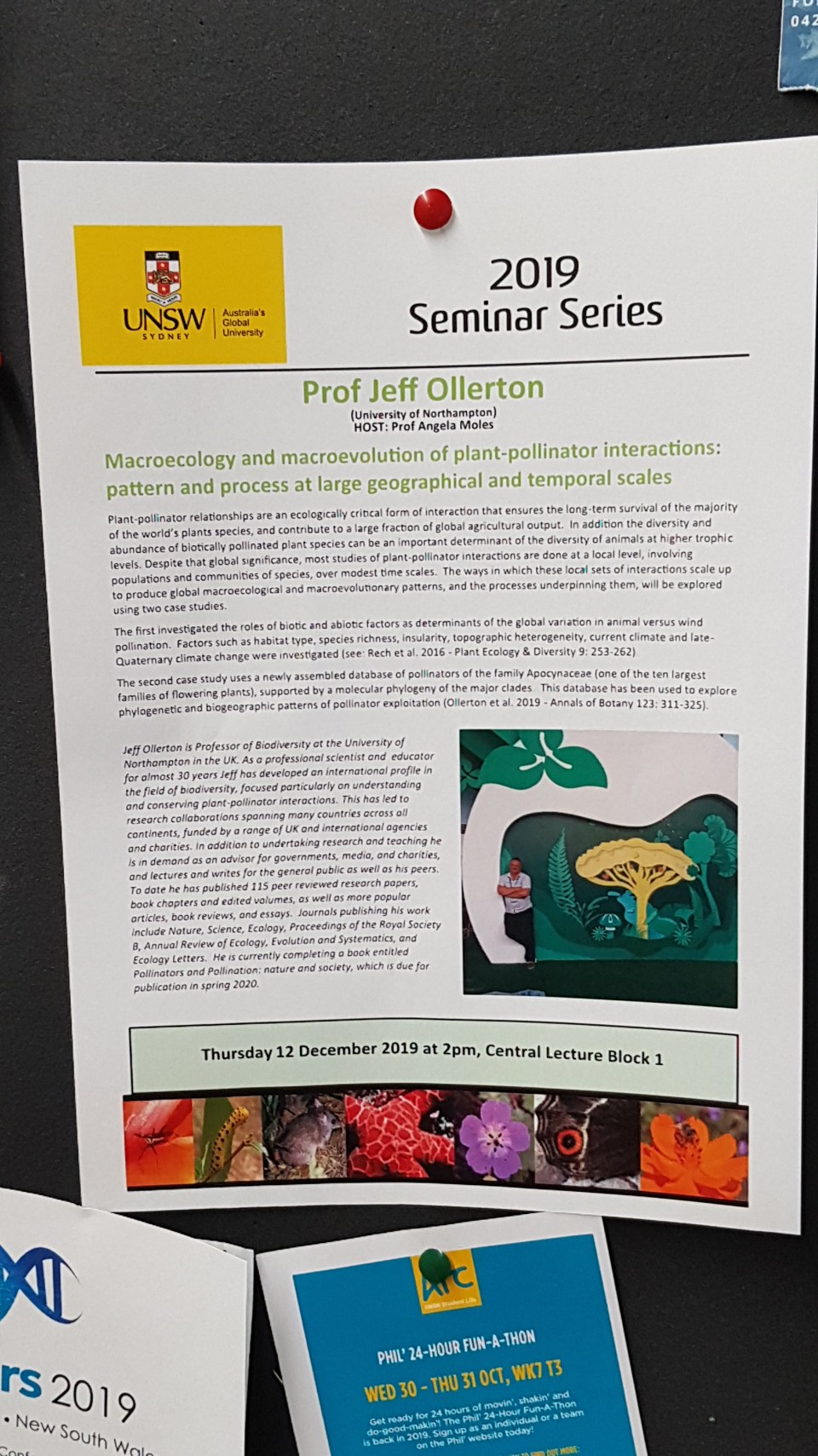
2019-12-05 10.37.41

….and spent a lot of time chatting with staff and postgrads at UNSW.  In addition, Angela Moles, Stephen Bonser and I have made initial progress with a short paper that I’m hoping will be ready to submit before we head back to the UK in early February.

Time to actually get out and see some of the habitats and biodiversity of this part of Australia has been limited.  But we’ve done a couple of hikes north and south of Coogee Beach, along cliff-top trails and boardwalks through remnant coastal heathland habitat, enjoying the novelty of watching rainbow lorikeets visiting the inflorescences of native Banksia trees:
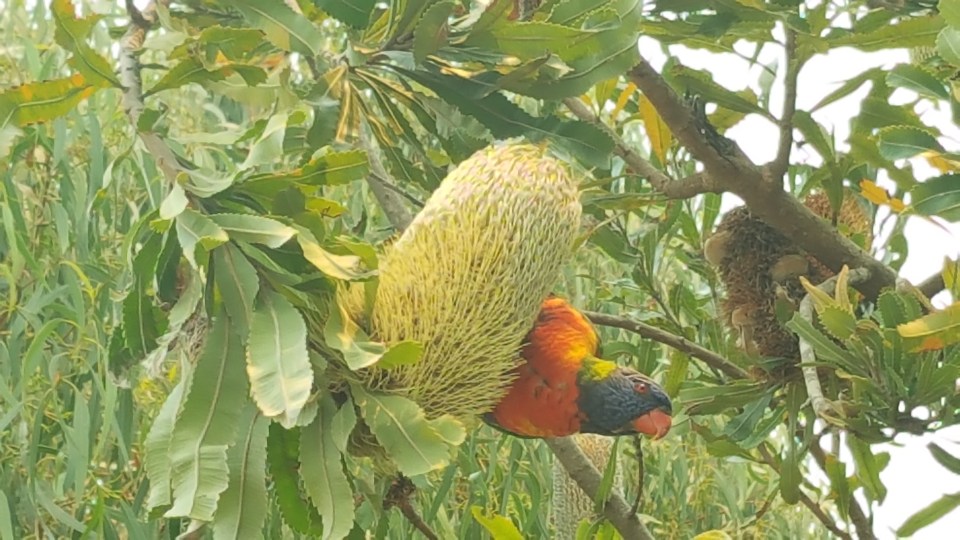
2019-12-04 12.56.12

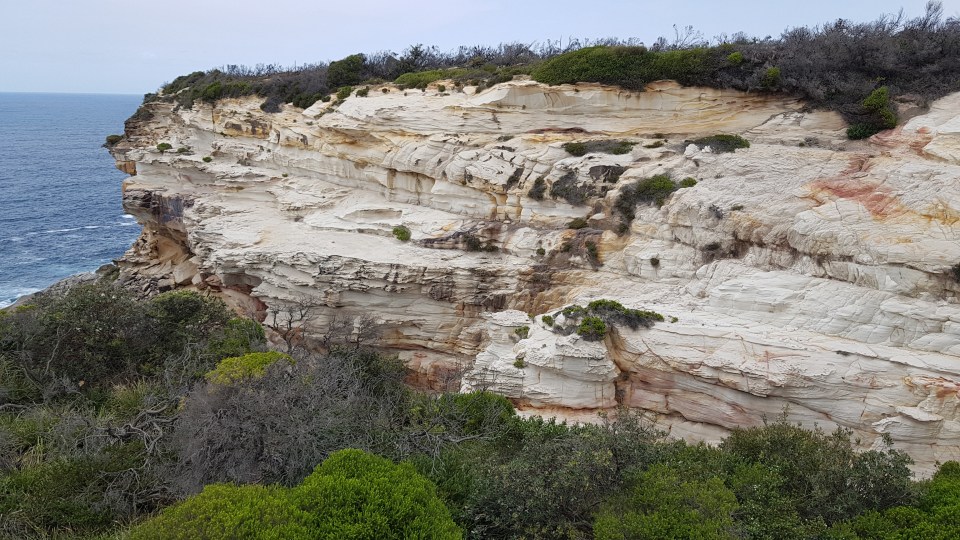
Yesterday we went further afield with a bird watching trip down to the Royal National Park (RNP) with Kew/NRI scientist Phil Stevenson (who is in the country for a couple of weeks on a flying visiting to speak at a conference and meet with colleagues); and Graham Pyke from Macquarie University, whose work on foraging behaviour of pollinators I’ve known for many years, but whom I’d never met.  Leading our trip was Steve Anyon-Smith, a professional bird guide who literally wrote the book on birding in the RNP.  Steve was great, highly knowledgeable, and a mine of information about the Australian environment.  As well as seeing about 67 bird species we encountered a host of other wildlife, and I collected data on wind and animal pollination for another set of species.  Here’s some images from that day:
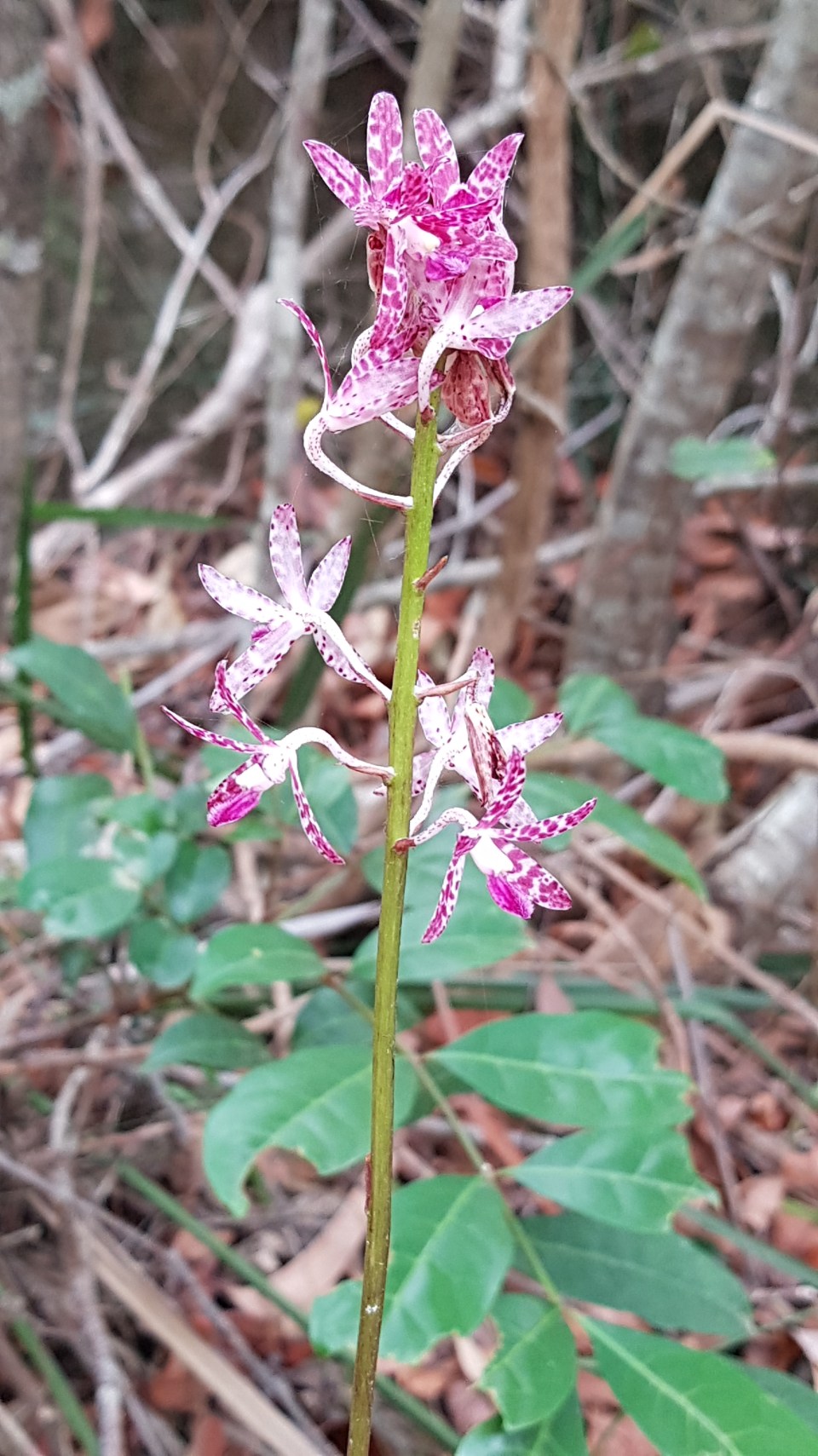
2019-12-13 10.41.43

An orchid – Dipodium punctatum.

2019-12-13 11.24.25

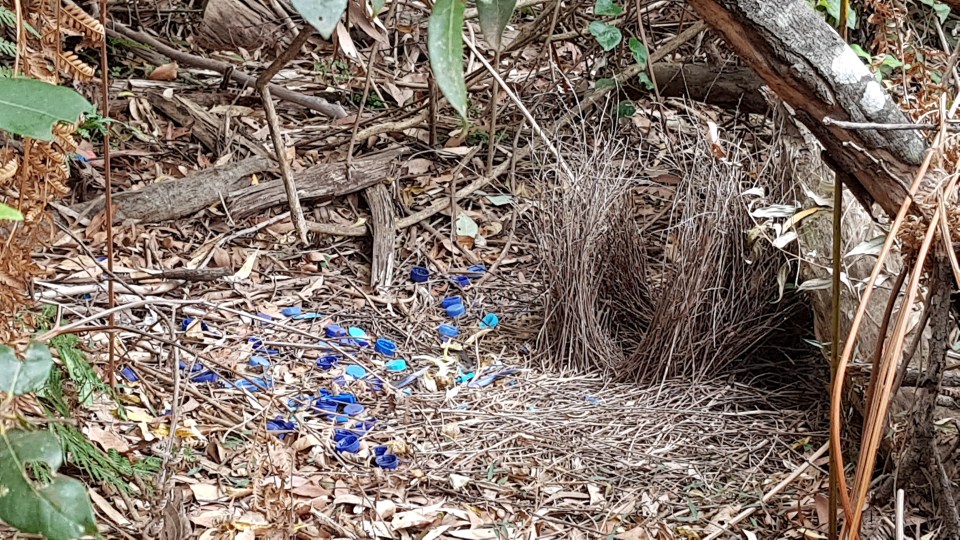
The bower of a male satin bower bird.
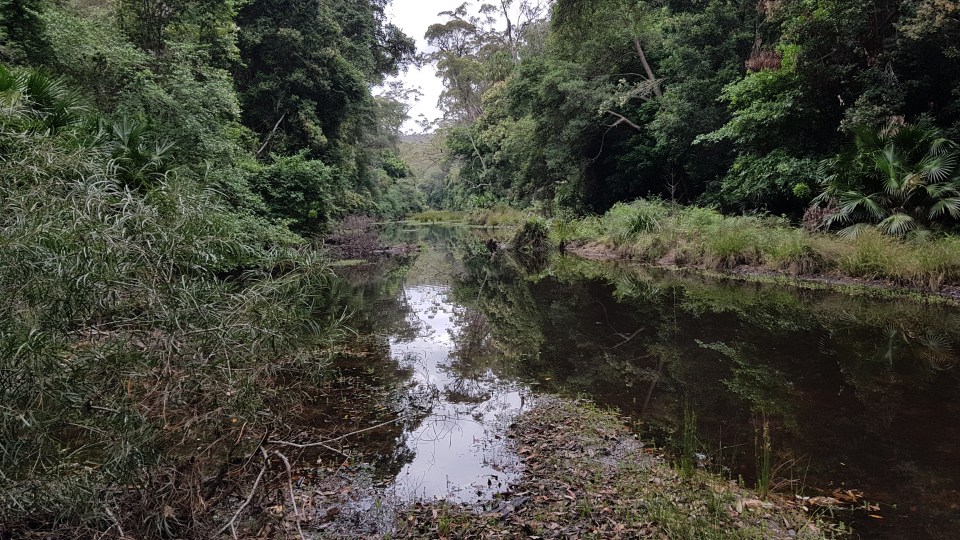
2019-12-13 09.17.10

2019-12-13 11.32.03

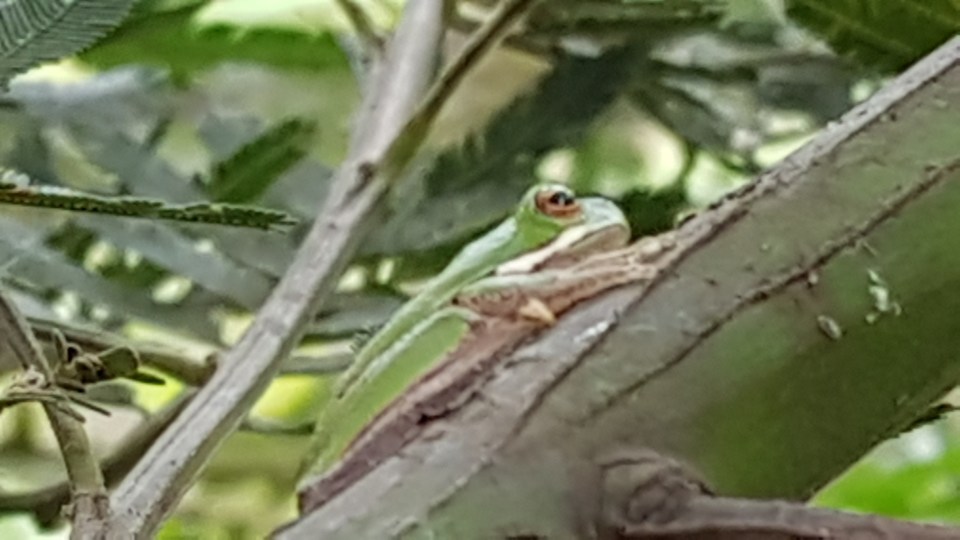
Not a great shot – it’s an Eastern dwarf tree frog.
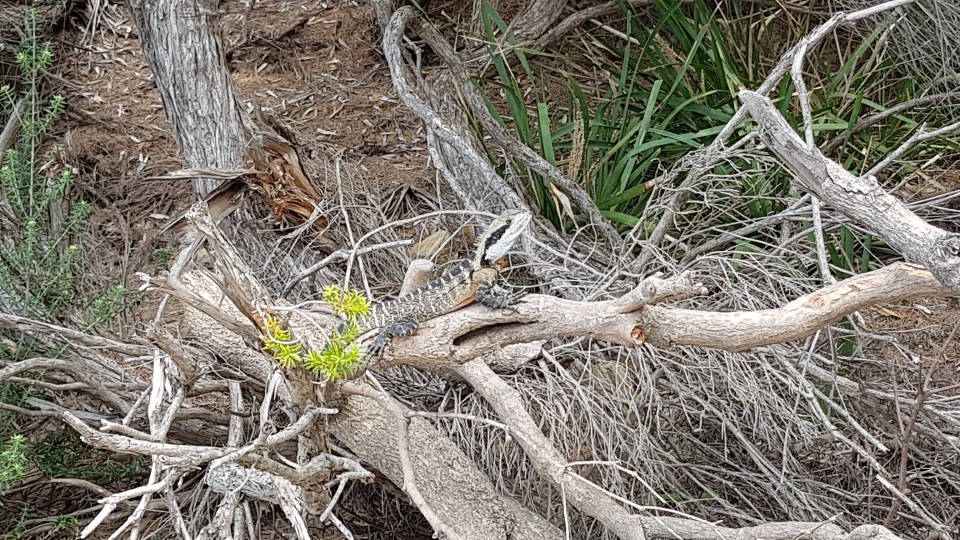
2019-12-13 13.14.41 This is better – a very confiding Eastern water dragon along a well-used coastal trail.

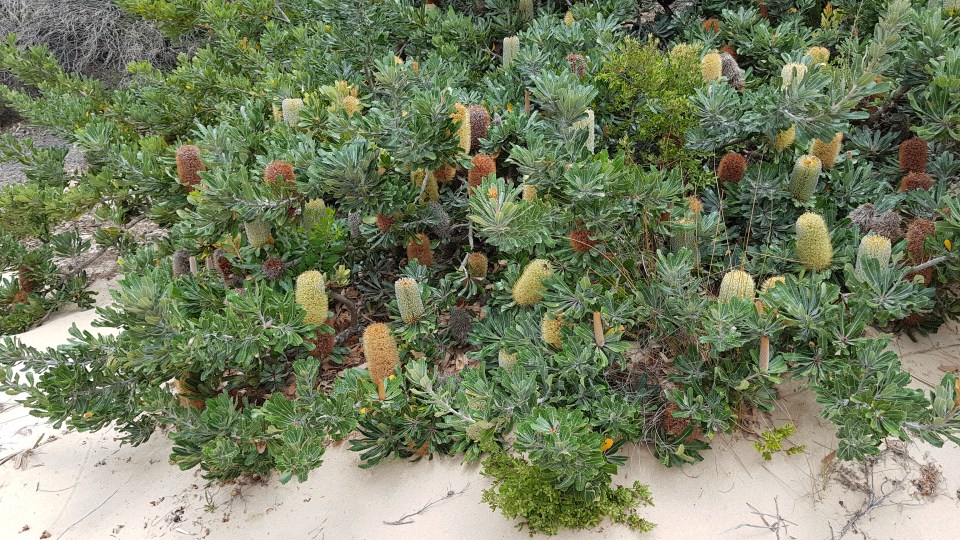
Along that trail we also saw two forms of Banksia serrata – an upright one and a prostrate form – growing quite close together:
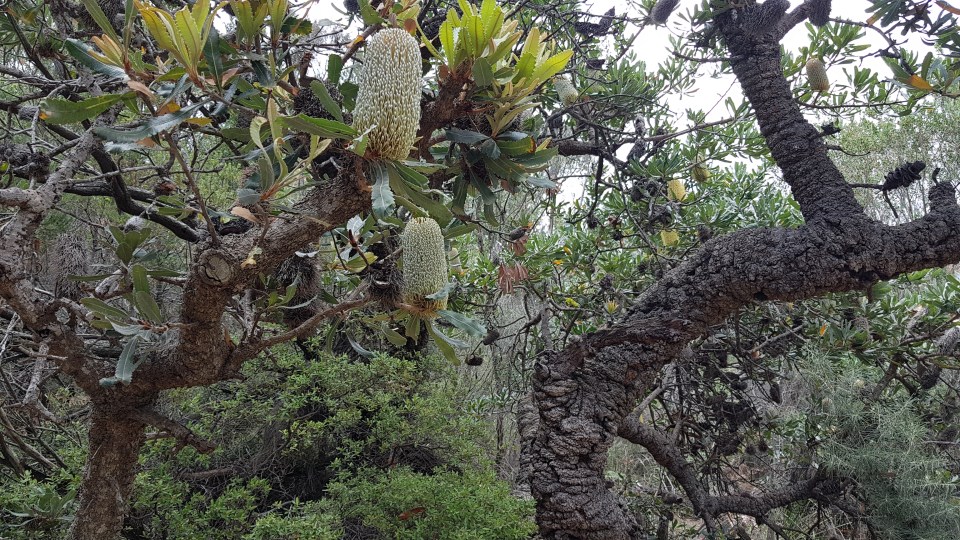
2019-12-13 13.17.162019-12-13 12.23.18

I’ve seen a lot of birds visiting the inflorescences of this species but it’s suggested that mammals might be the main pollinators – the flowers have a very thick, yeasty smell.  Perhaps it’s both?
2019-12-13 11.02.52

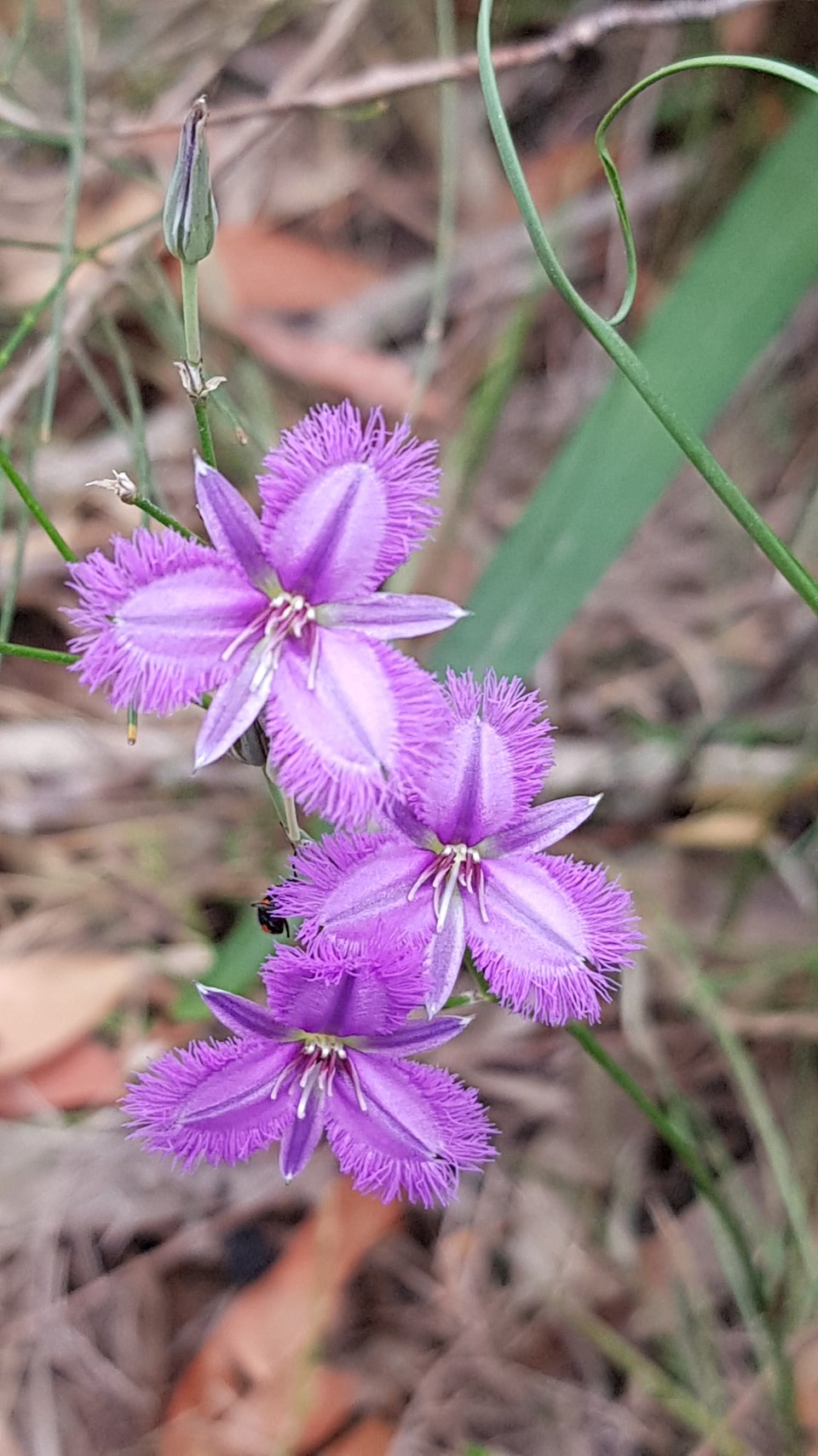
An Australian fringe-lily.

2019-12-13 12.10.16

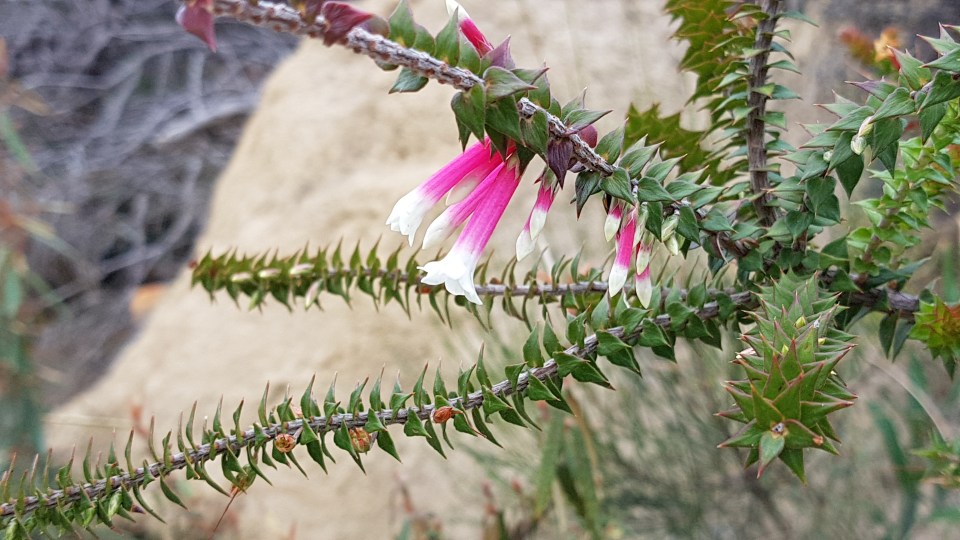
This is Epacris longiflora – thanks to Ryan O’Donnell for the identification.
2019-12-13 14.58.35

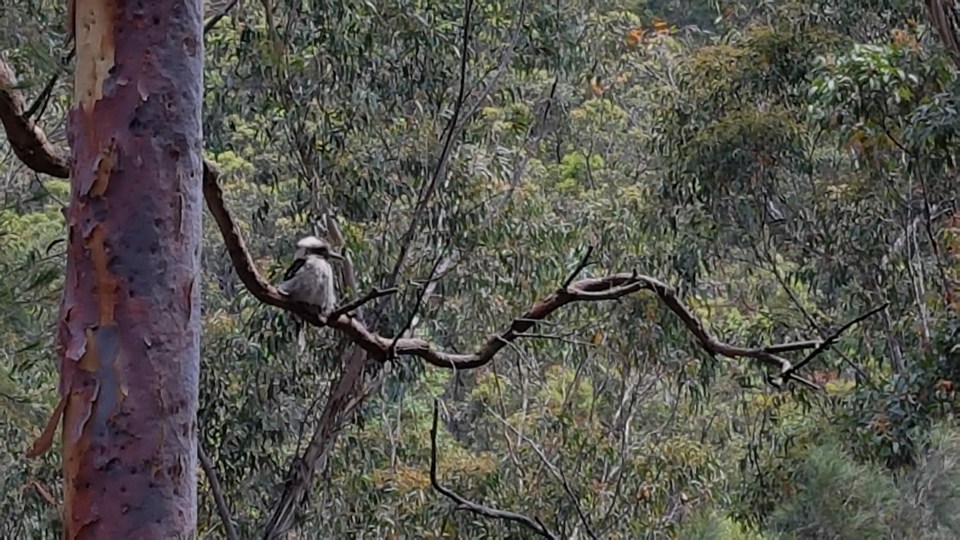
And of course we saw a lot of the iconic laughing kookaburras.

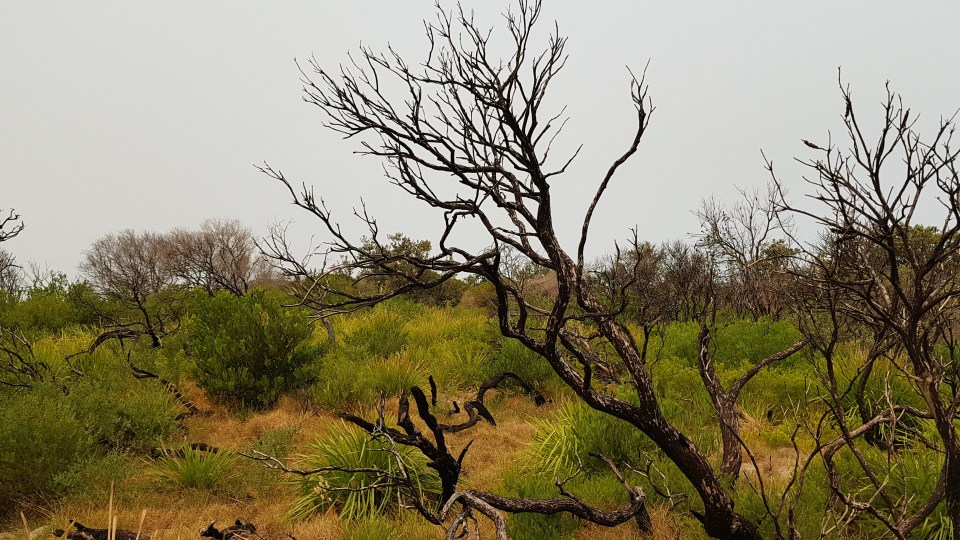
Steve was really concerned that much of the forest and wildlife in the NPR may be destroyed over the summer.  None of it has yet burned and, with temperatures due to rise enormously by next week, much of this habitat could be lost to fire by summer’s end.  I sincerely hope not, it’s too precious and beautiful to lose.  Vegetation in relatively light burns can reestablish itself given time, as we encountered in one of the Coogee remnants that burned a few years ago:
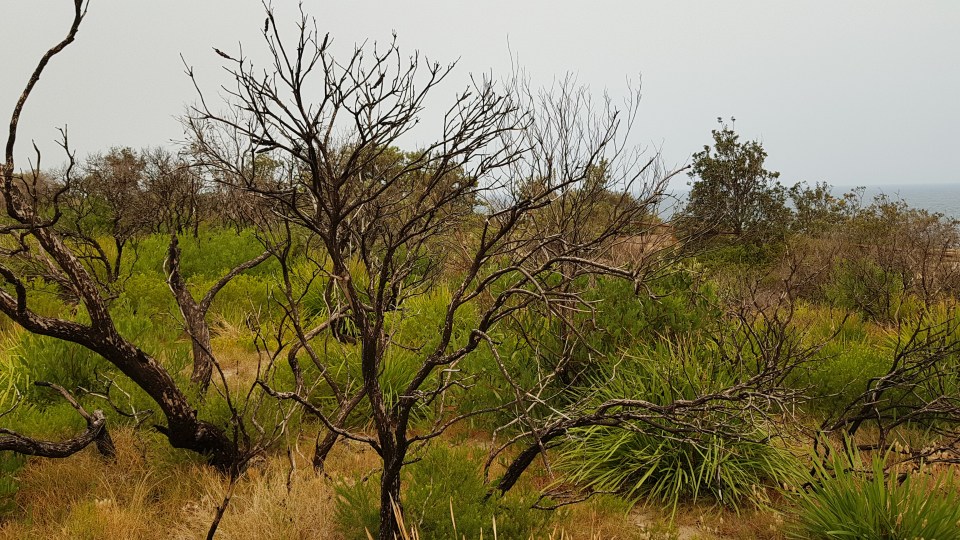
2019-12-07 15.12.472019-12-07 15.12.51 (1)

But the bigger, hotter, more intense fires that are currently sweeping the state are something else entirely, and are alien to these forests.  Aboriginal Australians carefully managed their environment using regular, small burns, a practice that has been lost in most areas.

Fire in Australia is a theme that I keep coming back to.  A few weeks ago, during one of my second-year undergraduate grassland ecology lectures, I was  discussing fire as a threat and a management tool in grasslands.  I mentioned the situation in Australia with respect to Aboriginal use of fire and I asked my students what the purpose of their burning the grasslands was.  Someone suggested that it might relate to their agriculture.  My response then was “no” because Australian Aborigines were nomadic hunter-gatherers who never developed agriculture, which is what the received wisdom has been for decades.  The answer I’d give now is: “yes, quite probably”.  As so often is the case in science, the received wisdom was wrong.

My colleague at the University of New South Wales, Angela Moles, has loaned me a book called Dark Emu which draws on early European settler accounts, Aboriginal oral tradition, and recent archaeological discoveries to turn our understanding of the ecology of pre-European Australia on its head.  In particular, it seems as though the (then) very large Aboriginal population was much more settled and had developed a sophisticated form of agriculture that included the creation and exploitation of huge areas of native grasses for their grains.  This was all destroyed by colonial European agriculture within a short time period, before it was fully understood.  One of the arguments in Dark Emu is that these native grasses are much more suitable to the Australian climate than wheat and may allow more sustainable agriculture in the future.

If you want to know more, here’s a link to a recent review and interview with the author, Bruce Pascoe:

https://www.theguardian.com/books/2019/may/24/dark-emus-infinite-potential-our-kids-have-grown-up-in-a-fog-about-the-history-of-the-land

Strange as it might sound for a professor to say, I was happy to be wrong on this (or indeed any) occasion: scientific understanding only progresses by people being wrong and incorrect ideas being superseded by new knowledge.  I made a point of sending my students an email telling them about what I’d discovered.  It may well form a question on the test they have to take next term…..

Beexploitation in social media – UPDATED

2019-07-28 11.15.10

UPDATE:  I should really have linked to Charlotte de Keyzer’s “bee-washing” site – https://www.bee-washing.com/ – it’s making much the same argument in a more comprehensive and elegant way.  That’s what happens when you post blogs first thing in the morning before the (bee pollinated!) coffee has properly kicked your brain into gear…..

————————————————————

I am fond of new words – neologisms – and if pollinators can be included, so much the better.  For example see my recent post about autobeeography.  That refers to memoirs which focus around work or encounters with bees, of course.  So here’s a new one:  “beexploitation”.

Beexploitaton is a play on blaxpoitation of course, and refers to articles, campaigns, social media, etc., that seeks to make financial or reputational gain from making wild and unsubstantiated claims about pollinators, most often honeybees.  Here’s an egregious example that caught my eye this morning and stimulated this post:  https://www.boredpanda.com/influencer-bee-b-fondation-de-france/

Worryingly, this is set up by the French Government and is aimed at raising money from well meaning people to “save the bees”.  But it’s full of nonsense claims such as that bees pollinate cocoa plants to give us chocolate.  They don’t – the pollinators of cocoa are primarily, perhaps exclusively, small flies.  There are other errors too and we know that honeybees, globally, are not as important as wild pollinators for crop plants.  We need to highlight and critique this sort of rubbish because it diverts money and attention away from genuinely well thought out initiatives to conserve pollinators.

As always, I’m happy to receive comments and other examples of beexploitation.

Are you ready for SCAPE 2019?

SCAPE logo

Later this week the 33rd annual meeting of the Scandinavian Association for Pollination Ecology (SCAPE) takes place at a venue near Lund in Sweden.  Here’s a link to the conference website on which you can find the programme and the abstracts.

SCAPE is the longest running such conference in the world and this year’s meeting promises to be a bumper one, with at least 130 delegates and two great keynote speakers: Prof. Rachael Winfree and Prof. Sharon Strauss.

For the first time I’m giving a short “flash talk” of just four minutes which will be interesting…..will I be able to stick to time?

I will try to post some thoughts from the meeting on the blog but to be honest I’m more likely to tweet using the hash tag #SCAPE2019 and the account @SCAPE_Poll_Ecol.  Watch out for those if you’re on Twitter.

What exactly is a “pollination system”?

Pollination systems

This is a post I’ve been meaning to write for some time, but have never got round to.  What’s catalysed me is an email this morning from Casper van der Kooi asking me about how I define the term “pollination system”, as he’d had some discussions about its use with his colleagues in The Netherlands.

“Pollination system” is one of those terms that seems to mean different things to different people. The way I use it, and I think the way we meant it in the 1996 paper Generalization in pollination systems and why it matters, is that the pollination system = floral phenotype + pollinators.  That is to say, the colour, shape, size, odour, rewards, etc. produced by a flower (or an inflorescence functioning as a single reproductive unit) plus the animals that effectively transfer pollen.

To me this is distinct from a “pollination syndrome” which refers only to the floral phenotype, or “pollinator guild/functional group” which refers only to the flower visitors.  However I have seen “pollination syndrome” used to include floral phenotype + pollinators.  But to my mind they are distinct things.

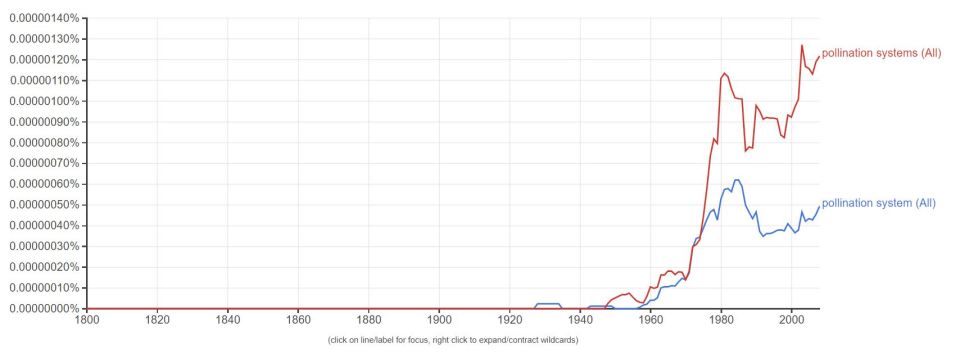
I have also seen other authors use “pollination system” to mean the community of plants and pollinators in an area, or as analogous to the breeding system, but neither of those are the way that I use it.  I decided to look at the history of the term on Web of Science and the earliest use on there is a paper by Levin & Berube (1972): Phlox and Colias – efficiency of a pollination system.  There were a few other papers from the same decade and all were using pollination system in the way I described above, i.e. floral phenotype + pollinators.

To look for earlier usage of pollination system I searched the Google Ngram Viewer; as you can see in the image above, I found examples of the term back as far as the 1940s in which the pollination system of grasses is referred to as being “cross pollination” (i.e. what we would now refer to as the breeding system).  There’s also texts from the 1950s referring to artificial wind pollination of date palms as a “helicopter pollination system”.

Does it matter how “pollination system” is used, or that it varies in meaning according to the author?  Probably not as long as the meaning is defined in the text.  Ecology is replete with terminology that has slightly different usage according to the researcher (“biodiversity” being an obvious example) and I don’t get a sense that this has held back the field.  Or is that too optimistic a conclusion?  Do you use the term in a different way to me?  As always, your comments are welcomed.

Auto-bee-ography – a new genre of writing?

20190904_134703

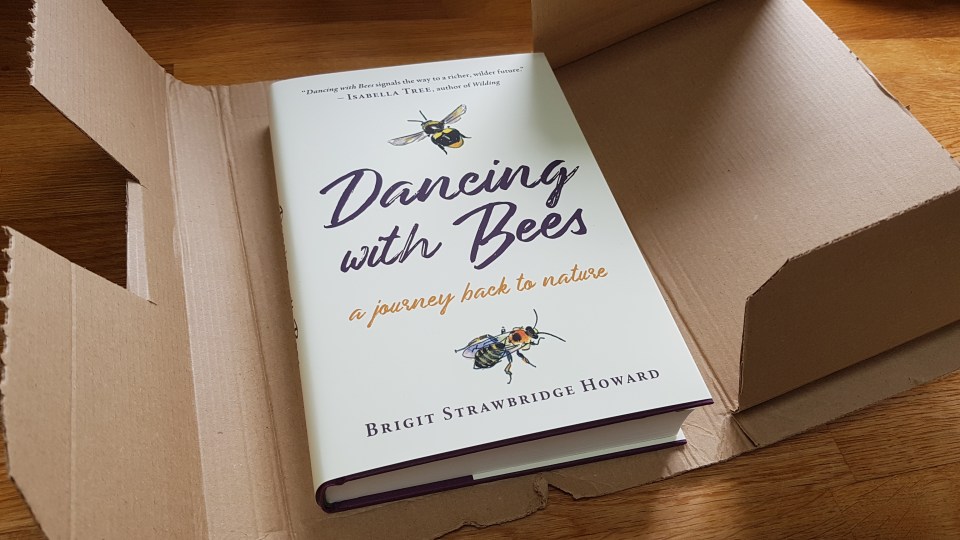
In the post today I was pleased to find a copy of Brigit Strawbridge Howard’s first book Dancing With Bees that she had kindly signed and sent after I reviewed some of the text.  It was great timing – I’ve just finished Mark Cocker’s Our Place, a really important historical and future road map of how Britain got to its present position of denuded and declining biodiversity, and what we can do to halt and reverse it. Highly recommended for anyone interested in environmental politics and action.  So Brigit’s book will be added to the pile on my bedside table and may be next in line, though I still haven’t finished Dave Goulson’s The Garden Jungle – perhaps I will do that before I start Dancing With Bees?

And thereby lies a problem – there’s just too many interesting books to read at the moment if you are interested in the environment, or indeed even just in pollinators.  Because a new genre of writing seems to be emerging that I call “auto-bee-ography”. A number of writers are using bees to frame their memoirs and anecdotes.  Dave’s trilogy of Buzz in the Meadow, Sting in the Tale, and Bee Quest is probably the best known. Then there’s Buzz by Thor Hanson; Following the Wild Bees by Thomas Seeley; Bees-at-Law byNoël Sweeney; Keeping the Bees by Laurence Packer; Bee Time by Mark Winston; Bees Make the Best Pets by Jack Mingo; Buzz: Urban Beekeeping and the Power of the Bee
by Lisa Jean Moore and Mary Kosut; The Secrets of Bees by Michael Weiler; and The Bumblebee Flies Anyway by Kate Bradbury.

All of these books fall more-or-less into the category of auto-bee-ography, and I’m sure there are others that I’ve missed (feel free to add to the list in the comments below).  They follow a strong tradition in natural history and environmental writing of using encounters with particular groups of organisms, for example birds and plants, as a way of exploring wider themes  Which is great, the more high profile we can make all of these organisms, including pollinators, the better in my opinion*.

However there’s not enough written about the other pollinators, that does seem to be a gap in the literature.  Mike Shanahan’s Ladders to Heaven has a lot about his encounters with figs and their pollinating wasps, but that’s about it, unless I’ve missed some?  Perhaps in the future I’ll write something auto-fly-ographical called No Flies on Me.  But before that, look out for Pollinators and Pollination: nature and society which I’m currently completing for Pelagic Publishing.  It should be out in Spring 2020.


*Though not in everyone’s – I had a very interesting discussion on Twitter with some other ecologists recently about whether pollinators had too high a profile compared to organisms that perform other functional roles in ecosystems such as seed dispersers.  You can follow the thread from here: https://twitter.com/JMBecologist/status/1165565465705496576


Websites about bees and other pollinators that are not in English – can you add to my list?

2019-05-20 15.22.16

The book I’m currently completing is going to have a list of useful websites with information about bees and other pollinators, and pollination itself, that are not written in English.  Following a shout-out on Twitter I’ve come up with the following list – can anyone add to it?  There’s a lot of countries/languages missing.  Please respond in the comments section or send me an email:


Belgian:

https://www.wildbnb.brussels/


Brazilian:

https://www.semabelhasemalimento.com.br/home/polinizacao/

https://abelha.org.br/


Chilean:

https://www.abejasdechile.com/


Dutch:

http://sapoll.eu/nl/  

http://www.bestuivers.nl/ 

https://www.nederlandzoemt.nl/


French:

https://www.pollinis.org/ 

http://www.florabeilles.org/


French Canadian:

http://m.espacepourlavie.ca/des-pollinisateurs


German:

http://wildbienen.info

http://wildbienen.de 

http://wildbiene.com


Norwegian:

https://snl.no/honningbie

https://www.lahumlasuse.no/humlens-liv/


Portuguese:  

http://www.cienciaviva.pt/aprenderforadasaladeaula/index.asp?accao=showobj&id_obj=1532


Spanish:

http://www.abejassilvestres.es/index2.html

http://apolo.entomologica.es/

http://www.rjb.csic.es/jardinbotanico/jardin/index.php?Pag=697&len=


With thanks to everyone on Twitter who responded.

What happens when pollinators lose their flowers? A new study suggests some answers


Biella et al image

Pollinators such as bees and butterflies are highly dependent on flowers to provide nectar as food; at the same time, those plants are reliant on the pollinators for reproduction.  Over the past few decades, declines in both flower and pollinator diversity and abundance have prompted ecologists to wonder about the consequences of flower loss for pollinator communities and for plant pollination.

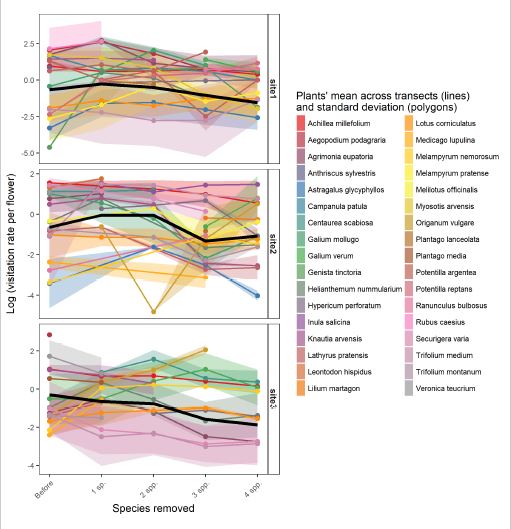
In a ground breaking new study, a team from institutions in the Czech Republic and the University of Northampton in the UK have published the results of experiments that seek to answer these questions.  Led by PhD researcher Dr Paolo Biella, the team performed experiments in both countries that involved temporarily removing thousands of flower heads from grassland plant communities.  They assessed how the pollinator assemblage responded to their removal, and how effectively the remaining flowers were pollinated.  The team focused on generalist plant species that support the majority of pollinators within a community because these have traditionally been less well studied than highly specialised relationships.

The results are published today in the open access journal Scientific Reports and provide the first demonstration of the ways in which pollinators flexibly adjust their behaviour when faced with a sequential loss of resources.  This flexibility is constrained by the type of flowers they visit, however:  pollinators will tend to switch to flowers of a similar shape to the ones that have been lost.  From the plant’s perspective, things are less clear: the patterns of pollination for the remaining species were idiosyncratic and not as predictable.  Some plants received more pollination during the experiment than before, others less.

For the first time we are seeing the consequences of sudden loss of flowers for both the pollinators and the plants in a habitat.  That the pollinators can respond flexibly to this loss is a welcome indication that these insects might be more resilient to sudden changes than we had thought.  However, the erratic pollination of the flowers shows that there is a great deal of random chance within these ecological systems that is not easily predictable.  In the same week that the UN’s Intergovernmental Science-Policy Platform on Biodiversity and Ecosystem Services (IPBES) Global Assessment Report on Biodiversity and Ecosystem Services was published, our study reminds us that there is much that we do not currently understand about the consequences of sudden changes in the natural world.

One of the team’s recommendations is that pollination-generalist plant species should be given much more attention in conservation assessments than has previously been the case.  These plants are at the core of plant-pollinator communities and without them the rarer and more specialised species could not exist.

Details of the study are as follows:

Biella P., Akter A., Ollerton J., Tarrant S., Janeček Š., Jersáková J. & Klecka J. (2019) Experimental loss of generalist plants reveals alterations in plant-pollinator interactions and a constrained flexibility of foraging.  Scientific Reports 9: 1-13

Here’s the abstract:

Species extinctions undermine ecosystem functioning, with the loss of a small subset of functionally important species having a disproportionate impact. However, little is known about the effects of species loss on plant-pollinator interactions. We addressed this issue in a field experiment by removing the plant species with the highest visitation frequency, then measuring the impact of plant removal on flower visitation, pollinator effectiveness and insect foraging in several sites. Our results show that total visitation decreased exponentially after removing 1-4 most visited plants, suggesting that these plants could benefit co-occurring ones by maintaining high flower visitor abundances. Although we found large variation among plant species, the redistribution of the pollinator guild affected mostly the other plants with high visitor richness. Also, the plant traits mediated the effect of removal on flower visitation; while visitation of plants which had smaller inflorescences and more sugar per flower increased after removal, flower visitors did not switch between flower shapes and visitation decreased mostly in plants visited by many morpho-species of flower visitors. Together, these results suggest that the potential adaptive foraging was constrained by flower traits. Moreover, pollinator effectiveness fluctuated but was not directly linked to changes of flower visitation. In conclusion, it seems that the loss of generalist plants alters plant-pollinator interactions by decreasing pollinator abundance with implications for pollination and insect foraging. Therefore, generalist plants have high conservation value because they sustain the complex pattern of plant-pollinator interactions.

Are these first photographs of a living specimen of a rare African butterfly?

OLYMPUS DIGITAL CAMERA

Earlier this year my colleague at the Royal Botanic Gardens Kew, David Goyder, tweeted a link to a new book about the biodiversity of Angola which you can download for free by following this link.  David’s an authority on Apocynaceae, the family of plants on which I’ve also worked for many years (see this recent post), and has been sorking in Angola in recent years on a large biodiversity project.  So I was interested to see what was in the chapter  he had co-authored called “The flora of Angola: Collectors, Richness and Endemism“.  I was immediately struck by one of the images in Figure 5.3 showing an unnamed butterfly feeding on the flower of a species of Apocynaceae (Raphionacme michelii).

I made a note to myself to talk to David about adding the record to our Pollinators of Apocynaceae Database. But before I had a chance to do that, another apocynologist colleague, Ulrich Meve in Bayreuth, forwarded the chapter with a similar idea in mind.

We emailed David about the image and he sent us originals, but confessed he didn’t know what the insect was.  So I uploaded it to an African Lepidoptera forum on Facebook.  At which point a wave of excitement broke, because after some discussion as to whether it might be a new species, it turned out that the most likely candidate was an exceptionally rare butterfly called Acraea mansya in the family Nymphalidae.

According to Dominique Bernaud, an authority on the group, this species is hardly known beyond a few collections and he has never seen a photograph of a living specimen: if you follow this link you will see that the known distribution of the species does not include Angola,  and indeed it is not listed in the chapter on butterflies in the Angola biodiversity book.  So this is a new country record and (we think) the first images of living insects: so a double first for a beautiful species.

Here’s links to collection information for the plant and to David’s checklist of plants from the region, which gives details of the vegetation and the habitat.

An unanswered question, of course, is whether the butterfly is a pollinator of this species of plants.  Raphionacme belongs to a subfamily of Apocynaceae that have hardly been studied from the perspective of pollination ecology, so we simply don’t know.  Hopefully someone in the future will visit this remote region of Africa and find out!

Thanks to David for sending the images (a complete set of which is below), the National Geographic Okavango Wilderness Project, and the Wild Bird Trust, Parktown, South Africa.

OLYMPUS DIGITAL CAMERAOLYMPUS DIGITAL CAMERAOLYMPUS DIGITAL CAMERAOLYMPUS DIGITAL CAMERAOLYMPUS DIGITAL CAMERA

Is pollination really an ecosystem service?

Ashy Mining Bee 2017-06-17 10.55.53

Yesterday on Twitter Prof. James Bullock from the Centre for Ecology and Hydrology posted a slightly provocative tweet asking: “why pollination is so often called an ecosystem service. To my mind it is an ecosystem process which can, in some circumstances (e.g. crop pollination), support services such as food provision”.

I confess to being a bit surprised to see this; I’d always referred to pollination (at least by animals) as an ecosystem service, and it’s classified in that way in large status-and-trend reports such as the Millennium Ecosystem Assessment and (more recently) the IPBES Assessment Report on Pollinators, Pollination and Food Production which describes animal pollination as “a regulating ecosystem service that underpins food production and its contribution to gene flows and restoration of ecosystems”.

The crux of James’s question is illustrated in this diagram from a paper by Prof. Georgina Mace and colleagues in 2012 entitled Biodiversity and ecosystem services: a multilayered relationship.  However note that even here, pollination straddles the line between ecosystem processes and services:

Mace ES image

My initial response to James’s tweet was that animal pollination is really a community process as the interaction, and its outcomes, between animal and crop plant is dependent mainly on species diversity and abundance.  Remember, an ecosystem is the sum of the biotic (i.e. community) plus abiotic (e.g. energy, water, mineral nutrients, etc.).  So as far as crop pollination is concerned, the abiotic components of an ecosystem don’t really come into it except in as much as they influence diversity and abundance of all life on Earth.  This is in contrast to more strictly ecosystem processes that link directly to the abiotic factors, such as primary productivity and soil formation, that then support ecosystem services.

It’s further complicated by the fact that many of the plants that perform ecosystem services, such as carbon capture by trees, are themselves dependent upon animal pollination to maintain their populations.  It’s the plants that are providing the ecosystem services but the animals are playing an important role in supporting that.

If you’d like to follow that discussion, which has some interesting contribution from a range of people, here’s the link:


But ultimately I feel that these are fairly arbitrary definitions across a continuum of causes and effects: we know what animal pollination of crops and wild plants is and why it’s important, so what we call it doesn’t really matter, does it?  Other things are much more concerning.  At the moment the UK is experiencing unprecedented weather: for the first time ever, earlier today, a temperature of in excess of 20 Centigrade has been recorded in winter.  It currently feels more like late April or early May than February.  I’m already seeing a lot of pollinator activity in the garden and beyond, and each day more plants come into flower, far earlier than expected.

The current and future effects of such changes in the climate are far more important than discussions of the semantics of processes versus services, however interesting that might be.