Category Archives: Bees

The influence of floral traits on specialization and modularity of plant–pollinator networks in a biodiversity hotspot in the Peruvian Andes – Watts et al. (2016)

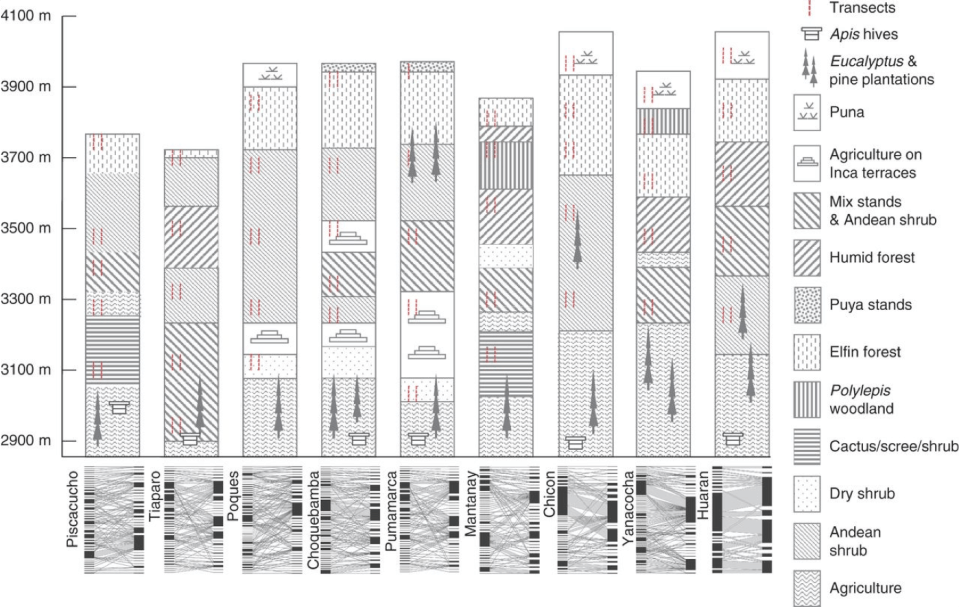
Watts et al Figure 1

The second paper from the PhD thesis of my former student Dr Stella Watts has just been published in Annals of Botanyhere’s a link to the journal’s website.  It summarises the major findings from her field work on plant-pollinator interactions in the high Andes of Peru:

Watts, S., Dormann, C.F., Martín González, A.M. & Ollerton, J. (2016) The influence of floral traits on specialization and modularity of plant–pollinator networks in a biodiversity hotspot in the Peruvian Andes.  Annals of Botany doi: 10.1093/aob/mcw114

This paper represents a major piece of research, including extensive field data collection over multiple sites in a challenging environment at altitude; state-of-the-art data analysis; and then summarising all of this into a single, digestible paper, with some great figures.  I’m very proud to have been part of it!

Here’s the abstract; please email me or Stella if you’d like a copy of the full PDF:

Background and Aims:  Modularity is a ubiquitous and important structural property of ecological networks which describes the relative strengths of sets of interacting species and gives insights into the dynamics of ecological communities. However, this has rarely been studied in species-rich, tropical plant–pollinator networks. Working in a biodiversity hotspot in the Peruvian Andes we assessed the structure of quantitative plant–pollinator networks in nine valleys, quantifying modularity among networks, defining the topological roles of species and the influence of floral traits on specialization.

Methods: A total of 90 transects were surveyed for plants and pollinators at different altitudes and across different life zones. Quantitative modularity (QuanBiMo) was used to detect modularity and six indices were used to quantify specialization.

Key Results:  All networks were highly structured, moderately specialized and significantly modular regardless of size. The strongest hubs were Baccharis plants, Apis mellifera, Bombus funebris and Diptera spp., which were the most ubiquitous and abundant species with the longest phenologies. Species strength showed a strong association with the modular structure of plant–pollinator networks. Hubs and connectors were the most centralized participants in the networks and were ranked highest (high generalization) when quantifying specialization with most indices. However, complementary specialization d’ quantified hubs and connectors as moderately specialized. Specialization and topological roles of species were remarkably constant across some sites, but highly variable in others. Networks were dominated by ecologically and functionally generalist plant species with open access flowers which are closely related taxonomically with similar morphology and rewards. Plants associated with hummingbirds had the highest level of complementary specialization and exclusivity in modules (functional specialists) and the longest corollas.

Conclusions: We have demonstrated that the topology of networks in this tropical montane environment was non-random and highly organized. Our findings underline that specialization indices convey different concepts of specialization and hence quantify different aspects, and that measuring specialization requires careful consideration of what defines a specialist.

Third International Conference on Pollinator Biology, Health and Policy – Pennsylvania – 18-20 July, 2016

P1030210

Keeping with the theme of Bees’ Needs Week, and the importance of pollinators to natural and agricultural ecosystems*, the Third International Conference on Pollinator Biology, Health and Policy takes place at Penn State University, USA,  from the 18th to 20th July.

Here’s a link to the PDF of the programme with the abstracts, speakers’ details, etc.  I won’t be attending** but I am involved as a collaborator*** in one of the talks being presented – Luísa Carvalheiro’s project on “Direct and indirect effects of soil eutrophication on pollination services“.

Best of luck to all the speakers and attendees, looks like it’s going to be a great conference.


*Wednesday’s grumpiness has almost disappeared, though it reached a new peak yesterday when we had a paper rejected by a journal after 10 months.  There was one positive review, one middling review, and then a third in which the reviewer provided no comments – just “reject”!  I was not happy about that and made my feelings known to the editor…..

**I’m actually in the Azores next week attending the Island Biology 2016 conference.  More about that at the weekend.

***With about a gazillion other people!  Luisa has pulled together an amazing data set.


“Insect pollinated” crops that don’t actually require insect pollination

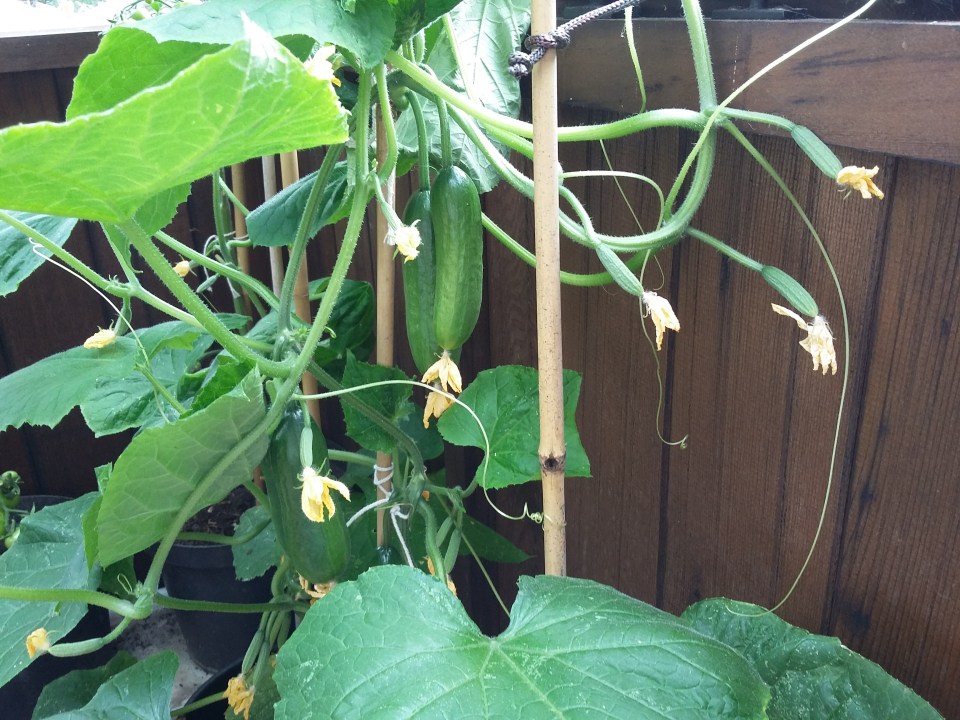
Cucumber fruit 20160713_103558

Yesterday evening I learned that a large grant application that I’d submitted earlier this year had failed to secure funding.  Statistically there was a high likelihood of this happening but that doesn’t make it feel any better: weeks and weeks of work have come to nothing.

So in a mood of bloody-minded contrariness and general displeasure at the unfairness of the world I thought I’d provide an alternative to the Bees’ Needs week I mentioned yesterday by focusing on food crops that look as though they should be insect pollinated (and their ancestors certainly were) but which don’t actually require pollinators.

The example pictured above is an F1 hybrid cucumber (Cucumis sativus) variety called “Mini Munch”, kindly grown from seed and given to me by my friend and colleague Dr Janet Jackson.  Many cucumbers don’t need insect pollination, despite their large, colourful flowers, and the fact that related crops (melons, courgettes, squashes, etc.) generally do require pollinators.  Indeed some varieties taste bitter if they are pollinated.  I can recommend this web page on how to grow cucumbers for further advice.

As I was taking that photograph, and in another demonstration of how the world is against me at the moment, I spotted a bee feeding on one of the all-female flowers of this variety.

Megachile on cucumber 20160713_103627

It spent some time there probing the centre with its tongue, so I think these flowers still produce nectar despite them not needing pollinators, a hang-over from their ancestry.  Plants have a whole range of mechanisms that ensure reproduction without the agency of insects and other animal pollinators, and this has been exploited by crop breeders who have selected crop varieties for their ability to self pollinate or to reproduce asexually via apomixis (as in the case of this cucumber).

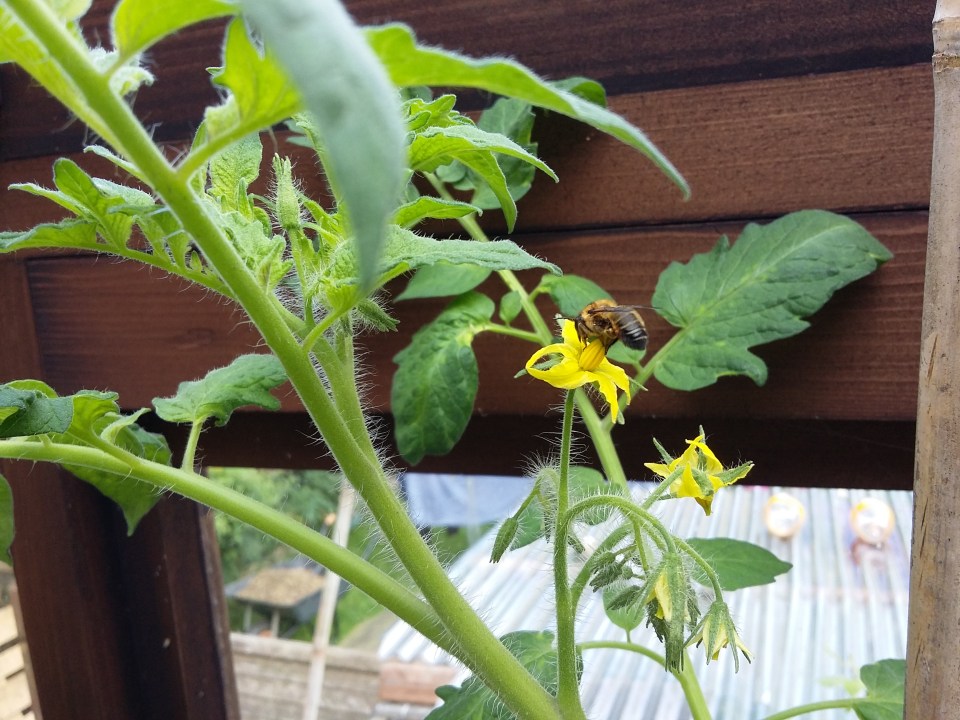
The same bee then flew onto a tomato (Solanum lycopersicum) flower (another group which varies in its demands for pollination) and I got a better look – seems to be a Leaf-cutter Bee of the genus Megachile.

Megachile on tomato 20160713_103712

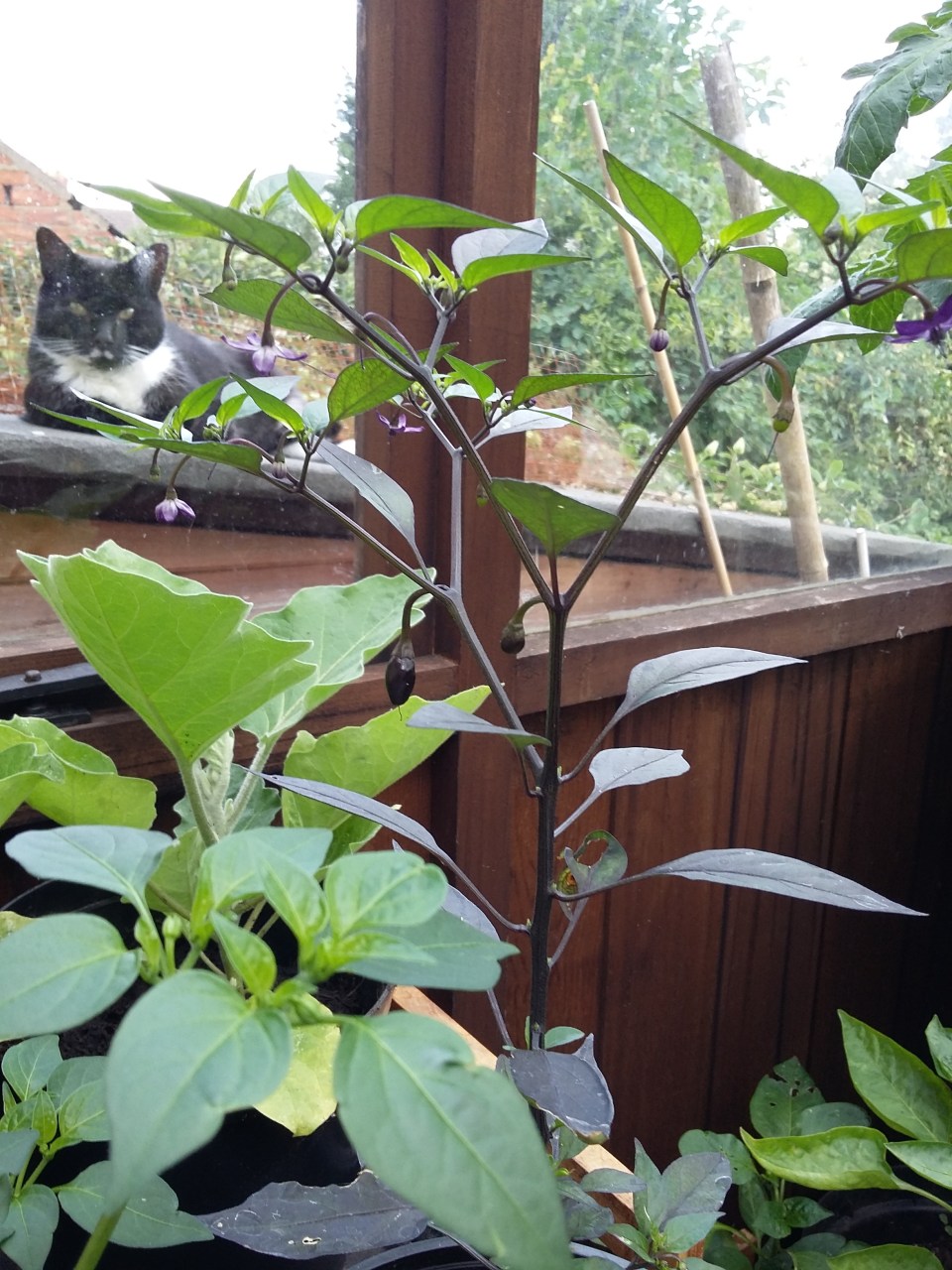
The final example of a crop which requires little or no insect pollination are the chillies (Capsicum spp.) all of which are self-pollinating, I believe.  This variety is a scrambling purple type called Orzoco*.

Orzoco chilli 20160713_102213

So, crops vary hugely in their need for pollinators and the presence of certain traits of animal pollination, such as large, brightly coloured flowers and nectar, is no guarantee that the crop really does have to be serviced by pollinators.  The only way to be certain is to experimentally test the plants, a topic I hope to come back to later in the summer.

Don’t worry, this grumpiness won’t last long, in no time at all I’ll be back to banging on about the importance of pollinators.  At least Monty, one of our two cats, still loves me.


*At least, that’s what it said on the seed packet; I’ve also seen it referred to as Orozco – does anyone know which name is correct?

Bees’ Needs week (9th to 17th July) #BeesNeeds

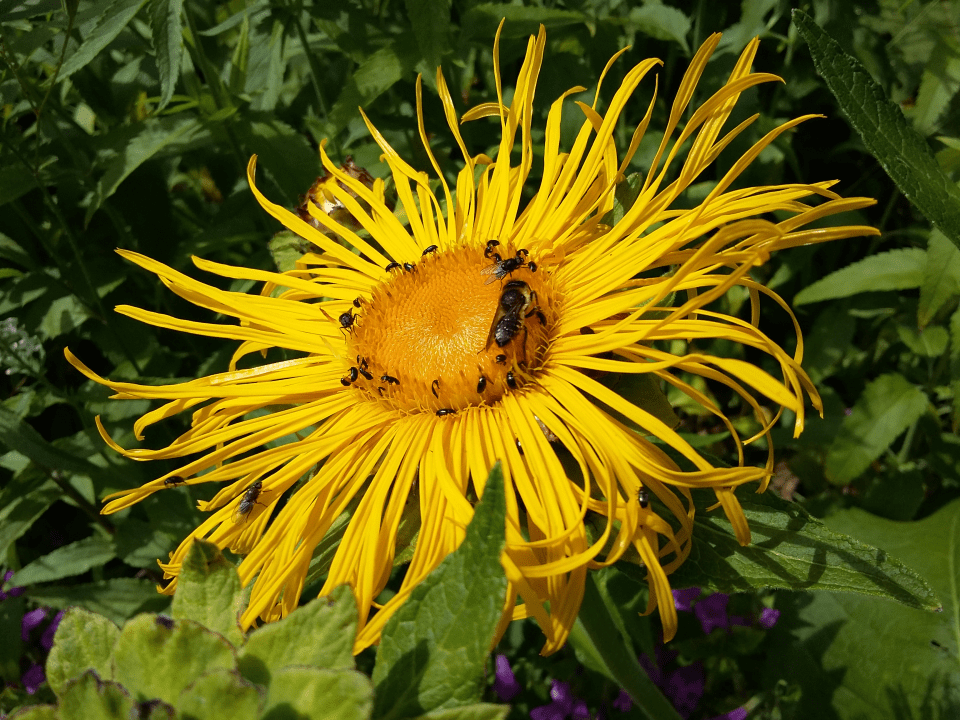
Inula at Ravensthorpe 20160710_145426.png

In the current political turmoil around the Chilcot Enquiry, Brexit, leadership challenges and a change of Prime Minister you’d be forgiven for having missed the fact that 9th to 17th July 2016 has been designated “Bees’ Knees” week, as a follow on to the Pollinator Awareness Week of 2015.

Here’s the link to the Defra press release.

Unlike last year I’ve no specific plans to do any regular posts on the topic, but I will provide links to relevant items as and when I see them, starting with these two:

Why insects are declining globally, and why it matters.

Dave Goulson is trying to crowdfund a project to look at pesticides in plants from garden centres.


How to deal with bumblebees in your roof [UPDATED]

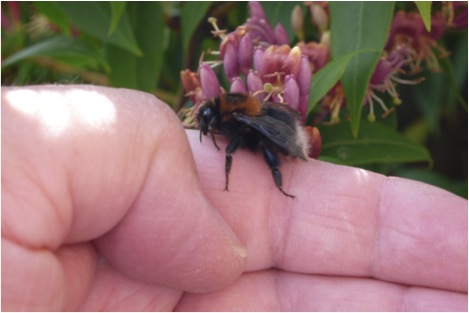
Bombus hypnorum

This week I’ve had two enquiries from colleagues at the University of Northampton asking advice on what to do about colonies of bumblebees that have set up home in their roofs.  In both cases these were nests of the Tree Bumblebee (Bombus hypnorum), a species that only colonised the British Isles in 2001 and has since spread rapidly (see this post from last year for a more detailed account).  Because of their association with human settlements they are significant pollinators of garden produce: over the past few weeks I’ve been watching them pollinating the raspberries in our garden and we now have a large crop.

But having a bee nest in your home is, for many people, a real concern.  I thought it might be useful to discuss the issue by quoting from the email correspondence I had with my first colleague, Paul.


Paul wrote:   I wonder if you can give me some advice. I returned home from holiday on Saturday to find that a colony of bees had taken up residence in a roof space above my front porch. The bees are not domestic honey bees but large bumblebees with white rears. I am not sure how many there are, they buzz furiously when I close the door…..  They are not in the house and I cannot see them from my loft…..so they are not causing a problem at the moment other than a moderate dead rabbit smell in the porch.

I am considering contacting the local council pest controllers, but fear they may just gas and kill them as they are not honey bees. What would your advice be, would it be safe to leave them alone, if so how long are they likely to stay, how large is the colony likely to become, are they likely to cause any damage or mess?

Here’s my response:   From your description they are almost certainly Tree Bumblebees which often use loft spaces, bird boxes, etc. As the name suggests they naturally nest in holes in trees. The colony is not likely to get much bigger though over the next few weeks you may find males patrolling the front of the nest, waiting for the virgin females to emerge so that they can mate. That sometimes makes the colony seem larger than it actually is – there are not likely to be more than about 150 bees in there.

I’ve had Tree Bumblebees in my roof a few times and they’ve never caused any damage. All bumblebee colonies die over the winter and the newly-mated females fly off and hibernate. So by late August or September (perhaps earlier if the weather ever gets warmer….) the bees should have gone. At that time you could seal the entrance to the roof space, though they are unlikely to return next year (although it’s not unknown).

Yes, a pest controller would kill the colony. But they are unlikely to be aggressive unless you stick your fingers in the nest hole! My advice is to let them be and take pride in your own bee colony – they are very discerning and don’t nest just anywhere 🙂


So there you have it: my advice is, leave them alone.  Of course if you or your family have a particular sensitivity to bee stings you may need to think carefully about this advice, but in my experience bumblebees are only aggressive if they feel directly threatened.  In over 25 years of field work focused on bees and other pollinators, I’ve only ever been stung a few times, and mainly by honey bees.

UPDATE: A commenter on Facebook had a great suggestion, that I provide a link to Dave Goulson’s nice little video showing what the inside of a bumblebee nest looks like – so here it is.


What does Brexit mean for British biodiversity?

Friday 24th June 2016.  What a surreal day.  I spent it trying to understand why a small majority of the voting public had committed us to leaving the European Union, an organisation that has had a demonstrably positive impact upon our lives, our society, our economy, and our environment.  That dream-like state was not helped by the fact that I’d stayed up most of the night with my youngest son James, watching the results roll in.

Saturday 25th June 2016.  Twenty four hours later, after a good night’s sleep, I feel less dislocated but no less confused and disappointed.  It is what it is, let’s get on with it.

It’s much too early to properly answer the question of what this all means for British biodiversity, of course.  But as I pointed out in my post about the environmental arguments for remaining in the EU, there’s a whole raft of policies, legislation, agreements and initiatives that the government and NGOs need to consider.  Just to give a couple of examples, what will happen to the All-Ireland Pollinator Plan, or the Special Protected Area status of places such as the Upper Nene Valley?

What I really hope is that we can continue as before, building on the current situation rather than tearing up the whole thing.  To some extent I’m optimistic that we can for the near future, because the government will have (as it sees it) bigger things to worry about.  But I do worry that eventually we will get left behind as EU environmental legislation evolves.  That’s something we have to be mindful of in the coming years.

The ecological internet is already starting to discuss these issues; here are links to a few pieces that I’ve seen:

Adventuresinbeeland has discussed what leaving the EU means for British bees and beekeepers, pointing out that EU funding has enabled bee inspectors to carry out apiary inspections and work with beekeepers on issues such as bee pests and diseases.

The Wildlife Trusts are trying to look positively at the future, with Brian Eversham, Chief Executive for the Wildlife Trust for Bedfordshire, Cambridgeshire and Northamptonshire, summing it up very well:  “Many of those who disagreed over the Referendum agree strongly that wildlife, our countryside and the natural environment matter, now and for the future. We need their voices loud and clear in the coming months. As we are now responsible for our own, independent future, it is up to all of us to make sure that we keep the environment firmly on the national agenda.”

Mark Avery has also summed up the current situation very succinctly on his blog – one cartoon says an awful lot.

Finally, here’s Craig Bennett, CEO of Friends of the Earth, writing on how can we make Brexit work for the environment?

No doubt there will be more coming soon and I’ll try to provide updates on the blog.

In terms of my day job as an academic at the University of Northampton, things will also change across the whole British Higher Education sector, of course.  On one level that’s a different set of issues to what I’ve been discussing, but there are also links: a great deal of ecological research activity is being funded by the European Union and involves cross-border collaborations.  Scientists across Europe have to continue to make that work.

The environmental argument for the UK remaining in the European Union

Every week I receive an email bulletin called Science for Environment Policy, sent out by the Directorate-General for Environment, which is the European Commission department that sets and monitors European Union policies relating to the environment, for example pollution levels, conservation of biodiversity, etc.  Anyone can subscribe to these bulletins and they provide useful, lay-person summaries of recent research findings that have a direct or indirect bearing on how we manage and protect Europe’s environment.

A scan through the latest few bulletins reveals article titles such as:

  • Atlantic beaches of Europe reshaped in stormy winter of 2013–2014
  • Water management: five policy conditions to help overcome the challenges of an uncertain future
  • Climate change threatens early-flowering plants due to lack of snow
  • Black carbon emissions of individual cars measured under real conditions
  • Are endocrine disrupting chemicals responsible for downward trends in male fertility?
  • Environmental performance of construction and demolition waste management
  • Golden jackal should not be treated as an alien species in Europe
  • Environmental taxation in the right place can increase business productivity 

This set of topics is fairly typical, and demonstrates the complexity and breadth of the environmental issues facing the European Union.  All of these issues, however, share one feature: they do not respect political boundaries and are cross-border in scope.  Species, rivers, air masses, sea currents, economic resources, waste products: all of them can (and do) move through the different countries of Europe and beyond.

What this means is that the policies, laws and regulations that govern the behaviour of individuals and organisations towards the environment, and ultimately protect it, must also be cross-border in scope.  That’s where the European Union comes in, because it is largely EU directives that currently protect our environment.  Some examples of these directives, and some of their achievements, include:

  • Birds Directive which has helped to coordinate action plans for endangered resident and migratory birds.
  • Habitats Directive that relates to the conservation of natural habitats and the fauna and flora they contain, including setting up the Natura 2000 network that currently covers more that 18% of the EU’s land area and almost 6% of its marine territory, making it the world’s largest coordinated network of protected areas.
  • Water Framework Directive that determines action in the area of water policy.
  • Waste Framework Directive likewise determines action in the area of wastes policy and which, together with the Landfill Directive and the Waste Electrical and Electronic Equipment Directive, has been responsible for significantly reducing the amount of waste going into landfill, increased the amount being recycled, and placed pressure on manufacturers to take responsibility for packaging and end-of-life goods and materials.

There are many others, and you can find a list here.  It’s worth pointing out that these directives were not “imposed” on the UK by faceless bureaucrats in Brussels: the UK took an active role in their development and drafting.  In fact Boris Johnson’s father, Stanley Johnson, was one of the original authors of the Habitats Directive and is a prominent advocate of remaining in the EU.

Of course, no one is arguing that these directives are the only mechanism for protecting the environment, there are local regulations too, plus the work of NGOs such as the RSPB and the Wildlife Trusts.  Nor am I arguing that they have been wholly effective: there’s still a long way to go in many of these areas.  But they have had a demonstrably positive impact on the quality and protection of the UK’s environment that could be halted, or even reversed, if the UK was to leave the EU.

This last point is an important one to make and it’s not an example of the fear-mongering that has marked the EU Referendum debate on both sides.  Here is how I see it:  we cannot trust the UK government (whatever its political flavour) to safeguard our environment.

This is because, despite the best efforts of genuinely committed and environmentally savvy politicians, the political parties to which they belong are too focused on short-term goals of winning the next election to really consider the 20, 50, or 100 year perspectives that are required for environmental legislation.  This inevitably means that the environment is low on the list of priorities for most ministers, and environmental policy is subject to undue influence by special interest groups.  For example look at how easily Defra was persuaded to allow exceptions to the EU moratorium on neonicotinoid pesticides.  Likewise the HS2 project which ministers seem determined to keep going despite serious concerns about the environmental impact of the project (see my post “Ordinary by Choice“).

When considering whether or not to vote to remain in the EU, most people (understandably) are focused on the social and economic arguments: the impacts on jobs, standards of living, resources for health, etc.  But in part the environmental argument is a social and economic argument, because the natural environment underpins many jobs, our standards of living (who doesn’t want to live near unpolluted green space that is protected for future generations?), and plays an important part in the nation’s health and wellbeing.  The provision of these “ecosystem services” were clearly spelled out last year in Tony Juniper’s book What Nature Does for Britain, which I reviewed on this blog.

I’m not arguing that everything in the European Union is perfect, or even that the environment of the UK and the rest of the EU is as good as it ought to be, or could be.  But for every statistic about declining species and poor environments, it’s possible to quote figures for the success of other species and improvements in quality.  For example our major rivers such as the Thames, Tees, Mersey and Avon are now swimming with fish where once they were swimming with excrement, as I’ve previously discussed in relation to the River Wear.  Our membership of the European Union is, at least in part, responsible for these positive trends and I hope that they continue.  Please consider this when you’re deciding how to vote on 23rd June.


Postscript: much of what I’ve discussed above is being widely talked about amongst environmentalists, and I don’t know of any major environmental organisation that is in favour of the UK leaving the EU.  In fact a large number have publicly come out in favour of staying, including:

Chartered Institute of Ecology and Environmental Management

The Wildlife Trusts

Greenpeace

The RSPB and WWF-UK, who have produced a joint statement.

Friends of the Earth

Buglife

There is also a group called Environmentalists For Europe

So don’t just take my word for it.


Silver Medal for the BES’s pollinator’s display at RHS Chelsea Flower Show!

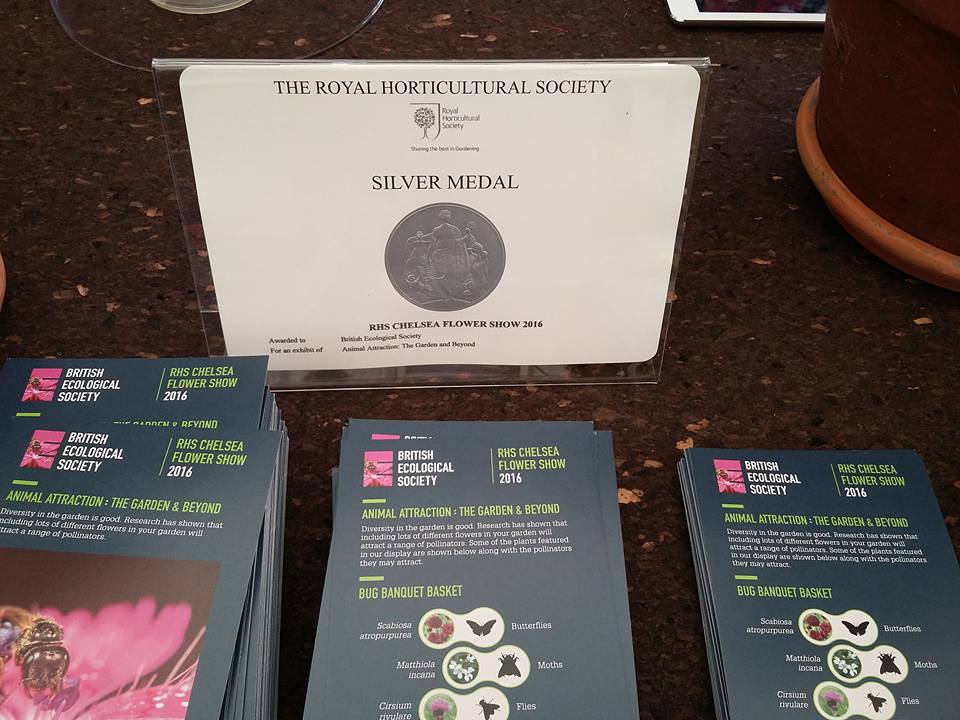
RHS Silver Medal

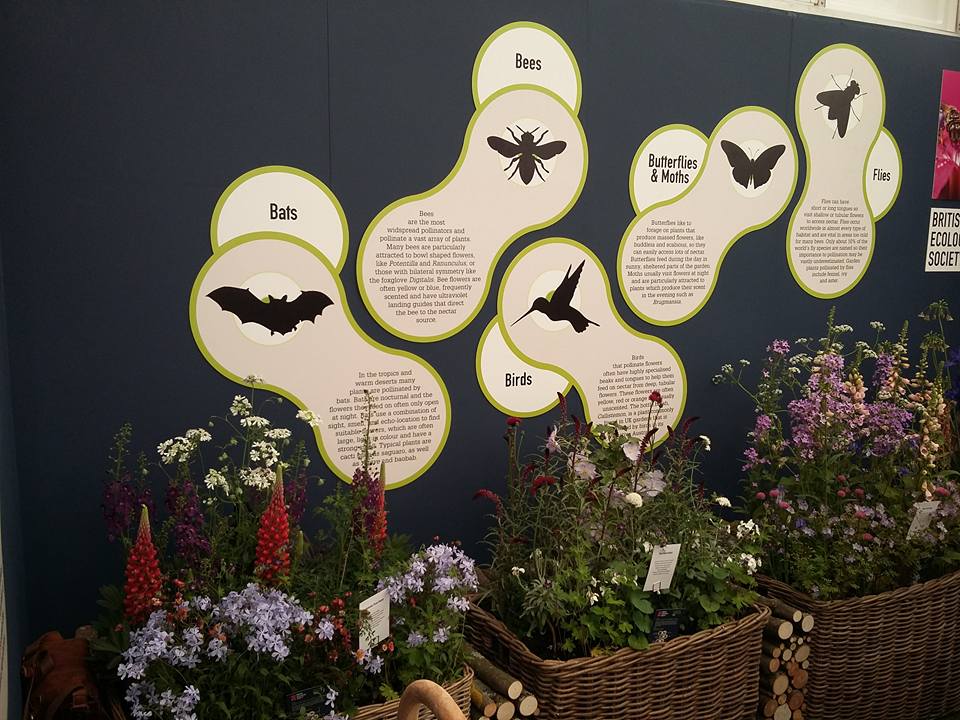
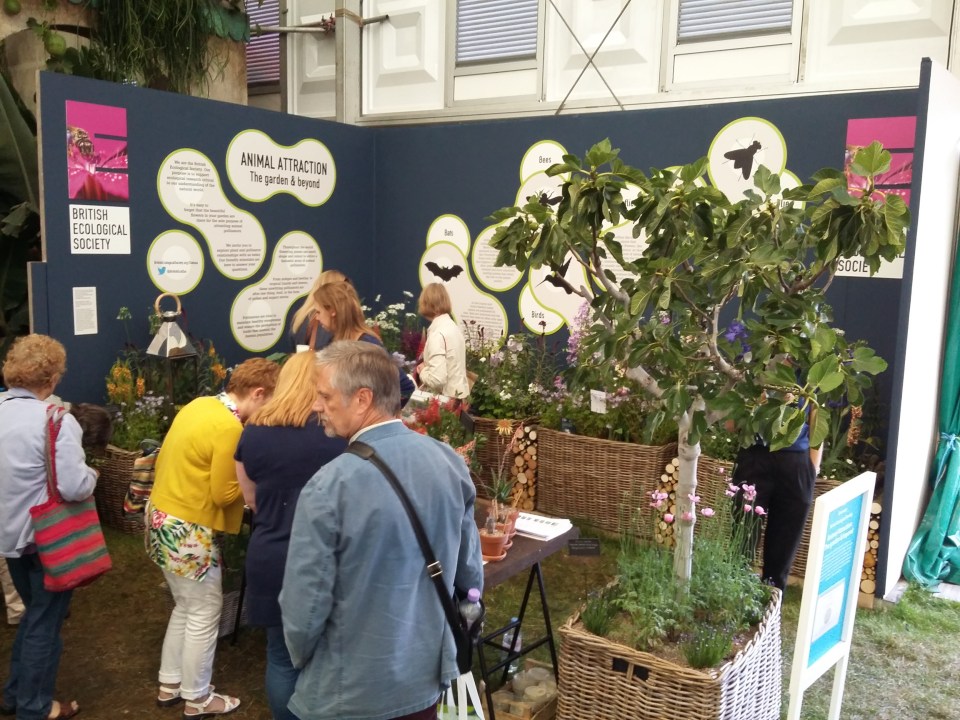
An early train to London yesterday got me to the RHS Chelsea Flower Show in time for the gates opening at 8am.  I’d agreed to spend the day staffing the British Ecological Society’s Animal Attraction: The garden and beyond display, which deals with the relationships between plants and their pollinators – see my recent posts here and here.

The first thing I noticed as I approached the display was how impressive and well designed it looked, with some wonderful planting to complement the simple, bold scientific information.  The second thing I noticed was that we had won a Silver Medal!  The whole team was very pleased – it’s the third year that the BES has been represented at Chelsea, but the first time that it’s won a medal.  I’m proud to have made a small contribution to that by advising on the plants and the scientific content, but the main kudos goes to the BES’s staff and to the garden designer Emily Darby.

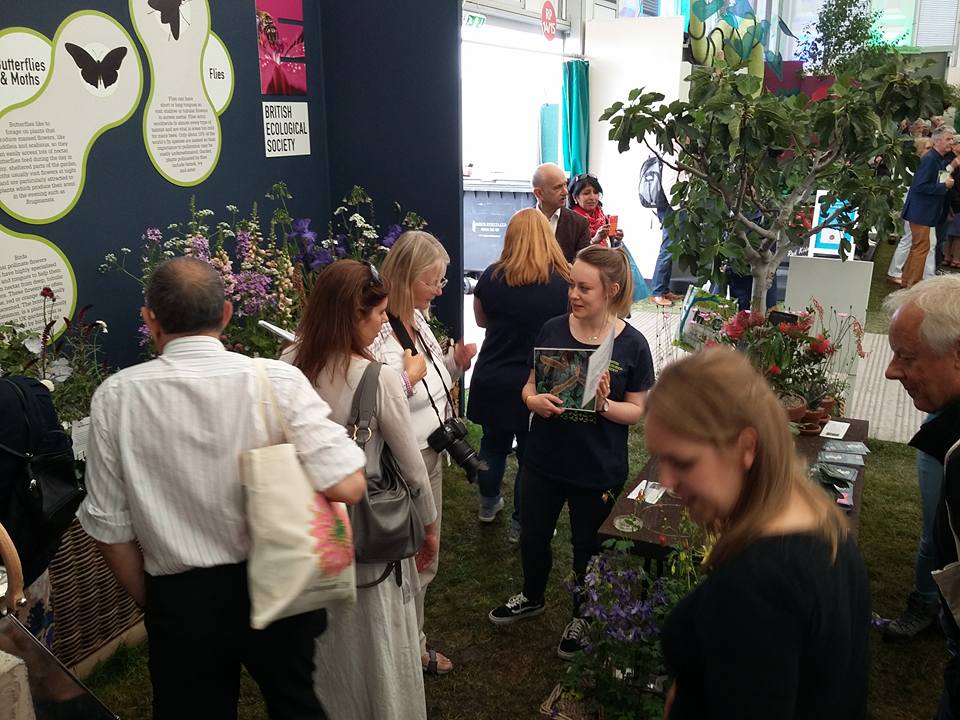
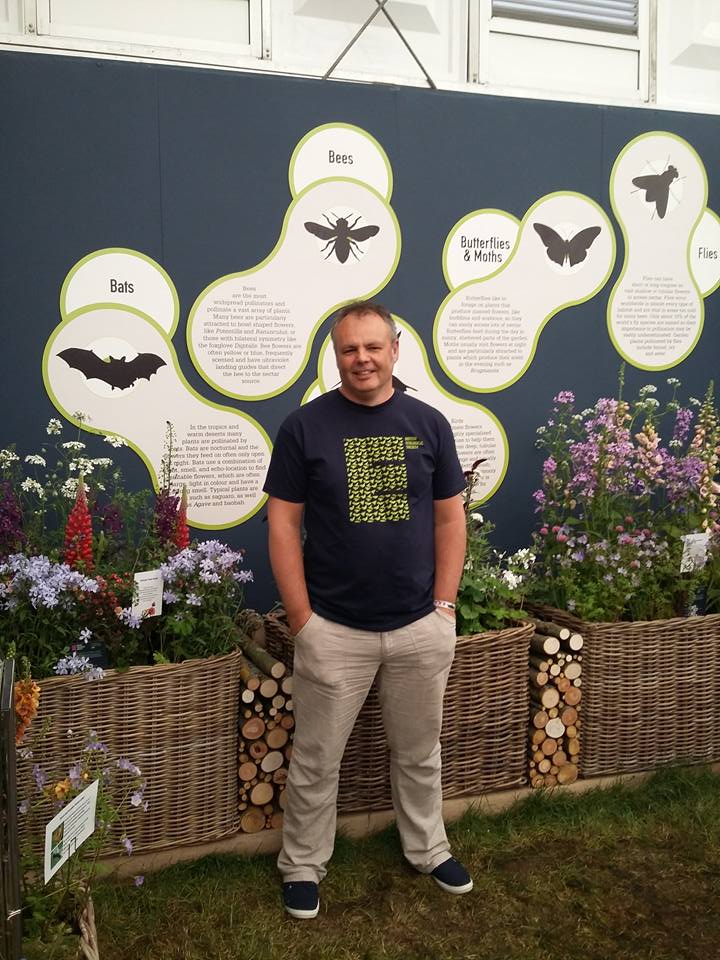
Over the course of a long day we talked to hundreds of visitors about the display, what it represented, and the different ways that flowers are adapted to their pollinators.  There was a huge amount of public interest and support, very gratifying to see.  Here’s some pictures from the day:

RHS display

RHS crowd

RHS crowd with fig

RHS Jeff

RHS display


A bee in a hurry, a plant at its leisure – for Biodiversity Day 2016

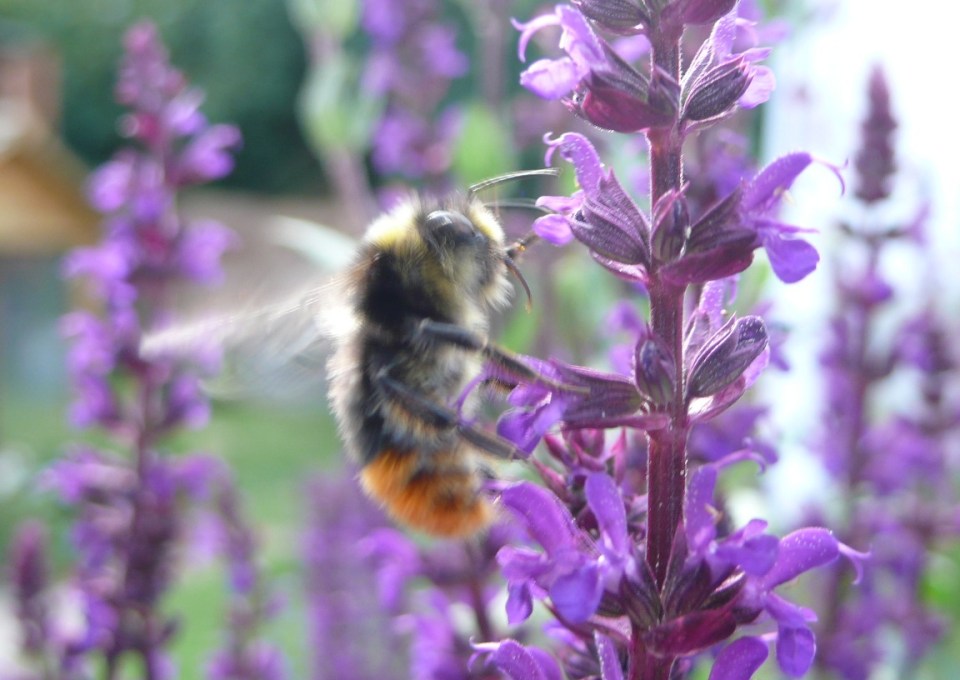
Male B lap on Salvia cropped P1120309Happy Biodiversity Day everyone!  In celebration I thought I’d share with you my entry for this year’s University of Northampton Images of Research competition, the winners of which have just been announced (I wasn’t one of them, but congratulations to those who were).

Here’s the text I wrote to accompany the image:

Sometimes it’s difficult to photograph fast-moving bees, but this blurred image of a male Red-tailed Bumblebee (Bombus lapidarius) captures something of the essence of why plants use pollinators such as bees. Plants are static and cannot go searching for mates, so they sit and wait and use pollen vectors to move their male gametes to the flowers of other plants of the same species. Sometimes this involves wind or water currents; but for most plants this means using animal pollinators.

The bumblebee has been caught with its tongue extended, having just loaded up on nectar to fuel its search for virgin queen bumblebees with which to mate. The plant is a cultivated salvia variety growing in my garden: some of my research group’s work has involved studying pollinator diversity in urban and rural gardens, with a view to understanding the role of these artificial environments for conserving pollinators.

Pollinators at RHS Chelsea Flower Show

20160518_114732

Pollinators, as regular readers of this blog will know, are diverse and important, both ecologically and agriculturally.  But that diversity is declining and it’s an issue that deserves greater publicity and action.

To that end, for the past eight months I’ve been advising a team from the British Ecological Society (BES) on the content for a display at the RHS Chelsea Flower Show which is running all next week.  The display is called “Animal Attraction: The Garden and Beyond” – if you follow that link you’ll get a sense of what the display is all about, but in essence there are three key messages that the BES is trying to get across:

  • Celebrating the diversity of pollinators (not just bees!) both in the UK and globally.
  • Flowers have evolved many different ways of attracting and rewarding pollinators, leading to the fantastic diversity of floral form that gardeners appreciate.
  • Planting a diversity of flowers in your garden can only be a good thing for helping conserve pollinator populations.

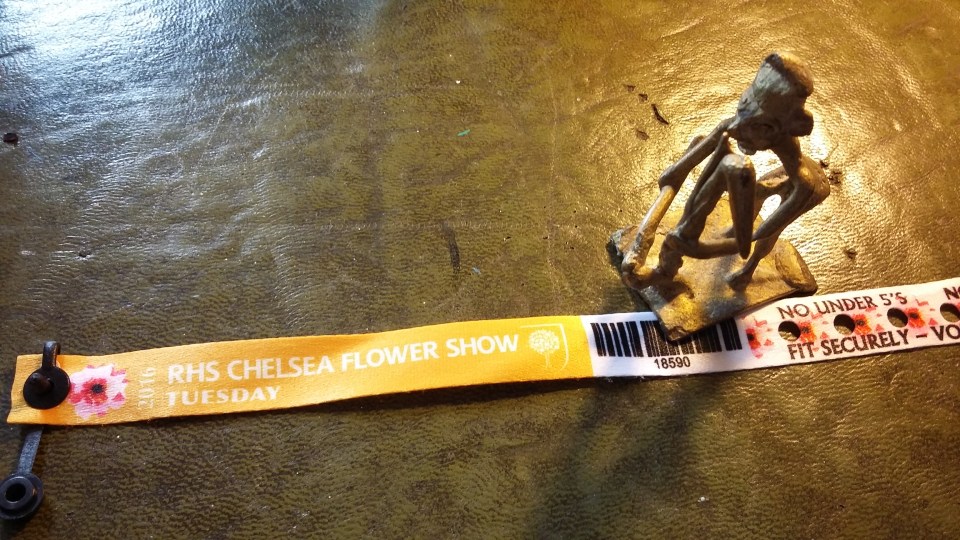
As you can see from my wristband, I’ll be helping to staff the stand all day Tuesday 24th May, so if you’re at the show come and say hello and take a look at what the BES team has produced.