Feeding of the 7000 – the International Botanical Congress steps up a gear

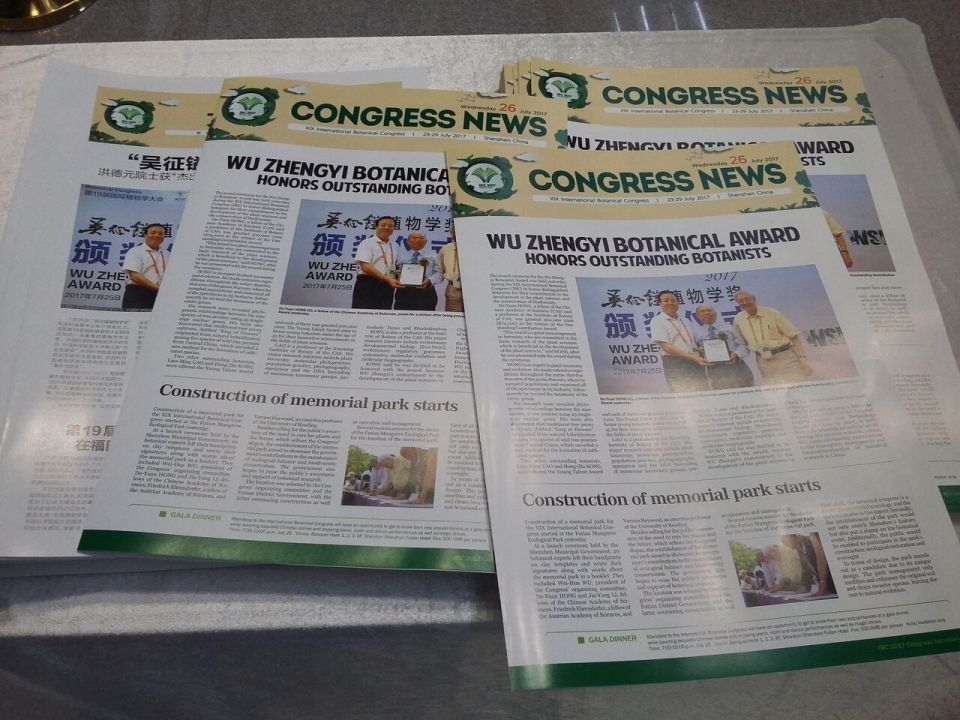
So it turns out that the figure of 6000 delegates at the International Botanical Congress was wrong: it’s actually almost 7000!  The official figure is 6,953 people from “109 countries and regions” [not quite sure what that means].  There are 3,519 talks scheduled to be given by scientists from 85 countries: botany is such an incredibly international venture!  But then you can say that about all of the sciences.

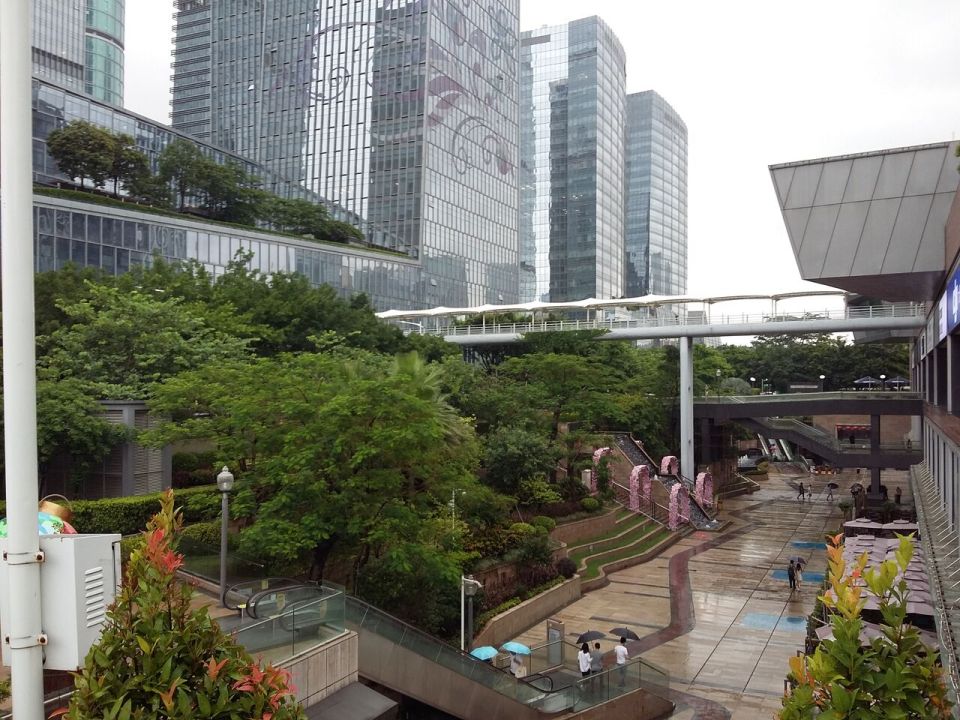
Yesterday the IBC stepped up a gear with some public lectures in the afternoon.  I managed to catch the one by Steve Blackmore on why greening of  cities is so important, and the role of plants in improving urban living through microclimate modification, food production, aesthetic enhancement, etc.  Couldn’t agree more and it’s a recurring theme in the IBC’s exhibition centre.  The Chinese take this very seriously and Shenzhen has some lovely planting and green spaces; I hope to post more images about this later in the week but here’s one example I snapped on the way to the venue yesterday morning:

IBC 18

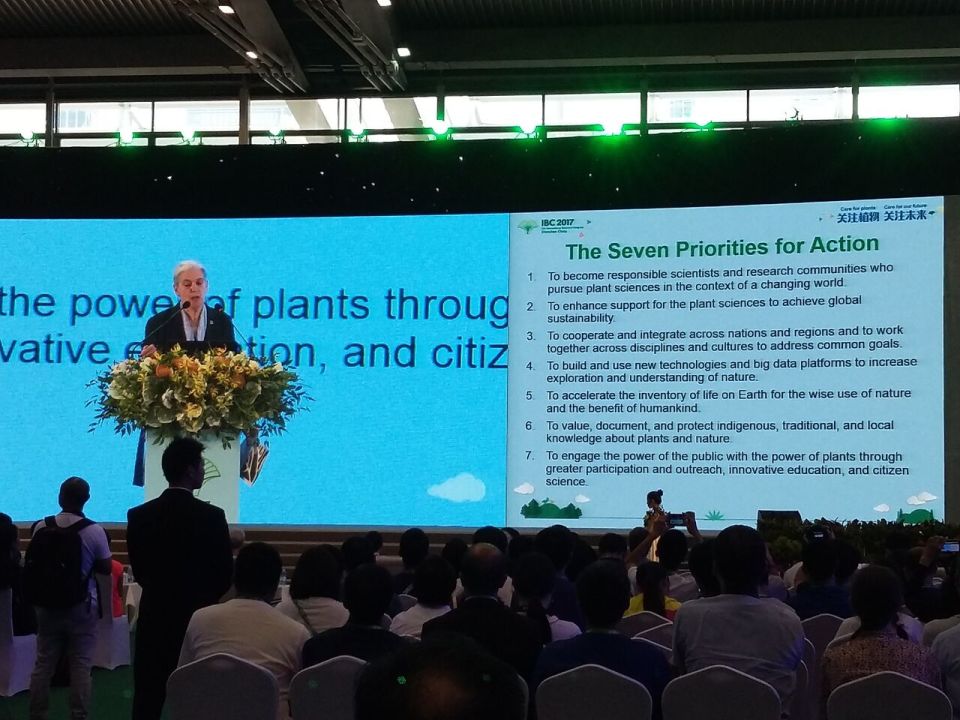
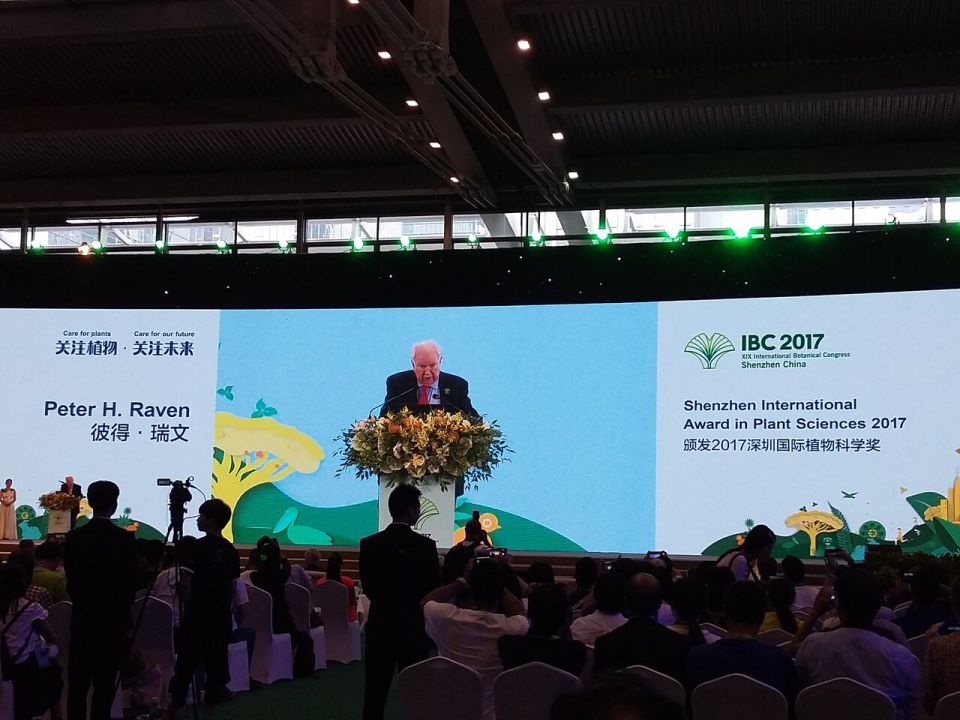
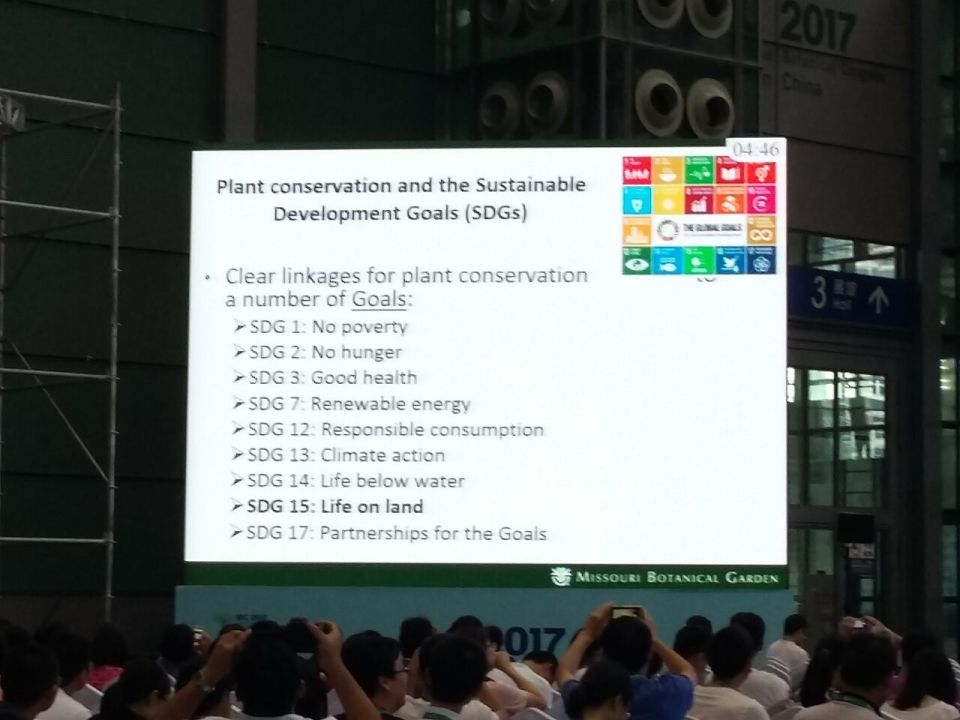
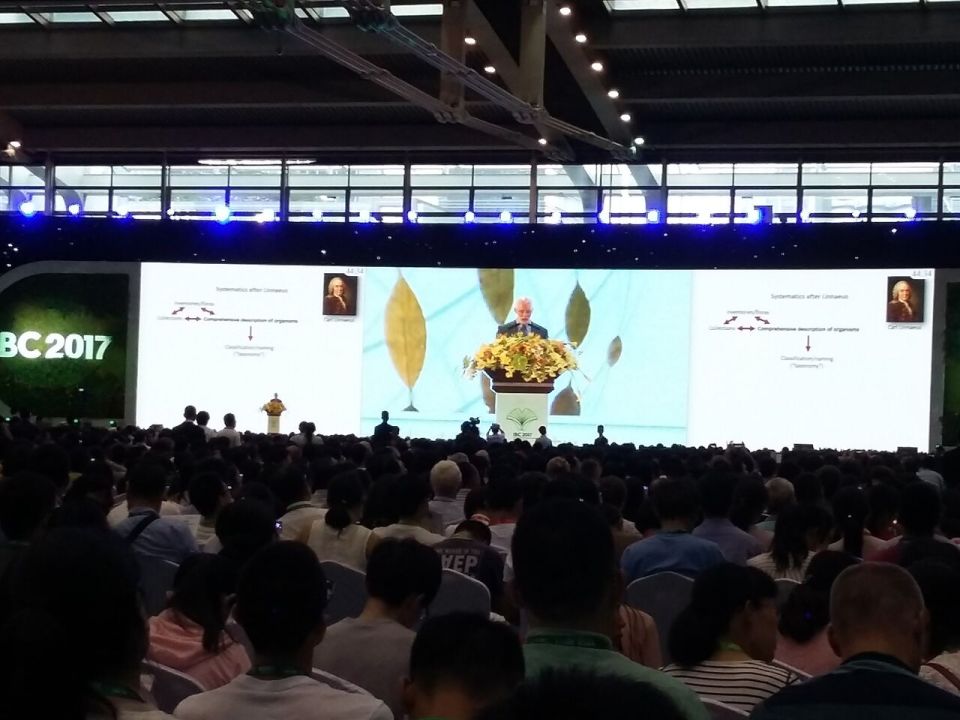
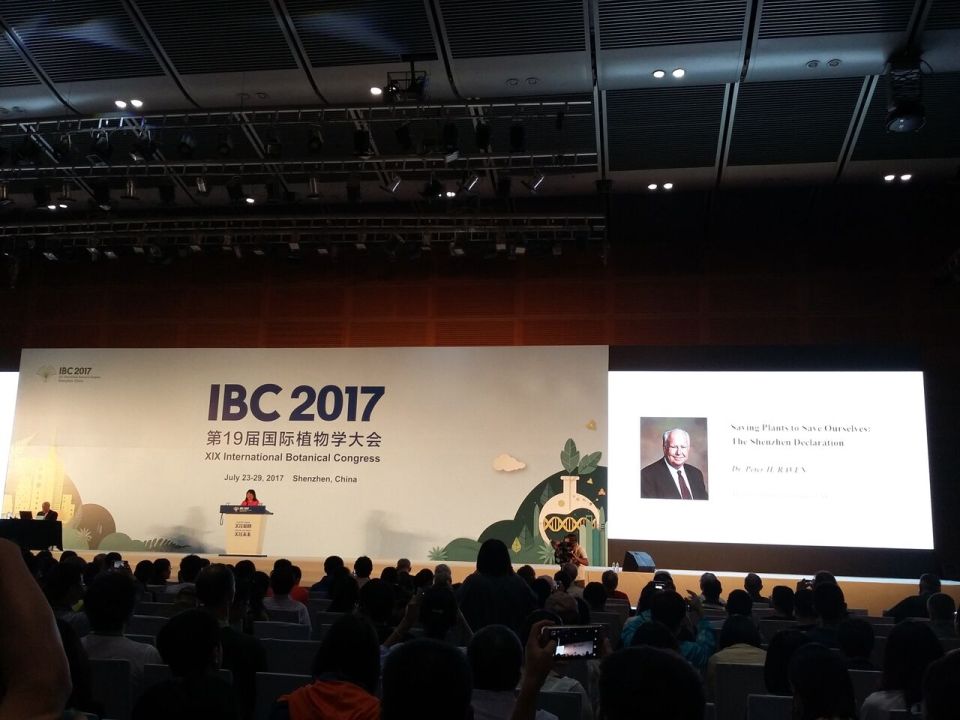
The other talk I saw was by the venerable Peter Raven, now in his 80s but still going strong and an inspiration to all of us youngsters 🙂  The theme of Peter’s talk was “Saving plants to save ourselves”, and the importance of the plant sciences for sustaining the Earth in the face of exponential population growth:

IBC 11

Peter introduced the “Shenzhen Declaration” –  an open letter or manifesto that challenges international governments to take the plant sciences seriously and provides something of a road map for how that can be done.  More on the Declaration in a later post.

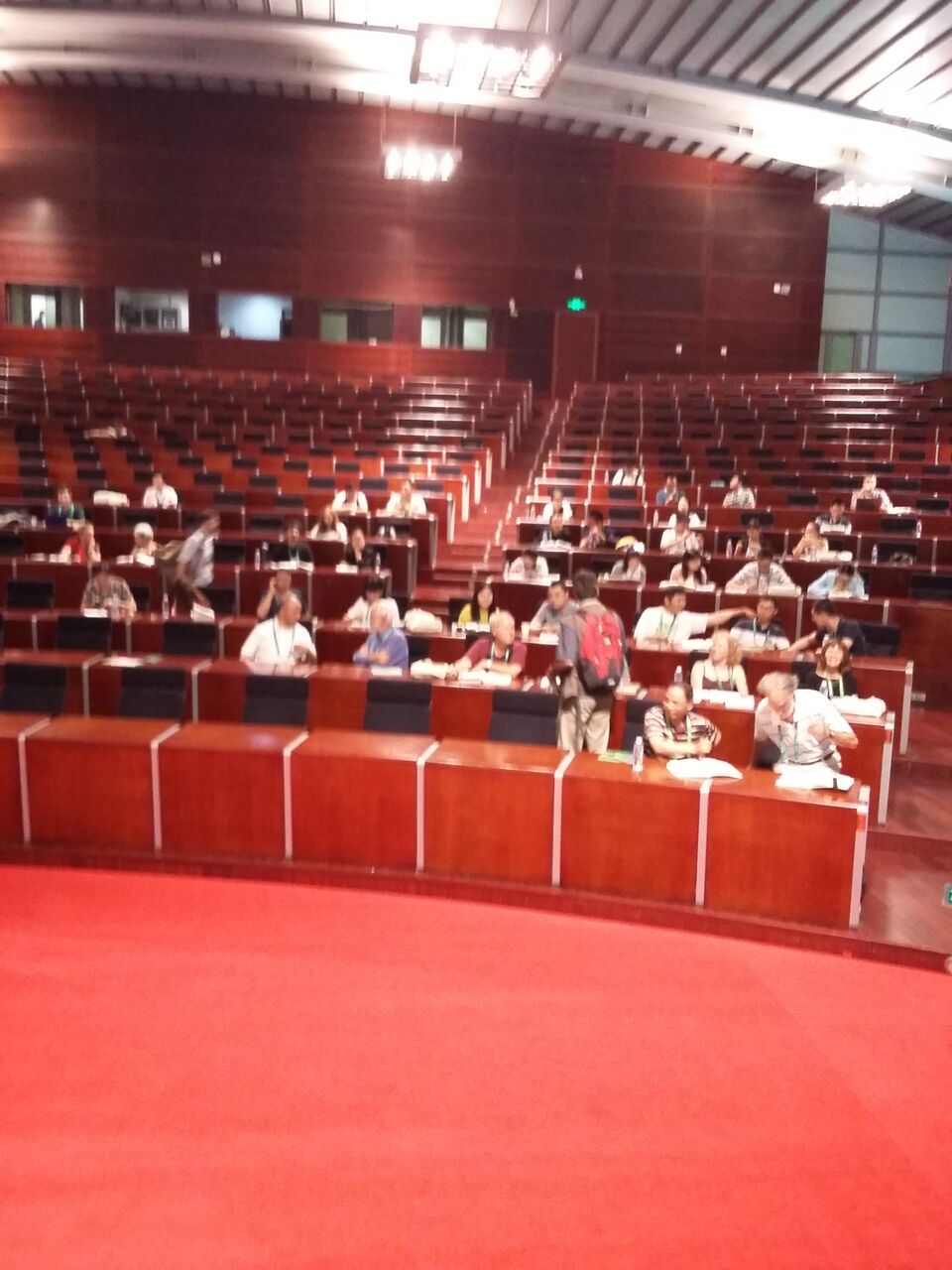
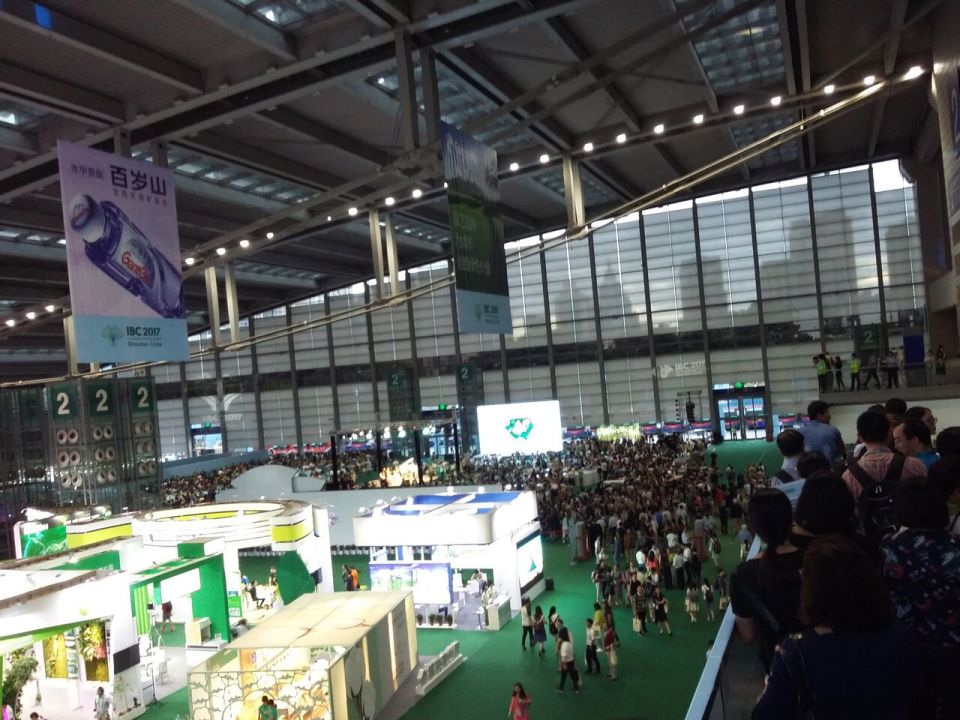
At 6pm there was a welcoming reception to which all delegates were invited; simply getting that many people into one of the halls was a triumph of logistics, but they were also fed and able to drink as much as they wanted, all for free.  Quite a feat to pull off; this shot was taken fairly early on in the proceedings; there was more than twice that number behind me:

IBC 19

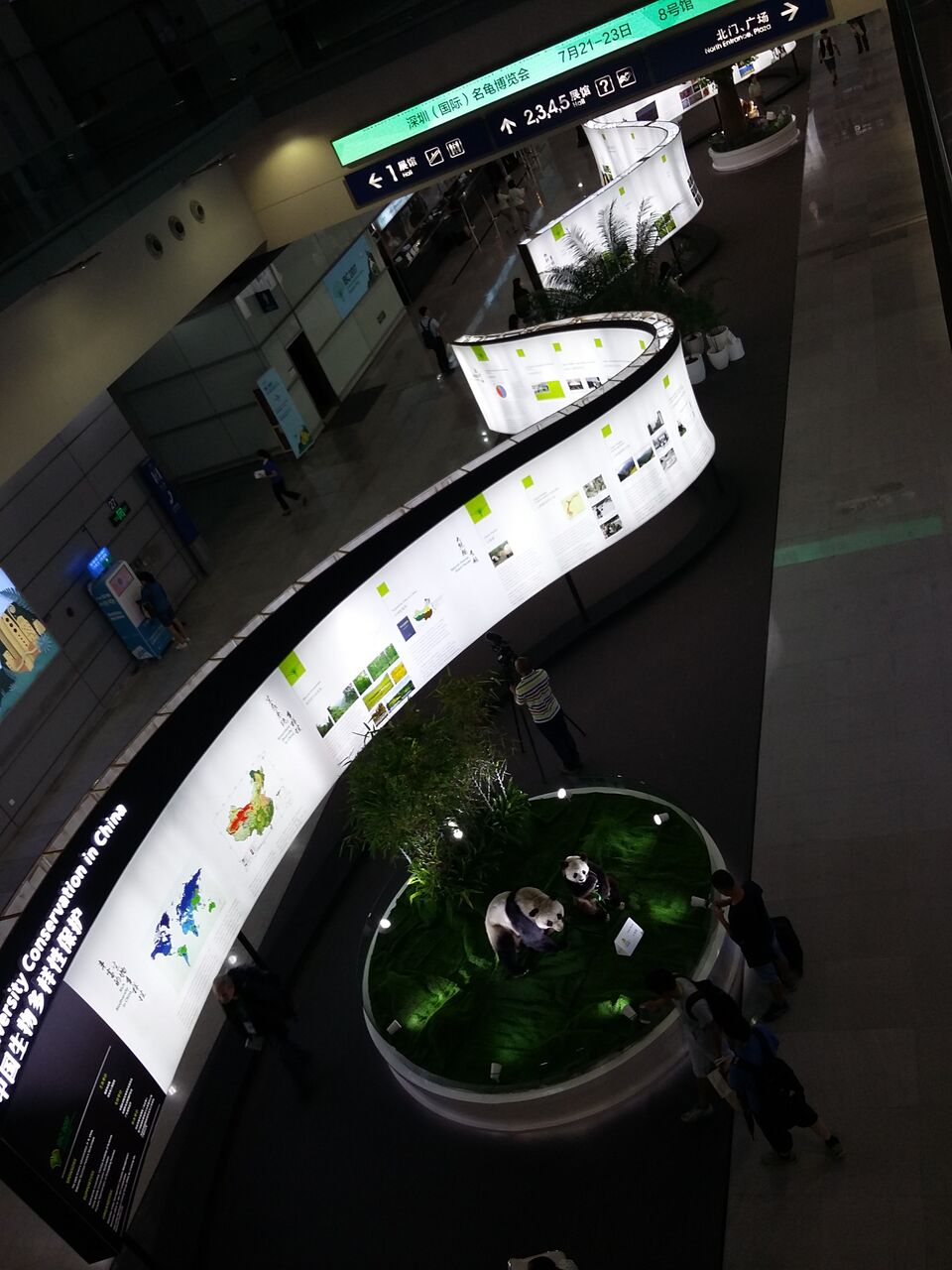
Some more photos from the venue, starting with part of the main display about Chinese conservation.  Not sure that a couple of stuffed pandas sends quite the right message, but who am I to quibble:

IBC 15

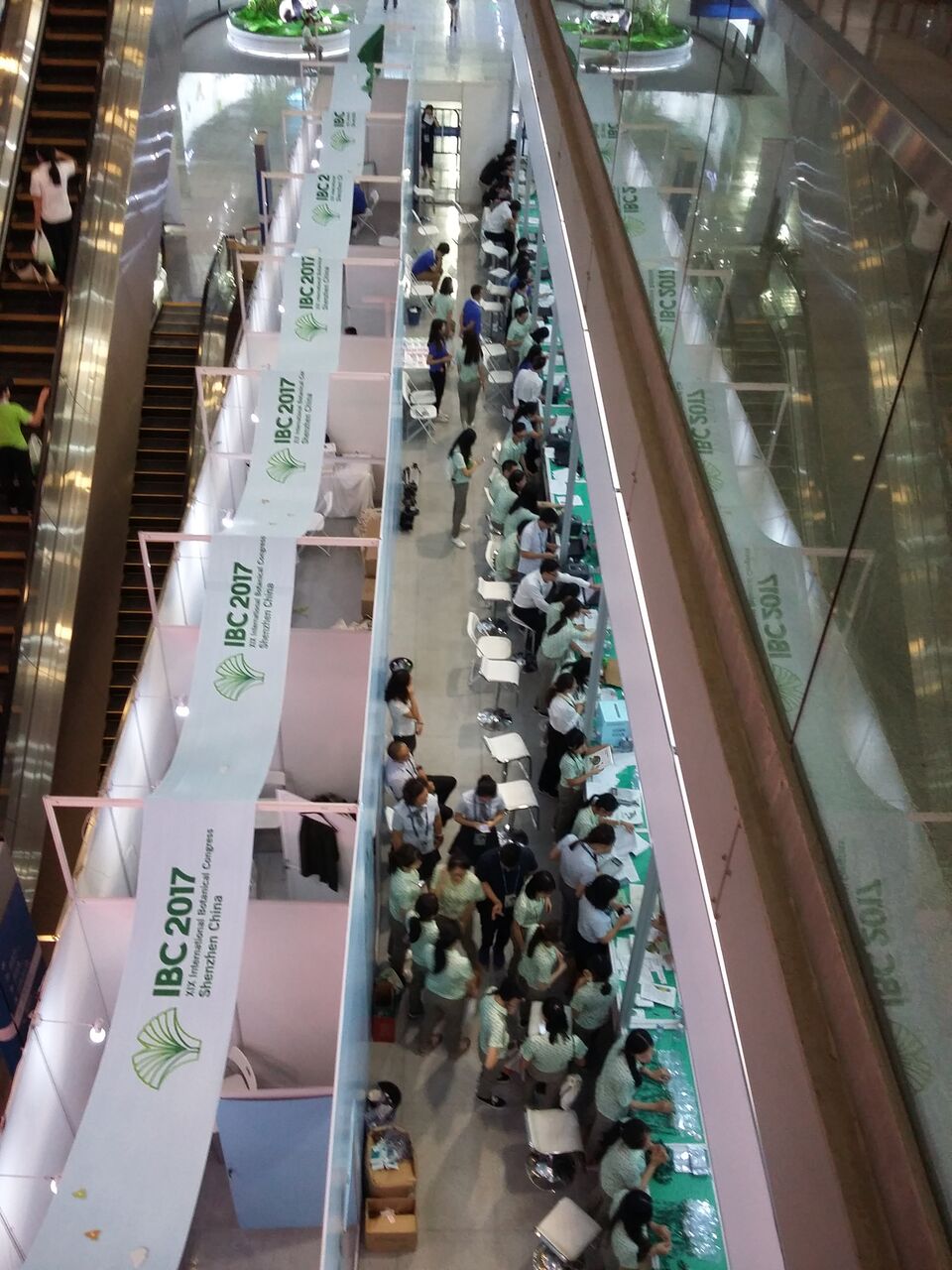
A behind-the-scenes shot of just part of the registration desk area:

IBC 16

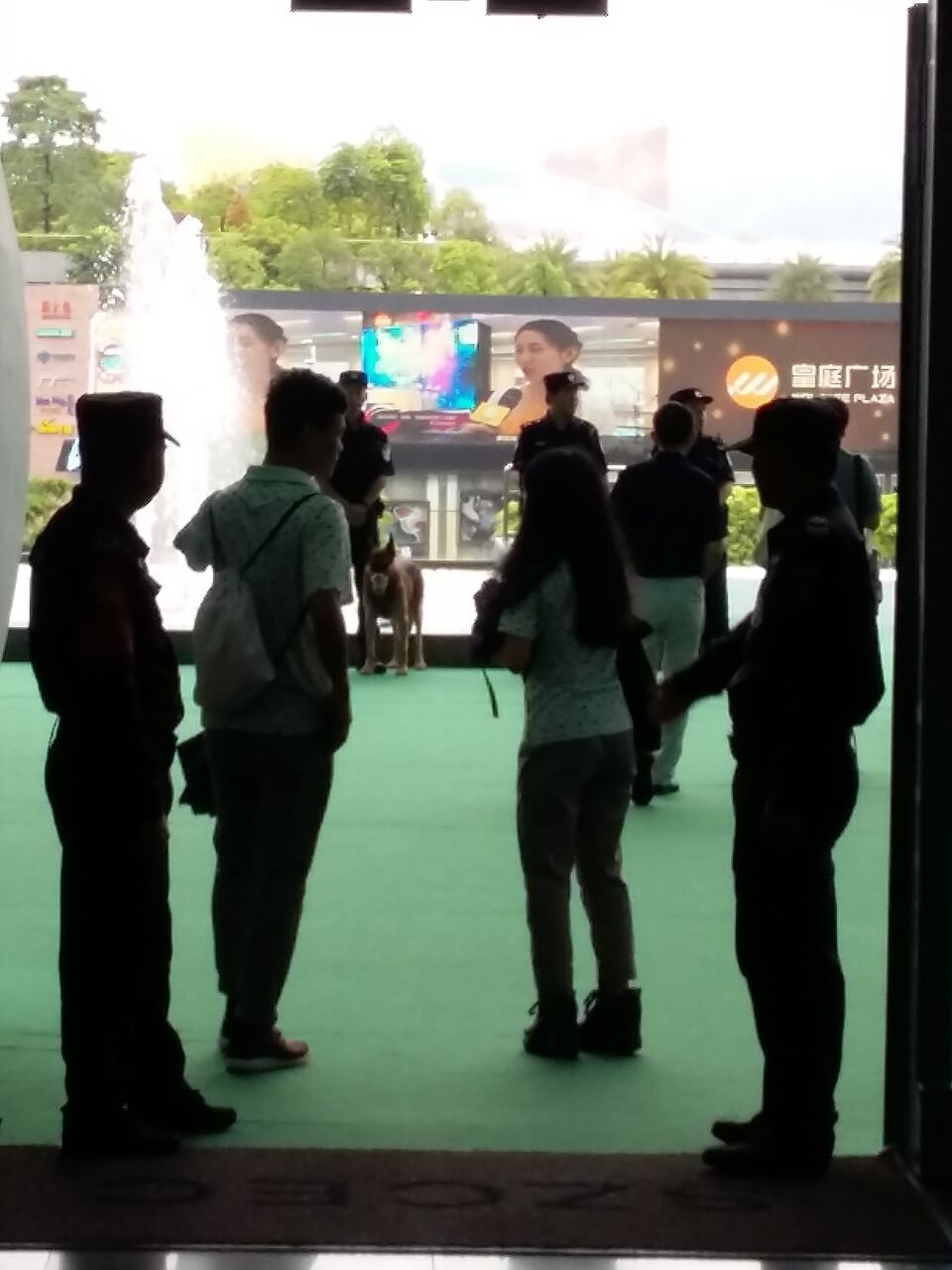
The IBC is the only conference I’ve attended that has a SWAT team with automatic weapons, attack dogs, and riot shields on constant standby.  You can just see some of them at the back of this shot, about as close as I dared photograph…..:

IBC 14

No conference is complete without an irritating robot giving out information in a cutesy, high pitched voice:

IBC 12.jpg

So the main scientific programme starts today; I’ll be going to a couple of the keynote lectures in the morning, then there’s a session after lunch on “Pollination by non-flying mammals” that I’m looking forward to.  I’m then speaking at 4pm in the session on “Evolution of floral traits”, discussing some of the work that we have been doing in Tenerife.  Wish me luck!

The session I’m talking in ends at 6pm.  I’m still jet lagged and have been up since 4am so at that point I’ll be ready for a beer and some food!


Theme music for jetlag: more images from the International Botanical Congress in Shenzhen

Jetlag 1It’s 3am here in Shenzhen.  I fell asleep at 1030pm, worn out by the heat and activity of the day, but am now wide awake.  In my head the tune to Millie Small’s 60s hit “My Boy Lollipop” is going round and round and round, with the “Lollipop, Lollipop” refrain replaced with the words “Body clock, Body clock“.  The brain is a strange thing….
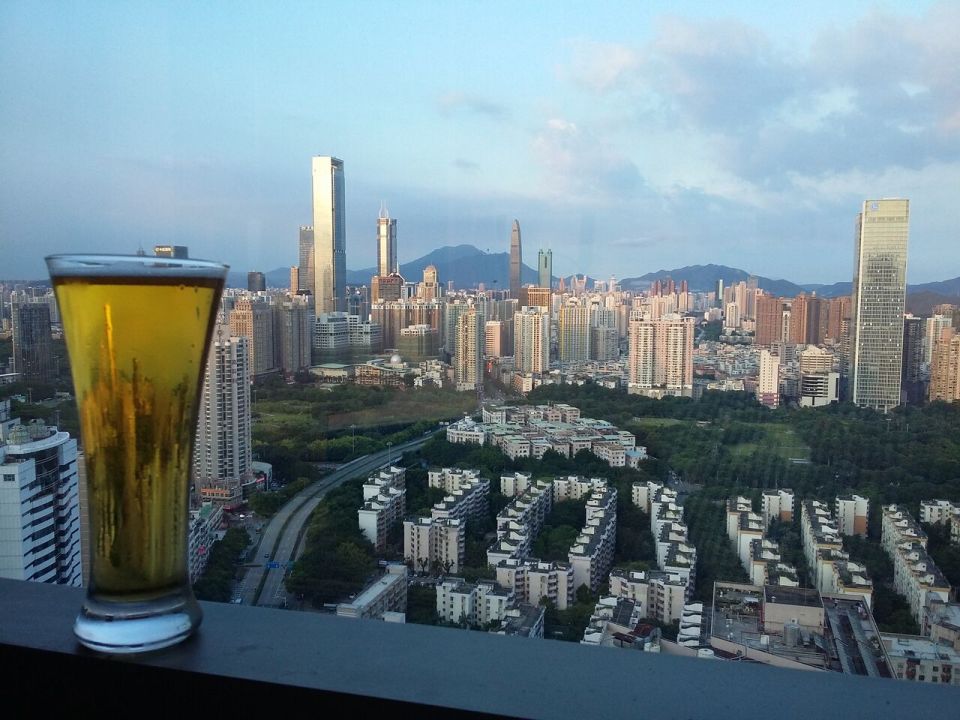
At this time in the morning, looking out at a mega hi-rise cityscape of flashing beacons and the constant headlights of moving cars 31 stories below, the Esper Edition of Vangelis’s music from Blade Runner makes a more fitting soundtrack.  That and the jasmine green tea I’ve just made should help me sleep.  But in the meantime here’s a few more images taken today at the convention centre where the International Botanical Congress is taking place.

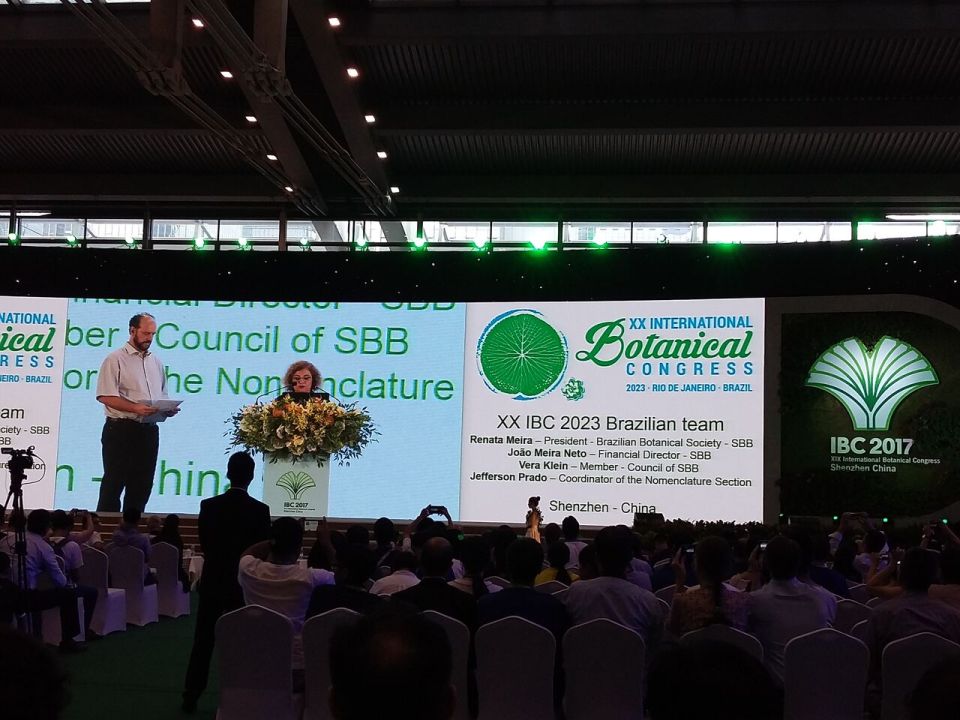
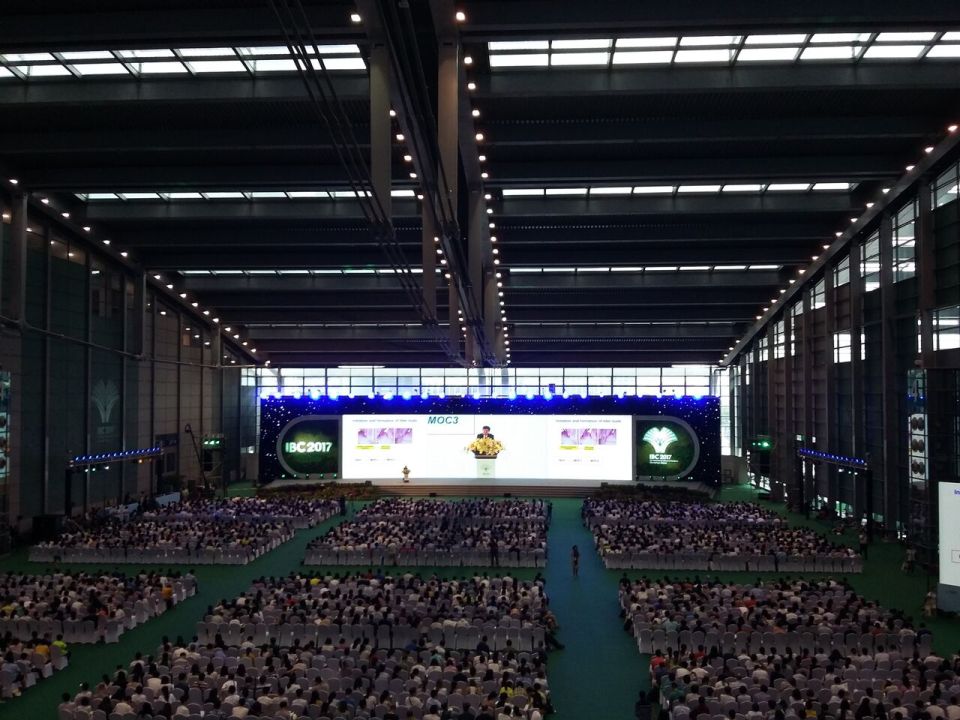
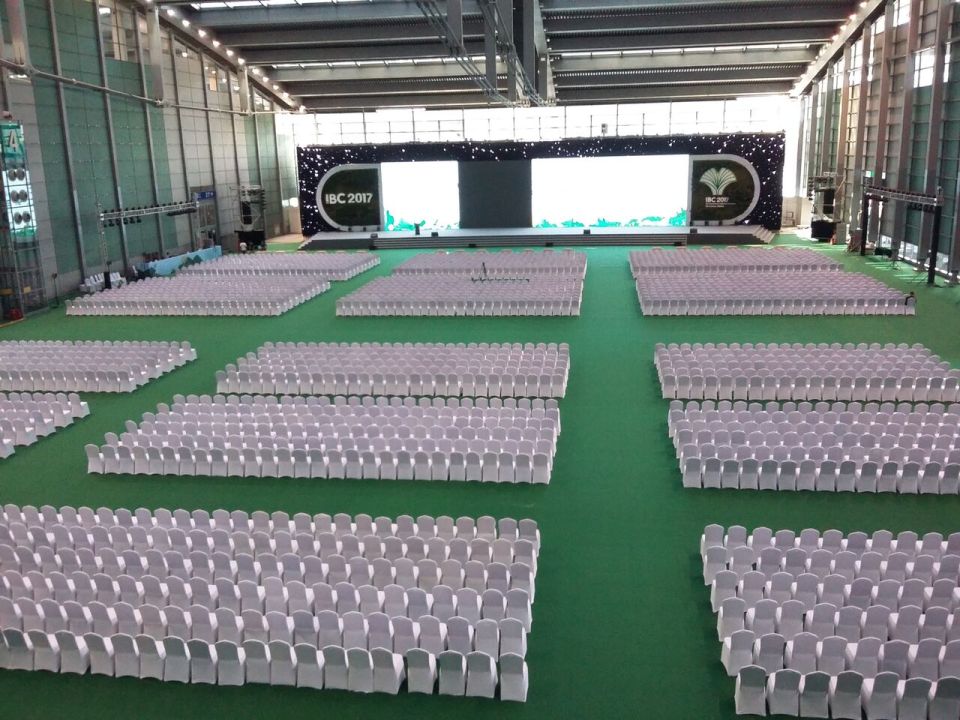
This is the hall where the opening ceremony happens, and some people are giving lectures.  Just imagine it……:

Jetlag 2

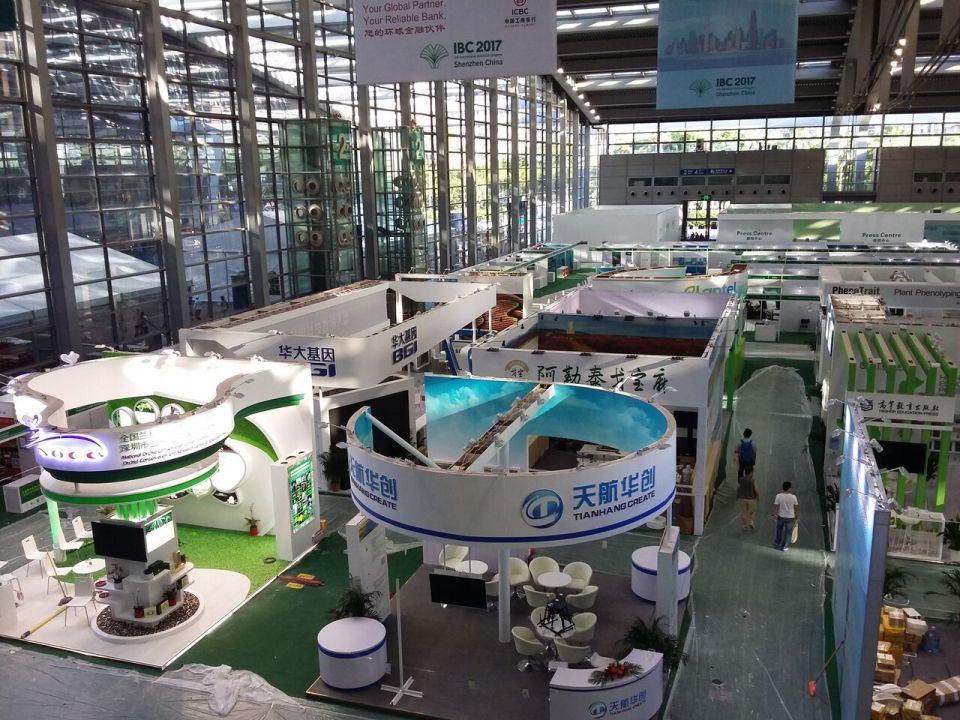
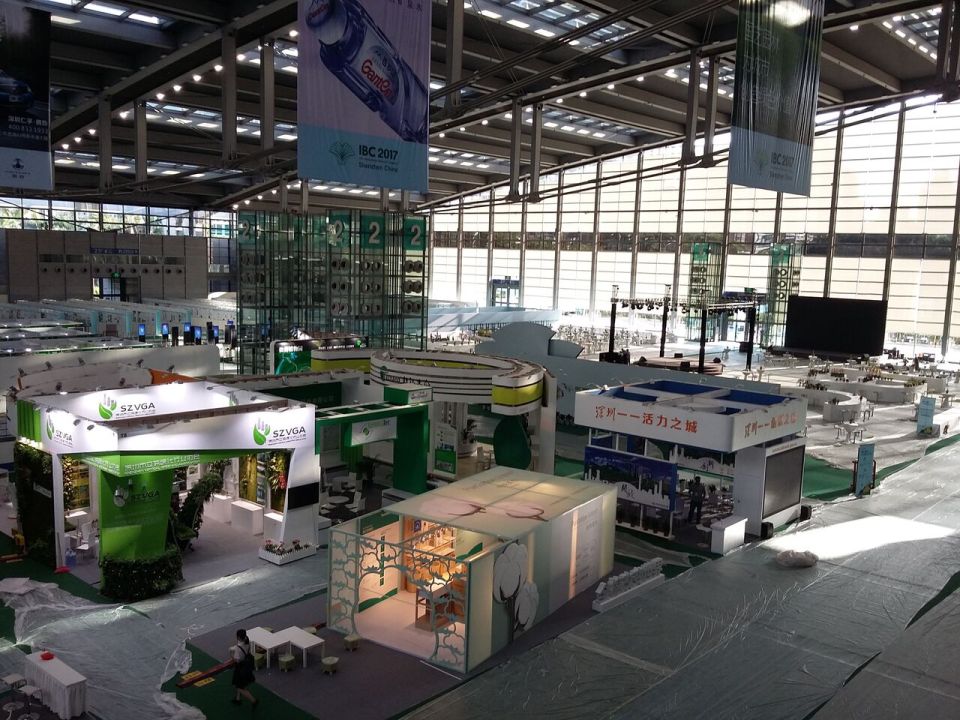
The exhibition area is still being constructed but it’s nearly there:

Jetlag 3

Jetlag 4.jpg

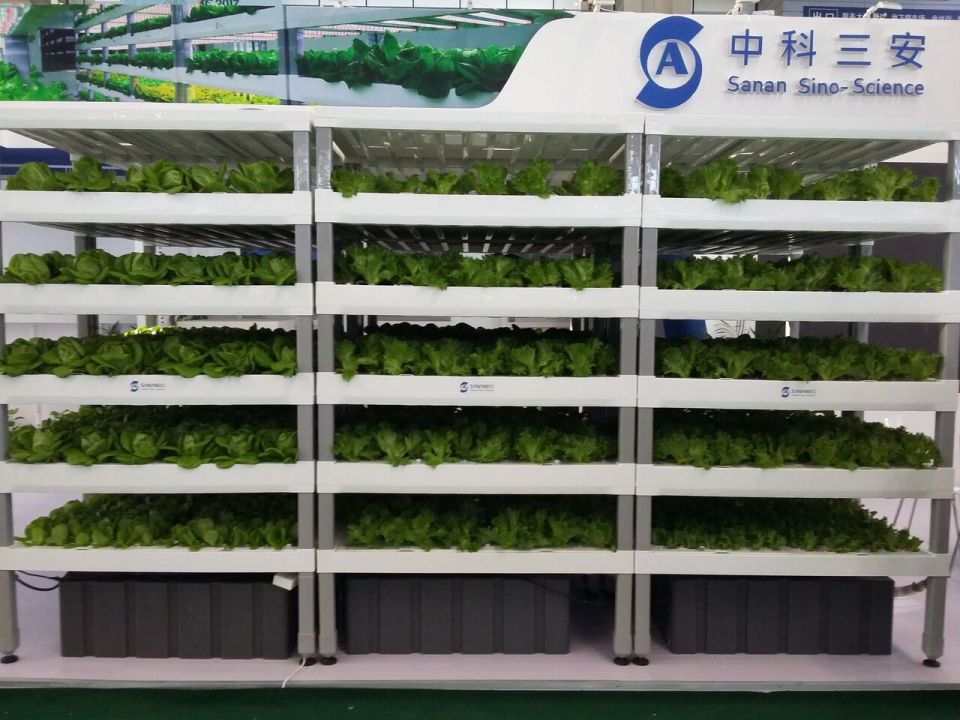
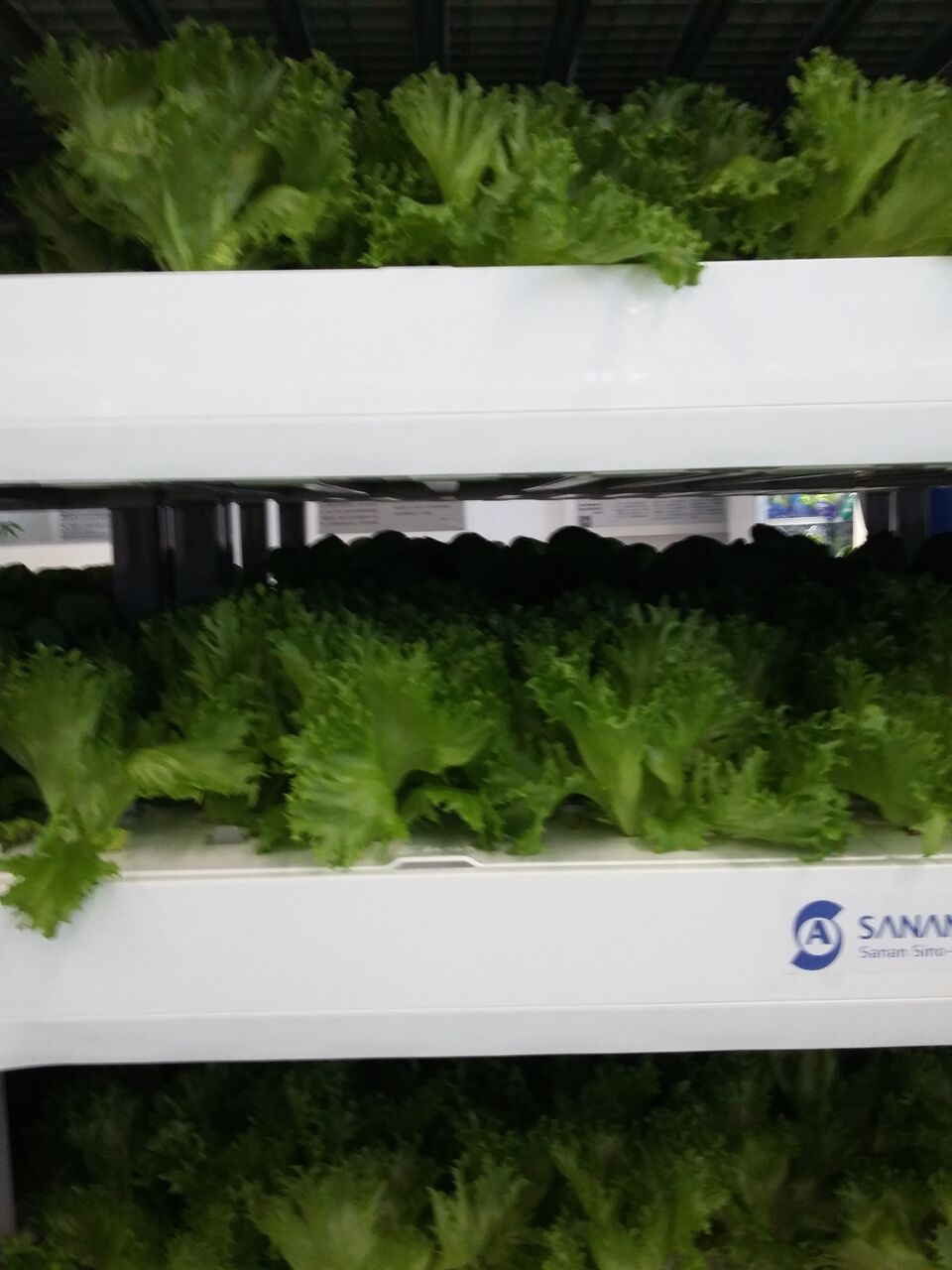
The future of agriculture?  Some people think so….:

Jetlag 5.jpg

Jetlag 6

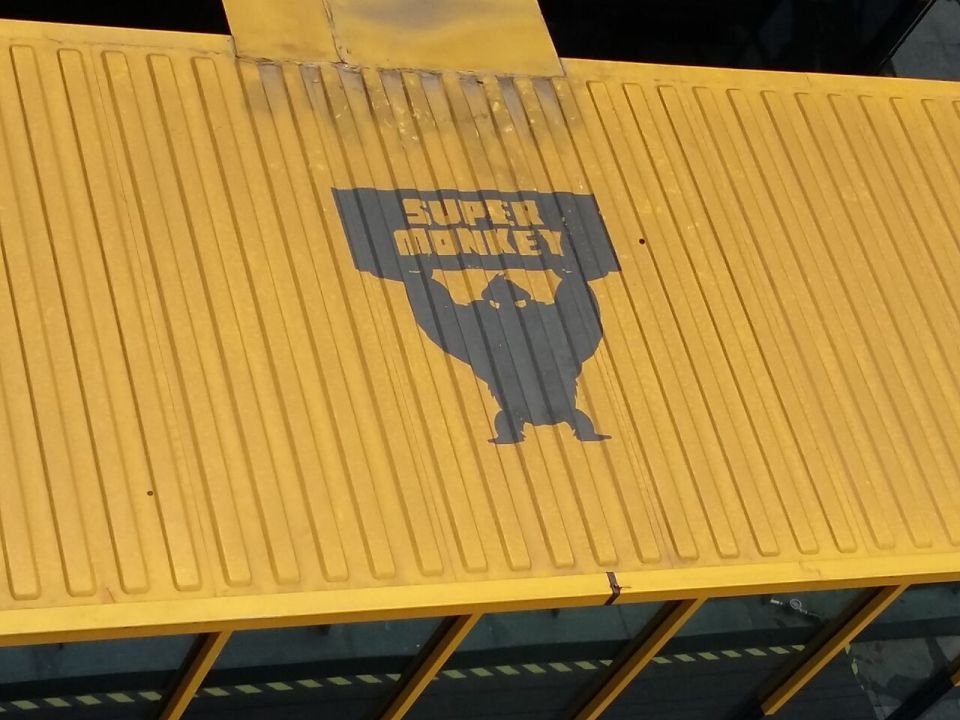
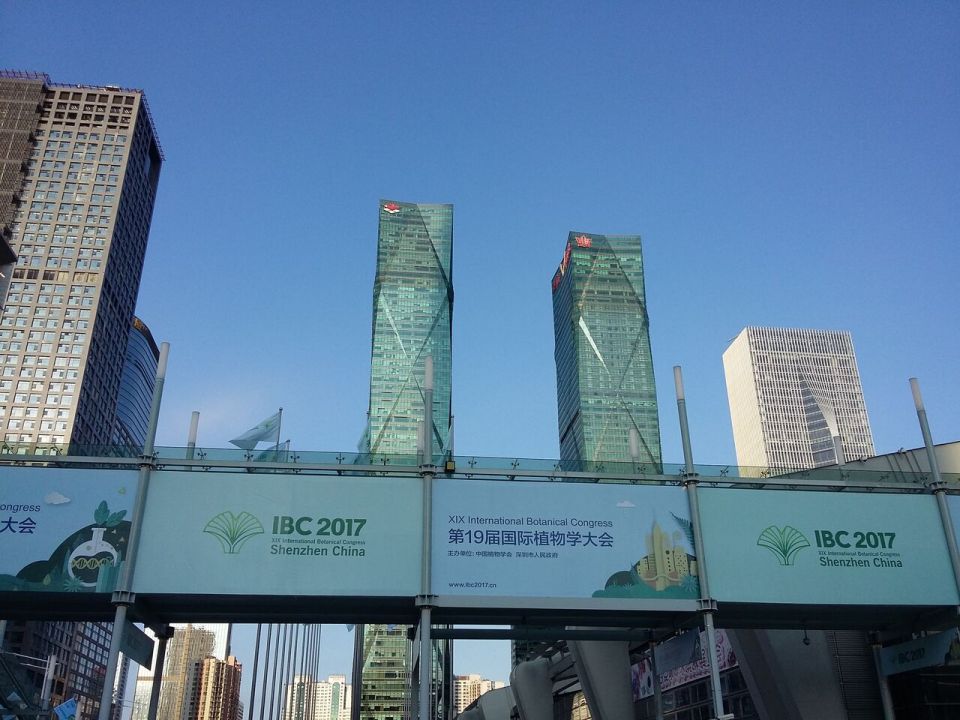
This tells us a lot about the scale of the event; it’s the covered walk way over to the second venue.  Yes, they needed a second venue….:

Jetlag 7.jpg

My view at 7pm last night.  Happy memories….:

Jetlag 8


6000 scientists can’t be wrong: the International Botanical Congress 2017

IBC 1

A late afternoon flight from Heathrow got me to Beijing International Airport just in time for me to enjoy a nine hour delay in my connecting flight to Shenzhen in southern China.  I finally arrived at my hotel at 2:15am, exhausted and sweaty in the 30 degree night time heat.  The one consolation is the the hotel was short of rooms so upgraded me to a suite the size of a small city, with a shower like a tropical rainstorm.  Perfect to wash off the dirt of travelling before collapsing into bed.

Why am I here and why is the hotel short of rooms?  Because 6000 scientists have descended on Shenzhen for the 19th International Botanical Congress (IBC).  The IBC is a six-yearly event that rotates around the world; I attended in 1999 in St Louis and 2005 in Vienna, but missed Melbourne in 2011.  At this IBC I’m giving two talks, one at the beginning and one at the end of the conference.  More on that later in the week.

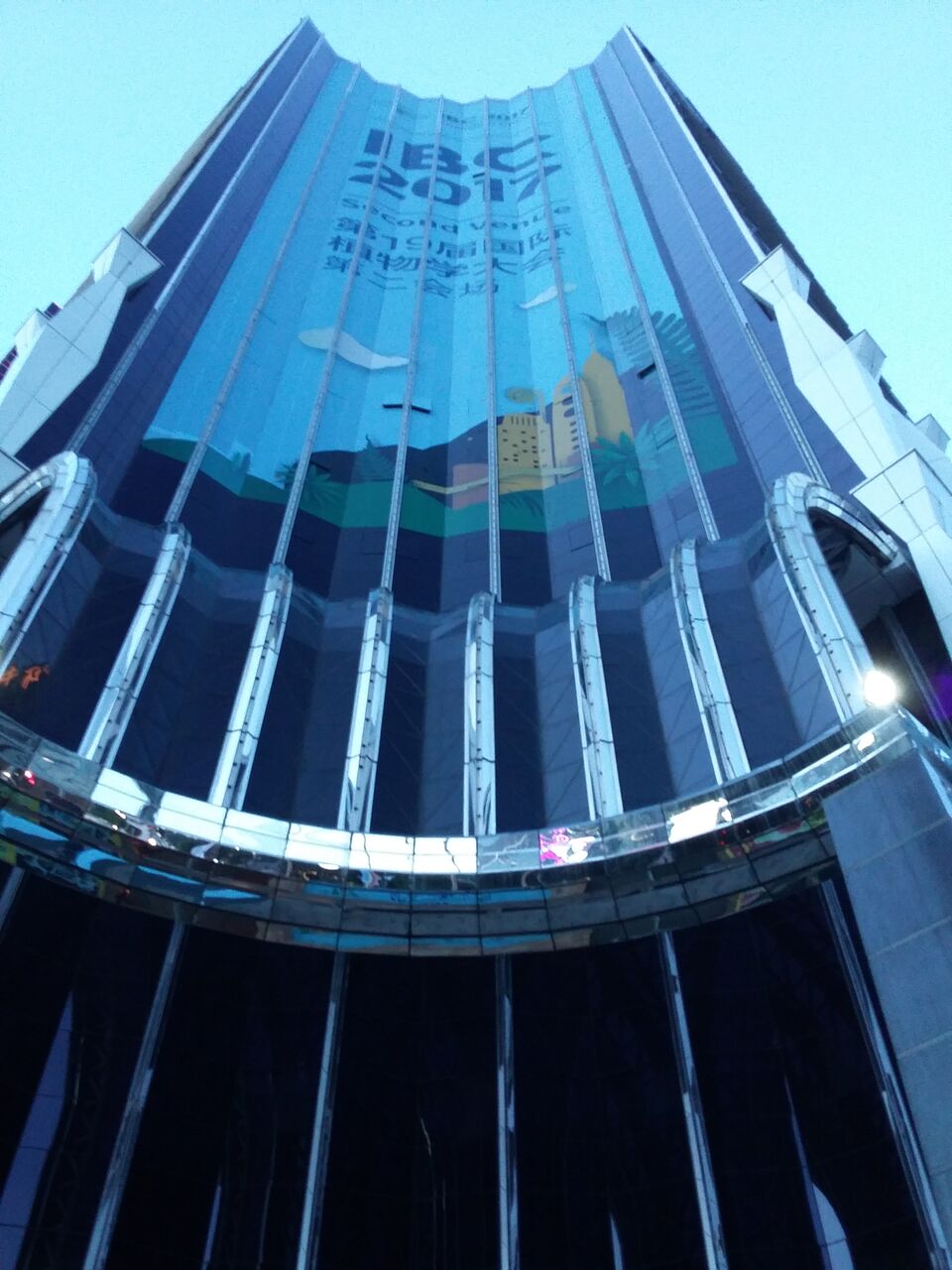
Six thousand botanists need a big conference venue and this morning, after a late breakfast, I strolled up to the convention centre where it’s being held.  It’s enormous, the scale of the thing is overwhelming.  I wandered around whilst they were getting ready for registration opening this afternoon and took some images on my phone.

IBC 2IBC 3IBC 4

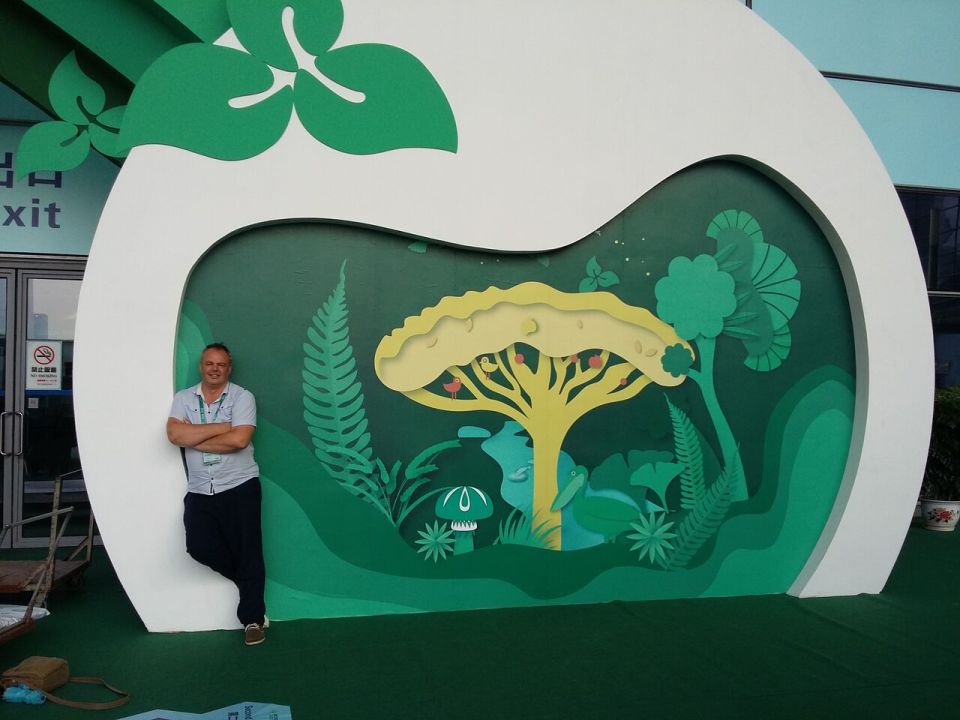
There are some fabulous displays of living plants, including this one at the main entrance:

IBC 5

These are attracting pollinators: in 10 minutes I counted lots of honey bees, one butterfly, at least two species of wasps, and a large carpenter bee (Xylocopa sp.) visiting flowers.  I only managed to photograph the first two though:

IBC 7

IBC 6

On the way back to my hotel I gatecrashed an international turtle expo.  Who knew turtles were such a big thing in China….?

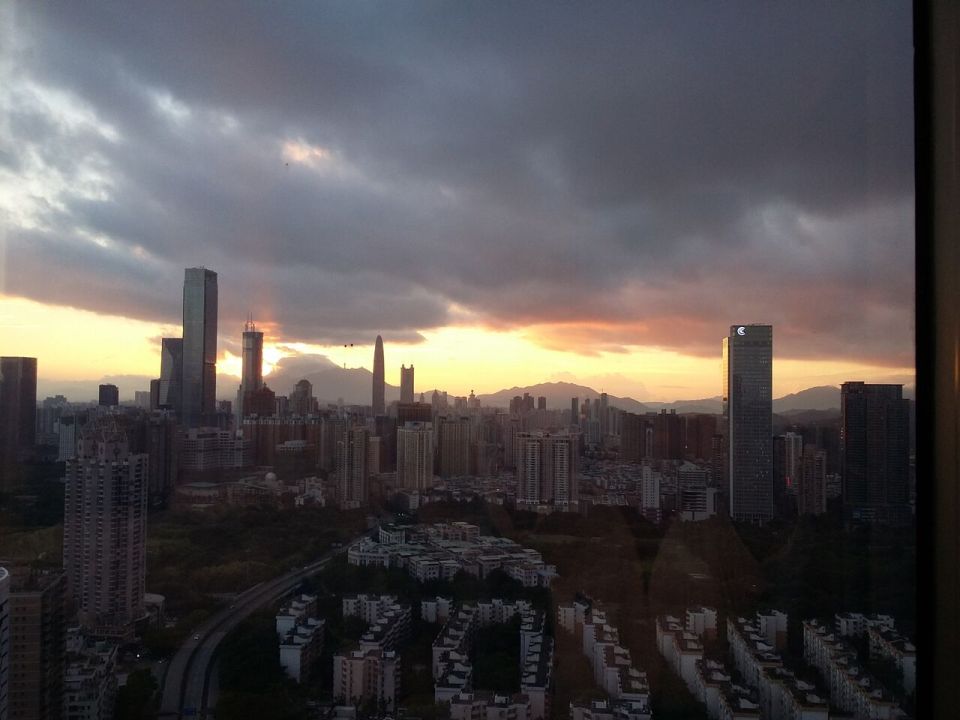
OK, that’s all for now: I have to head back to the convention centre to register, so I’ll leave you with the view I’m seeing from where I’m writing this.  Shenzhen is quite a place and I’ll write more about it later in the week:

IBC 8

Plant-pollinator networks, the time dimension, and conservation: a new study just published

Biella network

After rather a long gestation period, involving much re-analysis and rewriting, we’ve finally published Paolo Biella’s research from his Master’s thesis.  It’s a really neat plant-pollinator network study from mid-elevation grasslands in Italy’s Northern Apennine.  In it we have considered the way in which such networks could be analysed in relation to plant phenology (i.e. the timing of when they flower) rather than arbitrary time slices (e.g. months, weeks).  We have also discussed how this approach may inform conservation strategies in grasslands such as these.  The full citation with a link is:

Biella, P., Ollerton, J., Barcella, M. & Assini, S. (2017) Network analysis of phenological units to detect important species in plant-pollinator assemblages: can it inform conservation strategies?  Community Ecology 18: 1-10 

I’m happy to send a PDF to anyone who is interested in seeing the full study.

Here’s the abstract:

Conservation of species is often focused either only on those that are endangered, or on maximising the number recorded on species lists. However, species share space and time with others, thus interacting and building frameworks of relationships that can be unravelled by community-level network analysis. It is these relationships that ultimately drive ecosystem function via the transfer of energy and nutrients. However interactions are rarely considered in conservation planning. Network analysis can be used to detect key species (“hubs”) that play an important role in cohesiveness of networks. We applied this approach to plant-pollinator communities on two montane Northern Apennine grasslands, paying special attention to the modules and the identity of hubs. We performed season-wide sampling and then focused the network analyses on time units consistent with plant phenology. After testing for significance of modules, only some modules were found to be significantly segregated from others. Thus, networks were organized around a structured core of modules with a set of companion species that were not organized into compartments. Using a network approach we obtained a list of important plant and pollinator species, including three Network Hubs of utmost importance, and other hubs of particular biogeographical interest. By having a lot of links and high partner diversity, hubs should convey stability to networks. Due to their role in the networks, taking into account such key species when considering the management of sites could help to preserve the greatest number of interactions and thus support many other species.

Another new garden pollinator record – Lunar Hornet Moth

Lunar Hornet Moth cropped

Following on from last week’s post about the Ashy Mining Bee, here’s yet another new record for our garden that I spotted yesterday – the Lunar Hornet Moth (Sesia bembeciformis), one of the Clearwing Moths (family Sesiidae).  It’s a fabulous example of Batesian Mimicry in which a harmless species (the moth) has evolved to resemble a more dangerous or toxic species, in this case large wasps or hornets.  I certainly had to look twice when I saw it!  

These moths do sometimes visit flowers such as umbellifers though the shot below is posed: the moth flew out of my hands as I was moving it and landed on this cultivated geranium.  The larvae feed on sallow and willow (Salix spp.) which we don’t have in the garden, but there’s lots in and around this part of the town.

Looking at the NBN Atlas account for the species I think that this may be a first record for Northampton town itself, though it is recorded out in the county.

Lunar Hornet Moth on GeraniumP1040014

A new pollinator for our garden: the Ashy Mining Bee

Today I’ve been cracking on with the refurbishment of the old summer house at the back of the garden that previous owners have let fall into rotten disrepair, whilst Karin attends a conference in London.  The renovation has been a slow job, due to lack of time, but a lot of fun, and a good excuse to play with power tools.  In between sawing and drilling, however, I’ve been keeping an eye out for bees and other flower visitors and was delighted to spot a new species for the garden – the Ashy Mining Bee (Andrena cineraria).  It’s a beautiful and distinctive insect that I know from other sites in Northampton, but had not recorded here previously.  The record has been submitted to the BWARS recording scheme for this species.

Do look out for this bee, it’s difficult to confuse it with anything else (which is rare in Andrena….)  Here’s a few photographs of a female collecting pollen from a cultivated rose, that I took with my phone:

Ashy Mining Bee 2017-06-17 10.55.45Ashy Mining Bee 2017-06-17 10.55.53

Ashy Mining Bee 2017-06-17 10.56.10


Saved by a bee: a true story, with reflections and photos from PopBio2017

1

The blog has been a bit quiet of late, due to a lot of traveling on my part, starting with field work in Tenerife, then a weekend away with friends on the Isle of Wight, followed by the topic of this post: PopBio2017 – the 30th Conference of the Plant Population Biology Section of the Ecological Society of Germany, Austria and Switzerland in Halle, Germany.  And I’d like to begin with a story….

The organisers of PopBio2017 had invited me to be one of five keynote speakers at the conference and I was due to deliver a talk on “The macroecology of wind and animal pollination” first thing (09:00) on Thursday morning.  So the night before I duly set my phone’s alarm for 07:00, thinking I’d have enough time to get ready, have breakfast, then take the tram to the venue (a 15 minute ride/walk).

It was a very hot night and I left the windows open, but my mind was restless with thoughts of how to deliver the talk most effectively.  So I kept waking up during the night, and actually slept through the alarm.  The next thing I know it is 07:45 and I am being woken up by an urgent buzzing noise….from a bee!

I swear this is true: a bee had flown in through the window, buzzed for a few seconds right in front of my face, and woke me up in time to deliver my talk on pollinators!  It then turned around and flew straight back out of the window.

It actually wasn’t until I’d jumped out of bed and into the shower that I’d woken up sufficiently to appreciate what had happened…and wondered if anyone would actually believe me!  Anyway, I got to the venue with 15 minutes to spare, the talk seemed to go well, and it’s a story I think I’ll enjoy telling for some time to come.

The conference was really fabulous, with some very impressive science on show.  It was a good mix of postdocs, PhD students, and established researchers talking on a diverse range of plant ecology topics, not just “plant population biology” (whatever that really is – there was some discussion on that score).   The organisers had arranged the programme so that the keynotes in each session were followed by shorter talks broadly related to that topic, so I was followed by a series of presentations on pollination biology.  And very good they were too.

Here’s some photos from the week:

A slightly blurry audience waiting for my talk to begin (not as blurry as me after the dash to the venue however…):

2

I was fascinated by the coypu that are common in the River Salle which flows through the city of Halle.  They are classed as an invasive species, but are very, very cute:

3

Indeed so cute I couldn’t resist taking a selfie…

4

Some interesting urban greenery including swales for flood defence:


5

6

7

8

9

Wall plants surviving the graffiti:

10

Halle’s most famous resident, Handel:

11

There’s a Harry Potter feel to some parts of the town:

12

The fabulous double-double-spired cathedral:

13

There had to be a spiral or two, of course:

14

On the Saturday after the talks had finished we took an excursion to the fascinating “Porphyry Hills” dry grasslands – unique western extensions of plant communities and species normally found in the east, including many plants of the steppe:

15

These rocky outcrops have become exposed as agricultural ploughing caused the surrounding soil level to drop:


Some of the grassland areas have very thin soils with resultant high plant diversity:


22

Lots in flower, though not as many pollinators as I would have liked:

23

24

25

On the last evening a couple of us had a private tour of the university’s botanic garden, and well worth a visit it is too:

It was a thirsty conference – “To beer or not to beer….”?

30

Finally thanks to the organisers of PopBio2017 for the invitation to speak, and to all of the conference attendees who made it such a special meeting.

Public evening lecture on butterfly conservation – Tuesday 16th May – free and open to all

Gatekeeper cropped P1010472

The University of Northampton has recently approved the appointment of Tom Brereton as Visiting Professor in Conservation Science.  Tom is well known for his work with Butterfly Conservation, the organisation that monitors British butterfly and moth populations, and promotes their study and conservation.  However he also works with other organisations including the charity MarineLife.

The first task of any Visiting Professor is to present a public lecture on their work, which Tom is doing next Tuesday 16th May; it is entitled:

“Butterflies and other animals: 40 years of adventure in ecology and conservation”

The lecture begins at 6pm in The Grand Hall, Newton Building, St George’s Avenue, Northampton, NN2 6JD

Coffee & biscuits will be served on arrival at 5.30pm

Following the lecture there will be an opportunity for networking and discussion over drinks & nibbles.  The lecture is free and open to all; for catering purposes please advise Val Howe if you wish to attend:

Email: valerie.howe2@northampton.ac.uk
Telephone: 01604 893005

(Though if you decide to come at the last minute that’s also fine!)

Spiral Sunday #33 – an Aeonium from Tenerife (for Karin’s birthday)

Aeonium.png

Over the past couple of weeks we’ve been extremely busy doing field work and not had great internet connections, hence no postings on the blog.  But this weekend we are staying in a lovely little hotel in a restored 18th century Canarian house in Icod de los Vinos.  So things have slowed down, though the internet is not much better.

I have managed to capture a few images of spirals along the way that I will use for upcoming Spiral Sunday posts.  As it’s Karin’s birthday today, here’s one of an Aeonium species, the group of plants that’s been the main focus of our recent field work.

Happy Birthday Karin!

Spiral Sunday #32 – from the Guimar Badlands of Darwin’s Unrequited Isle

Guimar spiral.png

Our annual undergraduate Tenerife Field Course ends today and later I will say goodbye to the students and my University of Northampton colleagues Janet Jackson and Paul Cox: I’m staying on for another 10 days with Karin to do some additional field work.  The apartment complex where we were located had very poor wifi so I’ve not been able to post much, but we’ve moved now and I’ll try to do more in the coming week.

For Spiral Sunday this week here’s a shot of the logo for one of the protected areas that we always visit, and one of my favourite places on Tenerife: the stunning Malpais de Guimar (Guimar Badlands).

As you can see from the image below, the Guimar Badlands is a fascinating area of xerophytic scrub containing plants that are adapted to very low water levels.  It’s always the first site that we visit with the students, providing a great contrast to any habitats that they might have encountered in Britain.  A perfect introduction to Darwin’s Unrequited Isle.

Guimar 2014.png