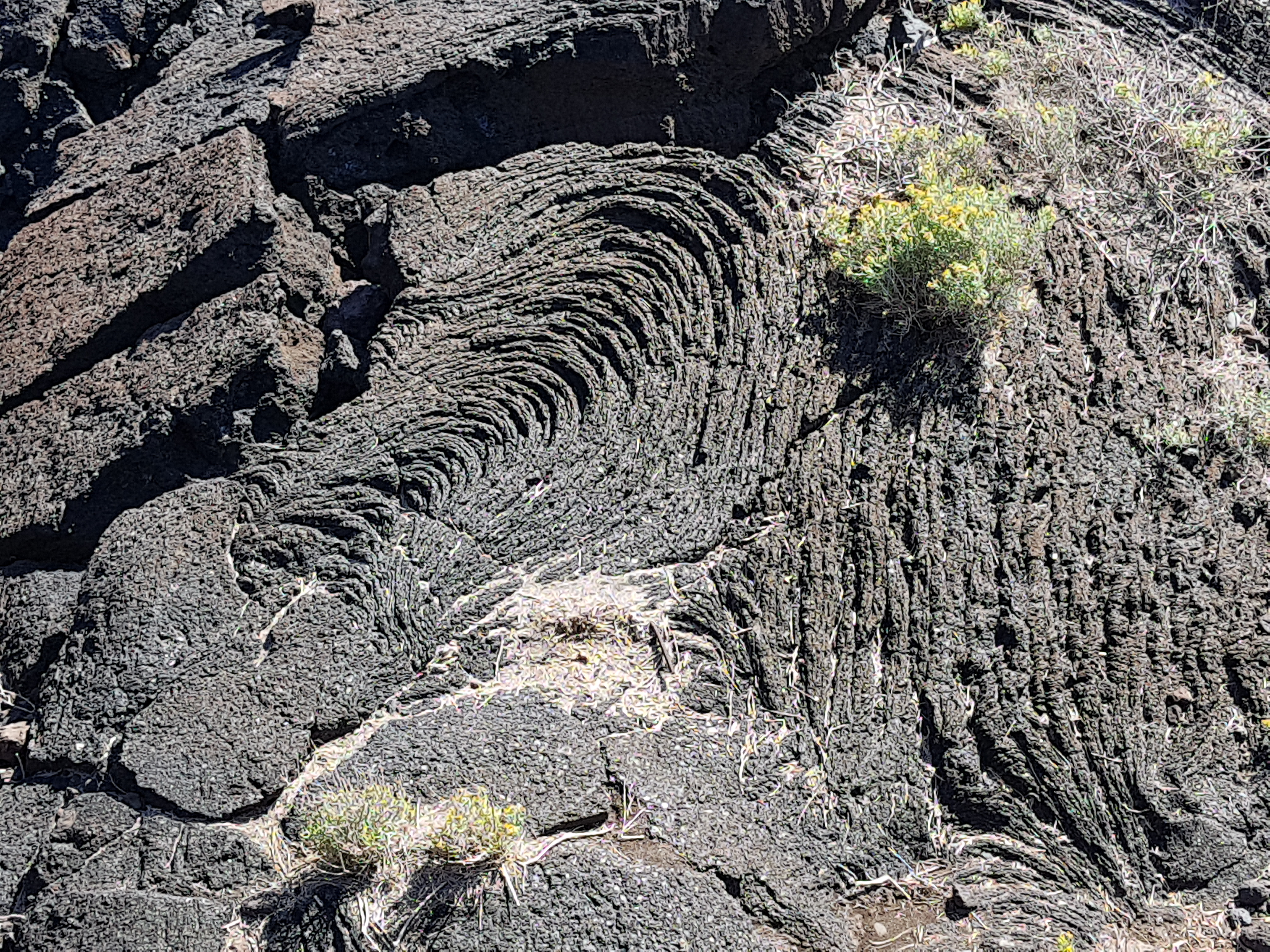
The angiosperms (flowering plants) are far and away the most diverse group of plants ever to have evolved. There are an estimated 350,000 to 370,000 species, more than all other groups of plants (ferns, conifers, cycads, mosses, etc.) combined, living and extinct. The origin of the flowering plants was termed an “abominable mystery” by Charles Darwin – or perhaps it wasn’t: see this essay by Prof. Richard Buggs for an alternative view of what Darwin was describing, and this paper by Prof. William Friedman giving a different interpretation.
These disagreements about what Darwin meant are as nothing compared to disagreements about when the flowering plants actually evolved and how we interpret fossils and evidence from molecular phylogenies. Two new studies illustrate this point: they use some of the same information to come to completely different conclusions. I’ve copied the details and abstracts below, with links to the originals, and emphasised the areas of disagreement in bold text. And I’m going to leave it at that; I don’t have a horse in this race and I have no idea which (if either) is correct.
There are, however, profound implications for understanding when and how relationships between flowering plants and their pollinators evolved, as I noted in my recent review of pollinator diversity. If the much earlier, Triassic origin of the angiosperms is correct then perhaps the earliest flowering plants did not co-opt pollinators that were already servicing gymnosperms. Perhaps the relationships between plants and pollinators originated with the (Triassic) angiosperms and the gymnosperms subsequently evolved to exploit this. My feeling is that only more, better fossils will provide definitive answers.
Here’s the details of the studies:
Coiro et al. (2019) How deep is the conflict between molecular and fossil evidence on the age of angiosperms? New Phytologist
Abstract: The timing of the origin of angiosperms is a hotly debated topic in plant evolution. Molecular dating analyses that consistently retrieve pre‐Cretaceous ages for crown‐group angiosperms have eroded confidence in the fossil record, which indicates a radiation and possibly also origin in the Early Cretaceous. Here, we evaluate paleobotanical evidence on the age of the angiosperms, showing how fossils provide crucial data for clarifying the situation. Pollen floras document a Northern Gondwanan appearance of monosulcate angiosperms in the Valanginian and subsequent poleward spread of monosulcates and tricolpate eudicots, accelerating in the Albian. The sequence of pollen types agrees with molecular phylogenetic inferences on the course of pollen evolution, but it conflicts strongly with Triassic and early Jurassic molecular ages, and the discrepancy is difficult to explain by geographic or taphonomic biases. Critical scrutiny shows that supposed pre‐Cretaceous angiosperms either represent other plant groups or lack features that might confidently assign them to the angiosperms. However, the record may allow the Late Jurassic existence of ecologically restricted angiosperms, like those seen in the basal ANITA grade. Finally, we examine recently recognized biases in molecular dating and argue that a thoughtful integration of fossil and molecular evidence could help resolve these conflicts.
Li et al. (2019) Origin of angiosperms and the puzzle of the Jurassic gap. Nature Plants
Abstract: Angiosperms are by far the most species-rich clade of land plants, but their origin and early evolutionary history remain poorly understood. We reconstructed angiosperm phylogeny based on 80 genes from 2,881 plastid genomes representing 85% of extant families and all orders. With a well-resolved plastid tree and 62 fossil calibrations, we dated the origin of the crown angiosperms to the Upper Triassic, with major angiosperm radiations occurring in the Jurassic and Lower Cretaceous. This estimated crown age is substantially earlier than that of unequivocal angiosperm fossils, and the difference is here termed the ‘Jurassic angiosperm gap’. Our time-calibrated plastid phylogenomic tree provides a highly relevant framework for future comparative studies of flowering plant evolution.


 Prof. Jeff Ollerton - ecological scientist and author