Tag Archives: Milkweeds

We’ve just named a new species of fly from Yemen! And it came out of a flower from Kew

Back in the late 1990s and early 2000s, whenever I had a (rare) day free from teaching, marking, supervision, meetings, writing, and other university commitments, I would hop on the train from Northampton to London. My destination was the Spirit Collection of the Herbarium at the Royal Botanic Gardens, Kew, where bottled flowers are preserved in their three-dimensional complexity, rather than squashed flat onto herbarium sheets. To this day, the smell of formaldehyde in the “Kew Mix” takes me back to the chilly basement space of that collection.

The Kew Herbarium is a massive, internationally important resource for taxonomy, evolutionary biology and ecology, and one which ought to stay where it is, in my opinion.

The purpose of my visits was to exploit the large number of Ceropegia specimens that had been collected by botanists working in Africa, the Middle East, and Asia. These amazing flowers are so complex that they are best preserved in spirit, and that complexity in turn is a function of their sophisticated pollination systems. The flowers temporarily trap their pollinators, releasing them unharmed after a period, during which they will have picked up pollen and/or the flower will have been pollinated. If you have ever grown String-of-Hearts as a house plant, that’s the group we are talking about.

The botanists who collected these flowers were, of course, only interested in the plants. But as well as pickling the blooms they sometimes pickled the insect contents of the flowers, giving us a record of what the flowers were luring into their temporary traps. Not only that, but Ceropegia belongs to the milkweed subfamily of Apocynaceae, which means that their pollen is in the form of pollinia. These are coherent packages of pollen that mechanically, and persistently, clip to the insect. This gives us an opportunity to sort out the real pollinators (with pollinia attached) from other insects that may be inside the flowers for other reasons, such as looking for prey or sheltering from the dry heat of the day.

It had occurred to me that if someone was to check these flowers for insects, and extract any that were found, then we could build up an unprecedentedly complete picture of the diversity of pollinators in a large, mainly tropical plant genus of around 200 species. So that’s what I did, whenever time allowed. Having gained permission to do this, I was pleased to discover that the process was considerably speeded up by the fact that preserving the flowers in this way clears the tissues, making them colourless and translucent. By shining a bench light through the bottles I could see which flowers contained insects and carefully dissect them out.

Most flowers were empty, but occasional visits over a period of a few years resulted in a data set of flower visitors and pollinators for about 60 species and subspecies of Ceropegia. The first paper from that work was published in 2008 in Annals of Botany as ‘Fly pollination in Ceropegia (Apocynaceae: Asclepiadoideae): biogeographic and phylogenetic perspectives‘. Later work by colleagues and myself meant that in 2017 we could publish an update in the journal Flora (Diversity of Diptera families that pollinate Ceropegia (Apocynaceae) trap flowers: An update in light of new data and phylogenetic analyses).

The work also fed into our large study of pollination systems in Apocynaceae and I even published a small note about an ant specimen that I had extracted which still had the evidence of its last meal (a fly’s wing) protruding from its mouth.

The work at Kew had given us a short cut to understanding how pollination systems have evolved in this big plant species radiation. The equivalent field work required to collect the same data would have taken many person years and no funding agency would have given it the time of day. Not only that, but a portion of the data is from parts of the word that are war-torn, dangerous, and largely inaccessible to field scientists at the moment. Which brings us to the present paper.

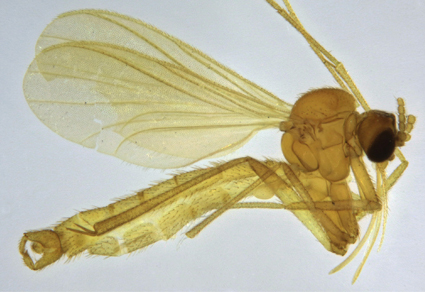
All of the pollinators, and most of the flower visitors, to Ceropegia that have been discovered to date are small flies (Diptera) often only a couple of millimetres in length. There are relatively few taxonomists who can identify such flies and most of the specimens I extracted were identified to genus or family by Andrew Whittington. One such specimen was determined to be a species of Lygistorrhina, known as ‘long-beaked fungus gnats‘. It was found in a flower of Ceropegia aristolochioides ssp. deflersiana, which is something of a generalist in this genus of specialists: it’s pollinated by at least four fly genera and 11 others have been collected from its flowers sans pollinia, including this one.

The flower was collected in 1975 by botanist John Wood, in Yemen – like I said, inaccessible – and the semi-arid climate in which it was found, whilst typical for Ceropegia, is unusual for Lygistorrhina. When National Museums Scotland entomologist Vladimir Blagoderov looked at the specimen he quickly realised that it was a new species and contacted Andrew and myself to discuss describing it. The paper documenting the new species, which we have named Lygistorrhina woodi in John’s honour, was published today. Here’s the reference with a link to the paper, which is open access:

Blagoderov, V., Ollerton, J. & Whittington A. (2023) A new species of Lygistorrhina (Lygistorrhina) Skuse, 1890 (Diptera: Keroplatidae, Lygistorrhininae) with a key to the subgenus. Zootaxa 5361: 151–158

Here’s the abstract:

A new species of Lygistorrhina (Lygistorrhina) Skuse, 1890, Lygistorrhina woodi sp. nov., is described. The specimen was dissected from an alcohol-preserved flower of Ceropegia aristolochioides ssp. deflersiana Bruyns (Apocynaceae, Asclepiadoideae, Ceropegieae) stored in the Kew herbarium. This is the first occurrence of the lygistorrhine gnats in a hot, semi-arid climate. A key to all known species of the subgenus Lygistorrhina (Lygistorrhina) is provided.
Cockroaches as pollinators: a new example just published

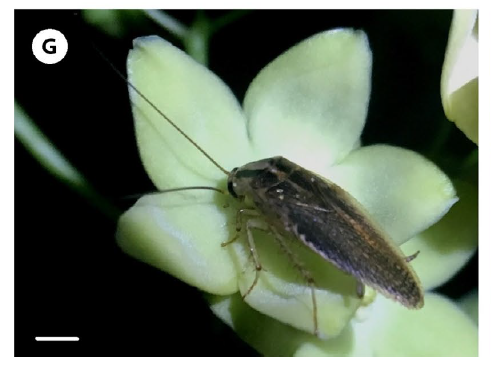
When you think of the word “pollinator” what comes to mind? For most people it will be bees, particularly the western honeybee (Apis mellifera). Some might also think of hoverflies, butterflies, moths, bats, hummingbirds…..but cockroaches?! The first published example that I know of which demonstrated that the flowers of a plant are specialised for cockroach pollination is from the mid-1990s. Since then only a handful of well documented cases have come to light, but there are undoubtedly more out there waiting to be discovered, particularly in the wet tropics. Most of the c. 4,600 species of cockroaches are nocturnal, and cockroach-pollinated flowers tend to open at night, which is one reason why they are under documented.

In a new study, published this week in the American Journal of Botany, a team of Chinese, German and British biologists has shown that a species of Apocynaceae from China is the first known example of cockroach pollination in that large family. Here’s the reference with a link to the study; if anyone wants a copy please email me:

Xiong, W., Ollerton, J., Liede-Schumann, S., Zhao, W., Jiang, Q., Sun, H. Liao, W. & You, W. (2020) Specialized cockroach pollination in the rare and endangered plant Vincetoxicum hainanense (Apocynaceae, Asclepiadoideae) in China. American Journal of Botany (in press)

The abstract for the paper follows:

Premise

Species of Apocynaceae are pollinated by a diverse assemblage of animals. Here we report the first record of specialized cockroach pollination in the family, involving an endangered climbing vine species, Vincetoxicum hainanense in China. Experiments were designed to provide direct proof of cockroach pollination and compare the effectiveness of other flower visitors.

Methods

We investigated the reproductive biology, pollination ecology, pollinaria removal, pollinia insertion, and fruit set following single visits by the most common insects. In addition, we reviewed reports of cockroaches as pollinators of other plants and analyzed the known pollination systems in Vincetoxicum in a phylogenetic context.

Results

The small, pale green flowers of V. hainanense opened during the night. The flowers were not autogamous, but were self‐compatible. Flower visitors included beetles, flies, ants and bush crickets, but the most effective pollinator was the cockroach Blattella bisignata, the only visitor that carried pollen between plants. Less frequent and effective pollinators are ants and Carabidae. Plants in this genus are predominantly pollinated by flies, moths and wasps.

Conclusions

Globally, only 11 plant species are known to be cockroach‐pollinated. Because their range of floral features encompass similarities and differences, defining a “cockroach pollination syndrome” is difficult. One commonality is that flowers are often visited by insects other than cockroaches, such as beetles, that vary in their significance as pollinators. Cockroach pollination is undoubtedly more widespread than previously thought and requires further attention.

Monarchs and Milkweeds Workshop summary, Oak Spring, Virginia, June 2019

2019-06-12 09.24.58

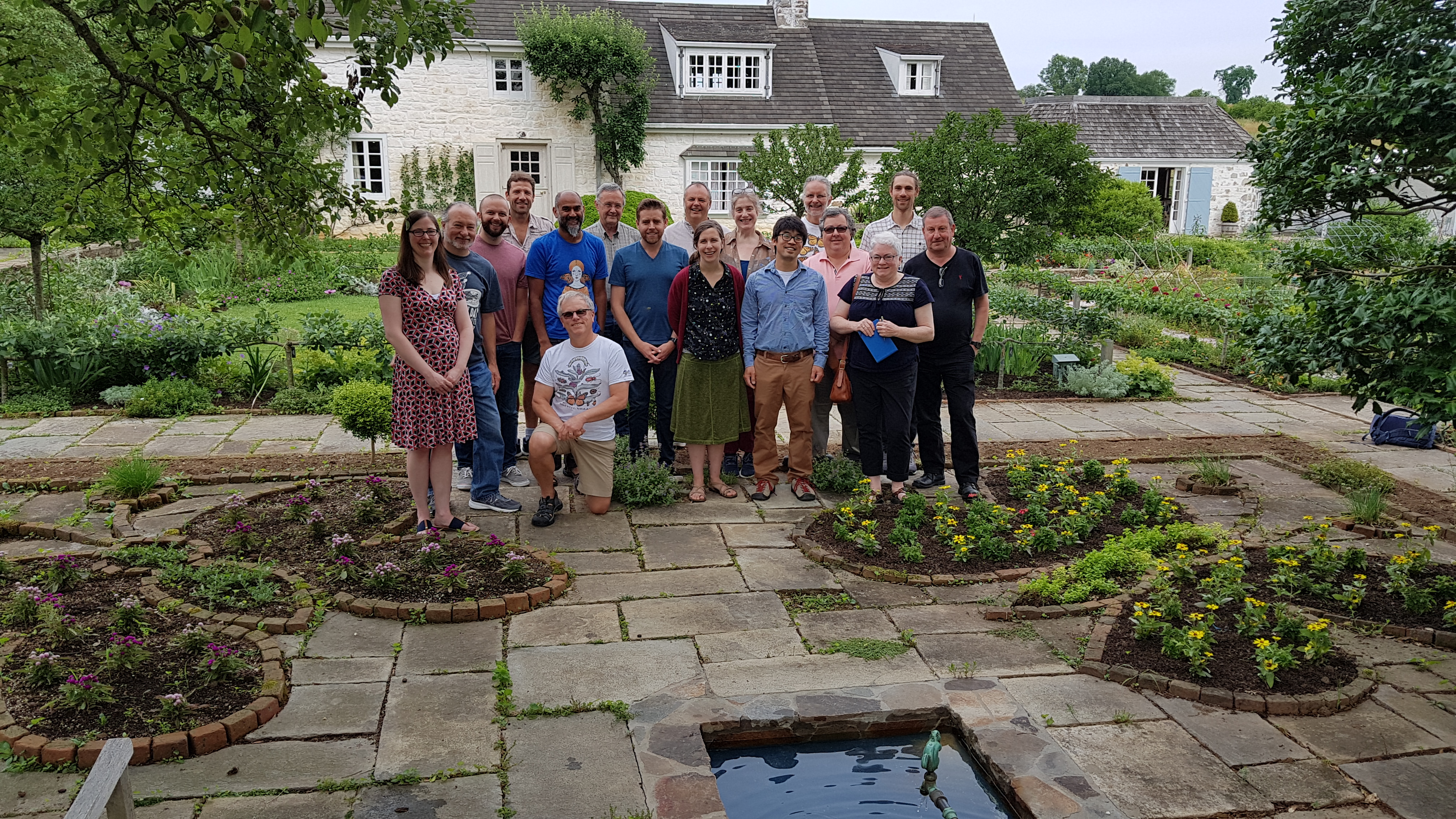
As I recounted in my last post about a train ride through American climate change, my wife Karin and I have been in the USA for the past couple of weeks, visiting colleagues in the west and ultimately heading eastwards to Virginia for a workshop on monarch butterflies and their milkweed hosts.  The meeting was organised by Anurag Agrawal, professor at Cornell University and author of the recent book Monarchs and Milkweed, highly recommended to anyone interested in the natural history of plants and insects.  The monarch (Danaus plexippus) is an iconic migrating  species that travels from Mexico to Canada and back, over the course of a few generations.  This behaviour, and their vast over-wintering assemblages, have become the focus of intense efforts to understand their ecology and biology.  Their caterpillar host plants are mainly milkweeds (Asclepias spp.) and bringing together both plant and animal scientists is important for gaining a fuller over view of the issues facing the monarchs and the milkweeds, and how both can be conserved in a time of anthropogenic change.

The venue for the workshop was Oak Spring, Upperville, the former home of Paul and Rachel (“Bunny”) Mellon which has been turned into the base of operations for a philanthropic foundation specialising in plant science, horticulture, and botanical art.  The Oak Spring Garden Foundation (OSGF) is “dedicated to inspiring and facilitating scholarship and public dialogue on the history and future of plants, including the culture of gardens and landscapes and the importance of plants for human well-being”.  The OSGF generously funded the workshop, including accommodation and travel for participants.  This brought together a small group of scientists from the USA, the UK and Brazil, together with an artist, a milkweed horticulturalist, and two science writers.  Their brief was to discuss the latest developments in our understanding of monarch butterflies, their decline and conservation, and the taxonomy, evolution and ecology of milkweeds and the wider groups of Lepidoptera and the plant family Apocynaceae to which these organisms belong.  My invitation to take part was due to the research on the pollination ecology of this family I’ve conducted, spanning about twenty five years and culminating in a recently published assessment of the diversity of pollination systems in Apocynaceae.

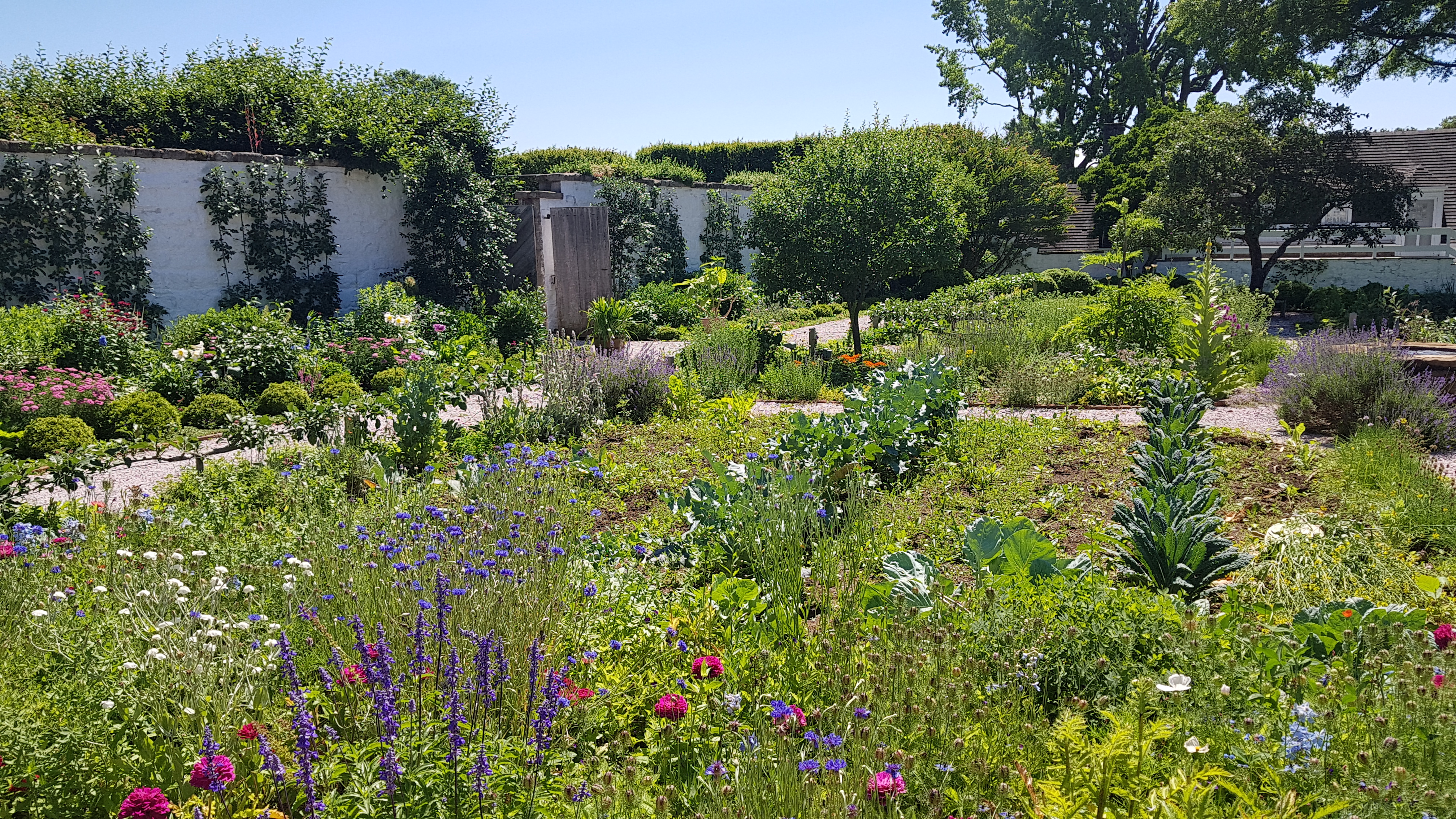
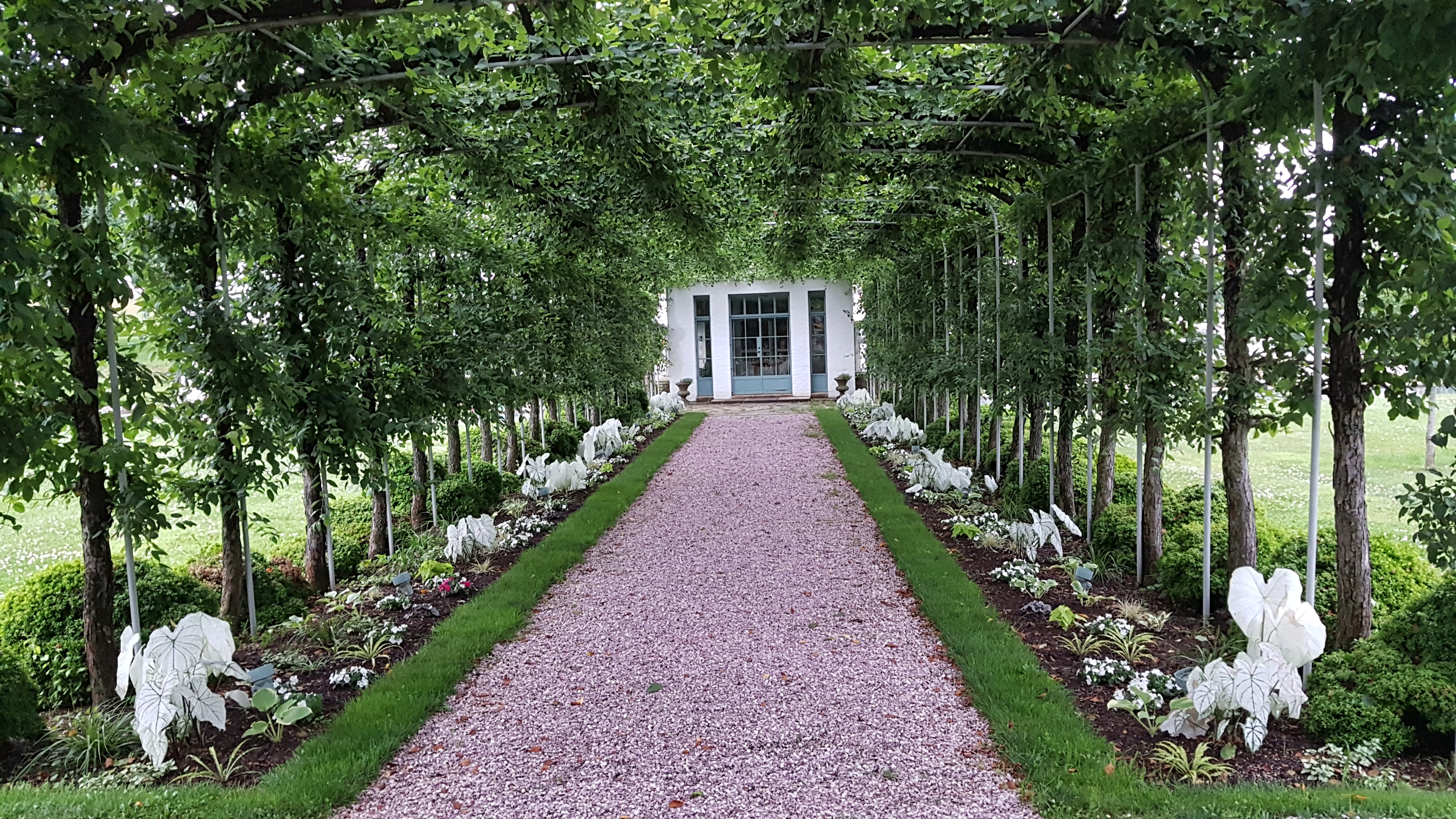
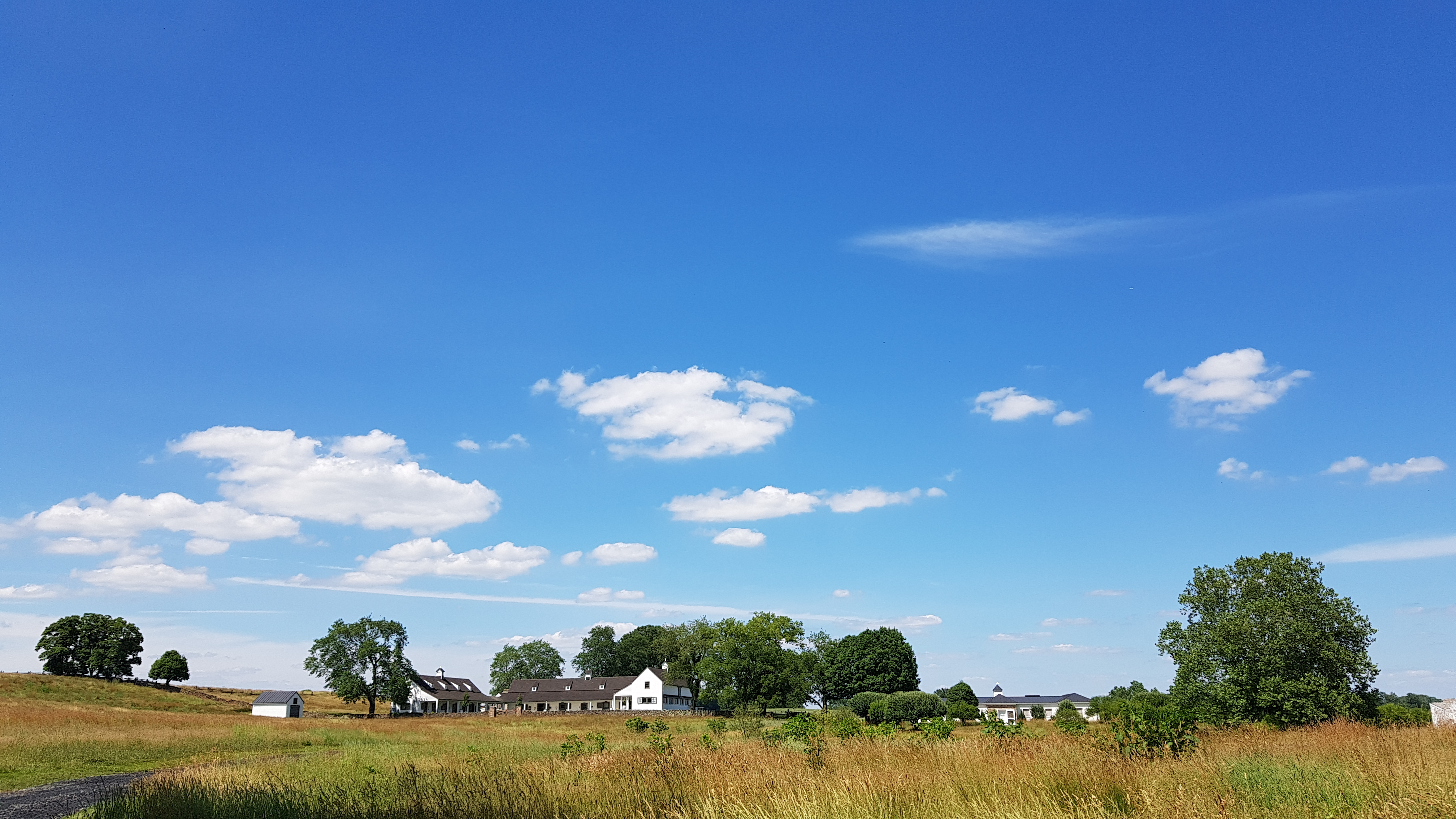
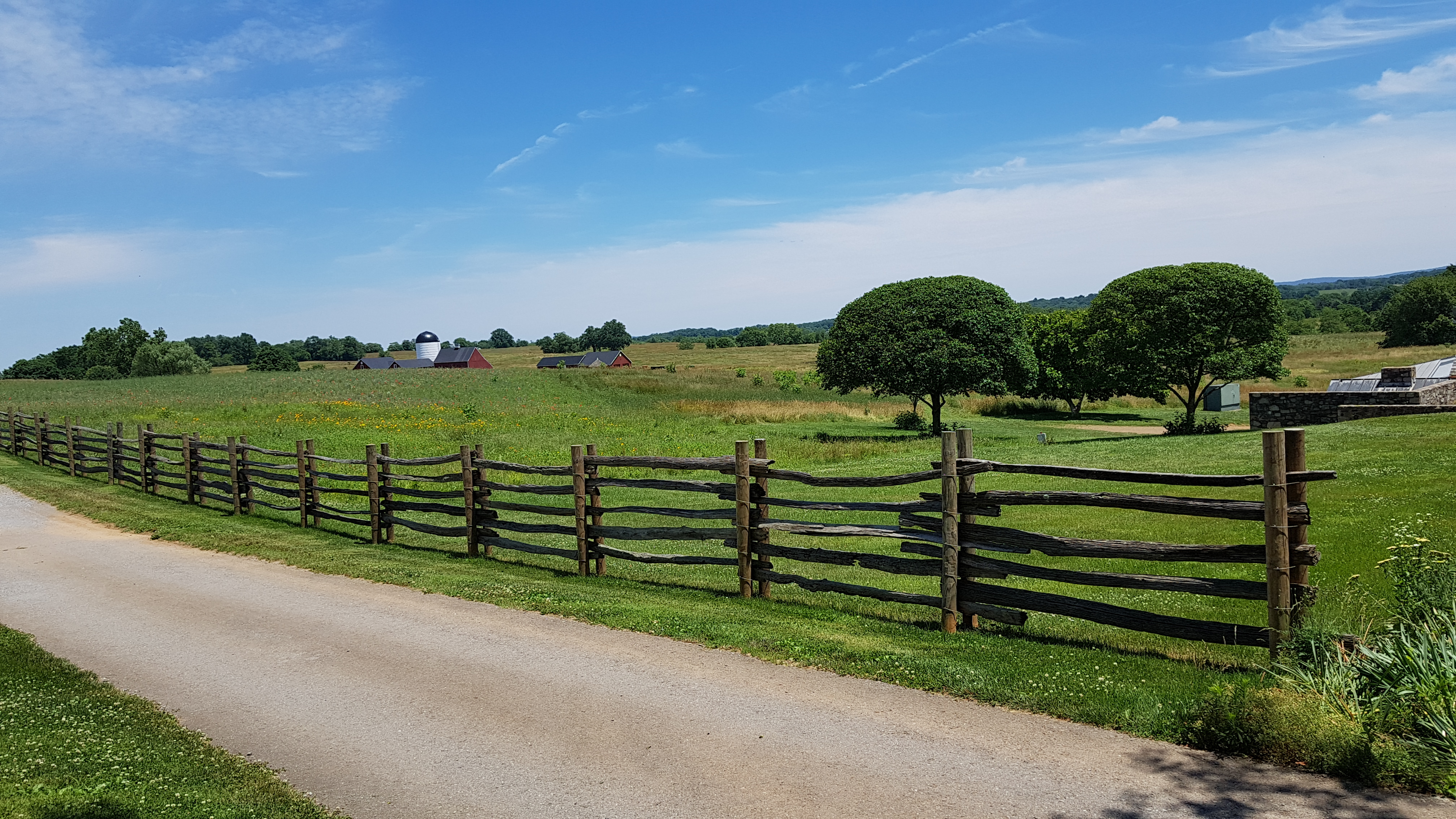
First things first: Oak Spring is one of the most tranquil, beautiful, and inspiring places where it’s ever been my privilege to stay.  Here’s a few photographs, but they really do not do justice to the buildings and garden, their setting, nor to the unique atmosphere of Oak Spring.

2019-06-12 15.27.50

2019-06-11 10.51.48

2019-06-11 14.26.45

2019-06-10 20.21.54

2019-06-12 15.24.31


2019-06-12 13.28.57

2019-06-11 16.26.56

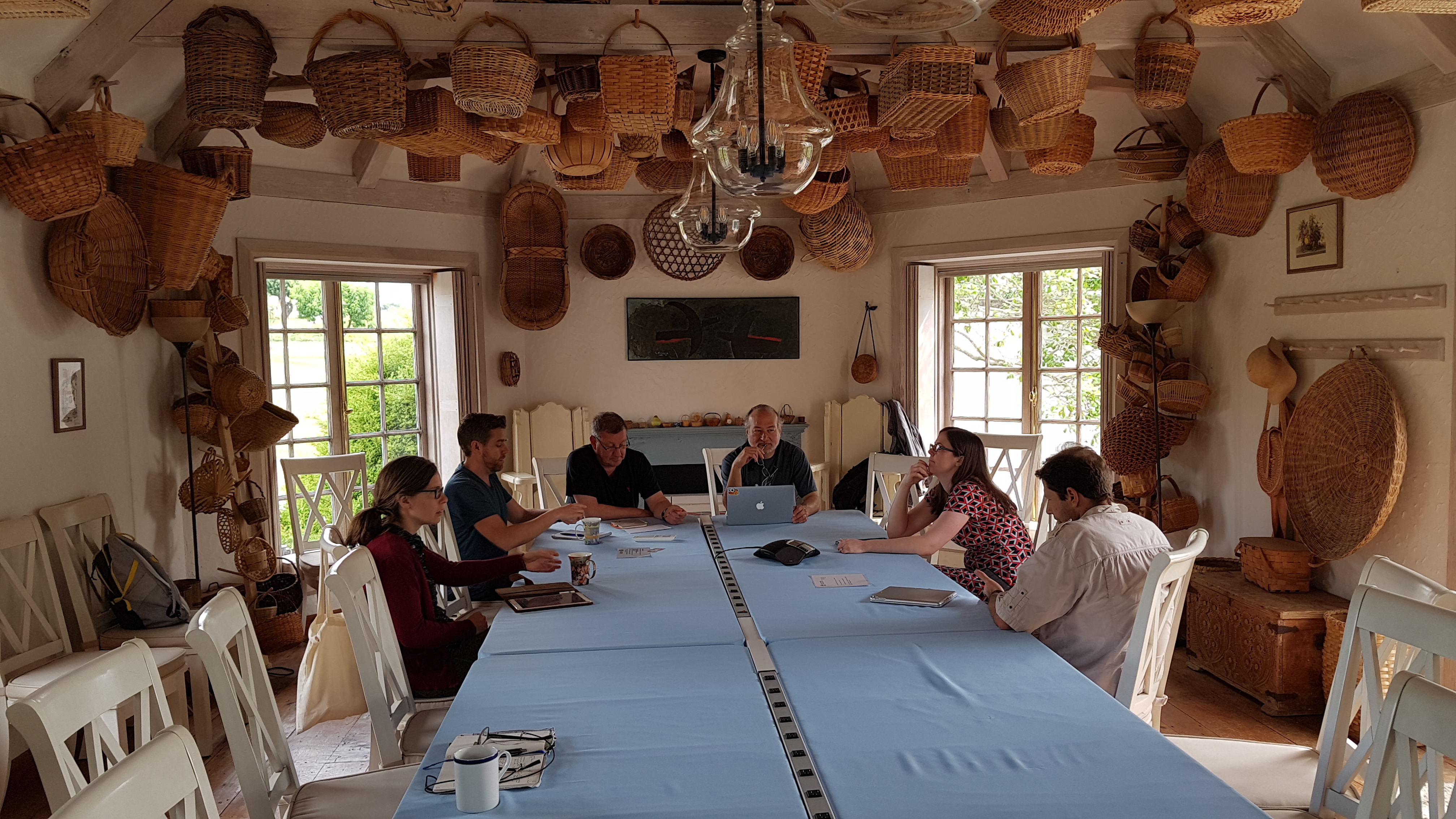
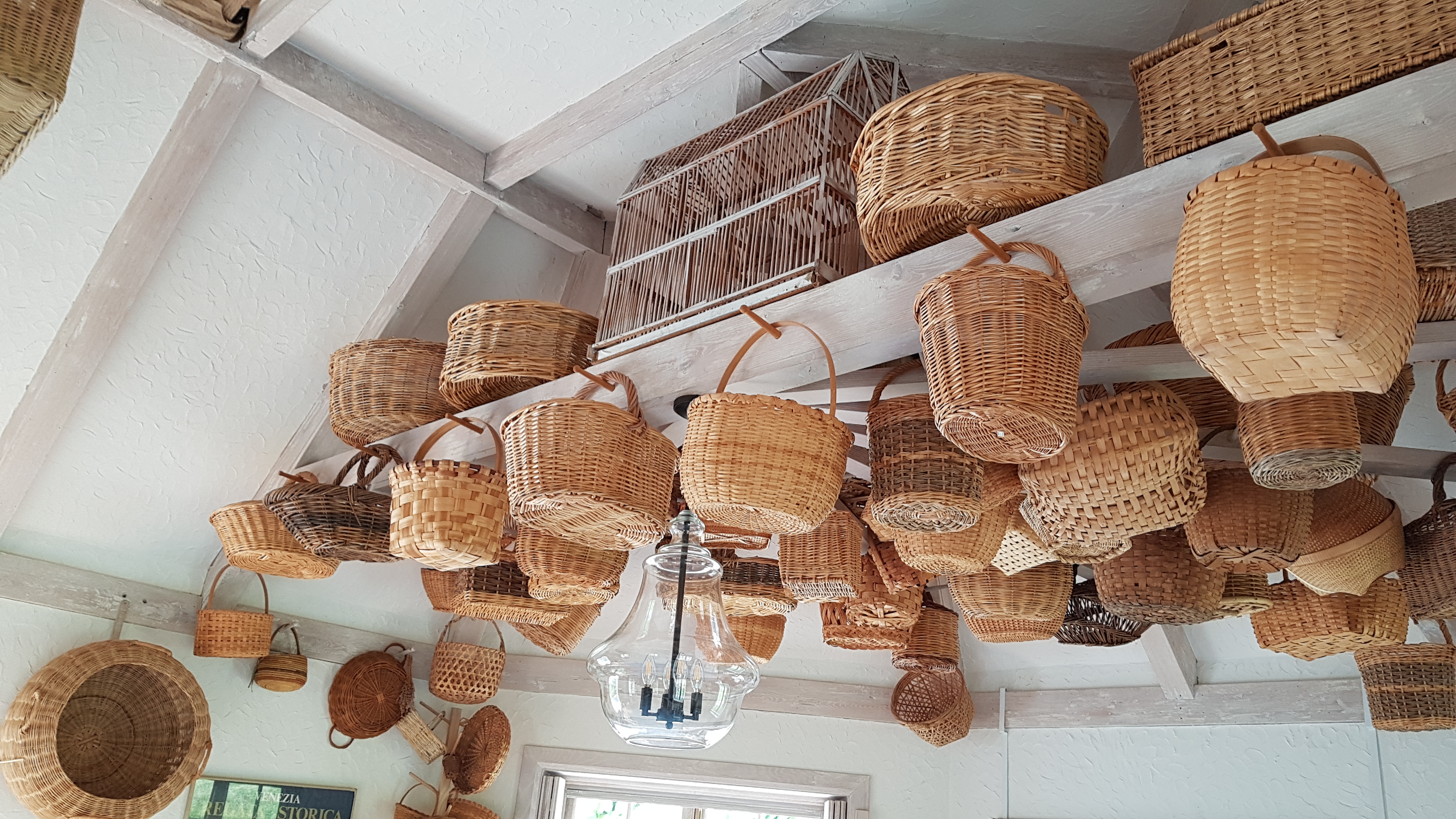
So to the science.  The workshop started with a set of short presentations on our recent research findings and the motivations for our interests in these organisms.  On the second day we then moved on to discussing ideas for future collaborations between the participants and how that work might be funded in the future.  Presentations and discussions were mainly held in the Basket House, named for obvious reasons:

2019-06-12 09.30.08

2019-06-12 09.29.41.jpg

Each of us was also interviewed on camera to build an online archive of the work we do and why we do it.

The advantage of face-to-face meetings such as this, and why Skype and so forth can never fully replace them, is the free-flowing conversations that occur within the formal sessions and outside them.  Among the many things that I learned from presentations and discussions were:

  • The California monarch population has declined by almost 90% this year and there’s an urgent need to understand why this has happened.  Climate change has been implicated, especially in relation to the increased frequency of wildfires in this region.
  • Existing methods of nectar extraction from milkweed flowers may strongly underestimate the volume available to flower visitors, and overestimate the sugar concentration.  Using a small centrifuge to spin out the nectar seems to be the most effective method.
  • Asclepias arrived in the Americas (probably from Africa) some 10 million years ago (mya).  However Danaus only arrived about 3.7 mya, so there was a long period of time in which the plant was not co-evolving with one of its major herbivores.
  • There is strong evidence of migrations along the Andes by a close relative of the monarch, Danaus erippus.  Migrations in this group of butterflies therefore extends beyond the iconic D. plexippus.
  • Sonoran Desert Asclepias are sister group to the rest of the New World Asclepias spp.  The exact route by which the African ancestors made it to the Americas is unknown, it could be via Asia and the Bering Strait, or across the Atlantic by way of island stepping stones.  Either way, the phylogenetic position of the Sonoran milkweeds implies that a lot of Asclepias species have gone extinct over the past 10 million years.
  • Climate change seems to be resulting in more complex and unpredictable windows of opportunity for monarch egg laying and caterpillar development.  The monarchs are most successful in late spring and late summer, but not in all years.
  • Likewise, extreme precipitation of the kind I recently documented in the USA is also likely to have a negative impact on the monarchs and their host plants.
  • There is molecular evidence that monarch butterflies went through a huge genetic bottleneck in the 1960s-1970s, for reasons that are not altogether clear.

All of these findings, and more that there isn’t space to document, point to a need for further research to better understand these organisms if we wish to secure their futures.

By the end of the workshop we had made some concrete decisions on future steps:

  •  The African members of the genus Asclepias, plus about 20 other closely related genera, require more critical taxonomic and phylogenetic assessment in order to understand their systematic relationship to the North and South American Asclepias species.
  • A poster (or possibly series of posters) will be produced that explain the ecology of the monarch, its relationship with milkweeds, the patterns of migration, and the value of milkweeds as nectar sources for a diverse range of pollinators.
  • We will explore a multi-agency grant application to further develop the collaborations between participants.

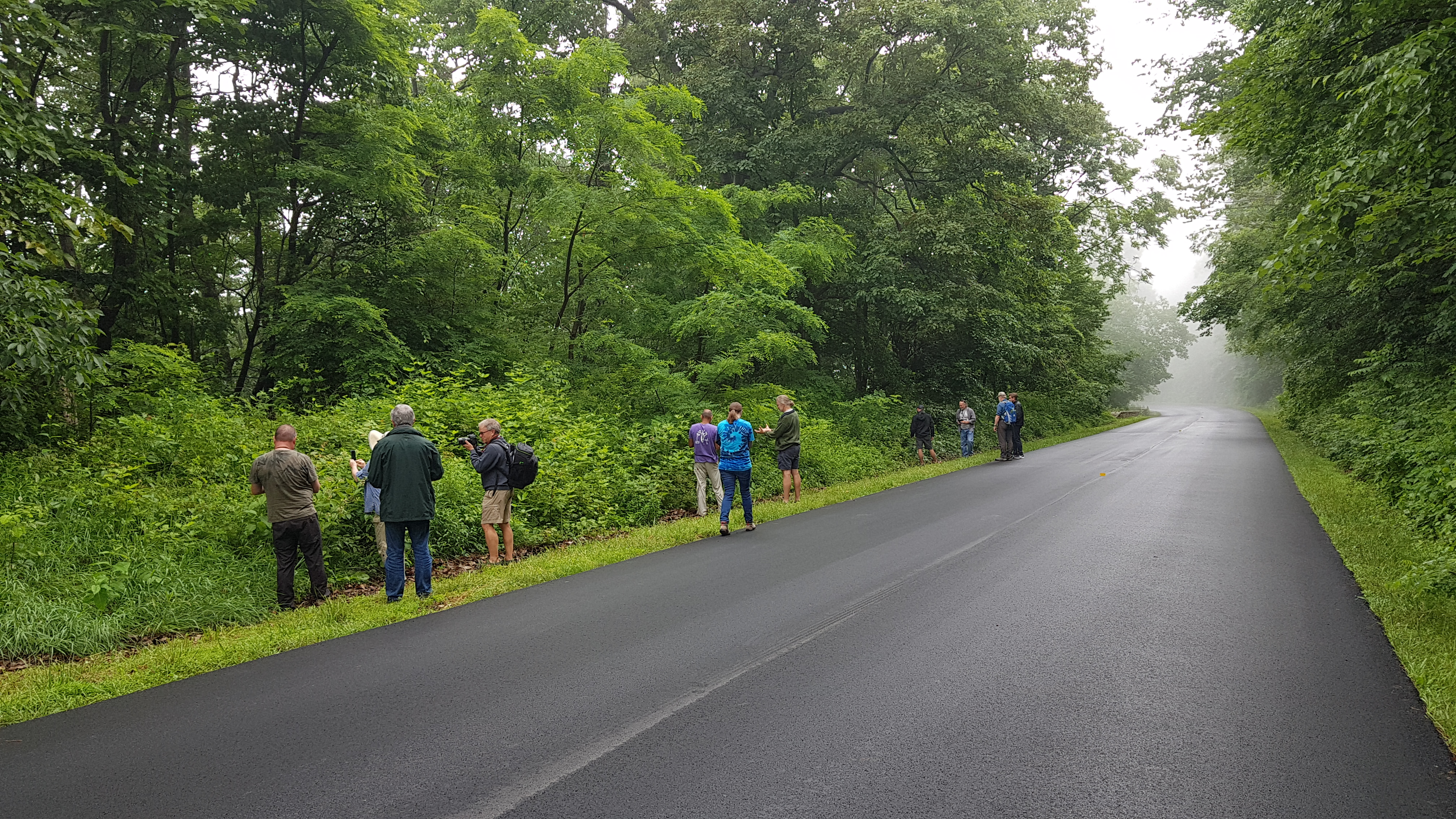
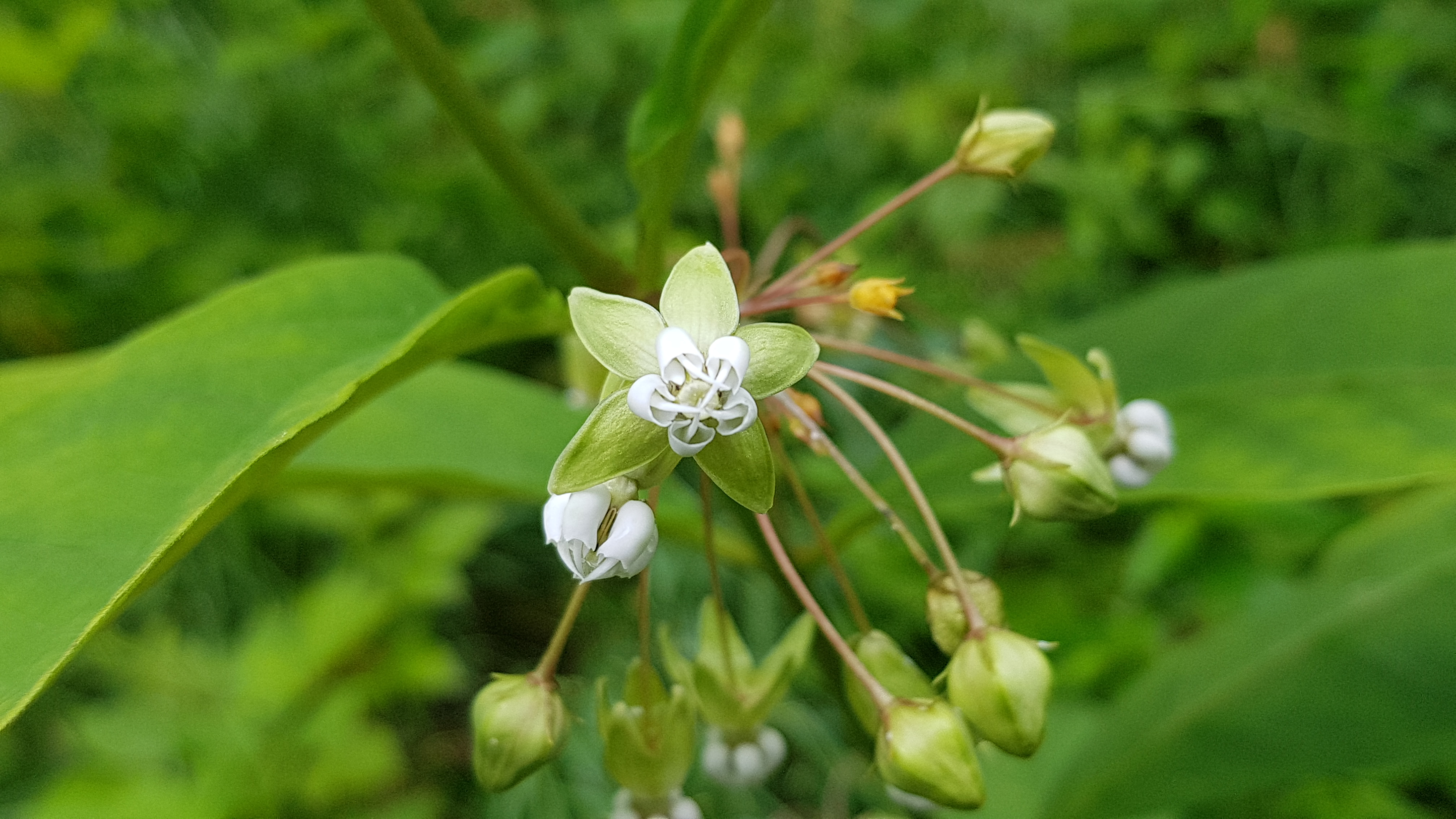
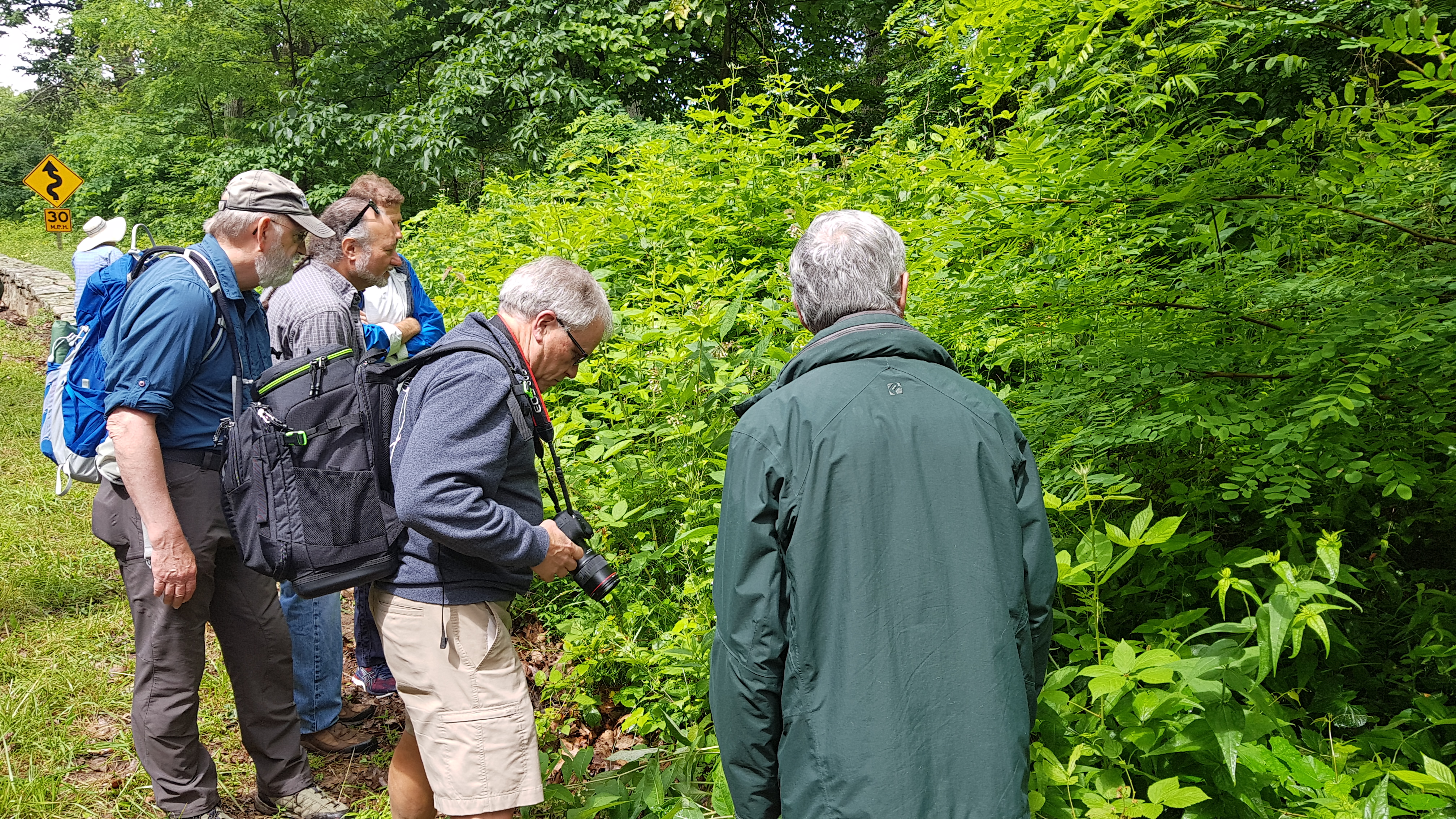
The final day of the workshop involved a field trip around Virginia to see some of the local milkweed species, many of which live in woodland.  That surprised me: I always envision Asclepias spp. as grassland or desert plants.  The leader of the field trip, Mark Fishbein, had a hit list of 8 species that he wanted us to see and in the end we located all of them, including a rare hybrid population of A. syriaca x A. exaltata, plus the tropical milkweed Asclepias curassavica planted in the OSGF garden, plus the distant relative dogbane Apocynum cannabinum.  Here are some images from that day:

2019-06-13 10.52.15

Searching for milkweeds along Skyline Drive, Shenandoah National Park


2019-06-13 10.56.00

Poke milkweed – Asclepias exaltata


2019-06-13 10.57.49

Hunting that elusive hybrid milkweed!


2019-06-13 11.02.21

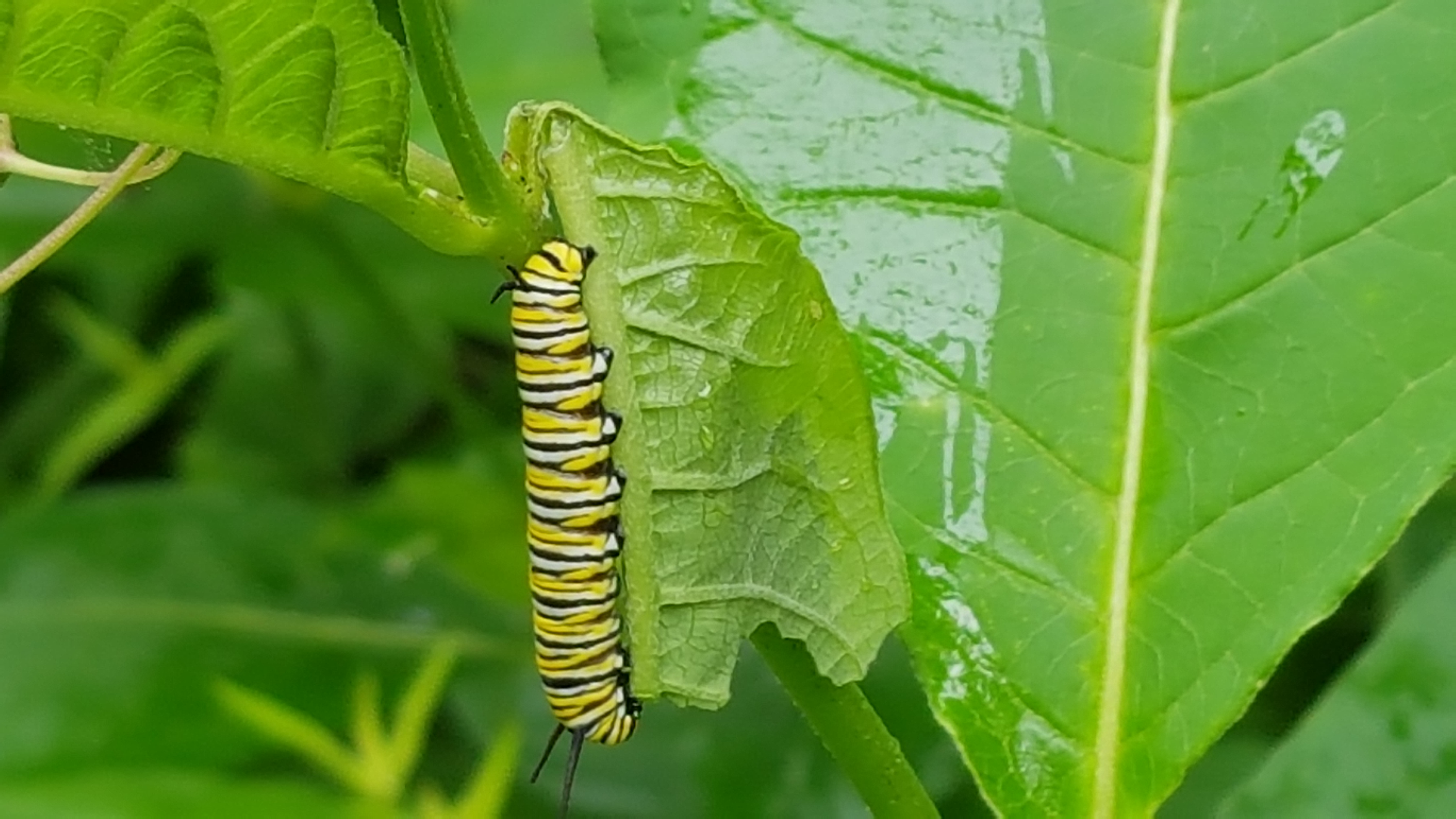
Caterpillar of the monarch butterfly feeding on a milkweed


2019-06-13 12.20.21

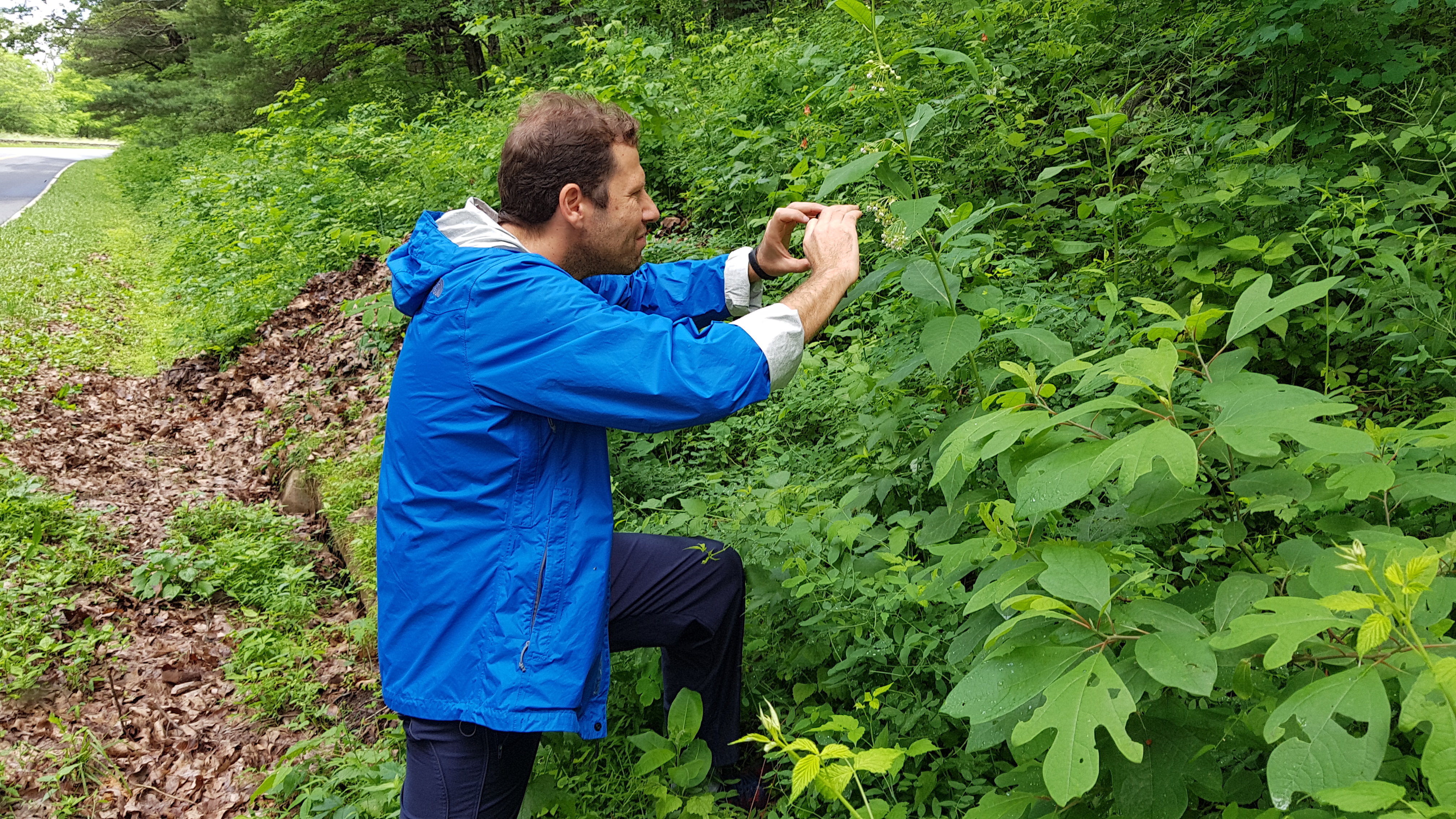
Alessandro Rapini intent on getting a good photo of the A. syriaca x A. exaltata hybrid


2019-06-13 12.36.32

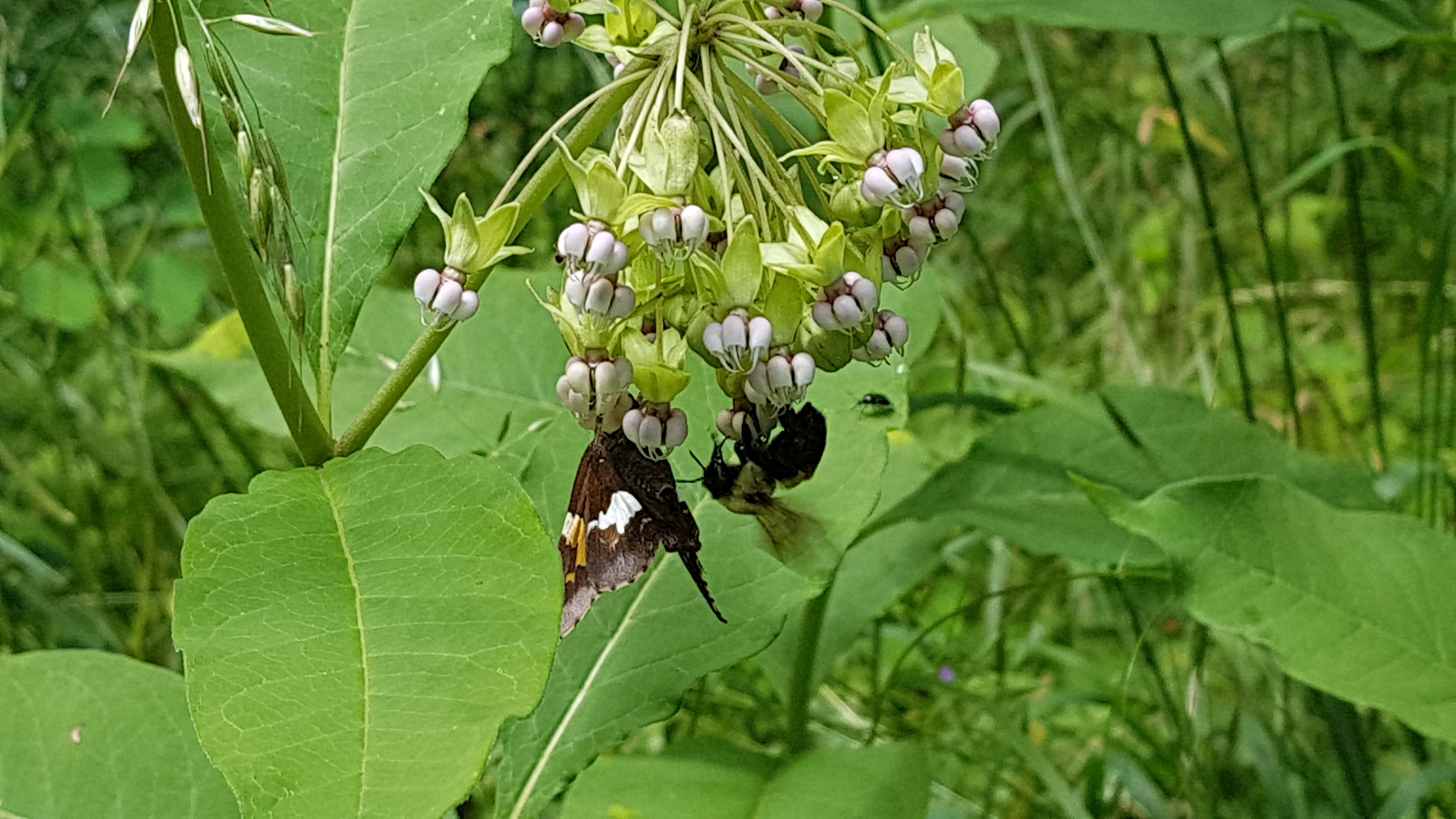
A bumblebee and a butterfly visiting A. exaltata


2019-06-13 15.42.41

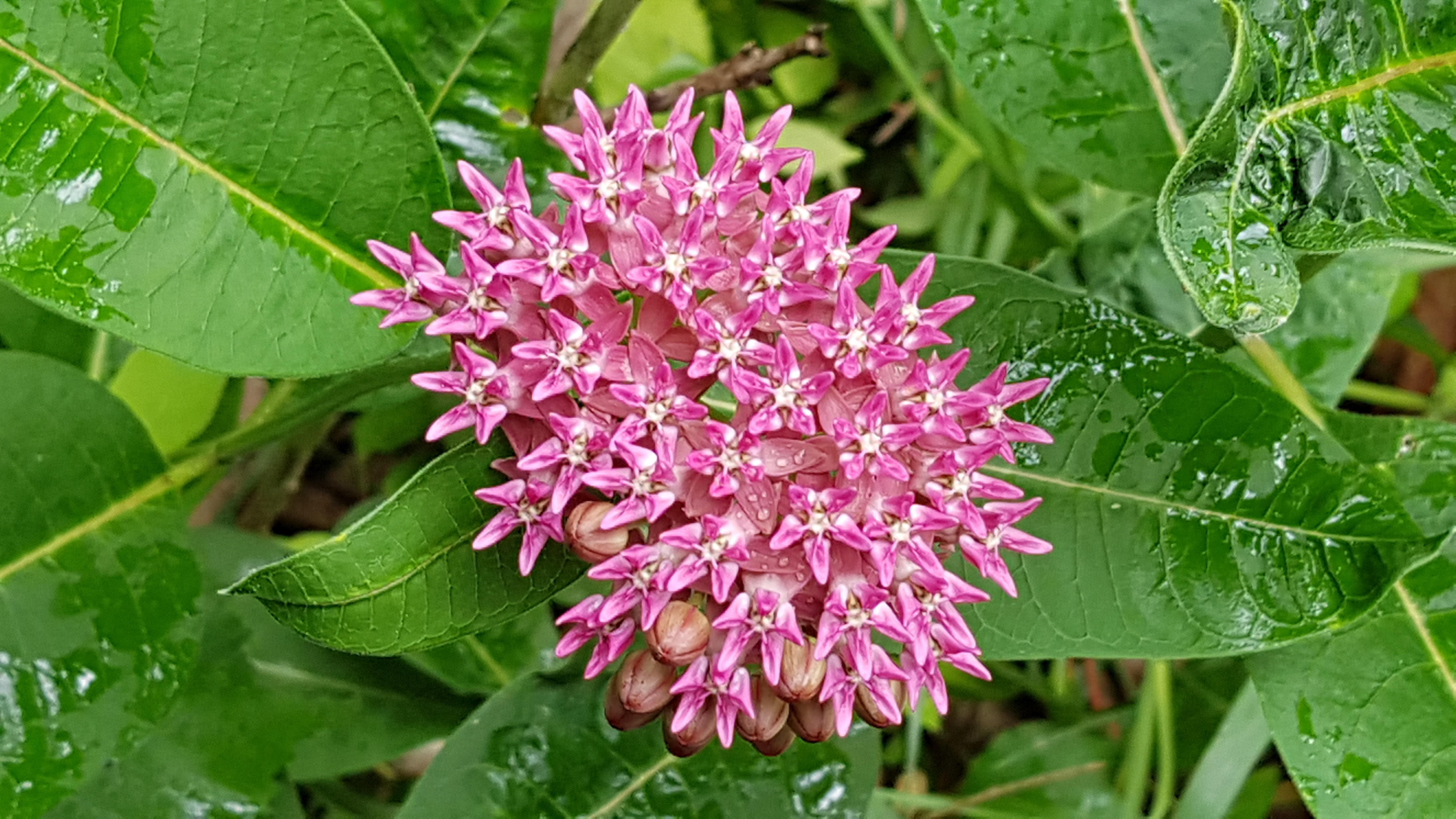
Purple milkweed – Asclepias purpurascens


2019-06-13 17.01.45

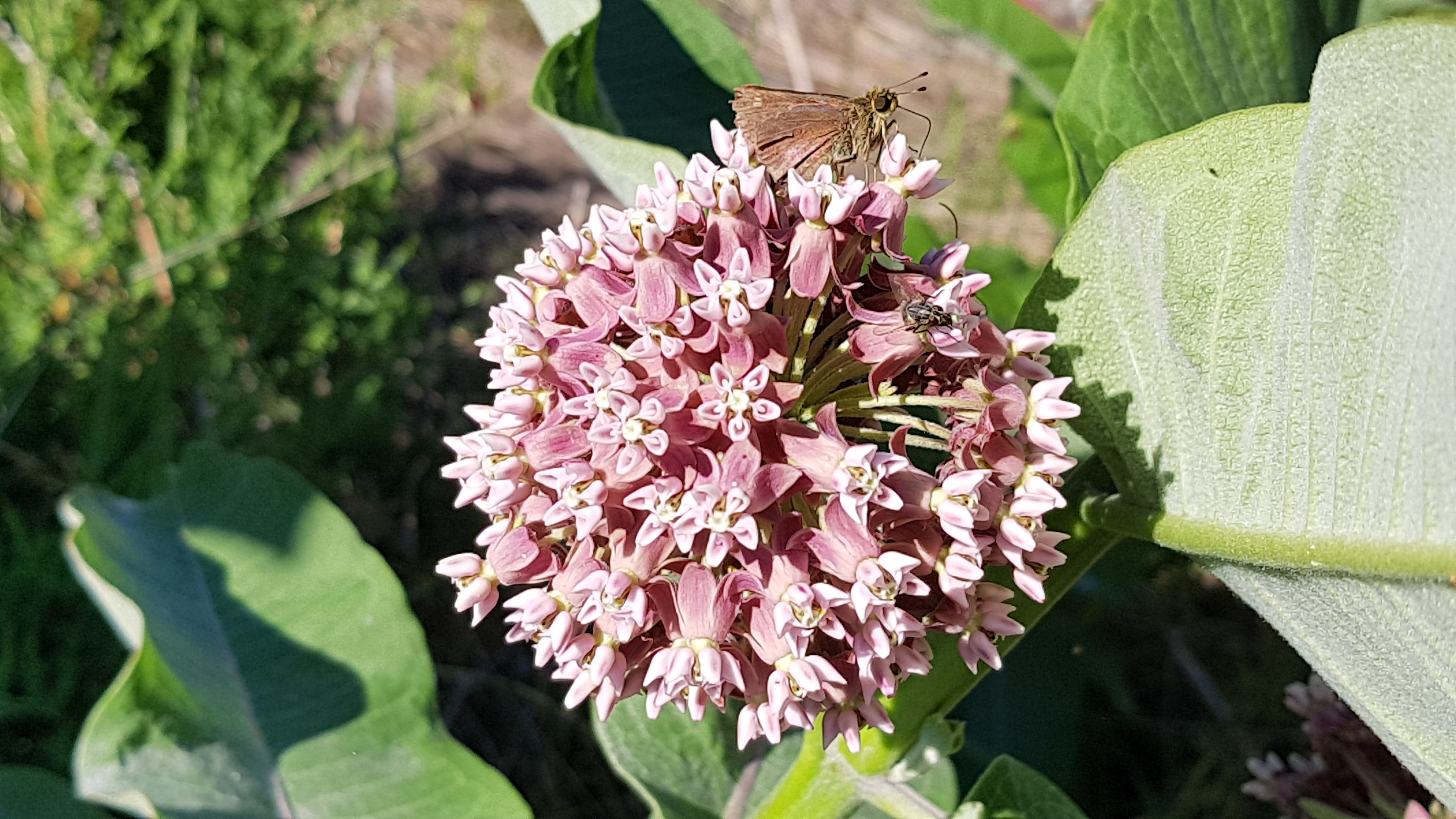
Common milkweed – Asclepias syriaca – with a visiting skipper butterfly


2019-06-13 18.17.46

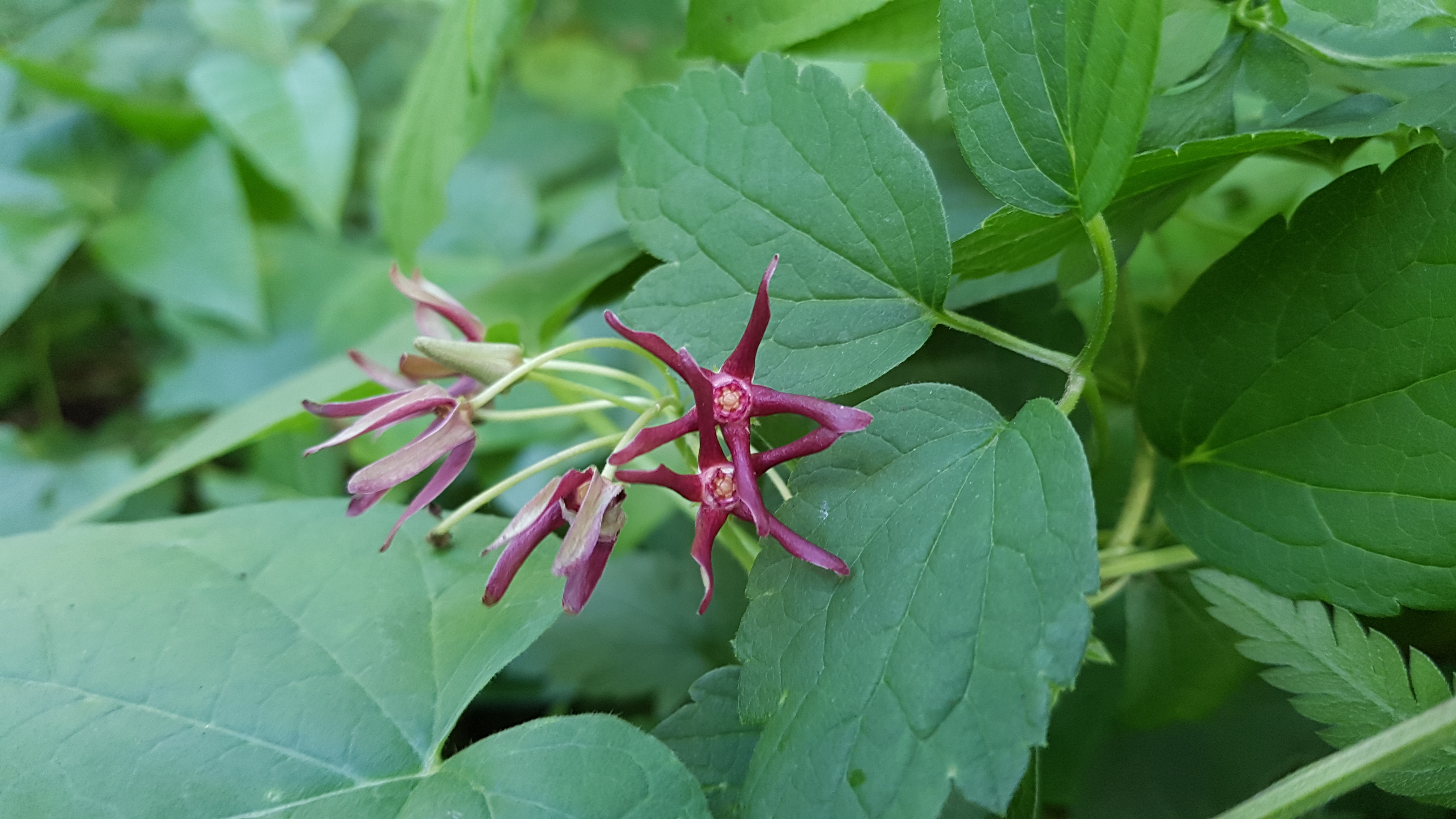
Climbing milkvine – Matelea obliqua – a member of a largely fly-pollinated group of New World asclepiads


Thanks to my fellow workshoppers for such a stimulating and enjoyable meeting, and to all the staff at Oak Spring for making us feel so welcome.  Particular thanks go to Prof. Sir Peter Crane who, as President of the Oak Spring Garden Foundation, was hugely supportive of the workshop, and to Angie Ritterpusch, Head of Events and Guest Services, for logistical and organisational support.