Category Archives: Birds
Is Booterstown Marsh the best small urban nature reserve in Europe?
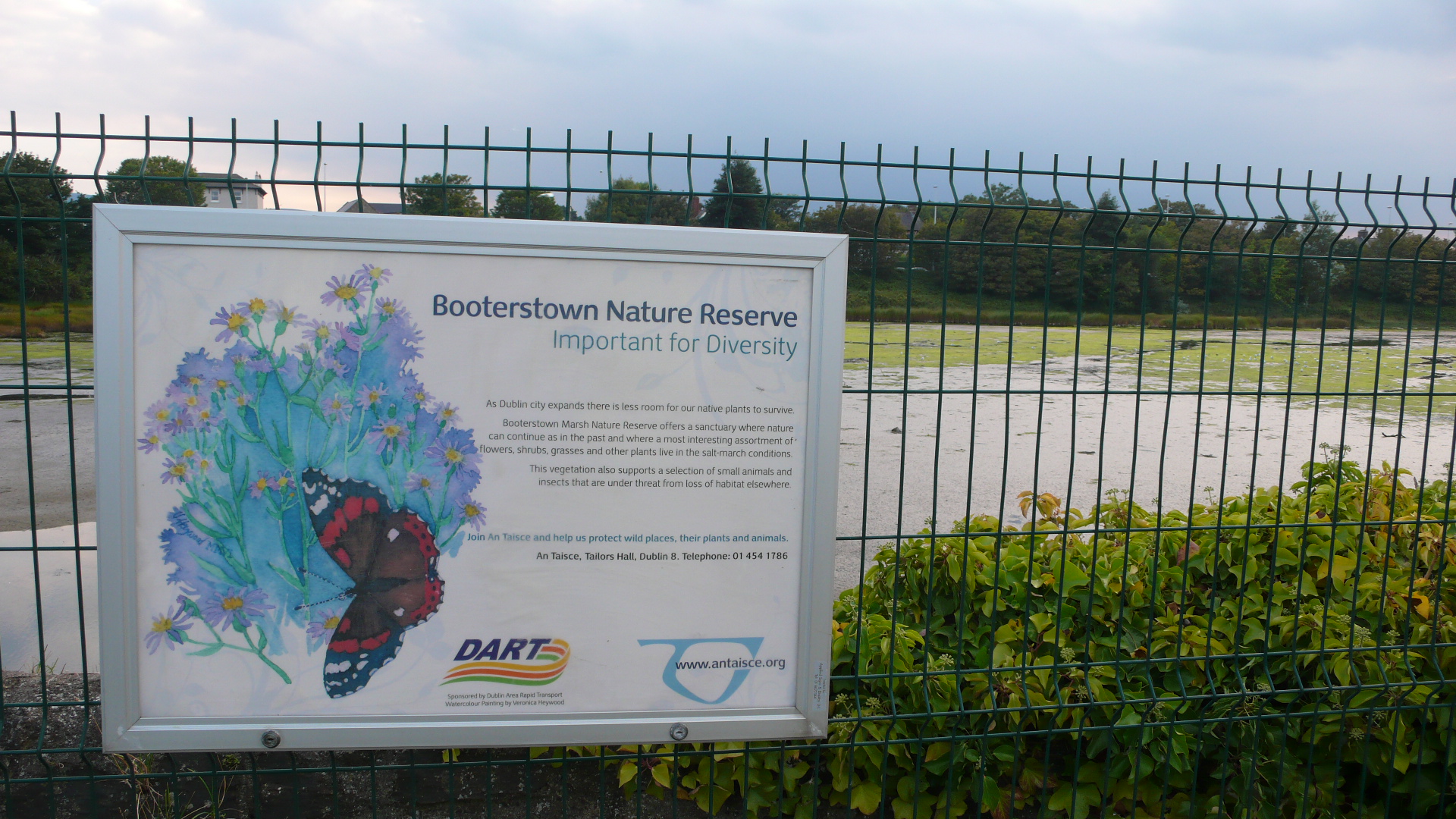
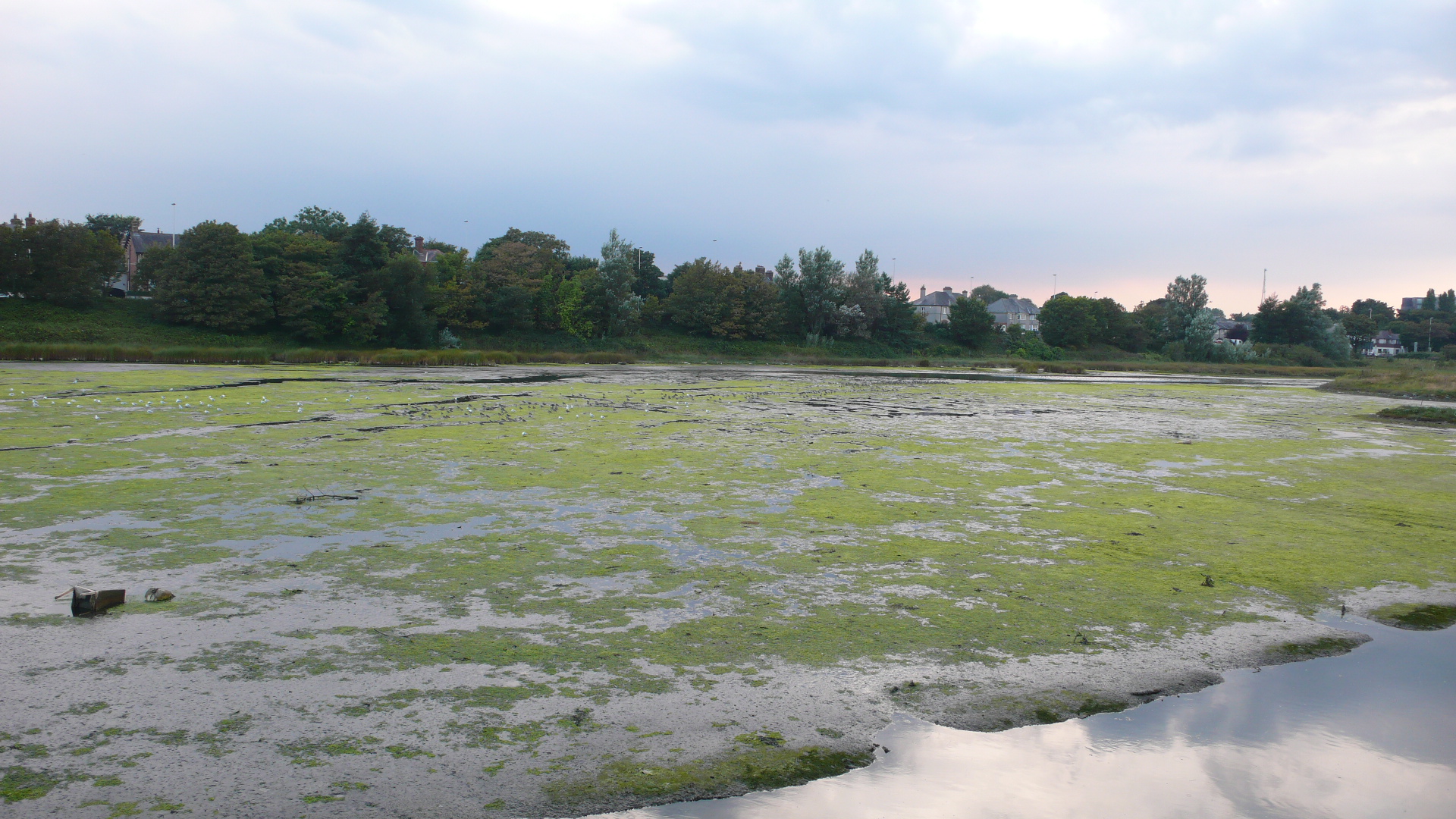
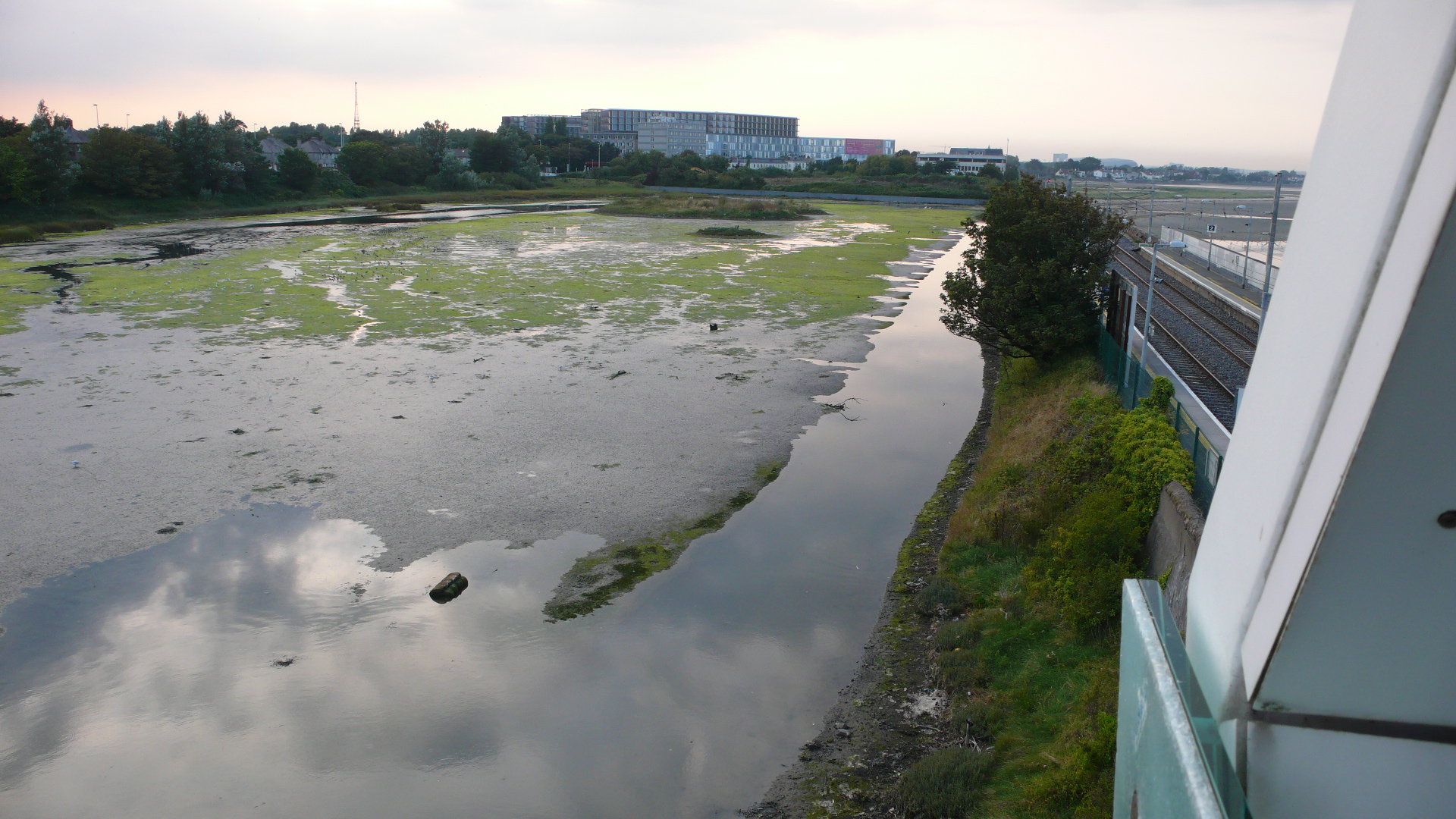
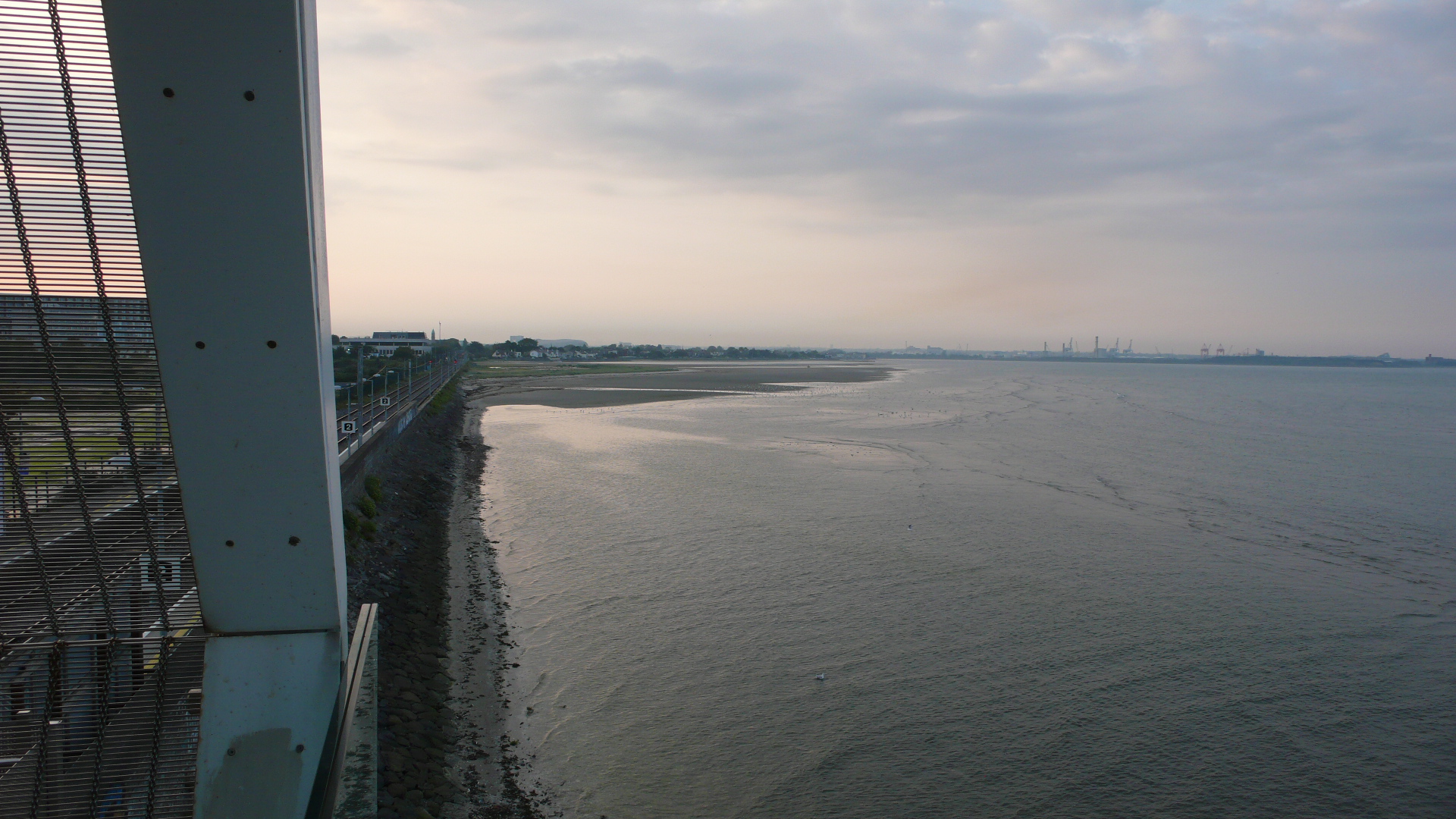
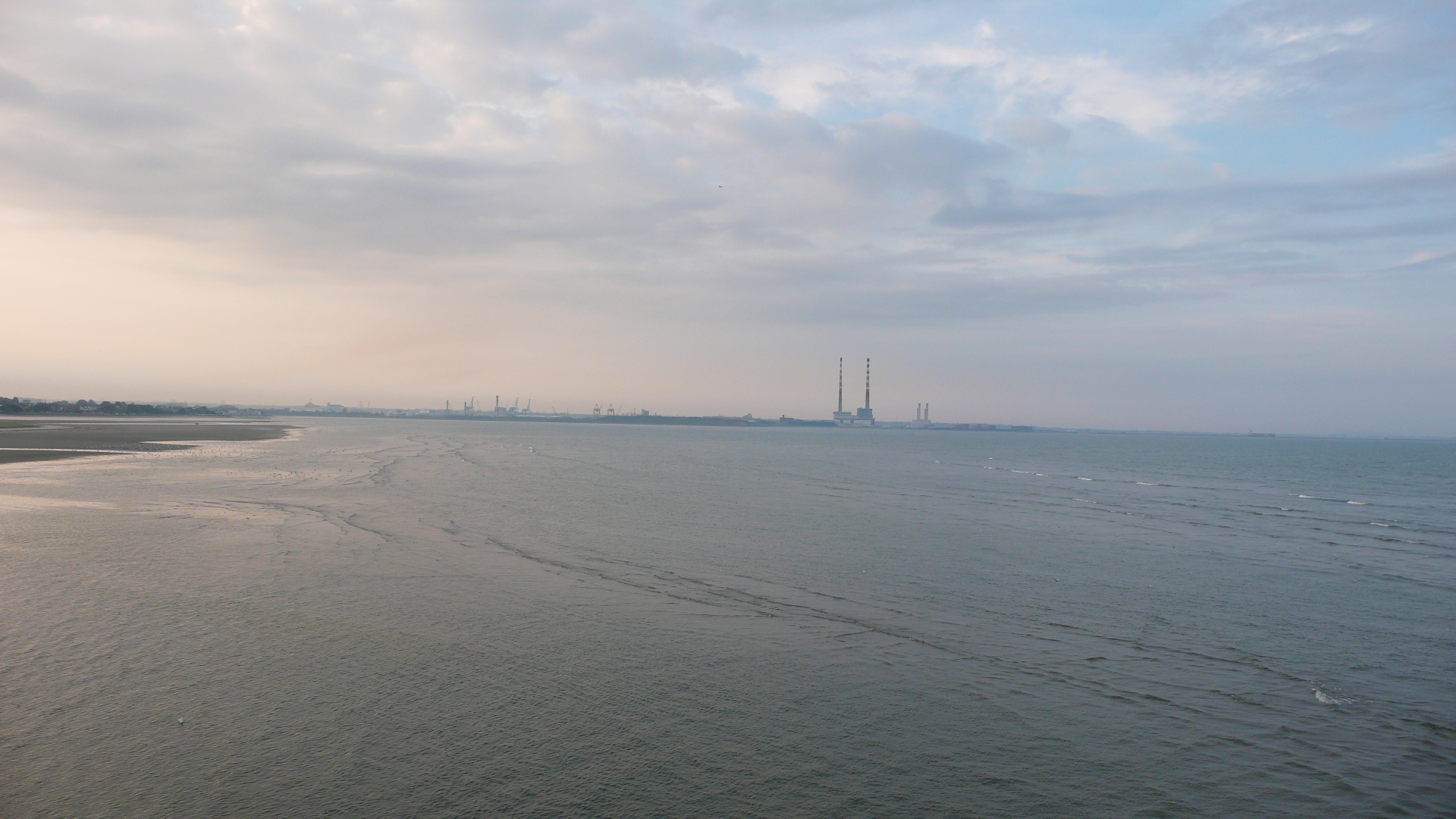
On a recent visit to Dublin, where I’m External Examiner for some courses at UCD, my host Dr Jan-Robert Baars took me on a short early evening excursion south of the city to Booterstown Marsh. What a great little nature reserve it is! It’s tiny (only 4.3 ha) and is boxed in by urban development on all four sides. To the north there are buildings; to the east runs a busy main road and housing; on the southern side is a car park and the entrance to Booterstown train station, with the railway line completing the rectangle of infrastructure to the east. Beyond that is a beach and the open water of Dublin Bay.
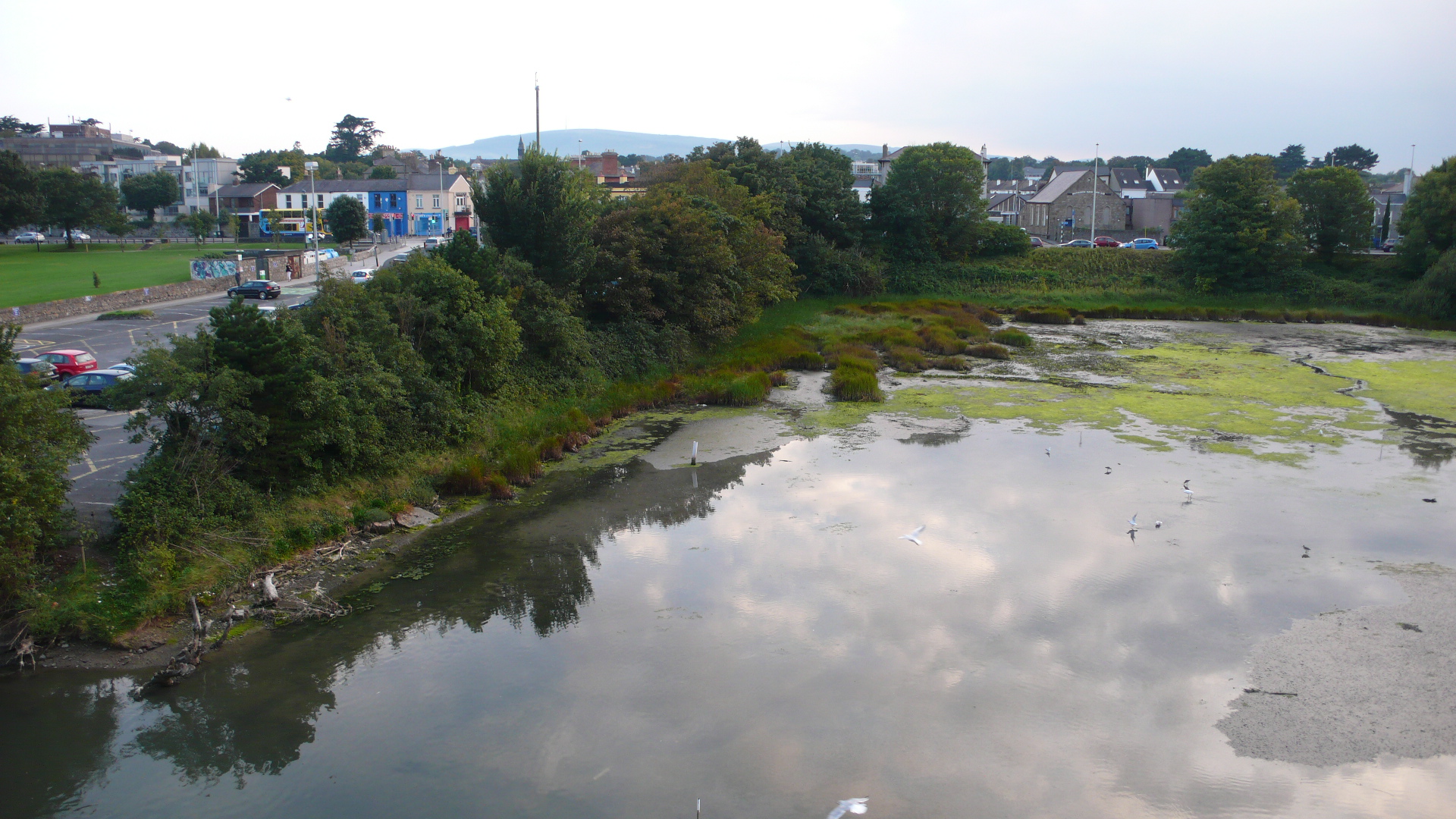
The reserve is largely saltmarsh, fringed with trees, with a freshwater stream coming in from the north (visible in the bottom right corner below.
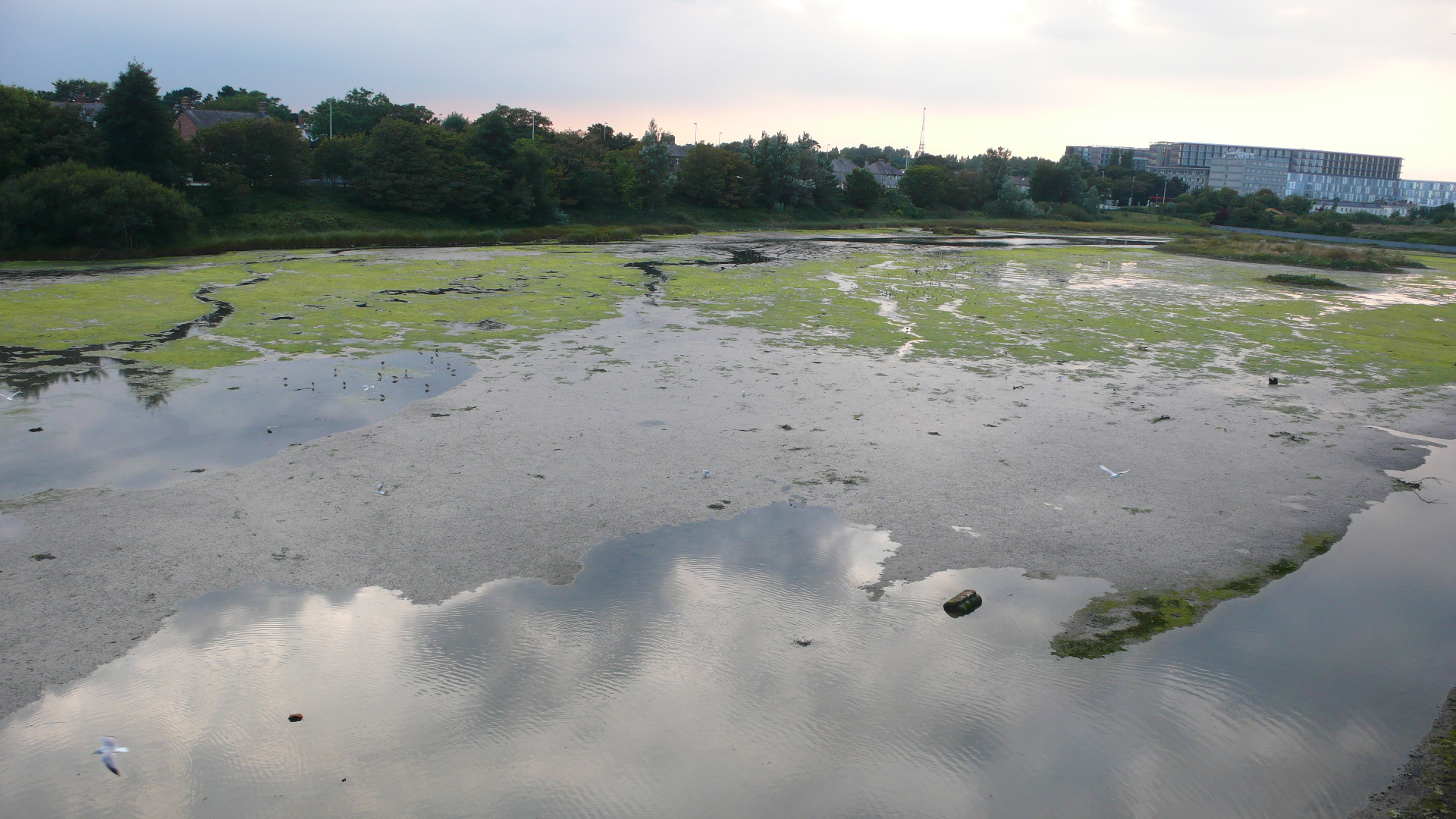
As the tide turns, seawater rapidly ebbs and flows from the reserve, bringing with it food particles and nutrients for the plants and invertebrates of the marsh. The next photograph was taken only a few minutes after the previous one.
If you click on these photographs above to maximise their size you can see something of what makes this reserve so special – the bird life that is supported by those plants and invertebrates. The very abundant dark birds are Black-tailed godwits, the white ones are Black-headed gulls. During our visit, which lasted less than an hour, we saw a total of 12 species including other wading birds such as Dunlin, Oystercatcher, Little egret, Grey heron, and Redshank. These are birds that one often sees from a distance, foraging on lake margins or mudflats. But here they are just a few metres from a busy railway line which funnels commuters to and from the city every day.
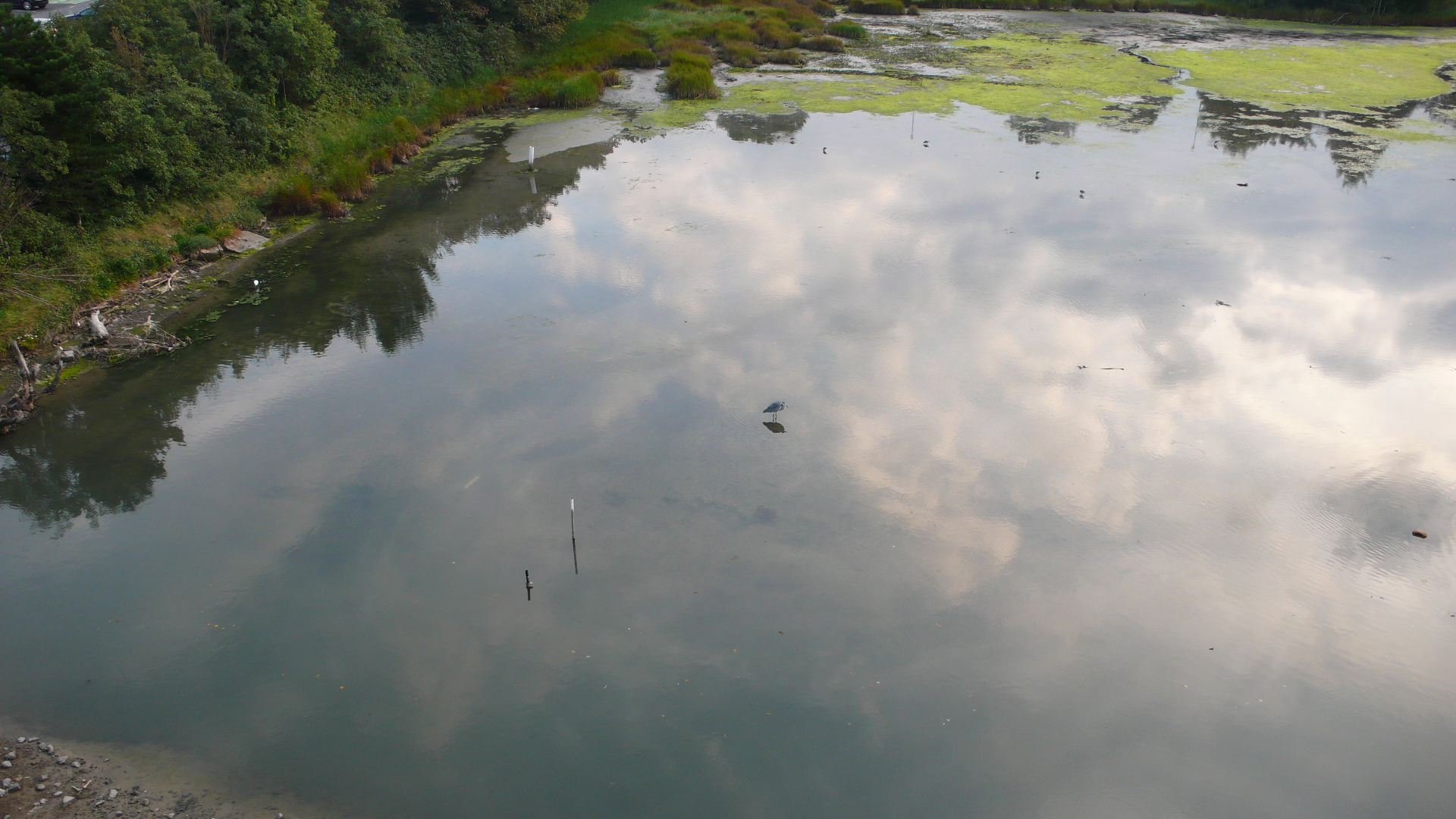
Whether by accident or design the open-ended station bridge makes a great viewing platform; here you can see Grey heron and Little egret.
At its eastern side the bridge looks over Dublin Bay and provides further birding opportunities.
If you have the opportunity to visit Booterstown Marsh (and I strongly recommend it) there’s a useful guide produced by the Irish Wildlife Trust. This urban nature reserve is one of the most interesting I’ve ever visited, because it affords the opportunity to get very close to a diverse assemblage of birds that are not normally so confiding. Clearly these birds feel secure despite the rumbling traffic and the dashing trains. I almost envy the local commuters!
If you think you know of a more interesting small urban nature reserve I’d be interested to hear about it – feel free to comment below.
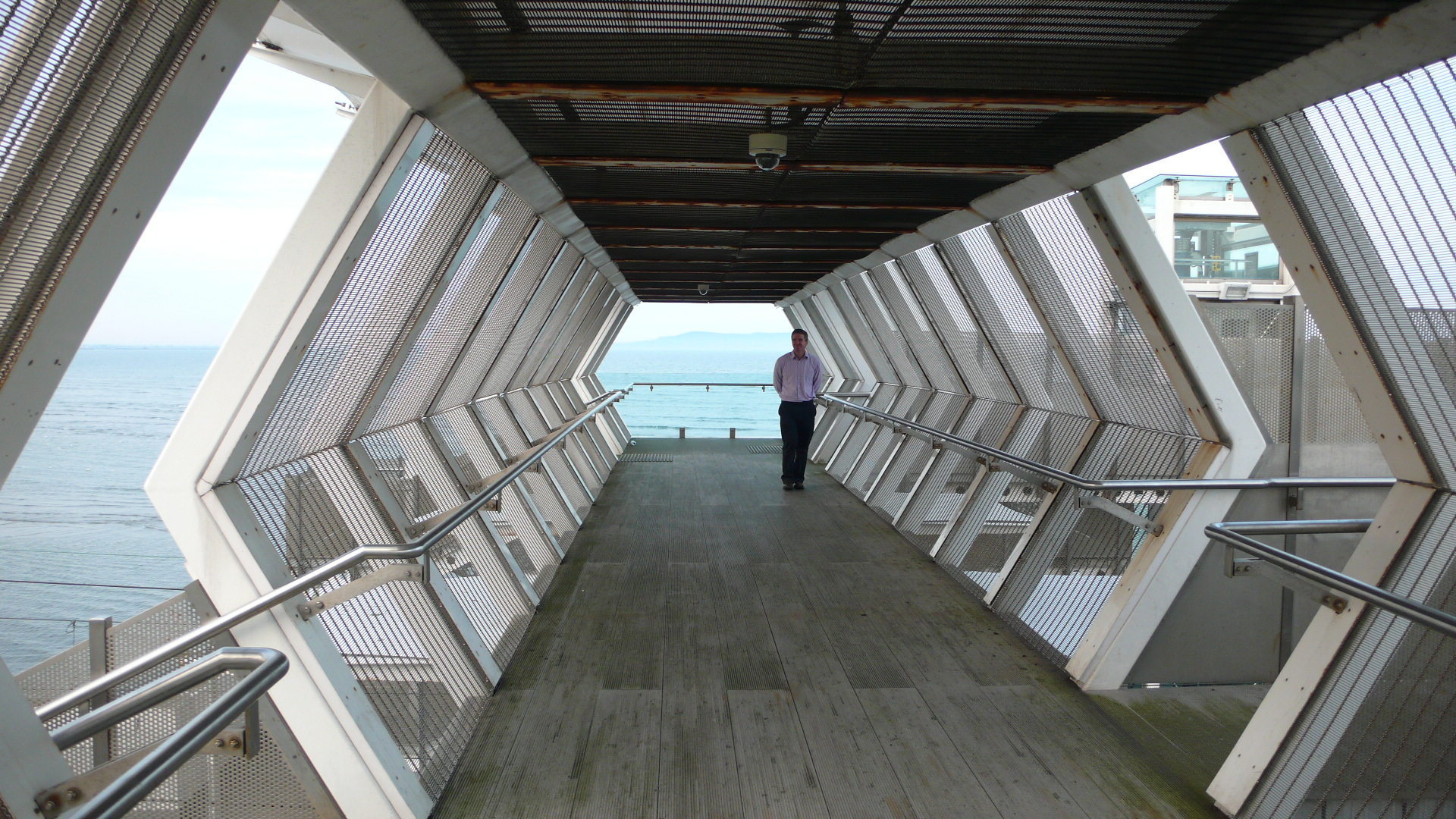
My thanks to Jan (pictured below on the bridge) for introducing me to this wonderful site. The final list of birds that we saw on the reserve was: Black-tailed godwit, Dunlin, Grey heron, Little egret, an unidentified duck, Black-headed gull, Redshank, Oystercatcher, Woodpigeon, Moorhen, Mute swan, Jackdaw. On the Dublin Bay side we also spotted Pied wagtail and (from a distance) a Curlew.
Blackberry Week
As a kid growing up in the north-east of England in the 1970s, the half-term school holiday that occurred early in October was always referred to as “Blackberry Week”. A quick on-line search suggests that the phrase goes back to at least the 1930s (can anyone trace it earlier than this?) and it refers to the time when blackberries (Rubus fruticosus agg.) were ready for picking. The local kids would spend hours at our favourite blackberry patches, picking bags full of dark, luscious berries to take home for our mothers to cook into pies and crumbles, or stewed to eat with cream. As much fruit was scoffed as was collected (“one for the bag, one for me, one for the bag, one for me…”) and over-ripe ones were pelted at one another until we looked like road casualties.
All of this has been brought to mind recently, since we began to pick blackberries in our garden – at the end of July. That’s at least two months earlier than I recall doing as a youngster. Part of this difference can be attributed to latitude; I now live more than 200 miles further south than I did, with a concomitant advance in relative dates of flowering and fruiting, amongst other phenological indicators. But that can’t be the only answer, the difference is too extreme, though I have not (and I doubt if anyone has) assessed it systematically.
The main reason for the difference, it seems to me, is that our seasons are shifting. We know that spring is generally earlier now in the UK than it was 20 years ago, and with that shift, autumn has likewise been brought forward and is lasting longer, as shown by changes in fungi fruiting patterns. There’s a lot of research interest in these changes, for example the Centre for Ecology and Hydrology’s collaborative project. Whilst phenology scientists usually express these changes quantitatively, as number of days difference between events, such as bird migration dates or plant flower times, across a period of years, any person with an interest in the natural world can see these changes for themselves, even in gardens.
Without realising it, as kids we were also making decisions about where to pick blackberries that go directly to the heart of biodiversity, which is essentially about variation and difference in the natural world. As part of our own knowledge of the local (and very personal) biodiversity of the area in which we played and explored, we would know the best bushes from which to pick fruit, and the ones to avoid because the plants produced berries that were small, or had a poor flavour. Blackberries are hugely variable in all manner of ways, including leaf shape, number and size of prickles, flower size and colour and, most importantly for us, characteristics of fruit quality.
Much of this variation is genetic rather than environmental and reflects the complex biology of the species, or should I say group of species. Let’s go back to the scientific name of blackberries: Rubus fruticosus agg. I’ve posted in the past about the formalities of writing scientific names of species, and the “agg.” element is an unusual addition not often seen. It’s an abbreviation of “aggregate”, which in its taxonomic sense means a collection of species that are very similar to, and may even be synonymous with, that species. The plant that we know and love as the blackberry is actually an aggregate of many hundreds of “microspecies”, at least according to some plant taxonomists. This is because of the variable sexual behaviour of blackberries and their tendency to hybridise.
Blackberries are often taken for granted and dismissed as invasive woodland dominators that need to be kept in check. But they are important for their cultural significance, have a fascinating biology, attract a wide range of insects to their flowers, and provide both fruit and habitat for birds and mammals. Blackberries are worth making space for if your garden is large enough.
How do YOU value the Nene Valley?
Following on from my recent post about how contrasting ways in which to value nature, today sees the launch of a new interactive web site that is asking people which areas of the Nene Valley they value, and why. There is also a photography competition with a chance to win pairs of binoculars. The website link is:
Here’s the text from today’s joint University of Northampton/Wildlife Trust press release:
The Nene Valley Nature Improvement Area (NIA) project has today launched a new interactive website, which aims to encourage people to share their views on the local natural environment.
Covering over 41,000 hectares across Northamptonshire, Huntingdon and Peterborough, the Nene Valley Nature Improvement Area features a variety of natural habitats, including wildflower meadows, wetlands, marshes, woodlands and wet grasslands. With fishing lakes, bird watching opportunities and children’s adventure playgrounds, the NIA is an attractive area for animals – such as otters, kingfishers and grass snakes – to call home.
Researchers from the University of Northampton have joined forces with conservation organisations and the national Sciencewise initiative to launch the new NIA website, which features a wealth of information, a virtual tour and a discussion forum.
The website provides an opportunity for local people to share their thoughts on the Nene Valley, and an online mapping survey has been developed to identify areas of the valley that are particularly valued and why these areas are important to visitors. This will provide University researchers with valuable data that can be used to inform future plans for the valley.
A photo competition has also been launched to find some of the best images of the Nene Valley and to encourage people to explore the area over the summer. Judges are looking for images of wildlife, landscapes, people, heritage, water, and the built environment taken in the Nene Valley. There are separate categories for children so everyone can enter. Images should be submitted through the NIA website, and the winners will be selected through an online vote. The most popular photos will be displayed in the Autumn as part of the Nene Valley Festival, and the photographers of the top two images will each win a pair of Opticron binoculars. The competition closes for entries and voting at 5pm on 30 September.
Project co-ordinator Heather Ball from the Northamptonshire Wildlife Trust commented: “The new website is a great way to have your say about what goes on in the Nene Valley and share some fabulous images.”
University of Northampton researcher Dr Jim Rouquette added: “We need to gather information on the local places that people particularly value and the benefits that people gain from visiting. By better understanding what is important to different people, we can start to target conservation efforts and ensure that local knowledge and values are incorporated into decision-making.”
If you would like to contribute to this important project or take part in the photo competition please go to: www.nenevalleynia.org
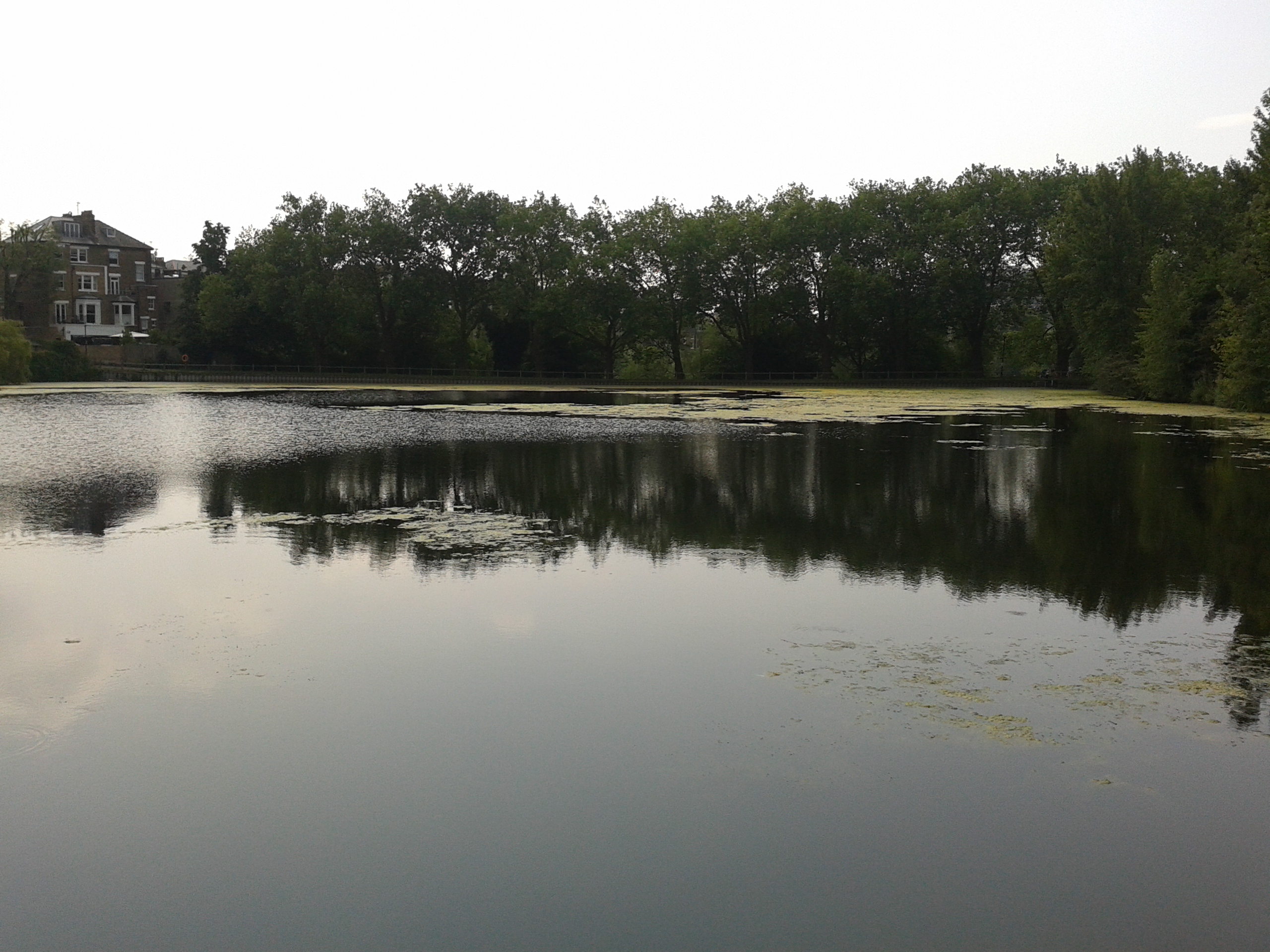
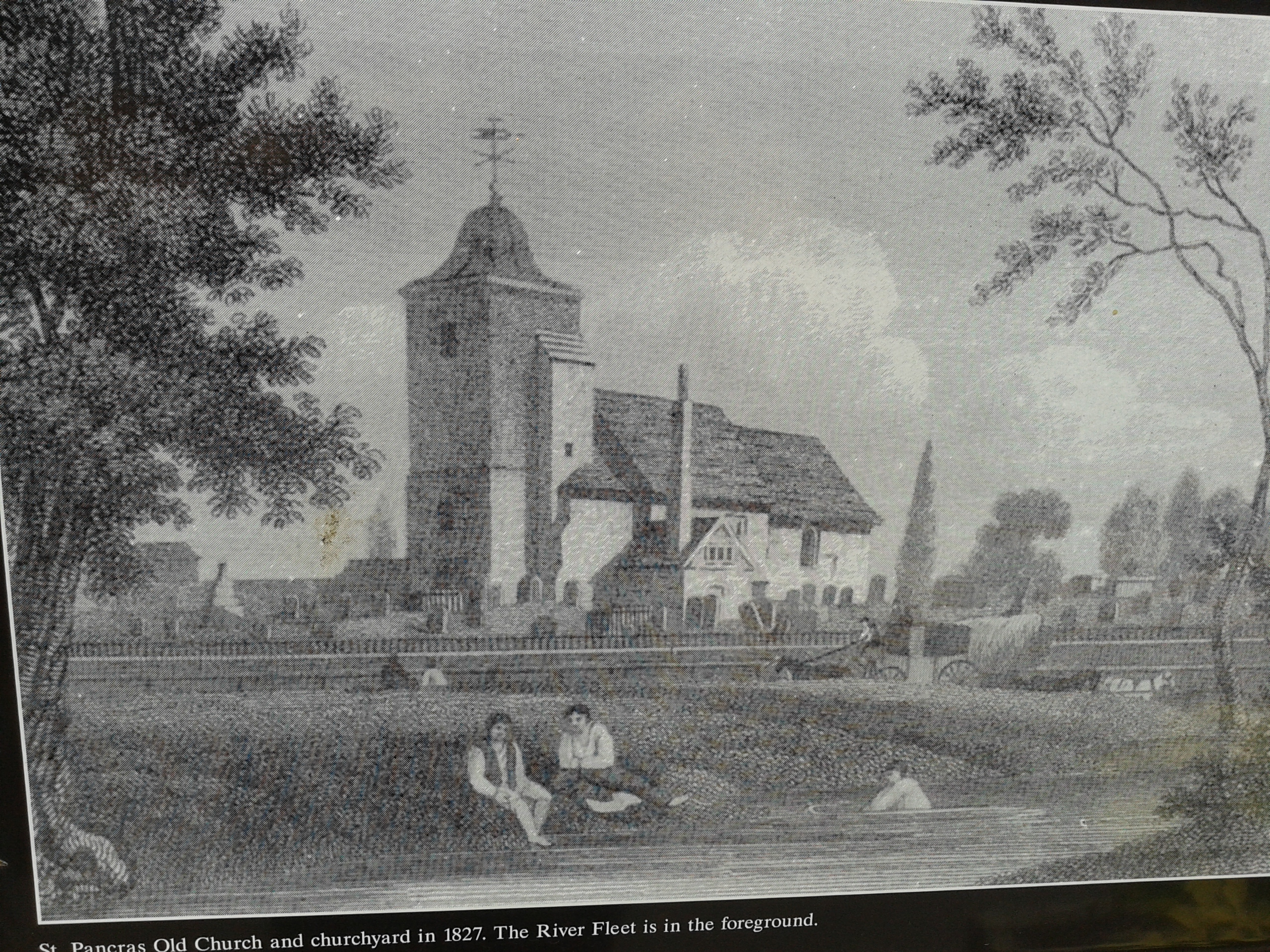
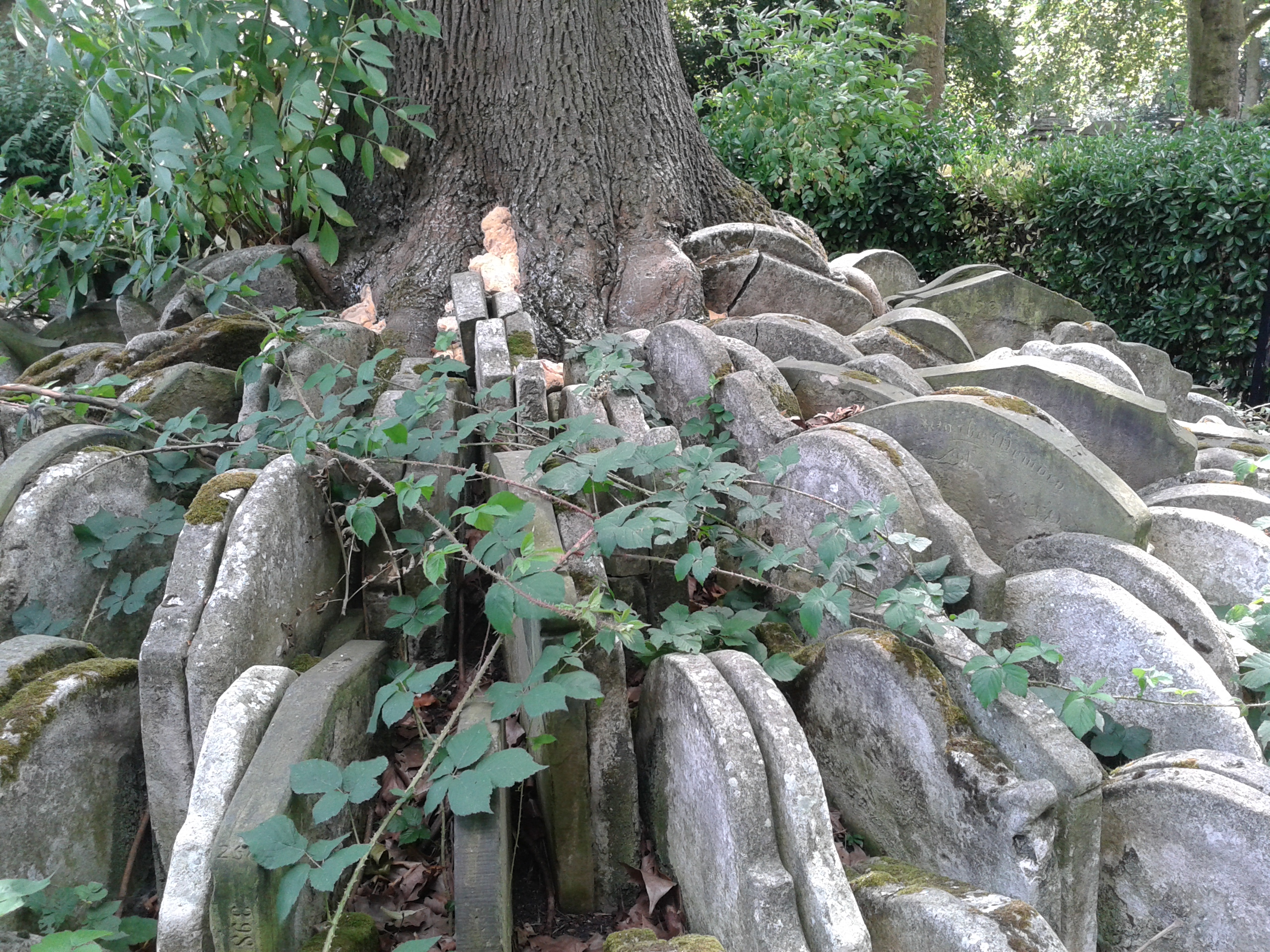
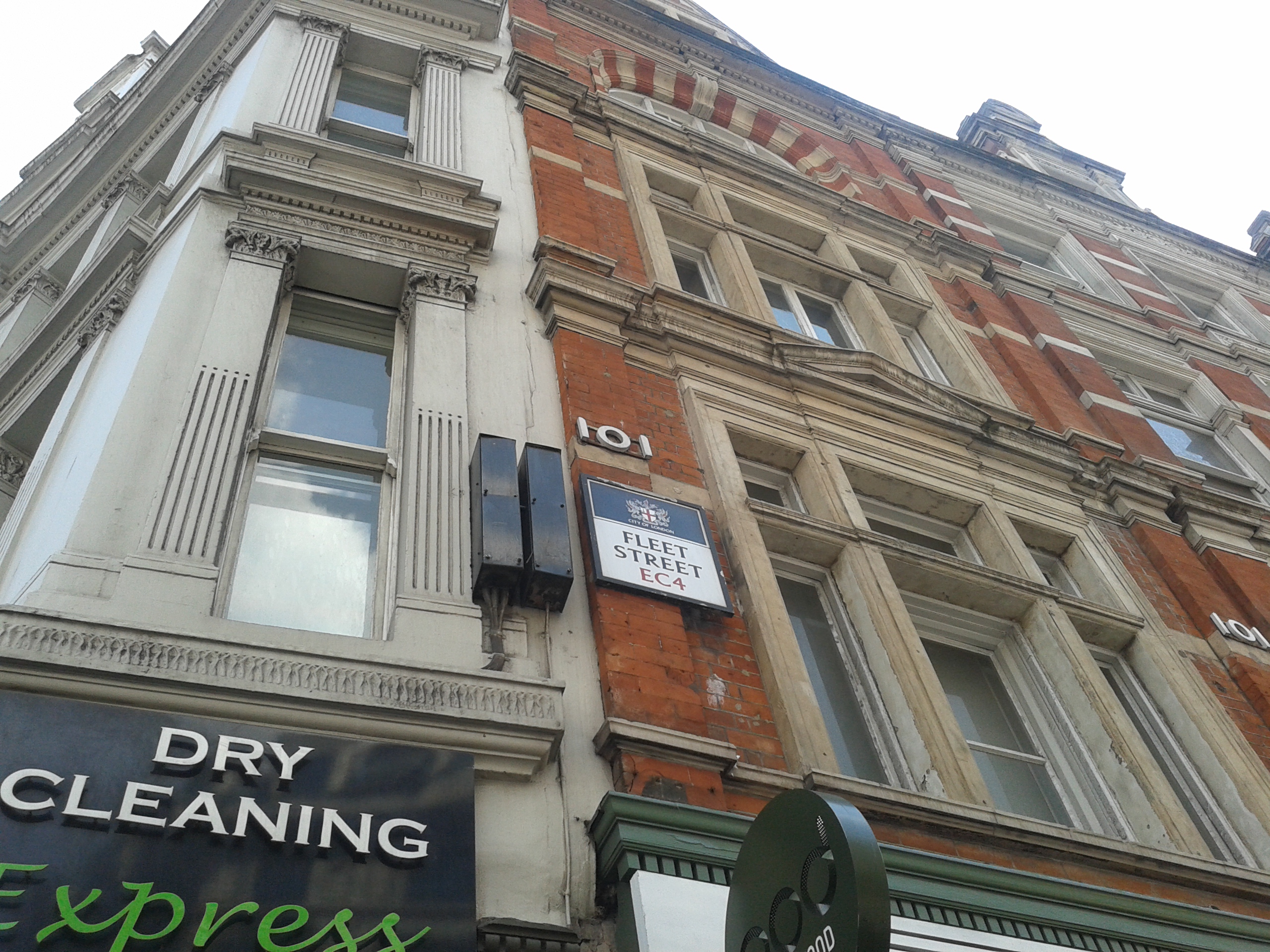
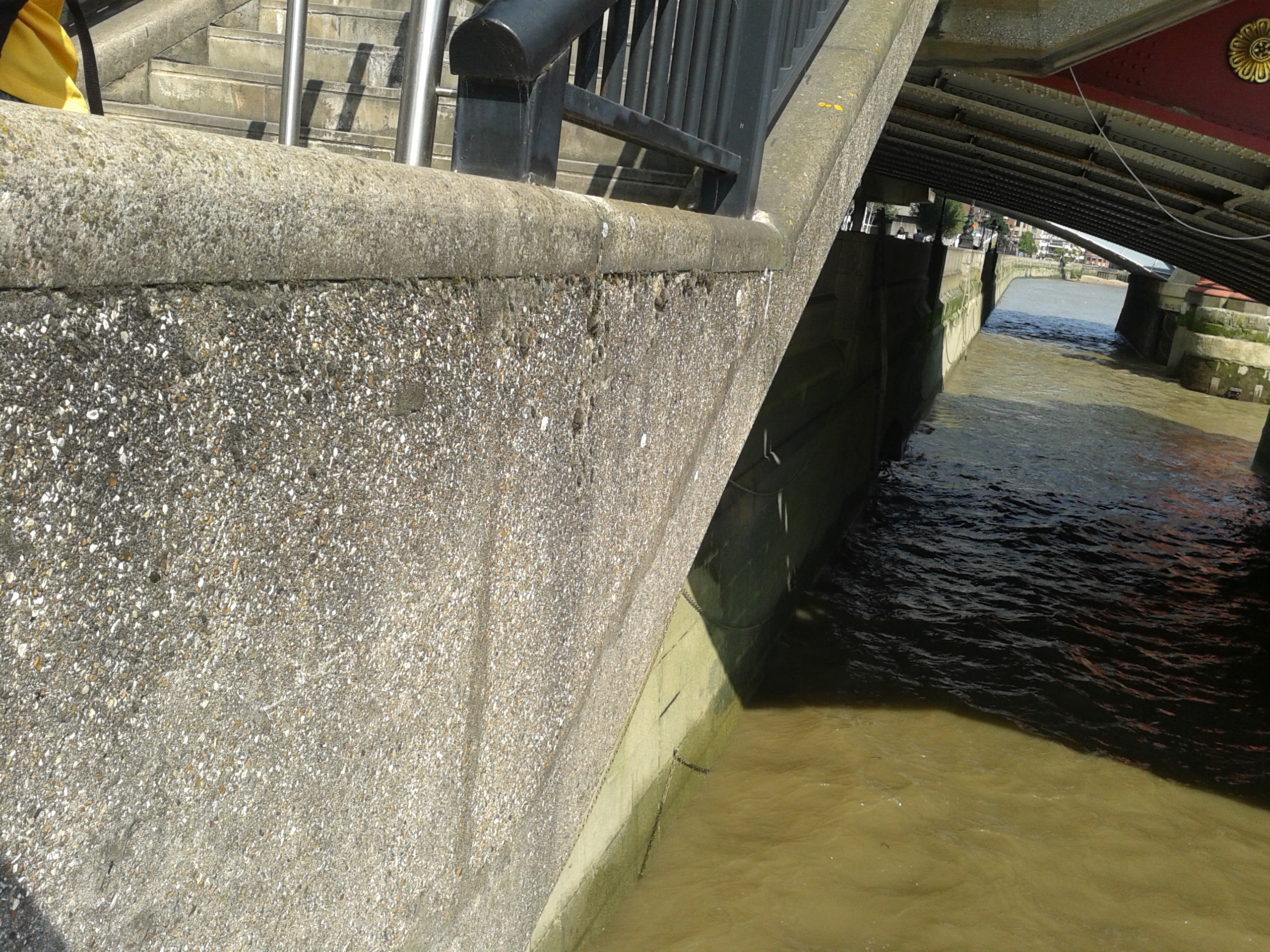
Fleet on foot
*carrion crow, woodpigeon, robin, coot, mallard, feral pigeon, black-headed gull, mute swan, tufted duck, magpie, swift, Canada goose, herring gull.
7 minutes is a long time in science, 7 goals is a big win in football (BES Macroecology meeting day 2)
Day 1 of the British Ecological Society Macroecology Special Interest Group ended with a drinks reception, kindly bankrolled by the International Biogeography Society, and a stark choice: dinner in a pub with good food and no television on which to watch the Brazil v Germany World Cup semi-final; or dinner in a pub with crappy food but a television.
The split amongst meeting delegates was about 50-50. As I get older I’m being drawn to things in which I previously had only a passing interest, amongst them bird watching and football. So I opted for the latter, and was one of only two Brazil supporters in the whole pub, the other being our guest speaker Cathy Graham, largely because we both have more Brazilian than German friends and colleagues. We were rewarded with one of the most excruciatingly clinical dissections of a major international football team that I’ve ever witnessed. And the food was indeed crappy, but the lager was cold and plentiful.
The next morning, impelled by an uncomfortable mattress on a steel-framed bed in one of the student halls of residence, I woke early enough to do a little bird watching around the University of Nottingham’s Park Campus, which is not unlike the University of Northampton’s Park Campus, except much larger. There was a modest diversity of birds flying and calling, the highlight being a large grey heron patrolling the edge of a circular pond. As there were no fish in the pond it seemed to be mainly eating the slugs crawling on the adjacent lawn. Not a behaviour I’ve ever seen before, though this year’s BBC Springwatch showed footage of parent tawny owls bringing back large slugs for their chick, so perhaps it’s more common than we realise.
Following a mediocre breakfast and disgusting coffee, it was time for the first lecture of the day, the second keynote by Cathy Graham. Once again she focussed on her hummingbird research and presented some fascinating unpublished data on the structure of bird assemblages along an altitudinal gradient in Ecuador. Cathy’s team has been using cheap digital cameras which take one frame a second to amass data on infrequently visited rainforest flowers, an approach that trades off time and space: it’s possible to get a long set of data, but for only a limited number of plant species and individuals.
After coffee there were papers by Katie Leach on her PhD work on competition between co-occurring species of Lagomorpha (rabbits, hares, pikas, etc.) and from Richard Field on altitudinal effects on the endemism of plants which chimed with my experiences in Tenerife. Both of these neatly demonstrated one of the strengths of macroecology: the 21st Century tools it can marshal to use secondary data for understanding ecological patterns and processes at very large spatial scales.
But secondary data can also be a weakness of the field if the quality is poor and it is limited in scope. This was the subject later in the day of a polemical lecture by Shai Meiri entitled “Laziness in macroecology: a crime and no punishment” that railed against researchers who sometimes fail to augment ready-made data sets with even the most rudimentary of additional data. My favourite of Shai’s examples was a study which had used a mammalian ecology data set in which the diet of anteaters was coded as “unknown”! The tee-shirt Shai wore during his often very funny rant read: “If you are not outraged, you were not paying attention” and there was plenty for the audience to feel outraged about, not least his suggestion that we “ban taxonomy” and (even more controversially) get away from our computer screens and into the libraries to source information to fill in the gaps in data sets.
I’d go further and say that some field work would not go amiss as well! In comparison with using ever more sophisticated analyses, developing better software, and building ever more complex models, collecting field data seems to be low on the list of priorities for many macroecologists, particularly some of the PhD students. Not all of them by any means, and hopefully Cathy Graham’s talks will have inspired them to get into the field, but it strikes me as a trend. That’s worrying on many levels, and good data are hard won, but then I’m an old-fashioned, muddy boots kind of ecologist who realises that our knowledge of biodiversity is built up from a very small set of data in comparison to what we don’t know: we’ve scratched the surface of the tip of the iceberg as a colleague used to say.
In the afternoon there was an unscheduled talk by Olivia Norfolk on the biodiversity of plants and pollinators of Bedouin gardens in the mountains of Sinai, which included a lot of field data. This was followed by a second set of seven minute “lightning talks”. I was third on a diverse bill, sandwiched within research on amphibians, Tyrannosaurus rex, North American lizards and microbial communities. Seven minutes passes quickly and I overran slightly, but hopefully managed to convey the gist of our work on the relative frequency of wind versus animal pollination across the globe. No one threw missiles at least and there were a couple of good questions that probed the scope and limitations of the current data, but were nowhere near as challenging as the questions in Copenhagen (though I’d had much more time for that lecture).
Following a hasty set of goodbyes I headed to Nottingham station to catch the 1810 back home, once again via the desolation of Birmingham New Street. Reflecting on the meeting on the way to Northampton I was struck by the fact that of the forty-odd attending, I was the oldest delegate by some margin, which was even more sobering than Brazil’s loss to Germany. I consoled myself with a bit of “train spotting” (identifying as many bird species as possible through the windows of the train), and ended up with a respectable 21 species* during the two hours or so of travel.
Thanks to the organising committee of the BES Macroecology SIG, and especially to Adam Algar and his team in Nottingham, for a great meeting. I look forward to next year’s in Copenhagen.
*Blackbird, buzzard, swift, house martin, tufted duck, mute swan, mallard, jay, goldfinch, collared dove, wood pigeon, feral pigeon, starling, crow, magpie, grey heron, Canada goose, common tern, back-headed gull, common gull, pheasant, (22 if you count chickens in a run).
Rational explanations
It has been a week for rational explanations, for assessing evidence in a logical way, a subject on which I have posted in the past and which goes to the heart of the scientific endeavour.
There was a lot of media attention about a study published in PNAS that claimed to show that hurricanes with female names (Katrina, Sandy, etc.) cause more damage than those with male names, because (to quote the abstract of the study) “hurricane names lead to gender-based expectations about severity and this, in turn, guides respondents’ preparedness to take protective action”. In other words, people take feminine words less seriously than masculine words. Is that true? Are people really that socially attuned to gender-specific language? Turns out that the original study may have made too many assumptions with regards to data and the statistical model they used, according to a re-analysis by Bob O’Hara and GrrlScientist on the Guardian science pages. However in a further twist, a re-analysis of the re-analysis by Florian Hartig on the Theoretical Ecology blog found some (although very, very weak) support for a gender effect. Florian makes an interesting point, however, that “the authors would have probably found it much more challenging to place this study in [a top science journal such as] PNAS if they would have done a more careful and conservative statistical analysis”. In other words, science is certainly not immune to the effects of hyperbole and controversial findings.
Speaking of “hyperbole and controversial findings”, Richard Dawkins made headlines by apparently suggesting that reading fairy tales to children is not in their best interest: “Is it a good thing to go along with the fantasies of childhood, magical as they are? Or should we be fostering a spirit of scepticism?” Not surprisingly there was a big backlash against Dawkins who clarified his views on Twitter (!) and claimed they had been taken out of context. Perhaps so, but he has a track record of increasingly controversial views that he surely knows will raise his profile. But then he’s an author with books to sell, who long ago gave up being a practising scientist by not publishing any peer-reviewed papers in science journals for over 30 years. Dawkins’ role at Oxford was as Professor for Public Understanding of Science and unfortunately he gives the impression that scientists are all about rational thought and logical arguments in every facet of their lives. Which we’re not, I can assure you: I possess a whole raft of personal, irrational idiosyncrasies, including sending a little prayer to the Gods of Science every time I submit a new manuscript to a journal. Which they often ignore, the f**kers.
There was also an odd quote from Dawkins in relation to the logic of fairy tales, that there is “a very interesting reason why a prince could not turn into a frog – it’s statistically too improbable”. Nope, it’s not statistically improbable – it’s biologically impossible! “Statistically too improbable” suggests that it could happen, given enough time. Not sure that this helps with public understanding of science….
Something which is statistically improbable, but which does happen occasionally, is finding new fossils which make us rethink our understanding of the biodiversity of species interactions. Such a find was published recently in the journal Biology Letters: a 47 million year old fossil bird of a previously undescribed group that provides the earliest evidence of flower feeding, and possibly pollination by a birds. The evidence in this case is the presence of pollen grains preserved in the gut area of the fossil, which could also represent flower eating (a range of birds do this, for example bullfinches) rather than nectar feeding and legitimate pollination. Nonetheless it’s a stunning find and links nicely with a February post of mine.
Another new discovery this week, for me at least, was that (contrary to rumours, errr, started by me….) Dr Georges Aad does indeed exist. Apologies to him, though it was fun while it lasted.
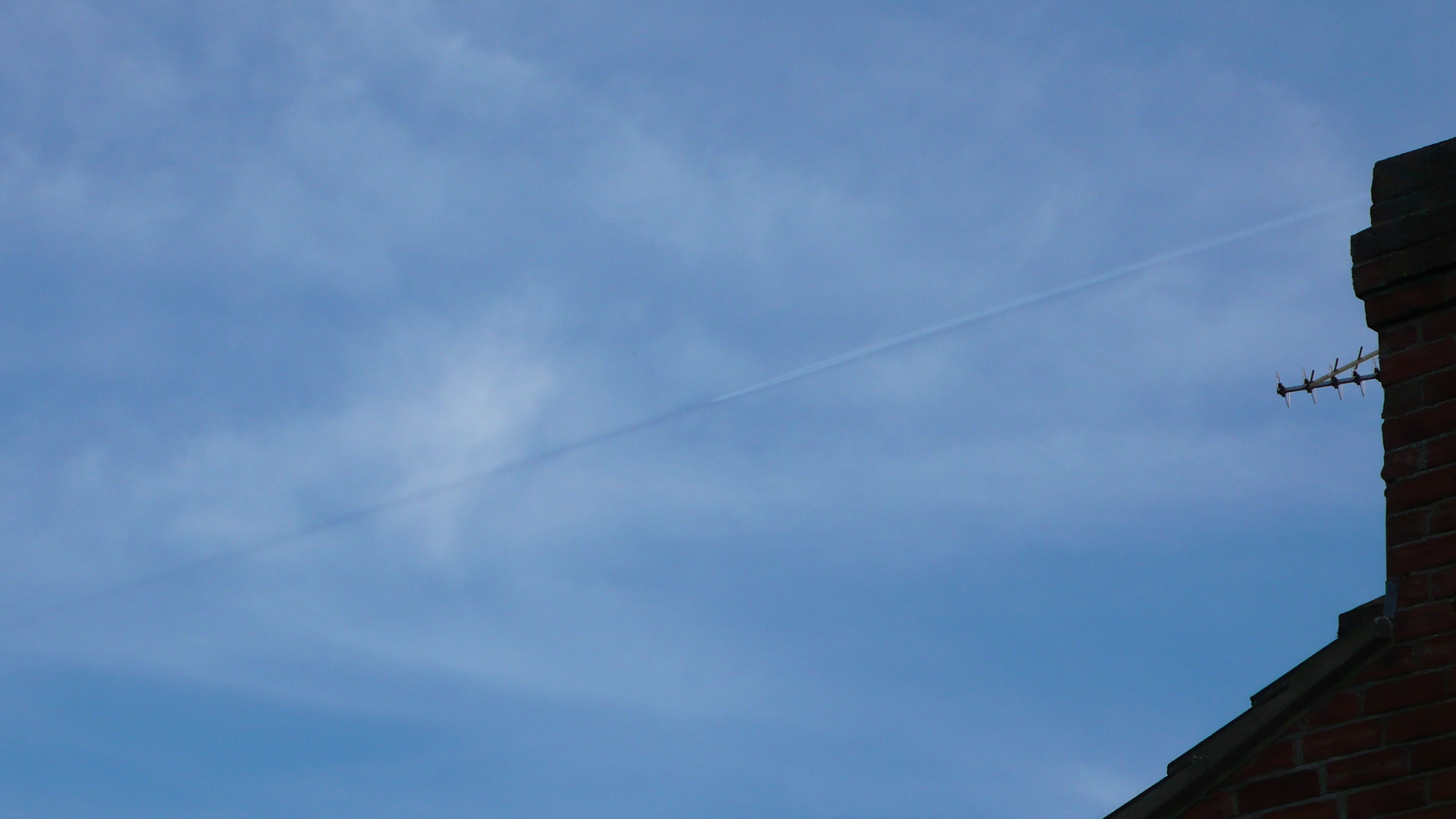
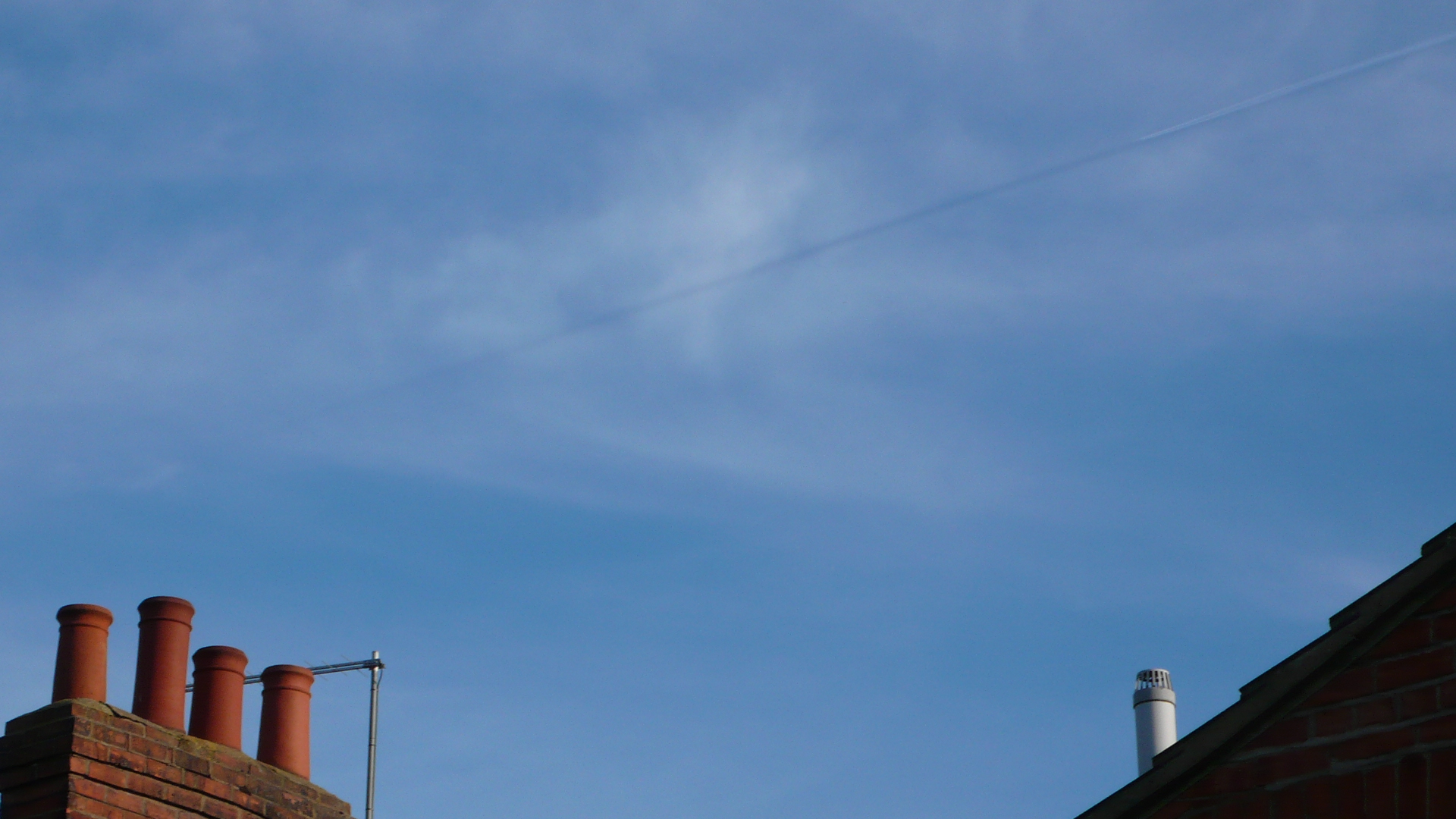
Finally to the intriguing photos that grace the start and end of this post. I took these from the garden a couple of evenings ago. It shows a plane apparently flying into a dark tunnel that stretches out ahead of it (click on the images for a better view). We watched the plane for several minutes and the “tunnel” appeared to be moving ahead of the plane as it travelled across the sky. Karin had a plausible explanation, that what we were seeing was the shadow of the contrail because of its position relative to the low angle of the setting sun. This was confirmed by a web site showing other examples of this phenomenon, which apparently is not uncommon, though judging from the comments on the site, some people prefer US government covert chemical spraying as a rational explanation. Evidence and data will always be open to interpretation.
Nature as gardener (Darwin’s Unrequited Isle part 5)
Gardening and gardens are a long-standing interest of mine, as I’ve mentioned in a few posts, such as “Harvest of evidence” and “In defence of lawns“. At the moment the RHS Chelsea Flower Show is running and medals are being awarded to gardens and plants, some of which I like, some of which I don’t: make up your own mind from this gallery of images taken around the show.
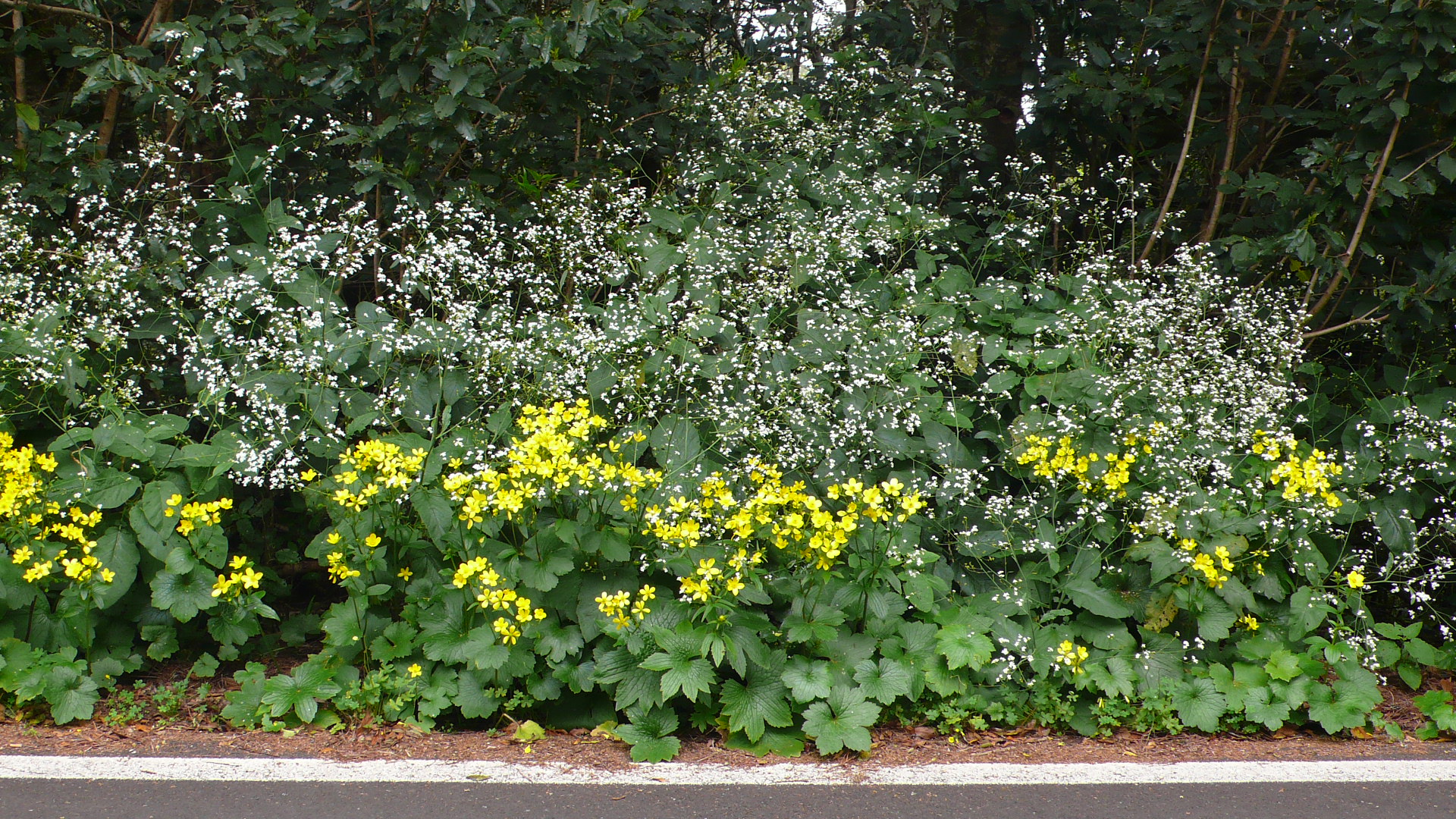
But nature often trumps us when it comes to aesthetically pleasing plant combinations. The photograph above (which you can click to see a larger version) was taken in the Anagas Mountains during our recent Tenerife Field Course. Although it’s along a roadside, these two plants have grown there spontaneously – nature as gardener! The plants are both endemic Macaronesian species: the billowy white flowers of a Canary Island sea kale (Crambe strigosa) found only on Tenerife and La Gomera, spill over the vivid yellow blooms of a large buttercup (Ranunculus cortusifolius, from the Canary Islands and the Azores).
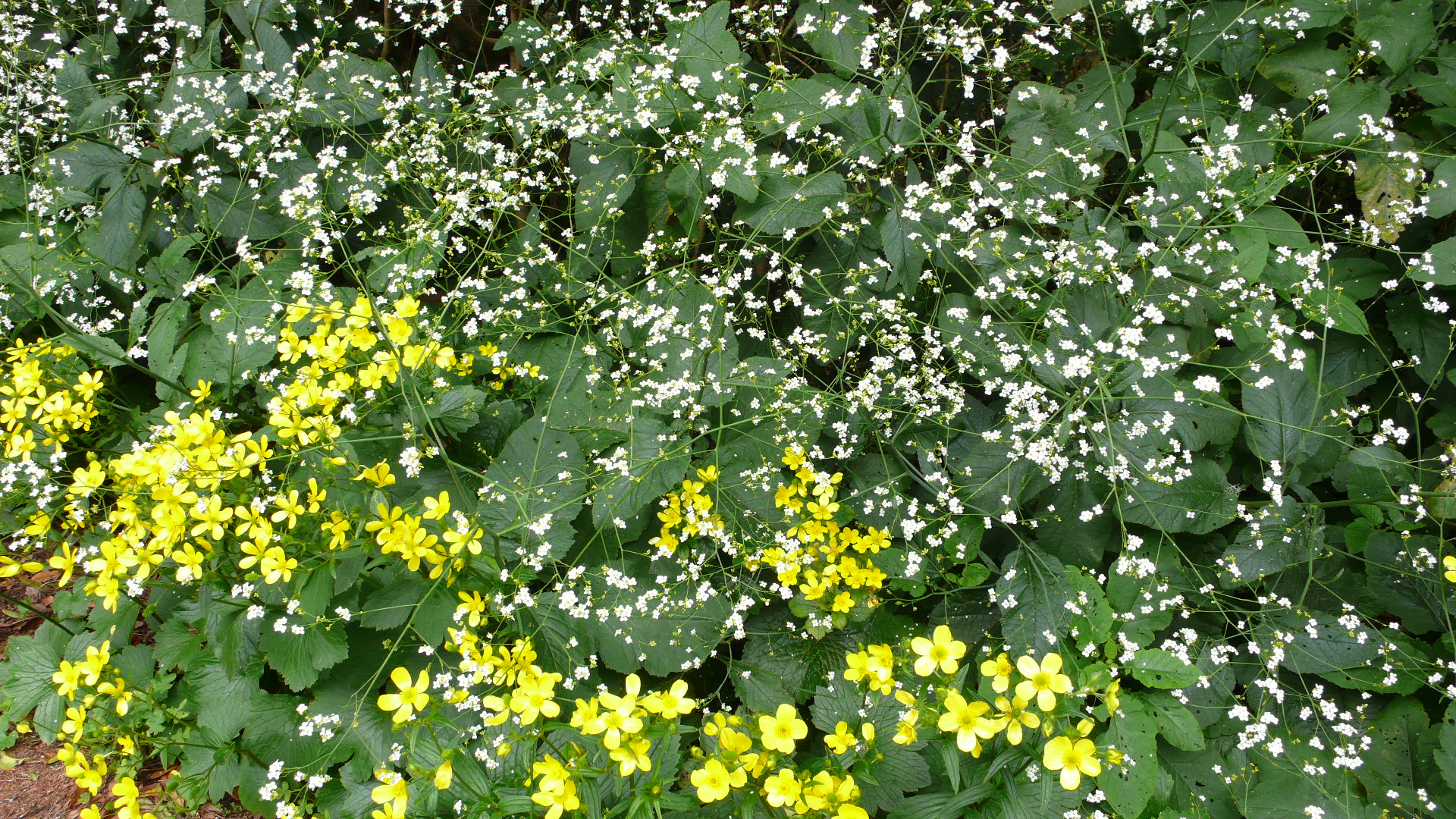
Up close it makes for a subtle but effective combination (again, looks better if you click to open it):
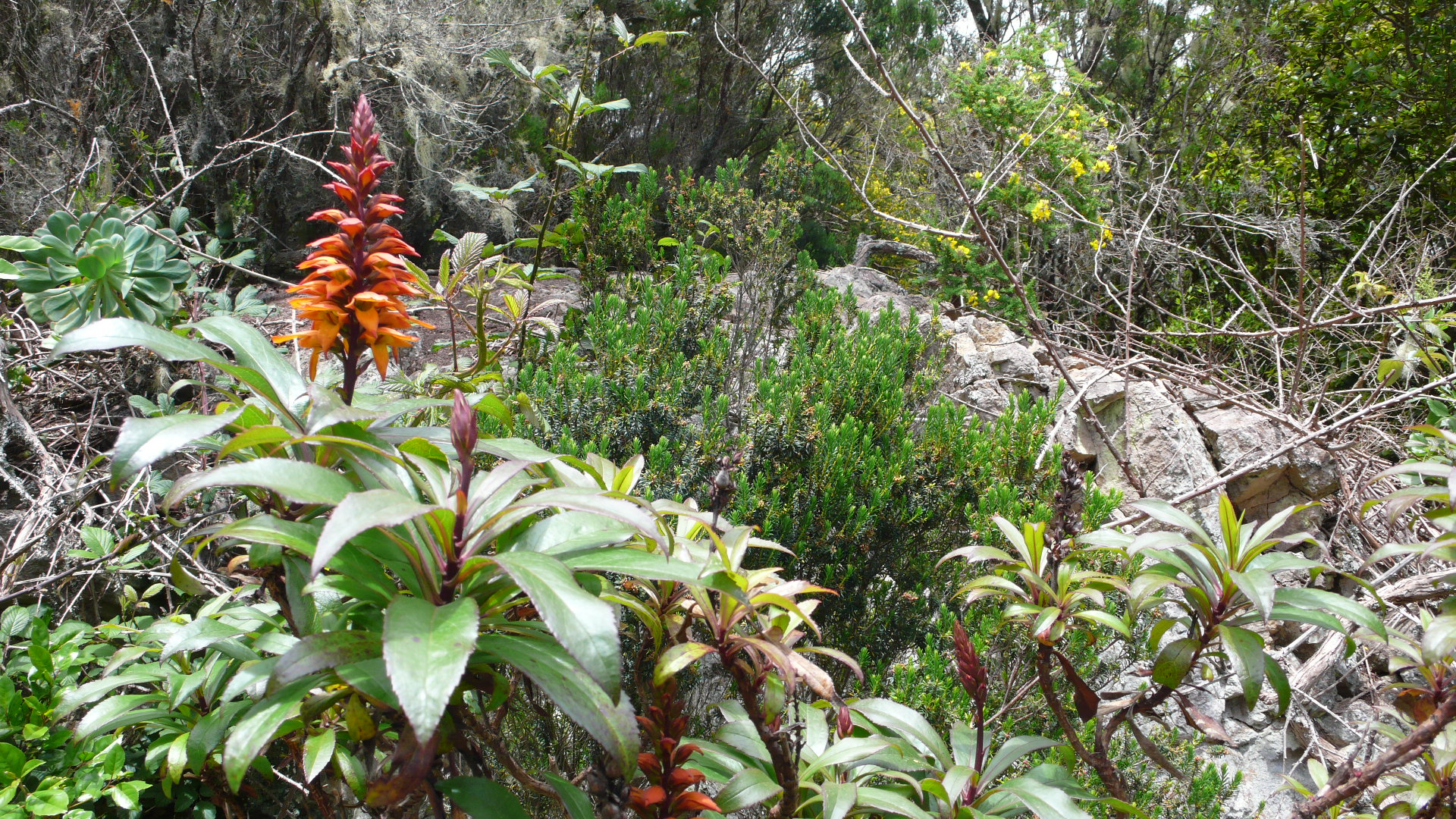
The plants of Tenerife never fail to impress – here’s the Canary Island Foxglove (Isoplexis canariensis) one of the bird-pollinated plants of Tenerife that we’ve studied in the past:
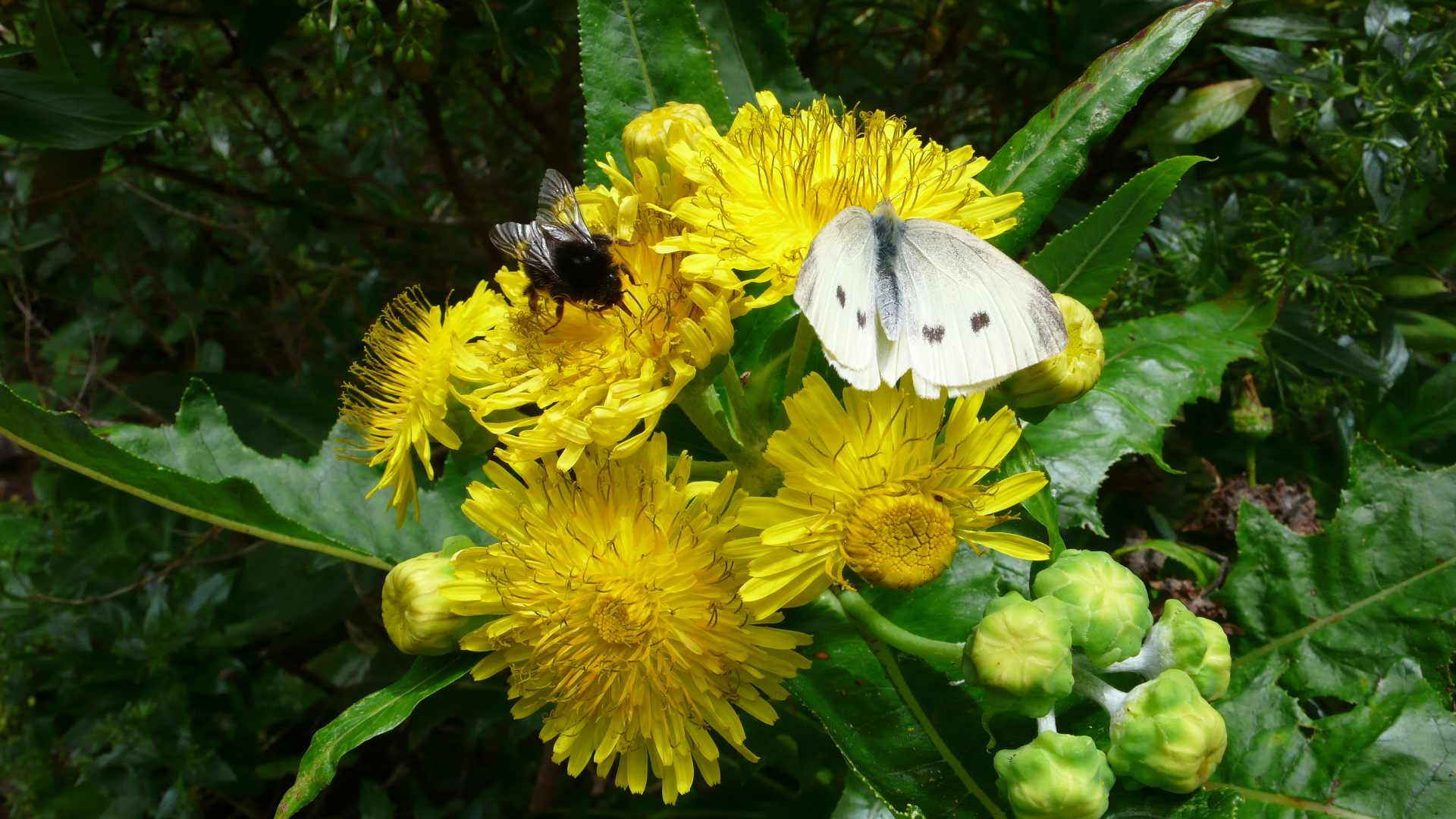
This post is largely deflection behaviour to take me away from grading student dissertations. So before I return to it I’ll leave you with a gratuitous shot of three endemic Canary Island species: a woody sow thistle (Sonchus sp.) being pollinated by the Canary Island Bumblebee (Bombus terrestris canariensis), and the Canary Island Large White butterfly (Pieris cheiranthi) whose caterpillars, to take us back to the beginning, feed on Crambe strigosa:
Now, back to the coal face…..
Disturbed birds? Results of a visitor access study to the Upper Nene Valley
Human activities can have significant impacts on wildlife in quite subtle ways that are not always appreciated by those of us who enjoy going out to look at nature. For example, simply walking close to sensitive areas such as bird nesting or roosting sites has the potential to drive those birds from an area. This was the theme of a workshop we attended yesterday afternoon, hosted by the local Wildlife Trust as part of the Nene Valley Nature Improvement Area (NIA) Project.
During the afternoon Colin Wilkinson from the RSPB presented the results of a survey that had been commissioned to assess the level of public access and usage of the Upper Nene Valley gravel pits. These pits have Special Protected Area status due to the numbers of migratory over-wintering birds that use them. They are also well used by the public but at the moment we have no idea what impact this is having on the birds, though there is anecdotal evidence that it is considerable at some sites.
The consultants who conducted the study used a combination of face-to-face interviews, site surveys, etc. There’s too much in the report to go into all of the detail – you can access the full text here – but I’ve copied the highlights from the summary below:
- The majority (98%) of visitors were on a short visit from their home
- Group size for interviewed groups ranged from 1-8; 51% of interviewees were visiting on their own. Stanwick Lakes was notable in that group size tended to be larger here.
- Half of the 939 interviewees had dogs with them (636 dogs in total).
- Across all sites and survey periods, dog walking was the most common main activity (48% of interviewees).
- During the winter, a higher proportion of people interviewed were dog walking (48% of interviews during the winter compared to 36% in the spring at the 6 locations surveyed in both seasons).
- Over the winter, the main activities given by interviewees were: dog walking (53%), walking (26%), and wildlife watching (6%).
- Most (77%) interviewees had arrived by car to the survey point
- Most interviewees were frequent visitors (60% indicated that they visited at least once a week).
- Most visits were short: 50% of visitors stated that they spent less than one hour on site and, in total, 88% spent less than two hours at the survey location.
- The quality of the site was the most common reason for choice of site (61% interviewees), but was not the most common ‘main’ reason’; 32% interviewees gave proximity to home as the main factor underpinning their choice of site. Proximity to home seemed particularly important for dog walkers (44%) and those fishing (40%).
- A total of 863 visitor routes were collected, either through lines on paper maps during the interview or via GPS units which were given out.
- There were significant differences between sites in the lengths of routes taken by visitors. There were also differences between activities. The mean route length for dog walkers was 3.1km. For cyclists the average route was 7.3km while those fishing tended to have the shortest routes (0.6km average).
- At three of the six sites that were surveyed in the winter and the spring/summer, the median route length increased in the spring/summer when compared to the winter, stayed the same at two and fell at one, suggesting no real pattern of people walking further in the summer .
- A relatively high proportion (78% of interviewees) indicated that they were aware of the importance of the area for wintering birds. Around a quarter (24%) of all interviewees responded that they were aware that of the international importance of the area for nature conservation.
- 908 postcodes were mapped reflecting the home postcodes of visitors. The two main settlements were Northampton (137 postcodes from the winter interviews fell within the settlement) and Wellingborough (88 postcodes from the winter interviews).
- Dog walkers and joggers lived closest to the site at which they were visiting, with median values of 2.3 and 2.9km respectively
- Visitor rates (visits per household) declined rapidly with distance such that a relatively small proportion of people visit from distances beyond 3km of the surveyed access points.
The challenge now will be to understand if and how these visitors are impacting on the abundance and diversity of birds in the Upper Nene Valley, and what can be done to minimise any disturbance. Clearly there’s a balance to be struck between public recreation and wildlife protection, and this will be the theme of future work by the Nene Valley NIA Project.
Who protects our biodiversity? The public does!
In a post back in February I asked the question “Who protects our biodiversity?” and highlighted the disgraceful behaviour of Derby Council in wanting to build a cycle track that would destroy a large proportion of The Sanctuary Local Nature Reserve. Despite petitions and strong public protest, the Council voted to go ahead with the development and site clearance work quickly began. However a High Court injunction was taken out, forcing them to pause the work until the legal ramifications of using Lottery funding for such a project were investigated.
Well, despite the odds and a seemingly bloody minded council determined to push ahead with the project, all of these efforts have worked: Derby Council has abandoned its plans for the site – it’s been saved! I learned the good news this morning in an email from Nick Moyes from the Save Our Sanctuary coalition. Nick writes:
“I am delighted to tell you that very late yesterday afternoon we were stunned and delighted to learn that Derby City Council had announced it was abandoning plans to build a cycle race track on top of The Sanctuary Bird Reserve and LNR at Pride Park in Derby.
This vindicates all the reasoned arguments and effort that everyone in our coalition of wildlife groups has put in over the last few months, and shows we can all work together to make a difference, and affect decisions that harm the environment. It’s just such a shame that a lot of damage has already been done to the LNR, though this should recover in time, if managed correctly.
I think we all believed this was a flawed project from the start. Well, everyone that is, except for one deputy chief executive and one councillor responsible for Leisure who made it their objective to push through this ill-conceived scheme at almost any cost (plus a Labour leader who publicly gave his support, too). In statements in the press, Derby Council now appears to be trying to blame its sudden decision to pull out on the delays and additional costs caused by the successful granting of a Judicial Review following brave action in the High Court by Derbyshire Wildlife Trust. Perhaps this is to be expected – it’s easier than admitting it was a flawed project with dubious funding sources which could so easily have been built elsewhere in the city. But they only have themselves to blame for creating this mess by choosing to ignore all the advice and objections offered to them right from 2011 – with inevitable consequences.
It would be a shame if Derby Council cannot admit it simply ‘got it wrong’. It certainly needs to quickly put right the damage it has already done to the LNR. There are so many people to thank, as everyone played their part in one way or another. Over 1000 people wrote letters and lodged online objections, lobbied councillors, flew aerial drones, published blog posts, wrote to the papers, emailed people, wrote press releases, sent tweets, attended consultation events, made placards, organised demonstrations, lobbied people in the streets, joined a coalition, wrote to the papers and so very much more.
No doubt there is still much more of this story to play out. But for now we can all celebrate the fact that a coalition of wildlife groups came together for the first time in this way, mobilised its arguments and its supporters, and collectively managed to defeat a Labour-controlled local authority which was determined to go back on its public commitment to protect a Local Nature Reserve that it once declared as of great importance to biodiversity. Not only that – but there are no doubt many other LNR support groups around the country that will now breathe a collective sigh of relief that this terrible precedent of a council so easily choosing to vote itself powers to destroy and develop a large part of its own LNR has been lifted.”
This is such good news to receive on a beautiful early spring morning! I’d like to think that Tony Benn, who died this week, would have approved of this example of people power in action.