Category Archives: Biodiversity and culture

The Danish for garden is “haven”: five reasons why I love Gardeners’ World

20160702_100724

The latest series of the BBC’s flagship horticulture programme Gardeners’ World started on Friday, heralding its 50th year of broadcast – quite an achievement.  I’ve long been a fan, and a few years ago jumped at the chance to take part in one Science in the Garden special episode with Carol Klein (which I’ve posted about previously).  Since Friday I’ve given some thought as to what I get from the programme and have come up with a list of the main reasons why I love watching it:

1.  At its heart, Gardeners’ World is about the main subject of this blog and of my career: biodiversity.  Specifically the programme is centred on the biological richness of wild plants and the diversity of the horticultural varieties that we have created from them, for food and for ornament.  Spinning off from this is the acknowledgement that, although much of it is not native to Britain, this plant biodiversity (and the way in which we manage it in our gardens) can have important positive benefits for the wildlife of our country, including birds, amphibians and reptiles, and insects such as bees and butterflies.  This is particularly the case in urban settings and I’ve noticed a welcome trend in recent years for Gardeners’ World to include more features about city horticulture.

2.  Gardeners’ World has long championed a more environmentally friendly approach to horticulture, bringing in ideas about using peat-free compost, minimal use of biocides, recycling and upcycling, composting, and growing your own food, long before any of this became fashionable.  Indeed there’s a strong argument to be made that earlier presenters such as the late Geoff Hamilton were responsible for such fashions gaining mainstream exposure, influencing the habits of millions of people in Britain.  That kind of influence should not be under-estimated.

3. Gardeners’ World reminds me of my dad, who died in 1996.  I can recall him watching it back in the 1970s when Percy Thrower was the presenter and my dad had an allotment a short walk from our small terraced cottage house, with its tiny concrete backyard.  Some of my earliest memories of plants and nature relate to that allotment: a huge rambling rose along the fence; a greenhouse made from old window panes, filled with the rich scent of tomatoes; a toad that dad put in that greenhouse to eat the slugs; rainwater tanks hosting little communities of wriggling insect larvae.  After the allotment plots were cleared by the local council and sold for development my dad erected a greenhouse in the backyard, and grew shrubs and bedding in large pots.  In the early 1980s this was joined by a second small greenhouse for my cactus and succulent collection, many of which I still have.  Some of the best stories in Gardeners’ World are as much about people and their relationships with one another and with their gardens, as they are about plants and gardening per se (see also number 5, below).

4.  Despite having watched the programme for many years I still get new things from it.  Each season I gain inspiration for new plants and new ways of working with the garden that Karin and I are developing here in Northampton, which I’ve talked about quite a few time; see for example:  Renovating a front garden…, my post about Scientists and gardens, and the series I did on pollinators in the garden for Pollinator Awareness Week.  Gardeners never stop learning.

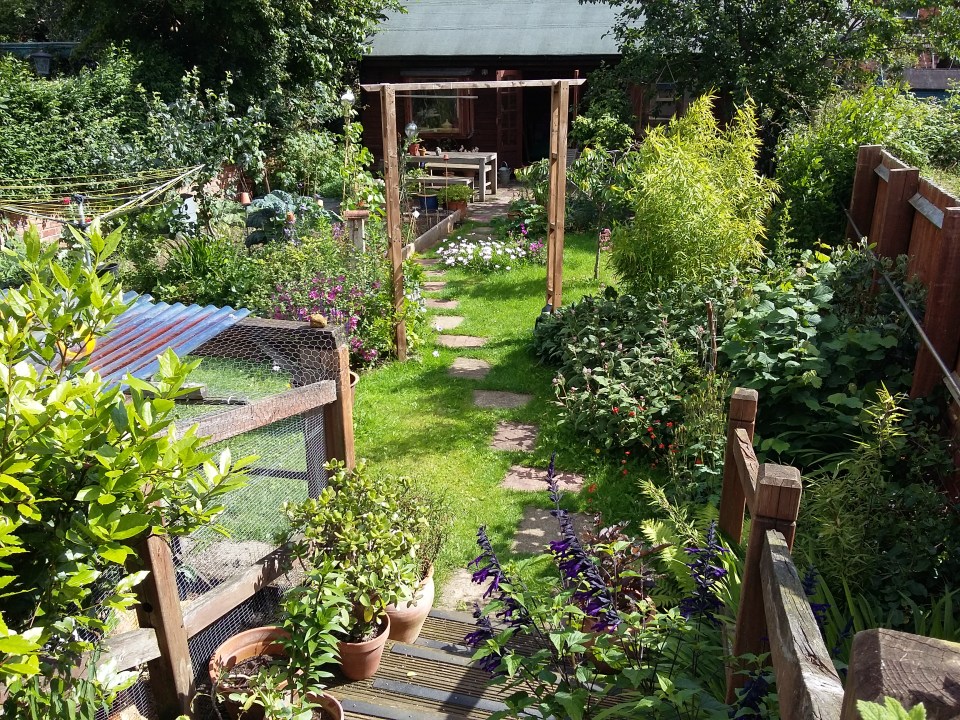
5. Being from the north of England I’m intrigued by the linguistic links between that part of our country and Scandinavia, particularly shared words such as “bairn”, and place-name elements such as “holm”.  Karin is Danish and these connections of language are something we often discuss.  Recently she pointed out that the Danish word for garden is “haven”.  Although it’s not pronounced in the English manner that word is probably the best single way of describing how I feel about our garden; it’s a haven from from the outside world, a place of rest and security, contemplation and physical activity, emotionally supporting us, and providing resources and space for the wildlife that uses it.  Although we don’t do much work in the garden during the winter, each year the start of a new season of Gardeners’ World reminds me of the pleasures to come in our own haven.

Of course there are sometimes things that irritate me about the programme: it can be a bit too cosily middle class at times, occasionally the advice offered can be simplistic or inaccurate, and some of the “scientific” trials of plant varieties lack rigour and replication.  Nonetheless, it’s a programme I have grown up with and one that I love to watch.  Happy Anniversary Gardeners’ World, here’s to 50 more years!
The decline of the “humble bee” – a short follow-up from yesterday’s post

The piece I posted yesterday about whether the names two of our most well known pollinators should be spelled honey bee/honeybee or bumblebee/bumble bee generated a lot of interesting comments on Facebook, Twitter, and on the blog.  A few people pointed me to the “Snodgrass Rule” that informal names should be combined only if the species concerned are not members of that particular taxon (e.g. “butterfly” rather than “butter fly”, because they are not “flies”), in which case “honey bee” and “bumble bee” are correct.

If I was ever aware of this entomological convention I’d certainly forgotten about it, but it strikes me that there’s a lot of examples outside of entomology that break the rule, e.g. hummingbird, goldfinch, catfish, ground ivy, etc.

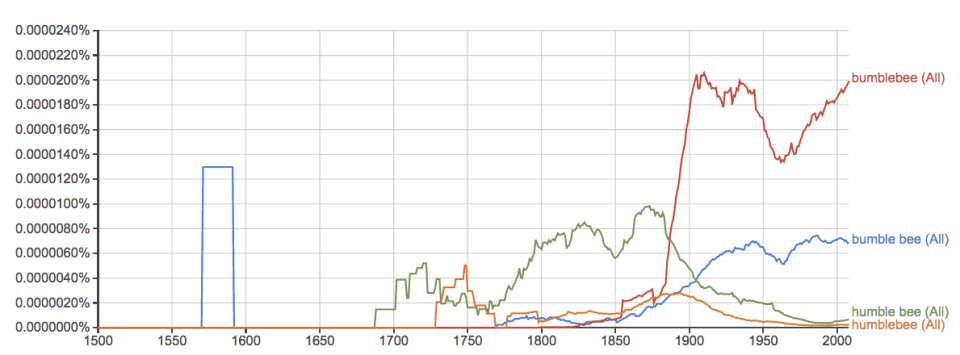
A couple of commentators also asked me about the old term “humble bee”, as used in Frederick Sladen’s 1912 book “The Humble-Bee, its Life-History and How to Domesticate It”.  So I added this to the bumblebee/bumble bee search on the Google Ngram Viewer, taking the time frame back to 1500, and the results are very intriguing:

screen-shot-2017-03-01-at-09-59-55 It would appear that “bumble bee” pre-dates “humble bee” by a considerable period, with the former being superseded by the latter from the late 1600s onwards, until “humble bee/humblebee” started to decline in use from the end of the 19th century.
I’ve also searched using the term “dumbledore”, which is an old local name, but it was also applied to other buzzing insects such as chafers, making interpretation of the results difficult.  There’s more on the etymology of bumblebees on Wikipedia if you’d care to follow it up.

Many thanks to everyone who contributed to the discussion!


Spiral Sunday #23 – a granite spiral from Norway

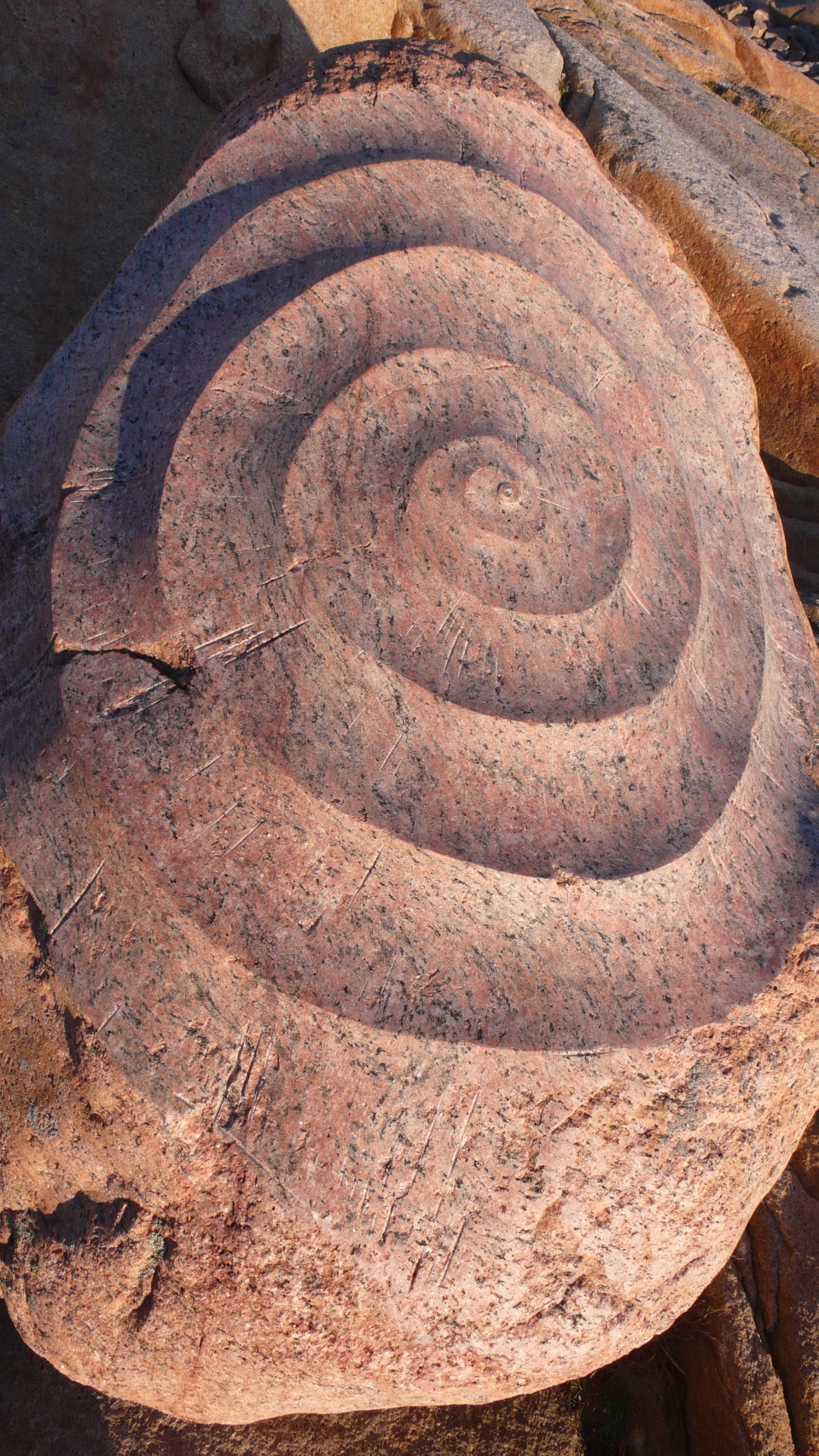
2012-10-27 14.28.28I took this week’s Spiral Sunday photograph at a small sculpture park in an old quarry on the coastal path on Kirkøy (Hvaler) in Norway when we were attending the SCAPE 2012 conference in Skjærhalden.

If I recall correctly it was late afternoon and there was a wonderful low light on the stones, hard shadows sharpening the carved edges of the sculptures.  It was magical to come across these sculptures unexpectedly on a long circular hike; I’d recommend a visit if you are in the area.

Spiral Sunday #22 – gravestone carving on a long hike

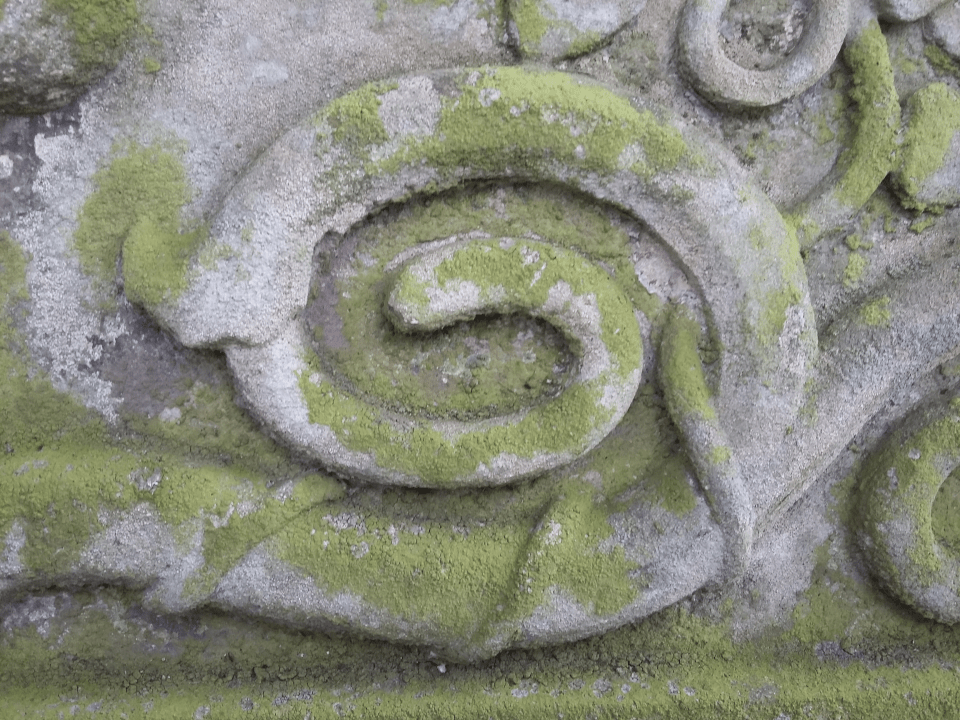
Gravestone spiral 20170219_121210.png

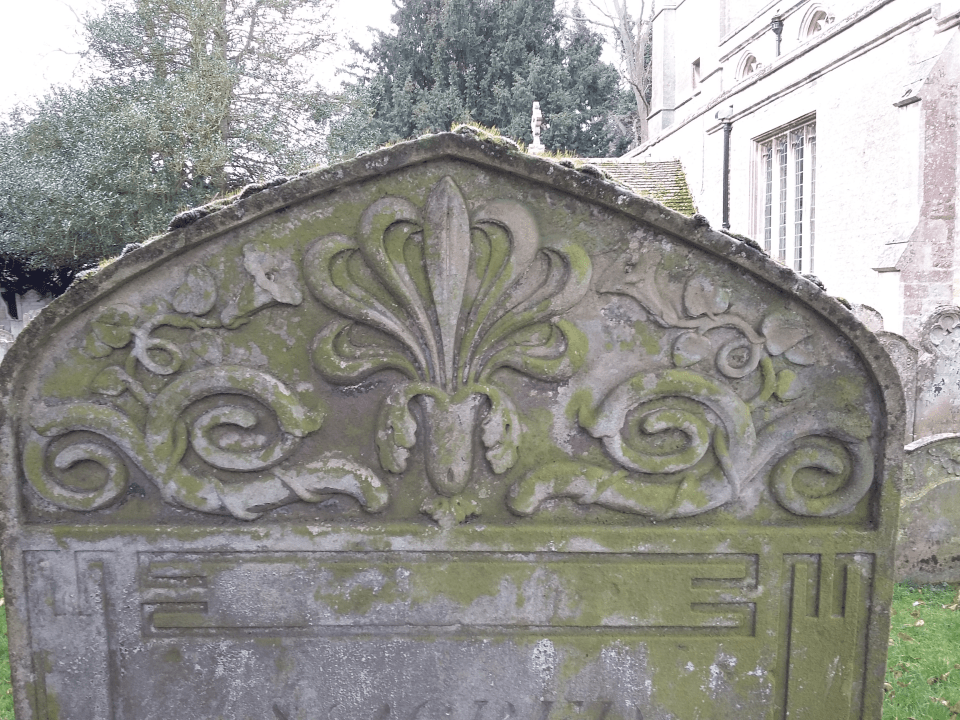
Karin and I went for a long hike today in the north of the county, a five mile circuit from Easton on the Hill, through Stamford, and back past the amazing ruins of Wothorpe Towers.  In the churchyard at Easton I photographed today’s Spiral Sunday image, a stylised botanical form carved into a slab of the local limestone, a 19th century grave marker for a former inhabitant of the village.  As a bonus, here’s the full carving: I really like the twining bindweed.

20170219_121216.png

Spiral Sunday #21 – Happy Birthday Mr Darwin!

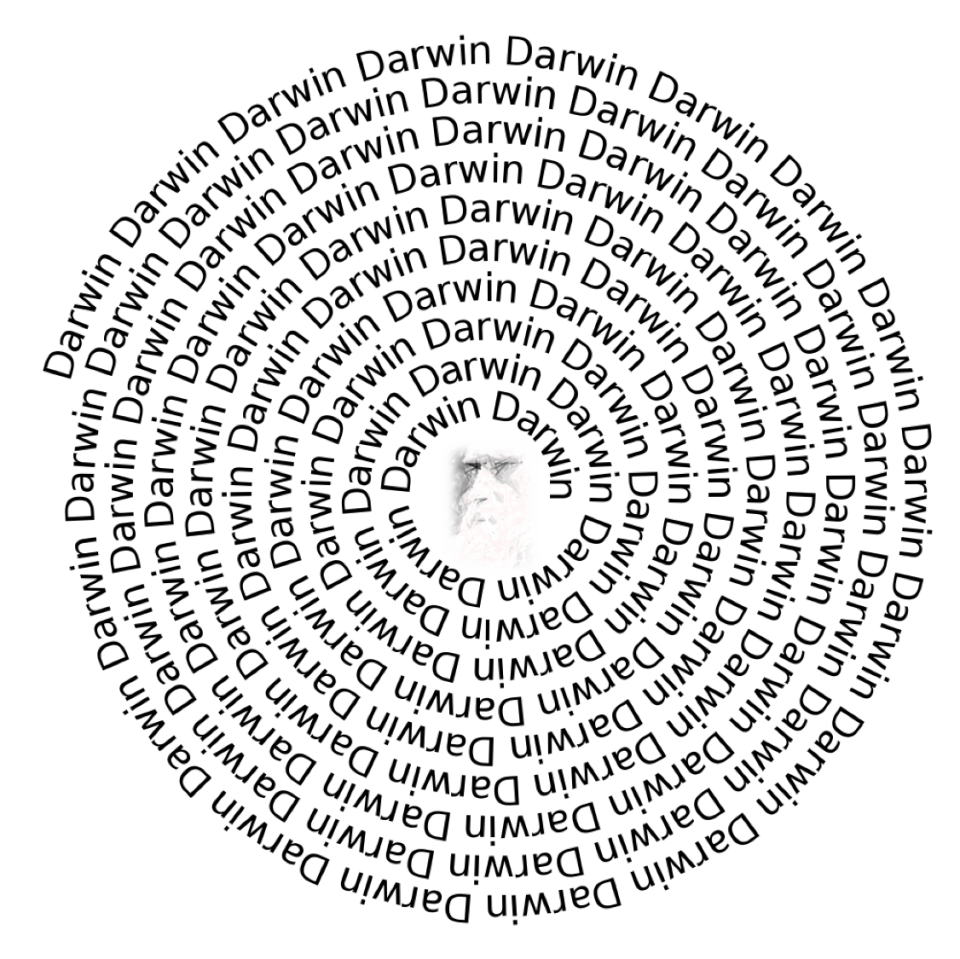
darwin-spiral-final

On 12th February 1809 Mr Charles Robert Darwin was born, so I couldn’t let this week’s Spiral Sunday pass without wishing the great man Happy Birthday!  I used Festisite to make the spiral text and then played around with an image of Darwin using PowerPoint; nothing too fancy, but I think it’s effective.

Have a great #DarwinDay everyone!

Spiral Sunday #20 – a wooden bannister

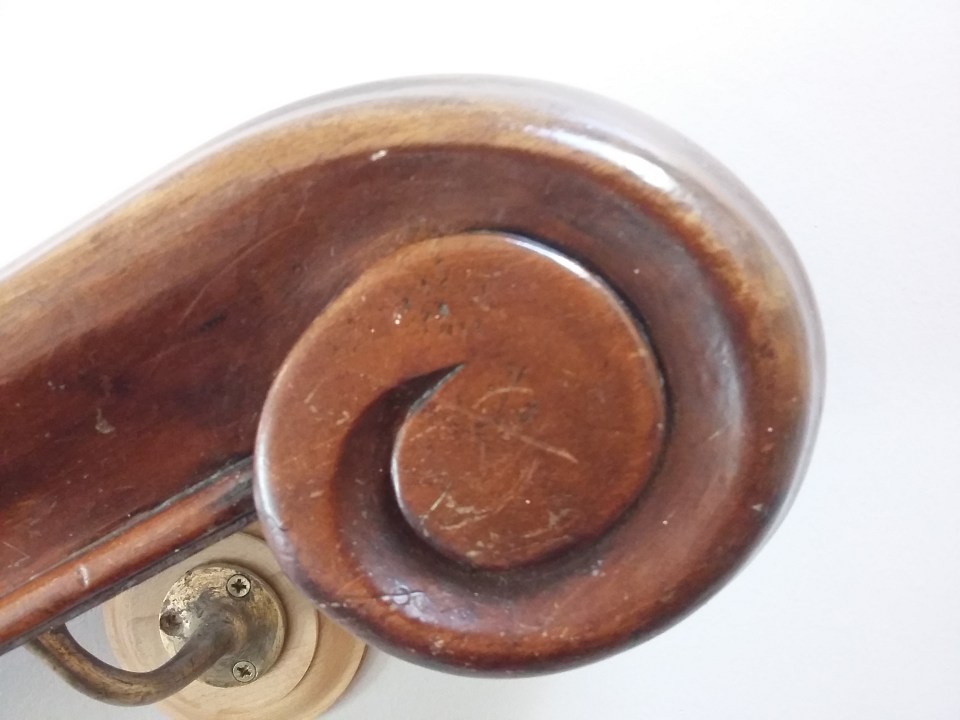
newton-bannister-20161110_135658

As he was leaving work on Friday evening my colleague Dr Mu Mu commented on how he was looking forward to today’s Spiral Sunday.  That’s the first time anyone has said such a thing, so this week’s image is dedicated to him!  It’s the carved end of a mahogany bannister that he passes most days on his way to and from the office in the Newton Building of the University of Northampton.

The Newton Building was constructed in 1915 so the wood was probably harvested from the wild in South or Central America, rather than being from a plantation.  These solid, knife-straight bannisters have lasted over 100 years without warping, and will no doubt last for a century or more to come.  I love their smooth solidity, but they are a beautiful, daily reminder of the history of tropical deforestation.


Spiral Sunday #19 – a fragment of shell

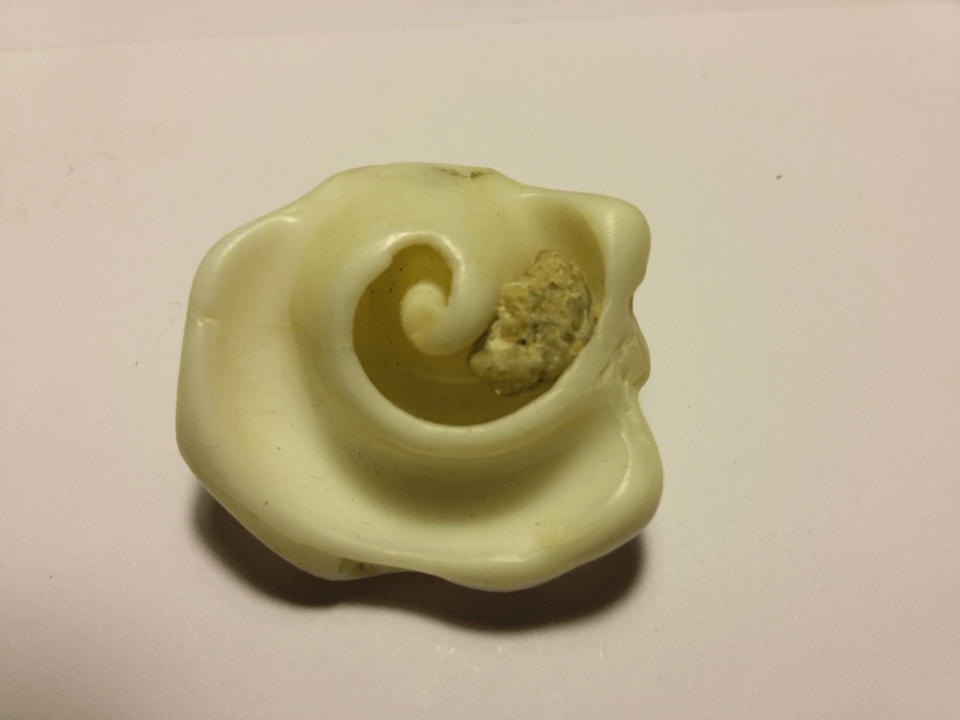
Shell fragment 20170125_171616.png

Whenever I take a walk on a beach or in the countryside I’m liable to pick up interesting bits of shell, stone, sea glass or wood to take home as a memento of the visit.  Doesn’t always work, though, as I forget where I found this fragment of shell!  I have a feeling that it was on Tenerife.  I love the way the sea has rounded the sharp edges and a piece of stone has forced its way into the opening, a perfect sculpture in miniature as today’s Spiral Sunday contribution.

When did plastic plants become acceptable?

Plants are important.  Really, really important.  They play important roles in society and in the nature that supports our societies: plants feed us; they are a source of many pharmaceuticals; they produce oxygen and store up carbon dioxide; they can remove pollutants from city atmospheres; and they are the foundation for much of the world’s ecological functioning.  In addition they inspire poets, artists, musicians, and have huge cultural significance, as well as bringing beauty and biodiversity to even the most urban of environments. Plants positively add to our quality of life, and make us happy, whether we are aware of it or not.

OK, there’s a bit of personal bias going on here: I’ve always loved studying and growing plants, they are a huge part of my life.  But the basic facts of what I laid out in that opening paragraph are correct: plants matter.  So I find it troubling that there seems to be a recent trend in using artificial (mainly plastic) plants indoors and in outside “gardens”.  When did this happen?  When did plastic plants become acceptable?

It first struck me that there had been a recent shift in how we view plastic plants back in the summer when I visited the newly refurbished main restaurant at the university’s Park Campus.  The refurb was very nicely done and there’s a big display about how much of the university’s waste we are recycling, and there’s lots of greenery about the place – except that most of it is plastic.

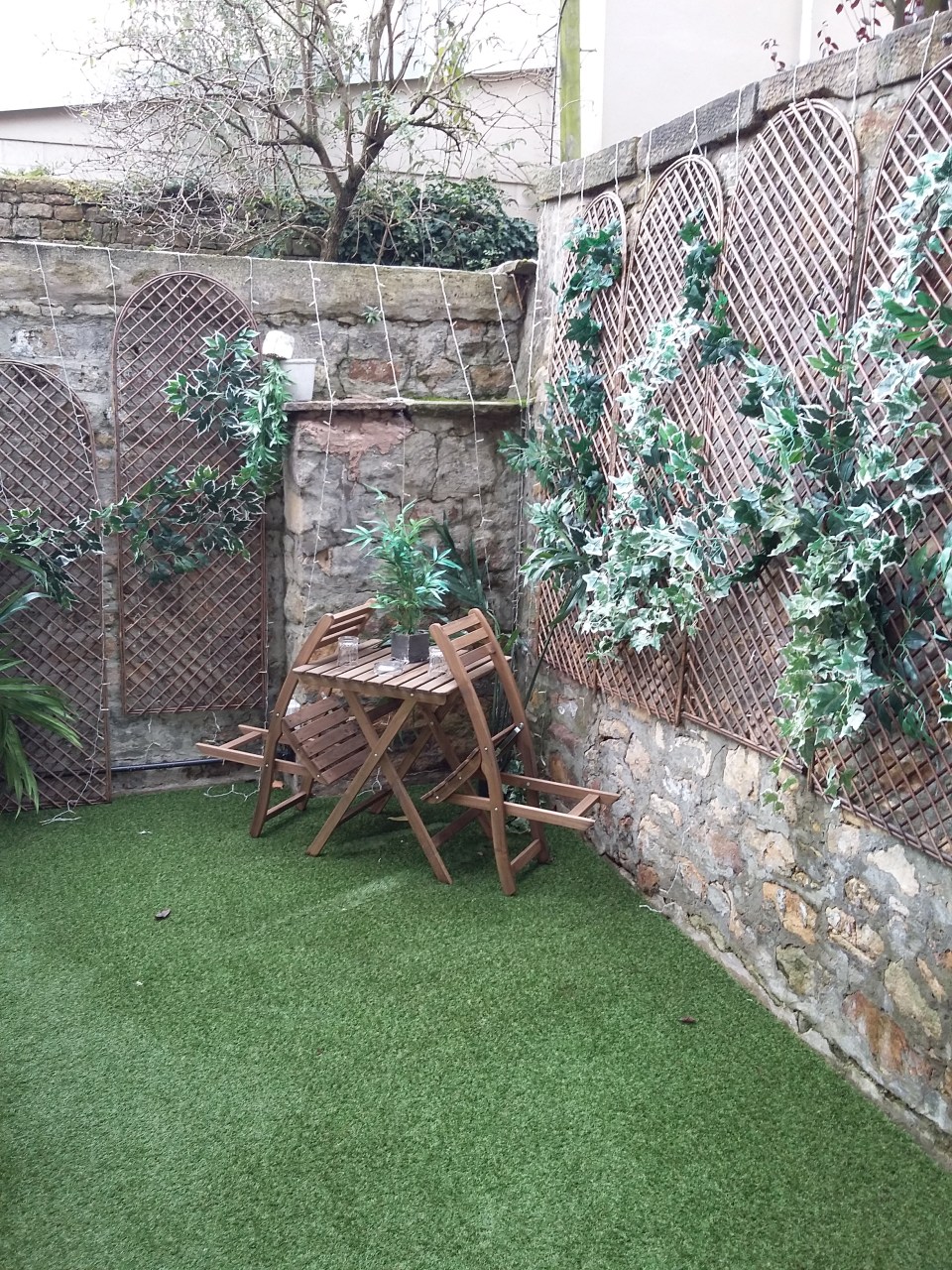
Then in November we visited my son Patrick in Lancaster.  We stayed a night in a nice hotel in the city centre, in a room that led out into a private courtyard – full of plastic plants.  There was a plastic lawn, a plastic palm, even plastic ivy.  Ivy!  One of the easiest plants in the world to grow – why would you need to make it out of plastic?!  It makes itself perfectly well which you can see if you peep over the wall at the back of the courtyard:

lancaster-courtyard-20161113_101336

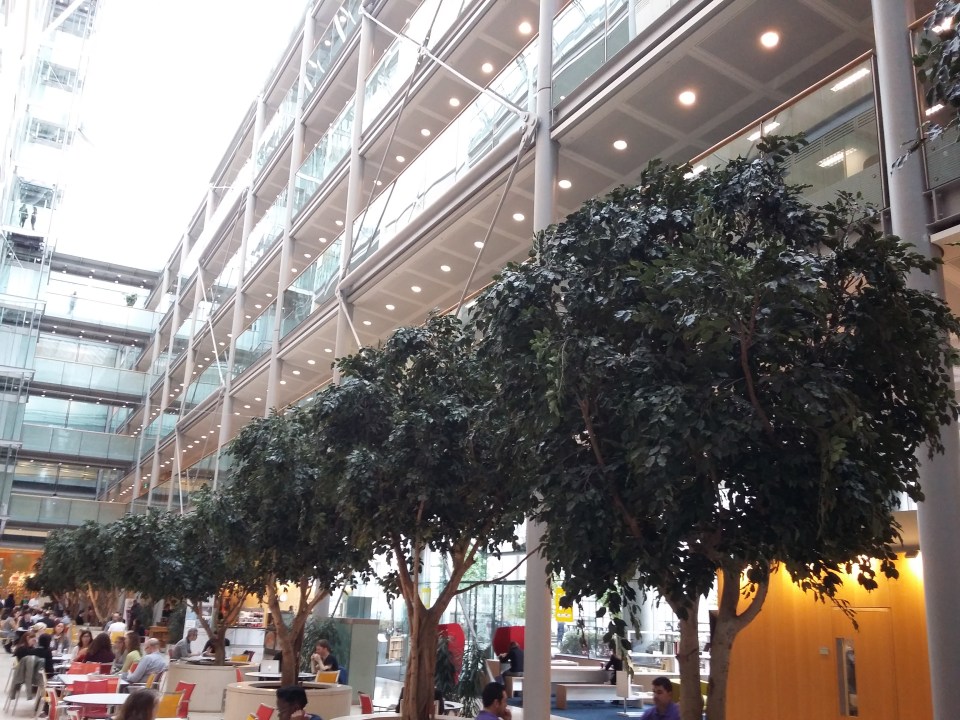
Then the following week I was in London at the Wellcome Trust to take part in a project review panel.  The Wellcome’s building near Euston Station is wonderful, really striking on the inside, full of light and life.  I was initially please to see an avenue of fig trees in large containers arrayed along the centre of the main concourse:

wellcome-trust-20161115_123554

But when I looked closely I realised that although the trunks and branches were real, these were not living plants: the leaves are artificial, made from wire and synthetic material.  So someone has gone to the trouble of growing real fig trees only to dismember them and festoon them with faux foliage.  Please, no one tell Mike Shanahan!

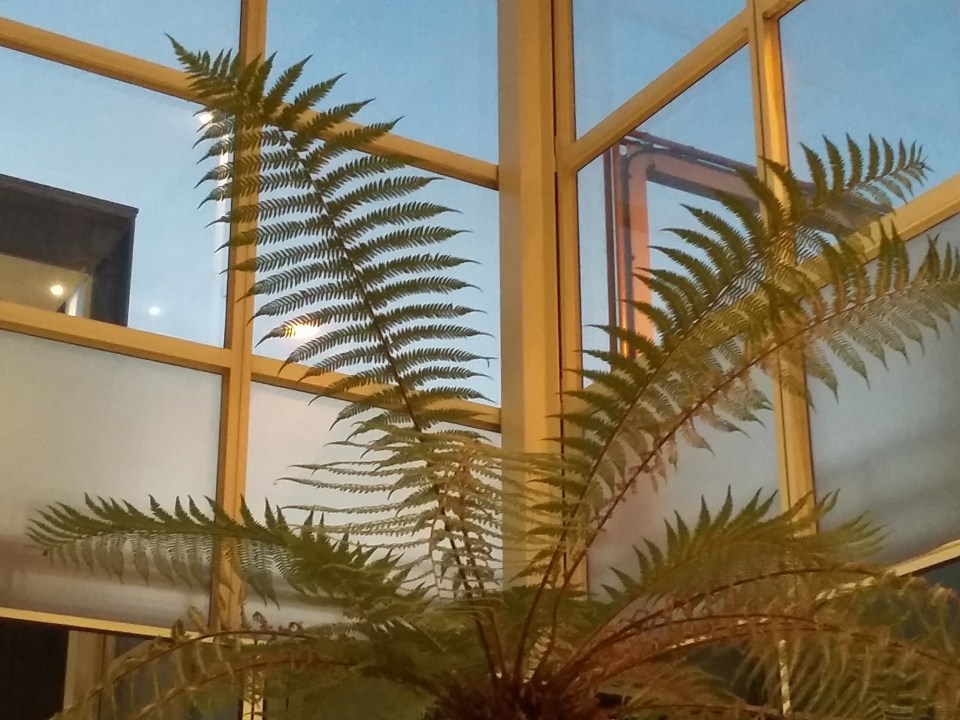
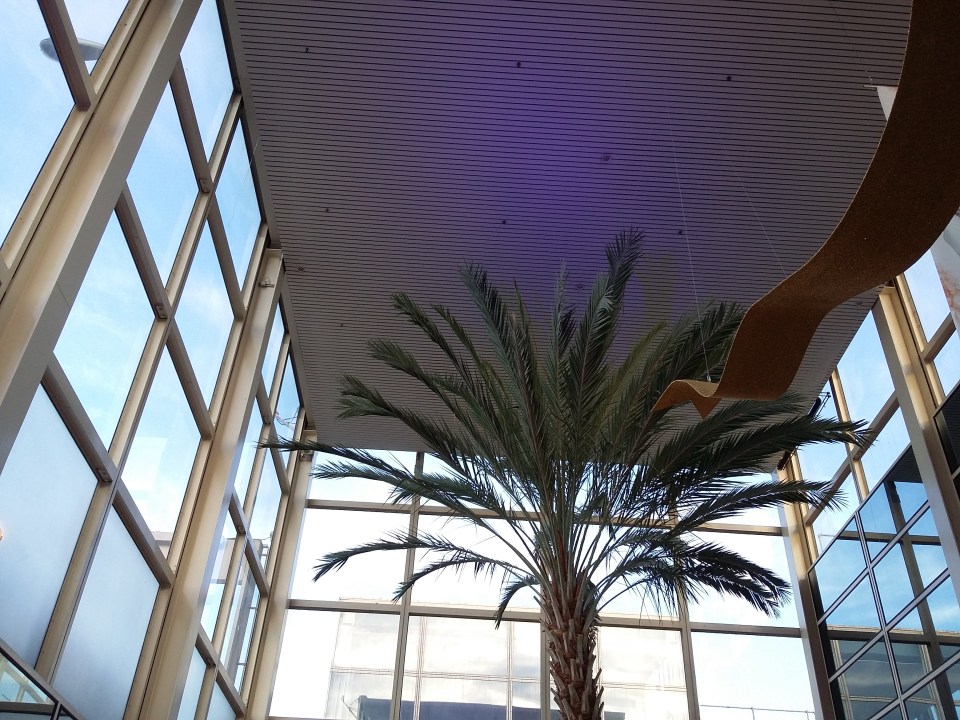
I’m really surprised at the Wellcome Trust, an organisation I have a lot of respect for;  we know that real plants have a positive effect on psychology and health, though I very much doubt that the same can be said for artificial ones.  In their defence the Wellcome Trust building does have some real plants scattered about the place, but they missed a huge opportunity in not using real figs here.  Even that cathedral to capitalism that is the Milton Keynes shopping centre uses real plants in most of its displays, including some lovely tree ferns:

mk-tree-fern-20161204_162151

And splendid palms:

mk-palm-20161204_150755

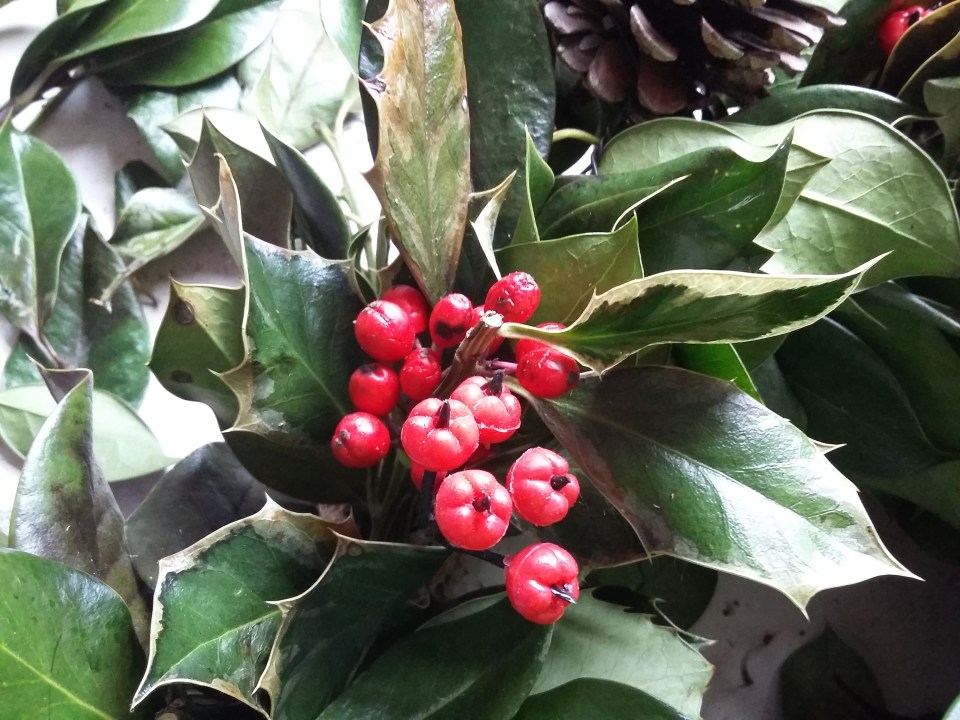
Finally, insult was added to injury as we entered the New Year.  As I mentioned in my Spiral Sunday post a couple of weeks ago, we bought a wreath as a Christmas decoration and I took it apart to compost and recycle at the start of the year.  What I hadn’t noticed when we bought it was that half of the holly berries were plastic:

wreath-20170107_130333

This was hugely ironic given our recent study of how insects boost the value of holly by pollinating the female flowers that produce the berries!

All of this is more than just snobbery on my part.  Yes, you can argue that plastic plants are a bit naff and can never take the place of the “real” thing.  But my main concern here is an environmental one: plastic plants require resources (usually oil-based polymers and energy) to make.  And I doubt very much whether they are recycled very often.  Yes, real plants also cost resources to grow (though that can be minimised depending on how they are grown).  But they also provide a range of benefits and, at the end of their life, they can be composted.  Not something I can do with my plastic holly berries.  Not only that, but I suspect that most (all?) of the plastic plants that are sold are manufactured in the Far East.  Using British- or Europe-grown real plants would cut down on the carbon-miles required and support more local horticultural industries.

Early in 2017 Andrew Lucas at Swansea University, on Twitter, described what he thought was the most depressing tweet of 2017 so far:  “Transform your garden today: buy Artificial Grass from ExpressGrass. Cut to your size for easy DIY installation”.

Agreed, hugely depressing, but we can do something about it: stop buying fake plants.  Perhaps we need a Campaign for Real Plants?  Its theme tune could be Radiohead’s Fake Plastic Trees:

Her green plastic watering can
For her fake Chinese rubber plant
In the fake plastic earth
That she bought from a rubber man
In a town full of rubber plans
To get rid of itself…..

……It wears me out

Spiral Sunday #17 – sculpted hair from Louisiana

Sculpted hair 20160911_125622.png

This week’s Spiral Sunday features a close-up of  hair sculpted in marble, taken during the visit to Copenhagen’s Louisiana Museum of Modern Art I mentioned in Spiral Sunday 5. Sadly I forgot to note down the name of the artist, but I do like the way s/he has depicted the hair as deeply carved, close-set spirals.