

It’s impossible to get away from discussions of climate change and its role in the Australian bushfires at the moment. It’s all over the Australian media, at least that part of the media that isn’t controlled by the Murdoch empire. Politicians of various stripes are falling over themselves to declare their point of view and some careers are (hopefully) being harmed by crass statements that try to belittle expert, informed opinion – the latest example from Twitter is #NotAWeatherGirl, which has been trendingfor a couple of days now.
If you have any interest in global climate change then the name of Prof. Michael E. Mann will be familiar to you, from his famous hockey stick graph, his work with the Intergovernmental Panel on Climate Change, his books on the topic, the RealClimate blog, as well as numerous media interviews and television appearances. Until yesterday we’d not met. But by coincidence, like me, Prof. Mann is also on sabbatical in Australia, is also working at UNSW, and is based near to us. Via Twitter I invited him for a meet up to discuss what’s happening in Australia at the moment and to set it in a global perspective. Karin and I met with Mike at a local café, along with an Australian journalist who has asked to remain anonymous, and we chatted for a couple of hours. From the position of outsiders coming from cultures that politically are moving closer together, and with an expert local perspective, it was interesting to consider what the USA, the UK and Australia have in common and what’s different. And of course, Karin’s Danish heritage provided yet another perspective. What follows is a short summary of our discussion and some additional thoughts.
One thing that’s clearly true is that the climate change deniers have lost. Period. There’s no faux science or dodgy statistics that they can fall back on that have any credibility. Fudging the data, as some have tried to do for Australia, does not work anymore: anyone willing to listen can see through this charade.
The world’s weather systems are changing, and they are changing EXACTLY in line with the predictions based on human-induced climate change. These changes are causing massive disruptions to natural ecosystems and to human societies, from the drought and fires in Australia and California, to the flooding in Jakarta and the American mid-west, and in parts of the UK. Karin’s been writing about this recently in relation to human stories from the bushfires and I recommend you take a look; as always, her take on such events complements my own.
The misery that these bushfires and floods have produced among citizens has prompted previously skeptical or agnostic politicians to act, or be seen to be acting. Those that don’t (and we’re looking here at Aussie Prime Minister Scott Morrison and the increasingly desperate Donald Trump – who’d’ve thunk he’d try to start a war in the middle of a personal political crisis….?) are going to find themselves quickly out of office. In this regard the British government is rather different, and Boris Johnson appears to be on board with the need to act on climate change. Even Piers Morgan seems to be hurrying to get on to the right side of history. But the danger is that it will be too little, too late. Denmark, of course, along with other Scandinavian countries is showing just how much can be done to cut emissions from energy generation, travel and agriculture, and to invest in a more sustainable future.
In the face of such overwhelming scientific evidence, the consortium of right-wing media barons, plus vested business interests and unfriendly foreign agents, have adopted a different tactic. Rather than deny the science they are targeting the individual influencers who they see as a danger to their power. The vile abuse of Greta Thunberg is the most obvious example, but Mike’s come in for his fair share of abuse too. Anyone with green credentials who flies or has a less than Spartan lifestyle is accused of hypocrisy, and the focus is being turned on to what individuals should be doing rather than what governments and industry can achieve much more easily and with greater impact. In Australia it seems there is a campaign to down-play the role of natural processes in the bushfire crisis by claiming that it’s mainly due to a spate of arson, and that “Greenies” have made the situation worse – Twitter bots and trolls have been implicated in this conspiracy.
All of this is an effort to undermine sustainability arguments: that we can have a sound economy based on social justice, environmental protection, green jobs, and a transition to a low-carbon economy. But we need some structural changes to the global economy, including getting away from this obsession with GDP and “growth”. This doesn’t mean throwing the baby out with the bath water and dismantling capitalism altogether. We were agreed that we need to build on the best bits of capitalism and open democracy, and move forward with that, rather than tearing down what has been achieved in terms of human progress. As I’ve mentioned before, Steven Pinker’s recent book Enlightenment Now has some great arguments on this topic.
Related to this is the fact that environmentalism does not have a political home – it is neither left- nor right-wing in focus: there are greens across the spectrum. Karin summed it up neatly this morning when she said: “Perhaps environmentalism is the catalyst to bring us together, no matter what our political beliefs or backgrounds are?”
This is important to appreciate because we all tend to gravitate towards others who share our views. Meeting face-to-face with people like Mike and the journalist is inspiring but there’s always the danger that we are talking within a bubble, an echo chamber that just reflects backs our own perspectives on the world. The same is true of social media. One of the discussions we had was about who we aim our blogs, books and Twitter messages at: who are we trying to talk to? Those people too entrenched in their views, who will deny the impact of, or solutions to the world’s environmental problems are a lost cause. Nothing will sway them. Those who agree with us don’t need any further convincing: they are already strong allies. But there’s a huge swathe of the population between these two poles that can hopefully be won over and convinced by sound arguments. That’s who we need to reach out to, that’s who I hope is following the tragic events in Australia and elsewhere in the world, and seeing what is really happening.


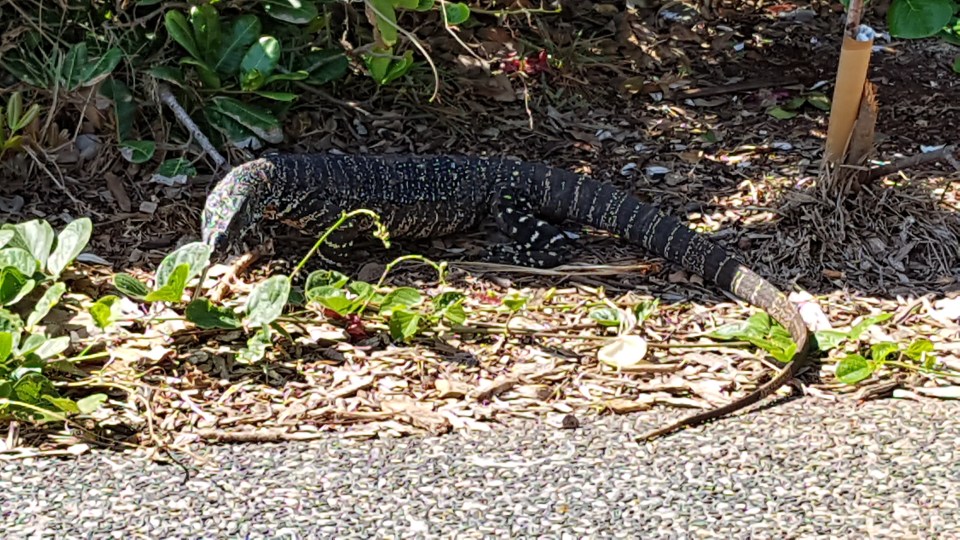
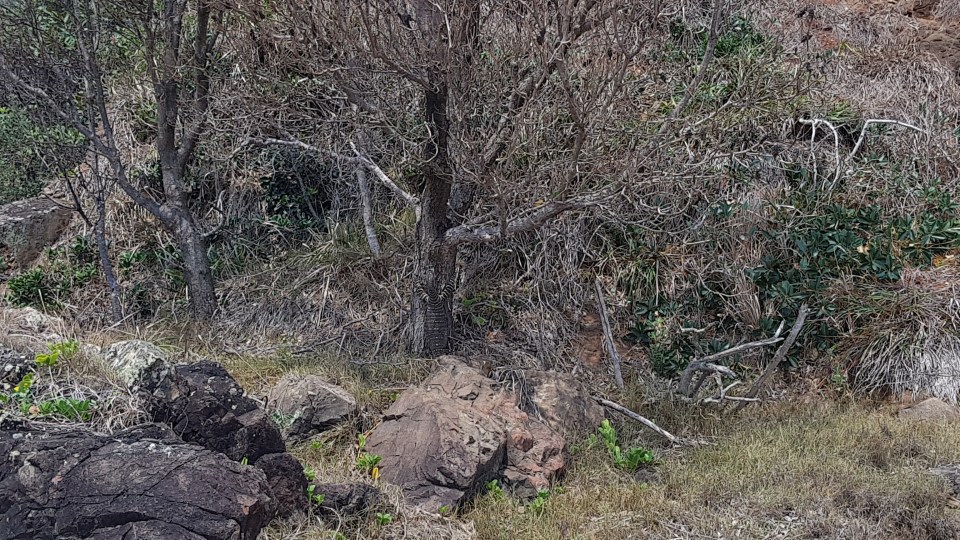
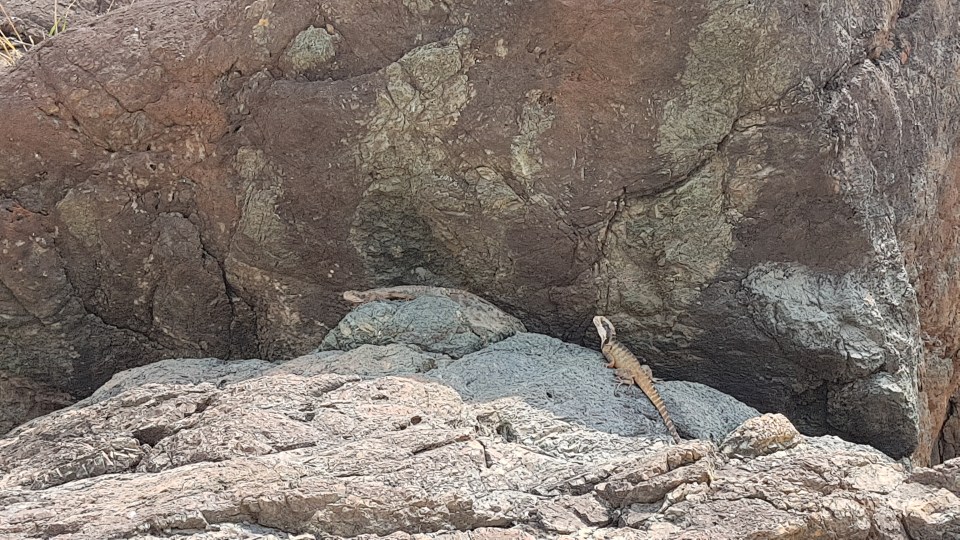
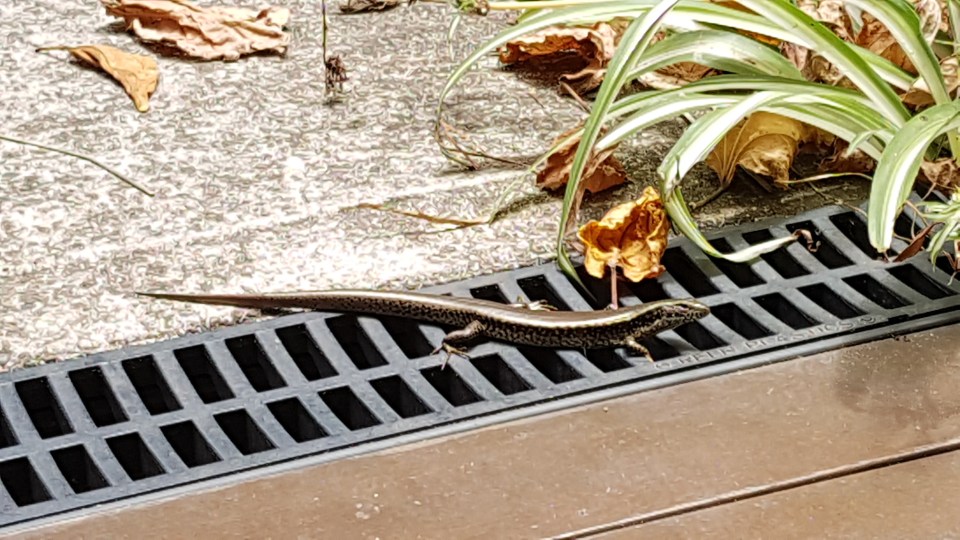








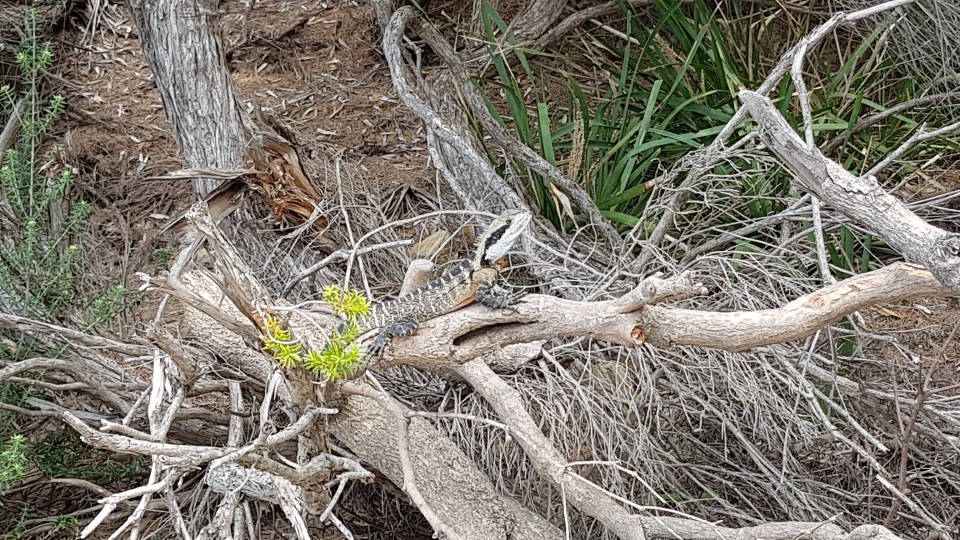 This is better – a very confiding Eastern water dragon along a well-used coastal trail.



 Prof. Jeff Ollerton - ecological scientist and author