Tag Archives: Science

Trait evolution, resource specialization and vulnerability to plant extinctions among Antillean hummingbirds – a new study just published

Hummingbird bowl from BM

Hummingbirds are fascinating creatures and important pollinators for a wide range of plants in the New World (and, historically, possibly in the Old World – see this post from 2014: There were hummingbirds over the White Cliffs of Dover).  During the last decade I have been involved in some hummingbird-related research with several colleagues, particularly Dr Bo Dalsgaard and Dr Stella Watts, and it’s generated some really interesting findings about the biogeography, macroecology, and interactions with plants of these most elegant of birds.

The latest installment of this work is a test of some ideas relating to the vulnerability of hummingbirds on islands to the extinction of their plant partners.  It’s just been published and the reference is:

Dalsgaard B., Kennedy J.D., Simmons B.I., Baquero A.C., Martín González A.M., Timmermann A., Maruyama P.K., McGuire J.A., Ollerton J., Sutherland W.J. & Rahbek C. (2018) Trait evolution, resource specialization and vulnerability to plant extinctions among Antillean hummingbirds. Proceedings of the Royal Society series B (in press)

Here’s the abstract:

Species traits are thought to predict feeding specialization and the vulnerability of a species to extinctions of interaction partners, but the context in which a species evolved and currently inhabits may also matter. Notably, the predictive power of traits may require that traits evolved to fit interaction partners. Furthermore, local abiotic and biotic conditions may be important. On islands, for instance, specialized and vulnerable species are predicted to be found mainly in mountains, whereas species in lowlands should be generalized and less vulnerable. We evaluated these predictions for hummingbirds and their nectar-food plants on Antillean islands. Our results suggest that the rates of hummingbird trait divergence were higher among ancestral mainland forms before the colonization of the Antilles. In correspondence with the limited trait evolution that occurred within the Antilles, local abiotic and biotic conditions—not species traits—correlate with hummingbird resource specialization and the vulnerability of hummingbirds to extinctions of their floral resources. Specifically, hummingbirds were more specialized and vulnerable in conditions with high topographical complexity, high rainfall, low temperatures and high floral resource richness, which characterize the Antillean Mountains. These findings show that resource specialization and species vulnerability to extinctions of interaction partners are highly context-dependent.

As always I’m happy to send a PDF to anyone who drops me an email.
Can pollinators survive sudden changes in the weather?

Snow-Warm garden comparison

Just how pollinators cope with sudden changes in the weather early in the season is a bit of a mystery.  Take 2018 as an example; my wife Karin spotted the first queen bumblebee in the garden on 6th January, investigating a camellia flower just outside the kitchen.  Over the course of the next few weeks I saw a few more at various sites, plus occasional hibernating butterflies such as the red admiral. The various social media outlets were reporting similar things, it looked as though we were going to have an early spring.

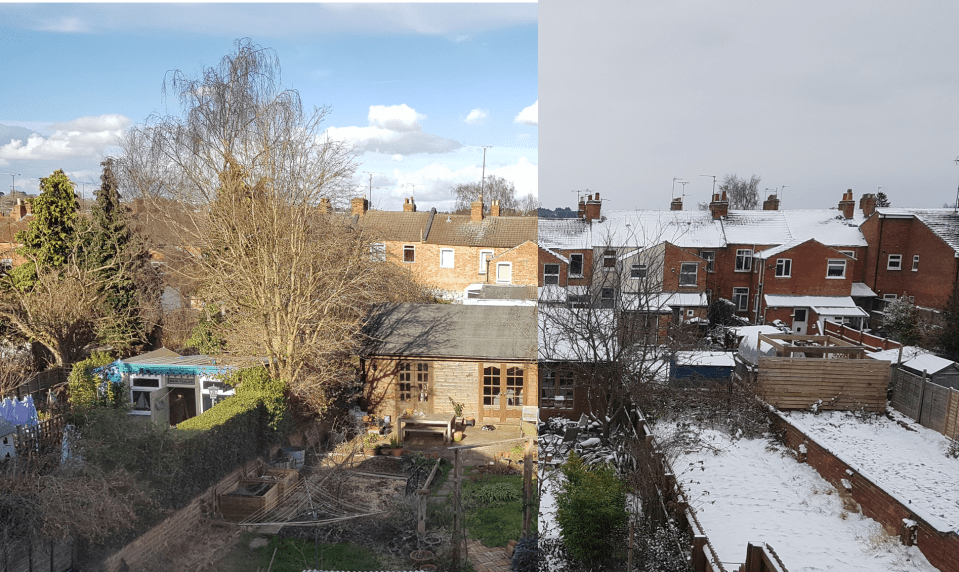
Then at the end of February “The Beast from the East” hit the UK, a weather system from Siberia that brought some of the coldest weather and heaviest snow the country had experienced for several years.  That persisted for over a week then things got much milder.  On 16th March I was in the garden and spotted the first male hairy-footed flower bee of the year, plus a mining bee (Andrena sp.), and a brimstone butterfly, and a queen bumblebee, and a red admiral.  Great I thought, spring really is here!  The next day it snowed.  A “Mini Beast From the East” had arrived, rapidly: the two pictures above making up the composite view of our garden were taken two days apart.

What happened to all of those insects I saw? Were they killed by the cold weather?  Or did they survive?  We have no firm data to answer that question – as far as I’m aware no one has ever tagged early emerging pollinators and followed their progress (I could be wrong – please let me know if I am).  It would make an interesting, though labour intensive, project but could be done using non-toxic paint of various colours to mark the insects.

I suspect that some of the pollinators I saw were killed, but most were not and simply went back into hibernation for a short period, hunkering down in safe, sheltered spots.  That makes much more evolutionary sense: any insects in the UK that cannot survive sudden changes in the weather would have gone extinct long ago.  Another clue to support this idea is the fact that plants in flower early in the season, and in some cases the flowers themselves, usually survive the cold weather and come back as if nothing had happened.  If the flowers can do it, and they have to stay where they are, surely the mobile pollinators can also do it?

As always I’d be interested in your thoughts on this topic, feel free to comment.  And while we wait for the UK to thaw, here’s some topical and rather catchy music to listen to – The Beelievers singing “Mr Gove”.

Mini Bee Symposium – University of Northampton – 13th March 2018

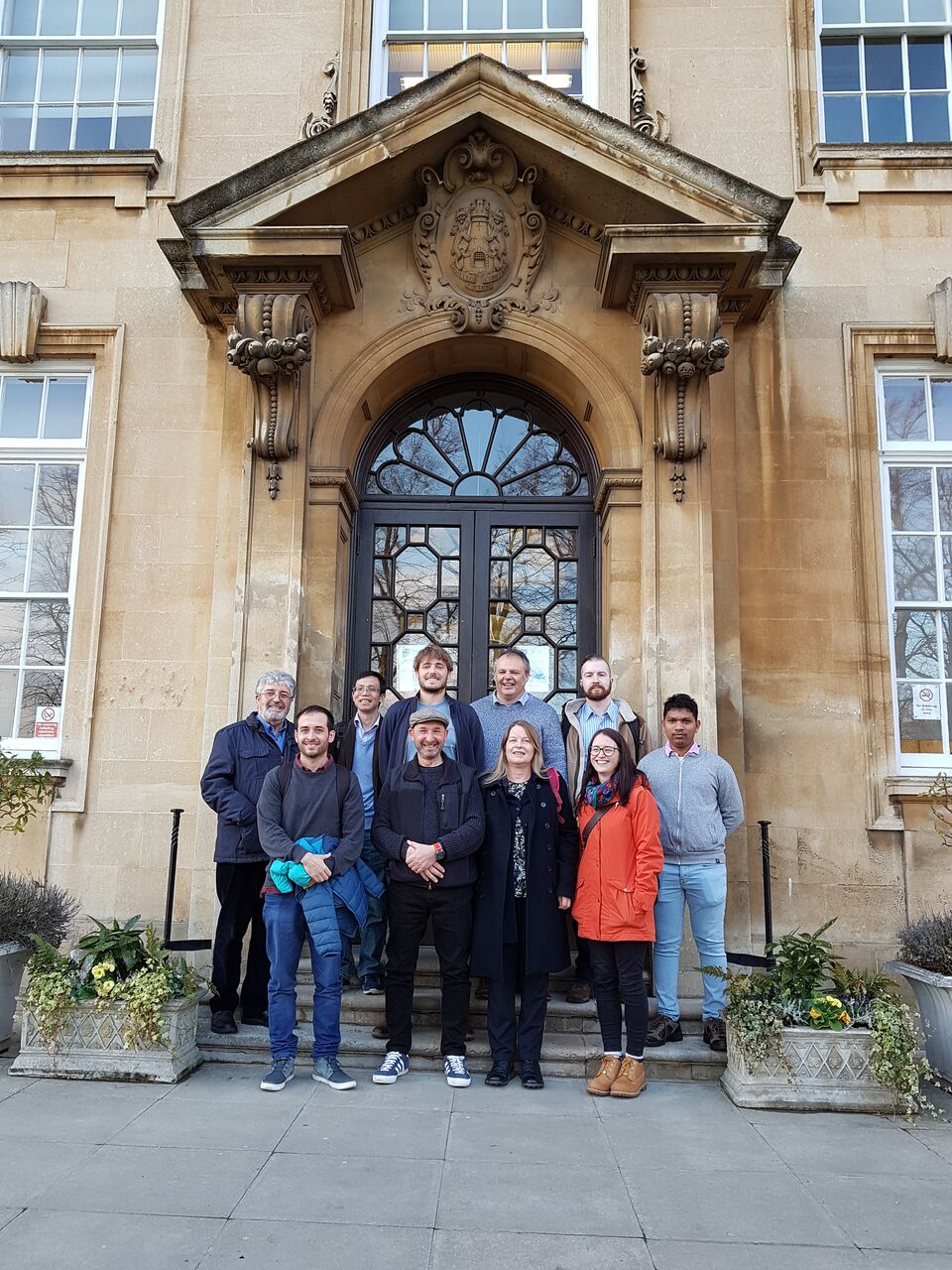
All speakers 20180313_172553_preview

No, not a symposium about tiny Anthophila, but a small get together to discuss bee-related research.  One of the pleasures of my job is hosting visiting scientists from around the world and at the moment I am playing host to three colleagues here in Northampton.   Dr Pablo Gorostiague from the National University of Salta in Argentina is working with me as a visiting postdoc for six months, whilst from the Institute of Zoology at the Chinese Academy of Sciences we have Prof. Chao-Dong “CD” Zhu and Dr Michael Orr here for three days.

So in honour of these visitors, and to introduce them to a wider range of UK bee researchers (some of whom they had corresponded with but never met) I thought it would be fun to organise an informal symposium where people who are (reasonably) nearby could come and present recent bee -related research.

So it was that yesterday a group of about 20 of us spent a great afternoon together listening to 10 short talks.  Here are the presenters and a short description of their presentations:

Steven Falk (independent consultant) discussed “Breaking down barriers to bee identification in Britain” and explained the philosophy behind the structure of his recent Field Guide to the Bees of Great Britain and Ireland.

Stella Watts (Universities of Northampton and Haifa) described her work as a postdoc in Israel examining the structure of plant-pollinator networks centred around some endemic irises.

Chris O’Toole (University of Oxford) dealt with an intriguing phenomenon of what appears to be age-related senility in some Osmia spp.

Pablo Gorostiague told us about his work on bee (and other) pollinators of cacti in his native Argentina.

Ratheesh Kallivalappil (University of Lincoln) discussed his PhD work looking at the decline of global pollinator biodiversity in the Anthropocene.

After a tea break, Stephanie Maher (Anglia Ruskin University) described her PhD work on the nesting ecology of solitary bees in the UK, including a very successful citizen science project.  She argued persuasively for a national database of bee nesting sites.

CD Zhu discussed how modern omics approaches could be integrated into research programmes for understanding the phylogenies and interactions of large clades of species.

Michael Orr talked about the nesting behaviour of some solitary bees of SW North America, and I was surprised to learn that some species can remain in their nests for up to four years before emerging.

In a spontaneous, unscheduled talk Sam Gandy (Universities of Aberdeen and Sussex) told us about research he was involved with that aimed to assess competition between honey bees and bumblebees foraging on lavender.  He did a great job considering he’d not seen the presentation previously, it was emailed to him during the tea break!

Finally I talked about some of our ongoing work assessing the spatio-temporal stability of pollination of an endemic plant by endemic bees in Tenerife.

Following a photo call for all the speakers (see above) we decamped to a local hostelry for beer and food.  Al-in-all a great day of science and networking.  Thanks to all of the speakers and the audience for taking part!

Here are a few more images from the day:

Michael Orr 2018-03-13 16.08.15_preview

Michael Orr in action (I helped to cut that hair!)

Chris OToole 2018-03-13 13.44.37_preview

Chris O’Toole and some of his senile bees

Stella 2018-03-13 13.24.34_previewStella Watts is a blur when presenting her work!
There’s a lot more images on Twitter if you search for #MiniBeeSymposium


Plant-pollinator networks in the tropics: a new review just published.

P1080615

As an ecologist who has carried out field work in the temperate zone (UK), the subtropics (Tenerife and South Africa) and the tropics (parts of South America, Africa and Australia)  I’ve always found the idea that the study of ecology can be divided into “tropical” and “non-tropical” a bit odd.  It’s as if the way that the natural world works somehow changes at about 23 degrees north or south of the equator, making things “different” around the equator.  The tropics are a very special, diverse place, it’s true, but so are many places outside the tropics.

With this in mind I was pleased when I was asked by some of my Brazilian colleagues to contribute to a chapter in a new book entitled Ecological Networks in the Tropics. It was an opportunity to review what is known about plant-pollinator networks in the tropics and the ways in which they are very similar to such networks at lower latitudes. Here’s the details of the chapter, followed by the abstract.  If anyone wants a copy please drop me an email:

Vizentin-Bugoni J, PKM Maruyama, CS Souza, J Ollerton, AR Rech, M Sazima. (2018) Plant-pollinator networks in the tropics: a review. pp 73-91 In Dáttilo W & V. Rico-Gray. Ecological networks in the Tropics. Springer.

Abstract:

Most tropical plants rely on animals for pollination, thus engaging in complex interaction networks. Here, we present a global overview of pollination networks and point out research gaps and emerging differences between tropical and non-tropical areas. Our review highlights an uneven global distribution of studies biased towards non-tropical areas. Moreover, within the tropics, there is a bias towards the Neotropical region where partial networks represent 70.1% of the published studies. Additionally, most networks sampled so far (95.6%) were assembled by inferring interactions by surveying plants (a phytocentric approach). These biases may limit accurate global comparisons of the structure and dynamics of tropical and non-tropical pollination networks. Noteworthy differences of tropical networks (in comparison to the non-tropical ones) include higher species richness which, in turn, promotes lower connectance but higher modularity due to both the higher diversity as well as the integration of more vertebrate pollinators. These interaction patterns are influenced by several ecological, evolutionary, and historical processes, and also sampling artifacts. We propose a neutral–niche continuum model for interactions in pollination systems. This is, arguably, supported by evidence that a high diversity of functional traits promotes greater importance of niche-based processes (i.e., forbidden links caused by morphological mismatching and phenological non-overlap) in determining which interactions occur, rather than random chance of encounter based on abundances (neutrality). We conclude by discussing the possible existence and direction of a latitudinal gradient of specialization in pollination networks.

Local and regional specialization in plant–pollinator networks: a new study just published

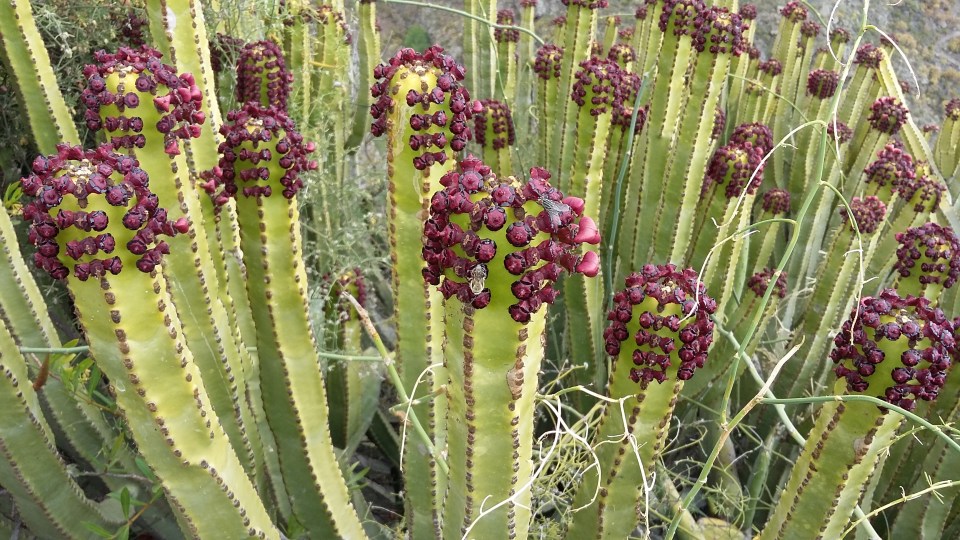
Euphorbia canariensis pollinators 2016-04-29 17 58 00

A fundamental feature of the natural world is that no species exists in isolation: all organisms interact with other organisms during their lives. These interactions take many forms and the outcome varies with the type of interactions. For example predator-prey interactions are clearly negative for the prey species, but positive for the predator. Other interactions result in positive outcomes for both species, including relationships between pollinators such as bees, birds and flies, and the flowers that they pollinate. An important feature of such interactions is how specialized or generalized it is; that is, how many different pollinators are actually involved in pollinating a particular type of flower, or how many types of flower does a specific pollinator visits.

In a newly published study, I have collaborated with colleagues from Denmark and Brazil to assess how local specialization (within a community) relates to regional specialization (across communities) using two separate data sets from the Brazilian rupestrian grasslands and Canary Island/North African succulent scrub vegetation.

Here’s the citation with a link to the paper (drop me a line if you can’t access it and need a PDF):

Carstensen, D.W., Trøjelsgaard, K., Ollerton, J. and Morellato, L.P.C. (2017) Local and regional specialization in plant–pollinator networks. Oikos (in press) doi:10.1111/oik.04436

The abstract is as follows:

“Specialization of species is often studied in ecology but its quantification and meaning is disputed. More recently, ecological network analysis has been widely used as a tool to quantify specialization, but here its true meaning is also debated. However, irrespective of the tool used, the geographic scale at which specialization is measured remains central. Consequently, we use data sets of plant–pollinator networks from Brazil and the Canary Islands to explore specialization at local and regional scales. We ask how local specialization of a species is related to its regional specialization, and whether or not species tend to interact with a non-random set of partners in local communities. Local and regional specialization were strongly correlated around the 1:1 line, indicating that species conserve their specialization levels across spatial scales. Furthermore, most plants and pollinators also showed link conservatism repeatedly across local communities, and thus seem to be constrained in their fundamental niche. However, some species are more constrained than others, indicating true specialists. We argue that several geographically separated populations should be evaluated in order to provide a robust evaluation of species specialization.”

This is what those two different habitats look like:

If you would like more information on plant-pollinator networks, including details of an edible game for Christmas (!), follow this link to the standingoutinmyfield blog.

A blog post about our new paper about posting blogs: important for the science community as well as science communication

blogheadersnew

Scientists blog for many reasons.  Some of these reasons are highly personal, other reasons are purely professional.  For most of us it’s a mix of the two.  But despite all of the scientific blogging going on there’s actually very little been written in the scientific literature about the advantages of blogging for the professional scientist.  As a step towards remedying that situation a group of co-authors and myself have today published a paper entitled “Bringing ecology blogging into the scientific fold: measuring reach and impact of science community blogs“.  It’s published in the open access journal Royal Society Open Science.  Just follow that link and you will be able to read it for free.

I’m rather proud of this paper as it’s a collaboration between active ecological bloggers, most of whom don’t know each other personally. However we share an interest in blogging and in the belief that blogging is a legitimate scientific medium for communication of ideas, data, and professional advice.  That is, blogging for the science community rather than (just) for science communication to the general public.

One of the most pleasing things about this paper is that it received two of the best reviews any of us have ever had in our careers.  The reviewers were incredibly supportive and complimentary, and asked for virtually no changes.  That’s hugely gratifying and suggests to us that we are saying something important; let’s hope the readership likes it as much!

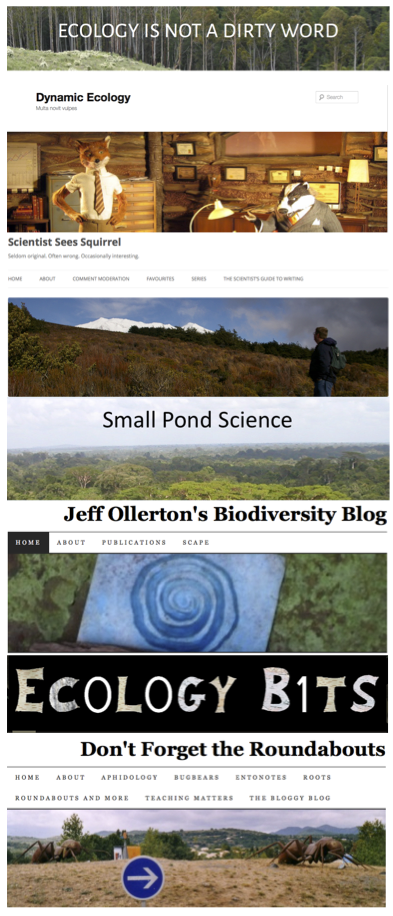
The co-authors, their Twitter handles and links to their blogs are below.  If you click through you’ll see that we have posted coordinated pieces on our blogs about our own reflections on the collaboration and what the paper means to us.

Manu Saunders (@ManuSaunders)  Ecology Is Not A Dirty Word      

Simon Leather (@EntoProf) Don’t Forget the Roundabouts

Jeff Ollerton (@JeffOllerton) Jeff Ollerton’s Biodiversity Blog

Steve Heard (@StephenBHeard) Scientist Sees Squirrel

Meghan Duffy (@duffy_ma) Dynamic Ecology

Margaret Kosmala (@margaretkosmala) Ecology Bits

Terry McGlynn (@hormiga) & Amy Parachnowitsch (@EvoEcoAmy) Small Pond Science

The 31st Annual Meeting of the Scandinavian Association for Pollination Ecology (SCAPE 2017) – registration closes 15th September

SCAPE logo

SCAPE is my favourite annual conference by a long margin: small, friendly, welcoming (especially for Master’s and PhD students, and postdocs), and packed full of great science.  It’s the longest-running annual conference of its kind in the world and this year the 31st meeting takes place in Norway; registration closes on 15th September – here’s the link for more information.

So if you are a scientist with an interest in pollination ecology, in all of its varied expressions, consider coming along.  I’ve written a short history of SCAPE here, and these are some links to previous meetings to give you a sense of what to expect:

https://jeffollerton.wordpress.com/2016/10/15/i-want-to-see-the-bright-lights-tonight-the-30th-annual-scape-conference-part-1/

https://jeffollerton.wordpress.com/2015/10/25/scape-day-3-science-on-a-sunday/

https://jeffollerton.wordpress.com/2014/10/27/dancing-with-wolves-more-from-scape-2014/

https://jeffollerton.wordpress.com/2012/11/07/the-great-escape/

Final thoughts from the International Botanical Congress in Shenzhen

IBC 47 Veg market

Despite my best efforts I’ve not been able to produce a daily post about the International Botanical Congress (IBC) in Shenzhen.  The days were just too busy: too many interesting people to talk to; too many great talks to see; too much cold beer to be drunk and tasty food to be eaten; and a too-comfortable bed to collapse into at the end of a long, long day.

It’s Sunday today, and the closing ceremony took place yesterday afternoon.  Speeches were made and thanks offered to our Chinese hosts.  It was a fitting end to what has been a truly remarkable conference, the like of which I’ve never previously experienced, and may never again.  It wasn’t just the scale of it – almost 7,000 delegates giving and attending hundreds of talks – but just the very positive buzz of all of these plant scientists determined to make a difference in some way, through their research and education and outreach work.  That’s been the main theme of this conference: that a healthy global population living in a safe and sustainable world is not possible without plants, and to achieve that we must take the plant sciences very, very seriously indeed.  Plants are the foundation of our civilization and the key to surviving the future.

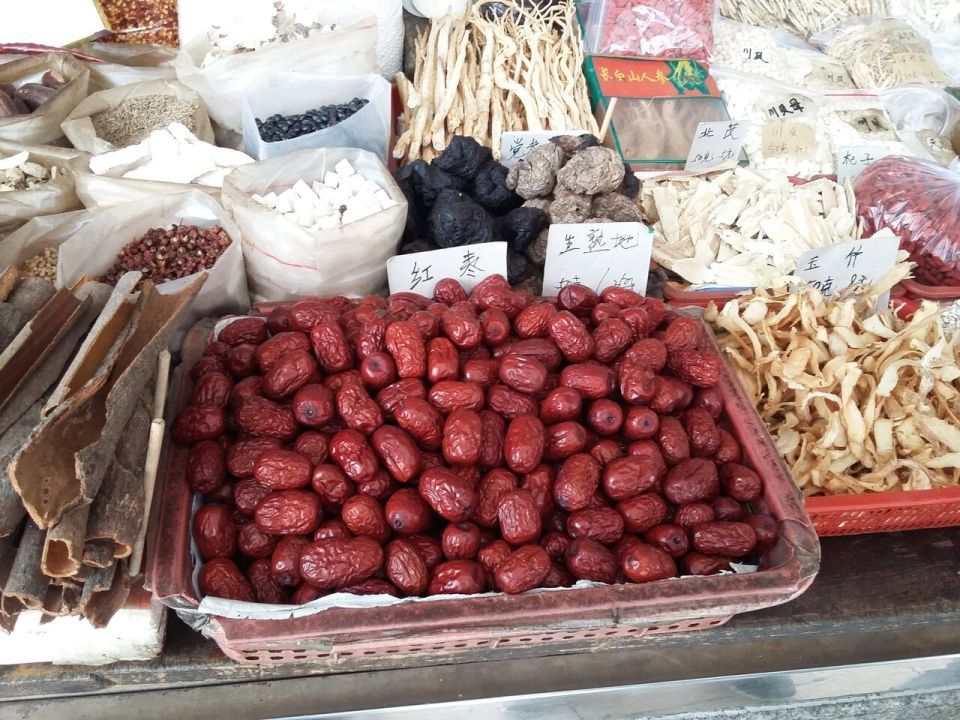
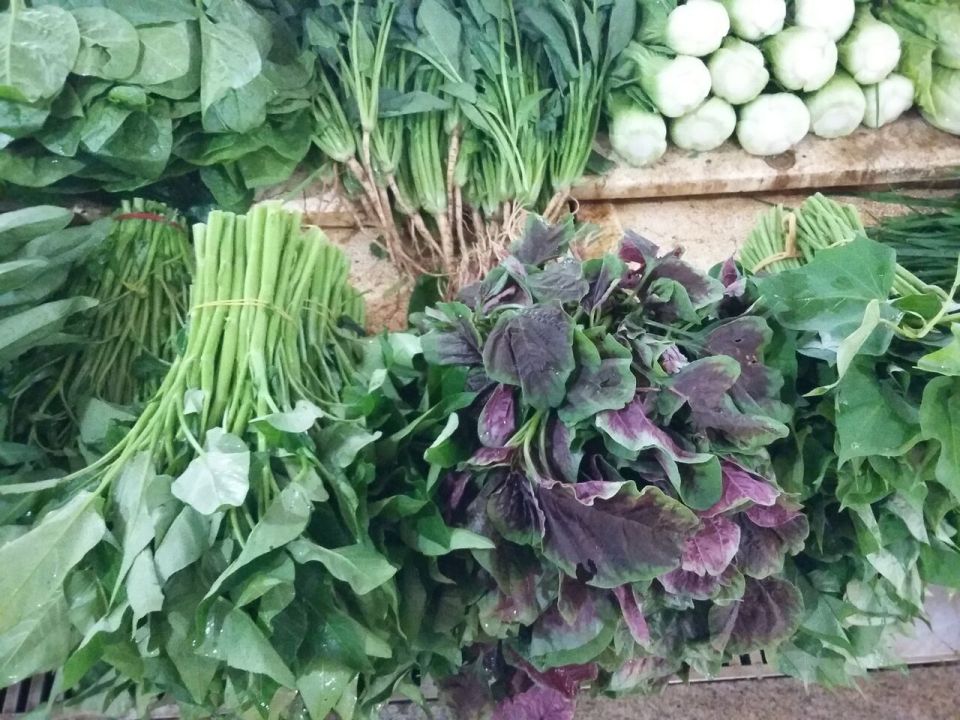
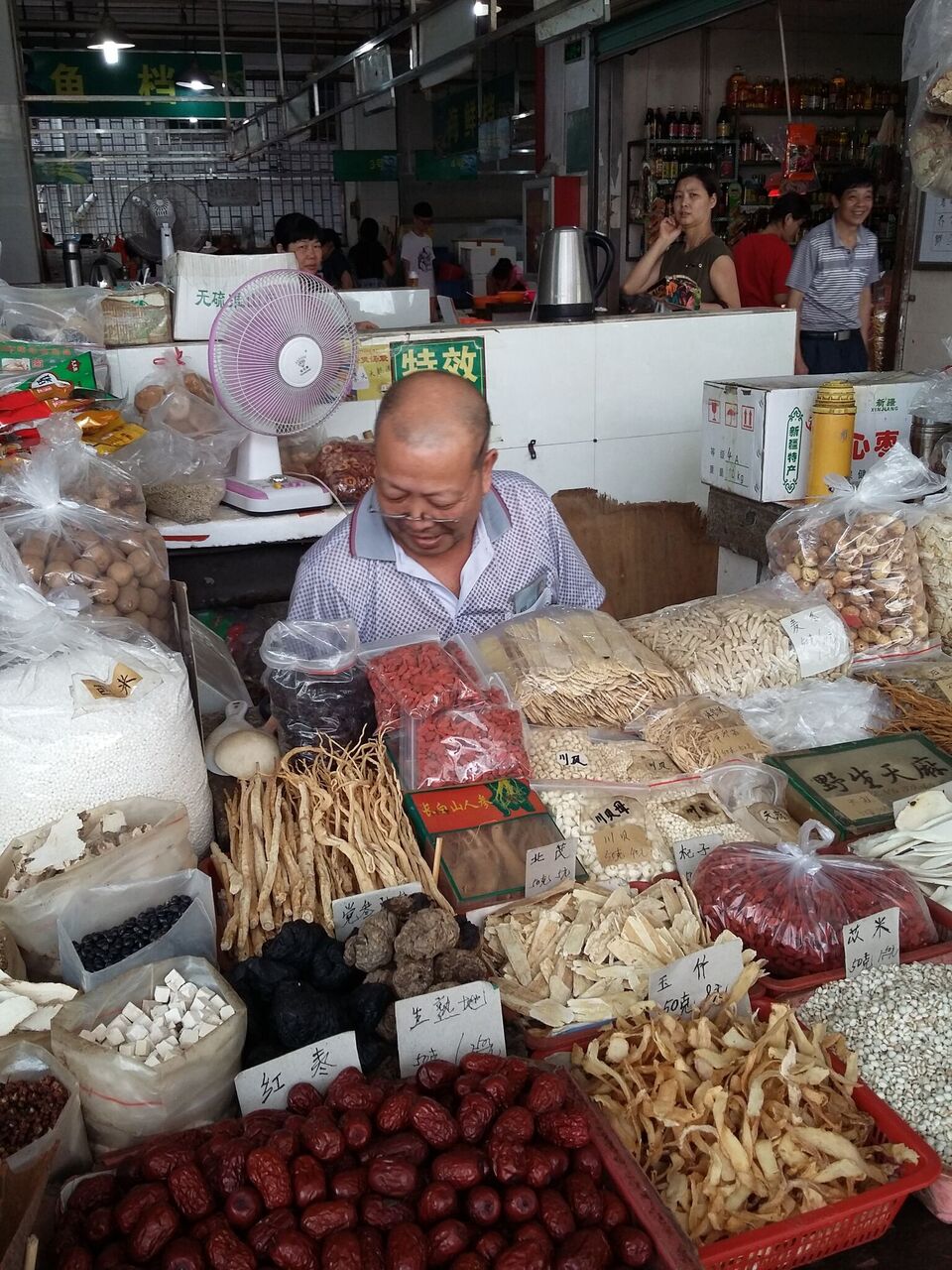
Anyone who doubts that last sentence should have joined us the other day when we made a short visit to a local fruit and vegetable market.  Beautifully displayed on low stalls was botanical produce that reflected both thousands of years of Chinese cultivation and crop breeding, including food plants not very familiar in the west……

IBC 45 Veg market.jpg

IBC 46 Veg market

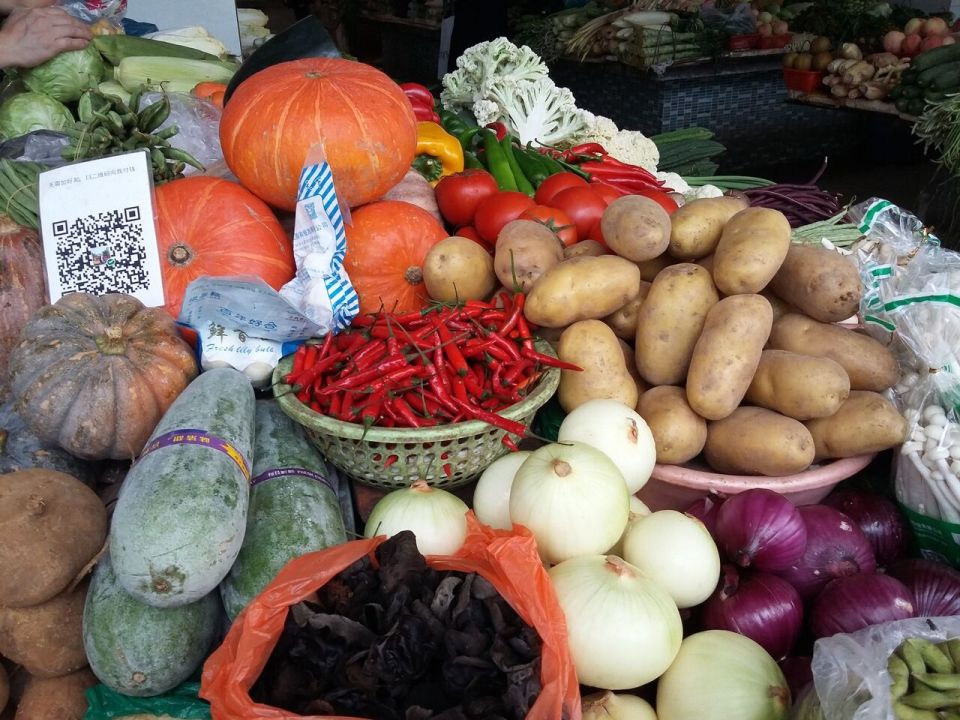
….together with the produce that’s only been a part of the Chinese diet for a few hundred years, or less, following its introduction from Europe and the Americas, including current staples such as chillies, squashes and potatoes:

IBC 43 Veg market

Global movements of food crops have enriched diets and supported the populations of entire countries: most of the fruit and vegetables that we eat in the UK, for instance, are not even native to Europe let alone the British Isles.

During this trip to the market I was able to add two new plant families to my life list of those I’ve eaten.  They were Saururaceae (the leaves and rhizomes of Houttuynia cordata) and Portulacaceae (Portulaca oleracea being a common leaf vegetable in some parts of the world, but not the UK).  That brings my current total of pant families I’ve eaten to more than 90.

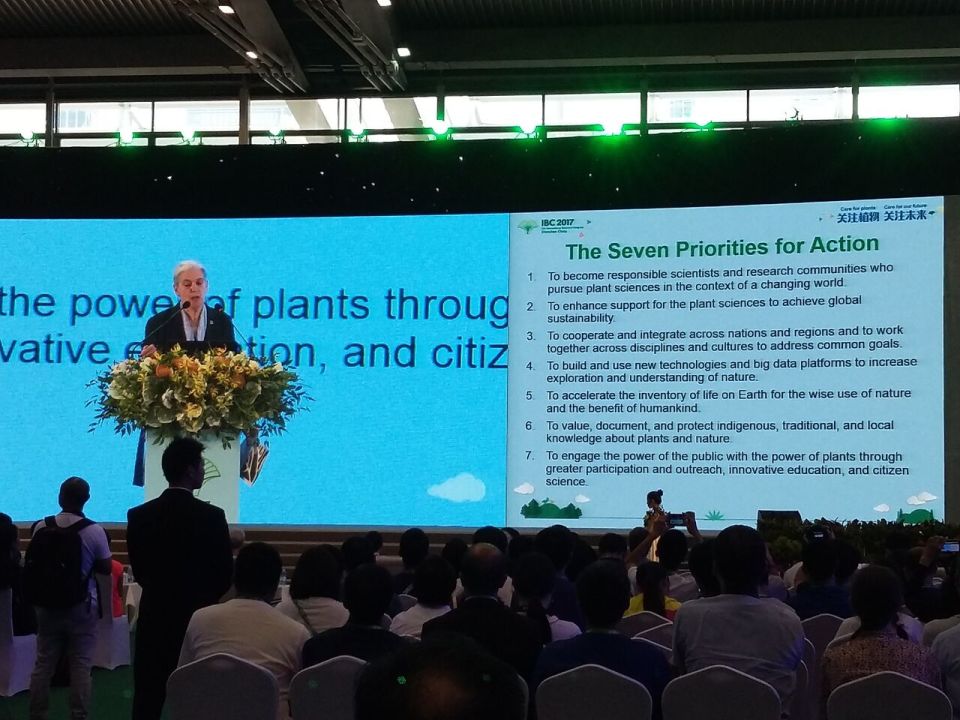
That theme of the importance of plants was codified by the launch at the IBC of the Shenzhen Declaration on Plant Sciences, on which the Natural History Museum’s Sandy Knapp has been an author; hopefully you can read the seven priorities in this image:

IBC 40 Shenzhen Declaration

The Shenzhen Declaration provides both a rallying call for plant scientists to convince their governments of the importance of their work, but also highlights how seriously China takes the whole concept of sustainable development.  It’s remarkable (but actually perfectly logical) that such a fast developing country should be the prime mover in the area of green sustainability.  Only time will tell if they are doing enough, at a pace that will make a difference.

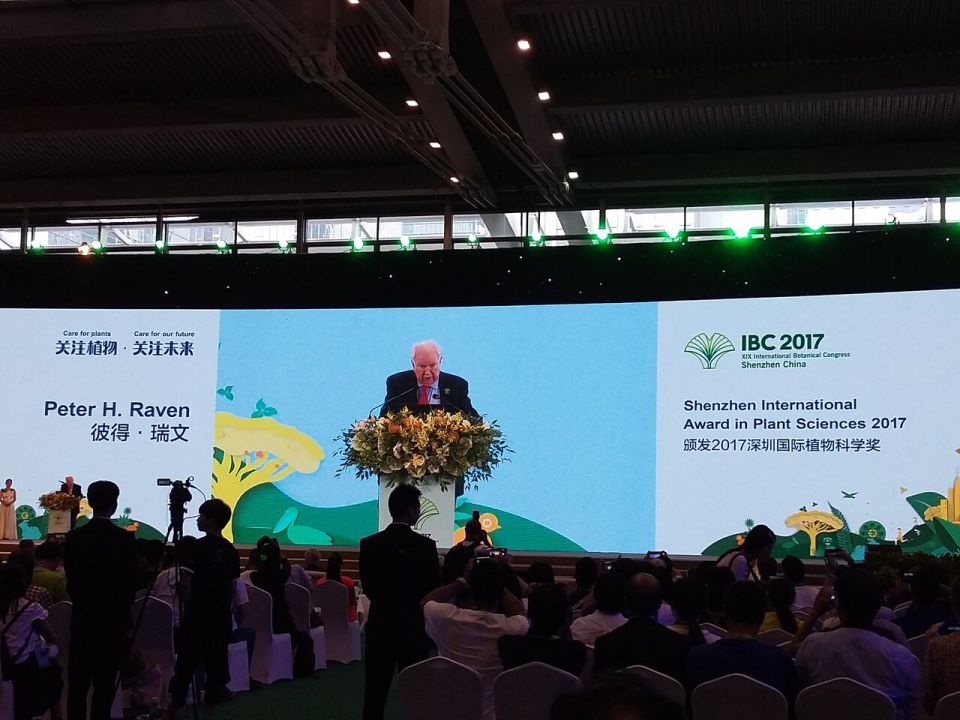
There were a couple of awards made at the closing ceremony, including the first ever Shenzhen Award to Prof. Peter Raven, 81 years old and still going strong.  Earlier in the week a colleague introduced me to this giant of botany and evolutionary biology, and I got to shake his hand, feeling a bit awe struck I have to admit!

IBC 40 Peter Raven.jpg

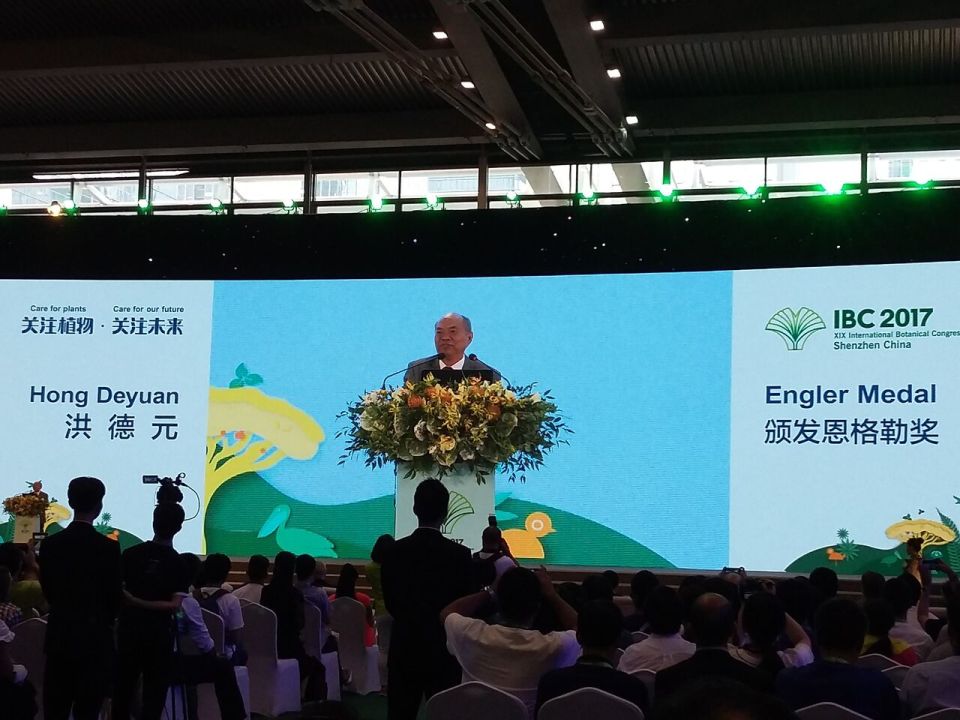
The Engler Medal went to Chinese botanist Prof. Hong Deyuan for his systematic work on paeonies and other Chinese plants:

IBC 40 Hong Engler.jpg

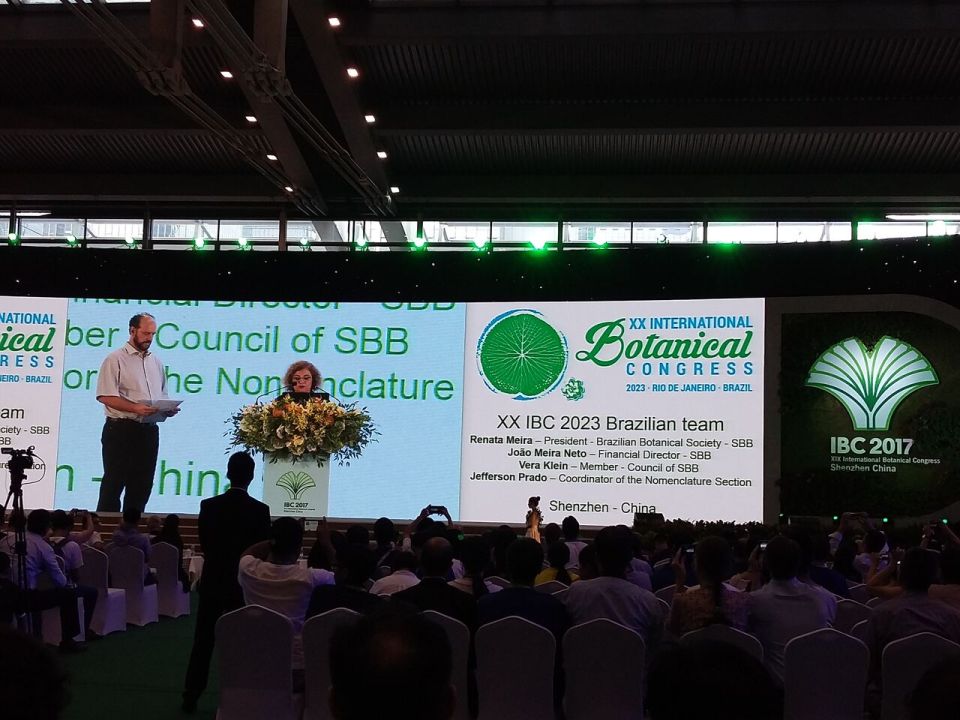
So, that’s it for another six years.  IBC 20 will be held in Rio in 2023; the Shenzhen Congress has set a high bar, but we’re sure that Brazil can match it!

IBC 39 Rio

Today I’m off to Fairy Lake Botanical Garden to do a bit of exploring with some colleagues, then I fly home tomorrow evening.  It’s been a wonderful trip but I’m looking forward to seeing my family, our cats, and how our garden has changed in the short time I’ve been away.  My sincerest thanks to all the friends and colleagues who have made this such a stimulating and extraordinary conference.  Especial thanks to our Chinese hosts who made us feel so welcome, and the IBC Awards Committee for providing me with an “Excellent Scholar” award to enable me to take part. Over and out from Shenzhen.

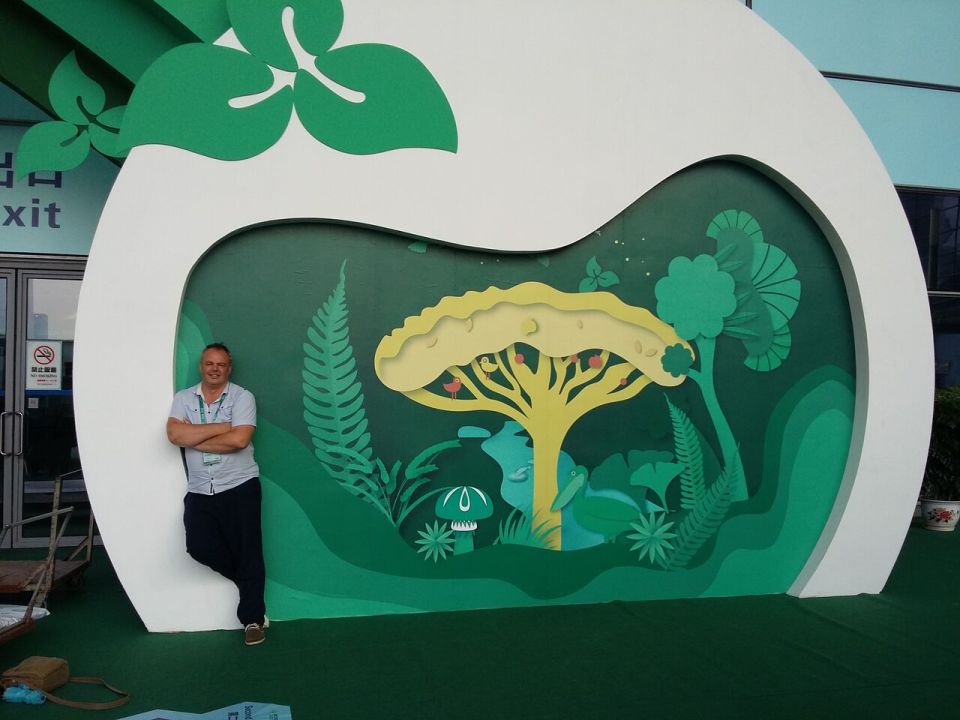
IBC 37 - Jeff

Wampee are not the only fruit: more from the International Botanical Congress

IBC 27.jpg

It’s been a busy couple of days so this is my first chance to post a brief update on what is happening at the International Botanical Congress in Shenzhen, China.  Not only have there been great talks to attend, but it’s been an all-too-rare chance to catch up with friends and colleagues, some of whom I’ve not seen for years.  Also I’ve been able to meet researchers whose work I know well but whom I’ve never met.  And I’m still trying to finish my talk for Saturday…..  So here’s a few glimpses of what’s been going on, in no particular order.

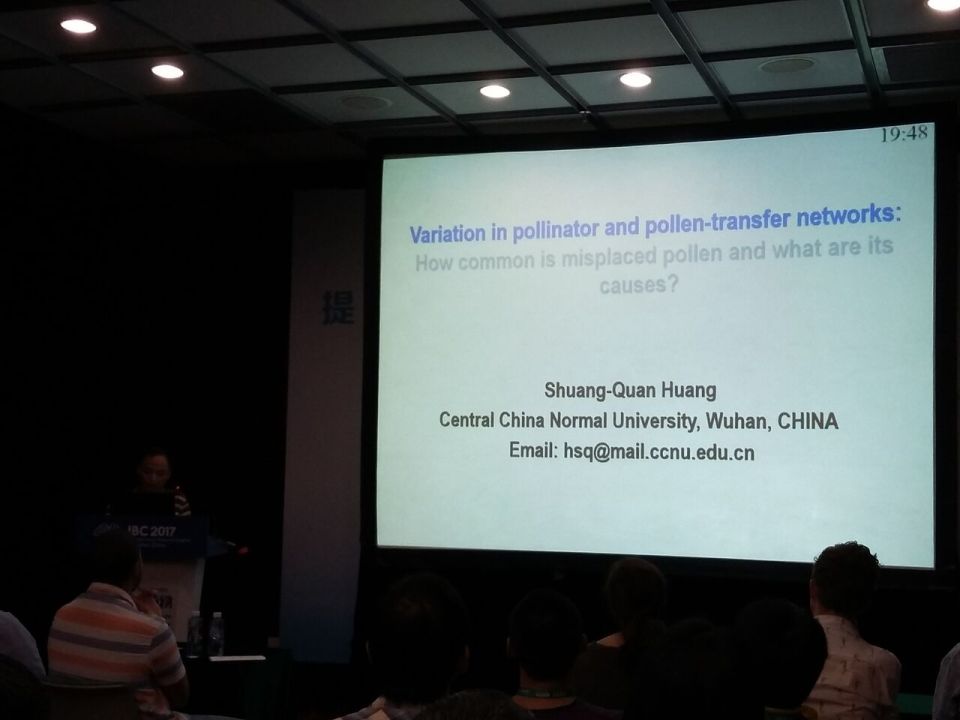
On Tuesday I attended two fascinating symposia, one on the patterns and outcomes of pollen transfer between species in plant communities.  The first talk was this one by the great Chinese pollination ecologists Shuang-Quan Huang.  I’ve corresponded with Shuang for years but the IBC has been my first chance to meet him.

IBC 30 - Shuang

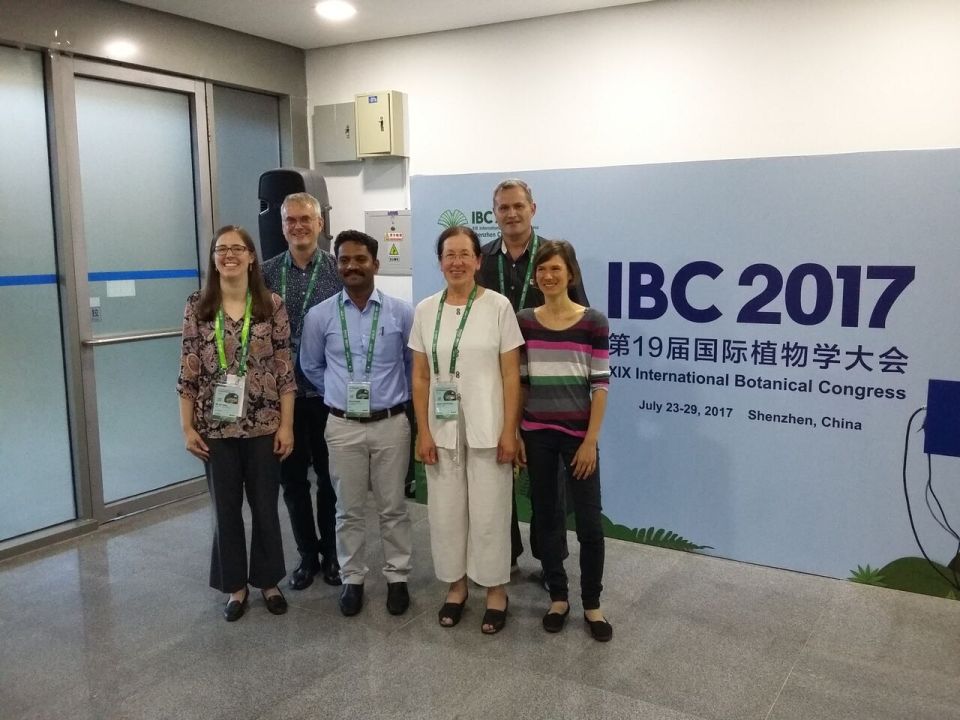
That was in the morning; in the afternoon I went to a session on my favourite plant family, the Apocynaceae, organised by my colleague and collaborator Sigrid Liede-Schumann.  This included some great talks on the evolutionary relationships within the family, and patterns of diversity in poorly studied parts of the world.  There were two talks on my favourite genus in my favourite family, Ceropegia. The first, by Sharad Kambale, was about the endemic species found in India, followed by a second on the pollination biology of the genus by Annemarie Heiduk.  Anne’s talk complements my own on Saturday, and in fact she, Sigrid and I are co-authors on a paper on the genus that, we heard on Monday, has just been accepted by the journal Flora.  Here’s a shot of the Apocynaceae participants; Anne is far right with Sigrid next to her.  It’s a sobering thought that Sigrid and I have been collaborating for over 20 years……:

IBC 28 - Apocs

Of the keynote lectures I’ve seen in the last couple of days, I was particualrly inspired by Loren Rieseberg’s over view of plant evolution in the Anthropocene.  This is surely the only talk this week, or at any IBC, that ended with a couple of episodes of a children’s animated series about nature!  Loren’s work with Scout and the Gumboot Kids was inspired by him becoming a father and recognising that the most important contribution he will ever make is the legacy he leaves as a teacher of the next generations, rather than as a researcher (though his research work is very significant!)

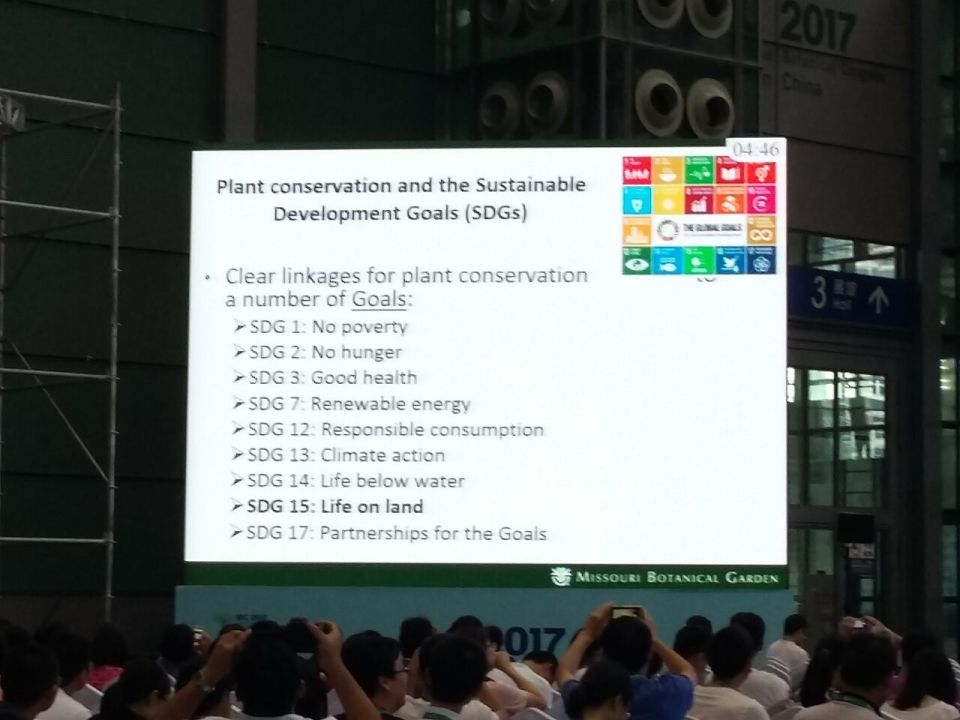
I also enjoyed Peter Wyse Jackson’s talk on “International developments and responsibilities for the botanical community in plant conservation”.  Peter very eloquently set out the case for how plant conservationists can lead the way in achieving many of the United Nations Sustainable Development Goals, but the key must be to include local communities within projects and not exclude them.  It reflected a theme that’s running right through the conference, that plant science has a vital role to play in making our civilization sustainable: plants are absolutely key to this:


IBC 32 - Development goals

After all, humans are just Super Monkeys in evolutionary terms….

IBC 31 - Supermonkey.jpg

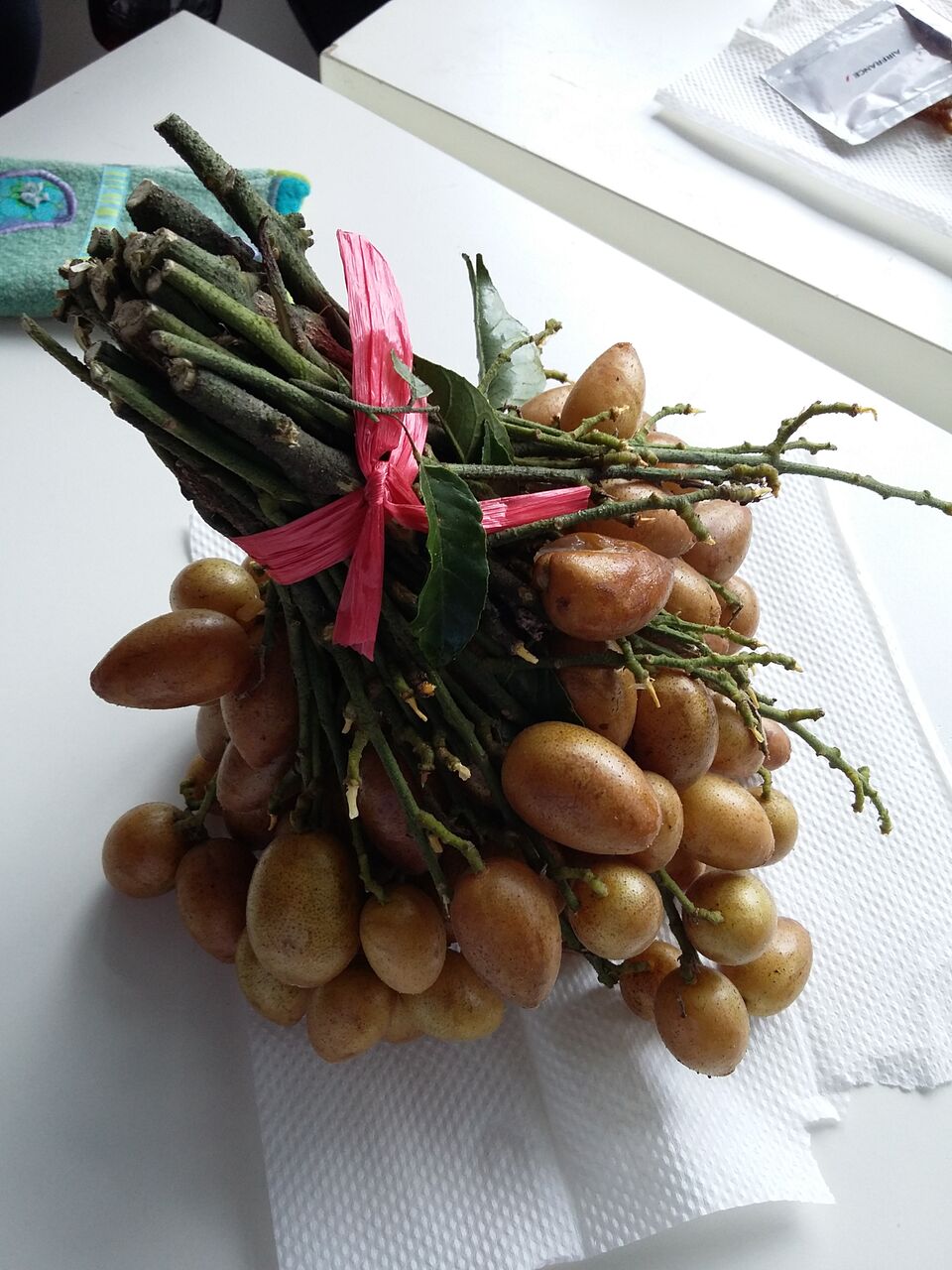
…and monkeys need plants, especially fruit such as these delicious wampee (Clausena lansium) a new one for me that I’d never tried before.  It’s in the same family as oranges and other citrus fruits (Rutaceae) but has a texture more like a grape and a sour, slightly phenolic taste:

IBC 34 - Fruit.jpg

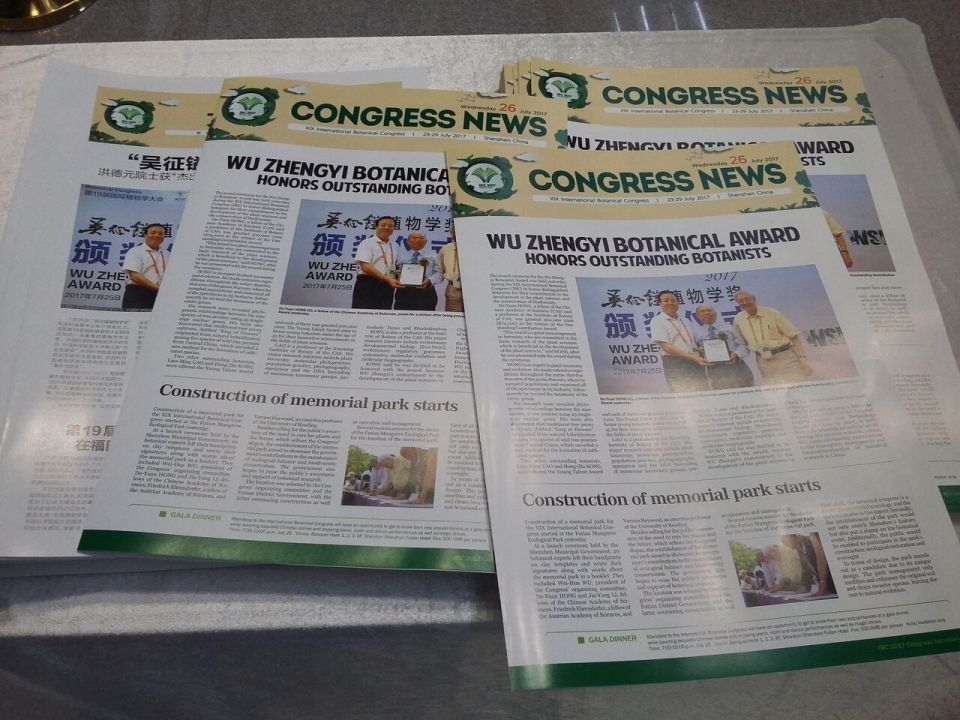
In these blog posts I’m trying to give just a few personal insights into what’s been going on, but there’s much that I’ve missed: on any given day there’s as many as 28 separate symposia going on at the same time!  No wonder then that the IBC has its own daily newspaper:

IBC 36 - Congress news.jpg

Now, I must get back to writing that talk….


Highlights from Monday at the International Botanical Congress

IBC 21

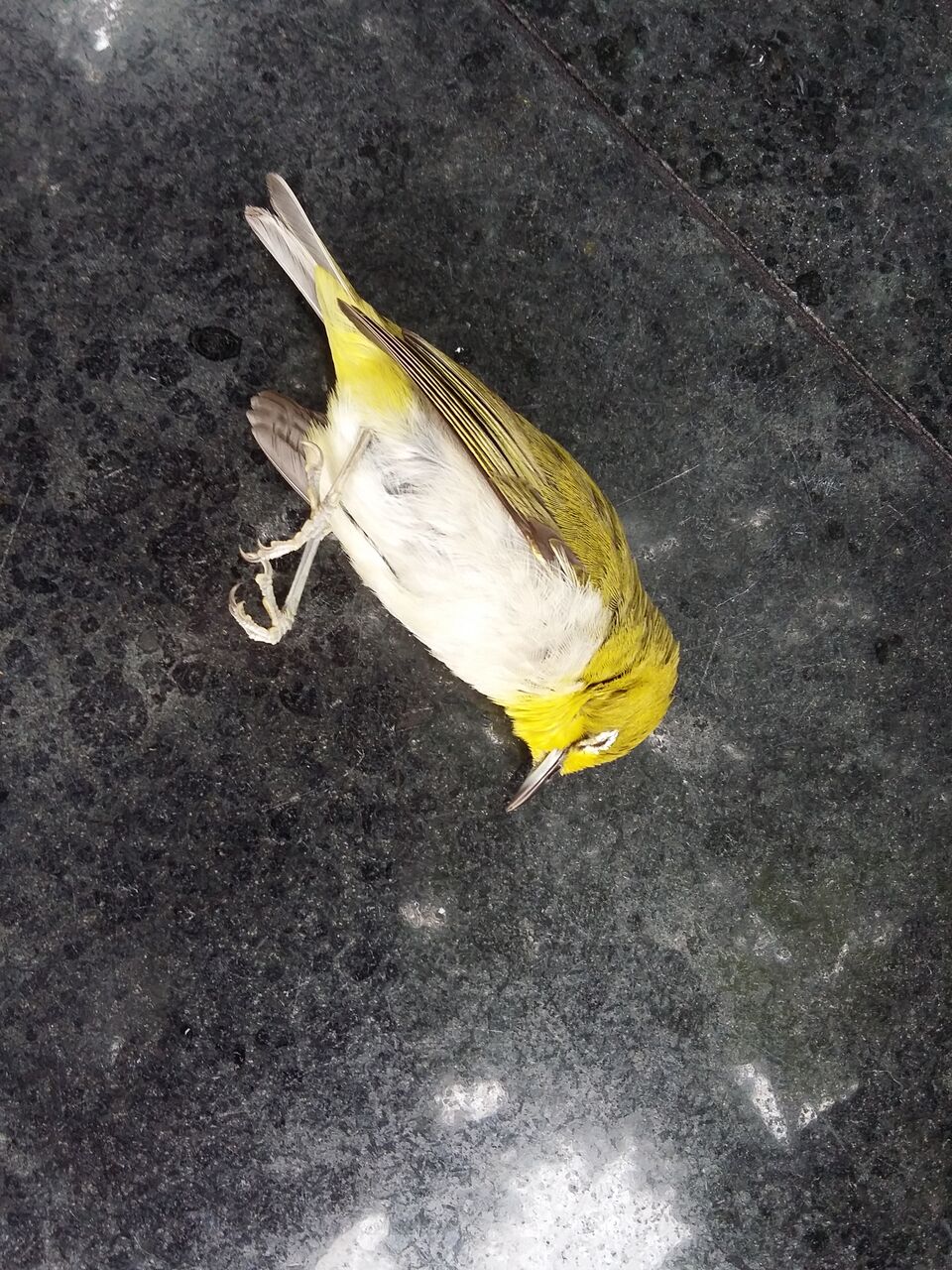
On the way in to the congress venue yesterday morning I spotted a small yellow bird lying dead on the street; turned out to be a Japanese White-eye, a first for me.  Can I count dead birds on my life list?

The scientific programme for the day got off to a great start with a keynote by Michael Donoghue on the value of model lineages for really exploring plant evolution in depth.  He focused on the work of his group on the genus Viburnum, and it has a masterclass in presenting a lot of complex work in an engaging and contextual way, telling a great story.

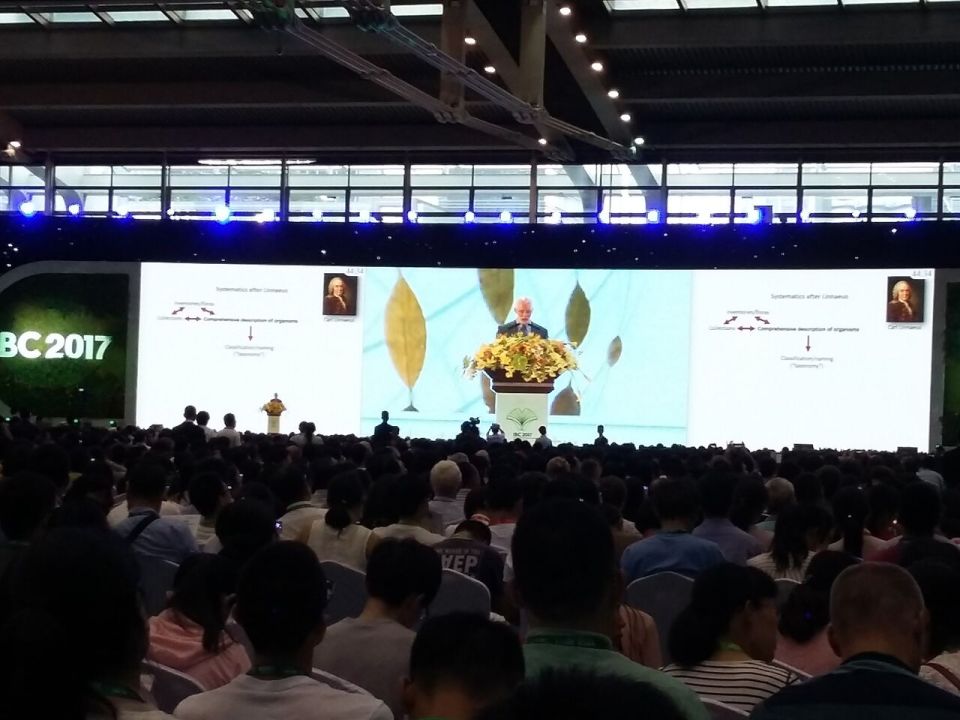
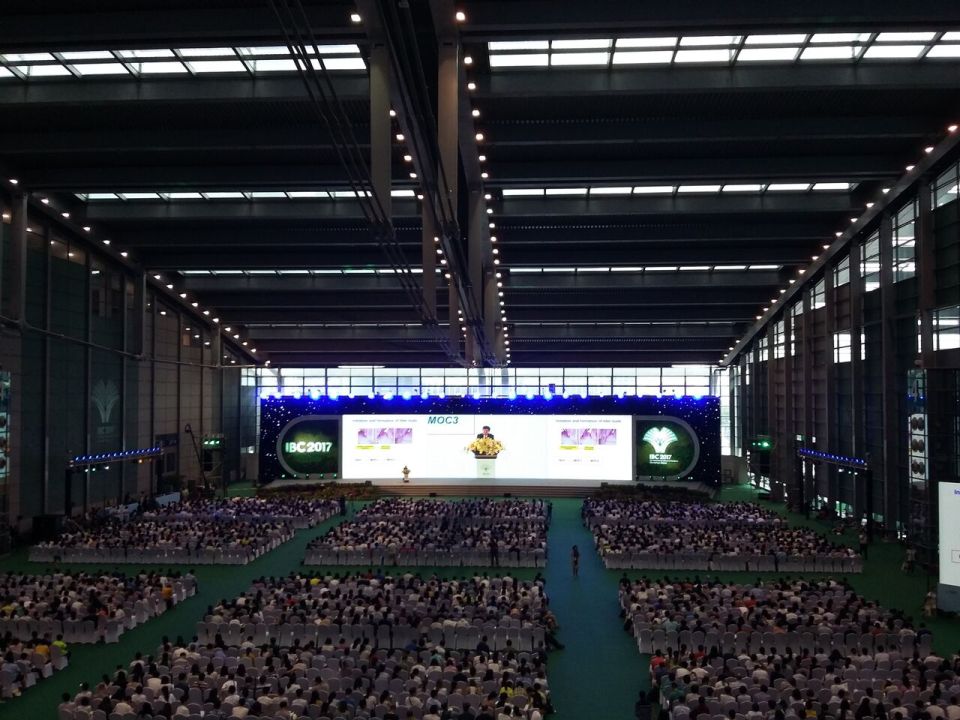
These photos tell you about the scale of these keynotes and the need for video feeds of the presentation.  It’s all working well though:

IBC 23

IBC 24

In the afternoon things got a little more intimate when the themed symposia started.  For now I’ve decided not to try to move between sessions to cherry pick talks I really want to hear and instead stick with the single sessions.  The first of these was on “Pollination by non-flying mammals” and a series of speakers outlined some of the diversity of these animals and how flowers are adapted to be pollinated by them.  As camera traps have become more widely used, especially at night using infra red lighting, the range of mammals known to pollinate flowers has increased and now includes species such as genets and elephant shrews.  The latter wins the prize for outrageous cuteness!  Check out some of the images of these pollinators at this BBC site.

That session ended at 3.30pm and there was just time to chat to a few people and grab a quick coffee before I was speaking at 4.00pm in the “Evolution of floral traits” session, in a vast hall that seemed mainly empty but actually probably had a couple of hundred people in it:

IBC 25

My talk was on “Spatio-temporal stability of an island endemic plant-pollinator interaction involving floral colour change”. It seemed to be well received though in retrospect I probably focused too much on the pollinator side of what’s happening in our Tenerife study system.  The talks that came after were a great mix of scales and approaches but by 6.00pm the jetlag had caught up with me and I couldn’t stop myself falling asleep towards the end of a fascinating talk by Adam Roddy (sorry Adam!)  That was bad enough: then I started snoring and was jerked awake when Kathleen Kay punched me (thank’s Kathleen!)  Oh the science shame….

Much chatting afterwards then whisked off to dinner by some Chinese and American colleagues, in the fanciest hotel I’ve ever seen: we were met out of the lift by a gaggle of singing waitresses…. A very pleasant evening.  Back to the hotel by 9.30pm, for a beer and some tv, but could hardly keep my eyes open.  Slept until 6.00am – huzzah – jetlag seems to be over!  Now to breakfast and the start of a new day.  Must finish writing my talk for Saturday though….

IBC 26