Tag Archives: Kew Gardens

We’ve just named a new species of fly from Yemen! And it came out of a flower from Kew

Back in the late 1990s and early 2000s, whenever I had a (rare) day free from teaching, marking, supervision, meetings, writing, and other university commitments, I would hop on the train from Northampton to London. My destination was the Spirit Collection of the Herbarium at the Royal Botanic Gardens, Kew, where bottled flowers are preserved in their three-dimensional complexity, rather than squashed flat onto herbarium sheets. To this day, the smell of formaldehyde in the “Kew Mix” takes me back to the chilly basement space of that collection.

The Kew Herbarium is a massive, internationally important resource for taxonomy, evolutionary biology and ecology, and one which ought to stay where it is, in my opinion.

The purpose of my visits was to exploit the large number of Ceropegia specimens that had been collected by botanists working in Africa, the Middle East, and Asia. These amazing flowers are so complex that they are best preserved in spirit, and that complexity in turn is a function of their sophisticated pollination systems. The flowers temporarily trap their pollinators, releasing them unharmed after a period, during which they will have picked up pollen and/or the flower will have been pollinated. If you have ever grown String-of-Hearts as a house plant, that’s the group we are talking about.

The botanists who collected these flowers were, of course, only interested in the plants. But as well as pickling the blooms they sometimes pickled the insect contents of the flowers, giving us a record of what the flowers were luring into their temporary traps. Not only that, but Ceropegia belongs to the milkweed subfamily of Apocynaceae, which means that their pollen is in the form of pollinia. These are coherent packages of pollen that mechanically, and persistently, clip to the insect. This gives us an opportunity to sort out the real pollinators (with pollinia attached) from other insects that may be inside the flowers for other reasons, such as looking for prey or sheltering from the dry heat of the day.

It had occurred to me that if someone was to check these flowers for insects, and extract any that were found, then we could build up an unprecedentedly complete picture of the diversity of pollinators in a large, mainly tropical plant genus of around 200 species. So that’s what I did, whenever time allowed. Having gained permission to do this, I was pleased to discover that the process was considerably speeded up by the fact that preserving the flowers in this way clears the tissues, making them colourless and translucent. By shining a bench light through the bottles I could see which flowers contained insects and carefully dissect them out.

Most flowers were empty, but occasional visits over a period of a few years resulted in a data set of flower visitors and pollinators for about 60 species and subspecies of Ceropegia. The first paper from that work was published in 2008 in Annals of Botany as ‘Fly pollination in Ceropegia (Apocynaceae: Asclepiadoideae): biogeographic and phylogenetic perspectives‘. Later work by colleagues and myself meant that in 2017 we could publish an update in the journal Flora (Diversity of Diptera families that pollinate Ceropegia (Apocynaceae) trap flowers: An update in light of new data and phylogenetic analyses).

The work also fed into our large study of pollination systems in Apocynaceae and I even published a small note about an ant specimen that I had extracted which still had the evidence of its last meal (a fly’s wing) protruding from its mouth.

The work at Kew had given us a short cut to understanding how pollination systems have evolved in this big plant species radiation. The equivalent field work required to collect the same data would have taken many person years and no funding agency would have given it the time of day. Not only that, but a portion of the data is from parts of the word that are war-torn, dangerous, and largely inaccessible to field scientists at the moment. Which brings us to the present paper.

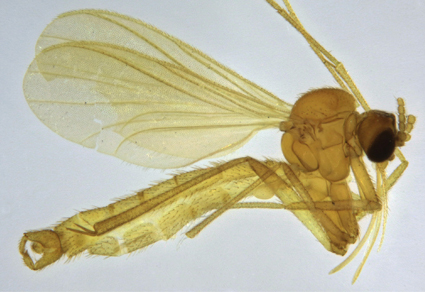
All of the pollinators, and most of the flower visitors, to Ceropegia that have been discovered to date are small flies (Diptera) often only a couple of millimetres in length. There are relatively few taxonomists who can identify such flies and most of the specimens I extracted were identified to genus or family by Andrew Whittington. One such specimen was determined to be a species of Lygistorrhina, known as ‘long-beaked fungus gnats‘. It was found in a flower of Ceropegia aristolochioides ssp. deflersiana, which is something of a generalist in this genus of specialists: it’s pollinated by at least four fly genera and 11 others have been collected from its flowers sans pollinia, including this one.

The flower was collected in 1975 by botanist John Wood, in Yemen – like I said, inaccessible – and the semi-arid climate in which it was found, whilst typical for Ceropegia, is unusual for Lygistorrhina. When National Museums Scotland entomologist Vladimir Blagoderov looked at the specimen he quickly realised that it was a new species and contacted Andrew and myself to discuss describing it. The paper documenting the new species, which we have named Lygistorrhina woodi in John’s honour, was published today. Here’s the reference with a link to the paper, which is open access:

Blagoderov, V., Ollerton, J. & Whittington A. (2023) A new species of Lygistorrhina (Lygistorrhina) Skuse, 1890 (Diptera: Keroplatidae, Lygistorrhininae) with a key to the subgenus. Zootaxa 5361: 151–158

Here’s the abstract:

A new species of Lygistorrhina (Lygistorrhina) Skuse, 1890, Lygistorrhina woodi sp. nov., is described. The specimen was dissected from an alcohol-preserved flower of Ceropegia aristolochioides ssp. deflersiana Bruyns (Apocynaceae, Asclepiadoideae, Ceropegieae) stored in the Kew herbarium. This is the first occurrence of the lygistorrhine gnats in a hot, semi-arid climate. A key to all known species of the subgenus Lygistorrhina (Lygistorrhina) is provided.
What’s green, waxy and smells of cheese? The flowers of Deherainia smaragdina!

img_2908

A tweet this morning from Chris Howell at Birmingham Botanical Garden reminded me that for some time I’ve been meaning to post up images of an enigmatic flower that has intrigued me for over a decade, ever since I encountered it in the Palm House at Kew.

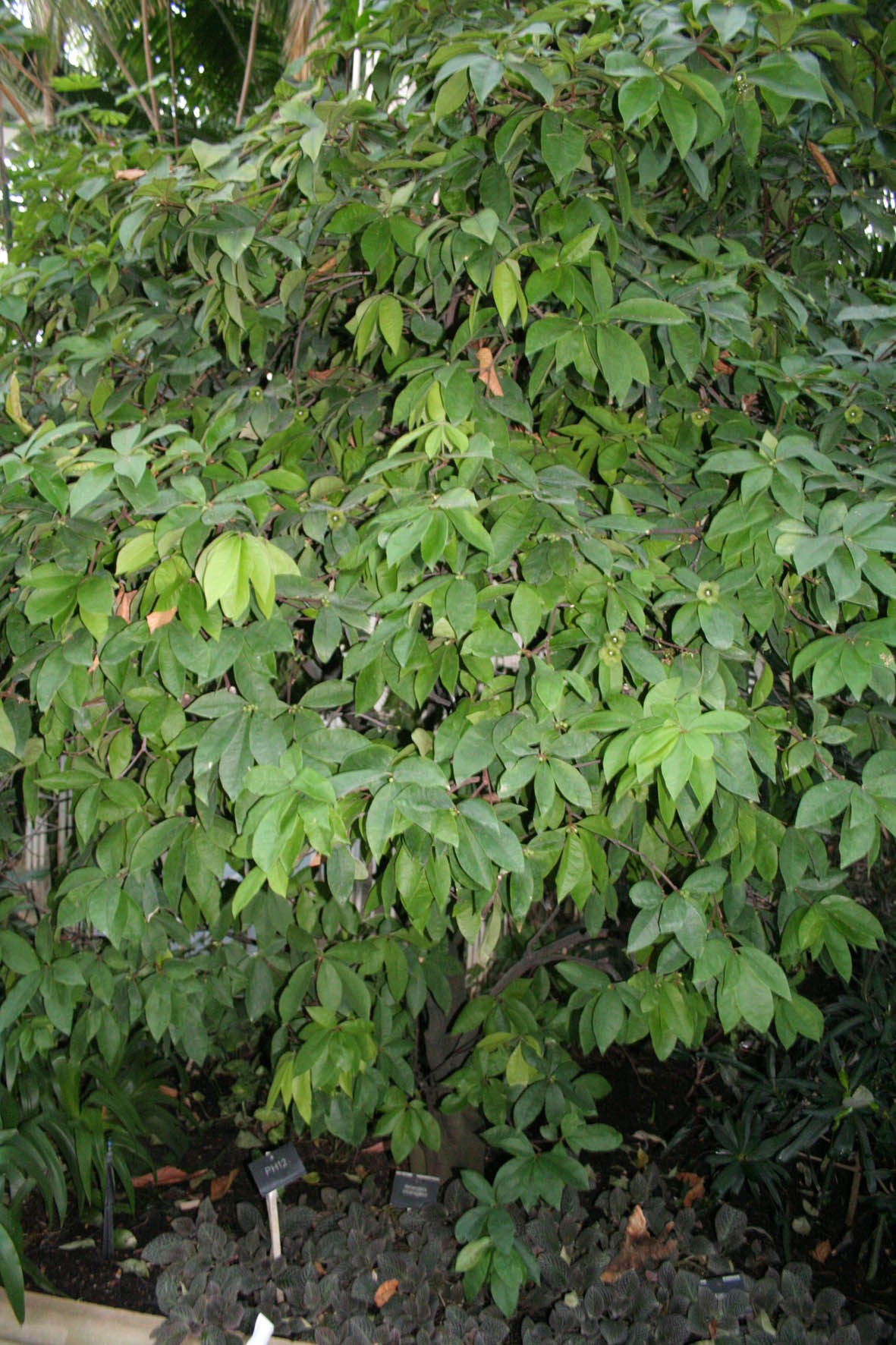
It was the smell that I first noticed: strong and pungent like a ripe blue cheese, or unwashed feet.  This drew me to a small, evergreen shrub with the wonderfully eliding name of Deherainia smaragdina, a Mexican member of the primula family (Primulaceae) though older sources put it in the Theophrastaceae, a family no longer recognised by most botanists.

cheese-tree-1

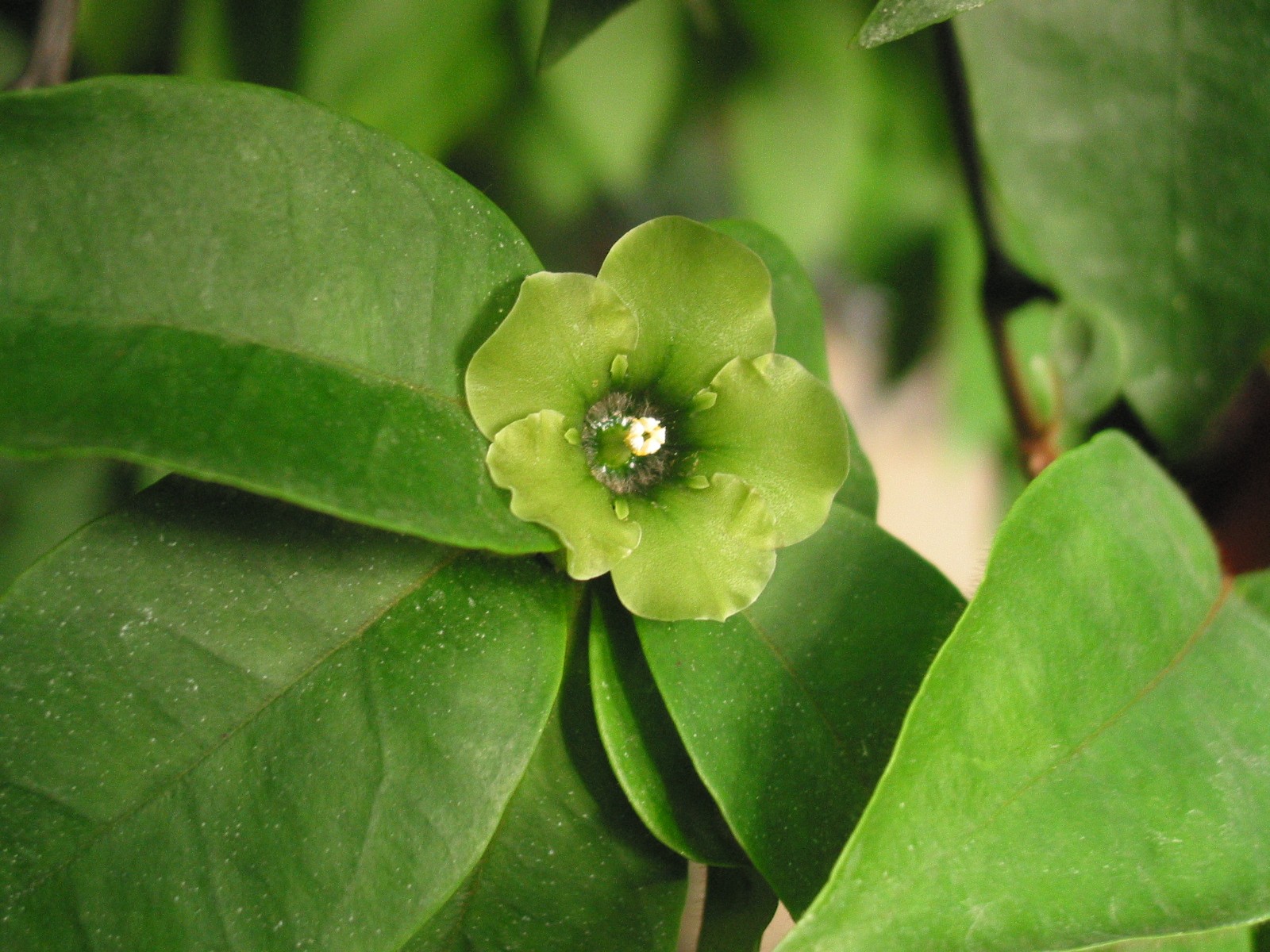
At first I couldn’t spot where the smell was coming from, then I saw the flowers: larger than I was expecting (a couple of centimetres across) given that they were not immediately obvious, and very waxy and stiff to the touch.  In fact (to the human eye) it was quite well camouflaged against the plant’s own leaves, not at all what one expects from a flower.  However camouflaged flowers that rely only on scent for attracting insects are not unknown in the plant kingdom, and probably under-recorded: see for example Adam Shuttleworth and Steve Johnson’s work on wasp-pollinated flowers of asclepiads (Apocynaceae) in South Africa, where the “cryptic colouring” is similar in reflectance to the background vegetation.  “Smaragdine” means emerald-like, so a very fitting species name.

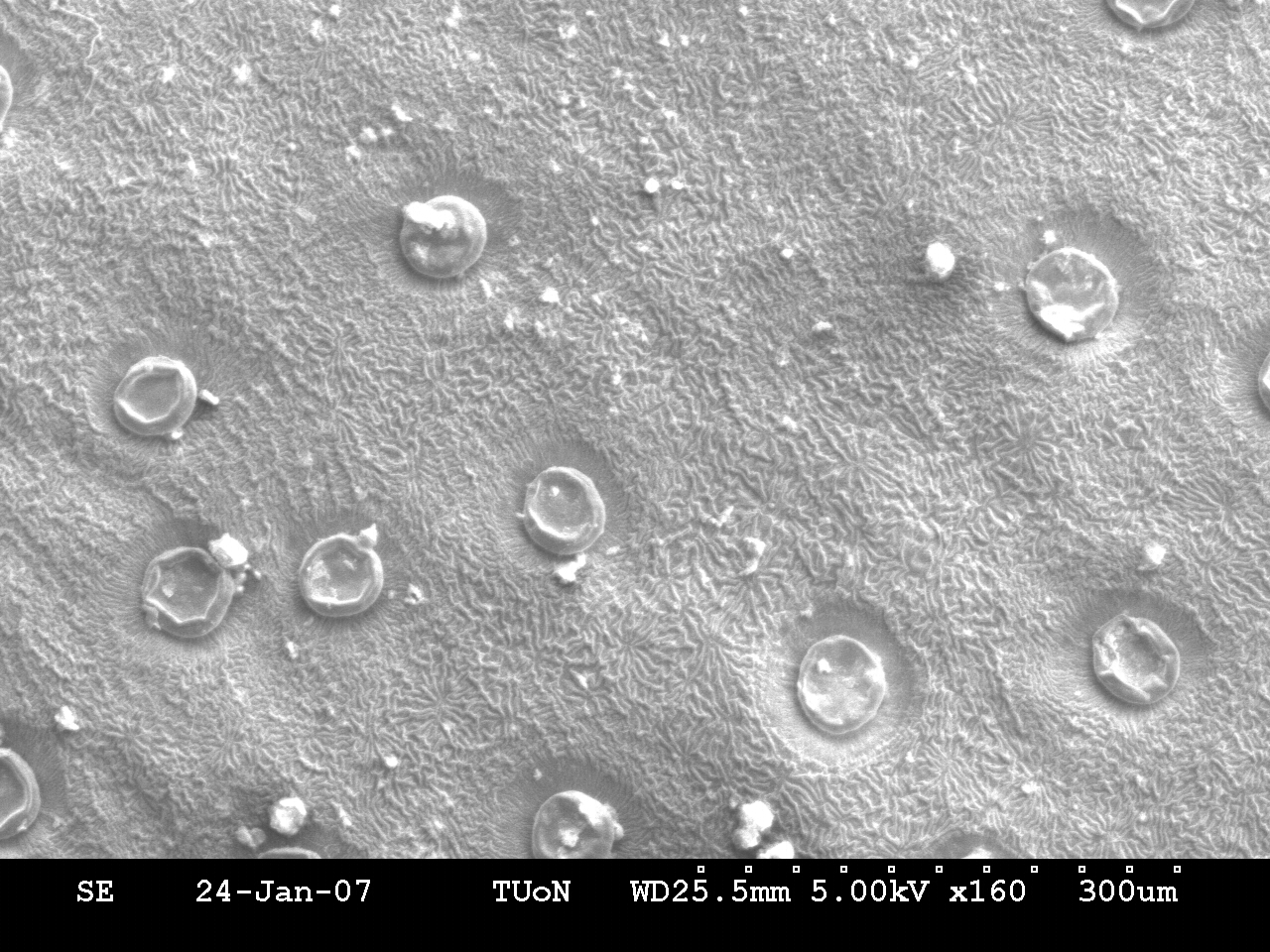
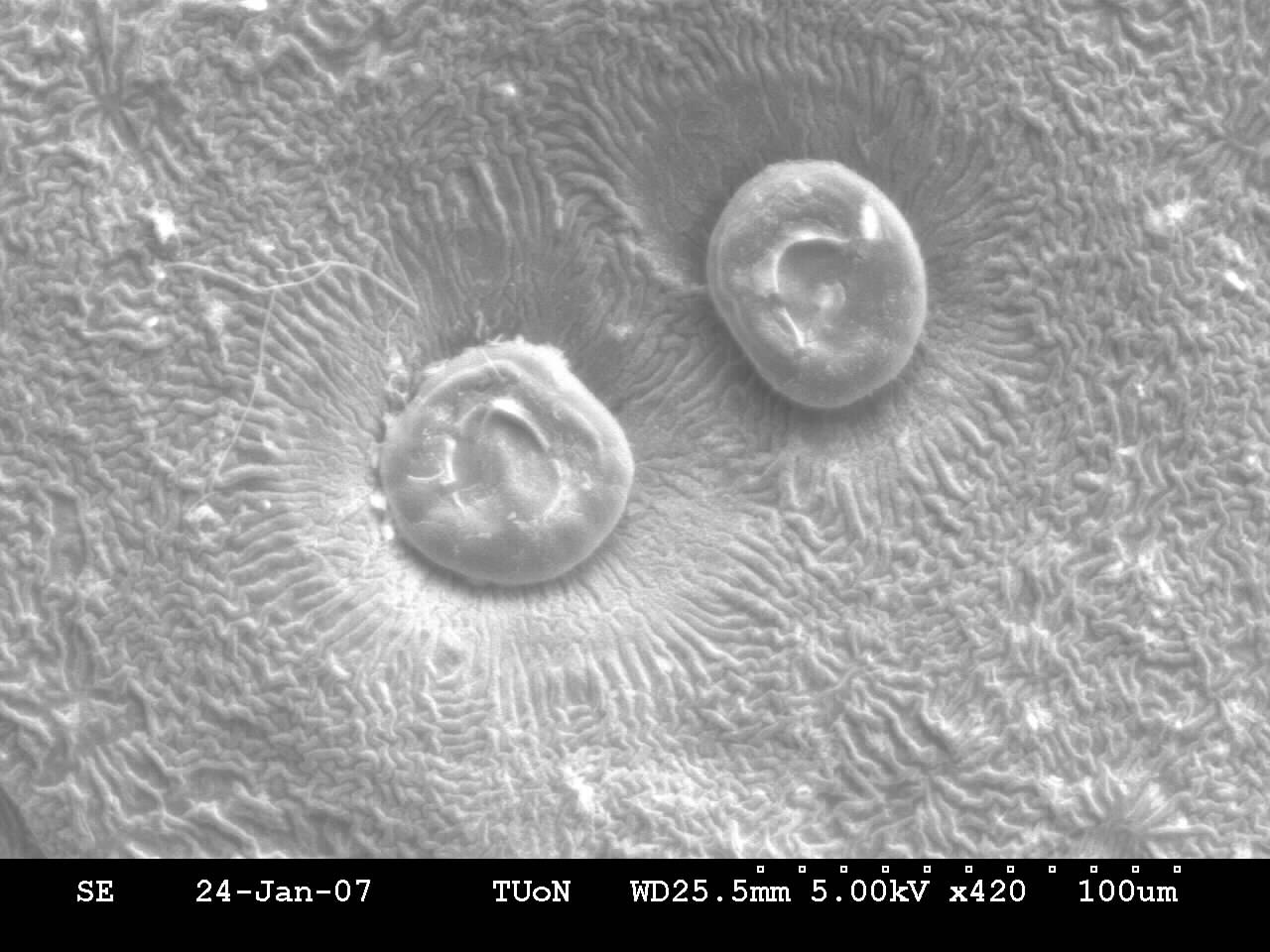
The scent tends to come and go, perhaps affected by temperature or light levels.  Under the scanning electron microscope the surface of the petals has some intriguing bulbous cells (which I’d hypothesise produce the scent) and the wavy, waxy covering of the cuticle is clearly visible:

deherainia-close1

deherainia-close2

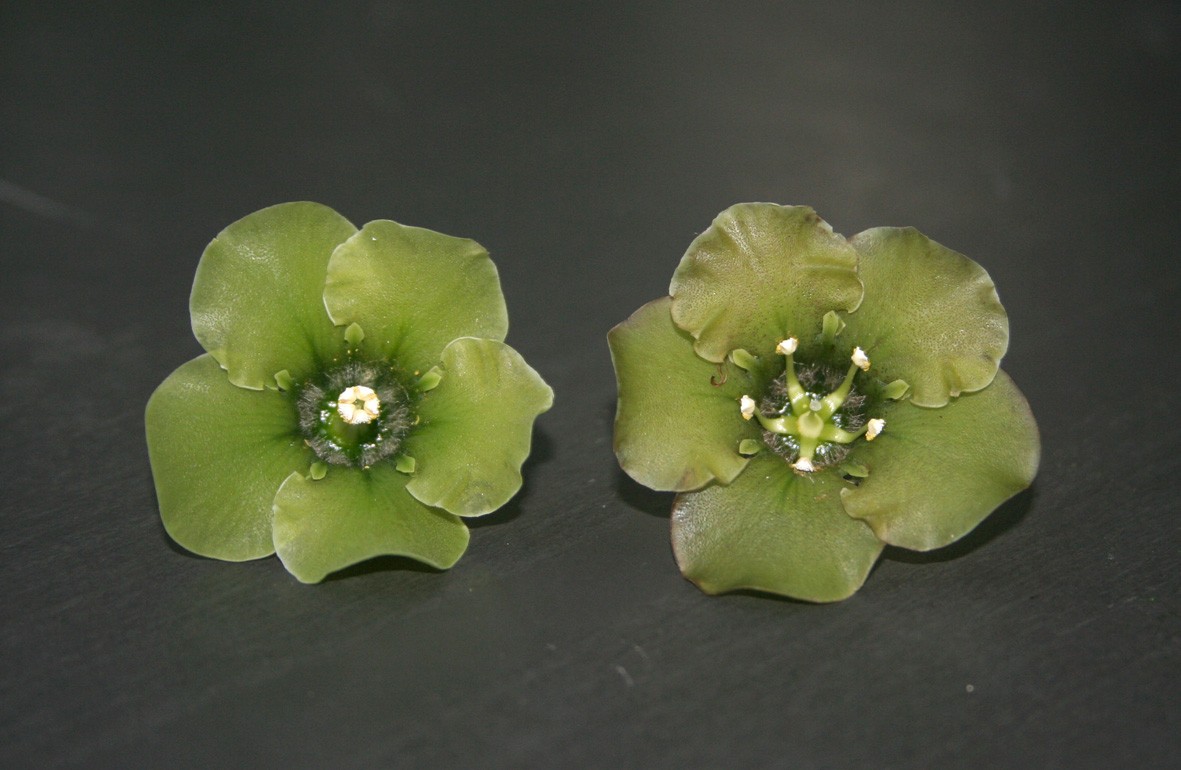
Another intriguing thing about Deherainia smaragdina is that the bisexual flowers are in a male phase when they first open, moving into female phase only after a day or two. Compare the two flowers below.  In the male phase (left) the pollen-bearing stamens are centered in the flower, hiding the female stigma (which is probably not receptive at this stage); over time the stamens move outwards to expose the stigma and the flower goes into female phase (the flower on the right):

cheese-tree-3

Why this plant should smell of cheese is a mystery, but it’s probably attracting a particular type of pollinator – though what they are no one knows !  It’s never been studied, as far as I’m aware.  We might predict from the scent that it’s flies, but I think that wasps are also a possibility.  If anyone is doing field work in the parts of Mexico where this plant grows, please look out for it and try to photograph flower visitors: I’d love to hear from you!

The road to degradation: is “naming all the species” achievable or even desirable?

structure4

In 2013 Mark Costello, Robert May and Nigel Stork published a review paper in the journal Science called “Can We Name Earth’s Species Before They Go Extinct?”  It’s a paper that I discuss with my students in their final year Biodiversity and Conservation module, and it always generates a lot of interest, and it’s has been well cited since it first appeared (143 citations* to date according to Web of Science).  There was an interesting response by Mora et al., with a riposte by Costello et al., but overall the original paper has been rather influential in framing some discussions about taxonomic effort and description of species, and the idea that we can “name everything” with additional resources.  At the end of the review Costello and colleagues answered their own question by stating: “We believe that with modestly increased effort in taxonomy and conservation, most species could be discovered and protected from extinction” [my emphasis].

Is their optimism justified?  Can “most species be discovered”?  And what are the implications for how we go about “discovering” these species that are unknown to science?

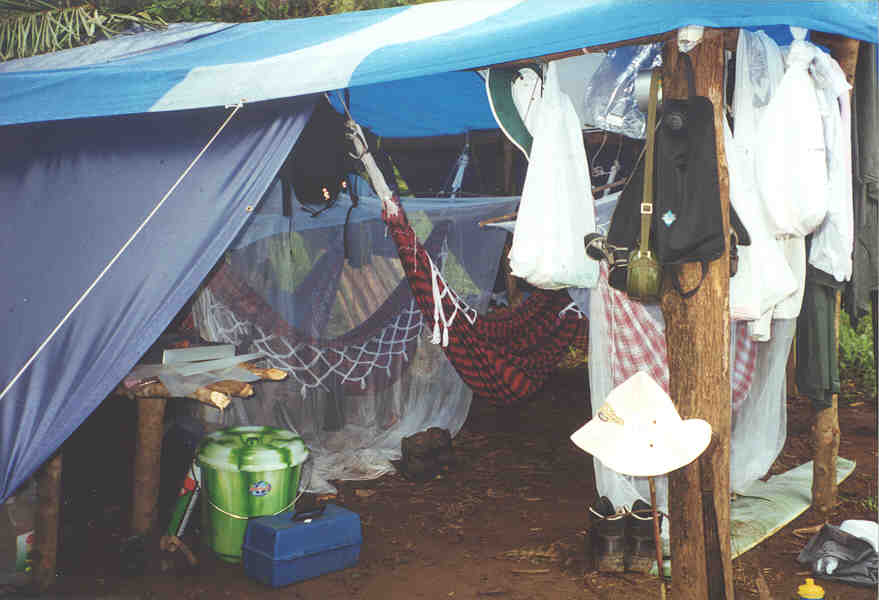
In my professional life I’ve been fortunate enough to carry out field work with some great colleagues in some wonderful parts of the world, including tropical rainforest and savannah in Guyana and Gabon, mountain scrub in the High Andes of Peru, seasonal dry forest in Australia, montane grasslands in South Africa, Namibian desert, and Brazilian cerrado and Atlantic rainforest.  All of these were sites where non-biologists would rarely venture: off the beaten track and (usually**) away from the typical tourist haunts.  It would be tempting to describe these places as “remote” but really they were not, because they all shared something in common: accessibility.  We were able to reach these sites by traveling along roads, of variable quality, usually in four-wheel drive vehicles.  The roads were often not in good condition, and frequently not metaled, but they were roads nonetheless.

It’s sometimes said that if one were to map the geographical coordinates of plant specimens stored in herbariums such as the one at Kew, you would end up with a road map of the world.  That’s because collecting biological specimens, or carrying out field work, requires us to be able to gain access to an area.  And accessibility usually means roads, unless one is working on the coast or along a river or lake, or have lots and lots of funding to allow teams to be helicoptered into an area (which is rare, but makes for exciting television).  Therefore most collecting of biological specimens is done in areas not far from roads.

So, any initiative that intends to “name all the species” in a particular group is going to require access to the remotest parts of the planet, areas that currently have no roads running through them.

There are still areas of the world that we can consider “remote” and “wilderness”, areas that are more than 100km from the nearest road – as a study published at the end of 2016 demonstrated.  But these are often found in the most biologically rich parts of the planet, for example tropical rainforest and mountainous areas, where we wouldn’t necessarily want to put roads to make them accessible to taxonomists (or even ecologists).  That’s because where roads go, people go, and accessibility to an area is usually followed by exploitation and degradation: illegal hunting, logging, mining, poaching of specimens for sale, etc. etc.

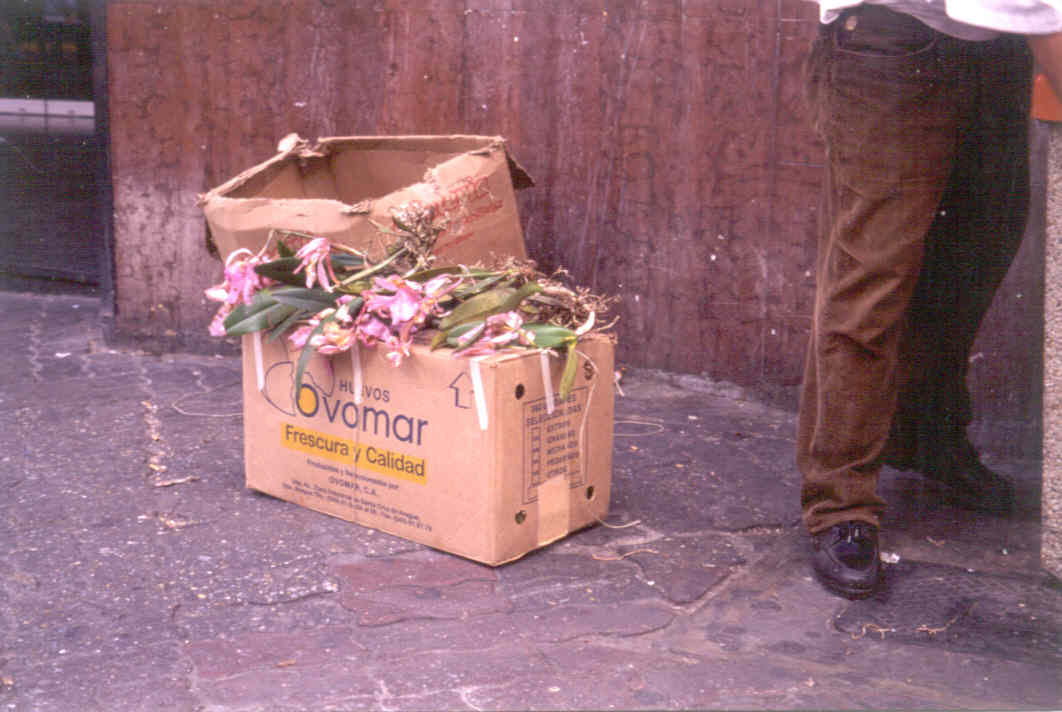
orchidmarket

Now, don’t get me wrong, taxonomy is absolutely vital to the conservation of the earth’s biodiversity.  It also underpins much ecological, bio-molecular and agricultural research and technology.  But the trade off for taxonomists is that they must gather their specimens and data from accessible areas, and that often means roads, and roads mean degradation.

The impetus for this post came from Twitter where a taxonomist highlighted the very good work done by the Virtual Institute of Spider Taxonomy Research (VINT) and described it as an “initiative to discover all spider species of the world in 30 years”.  Interestingly I can’t find that aspiration on the VINT website, but if it exists I’m not sure it’s achievable for spiders or any other diverse group of species, without being able to access parts of the world that are best left un-degraded.  Again, this is particularly true of the tropics where species can have very limited distributions.  A number of years ago an Australian botanist told me about how he was only able to collect some epiphytic Hoya specimens in Papua New Guinea by going into areas of rainforest that had been illegally logged, removing the plants from crowns of the felled trees, with no little risk to his own safety if the loggers had spotted him.  Some of those species might have remained undescribed if the area had not been opened up by a road prior to deforestation.  That would have been a loss for Hoya taxonomy, but surely positive for conservation.

Can “most species be discovered”?  Is this even a desirable thing?  I used to think so, because of the oft-stated view that we can’t conserve what we don’t know.  Now I’m not so sure, for reasons I hope I’ve articulated.  But as always I’d welcome your comments and criticisms.


*Including one in the conference: Annual Forum on Grumpy Scientists: the Ecological Conscience of a Nation:Royal Zoological Society, Sydney, Australia.  I’d have liked to have been a fly on the wall at that meeting!

**Usually, but not always: I have a few papers where some or all data collection was done in and around back-packers hostels, hotels, and tourist lodges.  Hey, you take your opportunities where you find them in this game!