Tag Archives: Gardens

Pollinators, yeast, and the BES at RHS Chelsea – official press release

P1030210

The official press release for this week’s British Ecological Society display at the RHS Chelsea Flower Show, which I talked about last week, was embargoed until this morning; here’s the full text that’s been tailored by the University of Northampton press office:


Scent, colour and form all shape the choices we make about what to plant in our gardens. Gardeners know that flowers produce nectar and scent to attract the birds, bats, insects and other animals they rely on as pollinators, but few realise that organisms too small to see with the naked eye also play a vital role in this process.

Ecologists have discovered that a yeast called Metschnikowia plays a key part in the pollination story and next week, for the first time, visitors to the RHS Chelsea Flower Show will be able to get a sniff of it and see how it looks under the scanning electron microscope.

The yeast forms part of the British Ecological Society‘s Animal Attraction: The garden and beyond display, which focuses on the relationships between plants and their pollinators – relationships that are amazing in their diversity as well as crucial to global food security. The University of Northampton’s Professor of Biodiversity, Jeff Ollerton, has been advising the British Ecological Society on the project.

Metschnikowia is ubiquitous, present in most flowers in most gardens, yet ecologists are only just beginning to uncover its mysterious role in pollination. The yeast is studied in only four laboratories in the world and Dr Manpreet Dhami from Stanford University has donated the yeast for the British Ecological Society’s garden.

Like other yeasts, Metschnikowia may produce volatile chemicals that mimic the scent flowers use to attract pollinators, thus helping the flower to attract more pollinators and therefore set more seed. In return, the yeast becomes attached to birds, insects and other pollinators, which it relies on for dispersal.

Professor Ollerton explained: “It was a pleasure to work with the British Ecological Society on this project as it highlights two important points about the natural world: that pollinators other than bees are just as important to both wild plants and crops, and that the diversity and abundance of many of these groups is declining worldwide.” Professor Ollerton’s recent study, published in Science, found that 23 species of British bees and flower-visiting wasps have gone extinct since the 19th century.

According to Jessica Bays of the British Ecological Society: “To tackle this decline, we need to understand its causes, including climate change, habitat loss and pesticide use, and we also need to understand the role played by yeasts such as Metschnikowia, which is why we decided to bring it to Chelsea this year.”

Tickets are still available for the RHS Chelsea Flower Show 2016 – for more information click here.

A new bee for Northamptonshire!

Anthophora bimaculata 2 cropped P1120172 copy

Back in the summer I produced a series of posts for Pollinator Awareness Week highlighting the pollinators to be found in our own urban garden in Northampton.  One of those posts was of what I believed to be the Little flower bee (Anthophora bimaculata), a species which at the time I’d never previously seen.  I noted that this was a new urban record for Northampton as my PhD student Muzafar Sirohi had not recorded it during his bee surveys, which I discussed earlier this year.

Some time later I checked the bee records on the National Biodiversity Network (NBN) Gateway site and realised that not only was this the first urban record of the species in Northampton, it was actually the first record for the county of Northamptonshire as a whole!  The record has recently been accepted on iRecord and will be added to the NBN records.

Of course this is personally exciting (a new record for a large county found in our back garden) and it adds a significant regional record to the currently known distribution of the species.  The map on the BWARS account of Anthophora bimaculata shows that the species is predominantly southern in its distribution, with a few eastern and western outliers.  This new record places the species firmly in the centre of England, confirming that it is more widespread than previously assumed.

There are two possible explanations for the discovery of this bee in Northamptonshire.  One is that it’s a very recent range expansion and the species is becoming more common and widespread, perhaps as a result of climate change.  The second is that it’s always been present in Northamptonshire, but just never recorded.  At the moment it’s impossible to decide between these two possibilities as there’s evidence to support both.  Not only did Muzafar not record A. bimaculata in his surveys in 2012, neither did Dr Hilary ErenlerDr Sam Tarrant or Kathryn Harrold in their pollinator surveys in the region between 2007 and 2015. Having said that, we do know that Northamptonshire is a historically under-recorded county for bees as it has no County Recorder for Hymenoptera, and both Hilary and Muzafar recorded species new to Northamptonshire, which I hope to report on at a later stage.

Differentiating between these two scenarios will be difficult and may be impossible unless we can discover previously unknown historical specimens of this bee that were collected in the county, or the species continues to expand in its range.

Understanding the distribution of pollinators such as bees is a key component of initiatives such as the National Pollinator Strategy – if we don’t know where the things we are trying to conserve actually are, how can we conserve them?  So it’s very pleasing to be able to make a small contribution to that process from the comfort of our own garden!

Anthophora bimaculata 1 P1120172

Carol Klein’s Plant Odysseys starts 29th July (and I put in an appearance in episode 1)

Carol Klein_Plant_Odysseys_TX_card

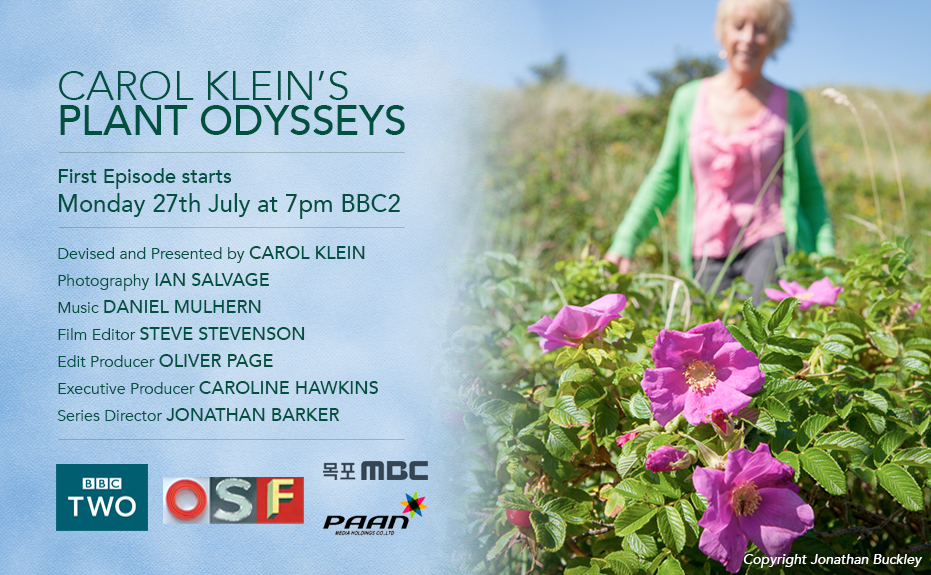
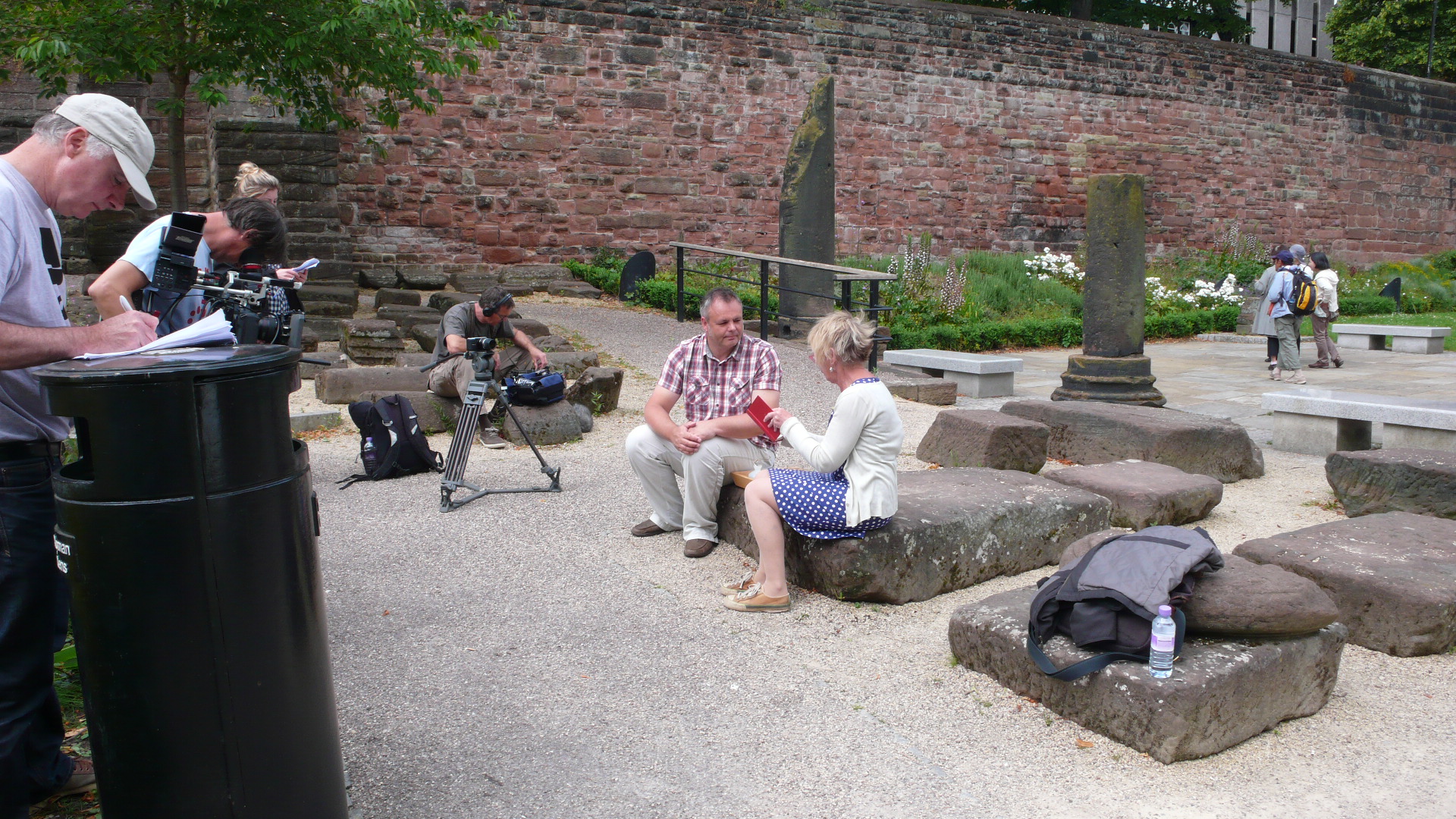
Back in June last year I talked about taking part in a day of filming with Carol Klein for her new four-part series, made with Oxford Scientific Films, called Plant Odysseys.  It’s an exploration of horticultural biodiversity, each episode focused on a particular group of plants.

The first episode, devoted to roses, is broadcast this Monday 29th July at 7pm on BBC2, and I’m looking forward to seeing what the production team did with our footage from Chester.  The name may be misspelled in the publicity material but it’ll still be me….

P1110827

Garden pollinators for PAW no. 7 – Tree bumblebee (Bombus hypnorum)

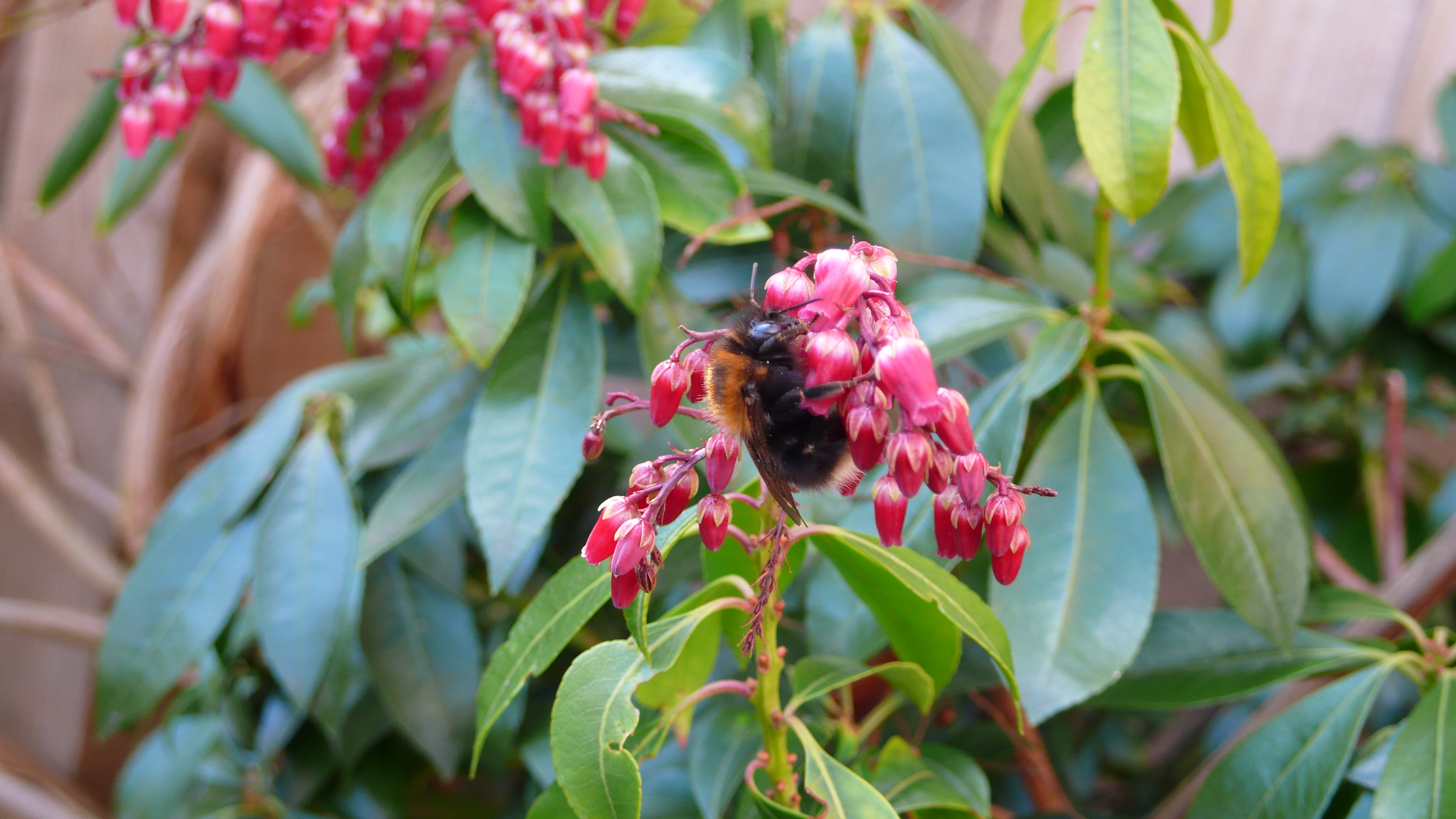
Bombus hypnorum

For my final post for Pollinator Awareness Week I’ve chosen another bumblebee, one with a fascinating history and ecology. The Tree bumblebee (Bombus hypnorum) is a relatively new arrival on our shores.  It was first discovered near Southampton by Dave Goulson in 2001; since then has spread out through the country, as far north (currently) as central Scotland, and has recently been recorded from Ireland.  It arrived in Northamptonshire in 2006. The Bees, Wasps and Ants Recording Society (BWARS) has been tracking its spread through a recording scheme: it’s very distinctive being the only one of our 25 bumblebees to have a ginger thorax, black abdomen and white tail.

All the evidence suggests that this was a natural range expansion for the species rather than a deliberate or accidental introduction by people.  It’s what species do, they move around and change their distribution over timescales of decades to hundreds of years (there are lots of bird examples of this, including the Collared dove in the UK).  There’s no suggestion that this was due to climate change, however: Bombus hypnorum has long been present in colder parts of Europe and Scandinavia.

That said, there is probably a human influence to its spread as the species is closely associated with houses and gardens, often nesting in bird boxes or roof spaces (we had one in our roof for three years running).  The natural nesting habit for this bee is tree holes (hence the common name) which is why they are usually found in cavities above the ground.  However, like the Buff-tailed bumblebee, they can also be found in compost heaps, as a recent posting on the Bees Knees Facebook group showed (if you’re not a member of that group I can recommend it as it’s full of friendly, practical gardening advice for those interested in how their garden can be beautiful, productive and wildlife-friendly).

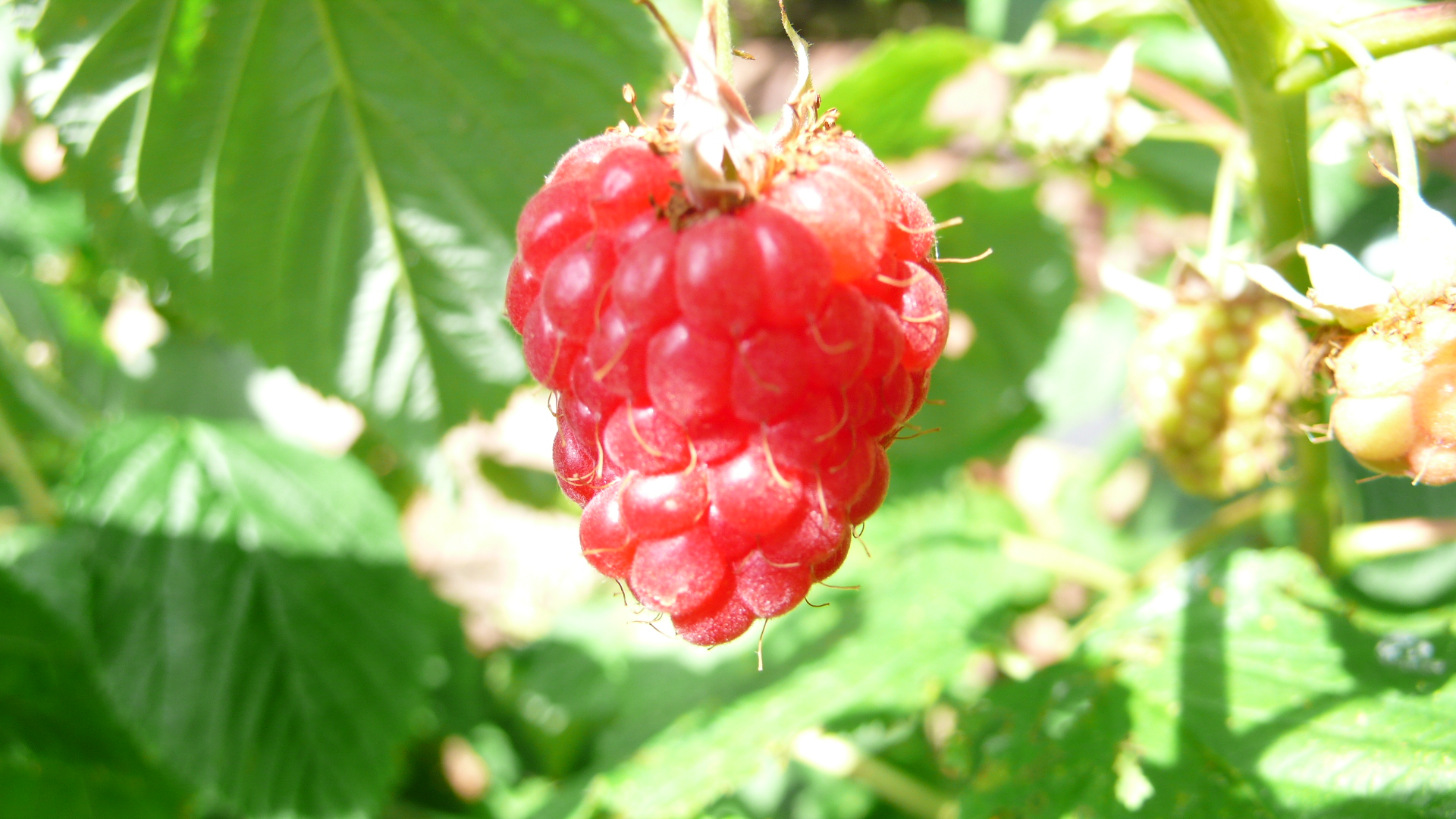
Although the Tree bumblebee will take nectar and pollen from an assortment of garden plants it seems to be particularly associated with members of the rose family (Rosaceae) and is a frequent pollinator of rosaceous soft fruit such as raspberries and blackberries.  I tried and failed yesterday to photograph the bee on our raspberries, so here’s a photograph of the outcome of that pollination.

P1120302

The Tree bumblebee is rapidly becoming one of the commonest garden bumblebees.  Is this likely to cause problems for our other bumblebees, by out-competing them for nectar and pollen, or even nesting sites?  It’s too early to tell but I’d be surprised if it does.

Bombus hypnorum March 2010

Phew!  That’s it!  It’s been a bit of marathon preparing these posts on top of writing a large grant application and a thousand other jobs, but it’s been a lot of fun.  Thanks to everyone who has viewed my posts For Pollinator Awareness Week and commented on them, either on the site or on Facebook.  Hopefully they have raised a broader awareness of our amazing native pollinators.

Garden pollinators for PAW no. 5 – Orange-tailed mining bee (Andrena haemorrhoa)

Bee on apple blossom 2 - 1st May 2015

The Orange-tailed mining bee (Andrena haemorrhoa) is also referred to as the Early mining bee due to its habit of emerging from over-wintered nests as early in the year as March.  In truth, however, many Andrena species put in an early appearance, making them important pollinators of orchard fruit such as apples, which you can see from the photograph above, taken in my urban garden earlier this year.  So “Orange-tailed” is a more descriptive name.

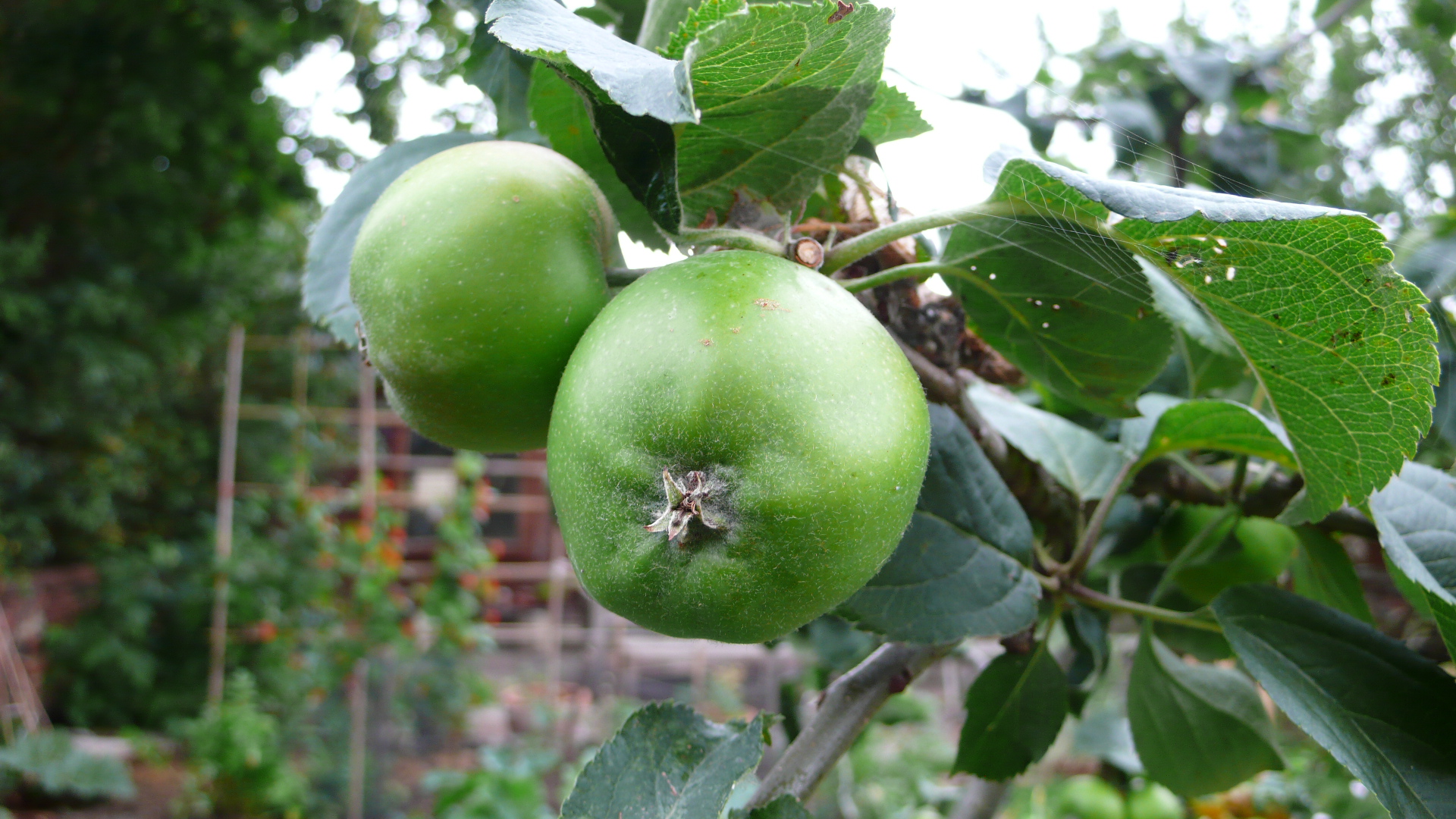
Thanks to the Orange-tailed mining bee and other early bees, this unnamed apple variety (which Karin and I rescued from the bargain area of a local garden centre) has gone on to produce a heavy crop of eating apples (see below). There’s considerable interest in the role of wild bees such as these as pollinators of fruit in commercial orchards, not just in Europe but in the USA too, where other Andrena spp. also pollinate apples.

The epithet “Mining bees” refers to the fact that these solitary species of the genus Andrena usually make their nests in soil, excavating deep tunnels in which to construct individual cells.  It’s another generalist, taking pollen and nectar from a wide variety of garden and wild flowers.  Dandelions are particularly important early in the year – so don’t over-manage your lawn and allow some to flower!

P1120277

Garden pollinators for PAW no. 3 – Little flower bee (Anthophora bimaculata)

Anthophora bimaculata 1 P1120172

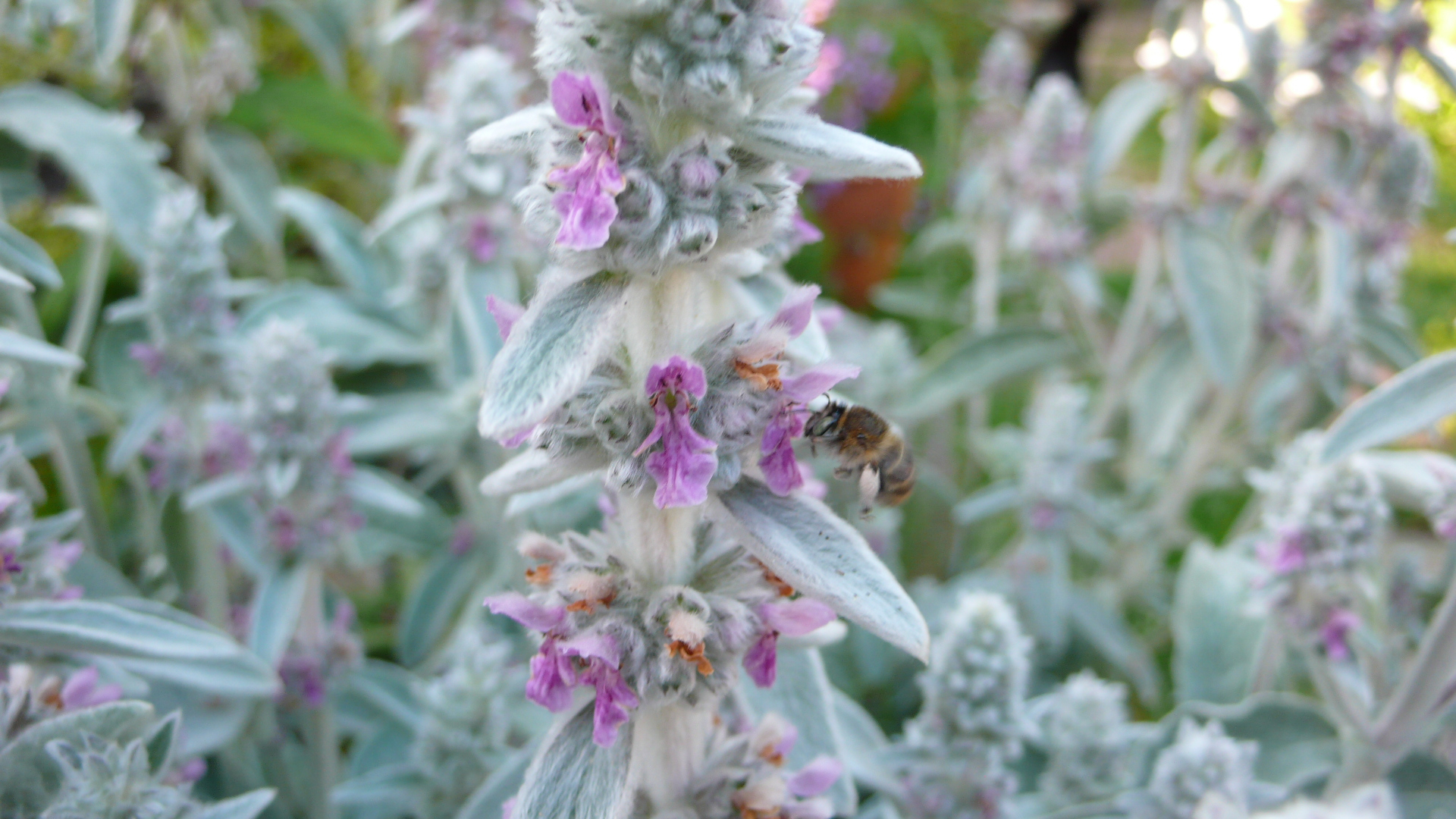
There are only five Anthophora species in the UK and the Little flower bee (Anthophora bimaculata), as the name suggests, is one of the smallest.  This is a fast moving little beast and my fairly bog standard cameras (and a generally impatient personality) struggle to capture it: Steve Falk’s images do it justice better than I ever could.

Once again, as with the Patchwork leaf-cutter bee, the flowers of Lamb’s ear are a real favourite in my garden.  Also like that bee, this is a solitary species, though this is one that nests in dry, sandy soil.  I’ve not been able to locate any nests in my own patch and I wonder whether it’s nesting in a nearby garden.

Another generalist species, I’ve seen this bee visit food crops with open flowers such as blackberry and raspberry in my garden.  Despite its size it is likely to be quite a good pollinator of those fruit as it’s abundant, fast moving between flowers, and hairy, and can carry significant amounts of pollen.

Interestingly, Anthophora bimaculata was not recorded by Muzafar Sirohi during his surveys of bees in Northampton town centre, so it’s another species that we can add to that urban list.

Anthophora bimaculata 2 cropped P1120172 copy

Worm sex

P1020257

This morning I woke early and slipped quietly outside to enjoy the bird song and to let the chickens out of their coop.  The air was cool and the garden fresh and damp.  Slugs were scattered across the lawn heading back to their dark crevices after a night of scoffing our plants, so I decided to round up as many as I could find as a snack for the chickens.

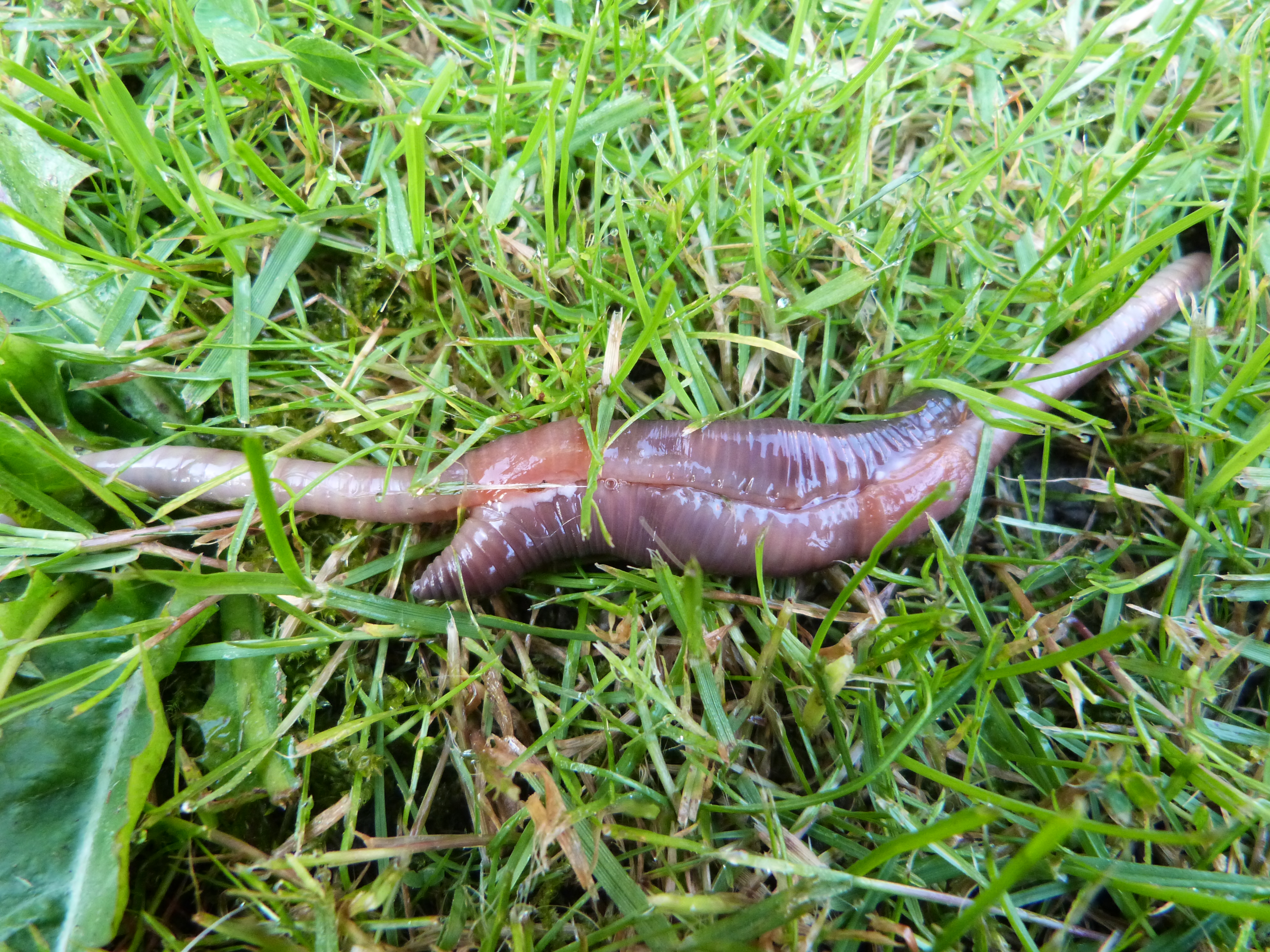
I’d collected about 30 when I spotted something glistening with mucus that was clearly not a slug: two common European earthworms (Lumbricus terrestris) were engaged in some hermaphrodite sex, male/female to male/female.  It was a personal, intimate moment that I felt I should not be witnessing, but I had to watch.  It’s an event that usually takes place under the cover of darkness and one sees it so infrequently; these lovers were clearly caught up in the moment and oblivious to the daylight.  Like a paparazzo who can’t believe what he’s stumbled across, I rushed inside to grab the camera.

Worm sex is quite a complex process involving the mutual transfer of sperm between individuals, which I think may be within that white, milky fluid you can see in the close-up below.

Suddenly the worms sensed I was there and they rapidly separated and slipped back into their respective holes, perhaps to replay the passion tonight?  I hope so: the garden needs as many worms as possible to aerate and turn the soil, and take leaves and other organic matter down into the depths.  They are incredibly important in traditional agricultural systems: Darwin famously wrote a two-volume treatise on earthworms and concluded that: “It may be doubted whether there are many other animals which have played so important a part in the history of the world as these lowly organised creatures”.

There you have it, worm sex for the weekend.  Amazing things happen in our gardens.

P1020258

Clever crows!

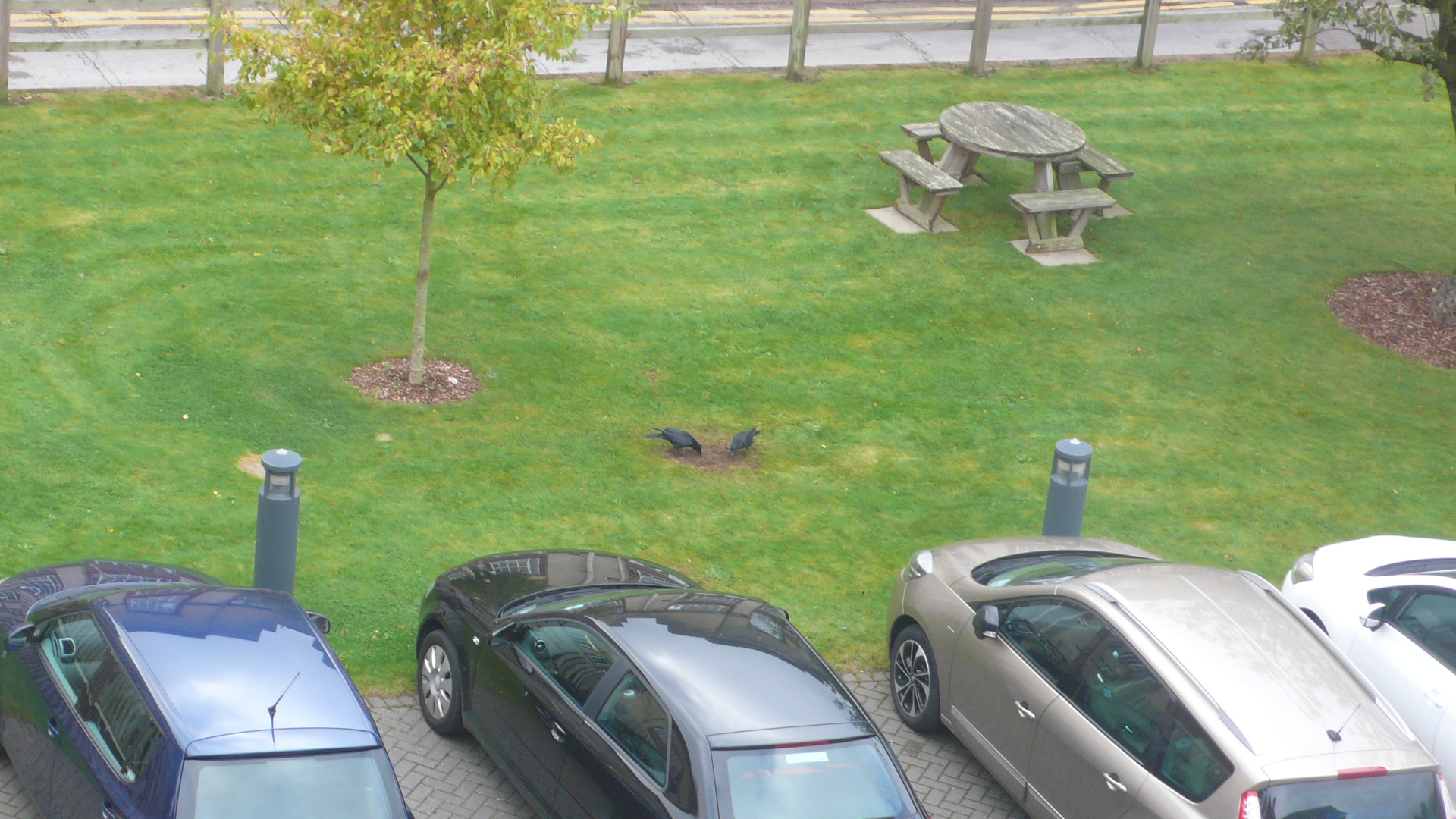
Clever crows

Back in October I was staring out of the window of the office that I share with my colleagues, something I often do when I’m pondering a question or trying to add a tick to our “Birds Seen Out of the Window” list*, when I spotted something odd.  A pair of crows had focused their attention on a brown patch of lawn and appeared to be eating the grass.  I’m not much of a birder but I do know enough about crows to realise that grass is not a regular feature of their diet.  The same behaviour was observed a few other times after that, and on other occasions magpies were seen doing the same thing.  What could be going on?

Once I’d taken a closer look at the patch of dead grass the explanation was clear.  During our first year undergraduate induction week about a month earlier there had been a barbeque set up on that spot which had leaked hot fat onto the grass.  What the birds were eating was dead grass coated in lard, a useful source of fat to store for the cold conditions of the oncoming winter.

That’s one of things I love about urban birds such as corvids and gulls: they are adaptable and will exploit any resource that becomes available.  But how had they located the patch of fatty grass?  Were they simply exploring the lawn and stumbled across it by accident?  Seems plausible especially as they often feed on earthworms on the adjacent parkland.  Could they smell it?  The acuity of birds’ sense of smell has been the topic of considerable debate, but that’s certainly a possibility.

I was reminded to post this (originally half-written before Christmas) by a story on the BBC news website this morning about a young girl in the USA who receives gifts from the crows in her garden.  If you’ve not read it, please do: it’s a wonderful example of positive interactions between humans and the rest of biodiversity.

Crows (and other corvids) get a bad press, being often described as “evil” (surely a term that only applies to humans) and blamed for the demise of “nicer” birds – a reputation that is not completely justified, as a recent post on Kaeli Swift’s crow research site demonstrates.

So, learn to appreciate (even love) the crows in your local neighborhood; they will reward you with some entertainment as you watch their behaviour, if not necessarily with gifts.


*currently standing at 19 species and rising every month.

For she’s a jolly good Honorary Fellow (reduce, reuse, recycle part 4)

August 2009 - Gardeners World 052

The signals of spring are appearing across Northamptonshire.  Despite the current cold and wet weather, a couple of recent ventures out into the wilds revealed Prunus sp. and lesser celandine (Ranunculus ficaria) in flower, as well as lots of frisky birds doing their thing.  But for me there is no surer sign of approaching spring than the start of a new series of Gardeners’ World on BBC 2.  It’s a programme I’ve followed for many years and (as well as useful gardening information) it provides a barometer  for how a significant sub-class of the Great British Public (amateur gardeners) thinks about the environment and its biodiversity.   It’s also an influential programme that changes behaviours,  as I argue in the following piece of writing from last year, when the University of Northampton gave Gardeners’ World presenter and gardening writer Carol Klein an Honorary Fellowship.

Universities award honorary degrees and fellowships to famous people and “celebrities” for a variety of reasons, not all of them laudable and some ethically dubious.  But we proposed Carol Klein because of the effect her work has had on how gardeners garden.  I had the pleasure of introducing Carol at the graduation ceremony, in front of an audience of a couple of thousand graduands and their families.  What follows is the text of that presentation; as I’ve mentioned previously, why waste good words when they can be reduced, reused and recycled?

Following an introduction by the Vice ChancellorOllerton steps up to lectern dressed like an extra from a Harry Potter movie, be-gowned and be-capped. He starts to speak…..

Chancellor, insofar as the Council and Senate of the University have seen fit to establish Honorary Fellowships to confer on eminent individuals, I today present to the Chairman one on whom the Council and Senate have determined to confer such an award.

PAUSE – Carol was guided by a Marshall to stand at the front of the stage.  Once she was in place and the Marshall had returned to his seat, Ollerton continued….

I am delighted to introduce to you Mrs Carol Klein.

SHORT PAUSE – just for effect…..

There can be no doubt that the British are a nation of gardeners.  Whether it’s just developing a window box, a small back garden, or, for the more adventurous, an allotment, horticulture is a hobby that excites both young and old.  This is reflected in some astonishing statistics; the Horticultural Trade Association estimated that in 2010 the Garden Retail Market was worth £4.6 billion to the economy, whilst public gardens such as Kew and the Eden Project both host over one million visitors a year.

Much of this public passion for gardening is both reflected in, and fuelled by, the coverage it is given in newspapers, magazines, radio and (most especially) television.  And since its first broadcast in 1968, the BBC’s Gardeners’ World has been the pre-eminent gardening programme in Britain and Carol Klein is one of its most popular presenters.

Carol was born in Walkden in Salford, Lancashire and has never lost her accent!    Following her school education she trained as an art teacher and taught in schools in London before moving to Devon.  There Carol taught at North Devon College whilst developing her own interest in plants and gardening.

This grew, quite literally, into her own plant nursery, Glebe Cottage Plants, which she set up with her husband Neil.

What was once a hobby had become a career.  The nursery exhibited at all the major Royal Horticultural Society shows, winning gold medals at Hampton Court, Westminster, Malvern and of course Chelsea.  In 1989 a Gardeners’ World feature on Glebe Cottage Plants led to invitations to work as a guest presenter for the BBC and Channel 4.

In 1998 Carol wrote and presented a six-part series Wild About the Garden in which she promoted the ideals of finding space for native flora and fauna in our gardens, something which is very close to the hearts of those of us who teach and carry out research in the Department of Environmental and Geographical Sciences.

Carol has starred in other TV programmes, including two series of Real Gardens, as well as offering her expertise to television programmes such as Garden Doctors, Time Team and even Water Colour Challenge.  Carol’s most recent series, Life in a Cottage Garden, was filmed at her own Glebe Cottage.  In December the High Summer episode from the series won the prestigious Garden Programme TV Broadcast of the Year award at the 2011 Garden Media Guild TV & Radio Broadcast Awards.

Life in a Cottage Garden was also made into a book of the same name because as well as her television presenting work, Carol is a prolific author.  Carol has written a number of bestselling books including Grow Your Own Veg, with over 200,000 copies sold, and contributes articles for periodicals including Garden News, the Guardian, the Daily Telegraph and, of course, Gardeners’ World magazine.

And it is Carol’s weekly appearances as one of the presenters of Gardeners’ World for which she is most famous.  Every Friday night between March and October over 2 million of us watch the programme as it is broadcast, with many more catching up with it later on the BBC iPlayer.

Gardeners, whether experienced or novice, cannot help but be roused by Carol’s passionate and energetic on-screen persona.  However, this is not an act for the benefit of the audience, it’s how she is!  I learned that a couple of years ago when I had the pleasure of working  with Carol for a Gardeners’ World special edition called The Science of Gardening.  During a long day of filming Carol never lost her curiosity and enthusiasm for the subjects we were discussing.

The programme was filmed at Glebe Cottage.  In an article for the Guardian newspaper a few years ago, Carol wrote:  “It has taken a long time to get to know my garden – 30 and a bit years – and I’m still finding out about it……..at every twist and turn it unfolds new revelations.  A garden is a place to enjoy and indulge in, something you can love, somewhere you can nurture. It stimulates all the senses, and its very unpredictability gives it a vitality not often encountered in our contrived and controlled world.”

This, to me, sums up what makes Carol such a special gardening presenter and communicator – even familiar things excite her, whilst the unfamiliar is approached with a keenness to understand and to communicate it to the widest possible audience.  In that sense, Carol’s original training as a teacher has never been lost.

Chancellor, distinguished guests, graduands….

ANOTHER SHORT PAUSE – just for effect….

…..today we are honouring Carol Klein not just because of her work as a public gardening figure but also for her contribution to persuading gardeners to think about and to limit the negative impact of their hobby.

All human activity, including gardening, has an impact on the environment that sustains us.  It is Carol Klein’s championing of gardening in an organic, wildlife friendly way which may be her most lasting contribution.  Tellingly, a recent Public Attitude Survey by Defra showed that almost 70% of respondents “actively encouraged wildlife in their gardens, for example through feeding areas or specific planting”.  It is people such as Carol who have helped to shape public opinion in such a positive way.

As Carol put it in a newspaper article a few years ago, gardening with the environment in mind:  “relies on building up communities of fungi, flora and fauna in the soil, and any interruption or chemical intervention sets it back. It’s not a question of being hardcore; it’s about having faith in nature and natural processes.”  That faith is more than just “tree hugging” or “Saving the Planet”: the UK National Ecosystem Assessment in 2011 estimated that our natural environment contributes over £30 billion to our economy every year through the provision of ecosystem services such as fresh water, carbon storage, pest control and pollination.  Gardeners have an important part to play in ensuring that we do not compromise those ecosystem services and Carol Klein has played a significant role in promoting those values.

Chairman, In accordance with the decision of the Council and Senate, I am privileged to present to you Carol Klein that you may confer an Honorary Fellowship.

Applause from the audience as a very embarrassed looking Carol Klein steps forward to give an engaging and humorous speech.  Ollerton goes back to his seat on the stage, relieved his part is over