Since early 2021 I’ve acted as a science advisor for some of the children’s books published by Usborne, beginning with Can We Really Help the Bees? The most recent is Why Do We Need Worms?, written once again by Katie Daynes and with amazing illustrations by Moesha Kellaway. I’m especially proud of my involvement with this book as in its early stages I suggested mentioning Charles Darwin’s fascination with worms. The book is aimed at ages 4 and upwards, though a reviewer has said that it’s ‘Perfect for my 3 year old grandson who loves looking at worms!’ So this book has to have one of the youngest Darwin readerships!
Why Do We Need Worms? was published last year and I’m delighted to say that this year it’s been long-listed for the School Library Association Book Awards in the 0 to 7 years Information Book category! It’s a great achievement for everyone involved and if the book gets short-listed, I will be sure to let you know.
But just as when a movie director says “That’s a wrap” at the end of the final day of filming, the hard work does not stop here. Two people have read the full manuscript as I was producing chapters and their suggestions have been incorporated into this draft. The publisher will now send it to a third, independent beta reader and once their feedback has been acted on it will go to a copy editor who will suggest stylistic changes, check for logic and consistency, and so forth.
At the same time I will be choosing which plates to put in the book, which images to use on the back cover, writing their descriptions and deciding where to cite them; checking the sources and further reading sections for each chapter and formatting the references; and producing an appendix that lists the scientific names against the vernacular names that I am using in the book. I also need to finalise the acknowledgements section.
As an author, producing a book is a long process that doesn’t end with the actual writing of the manuscript. It’s incredibly satisfying, however, and working with Pelagic on my second book for them has been a great experience. All being well, Birds & Flowers should be out by early winter.
Now, I have three options for the next book that I’m writing….which one to choose…?
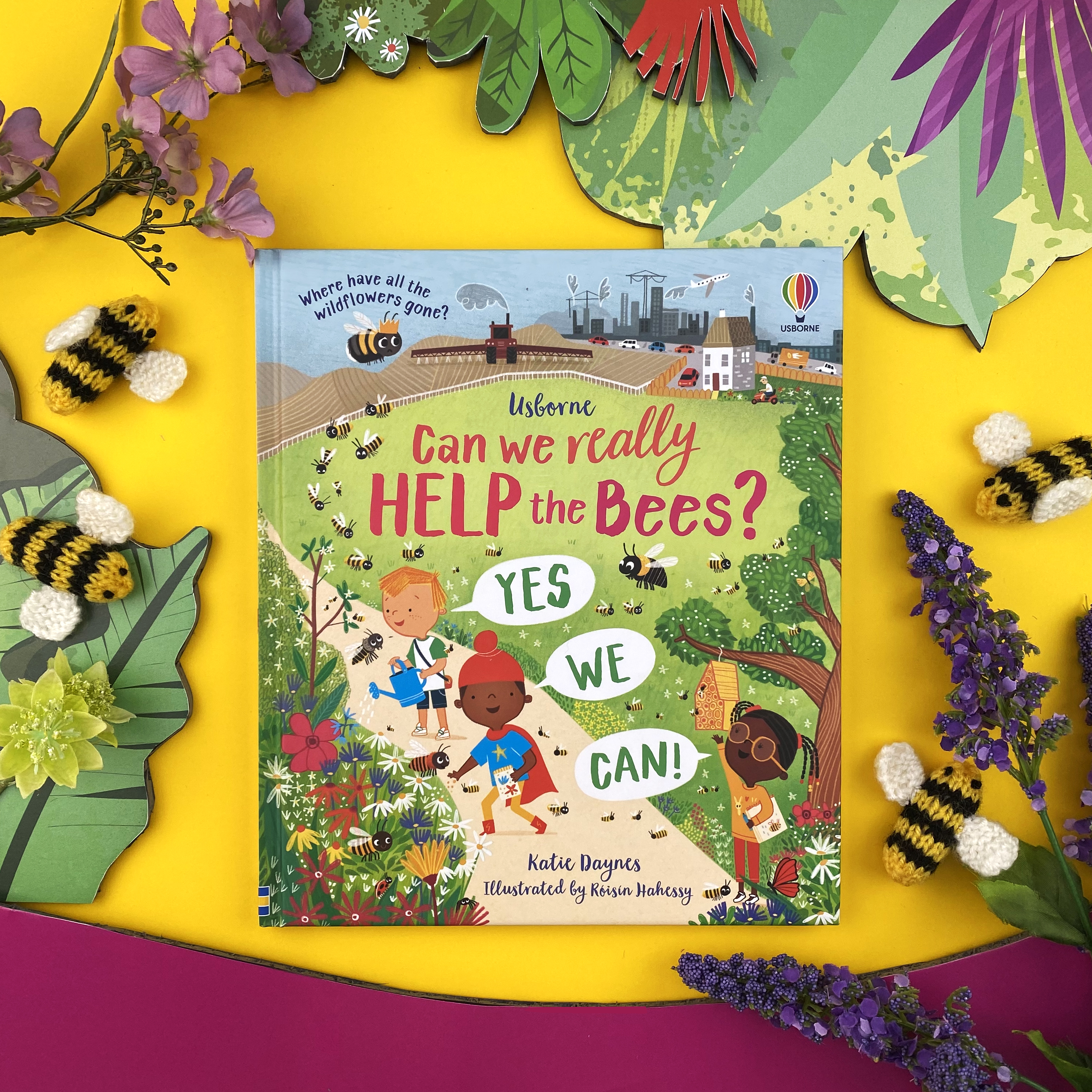
One of the projects with which I’ve been involved over the last year has been advising on a new book for children about bees and other pollinators, called Can We Really Help The Bees? Written by Katie Daynes and wonderfully illustrated by Róisín Hahessy, it tells the story of what happens when a swarm of bees comes to the window to let a group of children know that they, and their friends the other pollinators, are in trouble. Can they help? Yes they can!
It’s been a real pleasure working with Katie and Róisín on this project for Usborne Publishing and seeing the ideas, text, and illustrations evolve over time. I’ve written a short post over at the Usborne blog with some ideas about how to get children involved in helping the pollinators, and I think that it’s worth repeating one of the things that I wrote: everyone can make a difference to the wildlife around us and no one is too young to be involved!
Because of my involvement with Can We Really Help The Bees? I wasn’t able to include it on my curated list of the best books about bees and other pollinators at the Shepherd site. But it definitely should be on there and is highly recommended!


 Prof. Jeff Ollerton - ecological scientist and author