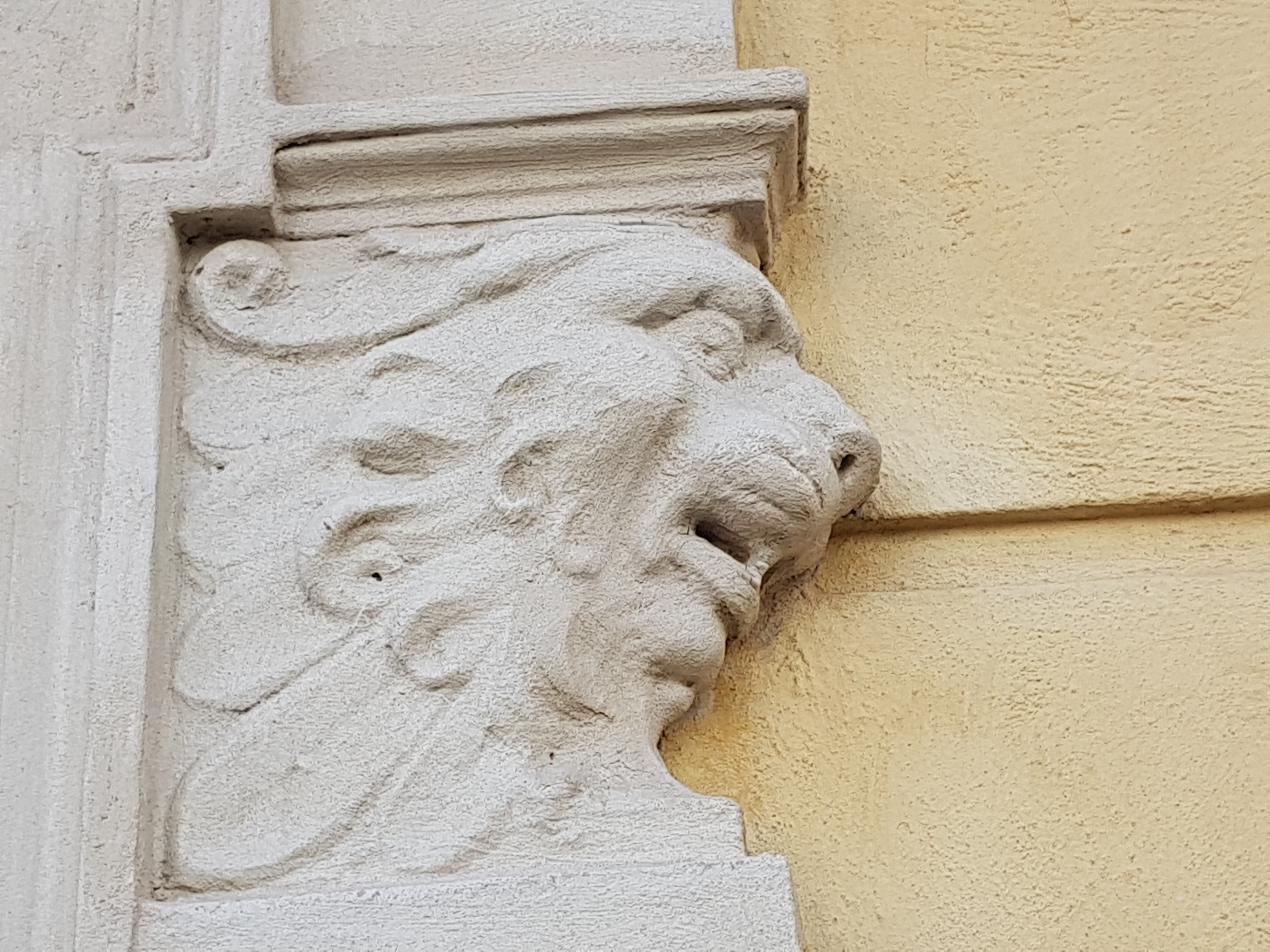
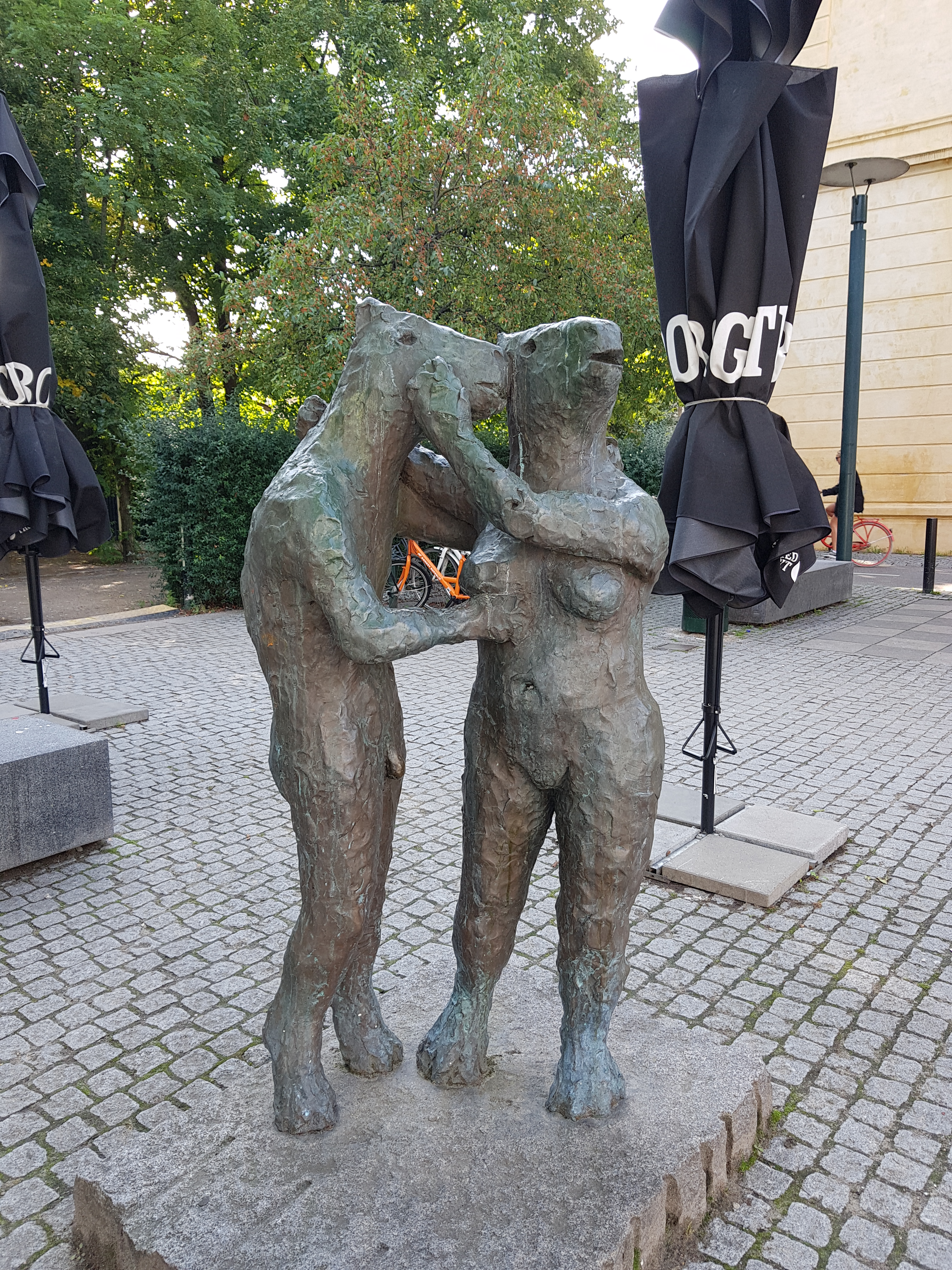
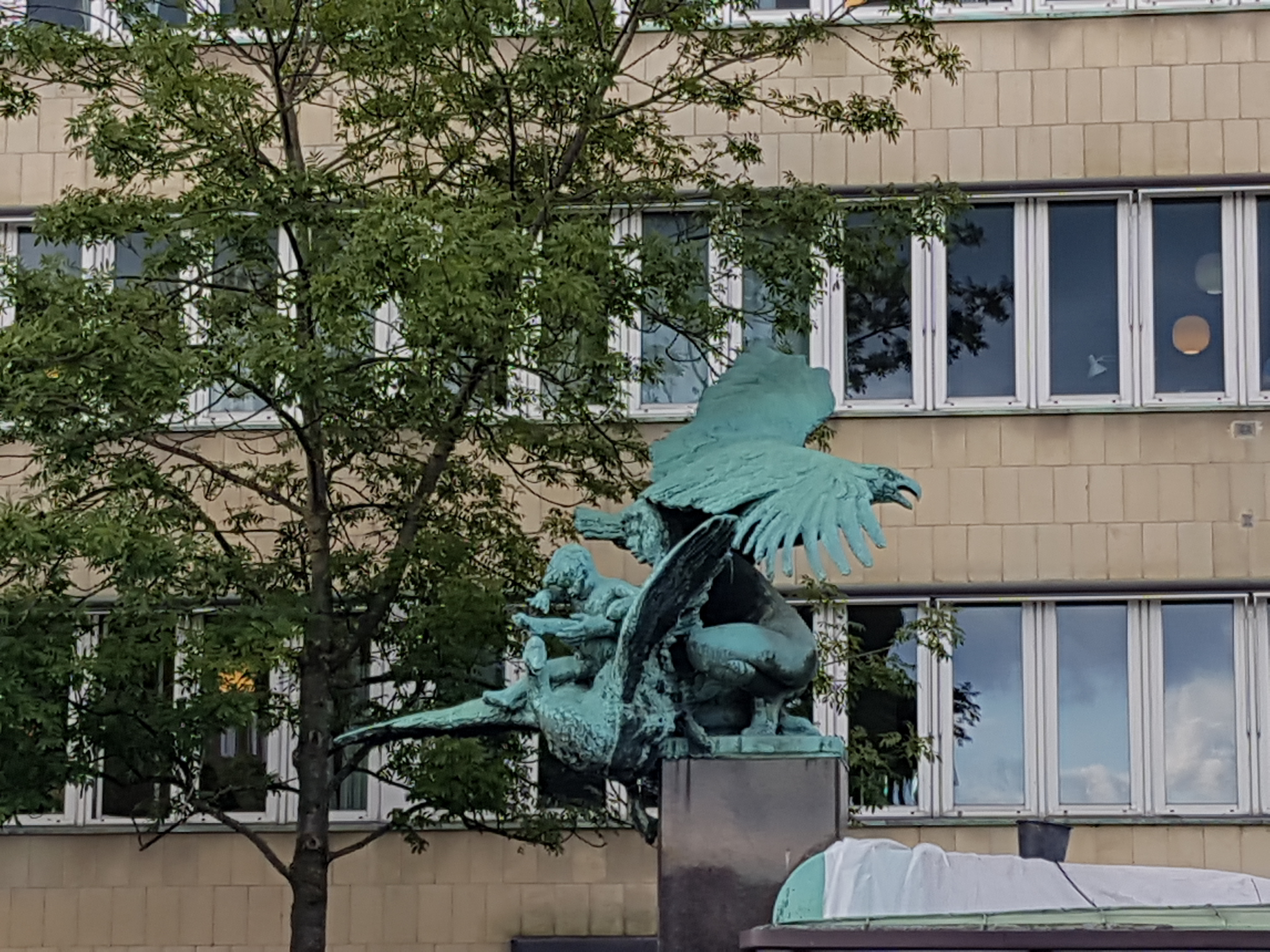
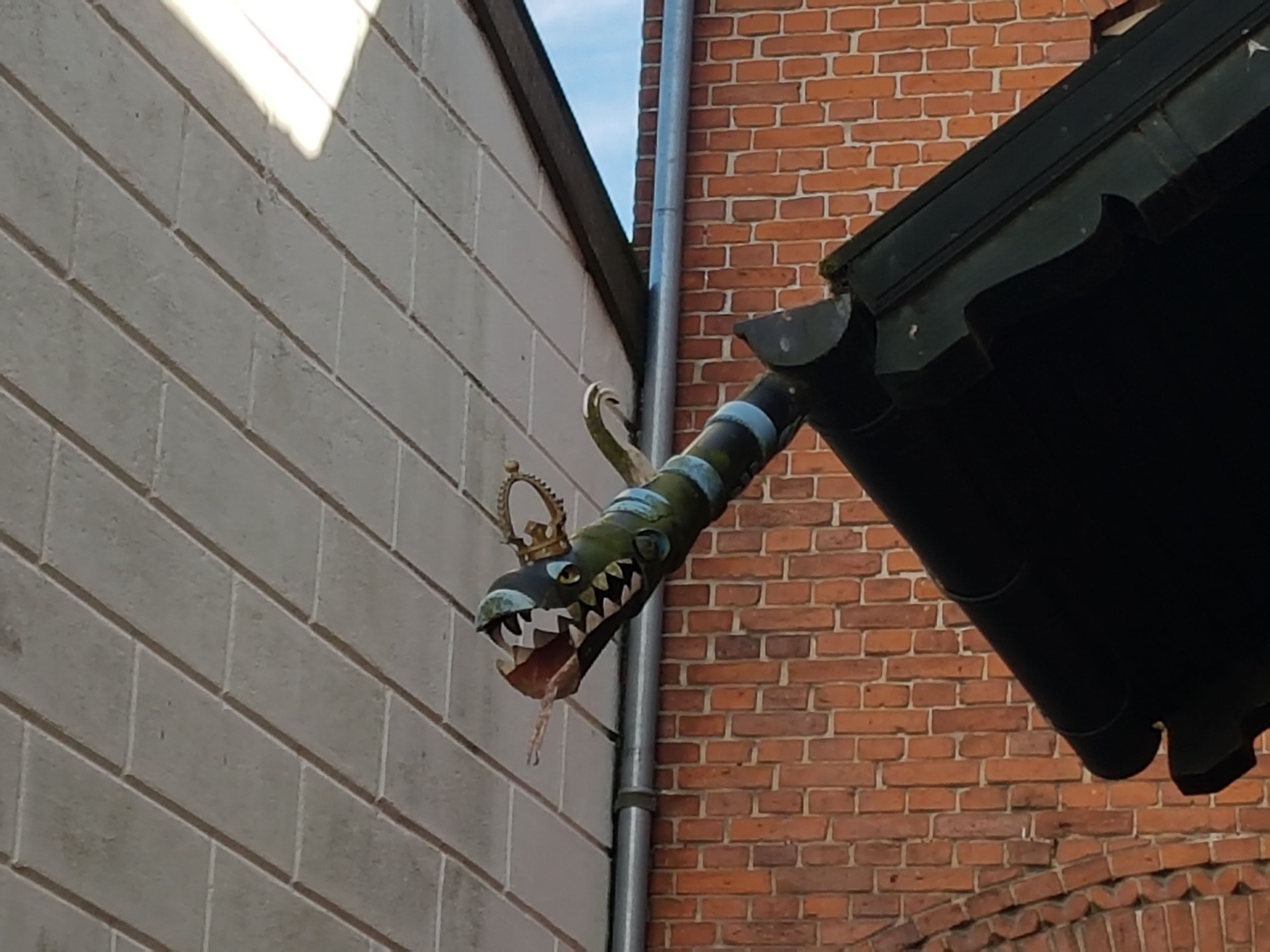
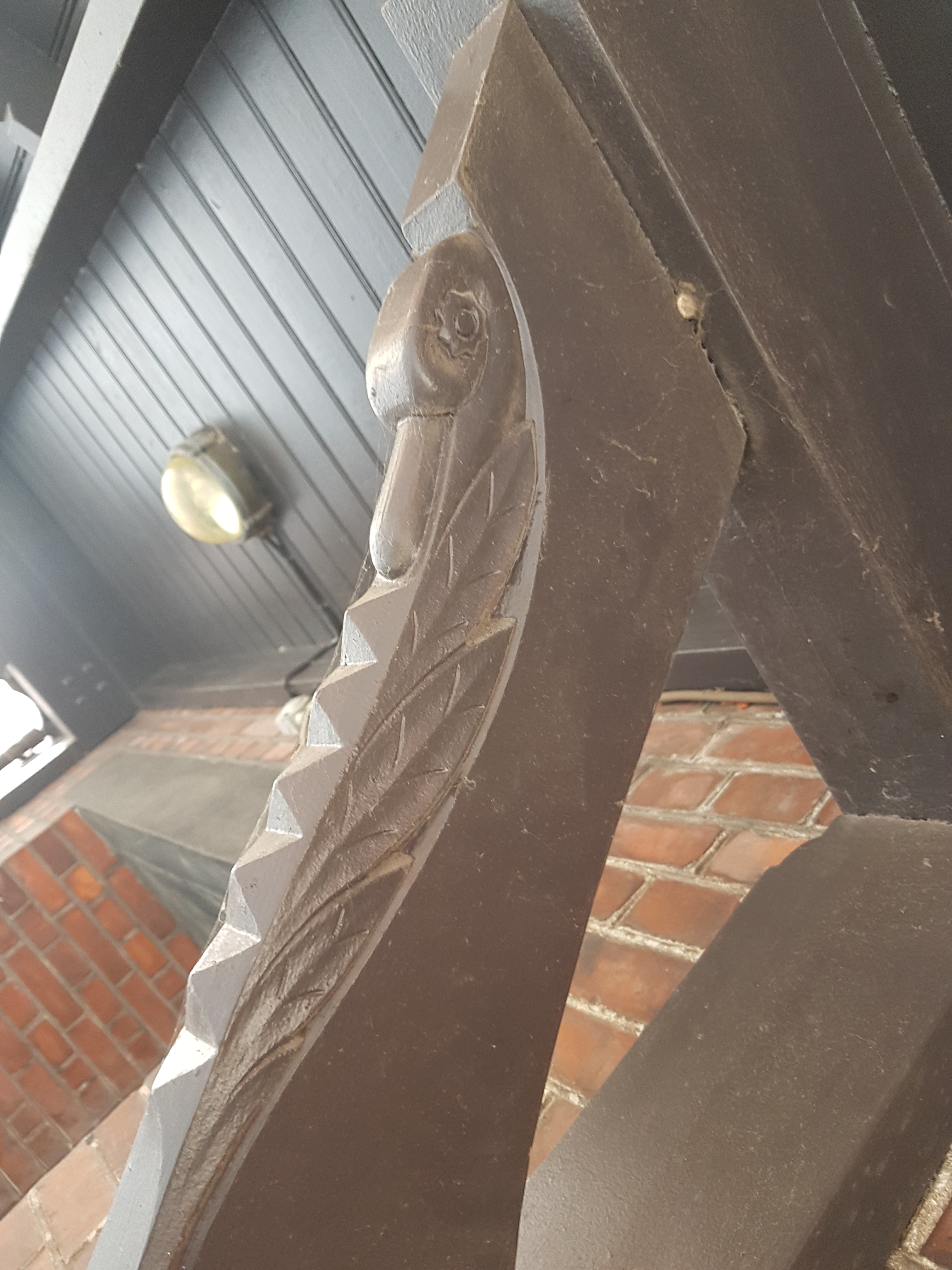
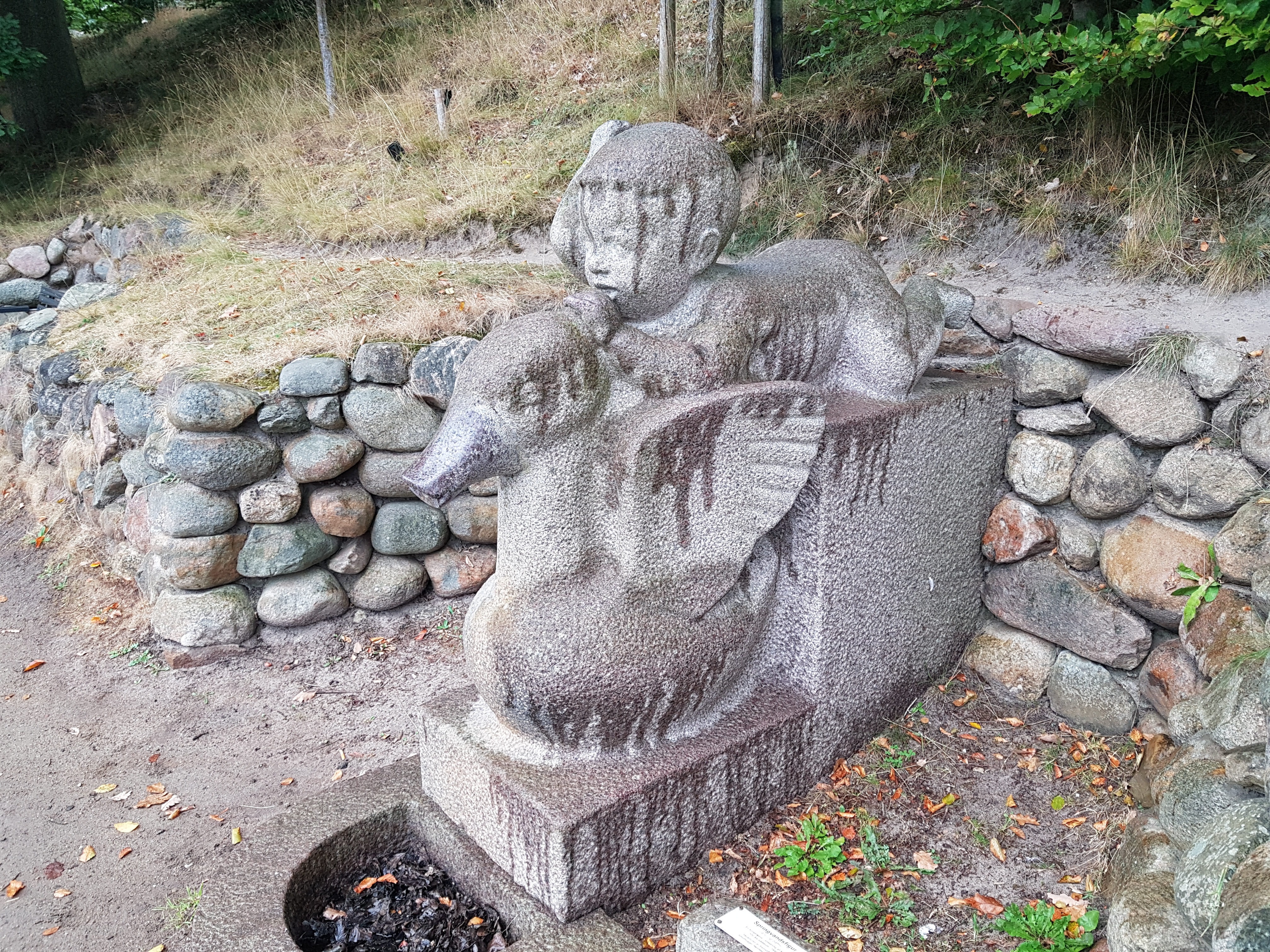
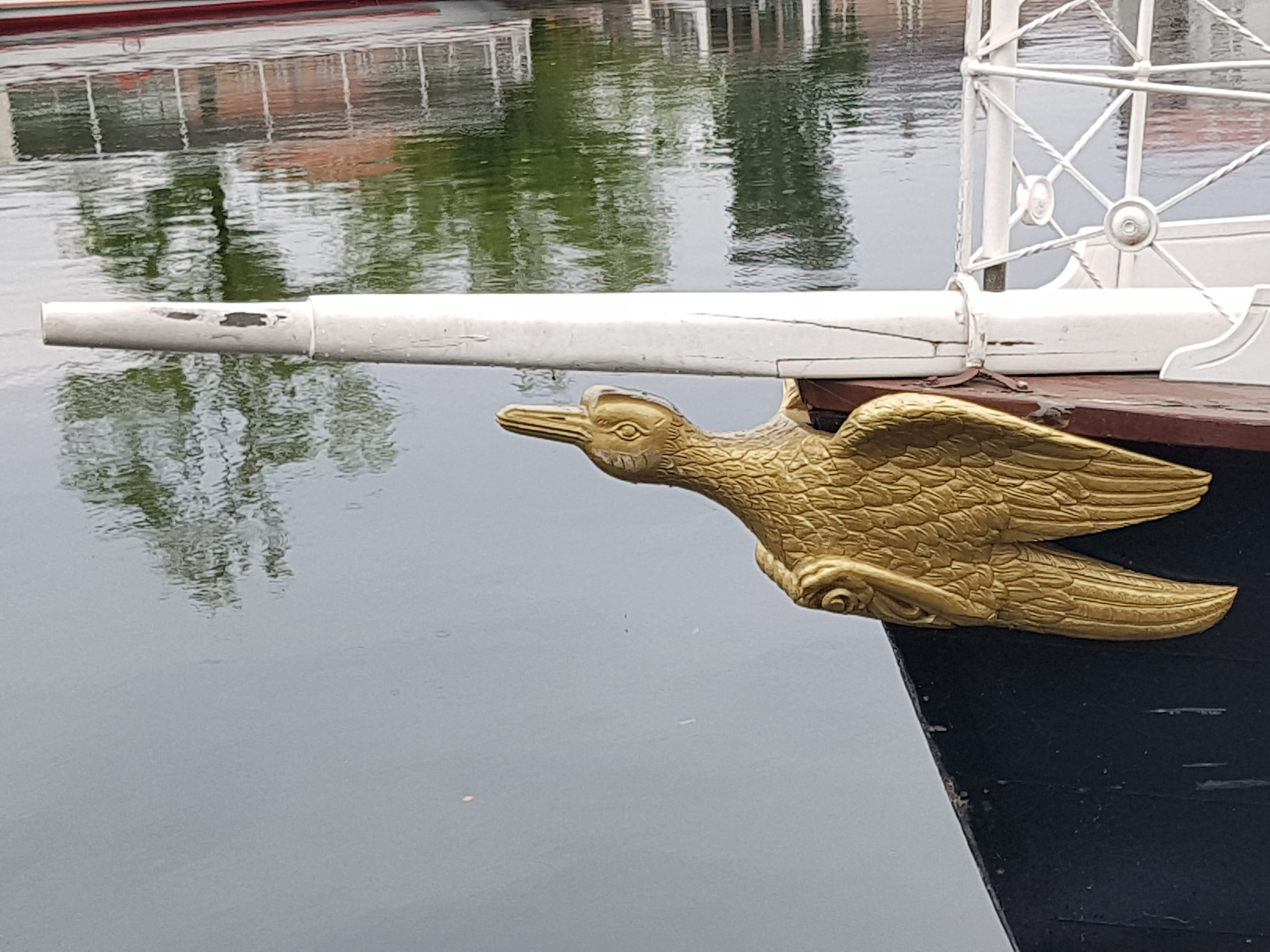
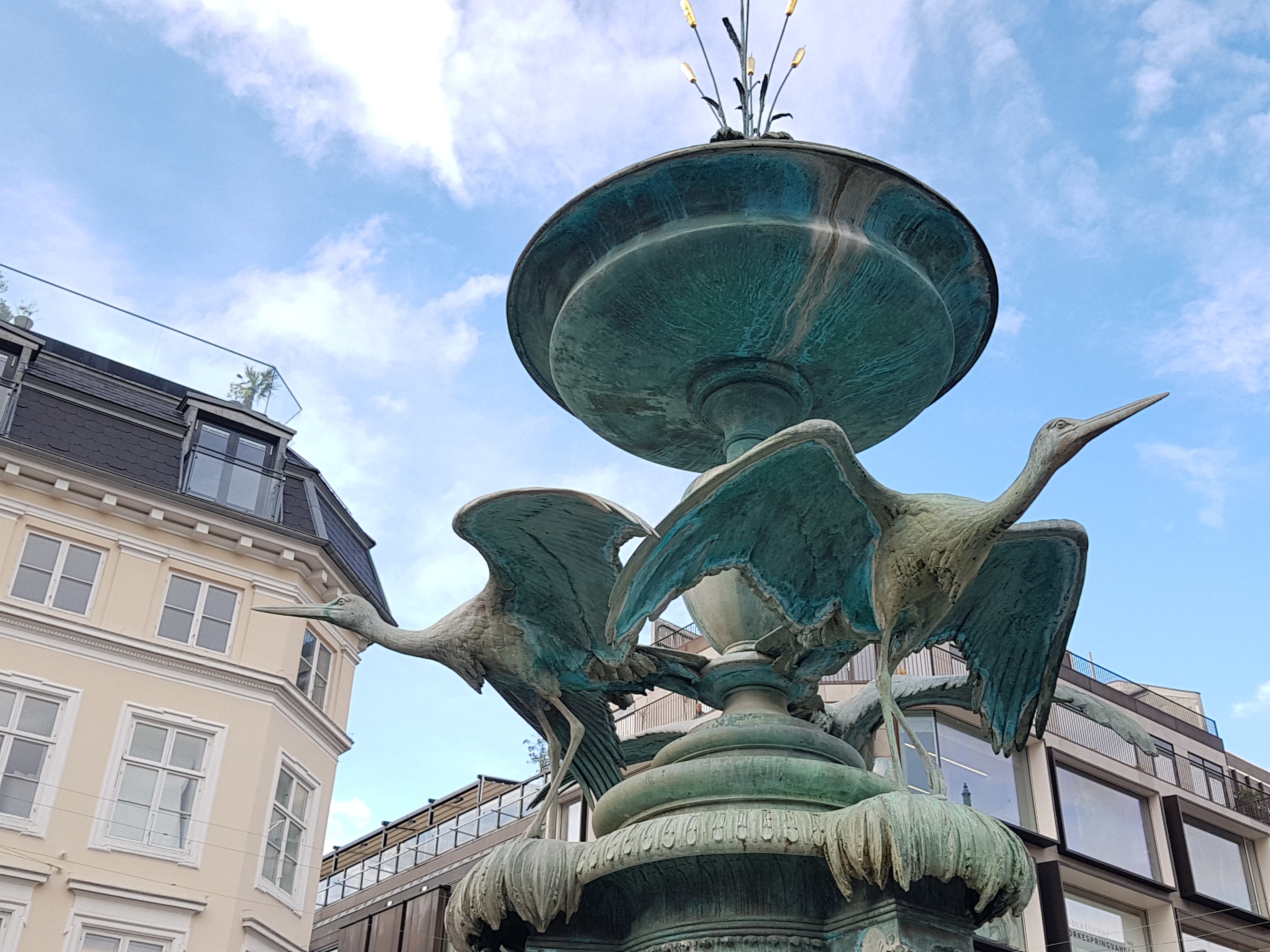
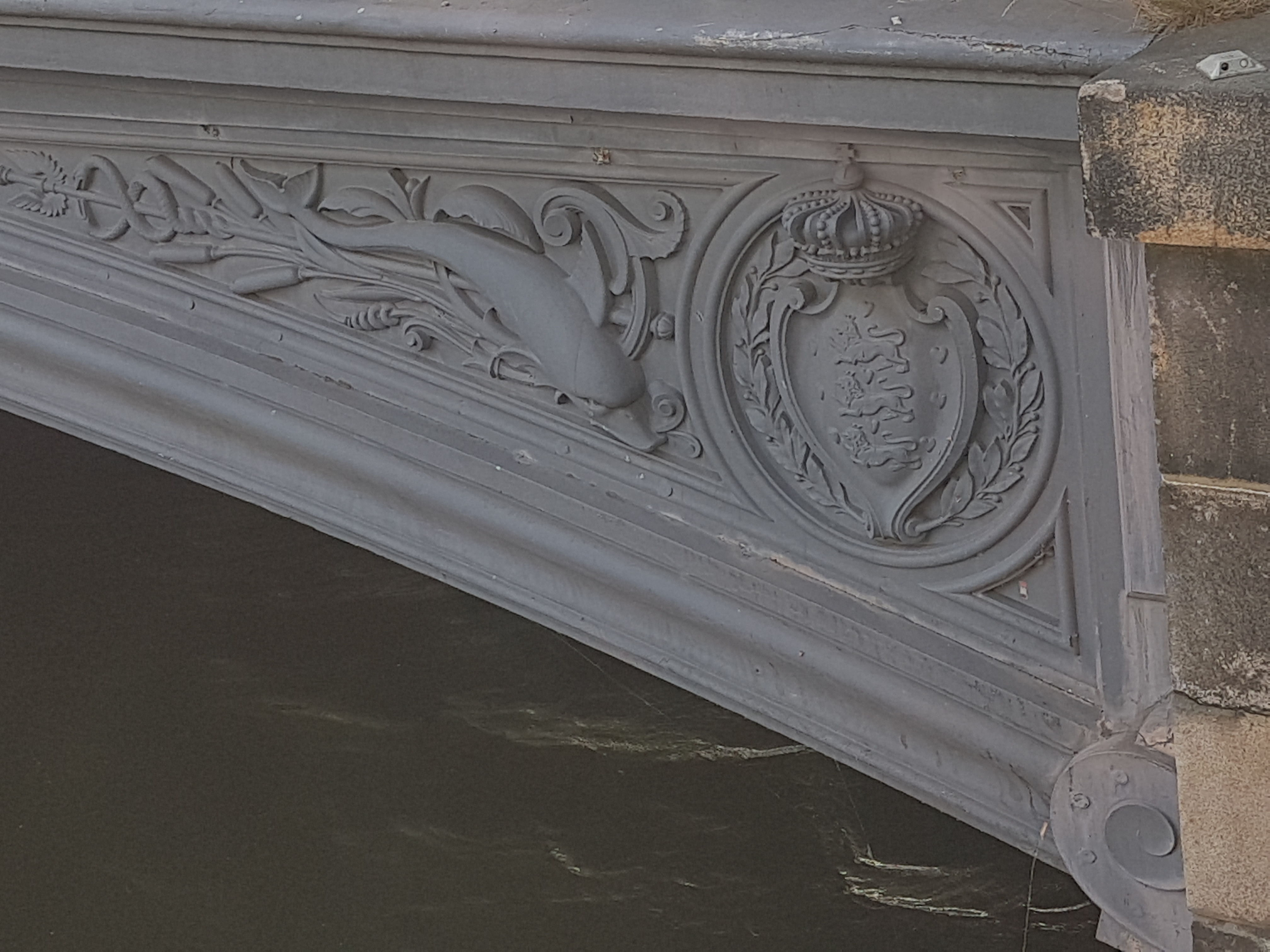
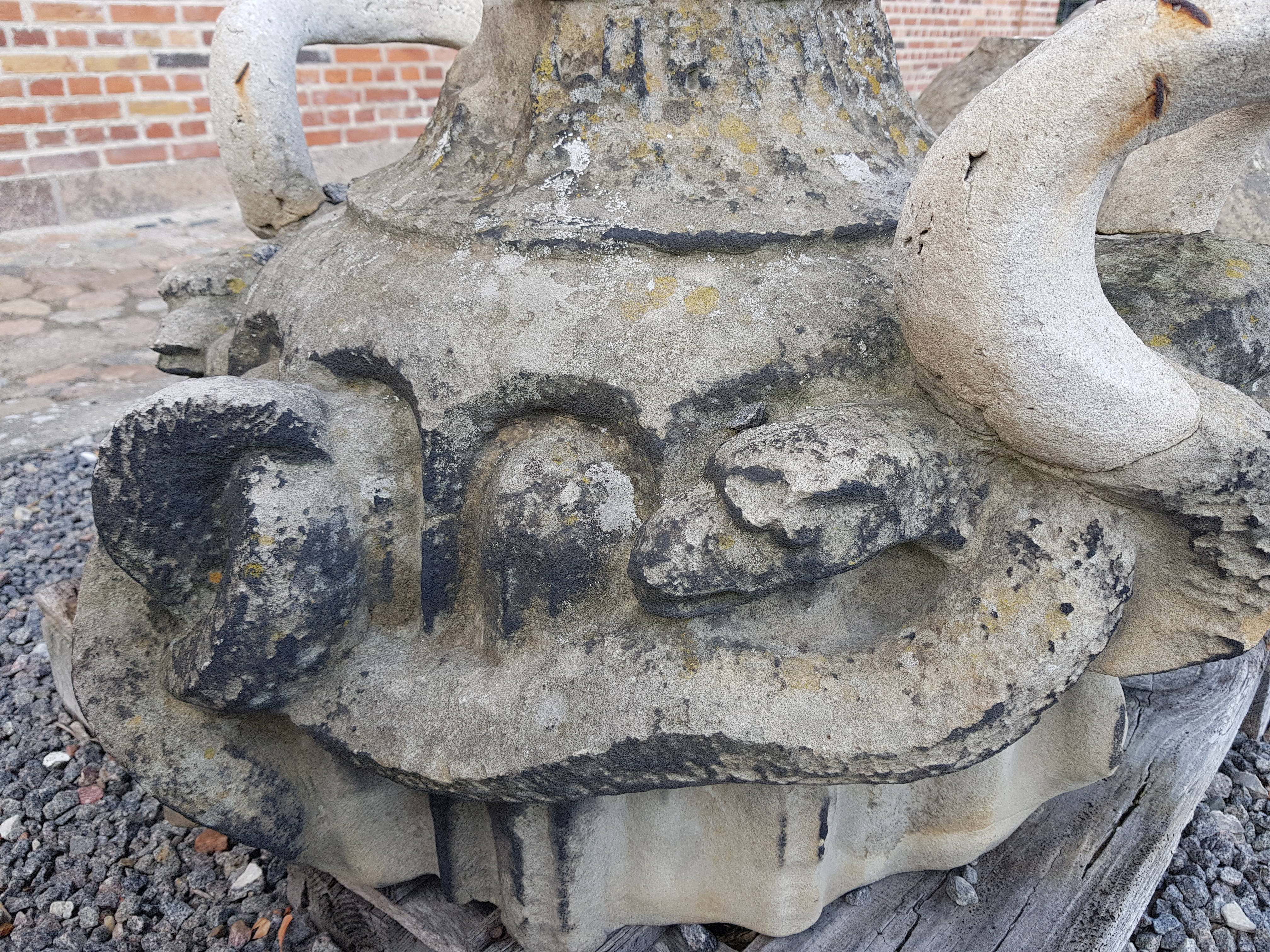
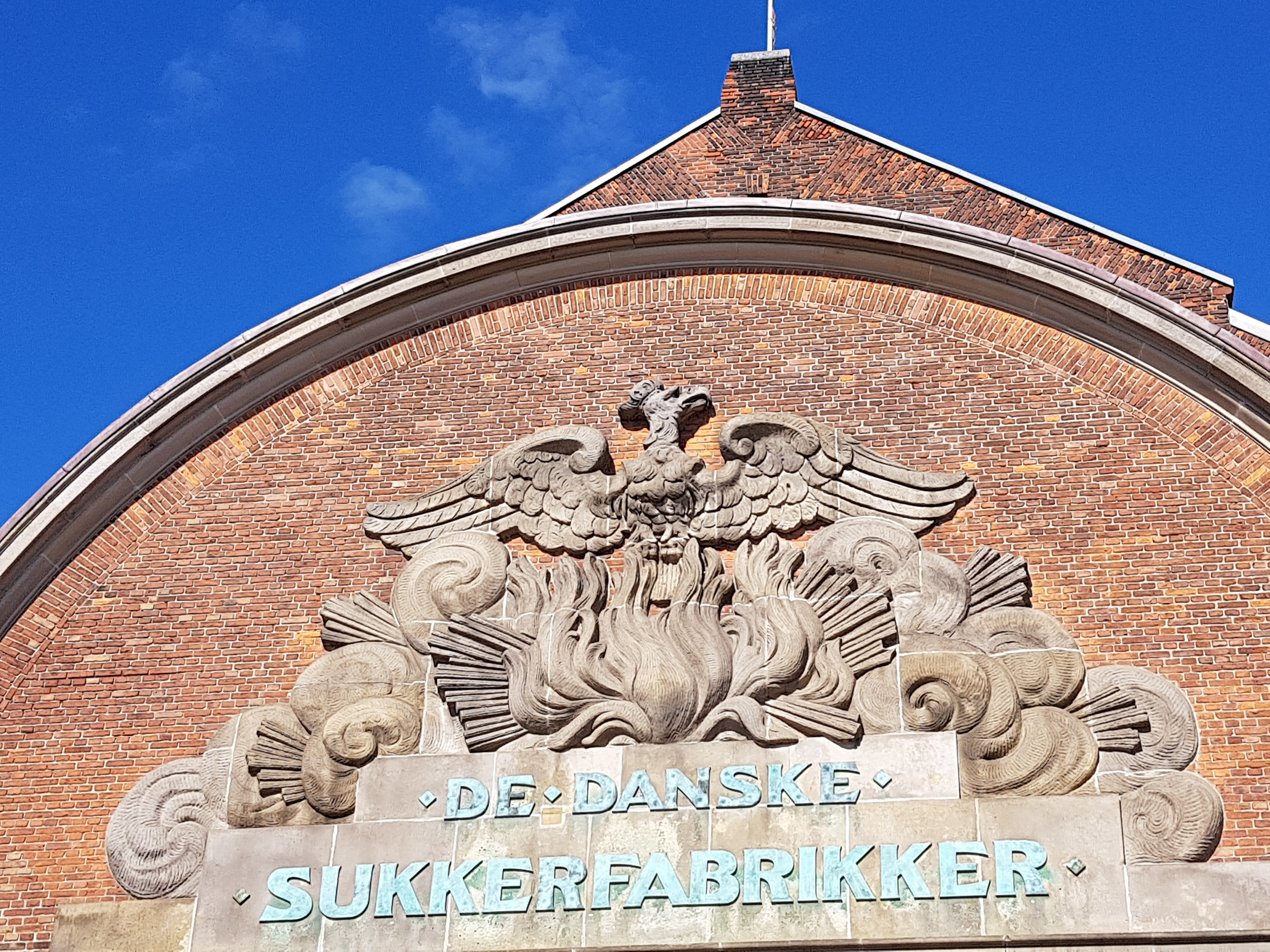
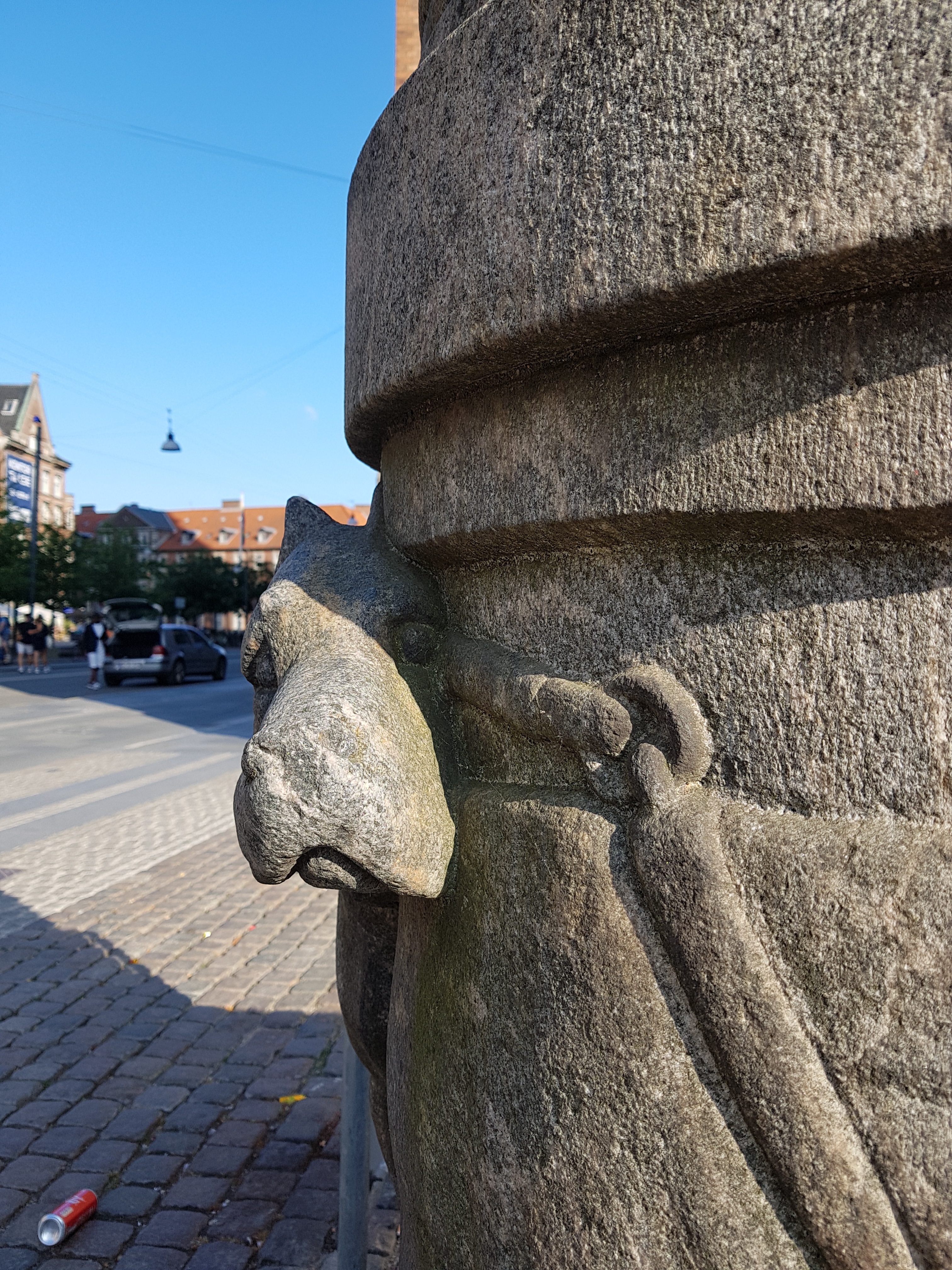
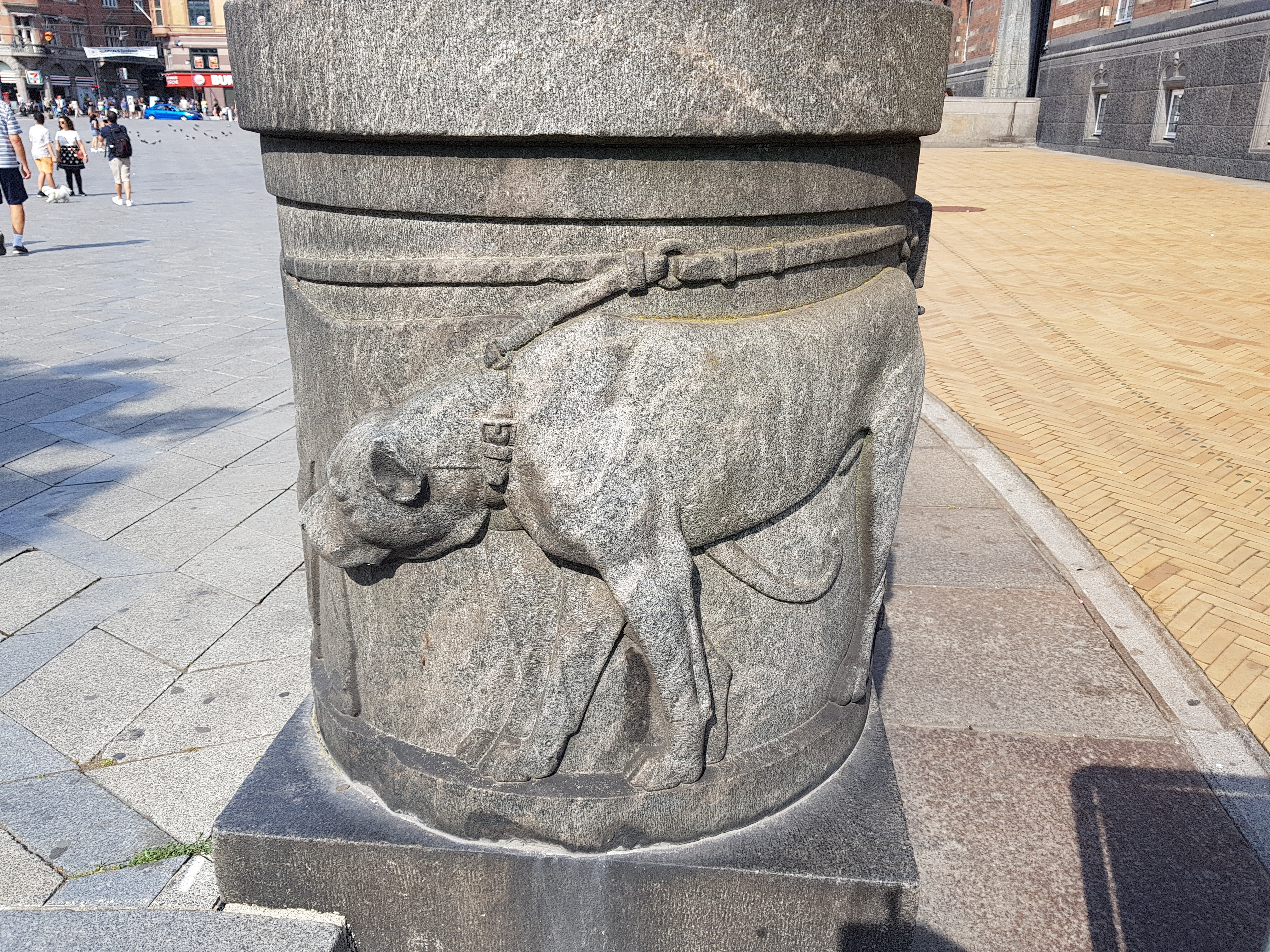
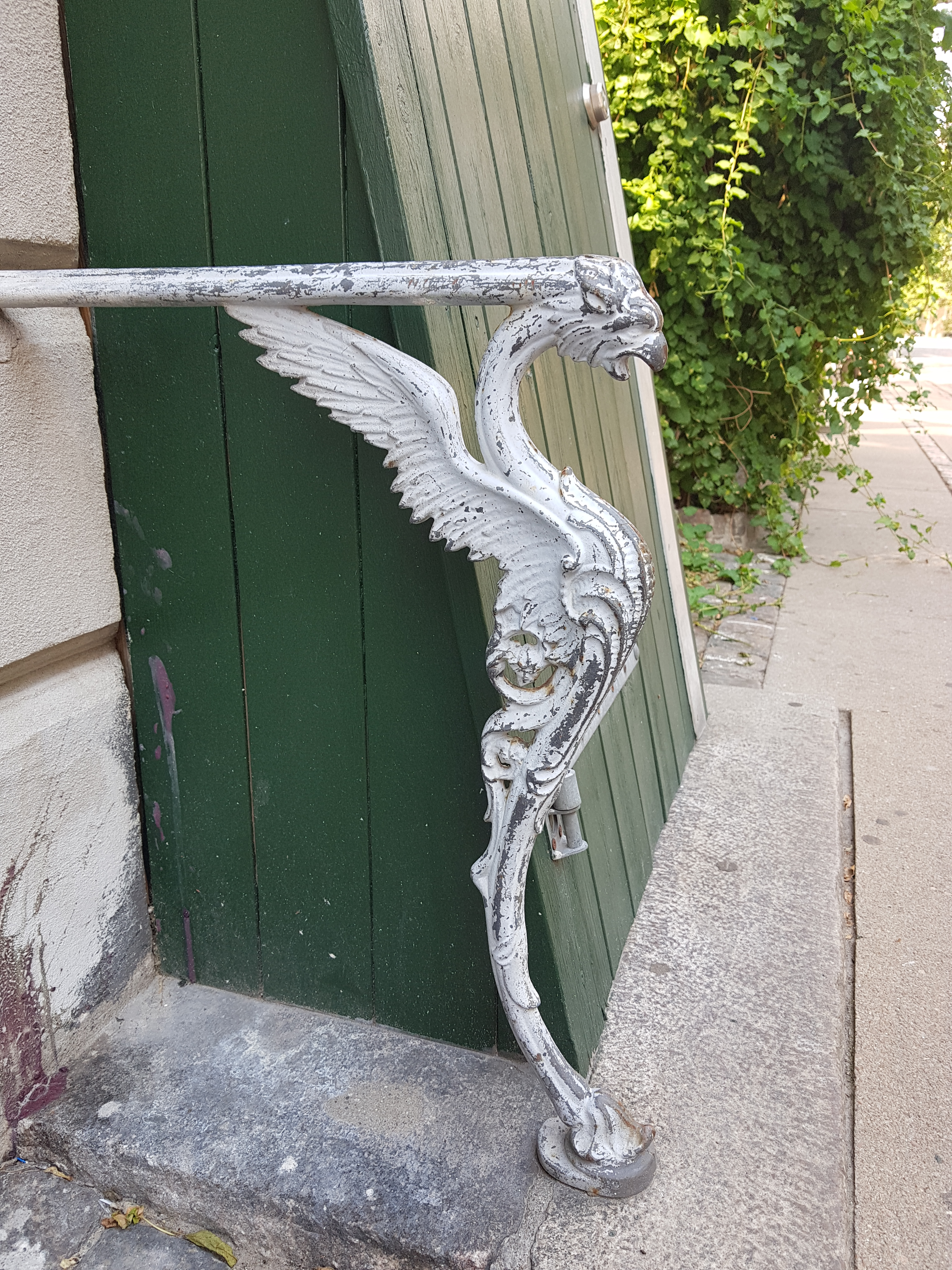
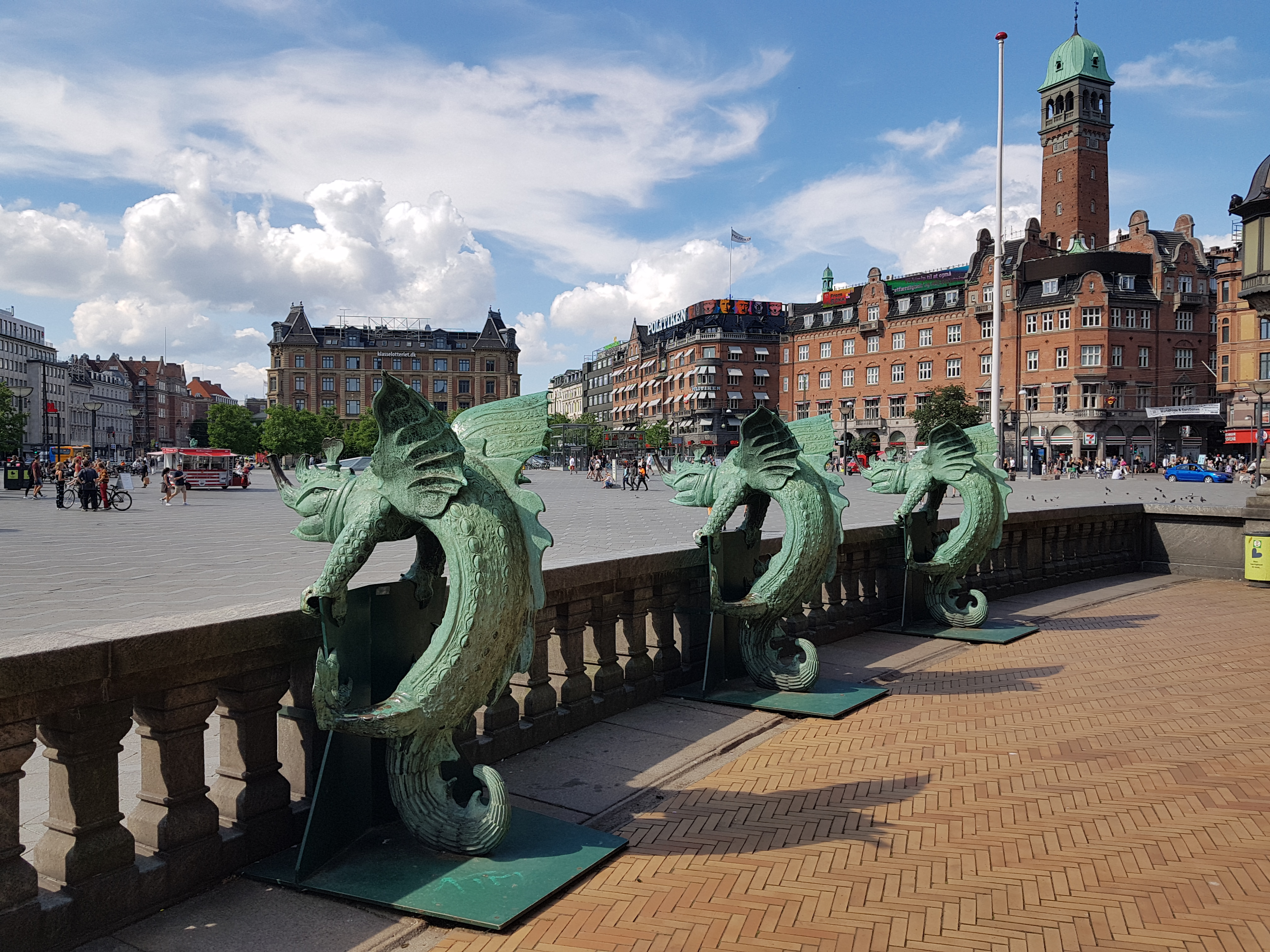
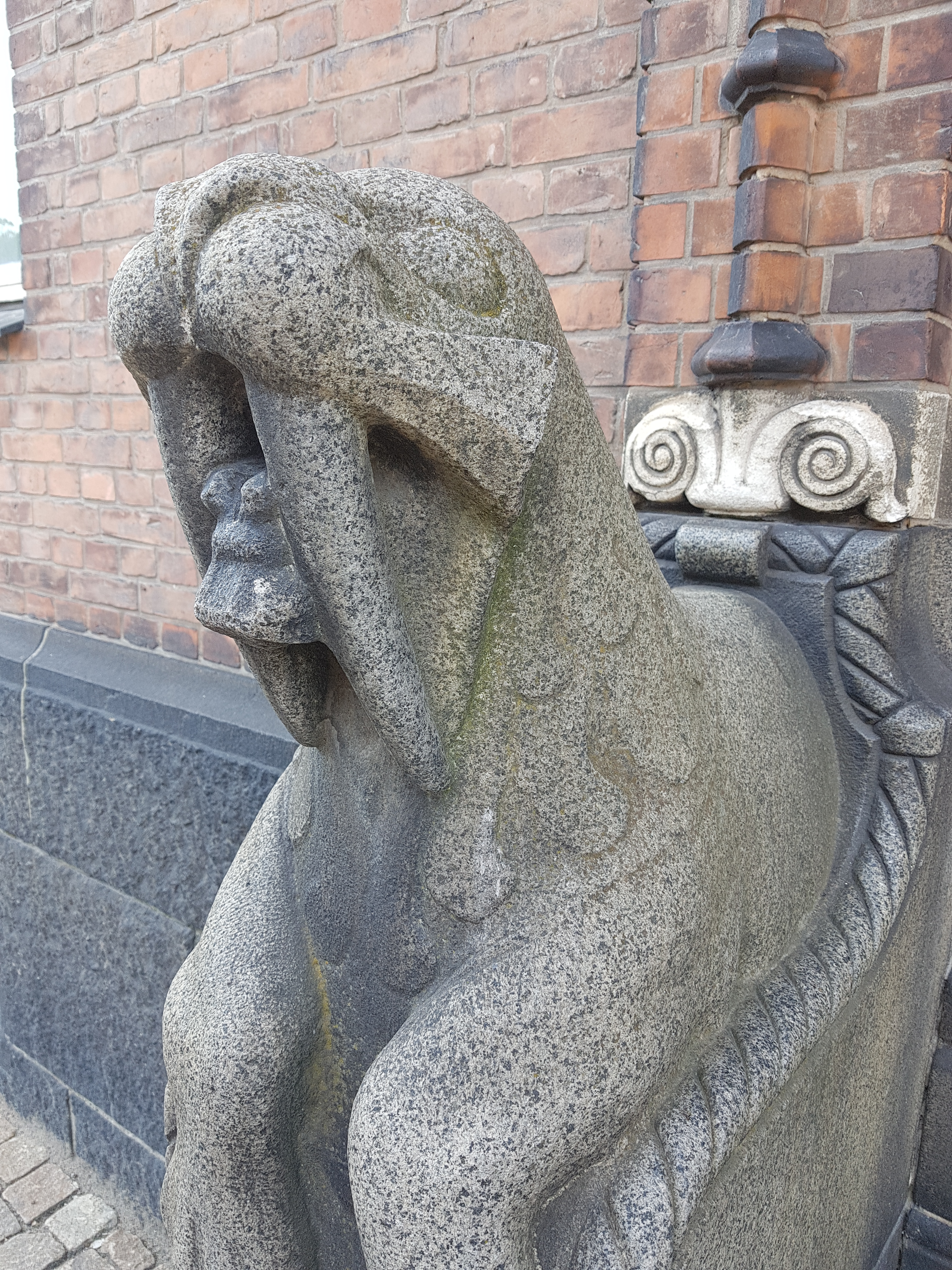
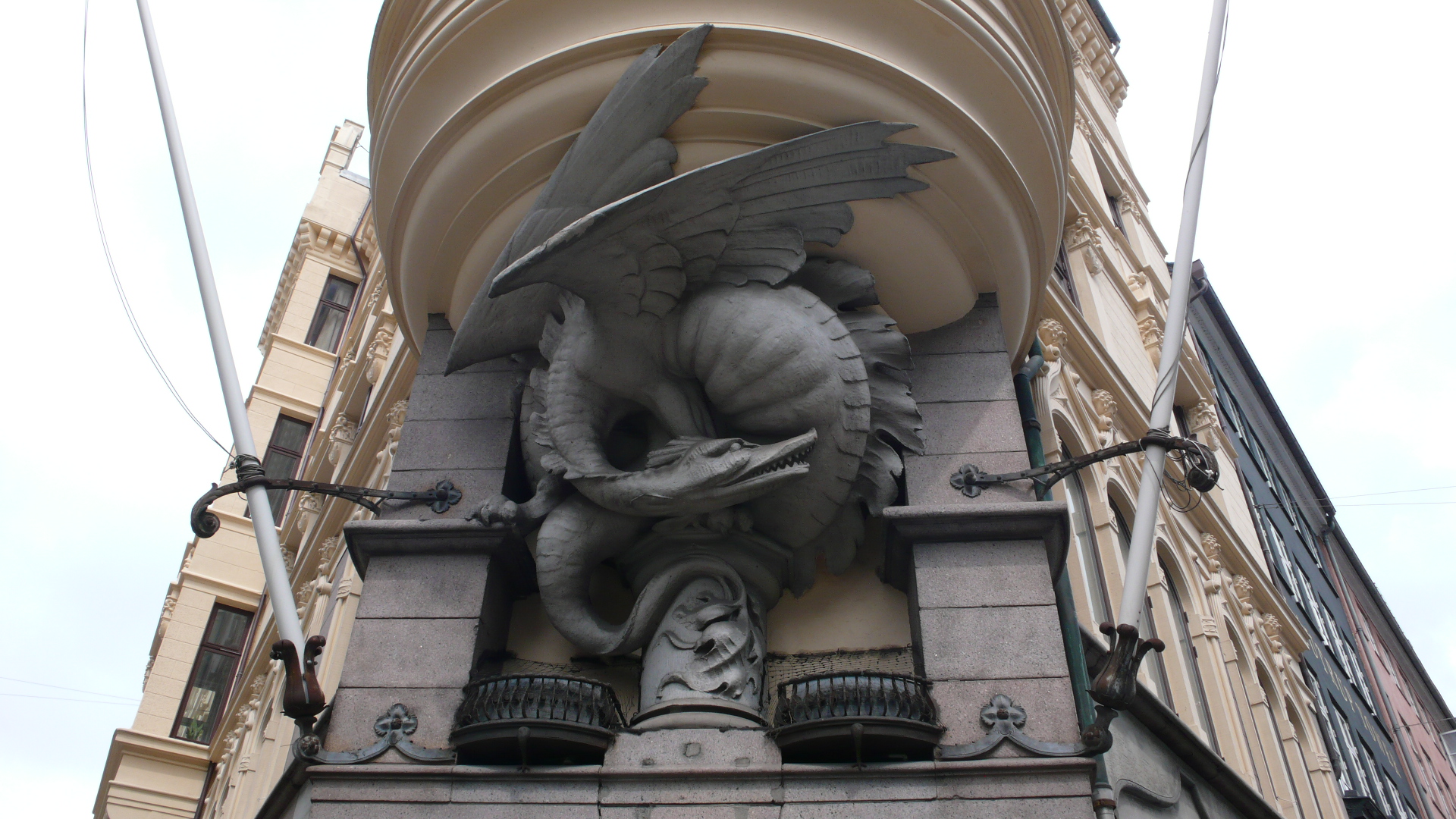
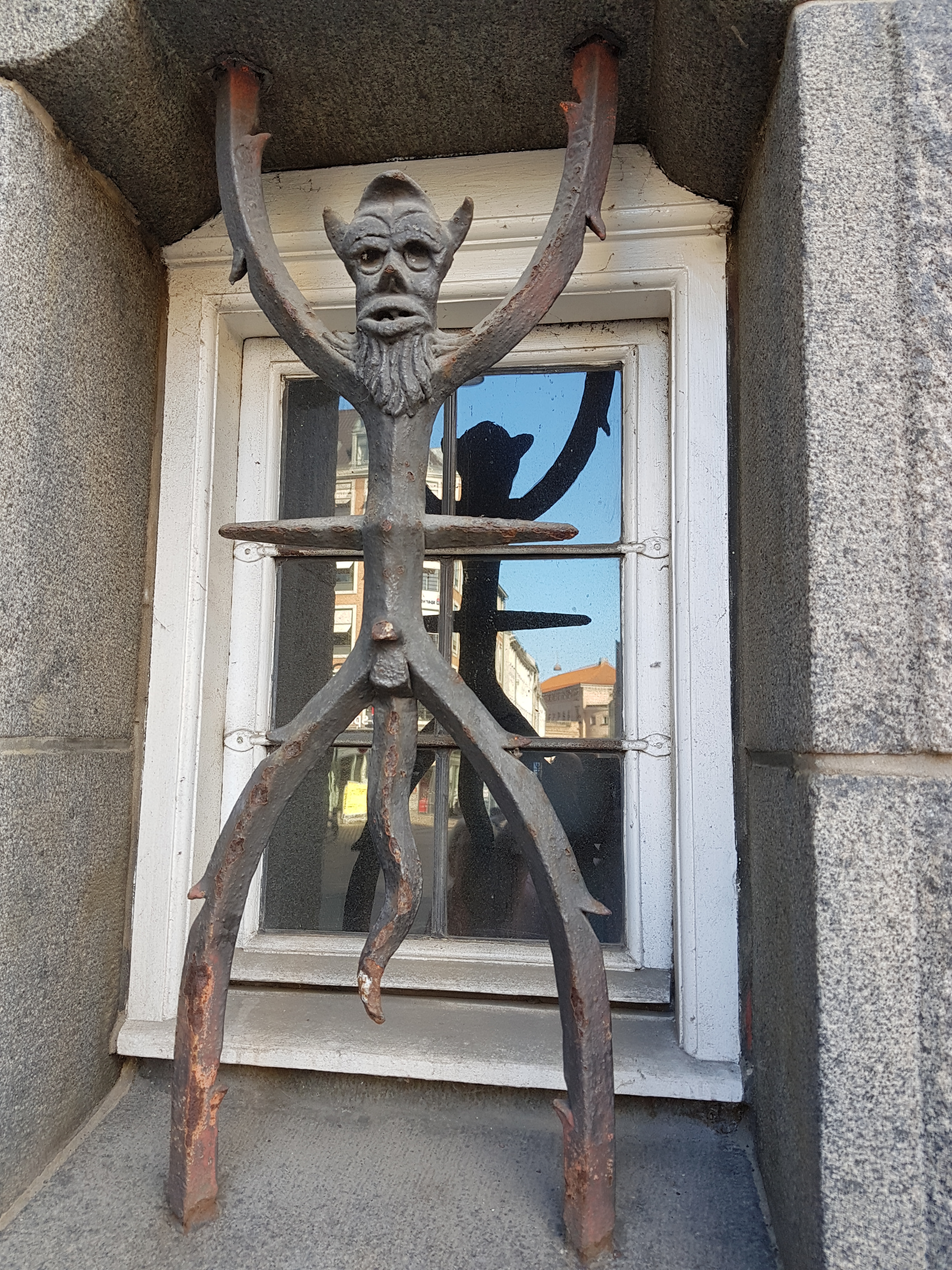
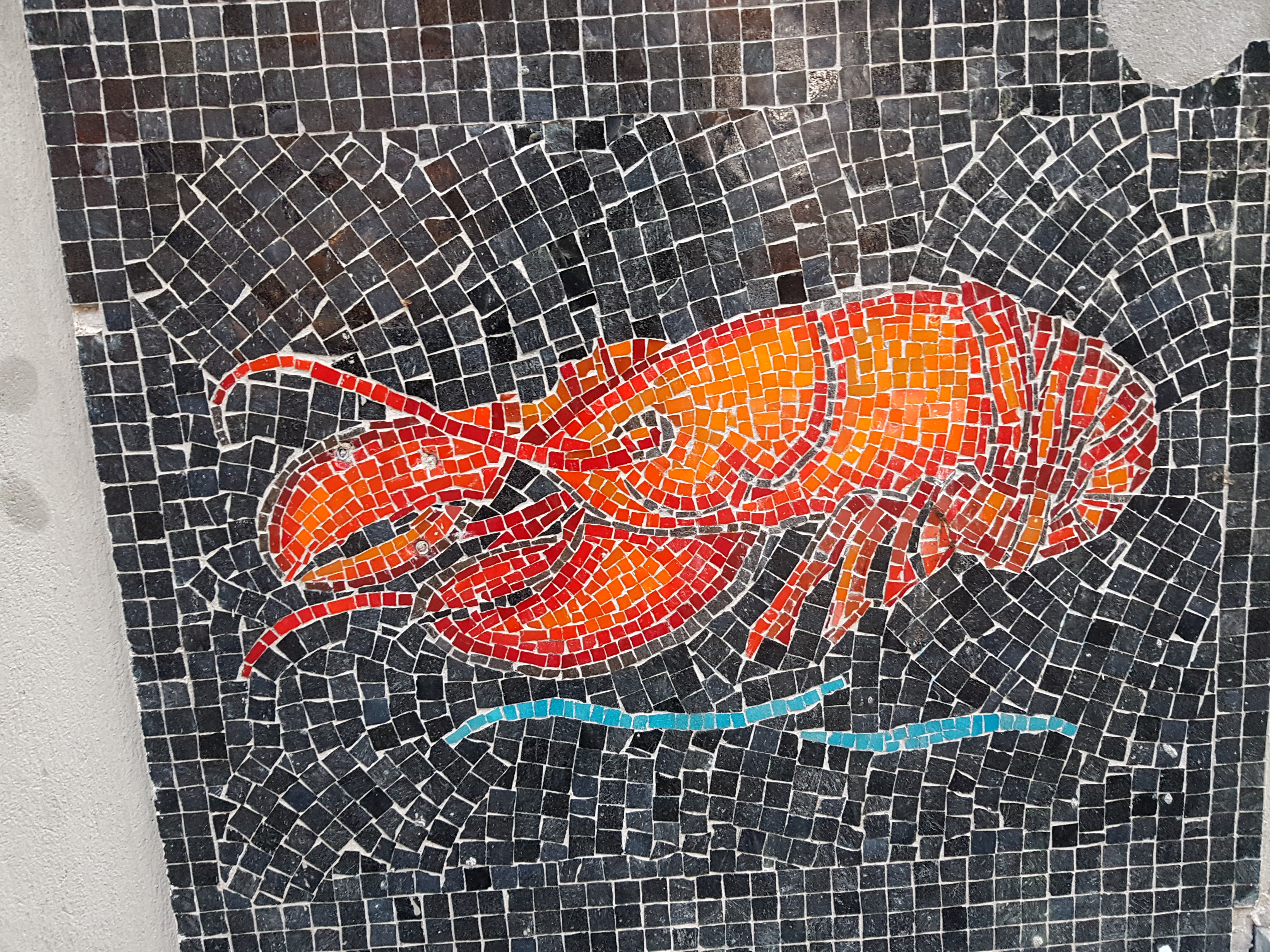
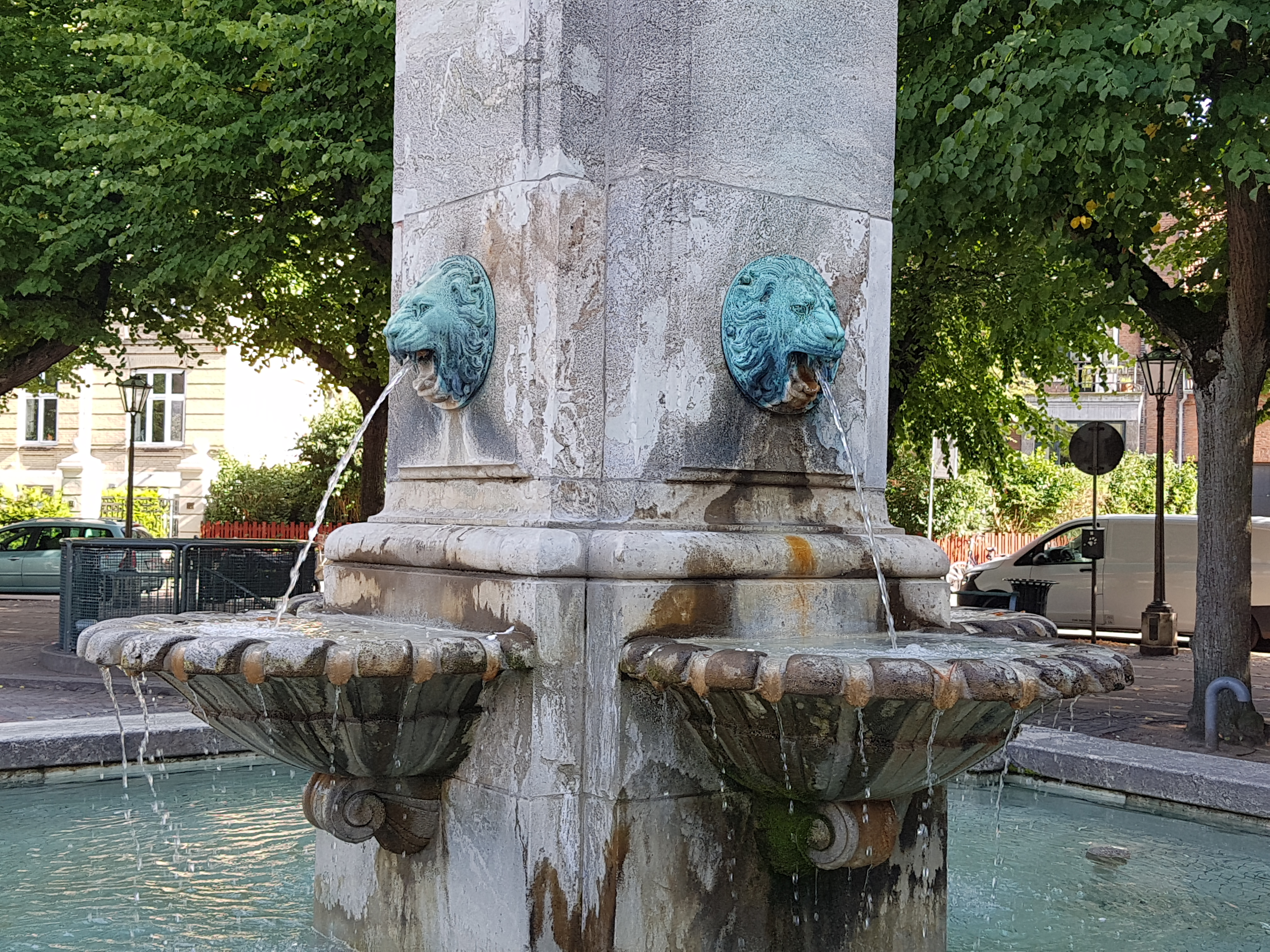
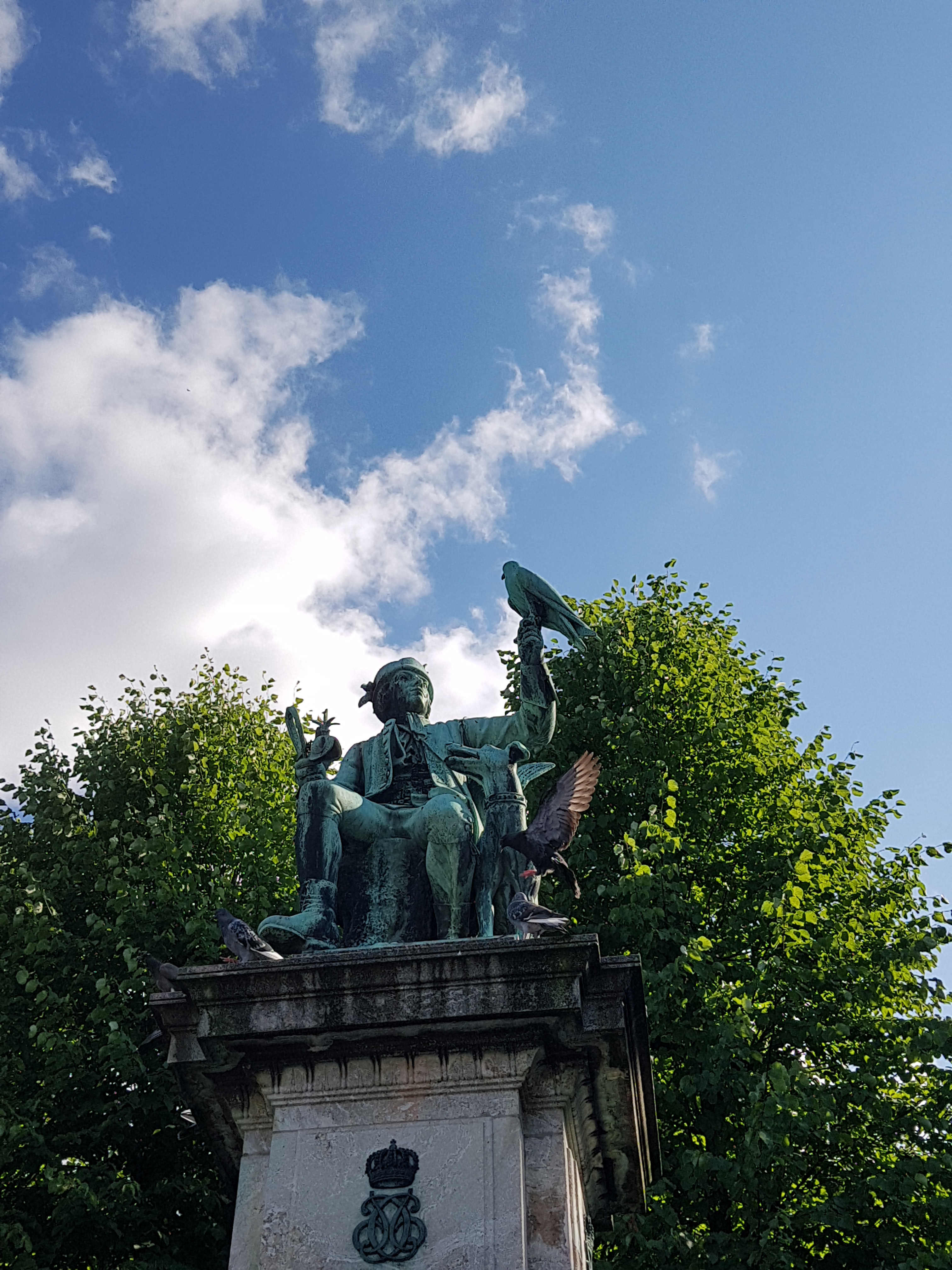
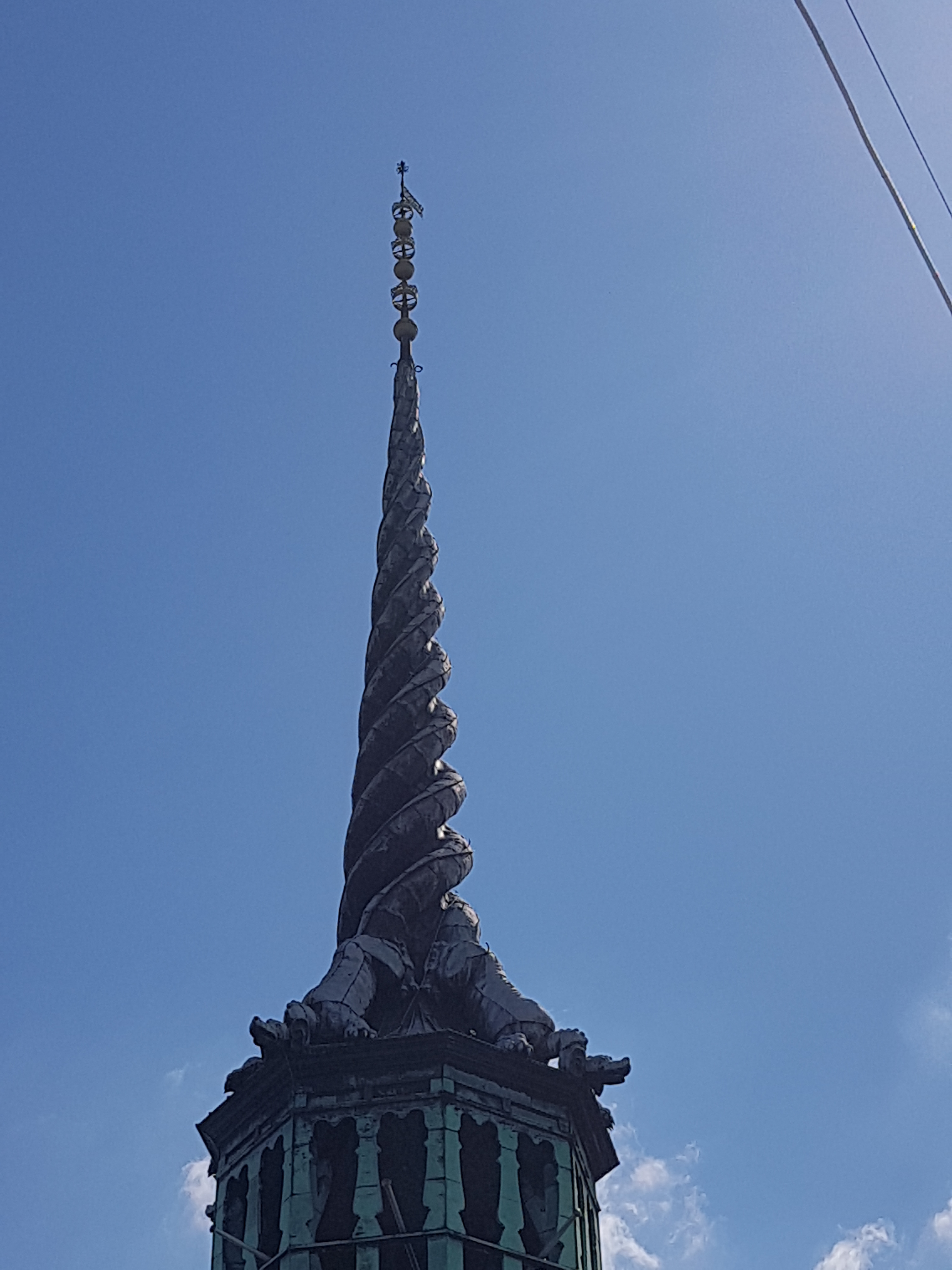
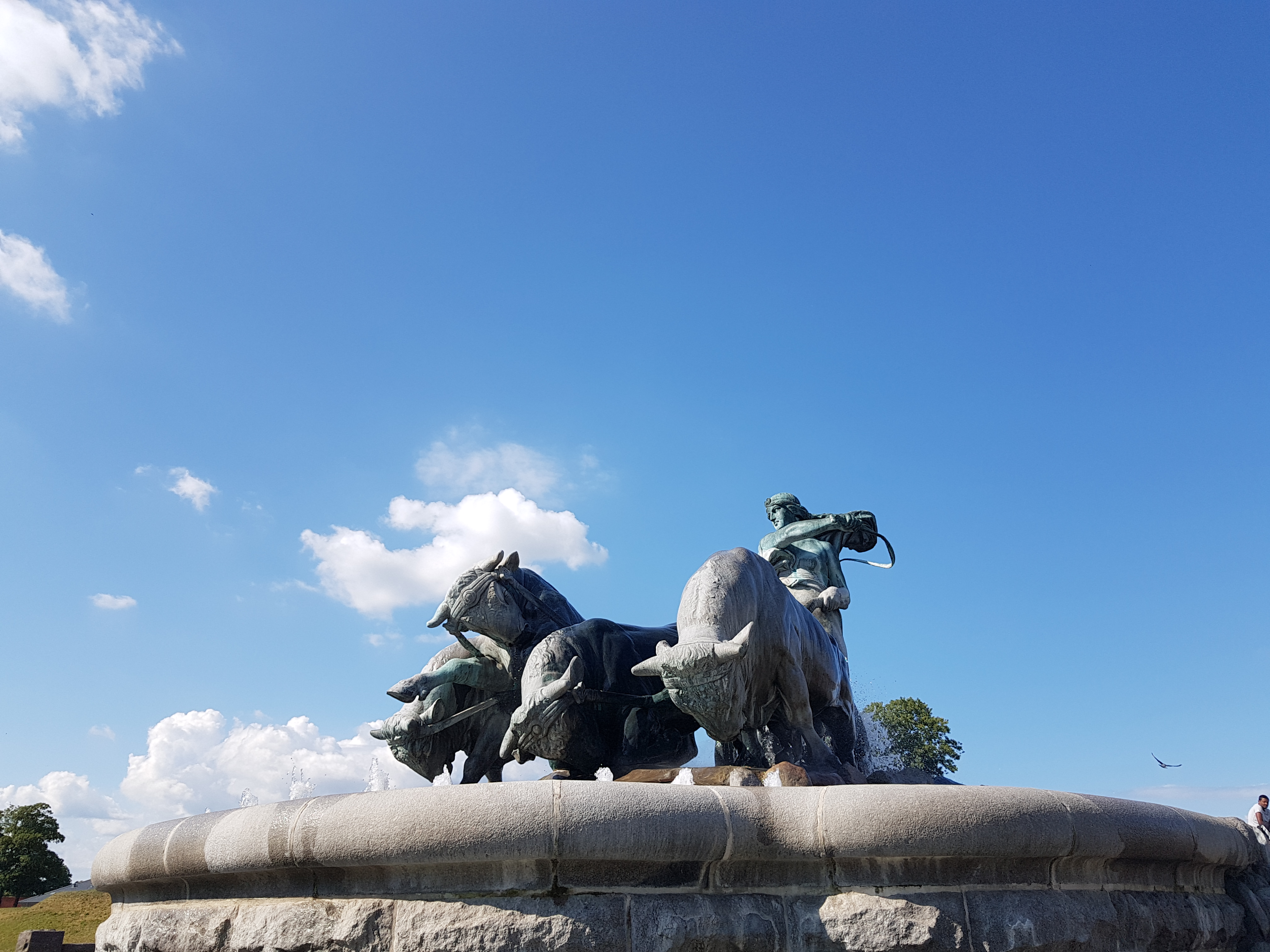
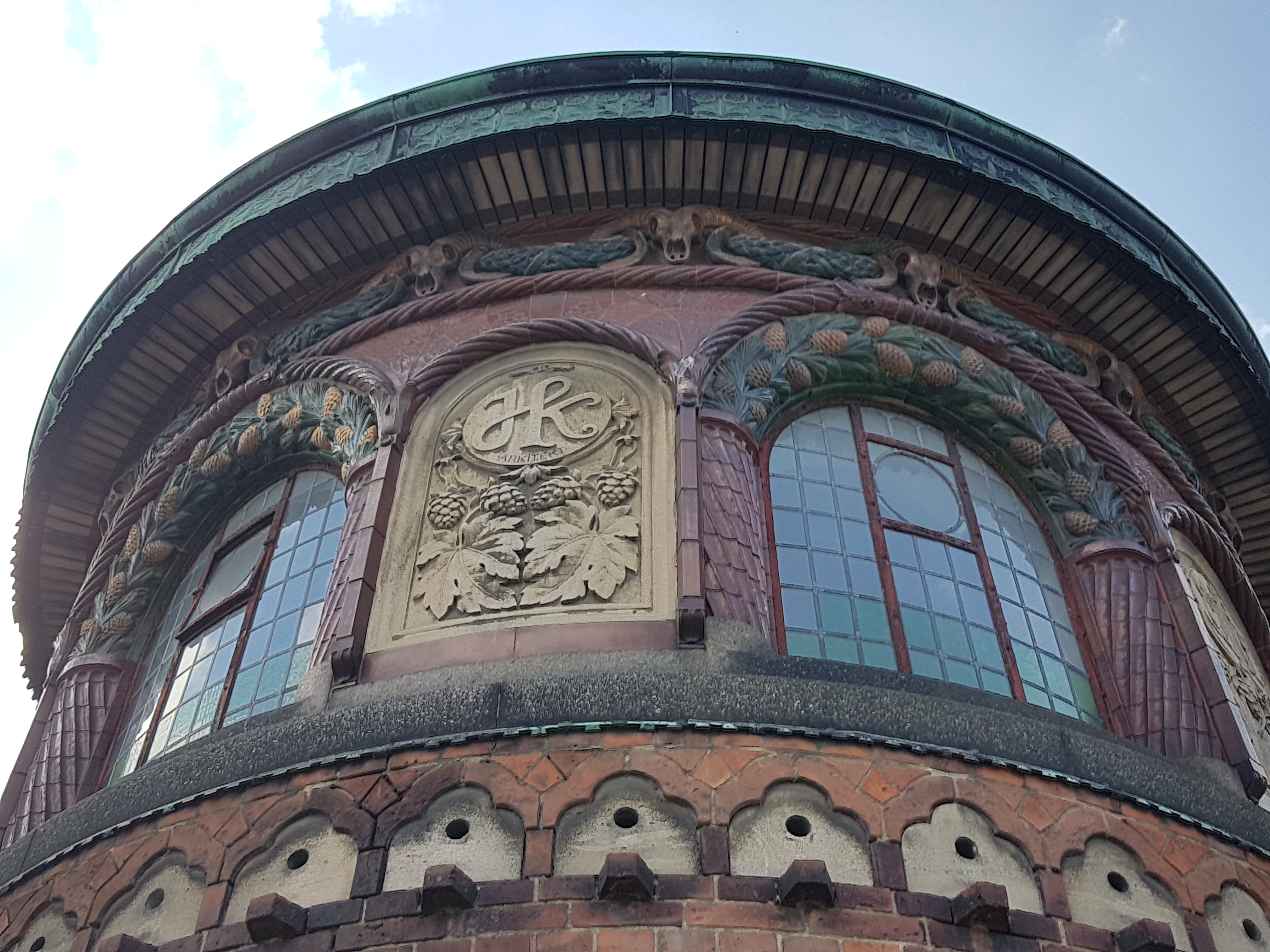
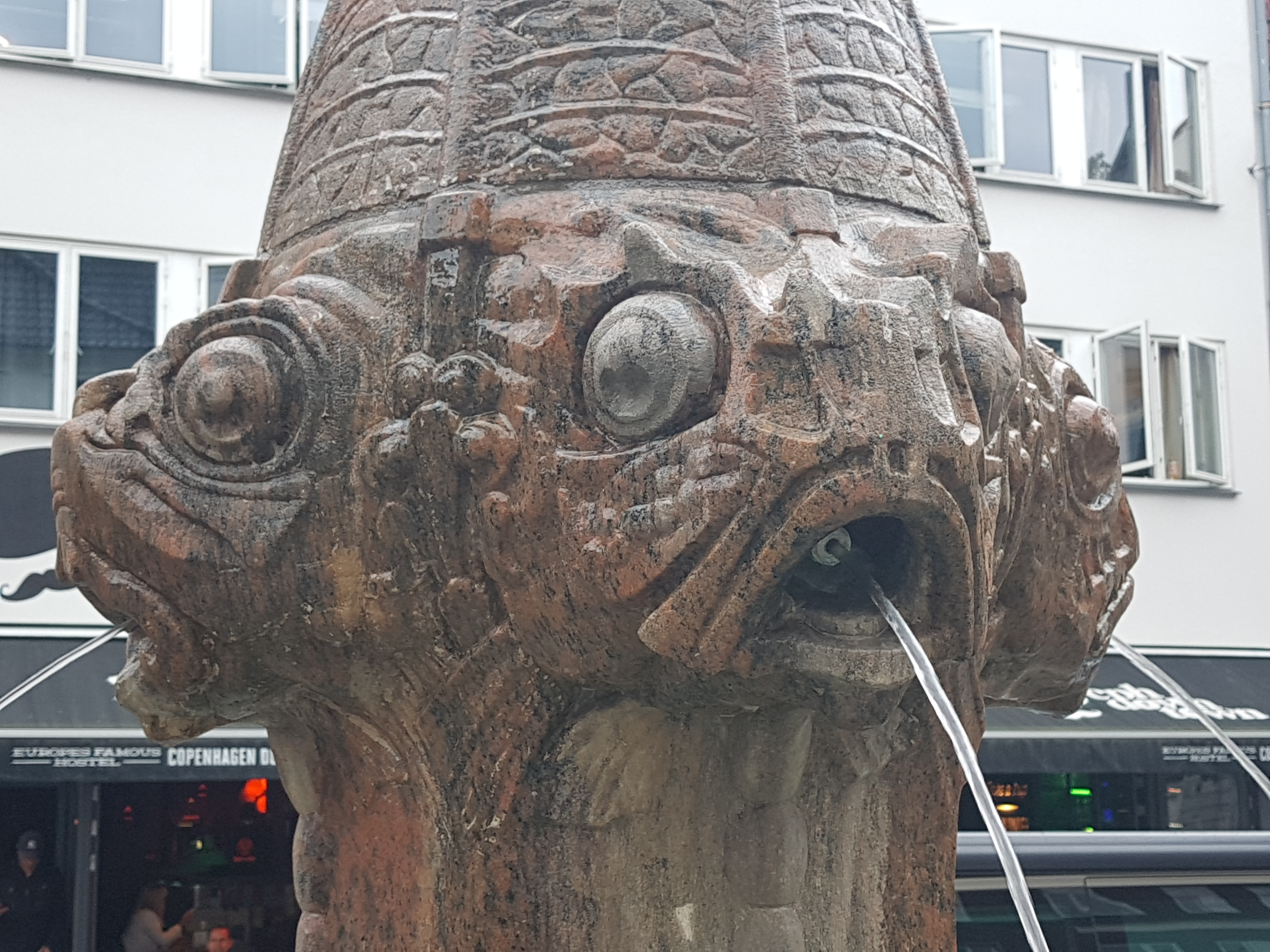
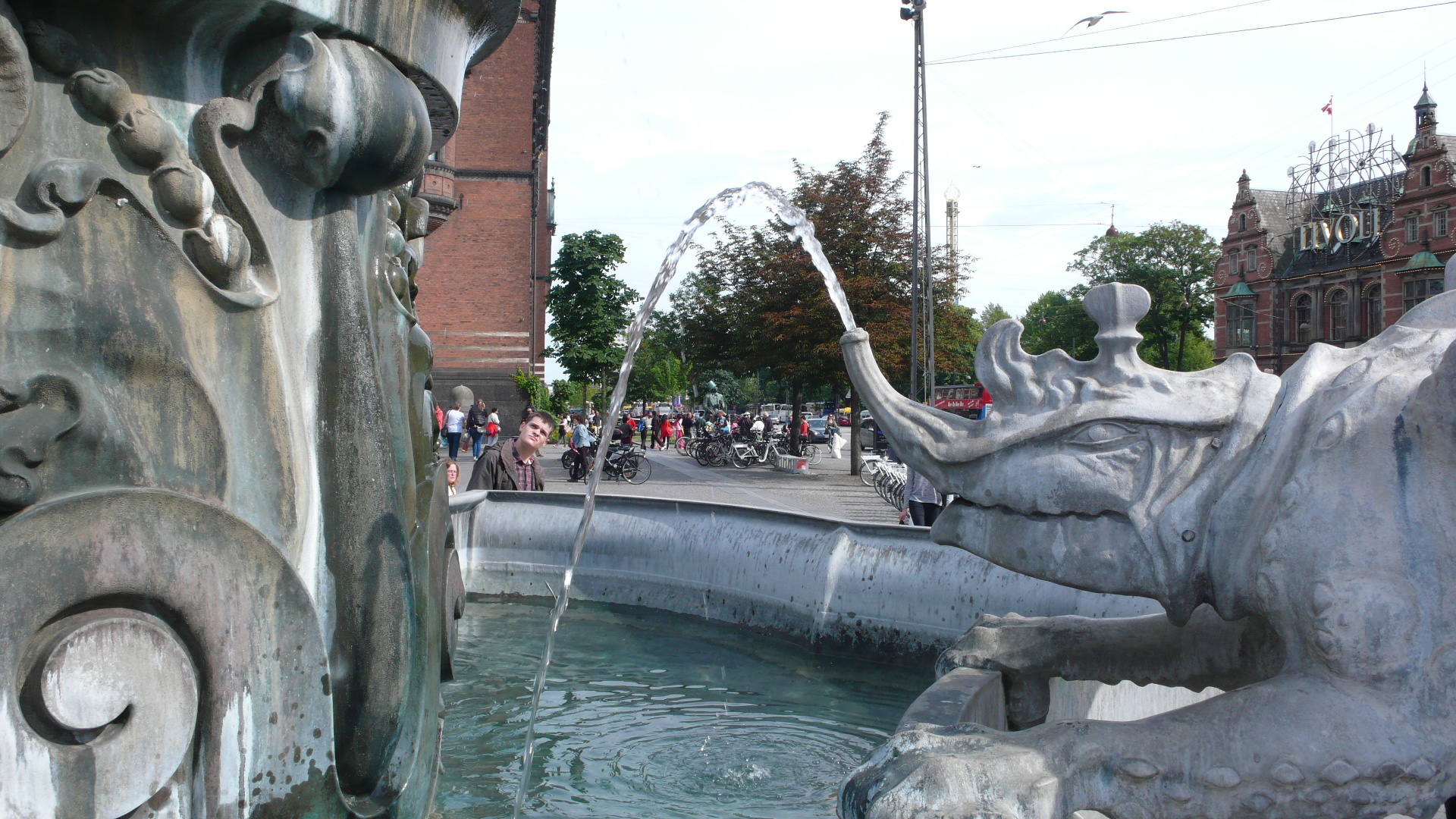
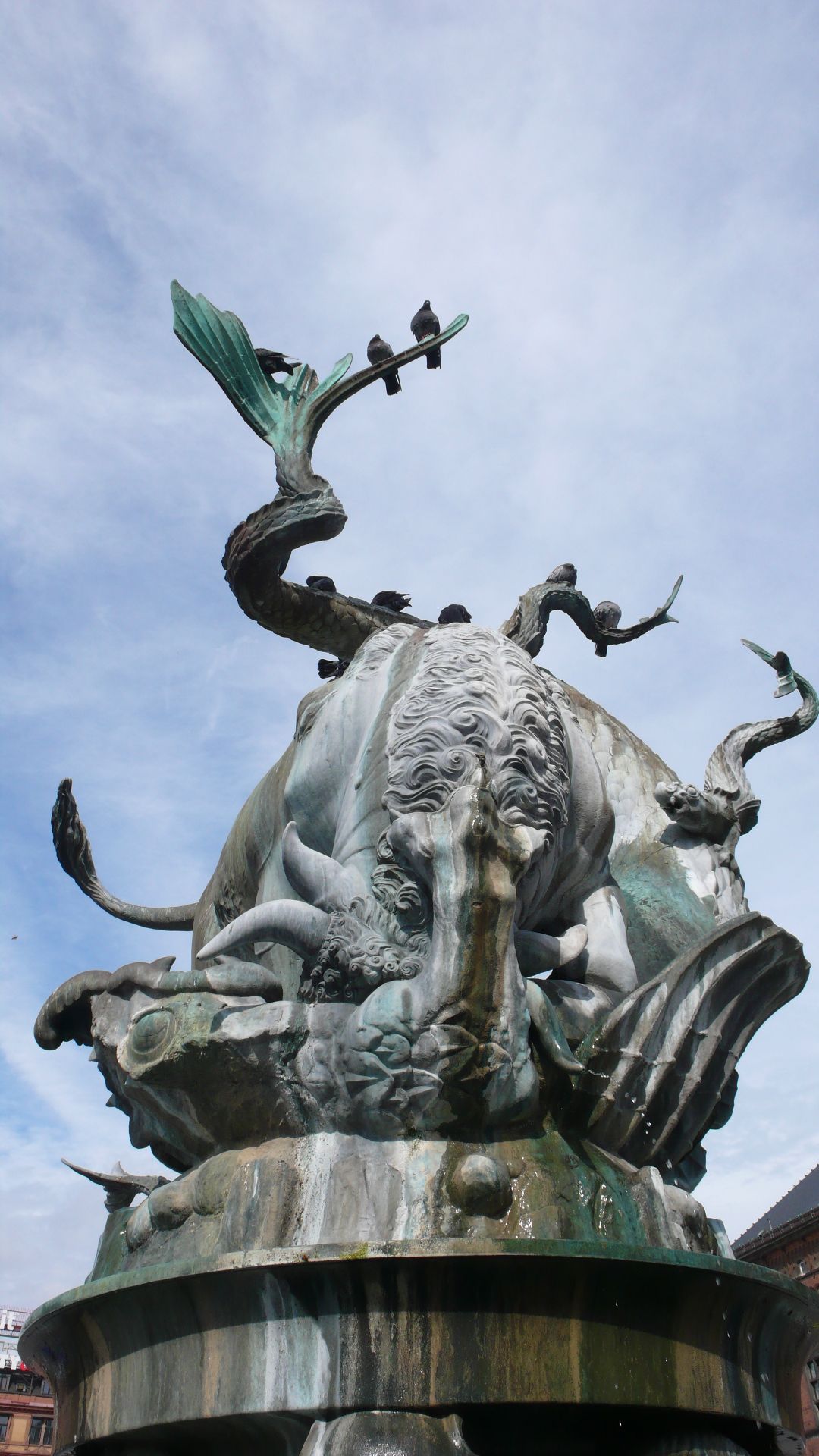
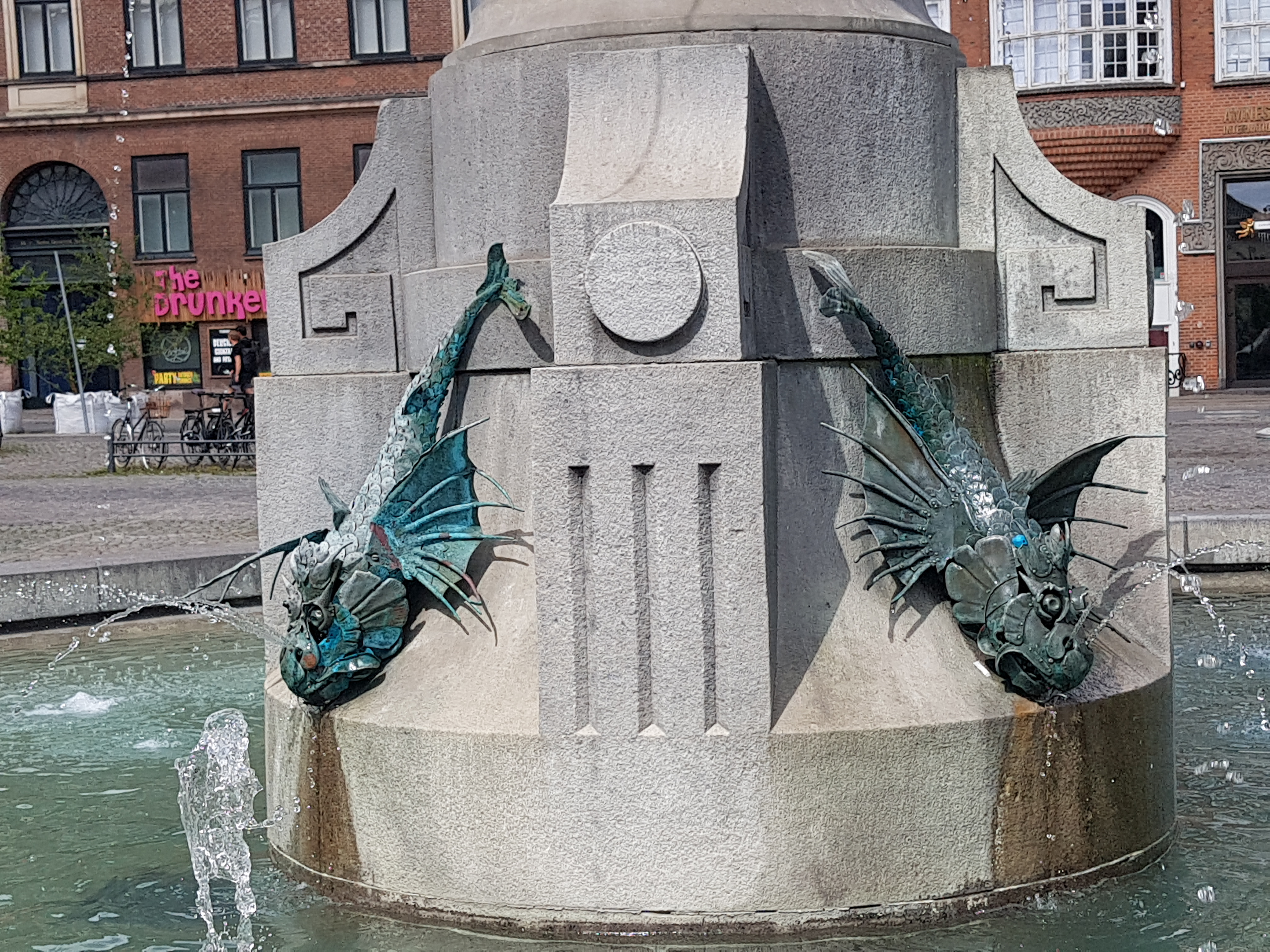
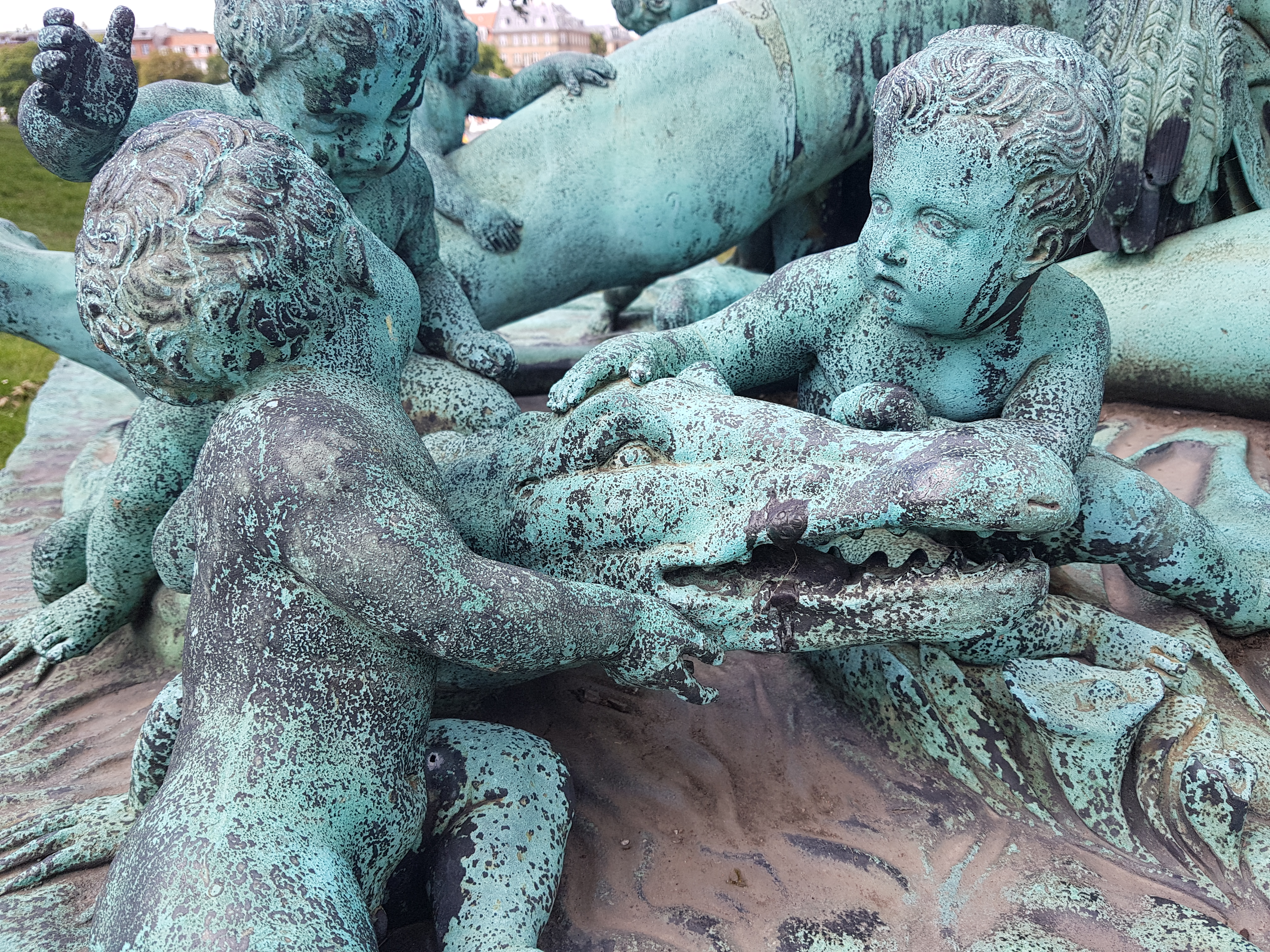
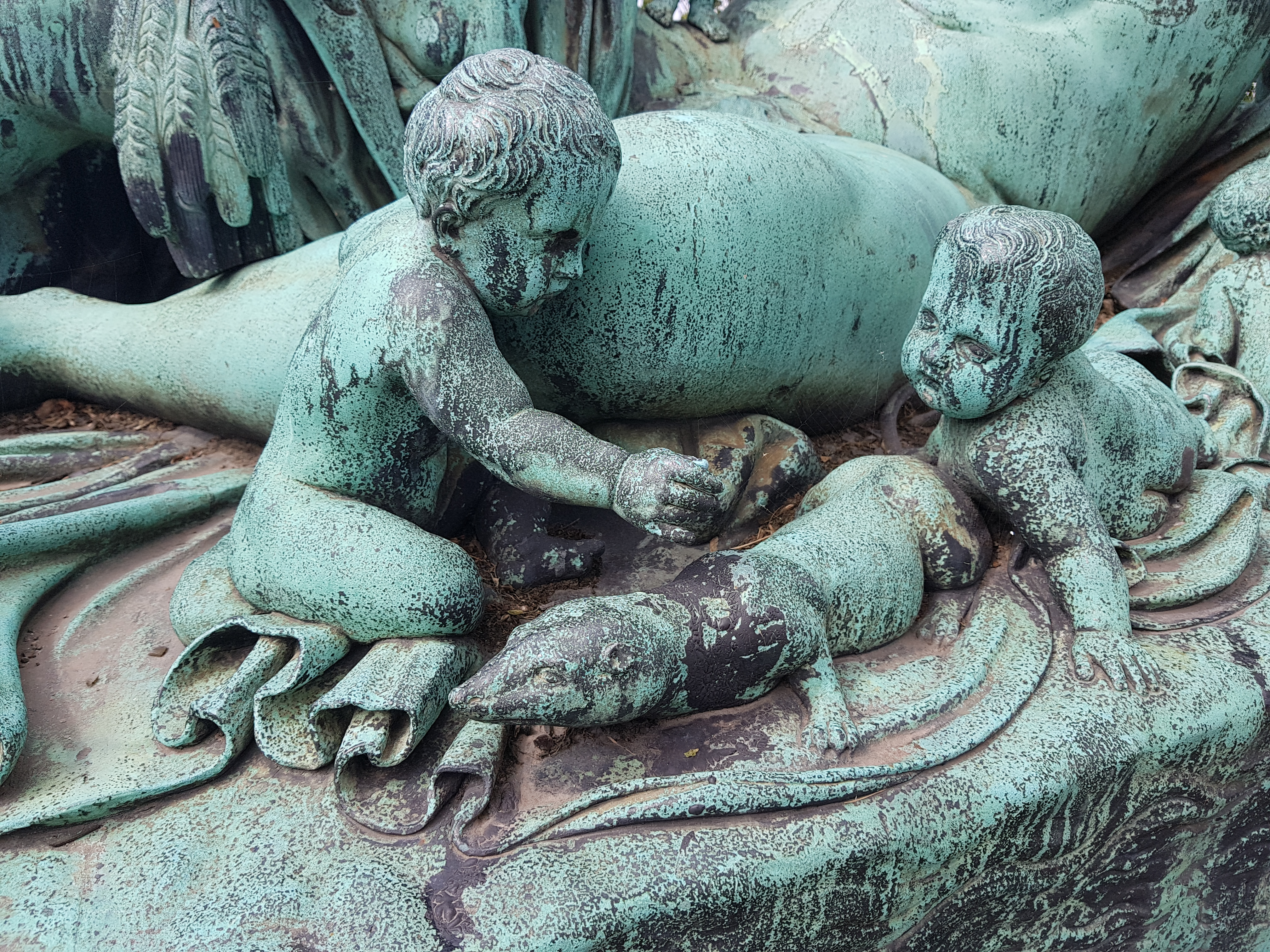
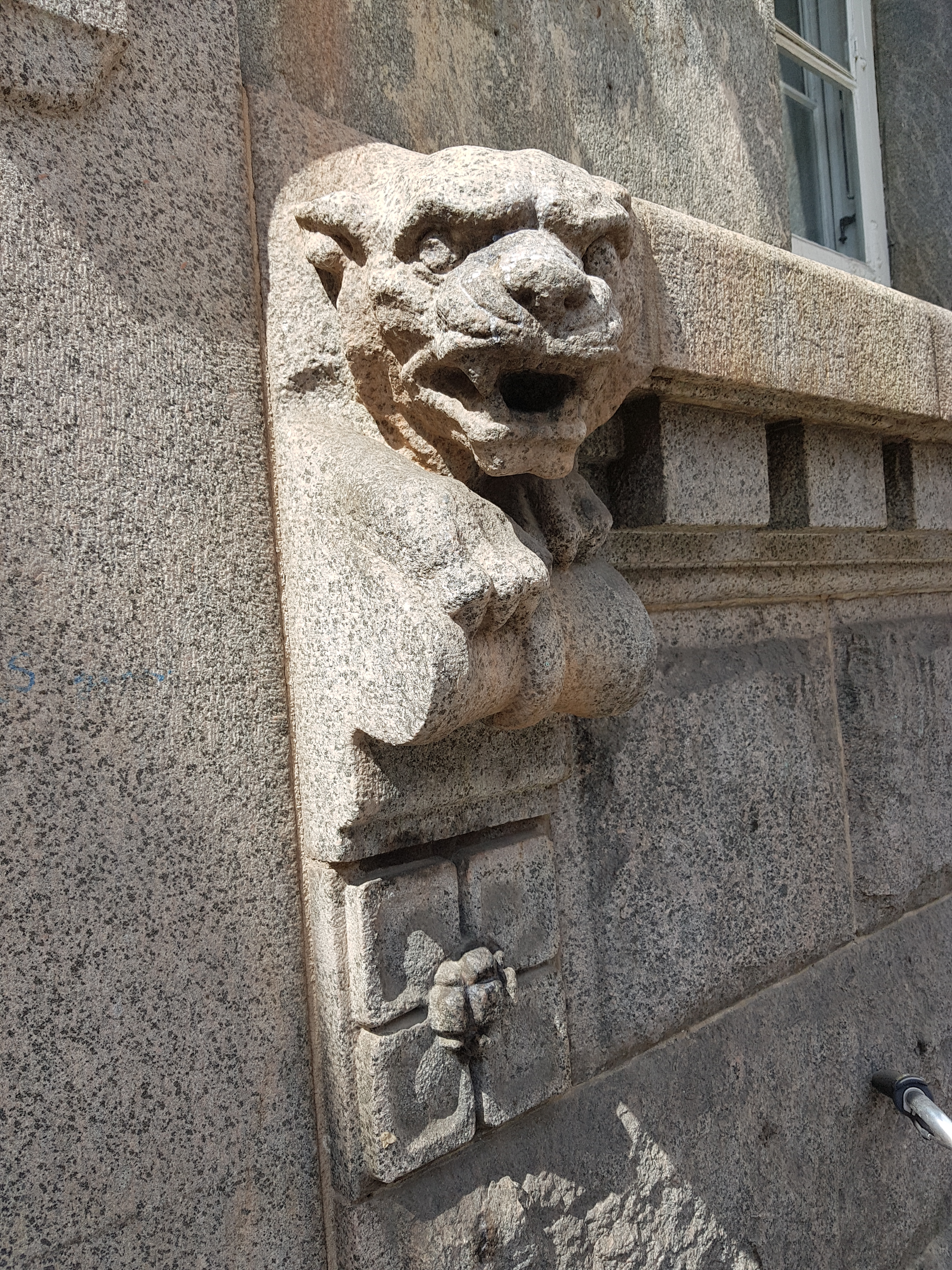
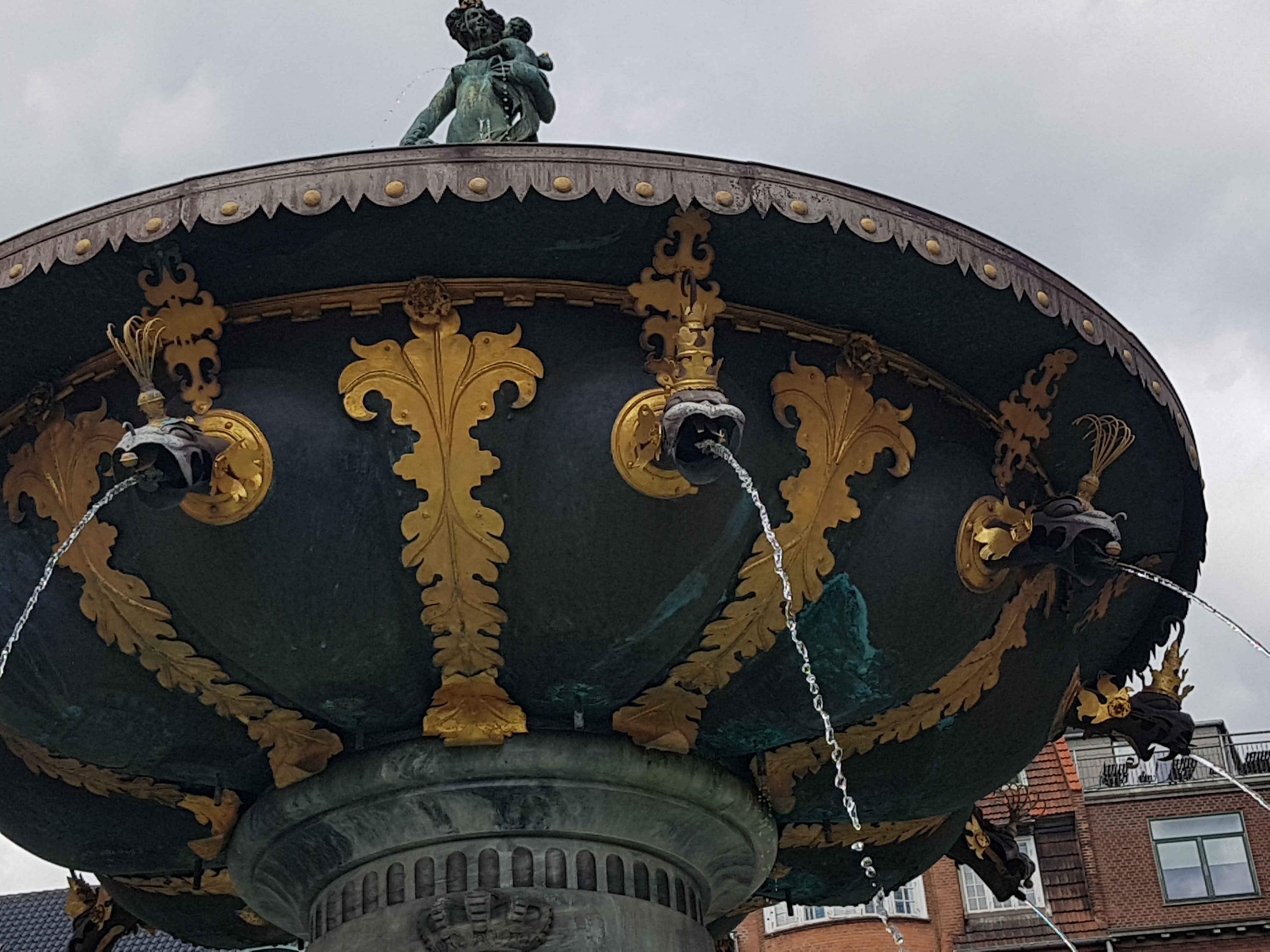
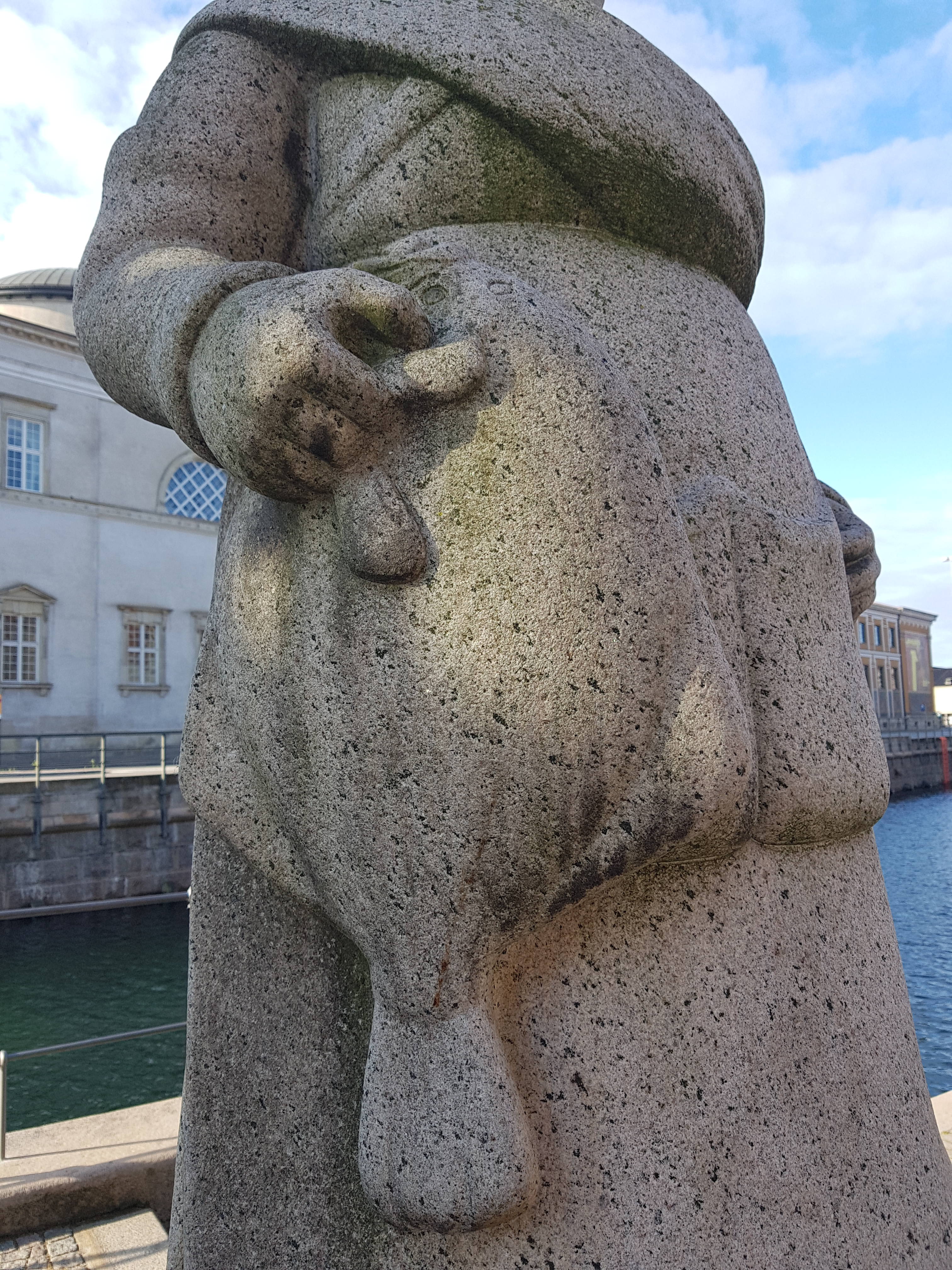
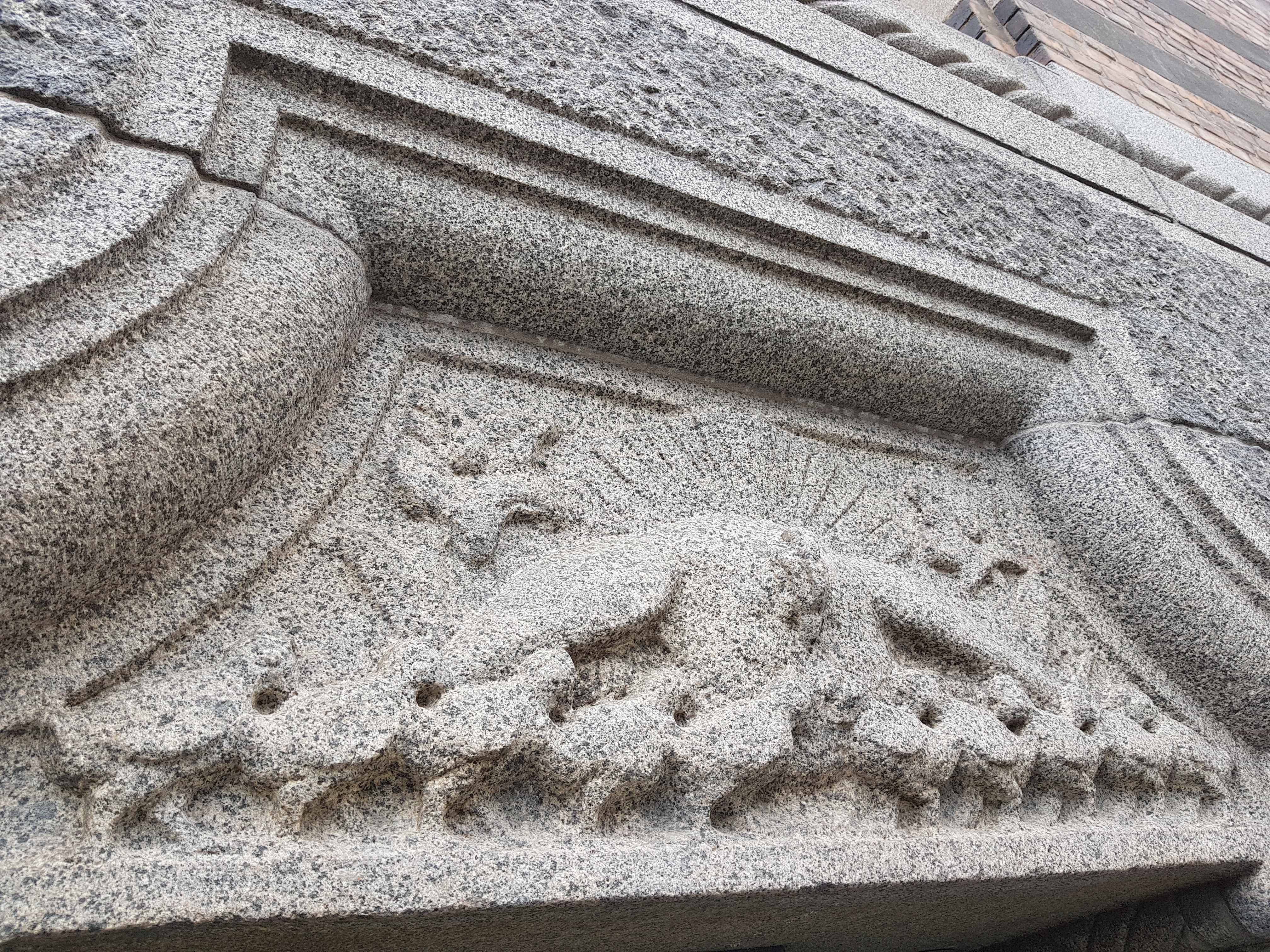
At the end of August I was back in Copenhagen for a couple of days to take part in the PhD defence of Céline Moreaux, who has been working on coffee pollination and bee conservation. While I was there I snapped a couple more images for my Copenhagen Bestiary series. However I’ve also seen some interesting sculpture and building decoration further afield this month, in Aarhus, Silkeborg, and Nykøbing Sjælland. I especially like the wooden carved canopy support in the form of a duck, from Aarhus: it’s very subtle and I almost walked past it.
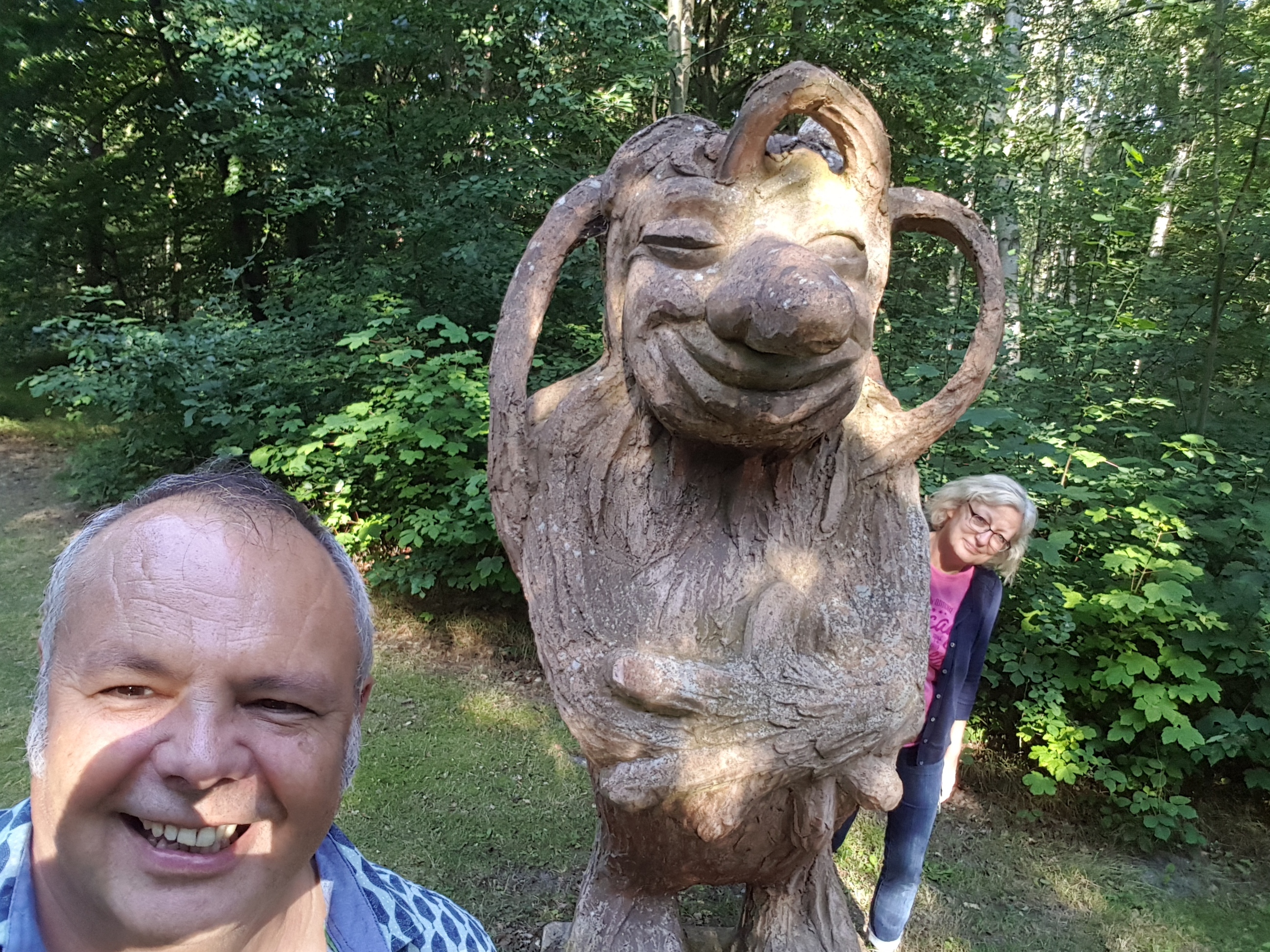
And before anyone asks, no, Karin and I are NOT part of the bestiary, but I didn’t get a shot of the troll by itself.
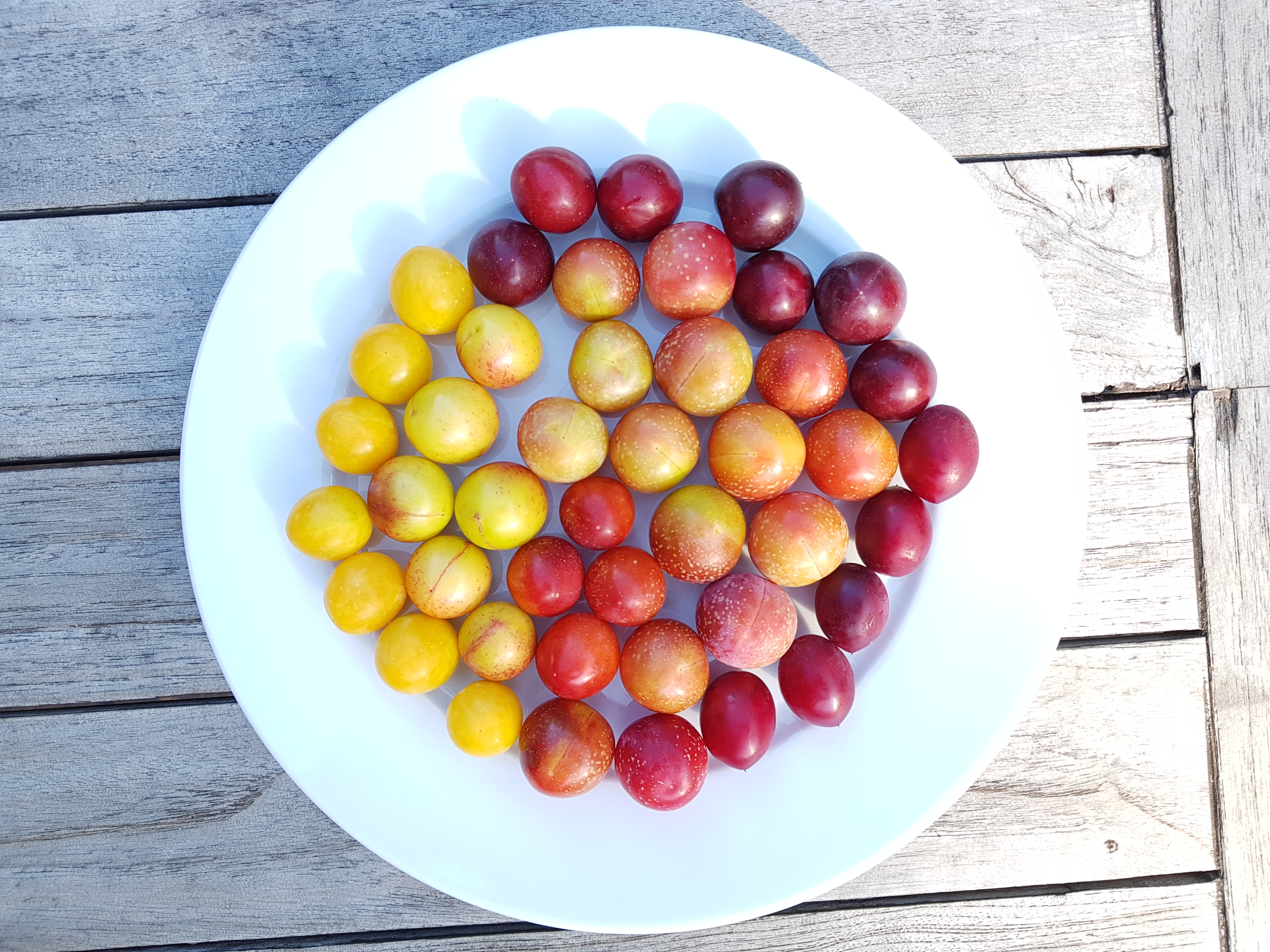
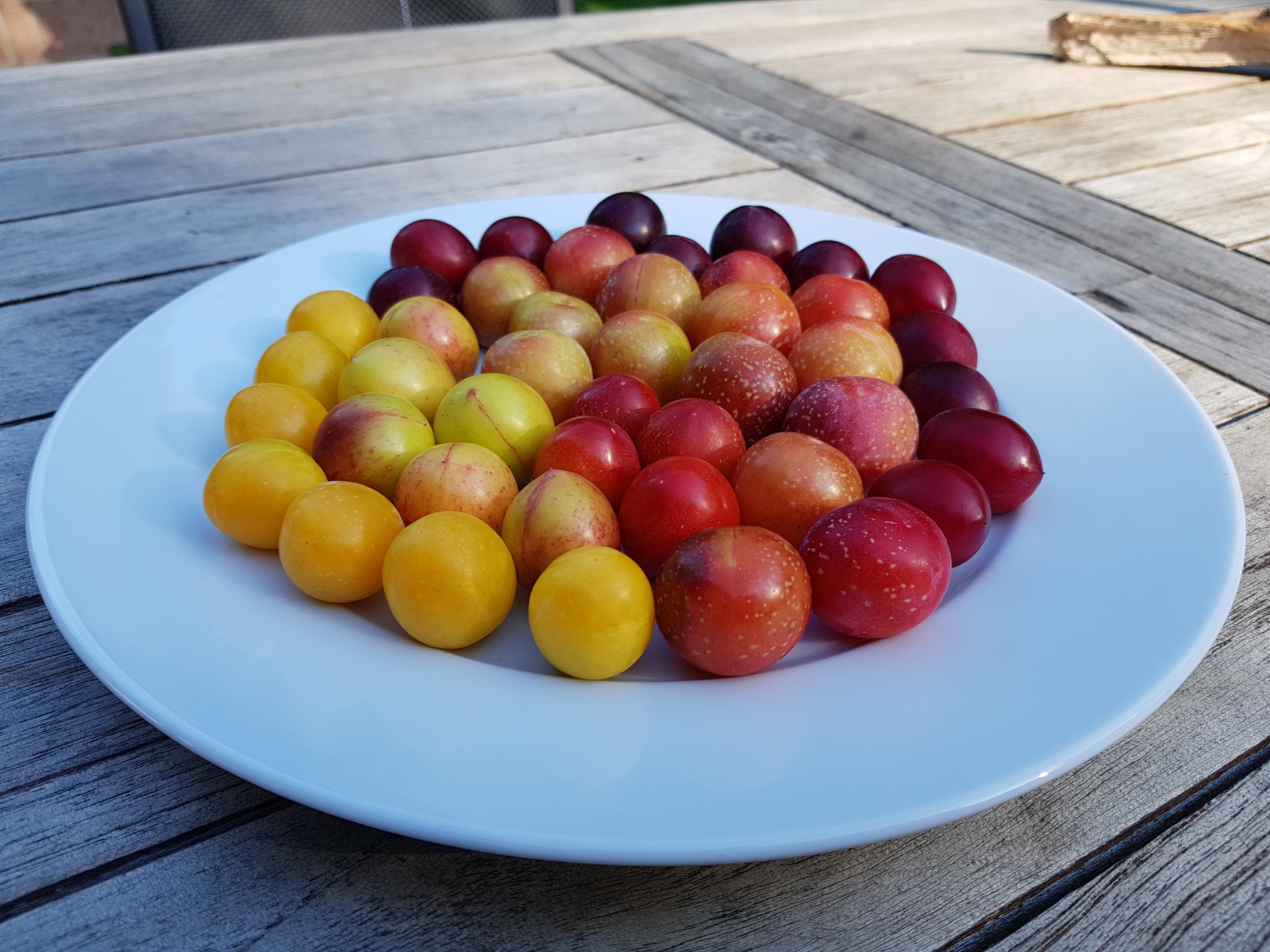
Cycling back from town this afternoon, Karin and I passed a hedgerow that was bursting with wild myrobalan or (cherry) plums (Prunus cerasifera). We had to stop and collect some, and soon filled a bag. What’s always intrigued me about these small, tart little plums is just how diverse they are: the image above shows the plums from six different trees. All of these are, in theory, the same species; but clearly there’s a lot of genetic diversity. In colour, the ripe fruits range from golden yellow through to dark purple, and vary in the amount of dark-contrasting streaking, lighter speckling, and waxy bloom. They are also variable in size, shape and taste.
All of this variation probably reflects the long history of cultivation of this European archaeophyte. The species is originally native to southeast Europe and western Asia, and was likely spread throughout Europe by the Romans. The local deer population is very fond of the fruit and we’re seeing a lot of deer droppings that are packed with seeds. We don’t usually think of these large mammals as seed dispersers, but I suspect that they are very successful in that ecological role.
As well as being a great source of wild fruit, for humans and wildlife alike, at the other end of the year these trees are important for pollinating insects. As I pointed out in my book Pollinators & Pollination: Nature and Society, Prunus cerasifera is one of the earliest flowering woody plants in northern Europe, and its flowers are an important nectar and pollen source for early emerging bumblebee queens, hoverflies, and honey bees.
Delicious, abundant fruit combined with a valuable role for pollinators: what’s not to like?
Earlier today we had a message from the owner of the AirBnB that we are staying in to let us know that he’s expecting a guy to come and spray pesticide around the house to kill the ‘invasive’ beewolves. The European beewolf (Philanthus triangulum) is a type of wasp in the family Crabronidae that is only distantly related to the typical wasps that you find trying to share your barbecue and beer. As its name suggests, it preys upon bees, but it’s actually a pollinator itself and visits a range of flowers.
I immediately got back to our host and pointed out that beewolves are gentle insects, completely harmless, and less dangerous than the pesticide the company would use to kill them, and that he was wasting his money. He informed us that the pest control company had told him that he needed to control them other wise he’d be ‘over-run’ with them next year!
When I explained to him that this was nonsense, and that the beewolves cause no damage to people or property, he promised to get back to the company to cancel the order, and thanked me for the information. I’m hoping that I’ve made a convert to the cause of insect conservation!
It maddens me that pest control companies are preying on people’s fear of insects to make money in this way. Insects are subjected to enough assaults by human activities without making up spurious reasons for poisoning them.
So if you are lucky enough to have beewolves in your garden, please treat them with respect and watch their fascinating behaviour:
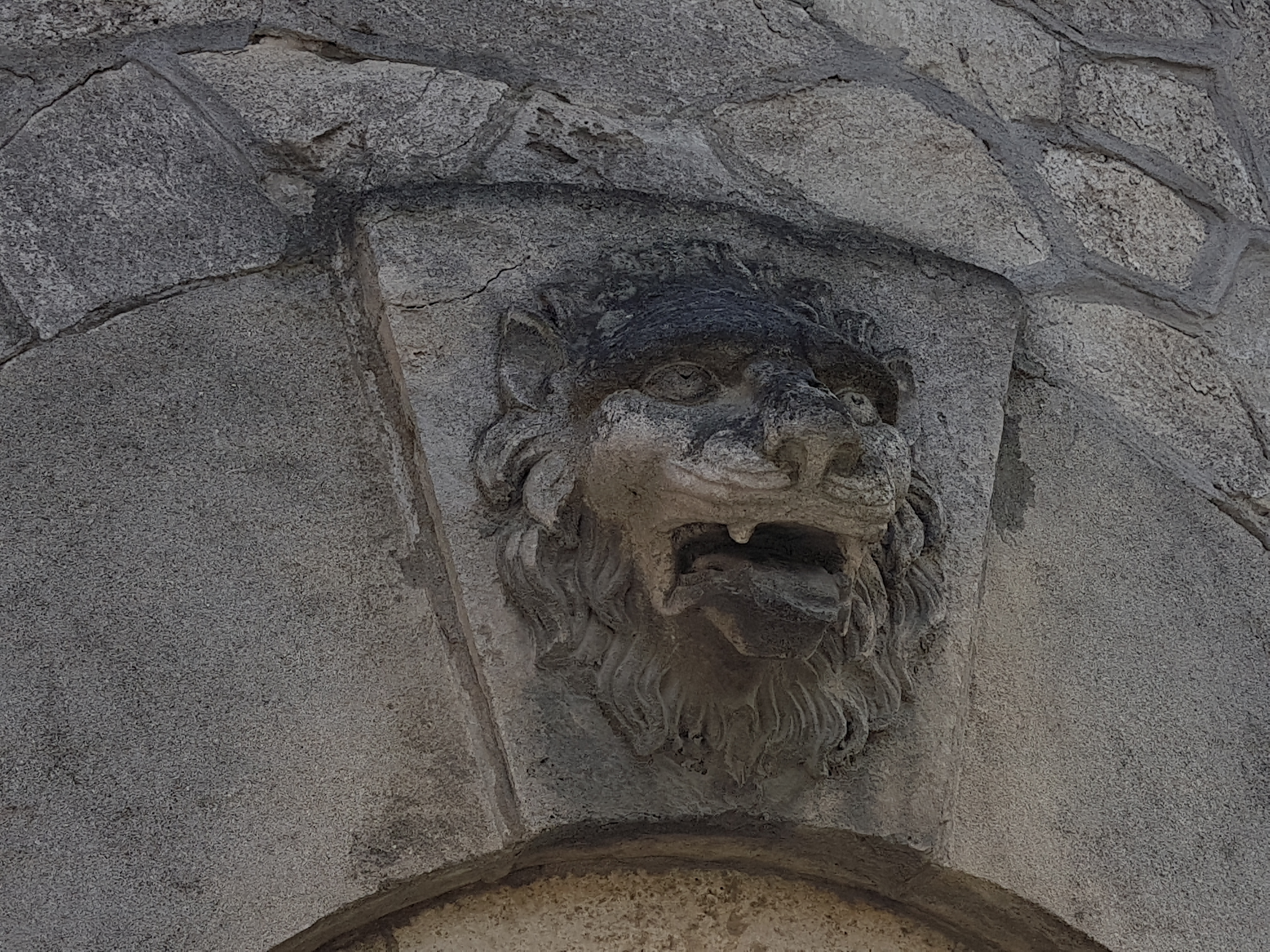
We have now left Copenhagen, taking a (very comfortable) train over to Silkeborg to catch up with Karin‘s family for a week. So this is the final installment of the Copenhagen Bestiary for now, but I’m sure that I will add to it as I return to the city and explore further. I suspect that there are many more creatures to discover adorning the architecture of that wonderful city. And then there’s Aarhus, Odense, Roskilde….
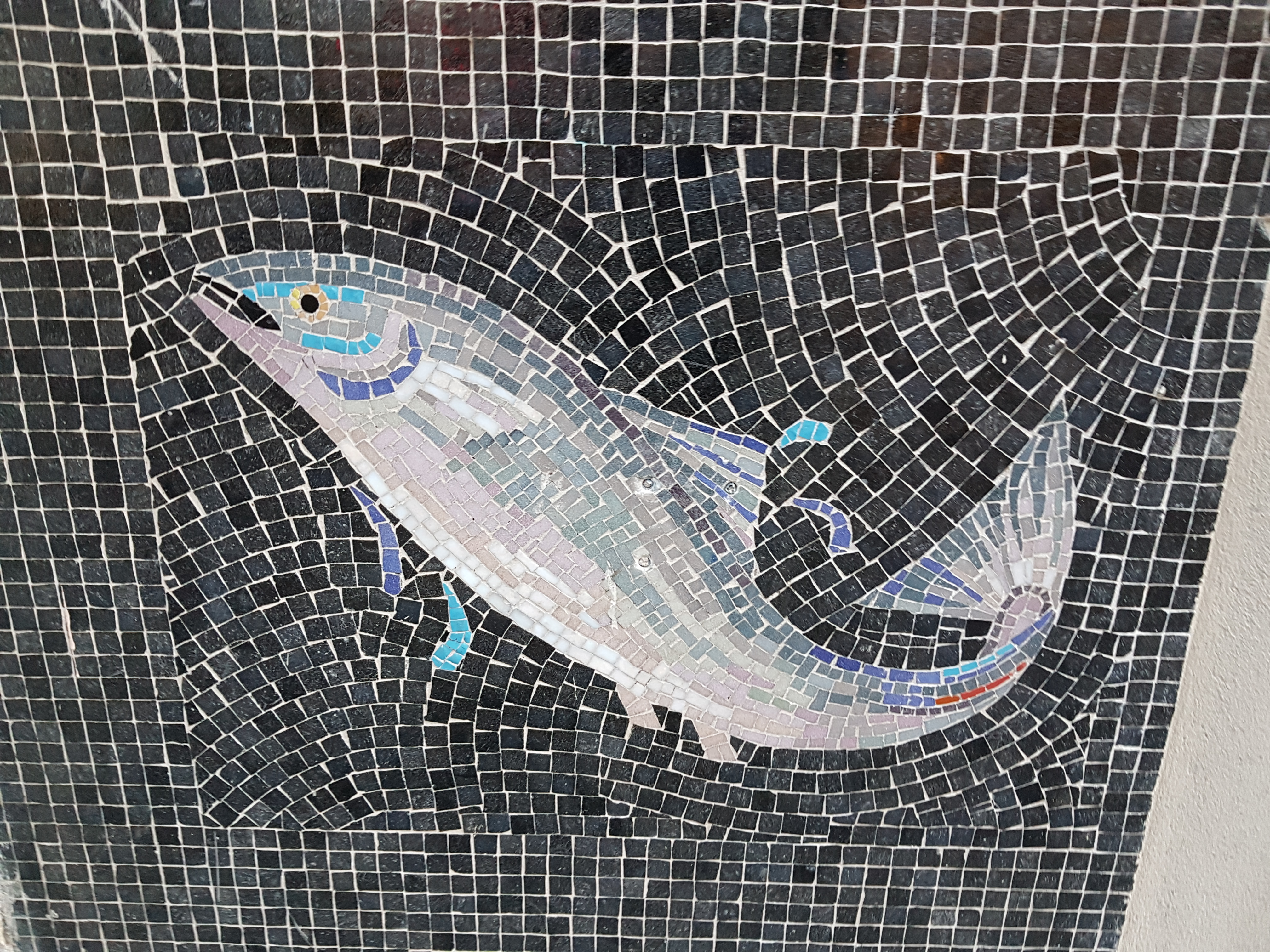
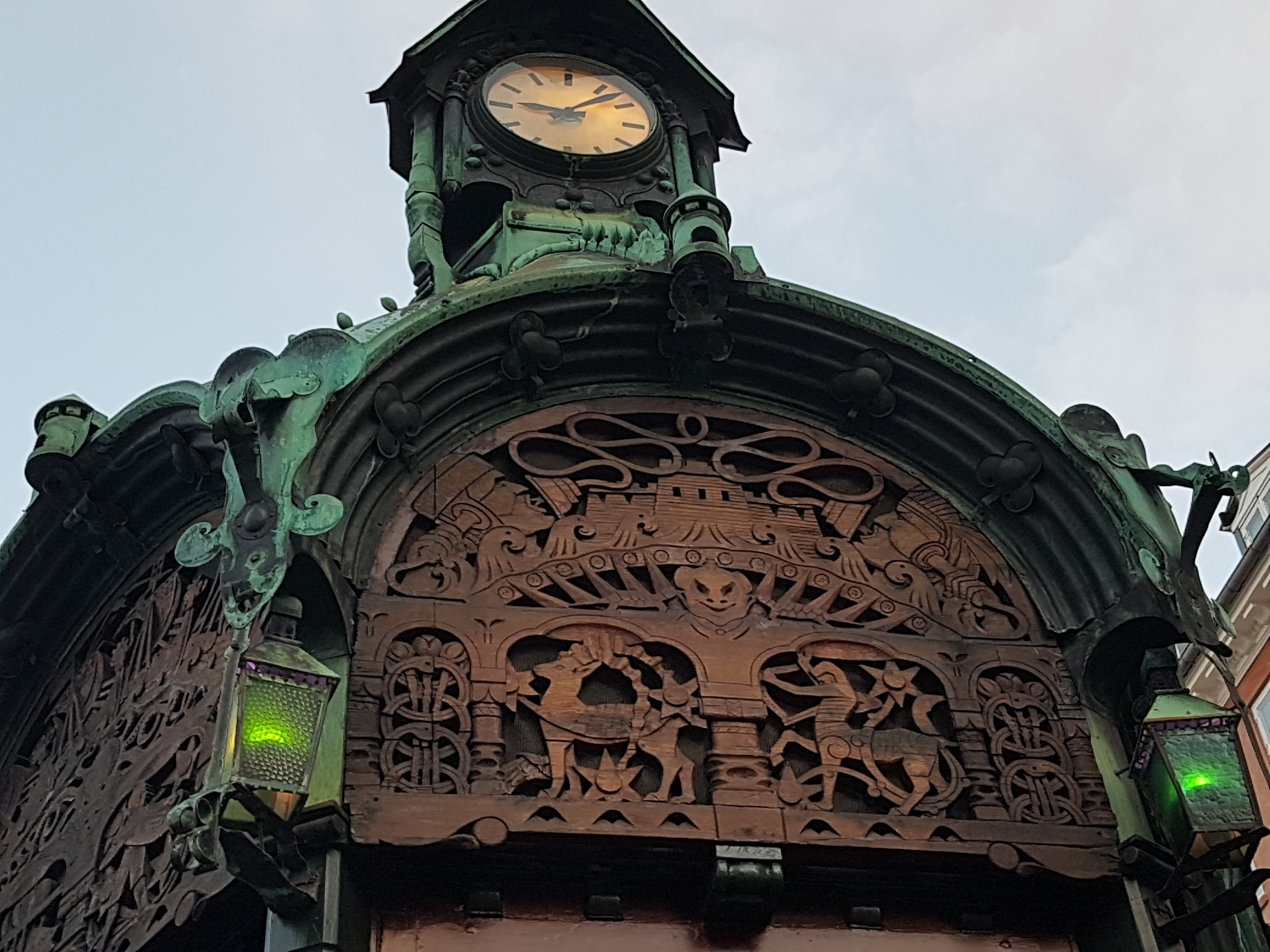
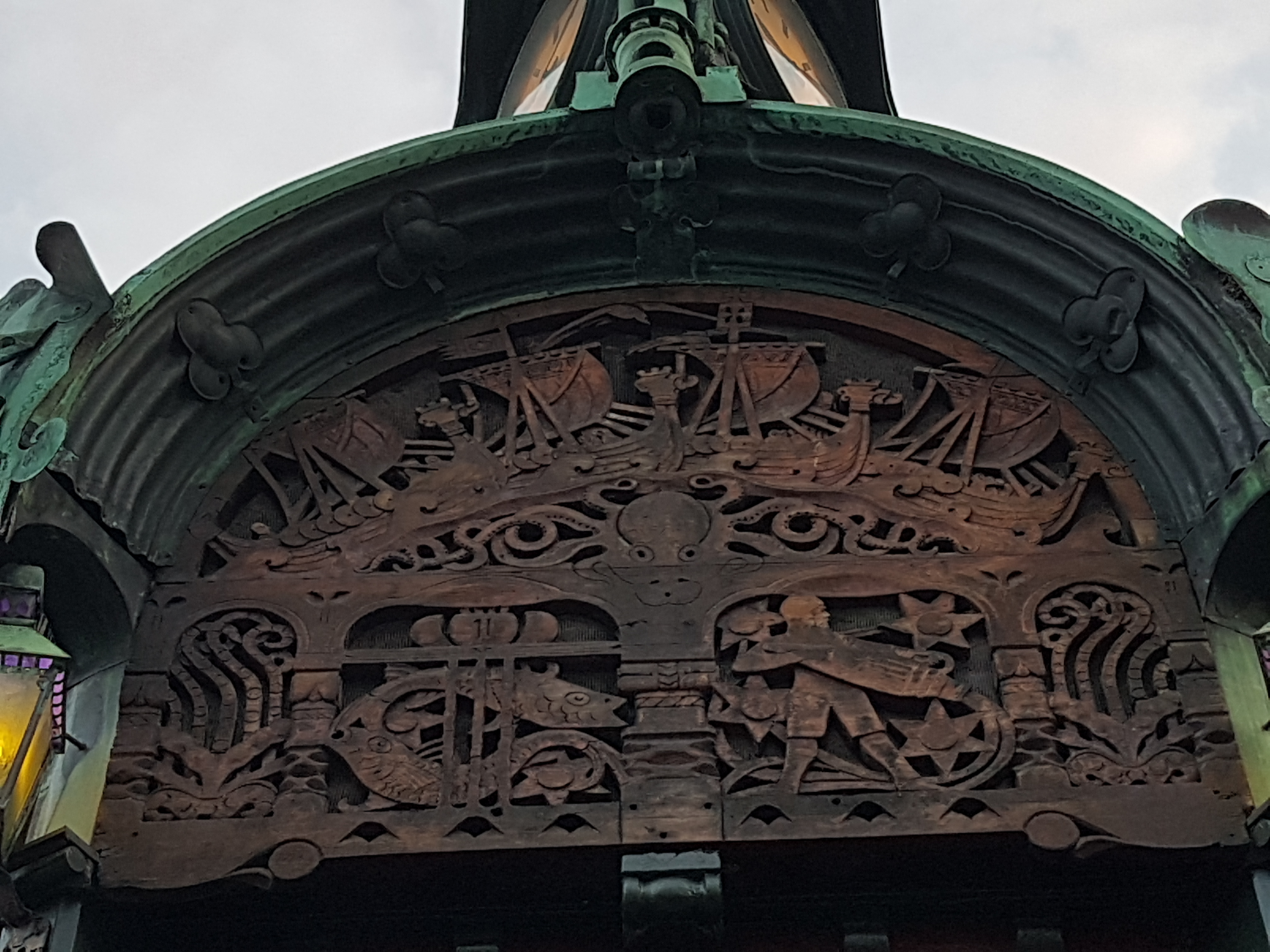
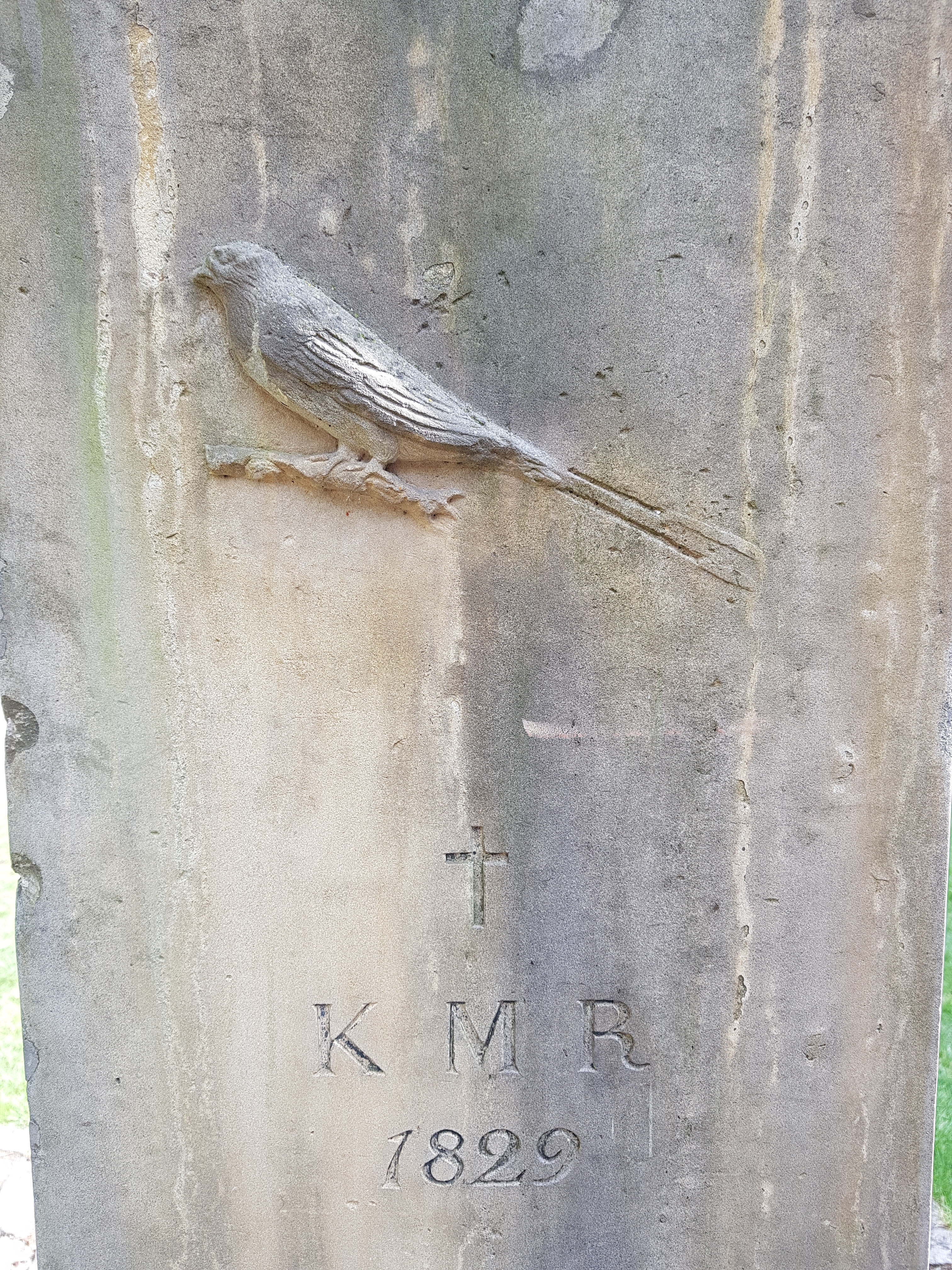
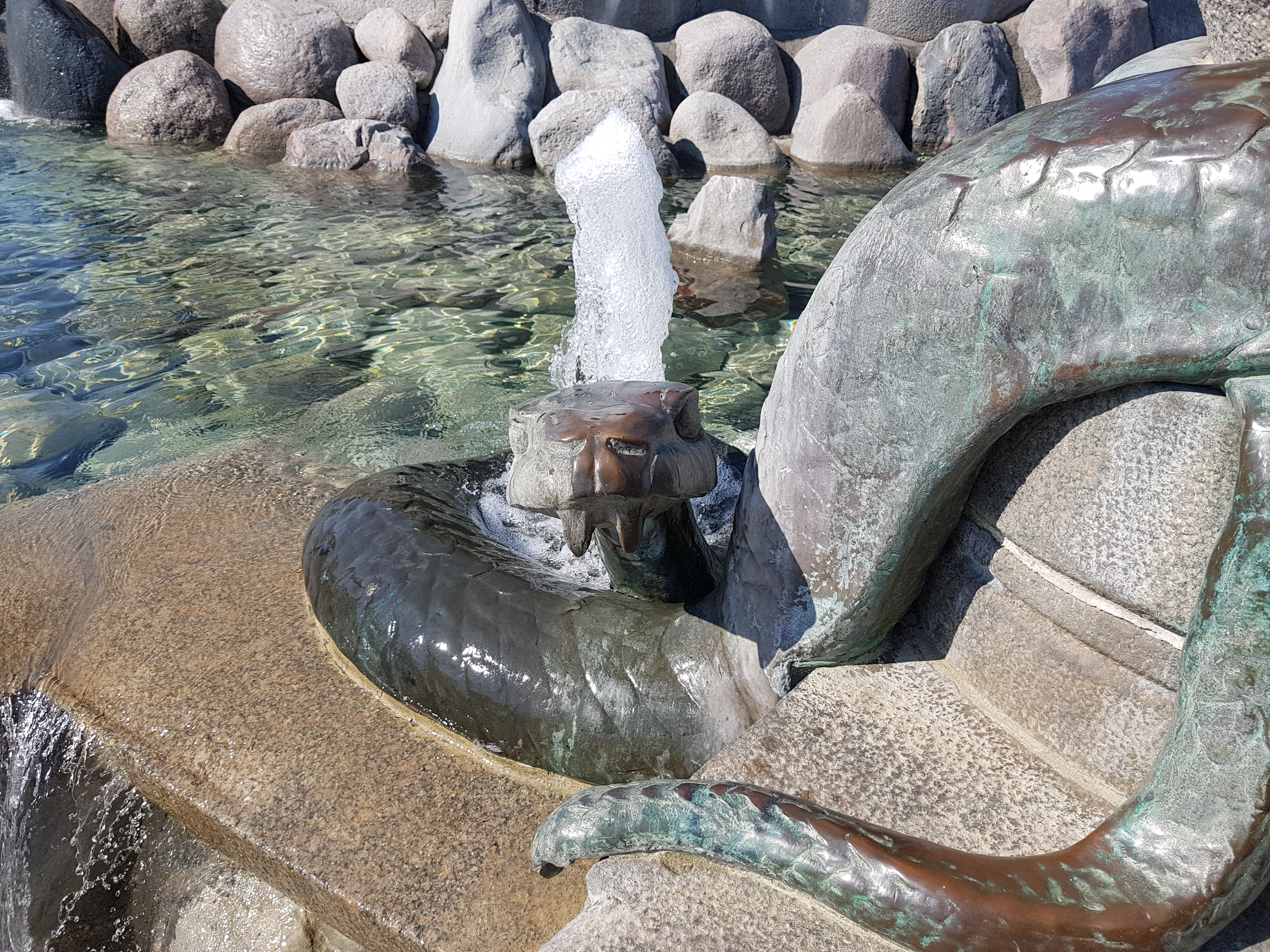
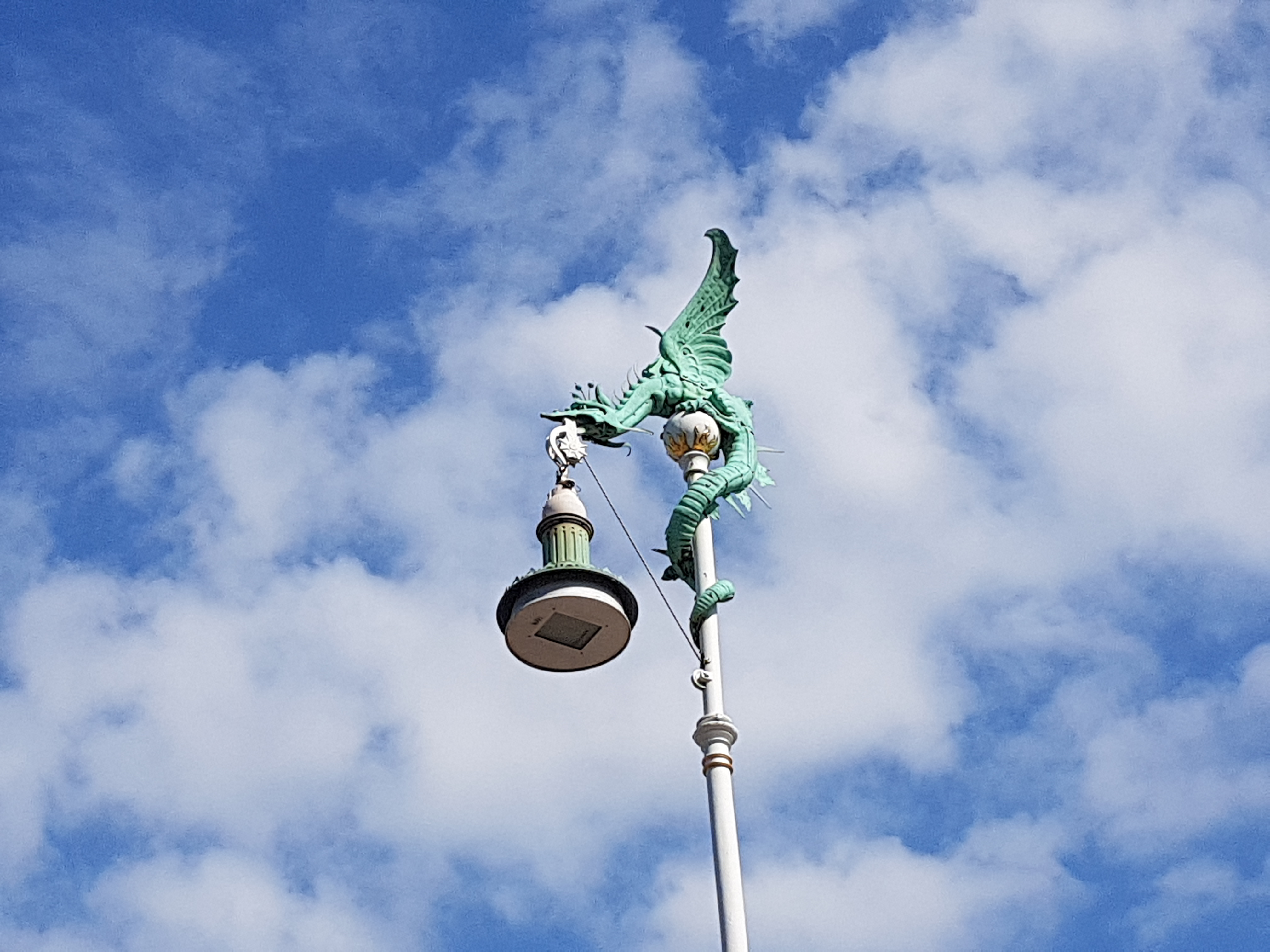
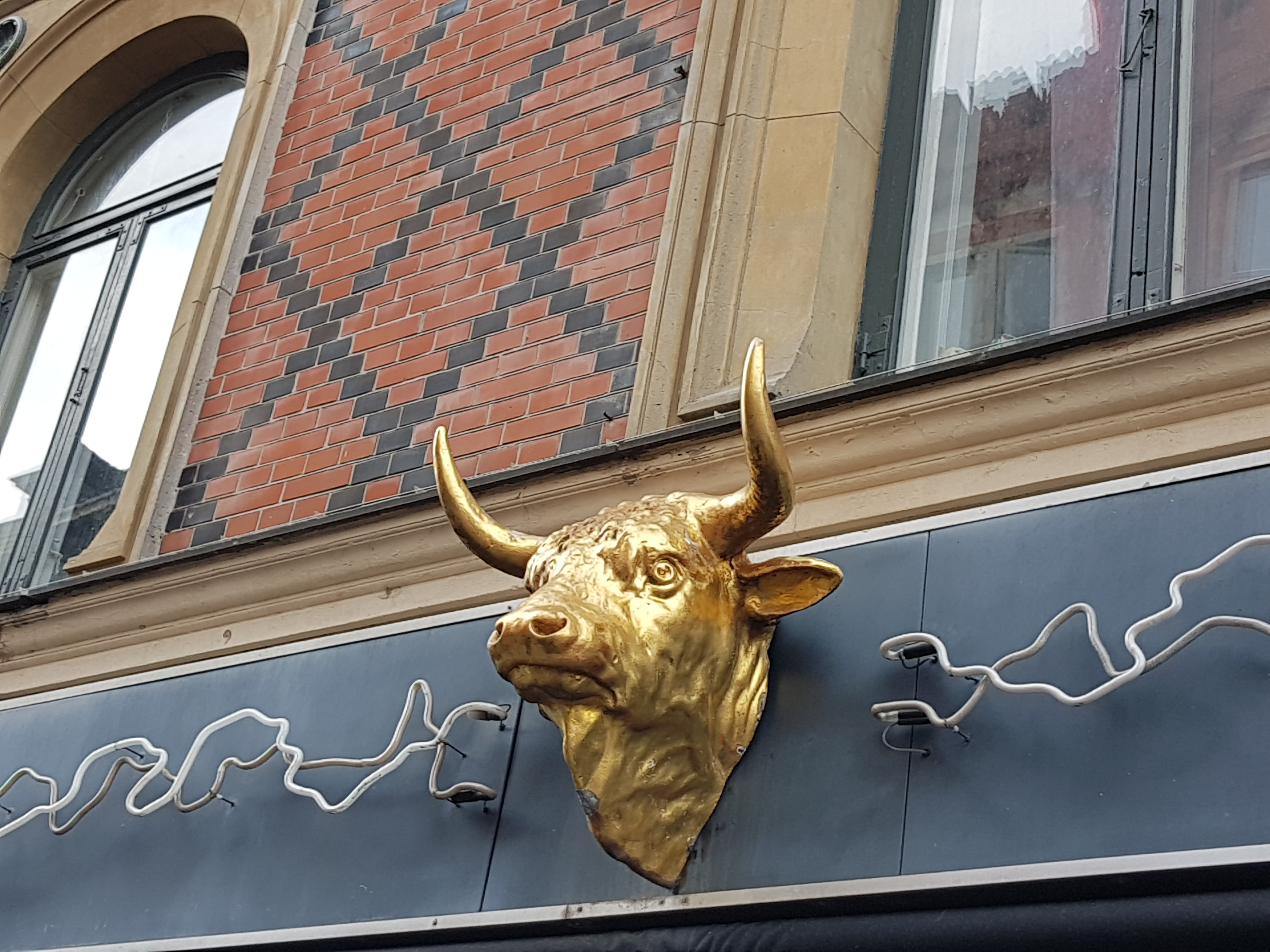
Since arriving in the city we seem to have settled into a pattern of waking very early, working through the morning (Karin on her second book, me on a large biodiversity report), then going out and exploring Copenhagen in the afternoon and early evening. So there’s been lots of opportunities to add to the Copenhagen Bestiary during these perambulations. Here’s a third set of pictures.
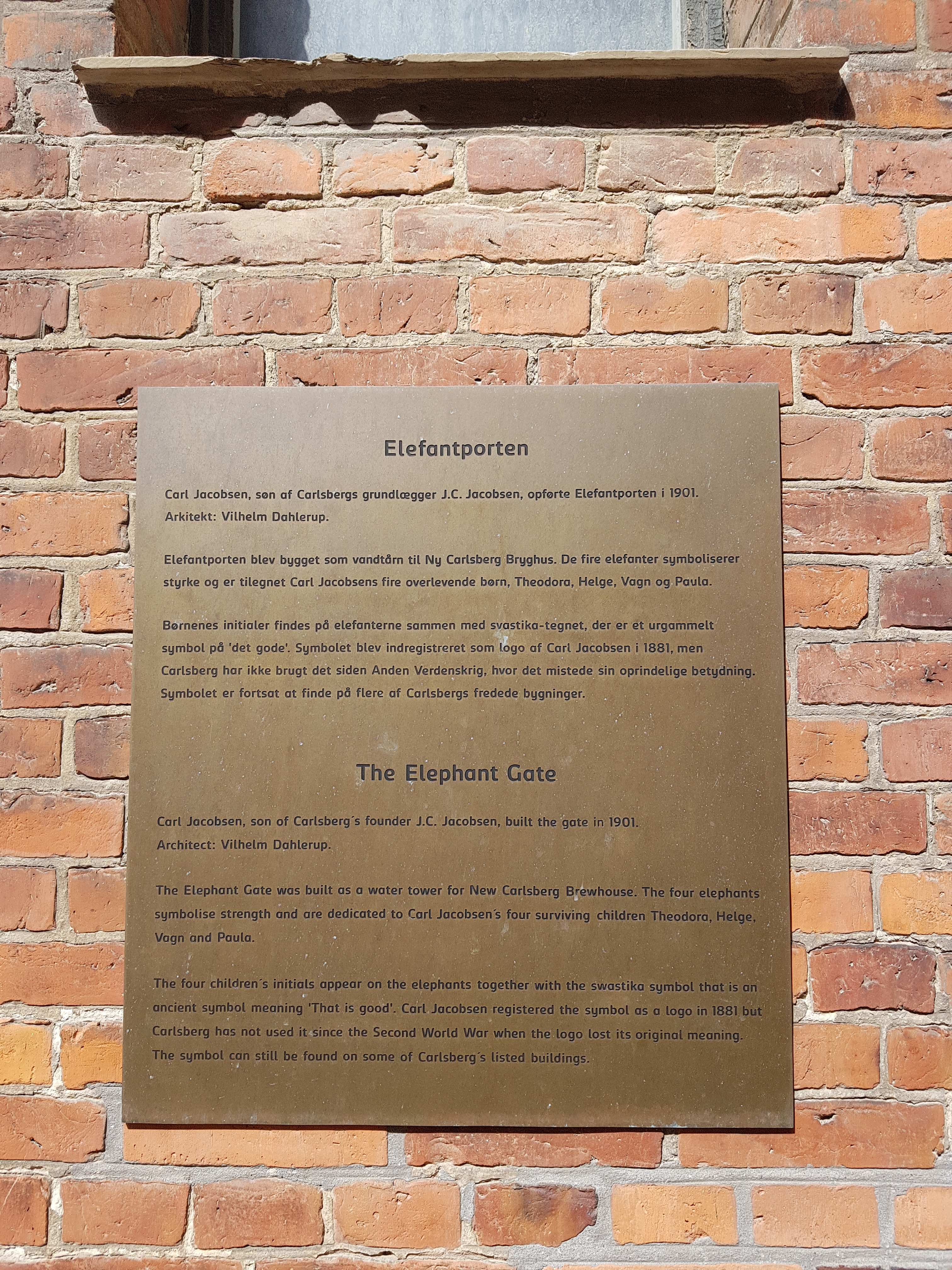
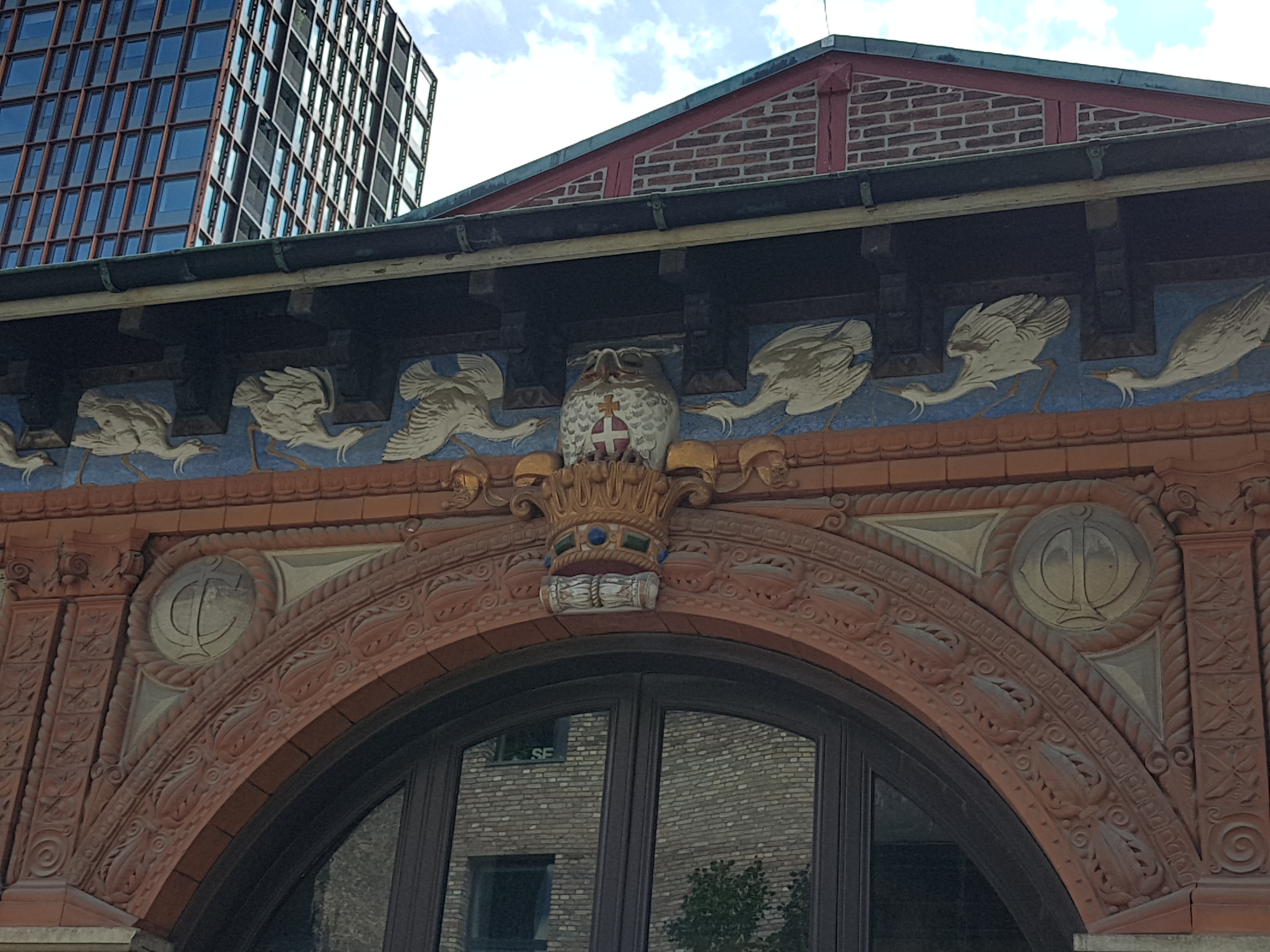
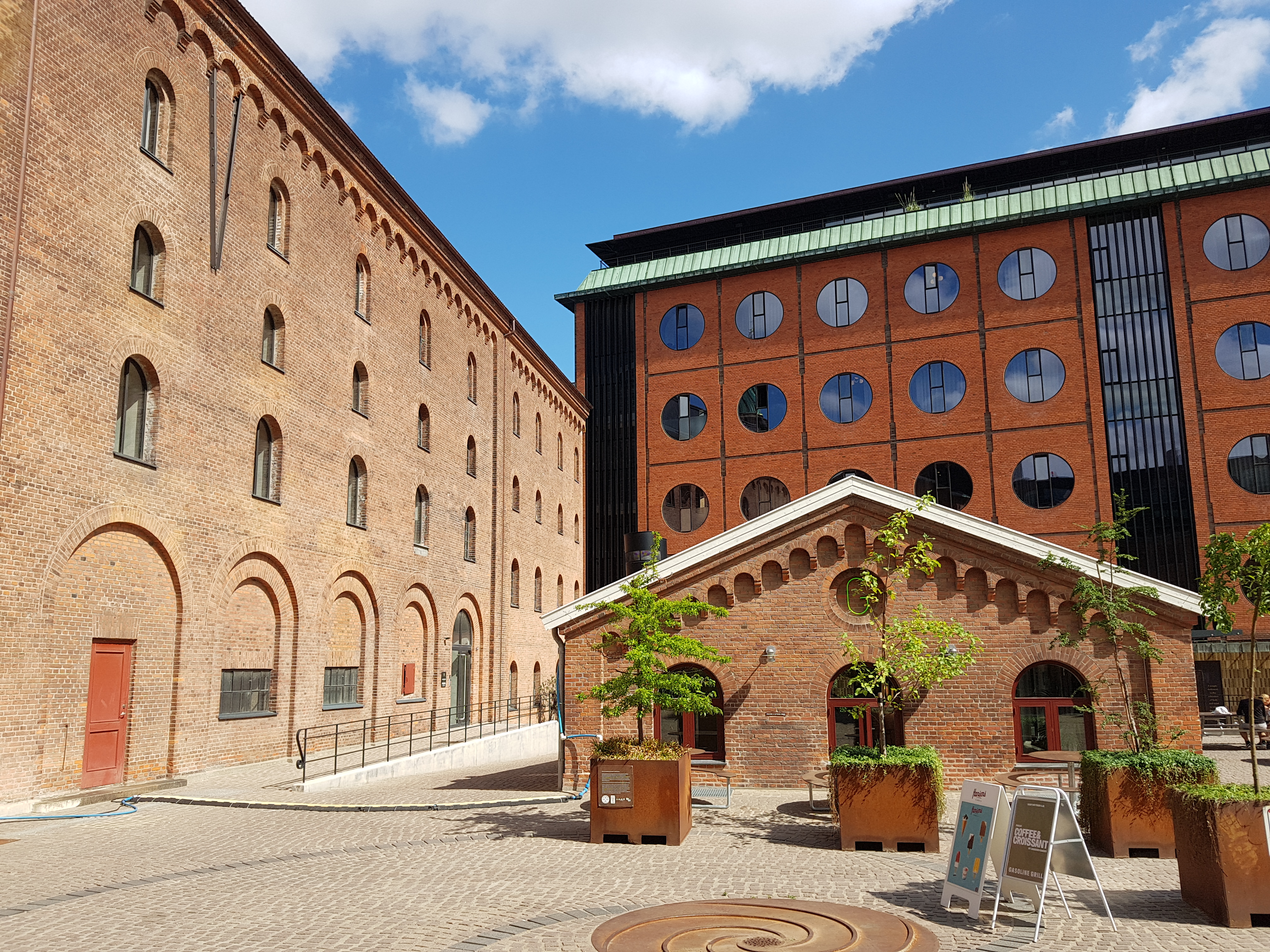
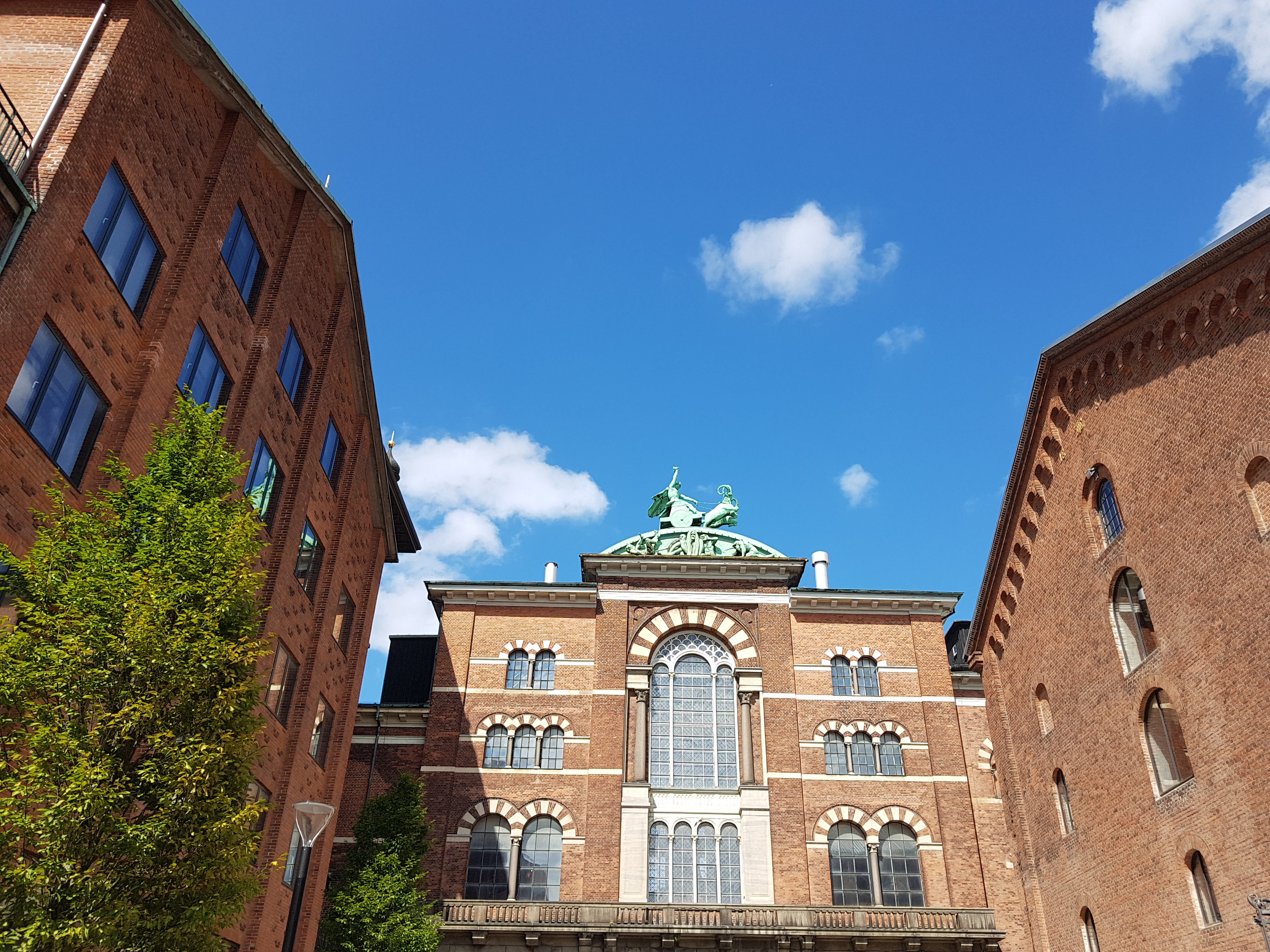
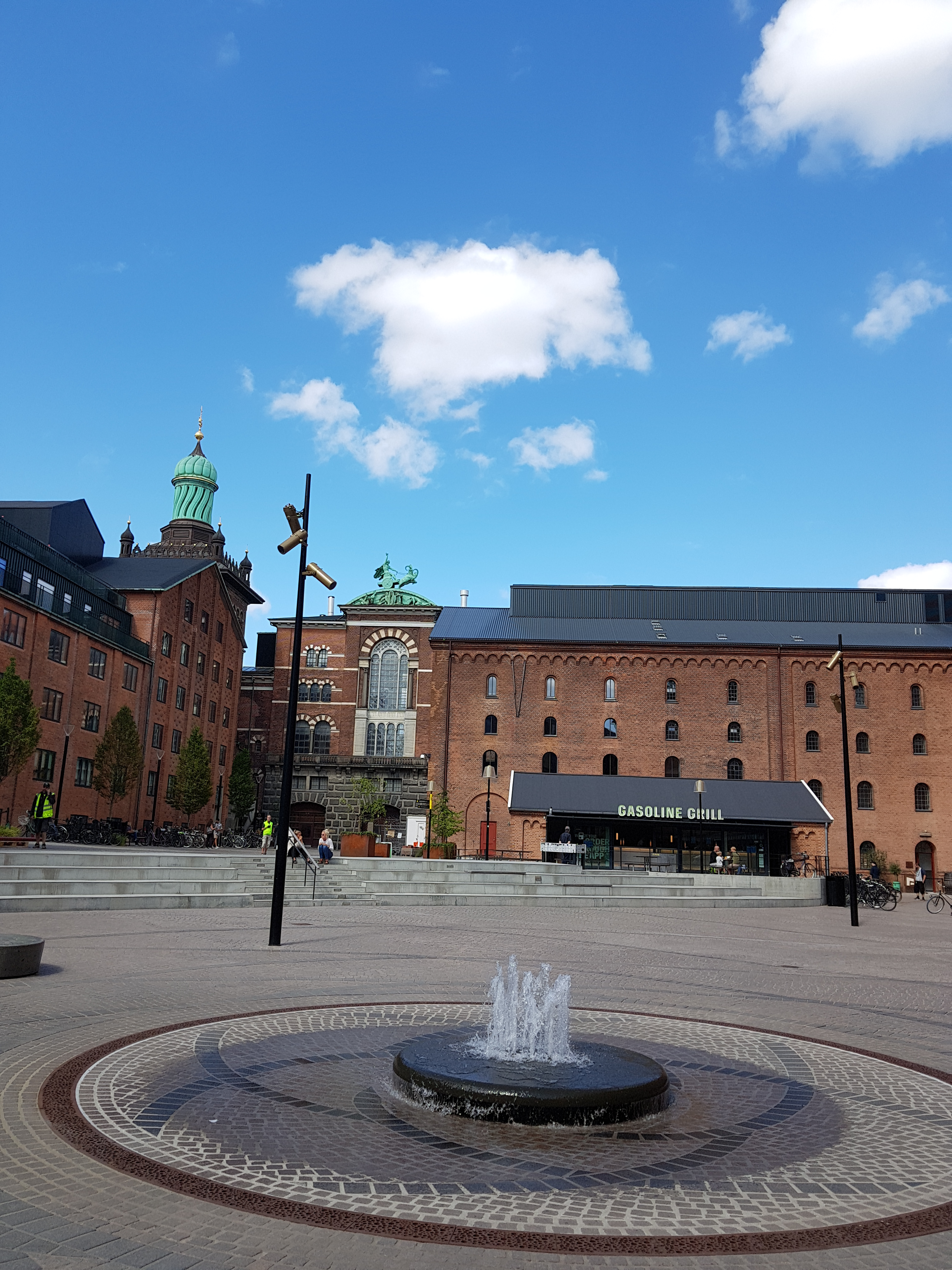
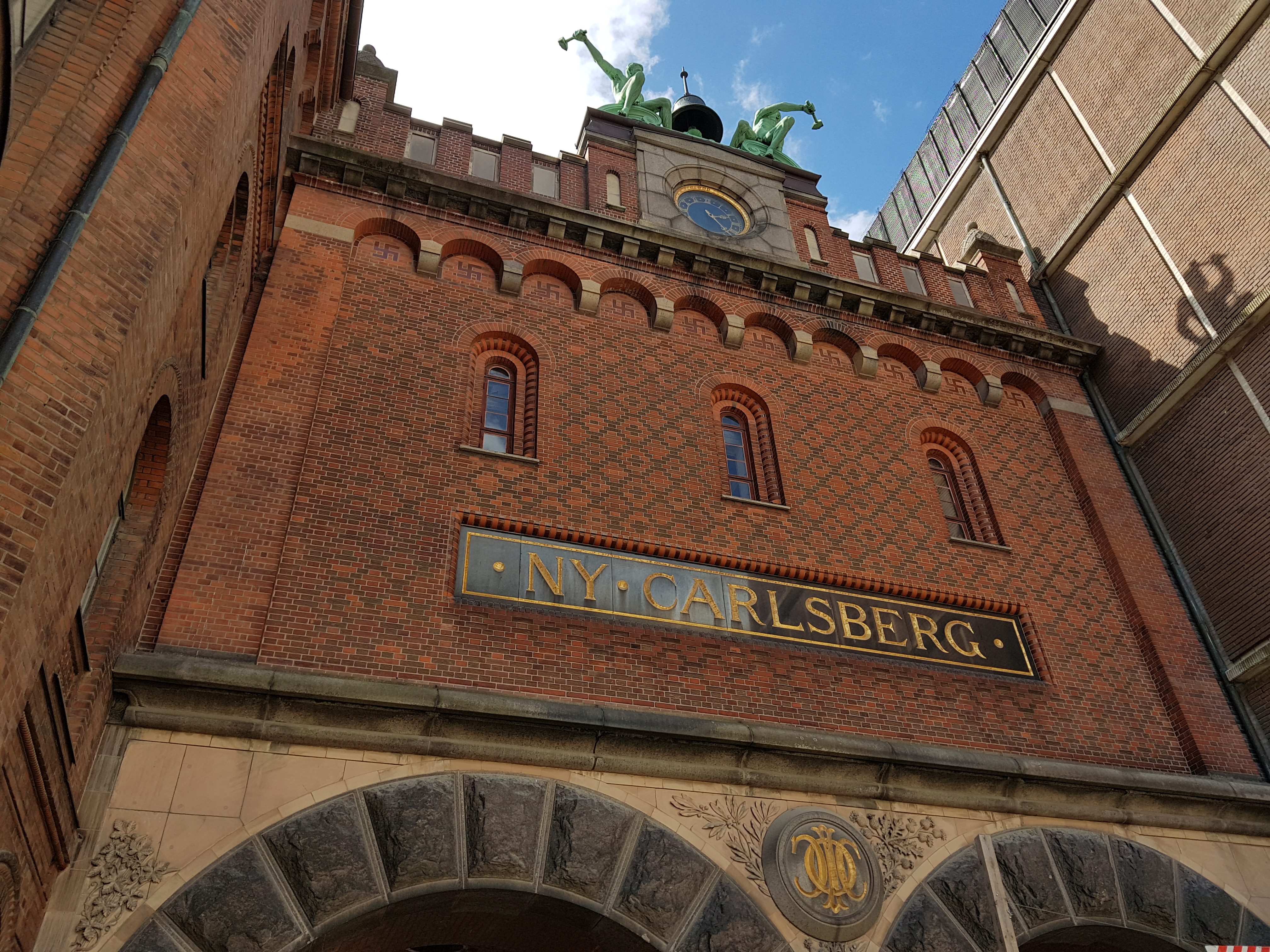
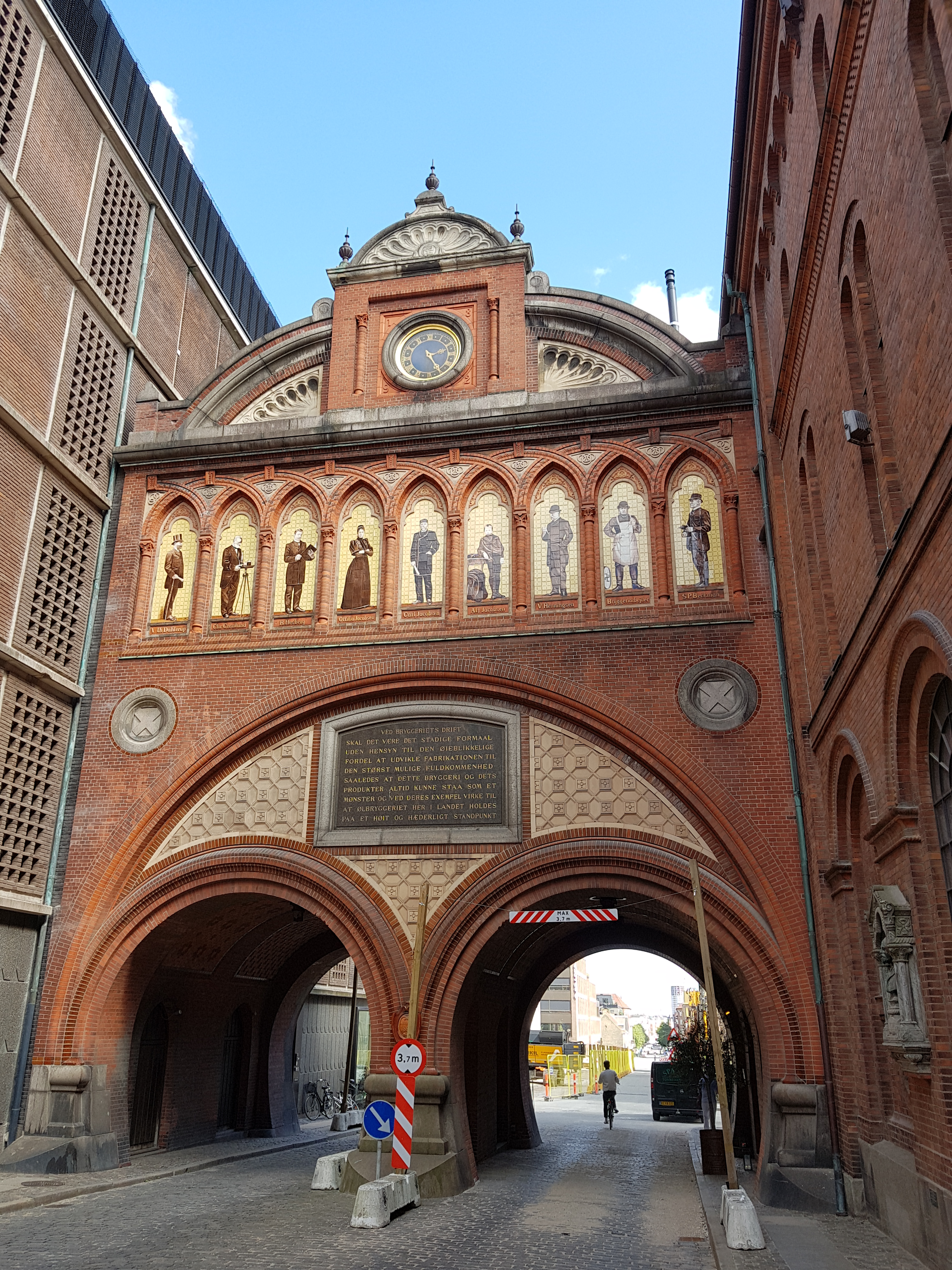
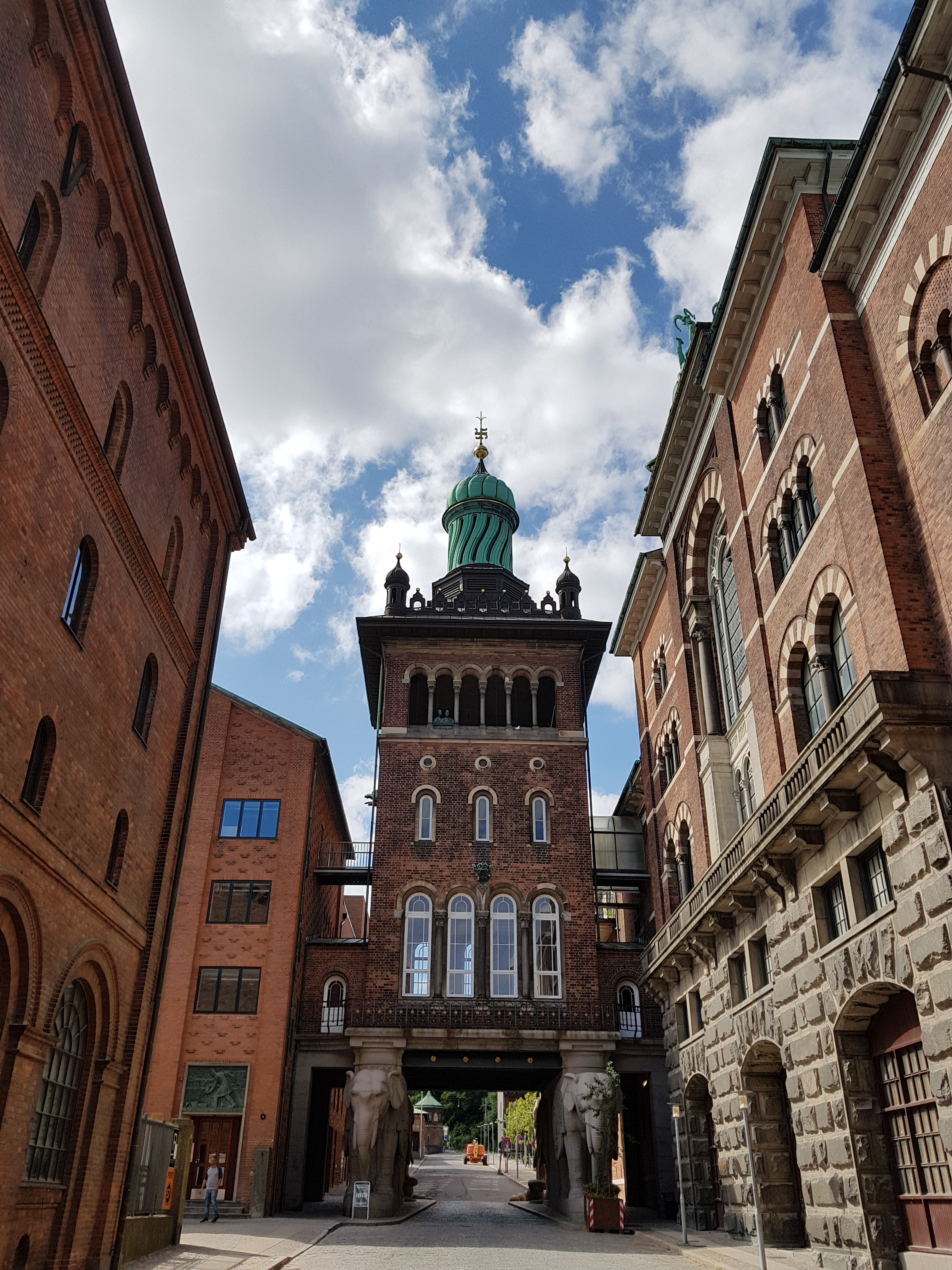
For the second part of my Copenhagen Bestiary series I’m devoting the post to our visit last week to the old Carlsberg Brewery site, and specifically its Elephant Gate. I’ve included some images that aren’t of beasts because I really enjoyed seeing how the old brewery buildings have been renovated and incorporated into a new living and working neighborhood called Carlsberg Byen. It’s the best example of regeneration of culturally important post-industrial buildings in the world. Probably….
Since my first visit to Sweden in 1991 I’ve frequently traveled to Scandinavia for conferences, PhD defences, grant review panels, to catch up with friends, and to see my wife Karin‘s family in Denmark. So arriving in Copenhagen almost two weeks ago felt familiar and welcoming. There’s much that I love about Scandinavia, from the landscapes to the history and the peoples, but I am particularly enamoured by the city architecture of the early 19th to mid-20th centuries.
The old buildings of Copenhagen, where we are based for a few weeks, are at once familiar and yet alien, with respect to buildings of similar age in Britain. In particular, the unconstrained use of animals as ornamental adornments is fascinating, inventive and often bizarre. Some of these are real creatures, especially fish which represent the fishing industry on which the city was founded. Others are mythical beasts of traditional Scandinavian fables. And there’s a subset that are clearly the products of the (deranged? drugged?) minds of the sculptors.
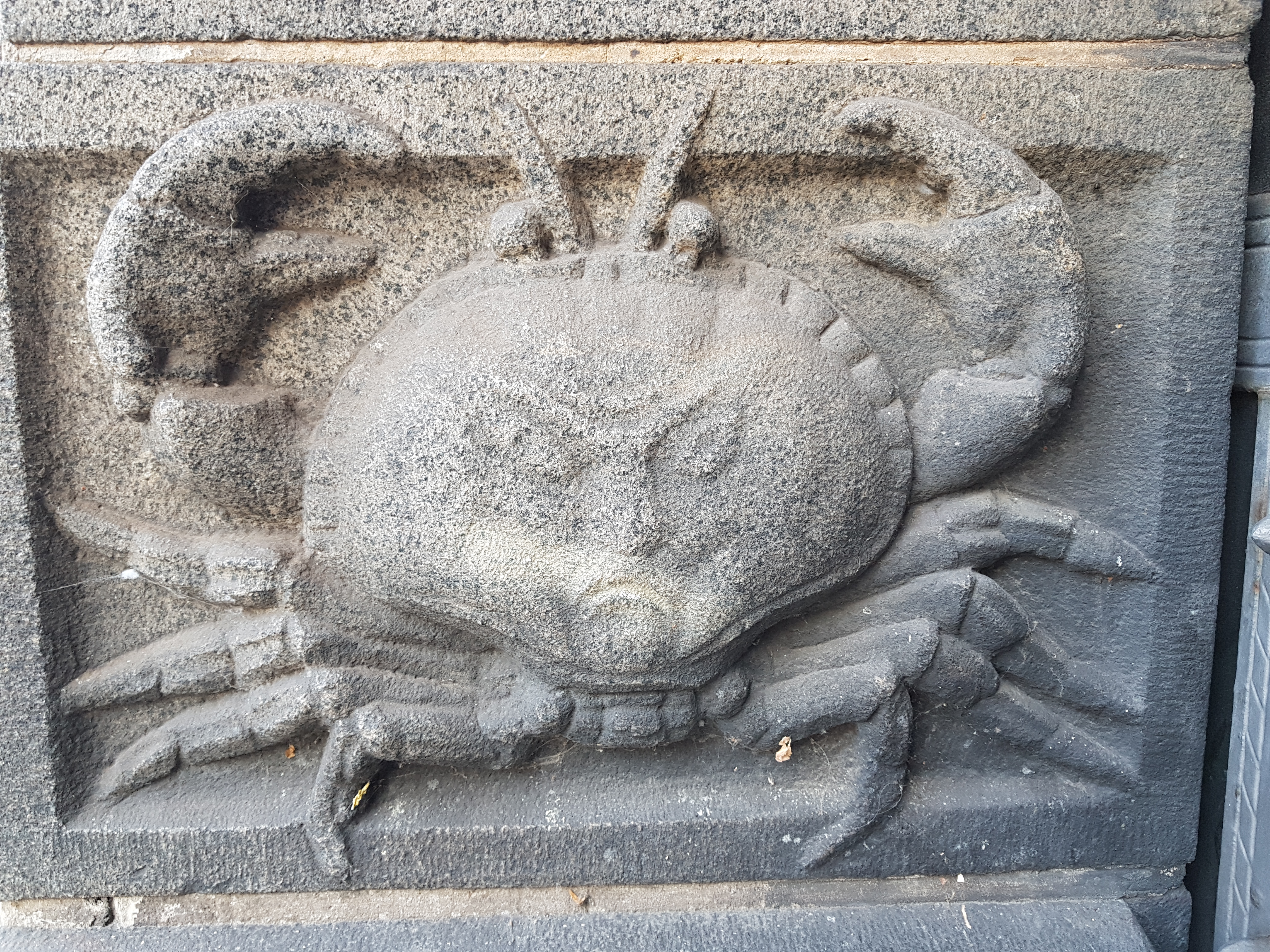
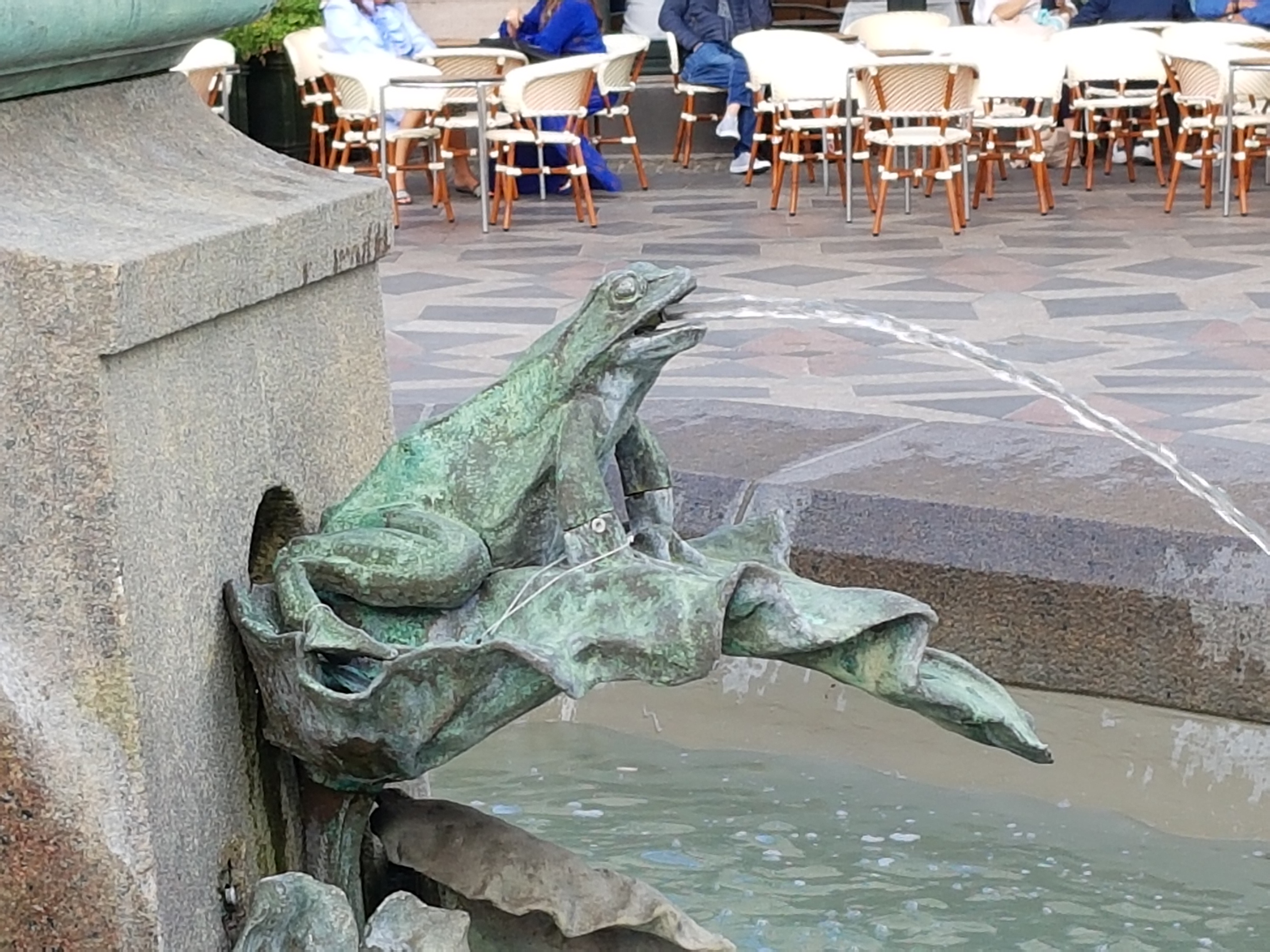
Finland’s capital Helsinki tops the league when it comes to animals on buildings, but Copenhagen also has its fair share. I’ve taken to snapping these creatures as I encounter them so it seemed fitting to collect them into a bestiary – a compendium of beasts. Here’s the first set, presented with no commentary – the animals speak for themselves.








 Prof. Jeff Ollerton - ecological scientist and author