

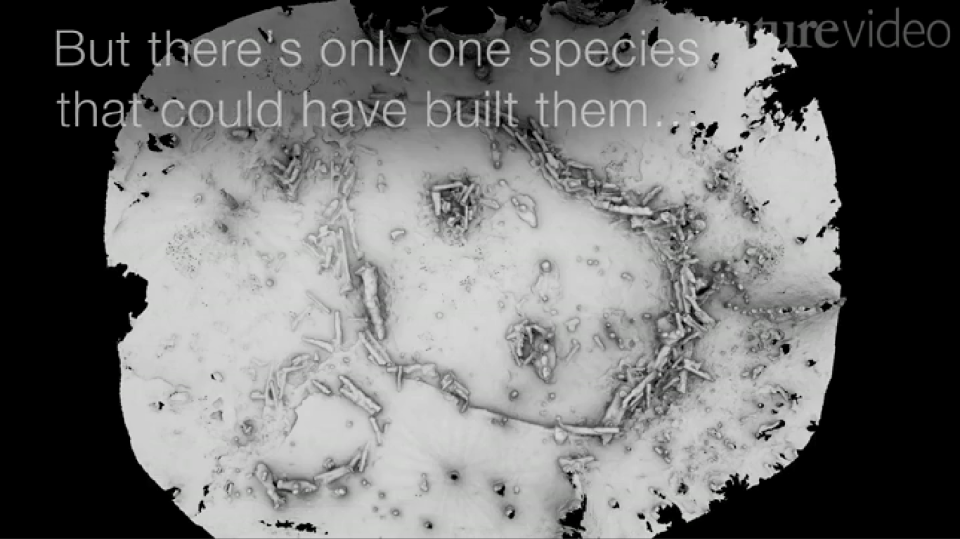
As I’ve mentioned before (e.g. here and here) the field of human evolution is one that has long fascinated me and I could have quite easily been deflected into paleoanthropology as a profession had not the lure of plants and pollinators been stronger. So I’ve followed with interest this week’s fascinating announcement of the ancient origins of some enigmatic structures found deep within a French cave complex. The journal Nature published the research paper by Jaubert et al., and has produced a wonderful accompanying video that you can view here.
Something struck me as I watched this video for the 3rd or 4th time: the aerial view of the structures seen at about 48 seconds looks very like the head of a young mammoth, seen from the front, with the mounds representing the two eyes and the smaller circle lower left a curling trunk. There’s even a large stalactite/stalagmite positioned where we might expect to see a small tusk.
Mammoths were hunted by Neanderthals and we know that they made structures (possibly dwellings) from their bones. Much later, Palaeolithic humans painted prey animals such as mammoths on the walls of caves. OK, if it is a mammoth it can only be viewed from above, but then that’s also true of the Nazca Lines.
So is it completely bonkers to suggest that these Neanderthals were building representations of animals they were familiar with in these caves? We are very good at seeing patterns in otherwise random assemblages of markings, for example the face of Jesus in a rock or on a frying pan, or tomatoes, cats and houses that look like Hitler. But this is rather different – we know that the structure is not natural, it was constructed. We don’t know why it was constructed or what, if anything, it was meant to represent. Perhaps a mammoth is not too fanciful an idea?
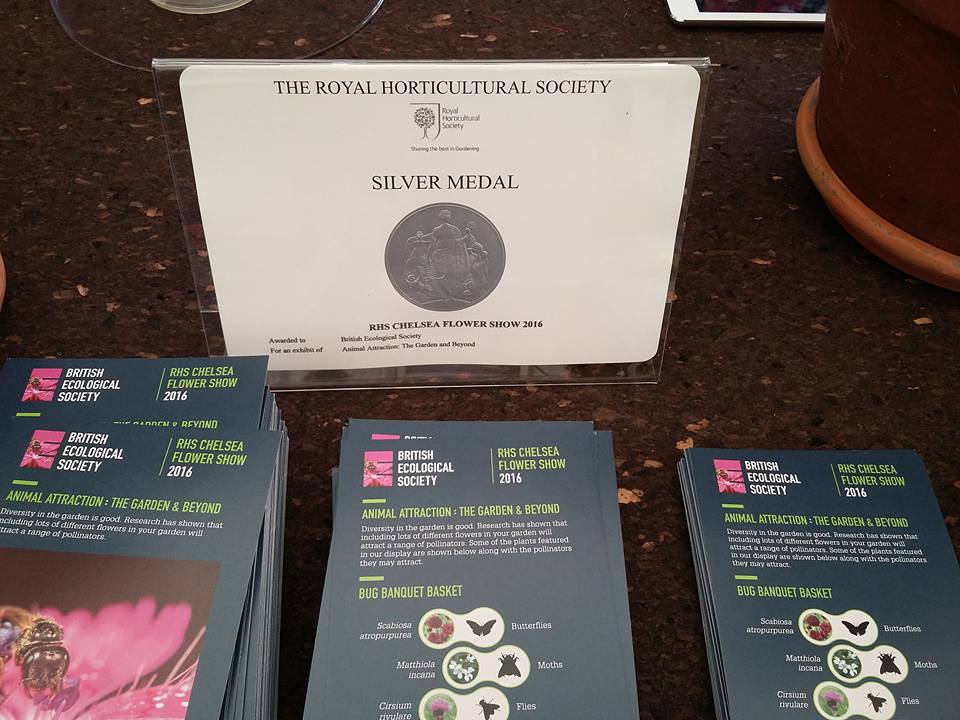
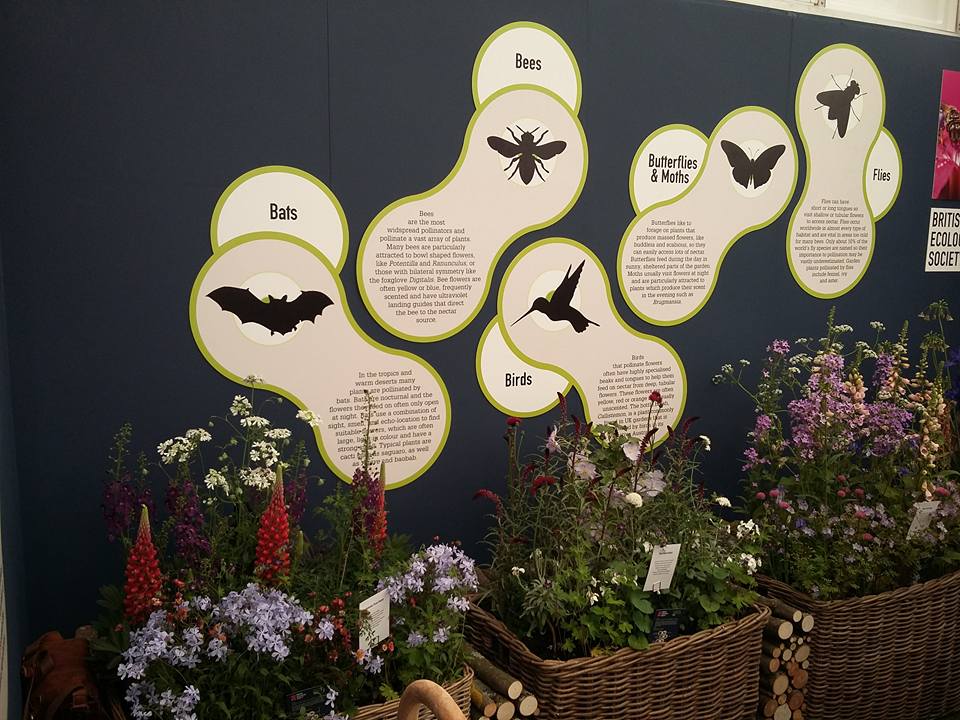






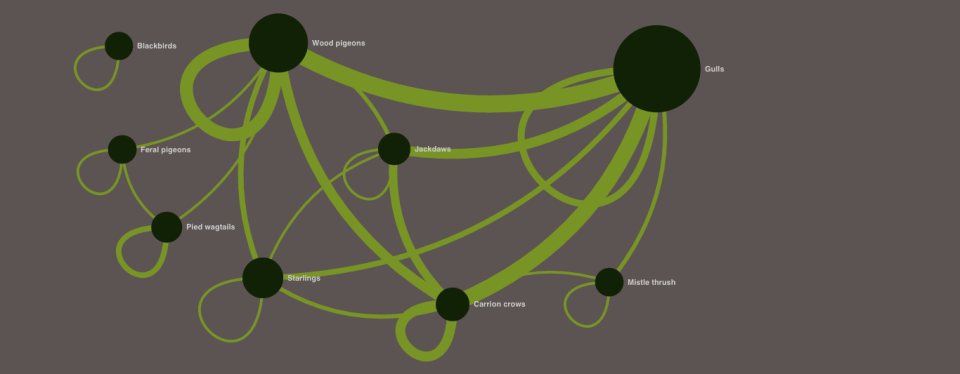 It is a general ecological rule that no species exists in isolation; all species interact with other organisms within the communities to which they belong. The collection and analysis of ecological interaction data has burgeoned over the past couple of decades, particularly in my own area of (largely) mutualistic species interactions such as plant-pollinator relationships – see for example this

 There can’t be many people currently working or studying in ecology, conservation, or the environmental sciences who were not in some way inspired by the programmes presented by Sir David Attenborough during his long career. I certainly was, and I can trace my interest in the richness of our planet’s biodiversity right back to watching his ground-breaking series
  Prof. Jeff Ollerton - ecological scientist and author