Category Archives: Biodiversity and culture

Spiral Sunday #16 – Christmas is over

Christmas bow 20170107_130103.png

Yesterday we took down the Christmas decorations that have festooned the house this year.  Whilst I was taking apart the wreath we’d hung on the door I noticed for the first time that the bow had a lovely spiral design.  I thought it would make a nice Spiral Sunday for this year, and we’ll re-use it next year.

More on that wreath later in the week….

Spiral Sunday #15 – Happy New Year!

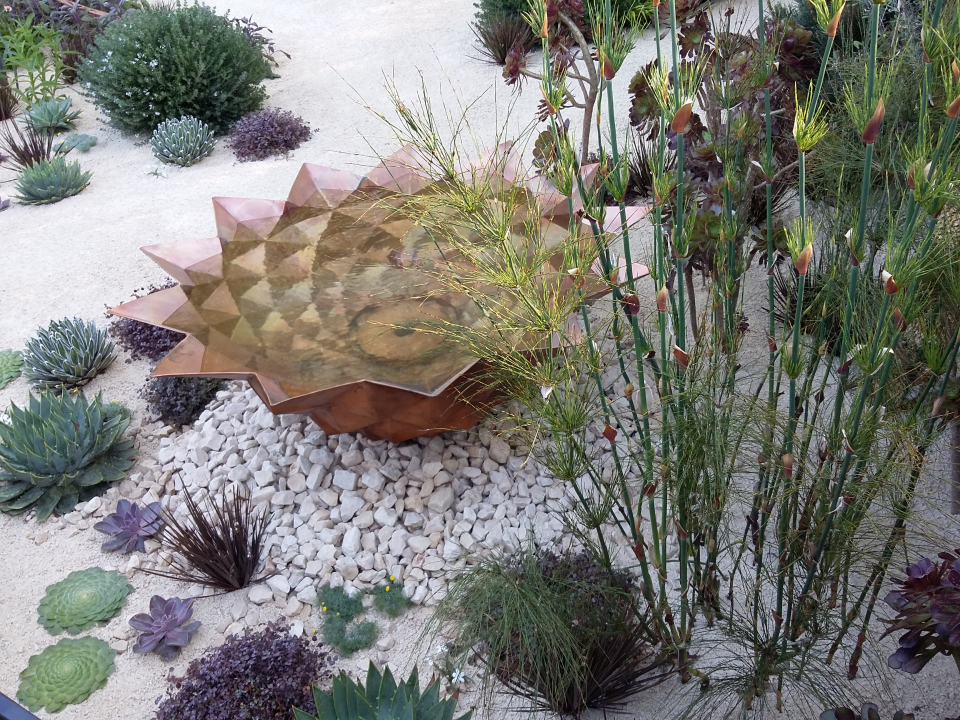
Chelsea spiral 20160524_082503.png

A Spiral Sunday for New Year’s Day!  This shot was taken at last year’s RHS Chelsea Flower Show where I was helping the British Ecological Society win a Silver Medal.  This is the water feature in Nick Bailey’s Beauty of Mathematics, one of my favourites from that year, and a garden in which Fibonacci spirals abounded, both in the plants and the hard landscaping.

Looking forward to RHS Chelsea 2017, the BES will be producing another display, and this time hunting for a Gold Medal.  I’ll let you know how it progresses.  Happy New Year to all of my readers!

Spiral Sunday #14 – Merry Christmas!

Christman bauble 20161225_180146.png

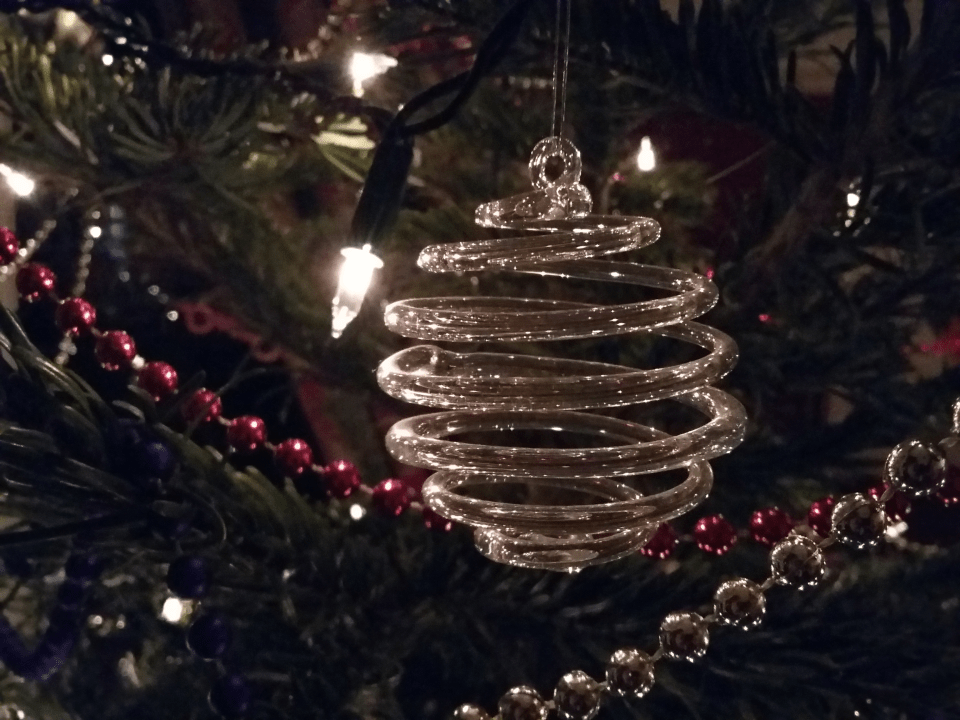
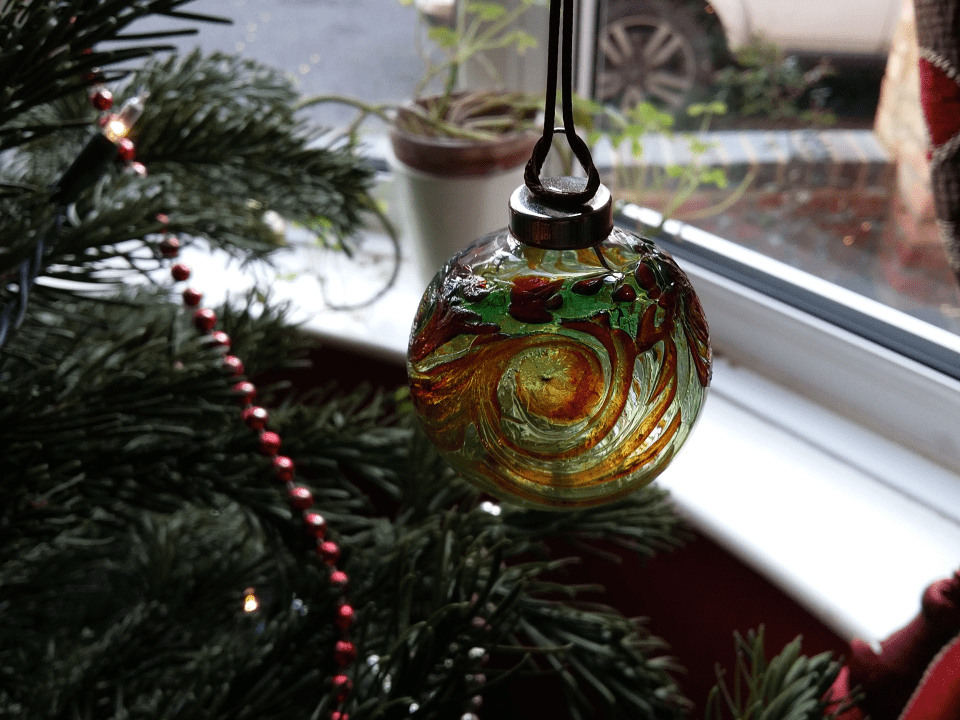
A double helping of Spiral Sunday for Christmas Day 2016 – two glass baubles on our Christmas tree with very different spiral forms.  In the first, the spiral is integral to the design, it is spiral in form.  In the second, molten coloured glass has been trailed in a spiral pattern on the surface to create the pattern.  Both very different, but both beautiful in their own way.

Merry Christmas everyone!

Christmas spiral 2 20161225_132730.png

Spiral Sunday #13 – a rope is a spiral, right?

Rope Bridge 20161217_092858.png

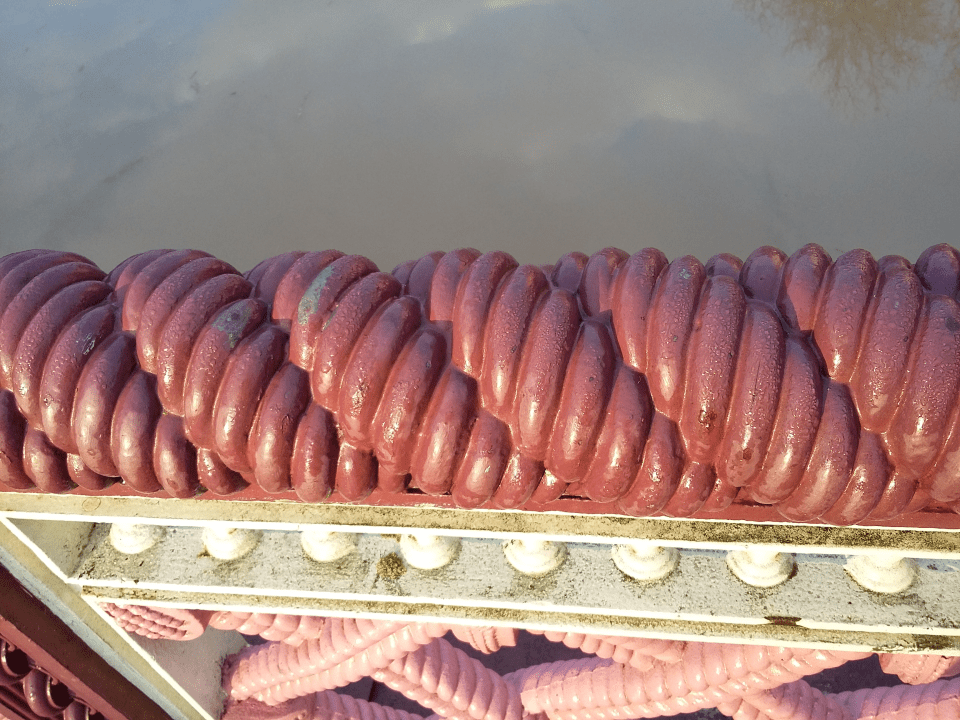
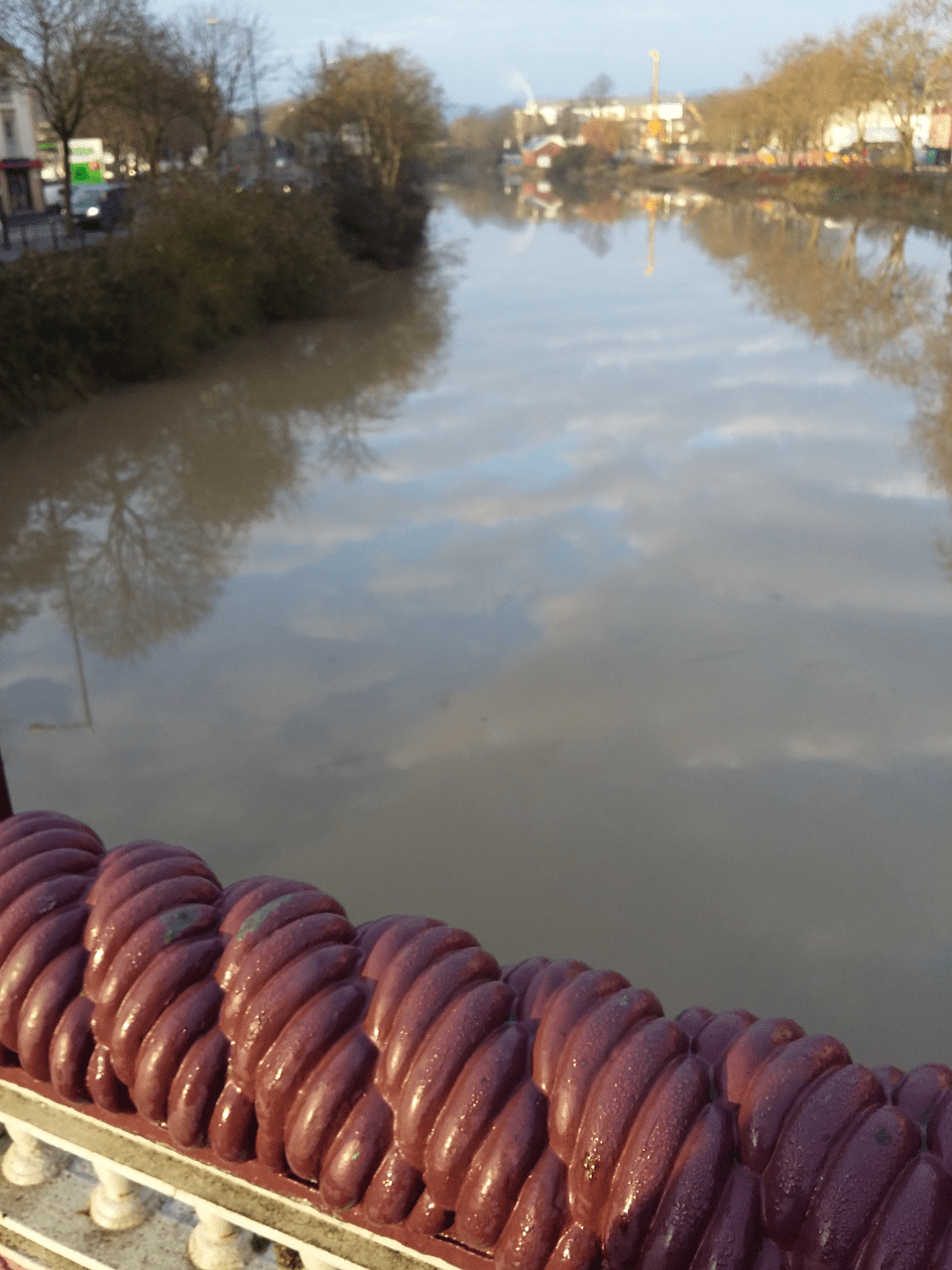
Spiral Sunday today shows a detail from a cast iron bridge that I photographed recently in Bristol.  As far  as I can gather the bridge commemorates the local rope making industry, which was vital for the shipping that used this port.  To make ropes like this you twist the fibres, forming a helix; which is, of course, a long spiral.  Right?

Rope Bridge 20161217_092910.png

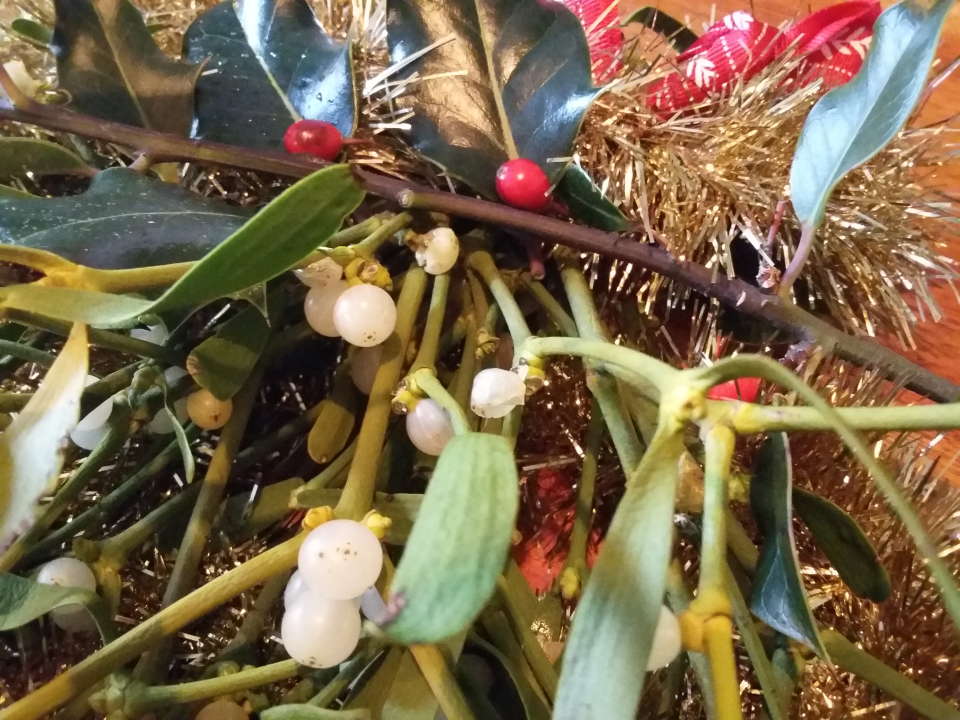
Insect pollinators boost the market price of holly and mistletoe: a new study just published

Holly and mistletoe 20161211_103252.png

Each year I’ve always added at least one Christmas-themed biodiversity post to the blog, for example: Thank the insects for Christmas, A Christmas vignette, and Six Kingdoms for Christmas.  That’s partly because I really like Christmas as a winter festival, with its folklore and customs.  But it’s also because these are a great vehicle to demonstrate how pervasive and important is natural capital and the ecosystem services it provides to society.

This year I’ve gone one stage further and actually published some Christmassy research to back up the blog post.  Now, in a new study published in the Journal of Pollination Ecology, we have shown how important insect pollinators are in determining the market value of two of the most emblematic of Christmas plants: holly (Ilex aquifolium) and mistletoe (Viscum album).  Here’s the full reference with a link to the paper itself, which is open access:

Ollerton, J., Rouquette, J.R. & Breeze, T.D. (2016) Insect pollinators boost the market price of culturally important crops: holly, mistletoe and the spirit of Christmas. Journal of Pollination Ecology 19: 93-97

Holly and mistletoe are two seasonal crops that play a culturally important role as symbols of Christmas across the world, though both also have pre-Christian pagan roots. Now for the first time the role of insect pollinators in determining the commercial value of these plants has been investigated, using sales records going back over the last eleven years from Britain’s largest annual auction of holly and mistletoe, held every year in Worcestershire.

Analysis of the sales records of Nick Champion Auctions in Tenbury Wells shows that insect pollination raises the sale price of these crops by on average two to three times. This is because holly and mistletoe with berries is more sought after than material without berries, with wholesale buyers paying higher prices at auction. These berries in turn are the result of pollination by insects such as flies and bees: both holly and mistletoe are 100% dependent on insect pollination due to their having separate male and female plants.

There is some annual variation to the prices, and in years where berries are scarce (possibly due to low insect numbers) the price difference can be four-fold.

Due to concerns about pollinator declines and food security there is huge interest in the role of bees and other insects in supporting agriculture, and how we can value that role. However we believe that this is the first study showing that insect pollinators play a large part in determining the value of culturally symbolic, non-food crops. Almost all of the economic valuations of insect pollination to agriculture have focused on food crops such as beans, apples, cocoa, coffee, and so forth. Very little is known about how the value of non-food crops (fibres, construction materials, pharmaceuticals, ornamentals, etc.) is enhanced by insect pollination. This is an area where much more research is required.

But in the mean time, where better to end than with a bit of seasonal John Clare?

The shepherd, now no more afraid,
Since custom doth the chance bestow,
Starts up to kiss the giggling maid
Beneath the branch of mistletoe
That ‘neath each cottage beam is seen,
With pearl-like berries shining gay;
The shadow still of what hath been,
Which fashion yearly fades away.

The Shepherd’s Calendar (1827)

Spiral Sunday #11 – Spiralicious in Milton Keynes

Spiralicious 2 - 20161204_115716.png

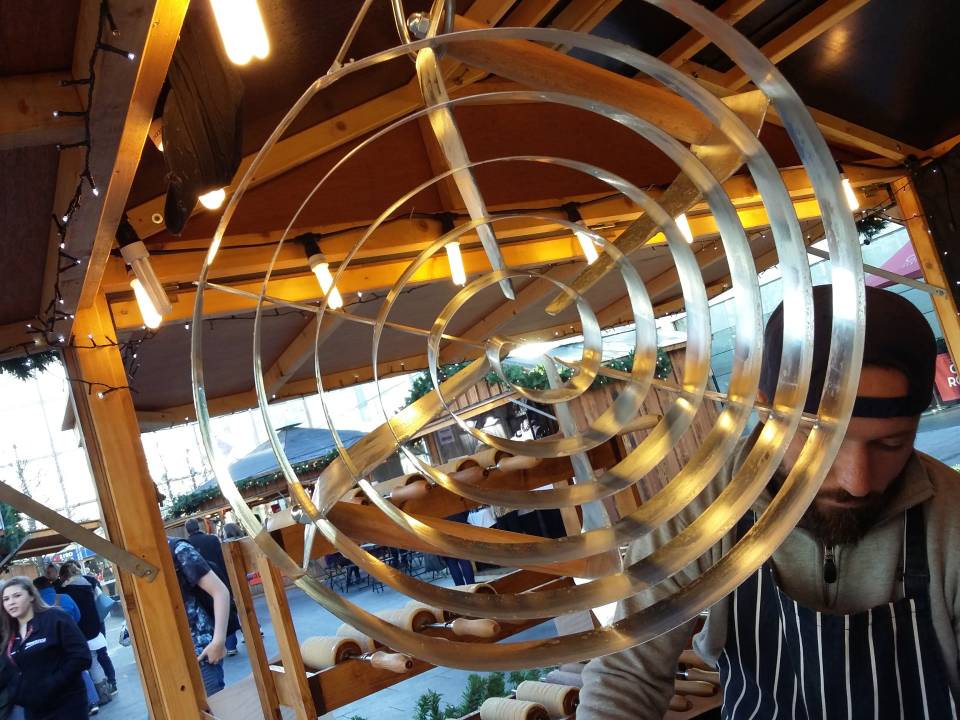
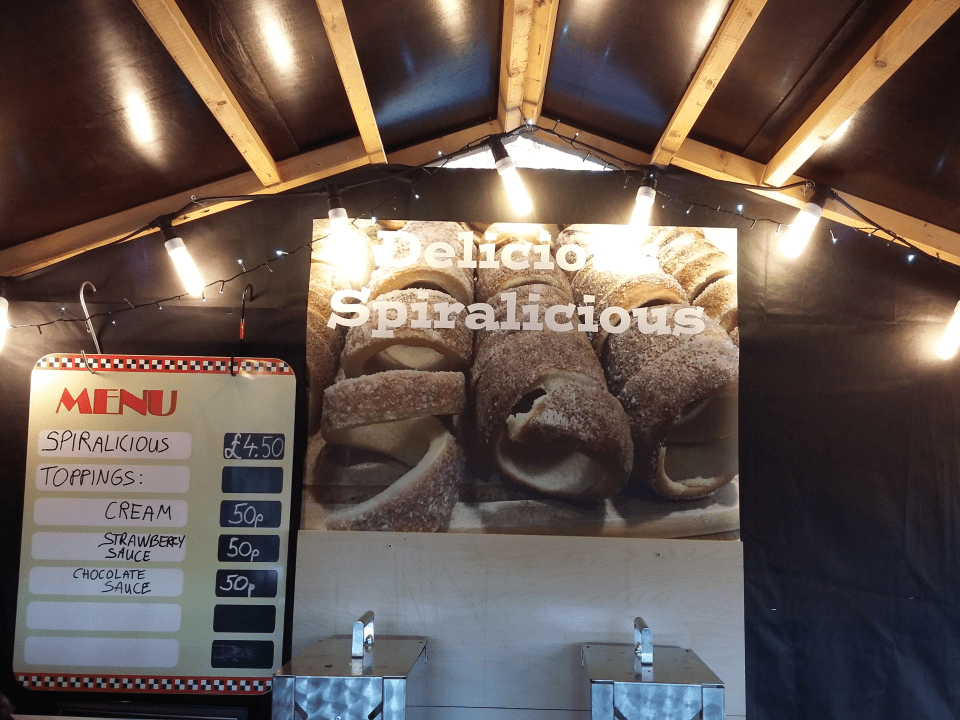
This week’s Spiral Sunday post features a couple of shots I took today in Milton Keynes where we spent a tiring day Christmas shopping.  One of the outdoor stalls is selling a traditional baked sweet pastry from Transylvania, the name of which they have Anglicised to “Spiralicious”.  It’s made with a very neat spiral-shaped dough cutter, which was just begging to be photographed.

Spiralicious 1 20161204_115656.png


Spiral Sunday #10 – a shrine in Tenerife

tenerife-2008-081

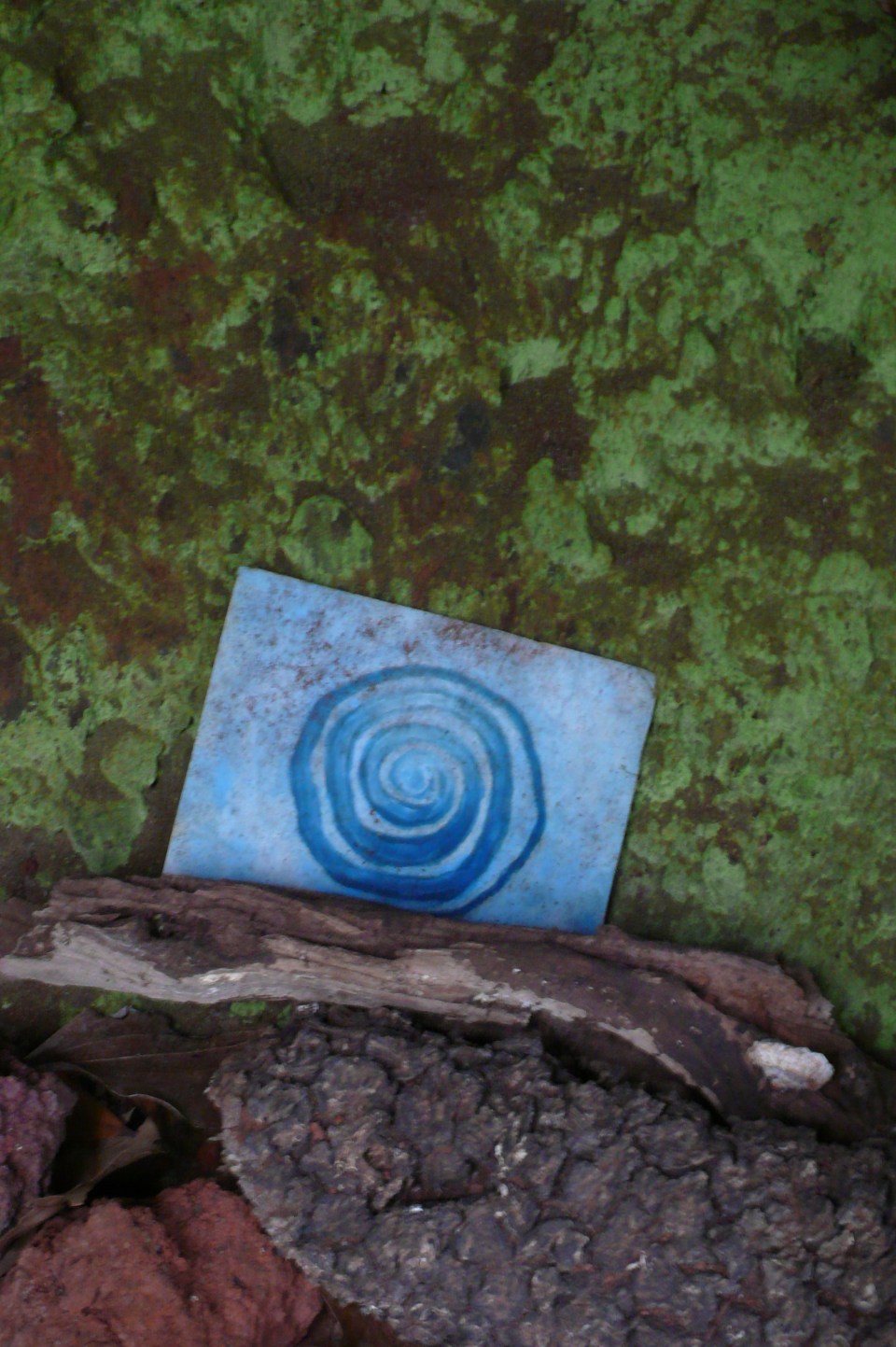
To celebrate number ten in my series I thought I would fulfil a promise that I made in Spiral Sunday #1 to tell the story behind the main image of a blue spiral that adorns this blog.

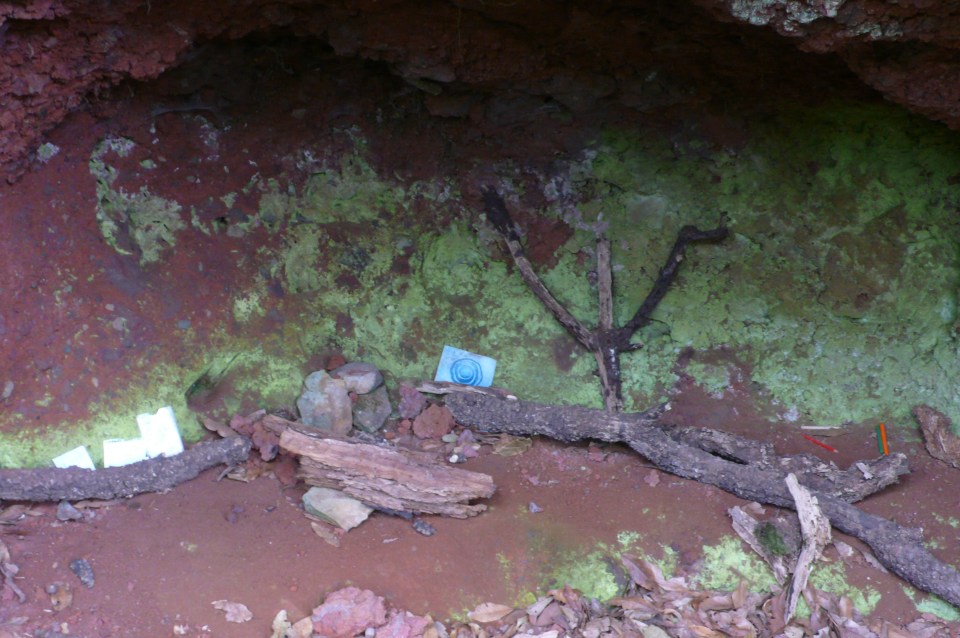
In 2008 I was leading a group of students on a walk in the Anaga region of Tenerife during our annual undergraduate field course to the island.  We were hiking through laurel forest along the trails from the restaurant at Cruz del Carmen,  looking at the forest and cliff vegetation community structure.  During our lunch break I set off alone down a side trail and came across a shallow recess, a sort of low natural grotto, in the vertical bank that defined one side of the track.

The walls of the grotto were green with lichen which made a vivid backdrop to what appeared to be a small shrine consisting of branches, including one set upright that looked like a human figure with arms raised, or could it represent a crucifix?  Around this were scattered coloured pencils (to the right on the main image) and pieces of paper with writing on them, possibly prayers (on the left).

Most striking of all was a drawing of a blue spiral, its colours smudged and faded with the humidity, but still a conspicuous contrast to the lichen.  I took a few photographs, being careful not to disturb the display, then headed back to catch up with the students.

There is a strong local sense of traditional, pre-Spanish identity in this part of Tenerife and it is well known for its local stories such as the “Witches of Anaga“, and it’s possible that this shrine relates to local ritualistic practices.  The spiral is a traditional design used by the original Guanche inhabitants of the Canary Islands and still regularly found on logos, pottery, etc.  Alternatively what I discovered could have been just kids playing in the forest, though that seems unlikely as it’s off the beaten track and not close to any villages.

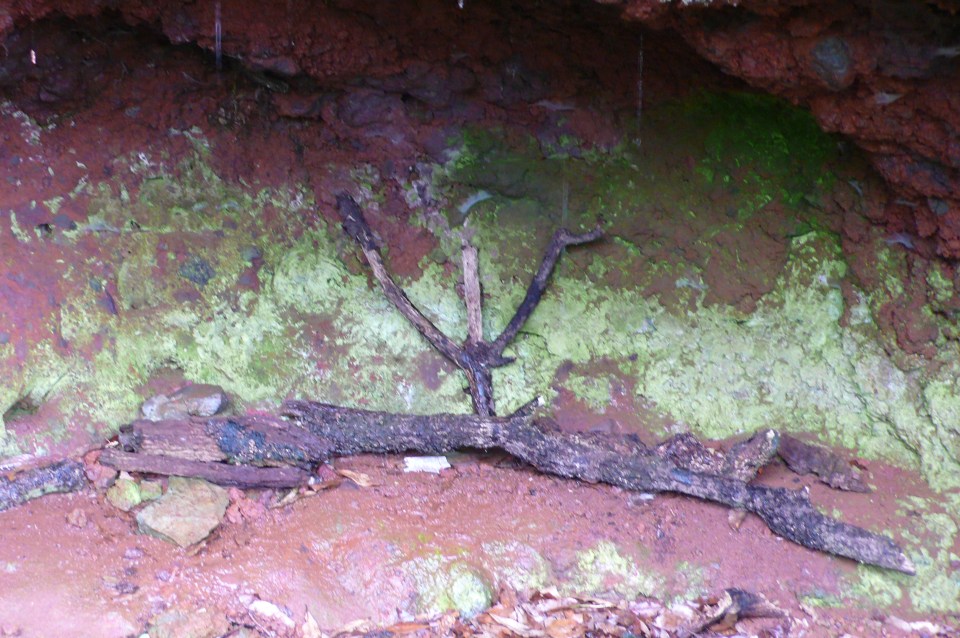
I’ve occasionally found other ritualistic items on the island (e.g. a child’s doll wrapped in cloth, with folded paper in the bindings) but the Anaga spiral shrine was a particualrly striking discovery.  When we returned with the field course the following year the spiral had disintegrated but the rest of the shrine had been tidied up and more neatly arranged (see lower photograph).  I wonder if it’s still there?


tenerife-2008-080

tenerife-2009-046

Spiral Sunday #9 – slate spiral on the David Attenborough Building, Cambridge

Cambridge spiral 20160921_151515.png

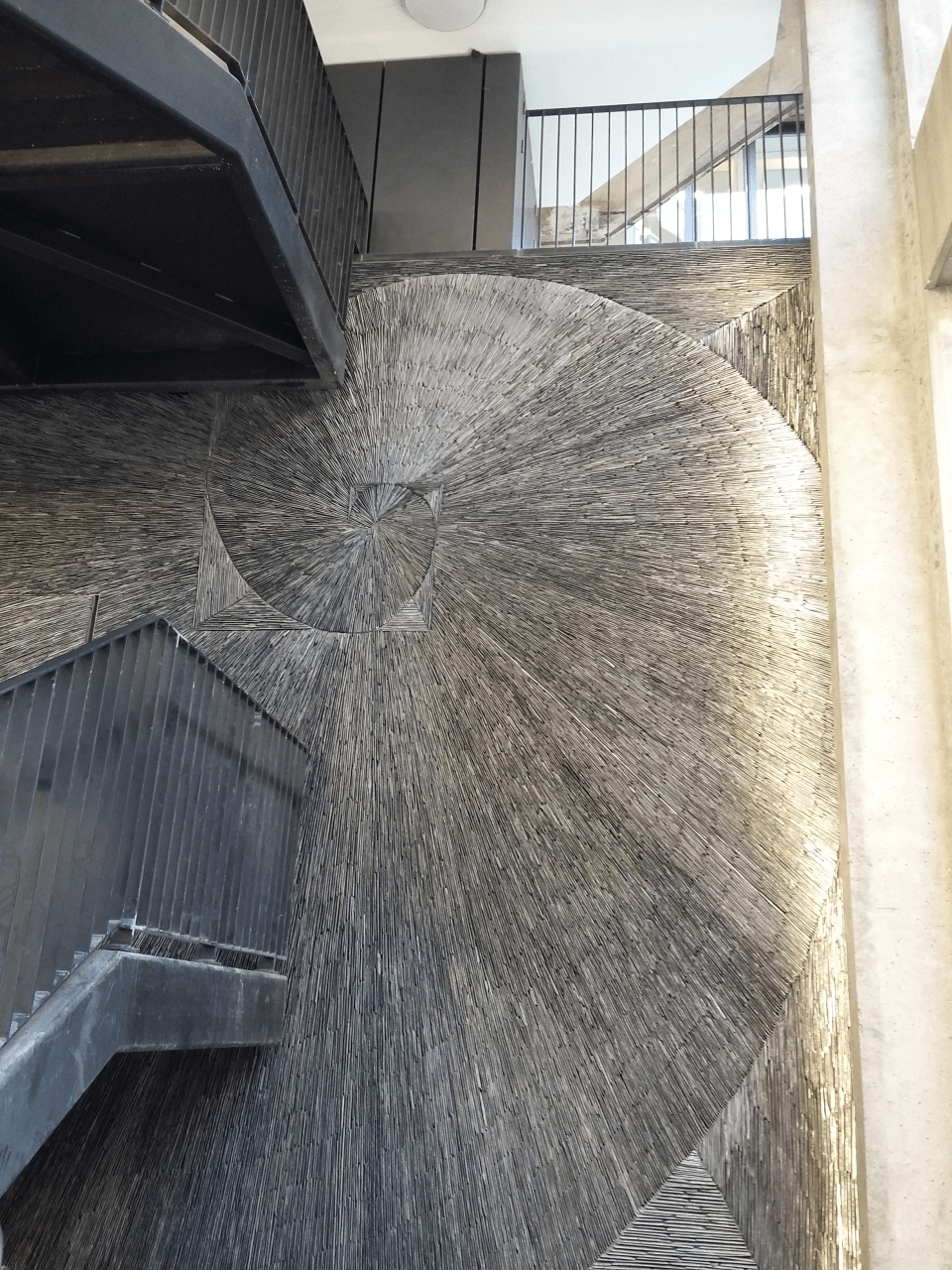
This week’s Spiral Sunday features a shot I took of a slate-clad wall on the David Attenborough Building during a recent visit to Cambridge.  I really like the way the artists Ackroyd & Harvey have incorporated the square elements into this Fibonacci Spiral by changing the orientation of the pieces of slate.  It’s a stunning piece of work that my photograph doesn’t really do justice.

Engaging students with the fundamentals of biodiversity (1) – “The Taxonomy of Gastronomy”

P1100769

This term we have started refreshing and reformatting our first year undergraduate modules, partly in preparation for the move to our new Waterside Campus, but also because they were beginning to feel a bit tired and jaded.  We have begun with ENV1012  Biodiversity: an Introduction, a 20 CATS module which mainly services our BSc Environmental Science and BSc Biology programmes.

One of the changes has been to go from a “long-thin” delivery of 2 class hours per week over two terms, to a “short-fat” delivery of 4 hours per week in one term.  The advantages of this, we think, are two-fold: (1) it provides students with a richer, more immersive experience because they are not mind-flitting between different topics; (2) it frees up longer blocks of time for academic staff to focus on programme development, research activities, etc.

For now we have opted to deliver the 4 hours in a single session.  That’s quite a long time for the students (and staff) to be taught (teaching) but it’s punctuated by short breaks and includes a lot of practical work in the field, lab, and computer suite.

One of the aims of ENV1012  Biodiversity: an Introduction is to engage the students with the use of taxonomic names of species and higher groups, familiarise them with the principles of biological classification, why this is important (and why it underpins the rest of biology and much of the environmental sciences), and so forth.  Building confidence in how scientific names are used, and the diversity of species that all of us encounter on a day-to-day basis, are important aspects of this, and I developed a couple of new exercises that we are trialling this term which are focused on these areas.

The first one is called “The Taxonomy of Gastronomy” and was partly inspired by a conversation I had with Steve Heard when he posted about The Plant Gastrodiversity Game.  It works like this. I begin with an interactive lecture that sets out the basic ideas behind taxonomic classification and its importance.  After a short break the students then begin the hands-on part of the exercise.  Working in groups of three they use a work sheet that lists 10 culinary dishes, including:  fried cod, chips, and mushy peas; spotted dick; spaghetti bolognese; Thai green curry with tofu & okra; chocolate brownies, etc. (this can easily be varied and adapted according to needs).

The students’ first task is to find a recipe online for each dish.  For each biological ingredient in that dish, they list its common name and find its taxonomic family, genus, and species (italicising the latter two, as per taxonomic conventions).  I emphasise that it is important to be accurate with names as they will be doing something similar in a later assessed exercise.

This takes a couple of hours and then they feedback their results in a debriefing session, including finding out who had the longest list of species in a meal – the winner was 17 species in a moussaka recipe, with a Jamie Oliver fish and chips recipe coming a credible second with 12!  We also discuss particularly common taxa that turn up frequently, for example plant families such as Solanaceae – the relatedness of tomatoes, chillies, peppers, potatoes, and aubergine, the students found very intriguing.

By the end of this exercise the students will have gained familiarity with researching, understanding, handling, and writing scientific names of species and higher taxonomic groups.  In addition they will have a better understanding of the taxonomic diversity of organisms that we consume, and their relatedness.  It may also have encouraged them to try out some new recipes!

If anyone wishes to comment or add suggestions for improvements, please do.  If you’d like to try this yourself with your own students feel free to adapt it to your own needs, though an acknowledgement somewhere would be polite.