Scoring (real) birdies: Australia reflections part 2

2019-12-18 08.02.28

When it comes to golf I’m largely in agreement with Mark Twain who was reported to have described the game as “a good walk spoiled”.  As with so many of these well known and iconic quotes, Twain did not originate the phrase and almost certainly did not say it.  Reminds me of what Einstein didn’t say about bees.   Regardless of how you feel about golf*, and I appreciate that many people enjoy and play the game, golf courses represent an interesting set of environmental challenges and opportunities.  On the one hand maintaining areas of perfect turf requires a big input of water, fertilisers, biocides, even grass dye, and energy – there are some interesting thoughts on this in a recent blog post at goingzerowaste.com (though it’s riddled with adverts so be patient).  One of the links I picked up from that blog was to the Audubon Society in the USA which has an Audubon Cooperative Sanctuary Program for Golf certification scheme.  Its aim is to help course management teams to reduce the impact of their activities and, importantly, to maximise and protect the biodiversity on their golf courses.

There are similar schemes elsewhere in the world, for example the Golf Environment Awards in the UK.  Of course building new golf courses that irreparably damage important wildlife sites is unforgivable. For existing courses these are moves in the right direction because typically less than half of a course is the playing area.  The rest comprises rough grass, woodland, lakes and streams and so forth: in other words, good habitat for a broad range of wildlife.
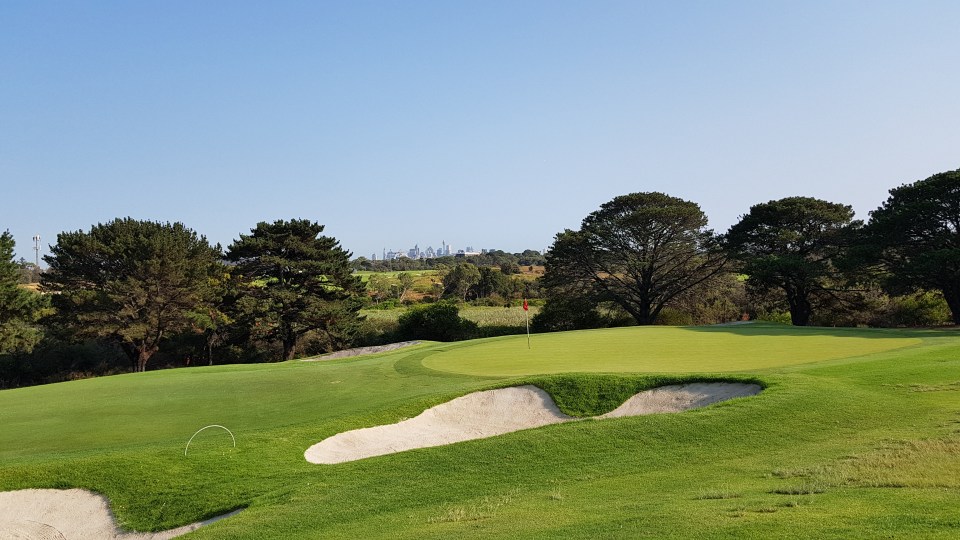
2019-12-18 08.00.34

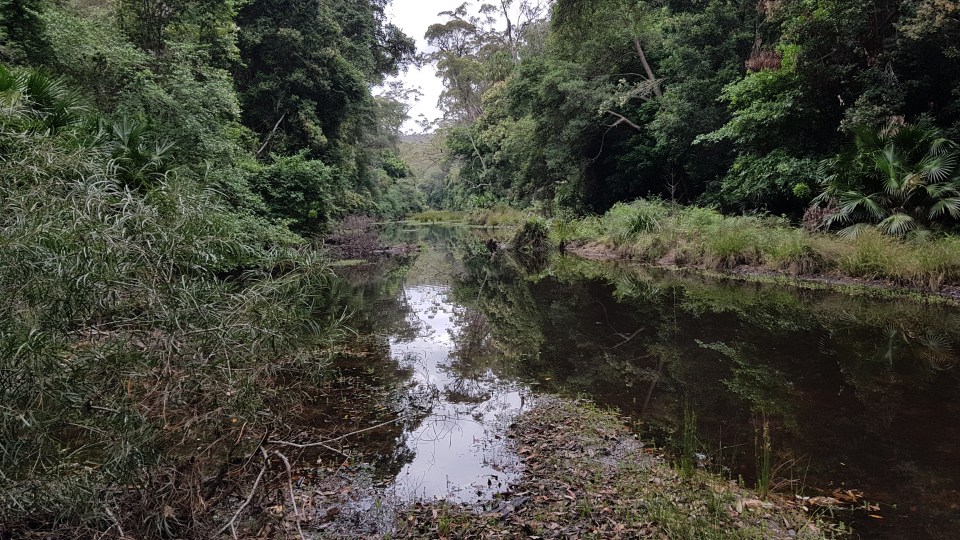
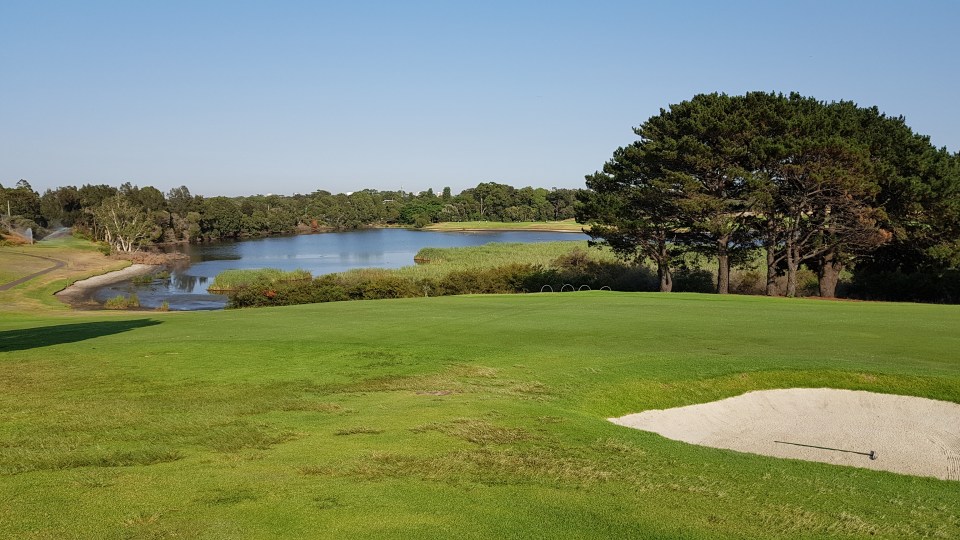
All of this was on my mind last Wednesday when I was invited on an early morning birding trip to the urban Eastlake Golf Course by UNSW bird researcher Dr Corey Callaghan.  We were joined by other staff members and postgrads from the department. Six of us spent a very enjoyable couple of hours from 6:15 am walking a route that took us close to the large bodies of water that give the course its name, through woodland and bush dominated by species of Banksia and Casuarina. The latter, despite being true flowering plants, look for all the world like the familiar conifers of many a British golf course.

Over a period of two hours we saw 70 species of birds.  To put this in perspective, our Waterside Campus bird surveys back in Northampton also take around two hours and start early in the morning, through a similar mosaic of grassland, woodland patches, and a water body (the River Nene).  On these surveys we typically see between 20 and 30 species; the most we’ve ever recorded in one morning is 39, and that really was exceptional.  Remember also that Sydney is not in the tropics – at around 33 degrees south we’re technically subtropical here.  Given the latitudinal gradient in bird diversity, a two hour survey on a tropical golf course should yield even more records, all else being equal.

2019-12-18 07.04.54

Of those 70 bird species, I think about 20 were new to me, i.e. lifers in birding parlance, though I still need to write up the list of birds I’ve seen so far on this trip.  Perhaps I’ll do that this afternoon as temperature in Sydney peak and its frankly too hot to do much else. As I write it’s midday and official temperature for the Coogee area is already 29 degrees C, and that’s with a cooling sea breeze.  Western Sydney is likely to top 40 degree later today.

Although whole families of birds in this region are unfamiliar to us in the Northern Hemisphere, there were others that we saw on Wednesday which would not be out of place in Northamptonshire.  For example, we saw common greenshank, which overwinters here after an epic journey from northern climes, and Australian raven which is a different species to the ravens and crows from the UK, but very similar looking.  The wading birds such as greenshank and sharp-tailed sandpiper were benefiting from the drought conditions that has exposed parts of the lake bed. Though if this continues there’s a danger of most of the water being lost completely, impacting the  large eels and other fish we saw in the shallows, as well as the semi-aquatic Eastern water dragon.
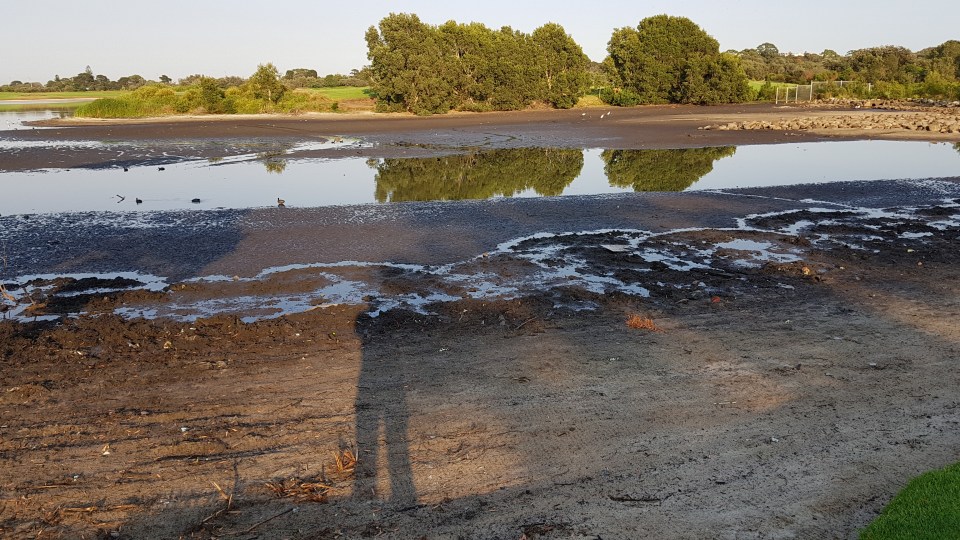
2019-12-18 07.04.59

Birds, plants, fish and lizards were not the only wildlife we saw at Eastlake however – some very delicate fungi were benefiting from the regular watering of the fairway:
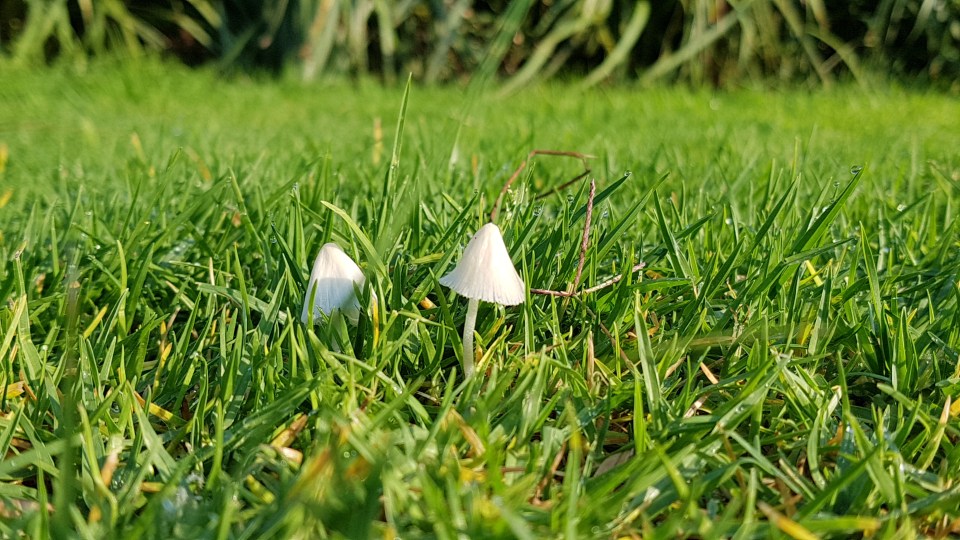
2019-12-18 07.35.55

It’s not all been birding and swimming in the (not very) warm sea, however.  This week Angela, Stephen and I were joined by our CSIRO collaborator Dr Raghu Sathyamurthy for an intense week of writing.  This manuscript boot camp has gone better than we expected and we have a very good first draft of a paper that should be in a position to submit to a journal by the time my visit here ends on 2nd February.


*I make an exception for crazy golf at seaside resorts which I play with my old university mates with beer, gusto, and not a little rivalry.
Ash on the beach, fire in the bush: Australia reflections part 1

2019-12-13 12.17.43

Although we’ve only been in Australia for less that two weeks, it feels as if we’ve been here forever; once we got over the jetlag and the weird sleeping patterns, Karin and I have easily settled into the life of a Southern Hemisphere summer.  It’s hard to believe that back home in the UK it’s cold, wet and (politically) miserable….

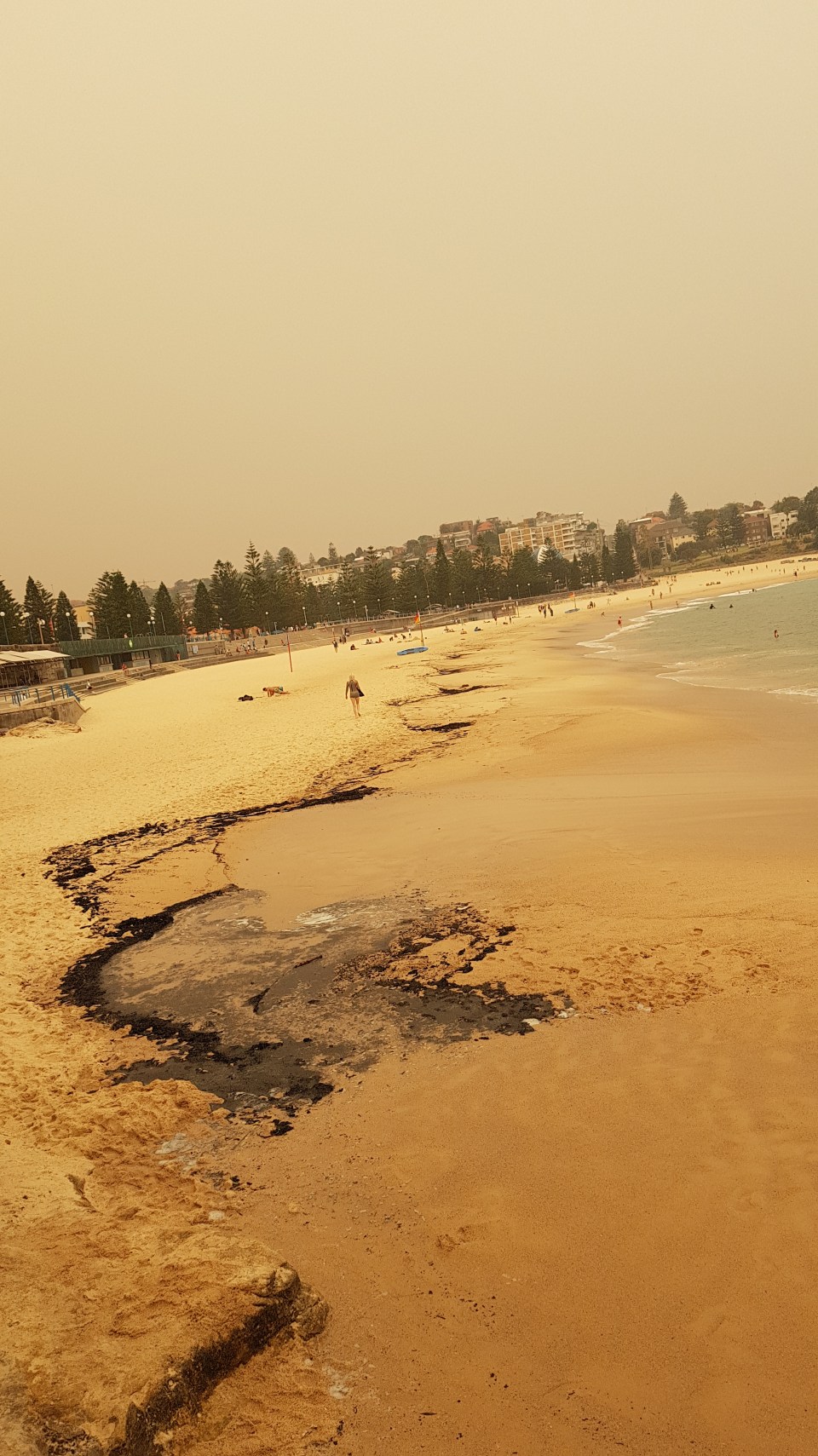
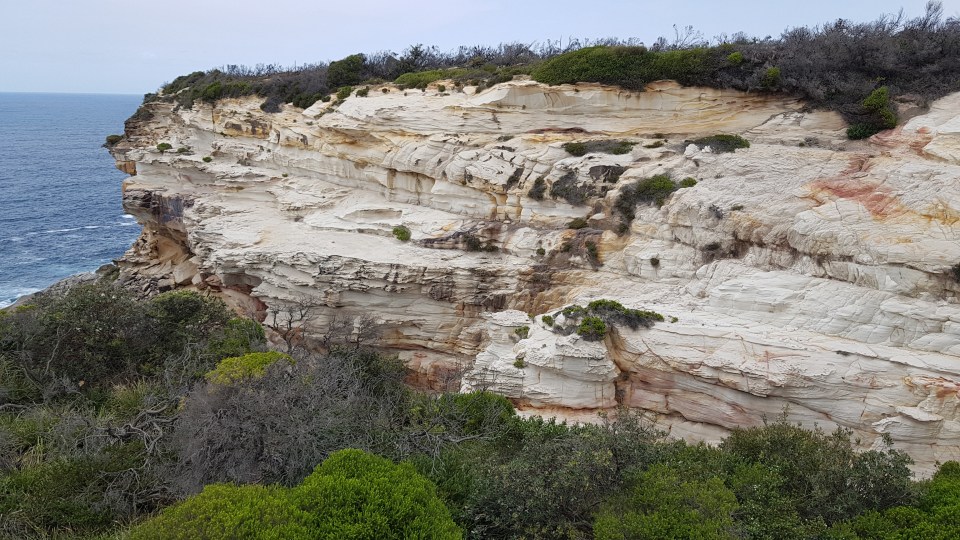
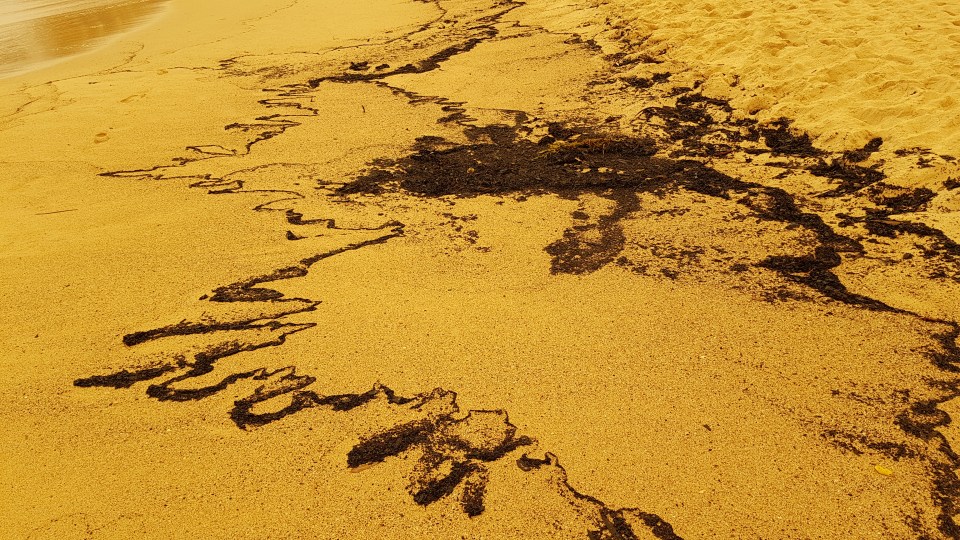
We’re based at Coogee Beach in the eastern suburbs of sprawling Sydney, just a short walk from the University of New South Wales (UNSW) where I’ve spent most of my time, and an even shorter walk from sand and surf.  It sounds idyllic but one of the recurring features of the past week has been the amount of ash and charred leaves washing up on the beaches from the bush fires that surround Sydney at the moment:

2019-12-06 17.53.21

2019-12-06 18.18.34

The region is in the midst of an extended drought and this has worsened the fire season.  The Australian Government seems intent on denying that it’s anything to do with climate change, though recently one of the state ministers has broken ranks.  That’s going to be little consolation this year but may mark the start of some changes in policies.  Let’s see.

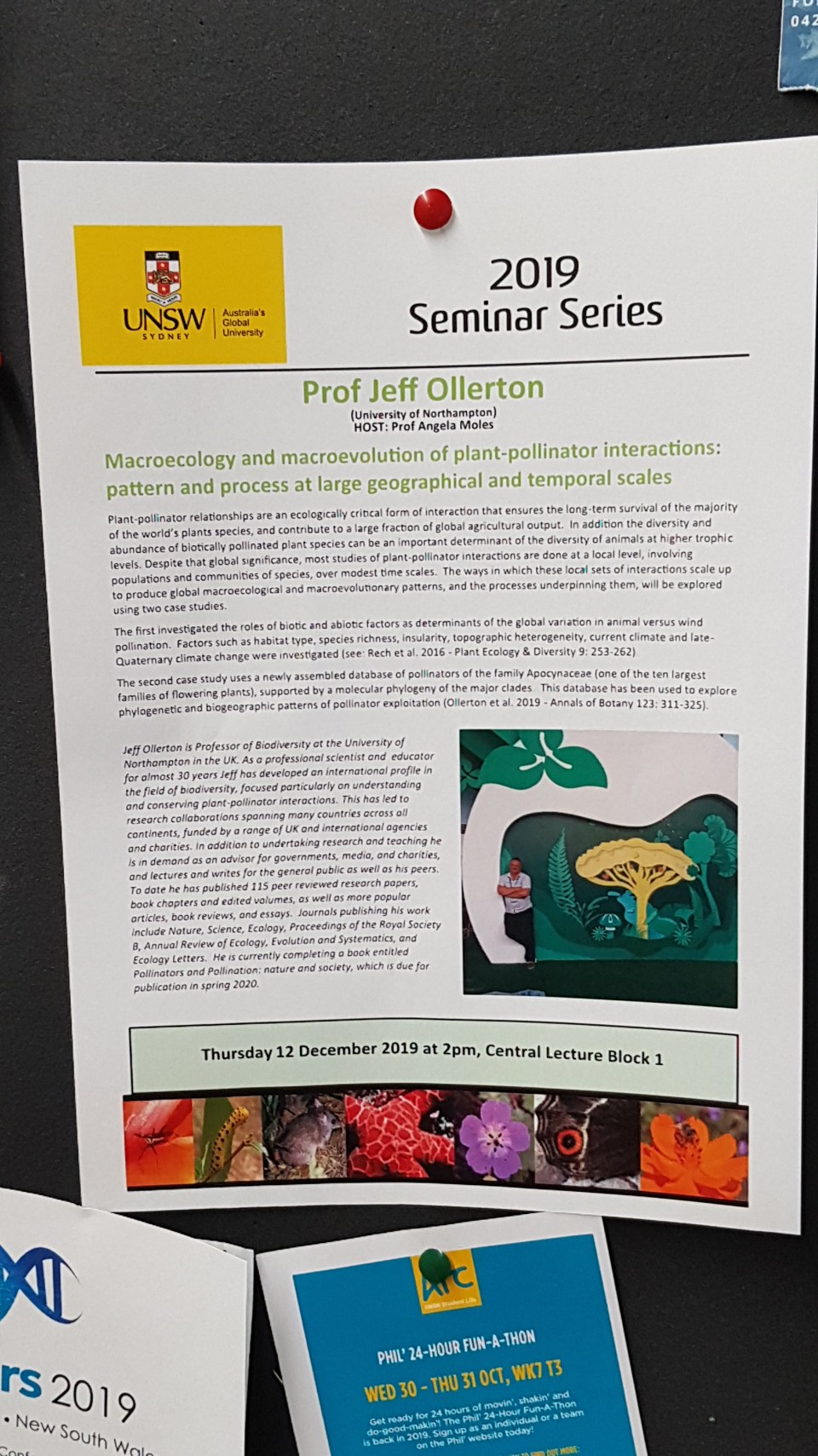
During our time here Karin and I have facilitated a workshop on “Writing for a non-academic audience” which was attended by 17 UNSW postgraduate researchers.  I’ve presented a lecture on “Macroecology and macroevolution of plant-pollinator interactions: pattern and process at large geographical and temporal scales”…..

2019-12-05 10.37.41

….and spent a lot of time chatting with staff and postgrads at UNSW.  In addition, Angela Moles, Stephen Bonser and I have made initial progress with a short paper that I’m hoping will be ready to submit before we head back to the UK in early February.

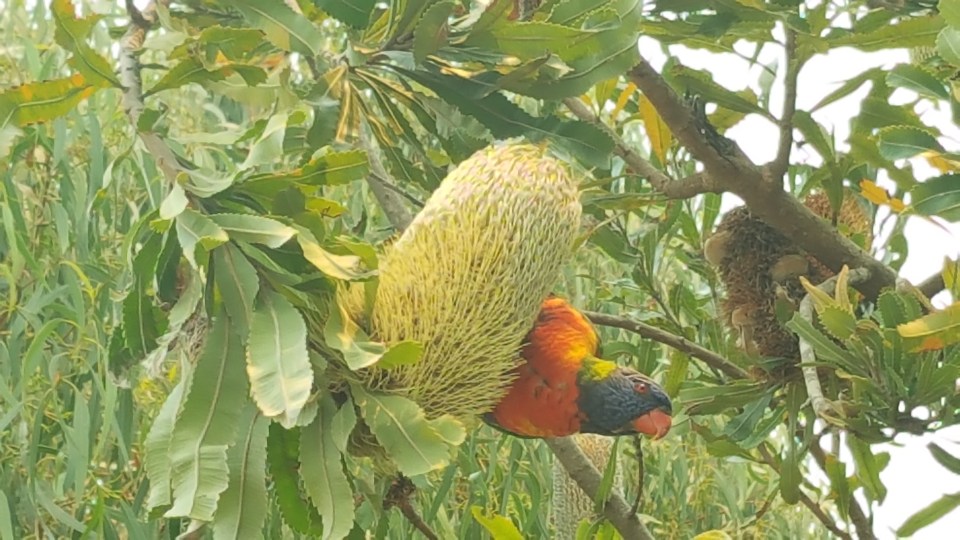
Time to actually get out and see some of the habitats and biodiversity of this part of Australia has been limited.  But we’ve done a couple of hikes north and south of Coogee Beach, along cliff-top trails and boardwalks through remnant coastal heathland habitat, enjoying the novelty of watching rainbow lorikeets visiting the inflorescences of native Banksia trees:

2019-12-04 12.56.12

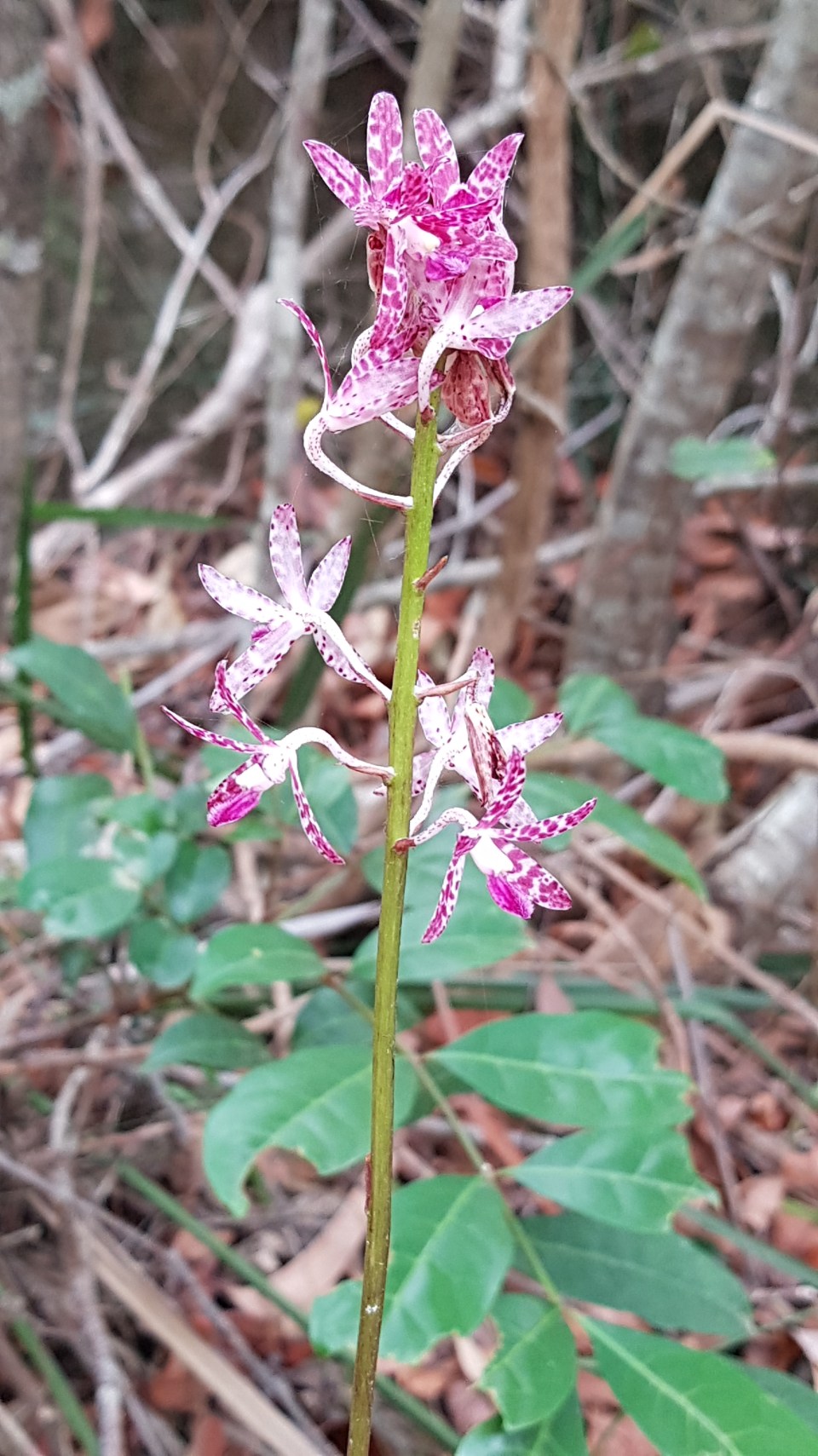
Yesterday we went further afield with a bird watching trip down to the Royal National Park (RNP) with Kew/NRI scientist Phil Stevenson (who is in the country for a couple of weeks on a flying visiting to speak at a conference and meet with colleagues); and Graham Pyke from Macquarie University, whose work on foraging behaviour of pollinators I’ve known for many years, but whom I’d never met.  Leading our trip was Steve Anyon-Smith, a professional bird guide who literally wrote the book on birding in the RNP.  Steve was great, highly knowledgeable, and a mine of information about the Australian environment.  As well as seeing about 67 bird species we encountered a host of other wildlife, and I collected data on wind and animal pollination for another set of species.  Here’s some images from that day:

2019-12-13 10.41.43

An orchid – Dipodium punctatum.

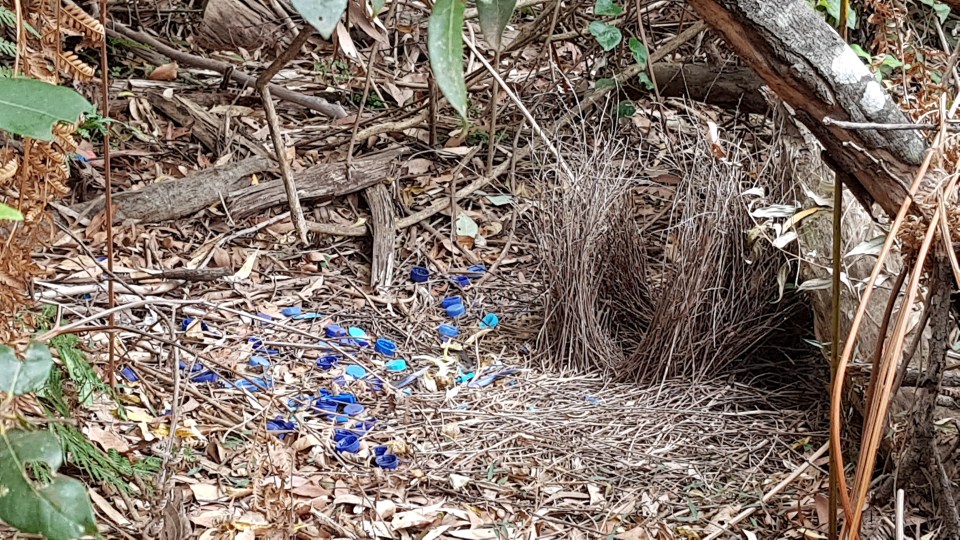
2019-12-13 11.24.25

The bower of a male satin bower bird.

2019-12-13 09.17.10

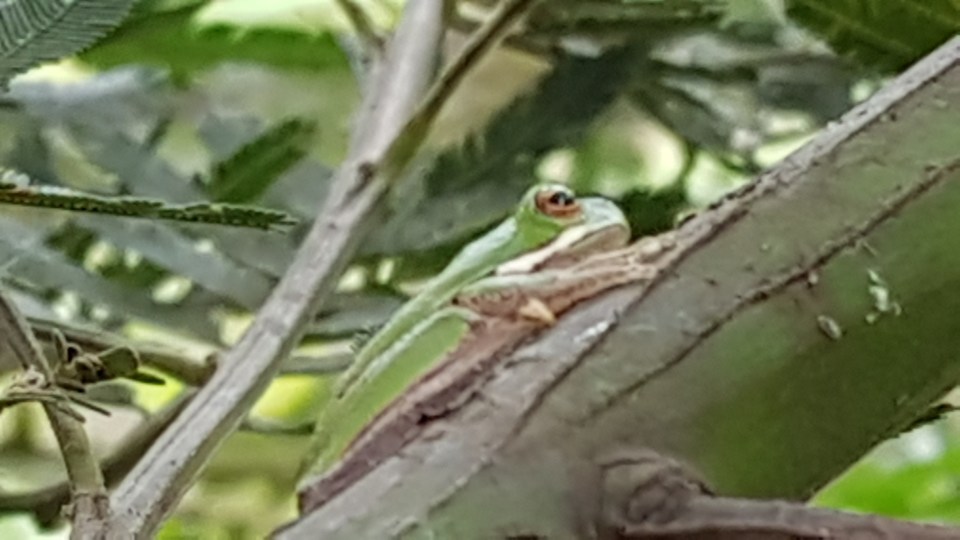
2019-12-13 11.32.03

Not a great shot – it’s an Eastern dwarf tree frog.

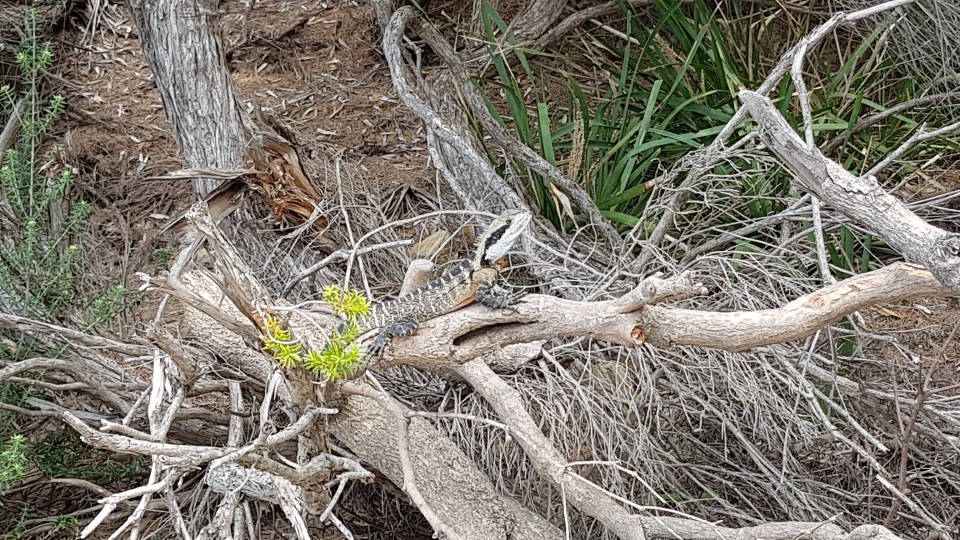
2019-12-13 13.14.41 This is better – a very confiding Eastern water dragon along a well-used coastal trail.
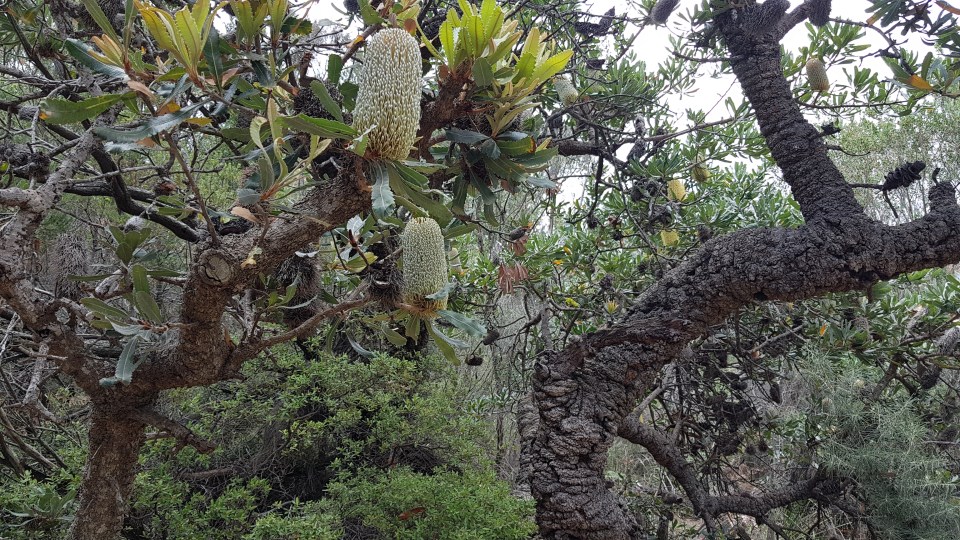
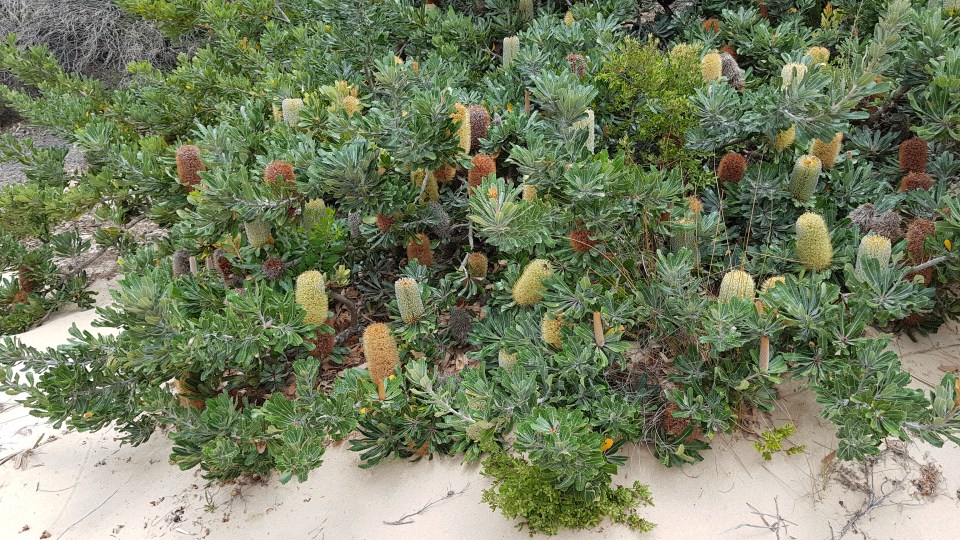
Along that trail we also saw two forms of Banksia serrata – an upright one and a prostrate form – growing quite close together:

2019-12-13 13.17.162019-12-13 12.23.18

I’ve seen a lot of birds visiting the inflorescences of this species but it’s suggested that mammals might be the main pollinators – the flowers have a very thick, yeasty smell.  Perhaps it’s both?
2019-12-13 11.02.52

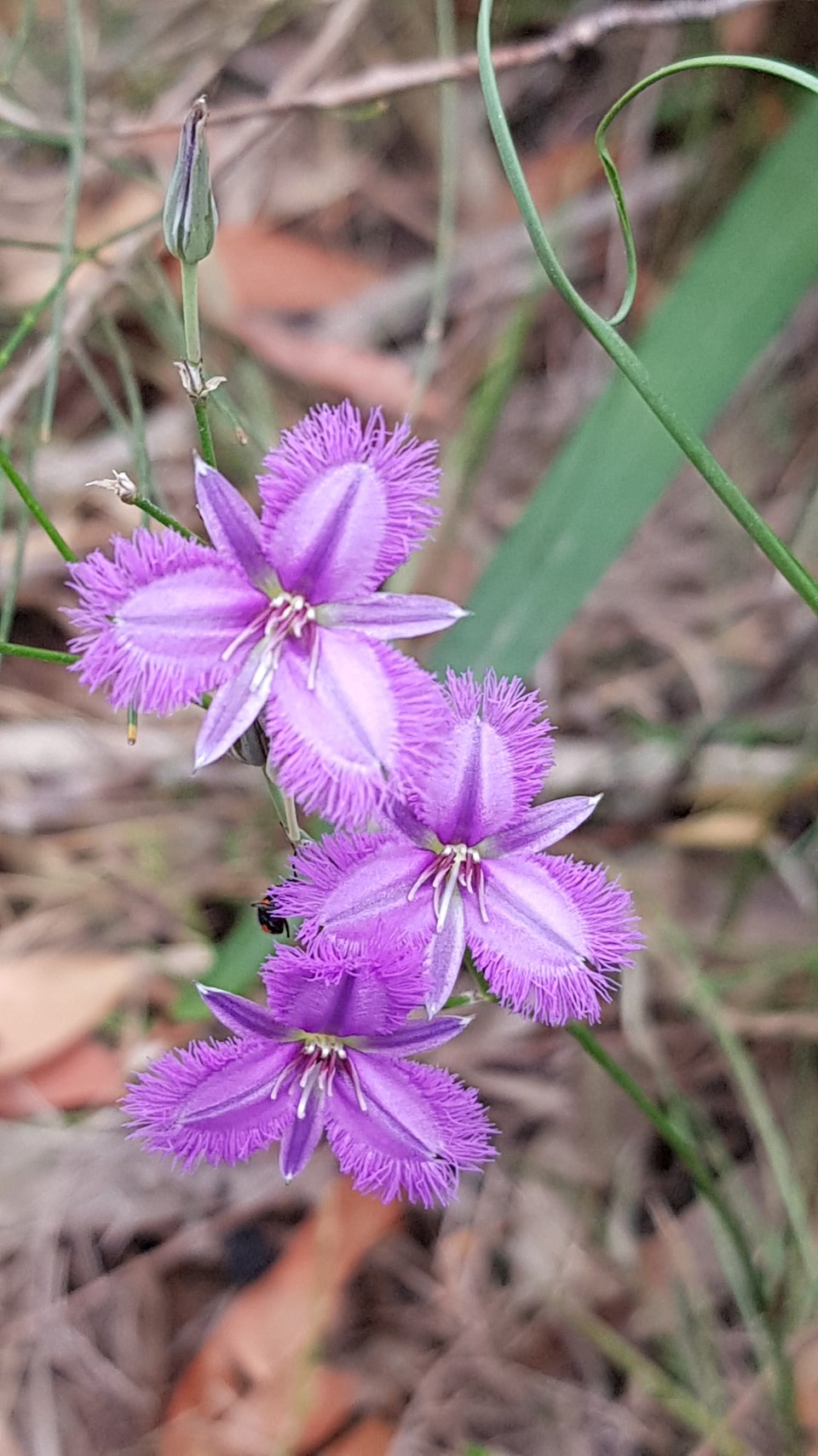
An Australian fringe-lily.

2019-12-13 12.10.16

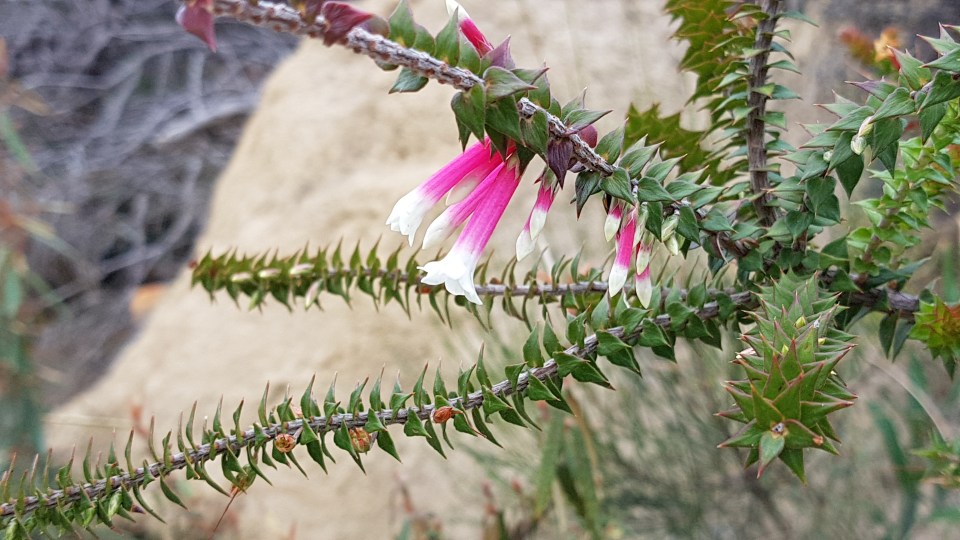
This is Epacris longiflora – thanks to Ryan O’Donnell for the identification.

2019-12-13 14.58.35

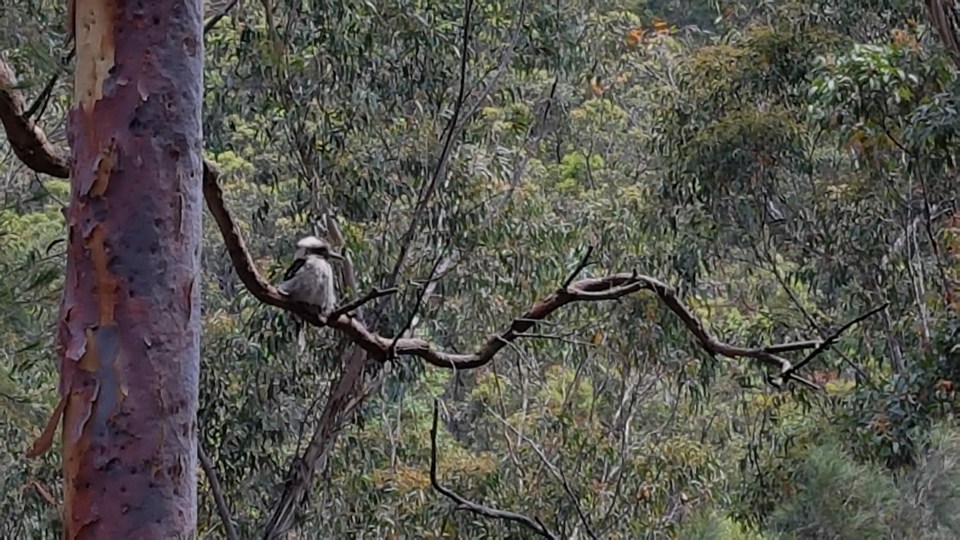
And of course we saw a lot of the iconic laughing kookaburras.

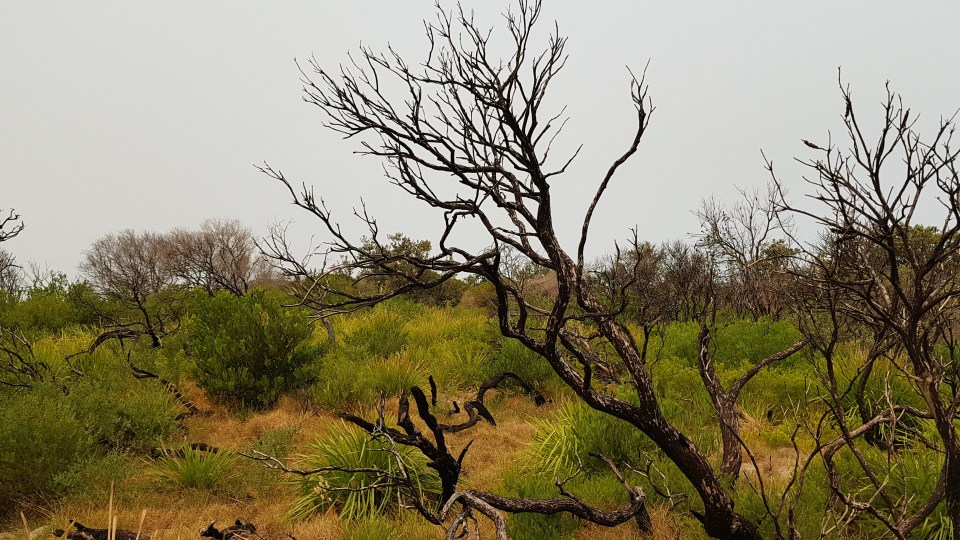
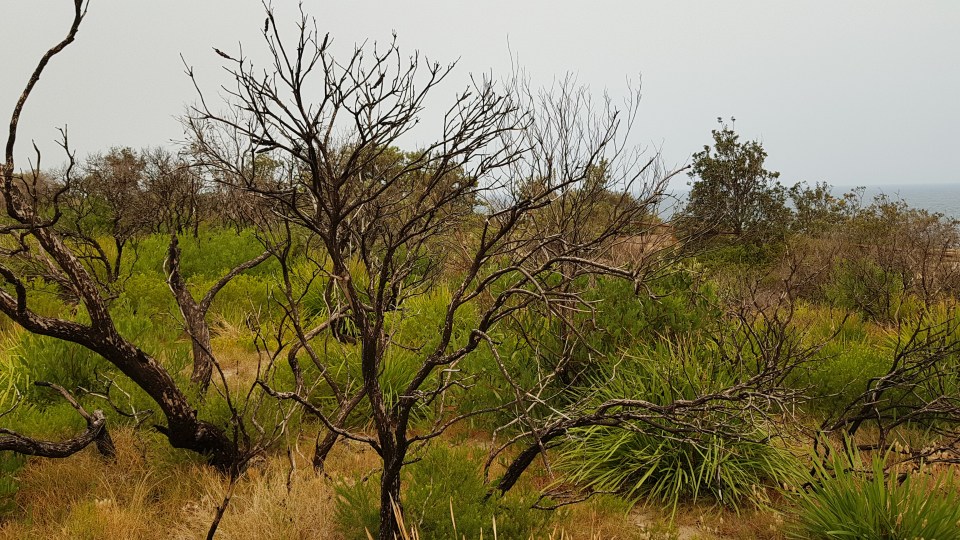
Steve was really concerned that much of the forest and wildlife in the NPR may be destroyed over the summer.  None of it has yet burned and, with temperatures due to rise enormously by next week, much of this habitat could be lost to fire by summer’s end.  I sincerely hope not, it’s too precious and beautiful to lose.  Vegetation in relatively light burns can reestablish itself given time, as we encountered in one of the Coogee remnants that burned a few years ago:

2019-12-07 15.12.472019-12-07 15.12.51 (1)

But the bigger, hotter, more intense fires that are currently sweeping the state are something else entirely, and are alien to these forests.  Aboriginal Australians carefully managed their environment using regular, small burns, a practice that has been lost in most areas.

Fire in Australia is a theme that I keep coming back to.  A few weeks ago, during one of my second-year undergraduate grassland ecology lectures, I was  discussing fire as a threat and a management tool in grasslands.  I mentioned the situation in Australia with respect to Aboriginal use of fire and I asked my students what the purpose of their burning the grasslands was.  Someone suggested that it might relate to their agriculture.  My response then was “no” because Australian Aborigines were nomadic hunter-gatherers who never developed agriculture, which is what the received wisdom has been for decades.  The answer I’d give now is: “yes, quite probably”.  As so often is the case in science, the received wisdom was wrong.

My colleague at the University of New South Wales, Angela Moles, has loaned me a book called Dark Emu which draws on early European settler accounts, Aboriginal oral tradition, and recent archaeological discoveries to turn our understanding of the ecology of pre-European Australia on its head.  In particular, it seems as though the (then) very large Aboriginal population was much more settled and had developed a sophisticated form of agriculture that included the creation and exploitation of huge areas of native grasses for their grains.  This was all destroyed by colonial European agriculture within a short time period, before it was fully understood.  One of the arguments in Dark Emu is that these native grasses are much more suitable to the Australian climate than wheat and may allow more sustainable agriculture in the future.

If you want to know more, here’s a link to a recent review and interview with the author, Bruce Pascoe:

https://www.theguardian.com/books/2019/may/24/dark-emus-infinite-potential-our-kids-have-grown-up-in-a-fog-about-the-history-of-the-land

Strange as it might sound for a professor to say, I was happy to be wrong on this (or indeed any) occasion: scientific understanding only progresses by people being wrong and incorrect ideas being superseded by new knowledge.  I made a point of sending my students an email telling them about what I’d discovered.  It may well form a question on the test they have to take next term…..

Bound for the Great Southern Land

cropped-tenerife-2008-080

Great Southern Land, in the sleeping sun
You walk alone with the ghost of time
They burned you black, black against the ground
And they make it work with rocks and sand

Great Southern Land by Icehouse

Today Karin and I are packing before heading to the airport for a flight tomorrow to Australia.  It will be Karin’s first trip to the Great Southern Land, and my second: I spent part of 1993 and 1994 there on a short postdoctoral research project.

We’ll be there for about two months. Karin will be writing (she’s working on a book and will be contributing further articles to Medium and other outlets).  I’ll be working with Angela Moles and Stephen Bonser at the University of New South Wales (UNSW) on an Australian Research Council-funded project looking at whether species interactions affect the invasibility of plants native to Europe that are running wild in Australia. So it’s test of the “enemy release hypothesis” (leaving behind the herbivores and parasites) but with the addition of a “making new friends” hypothesis, i.e. gaining pollinators and other mutualists. That grant, plus a Visiting Fellowship to UNSW, is funding the trip.

In a post back in May I mentioned the Australian PhD researcher, Zoe Xirocostas, who is also working on this project.  Zoe surveyed plant populations in the UK, Spain, France, Austria and Estonia over the summer. She is now back and in the middle of surveying in NSW, Victoria and Tasmania.

As well as that project I want to spend time finalising my forthcoming book, collecting some data on Apocynaceae pollination ecology (of course!) and do some community-level surveys of wind/animal pollination to add to a global data set I am compiling.  Karin and I are also running a workshop at UNSW on “Writing for non-academic audiences” and I’m also giving a research seminar there and at Western Sydney University.  In addition we are visiting friends and family over Christmas and the New Year.  We’re packing a lot into a trip of two months!  And of course work at the University of Northampton never goes away – I have project students and PhD researchers to advise and there’ll be the usual weekly blizzard of emails to clear…

Having not been back to Australia since 1994 it will be interesting to see how it’s changed – a lot drier and smokier I imagine…  I’ll be updating the blog as the work progresses; over and out until we land in Sydney.

More on historical honey bee numbers in Britain

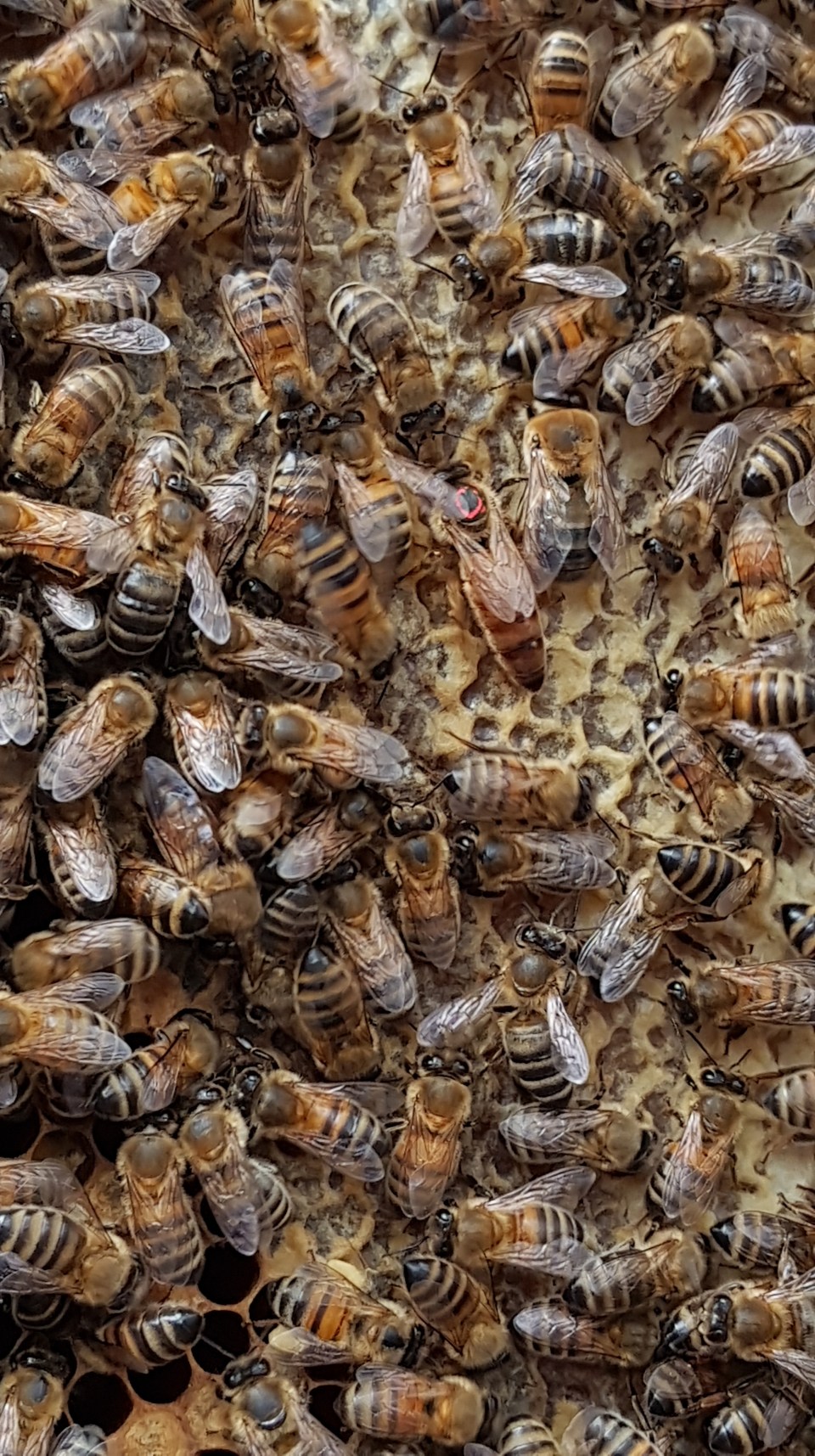
Bees hives with earlier data points - 18th Nov

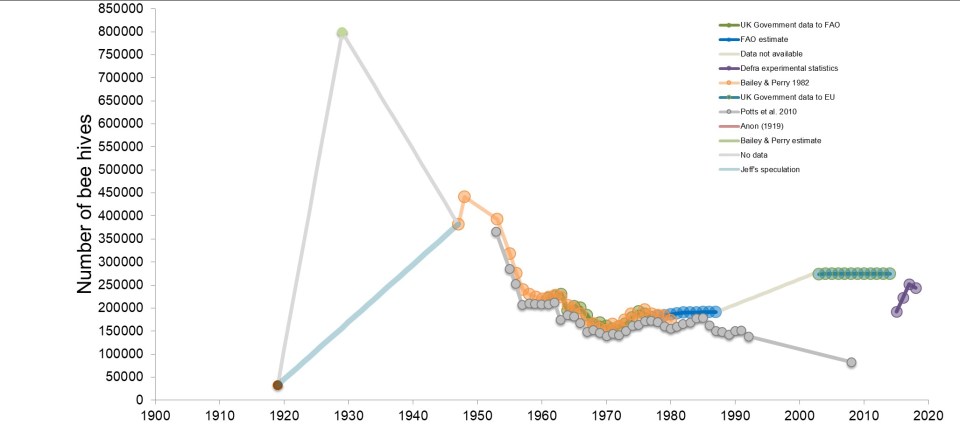
Following on from my post last week on historical changes in honey bee numbers in Britain, I decided to add the two extra, earlier data points to the graph just to illustrate what they mean for our understanding in how honey bee numbers may (or may not) have changed over the last 100 years.

The first data point is the Bailey & Perry (1982) estimate of 800,000 hives in the 1920s (which I’ve placed at 1929) that, as I mentioned, I think is wrong in terms of how they did the calculation.

The second data point is of 32,500 hives in 1919.  It’s from the article that Andrew Hubbard drew my attention to, which seems to be a fairly solid government statistic, or at least no less solid that much of the other government stats (unless anyone knows any better).

If we accept the 800,000 figure at face value then we see a massive increase in number of hives of over 76,000 new hives per year between 1919 and 1929.  And remember that’s being conservative as to what “the 1920s” meant to Bailey & Perry; if we peg the date at 1925 then we’re talking more than 127,000 hives being added to the British stock every year.  In my opinion that’s not a feasible proposition.

A much more likely scenario is that the number of hives grew during the second quarter of the 20th century and reached a peak in numbers at some point between the 1940s and 1950s.  That’s an increase of around 13,000 hives per year.  It’s still a lot, but is not unreasonable in light of post-World War 1, and subsequently World War 2, agricultural reforms that I highlighted in my post about British bee and flower-visiting wasp extinctions.   I’ve termed that “Jeff’s speculation” in the figure above because, in the absence of hard data, that’s all it can be.

As always, I welcome your comments.


Two bee species new to science named in honour of pollination ecologists

New Eucera species

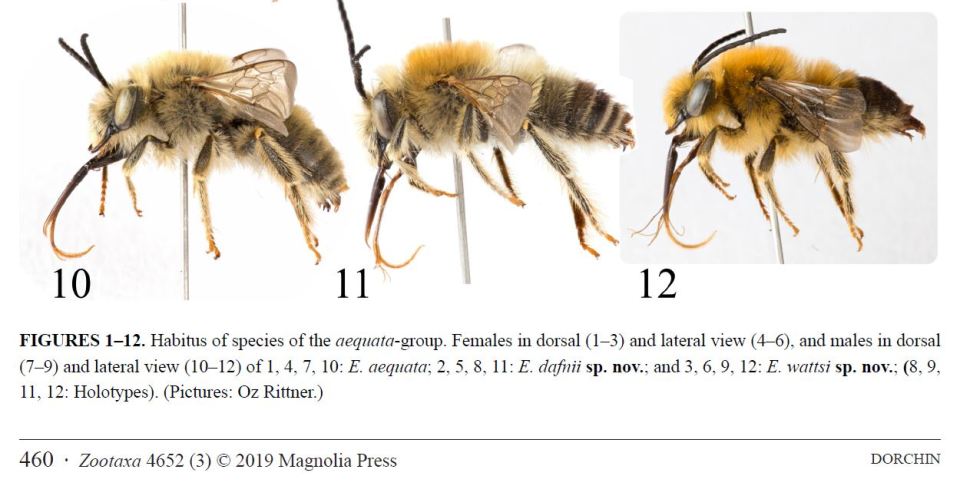
Last week the Israeli bee taxonomist Achik Dorchin published a new paper entitled “Taxonomic revision of the aequata-group of the subgenus Eucera s. str (Hymenoptera, Apidae, Eucerini)” .  The paper focuses on a little-known group of “longhorn” bees from the Eastern Mediterranean region, a part of the world with an extraordinarily high bee diversity.  In this taxonomic account, Achik has named two bees new to science in honour of two pollination biologists:

Eucera dafnii is named by Achik for Prof. Amots Dafni, whom he describes as his “teacher and friend…a pioneer pollination ecologist of the Mediterranean region, who has led the research project during which much of the type series was discovered”.  Amots is almost legendary in the field, he’s been conducting research on the flora, fauna, and pollination ecology of the region since the late 1960s, and remains a productive and influential scientist.

Eucera wattsi is named in honour of Dr Stella Watts, “a talented pollination ecologist, who collected much of the type series and contributed important floral observation and palynological data for this study”.  Stella completed her PhD at the University of Northampton in 2008, with a thesis on “Plant-flower visitor interactions in the Sacred Valley of Peru”, and then went on to do a post doc with Amots in Israel.

It’s fitting that these bees are named in their honour: congratulations Amots and Stella!

Historical changes in honey bee numbers in Britain – how much do we know? UPDATED

Bee hives figure - 12 November

UPDATE:  On Twitter, Andrew Hubbard kindly drew my attention to the short article from 1919 at the bottom of this post in which it was estimated that British bee stocks at the time were as low as 32,500 hives.  As Andrew pointed out, this means that the estimate by Bailey and Perry of 800,000 hives in the 1920s cannot be correct.

——————————————————-

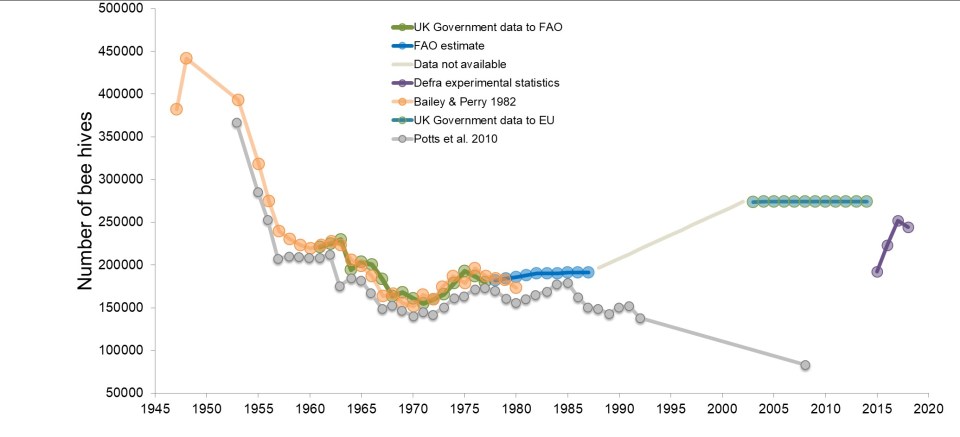
In one of the chapters of the book that I’m currently completing I deal with the question of the evidence for changes in the abundance and diversity of pollinators over time, both in Britain and globally.  Are we really in danger of losing most of our pollinator species?  Have honey bee numbers plummeted?  Has pollination of wild and crop plants been affected?  The evidence is mixed and too complex to deal with in a short blog post: you’ll have to read the book 🙂  However I want to present some data that I’ve collated on changes in honey bee hives in Britain to gauge opinions on what has gone on.  I’m not a specialist in bee keeping by any means, others are far more knowledgeable, so as always I’d be interested in peoples’ thoughts on this.

The graph above has been pieced together from data presented in various sources – see below.  From a post-WW2 peak of about 450,000 hives, numbers dropped to about 150,000 hives in the 1970s.  That seems very clear.  Numbers remained fairly stable until the early 1990s and then….what?  There are two possibilities: either numbers of hives crashed to fewer than 100,000 by 2008; or they increased hugely to more than 250,000.  Both scenarios cannot be correct!

There are huge uncertainties about the data during this period, however the most recent data from Defra is fairly solid, though it does require beekeepers to register their hives on BeeBase.   Given the wide range of the low and high estimates, the fact that bee keeping has become more popular over the past decade, and that the recent data sit more-or-less within this range (at least initially), I wonder whether honey bee numbers have actually remained quite stable over the past 25 years or so, and indeed have hovered around the 150,000 hives or so since the 1970s.

Of course an alternative scenario is that the varroa mite (which arrived in Britain in 1992) led to that huge collapse in bee numbers.  But I wonder if there’s really any evidence for that?  Were whole apiaries wiped out by varroa?  It’s notable that the decline in this period started much earlier than the arrival of varroa, in 1985.  Why was that?

Data sources:

The earliest data available are those in Bailey & Perry (1982 – Bulletin of Entomological Research 72: 655-662) that span 1946-1982. This should be fairly accurate for England and Wales, though their estimate of 800,000 hives in the 1920s needs to be treated with caution as they make a number of assumptions in their regression-based analysis that may be incorrect; I’ve therefore not included that data point on the graph. Unfortunately the UK stopped returning official numbers of hives to the United Nations’ Food and Agriculture Organisation (UN-FAO) in 1977, and their data up to 1987 is an unofficial estimate (http://www.fao.org/faostat/en/#home). From 2003 the UK had to report bee hive numbers to the European Union to claim money for the National Apiculture Programme (https://ec.europa.eu/agriculture/sites/agriculture/files/honey/programmes/programmes_en.pdf), but the figures were rather suspiciously constant between years. More recently beekeepers have been encouraged to register their hives with BeeBase (http://www.nationalbeeunit.com/) and hopefully these estimates are more realistic.

Data for part of this period were also presented in Potts, S.G. et al. (2010) Declines of managed honeybees and beekeepers in Europe? J. Apic. Res. 49, 15–22  Thanks to Prof. Simon Potts for sharing the data from that study.

Britsh Bee Journal 1919 - from Andrew Hubbard

Beexploitation in social media – UPDATED

2019-07-28 11.15.10

UPDATE:  I should really have linked to Charlotte de Keyzer’s “bee-washing” site – https://www.bee-washing.com/ – it’s making much the same argument in a more comprehensive and elegant way.  That’s what happens when you post blogs first thing in the morning before the (bee pollinated!) coffee has properly kicked your brain into gear…..

————————————————————

I am fond of new words – neologisms – and if pollinators can be included, so much the better.  For example see my recent post about autobeeography.  That refers to memoirs which focus around work or encounters with bees, of course.  So here’s a new one:  “beexploitation”.

Beexploitaton is a play on blaxpoitation of course, and refers to articles, campaigns, social media, etc., that seeks to make financial or reputational gain from making wild and unsubstantiated claims about pollinators, most often honeybees.  Here’s an egregious example that caught my eye this morning and stimulated this post:  https://www.boredpanda.com/influencer-bee-b-fondation-de-france/

Worryingly, this is set up by the French Government and is aimed at raising money from well meaning people to “save the bees”.  But it’s full of nonsense claims such as that bees pollinate cocoa plants to give us chocolate.  They don’t – the pollinators of cocoa are primarily, perhaps exclusively, small flies.  There are other errors too and we know that honeybees, globally, are not as important as wild pollinators for crop plants.  We need to highlight and critique this sort of rubbish because it diverts money and attention away from genuinely well thought out initiatives to conserve pollinators.

As always, I’m happy to receive comments and other examples of beexploitation.

Are you ready for SCAPE 2019?

SCAPE logo

Later this week the 33rd annual meeting of the Scandinavian Association for Pollination Ecology (SCAPE) takes place at a venue near Lund in Sweden.  Here’s a link to the conference website on which you can find the programme and the abstracts.

SCAPE is the longest running such conference in the world and this year’s meeting promises to be a bumper one, with at least 130 delegates and two great keynote speakers: Prof. Rachael Winfree and Prof. Sharon Strauss.

For the first time I’m giving a short “flash talk” of just four minutes which will be interesting…..will I be able to stick to time?

I will try to post some thoughts from the meeting on the blog but to be honest I’m more likely to tweet using the hash tag #SCAPE2019 and the account @SCAPE_Poll_Ecol.  Watch out for those if you’re on Twitter.

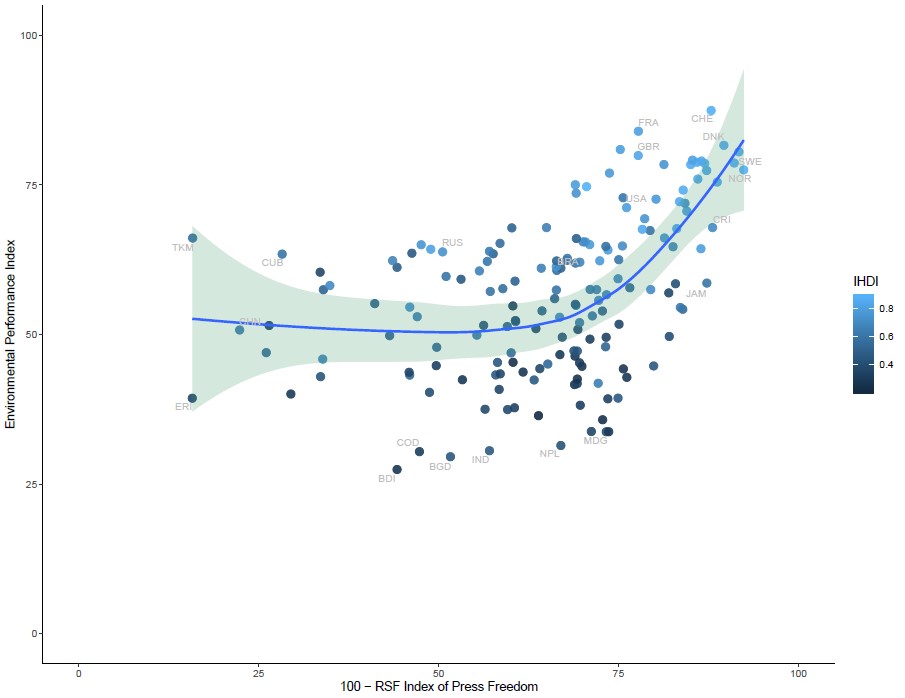
The role of press freedom in protecting the environment

Ollerton et al Press freedom Figure 1

Recently I’ve been working with a couple of journalist colleagues at the University of Northampton on a short article exploring the relationship between press freedom and environmental protection in different countries.  That piece has just been published on the Democratic Audit website – here’s the link.

I think that the findings are really interesting, and timely in an age when press freedoms are being eroded and journalists physically attacked and even murdered.

Celebrating the environmental and historical heritage of the Nene Valley

One of the great privileges of the job I have is working with individuals and organisations across all aspects of conservation and science; people who are asking the most fundamental of ecological or evolutionary questions, through to those addressing on-the-ground questions of habitat management and restoration.  One of my current roles is as a board member for Nenescape Landscape Partnership Scheme, funded by the Heritage Lottery Fund (2016-2021) and involving multiple Northamptonshire partners, with the University of Northampton acting as the Competent Authority for the financing of the scheme.  Our students and staff are also involved in various ways, volunteering their time and expertise.

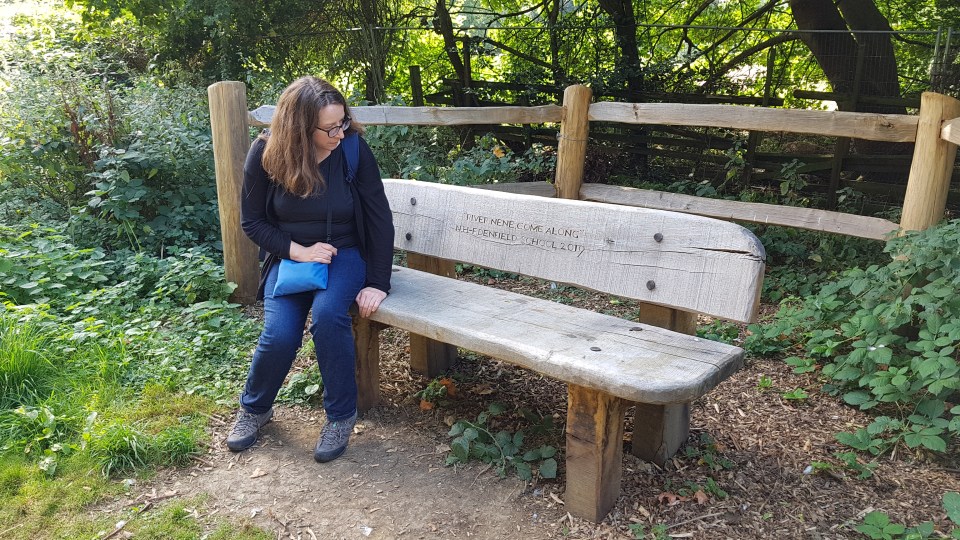
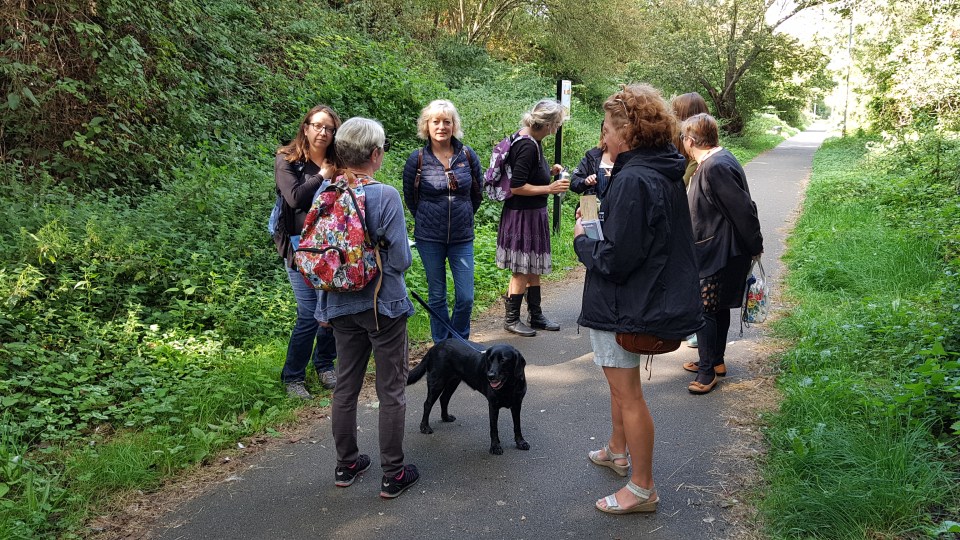
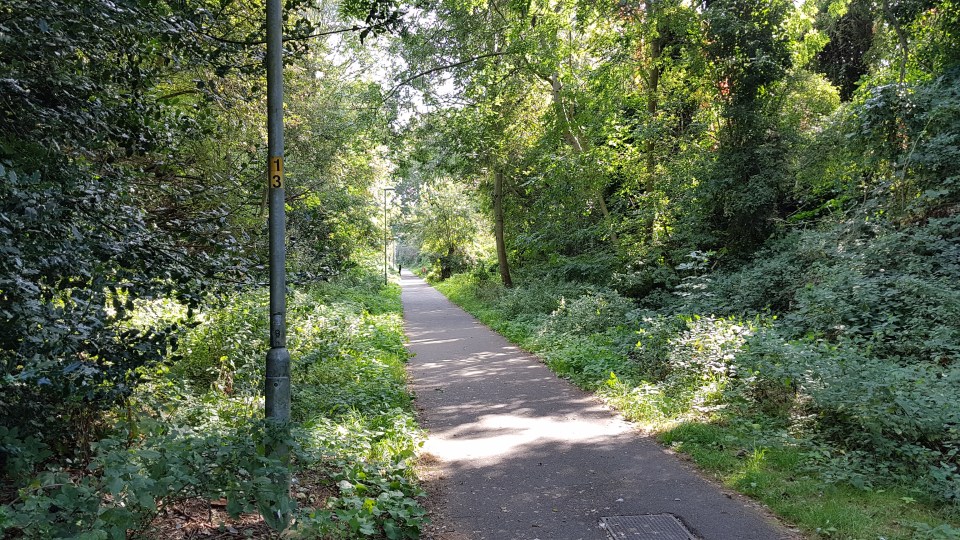
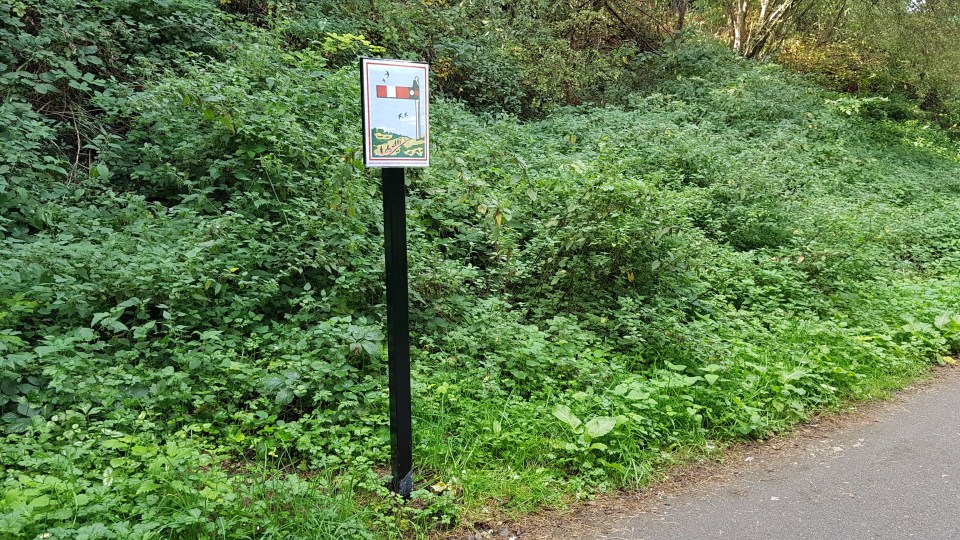
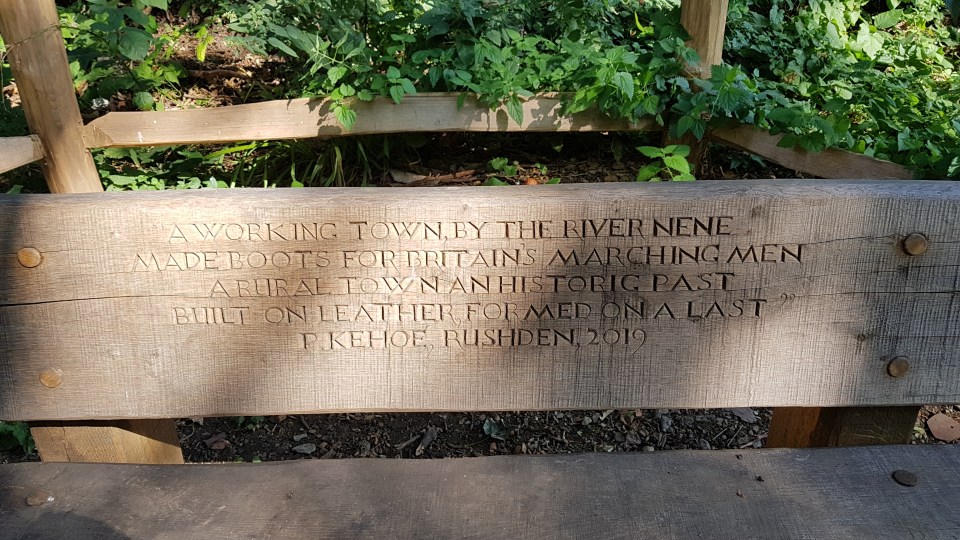
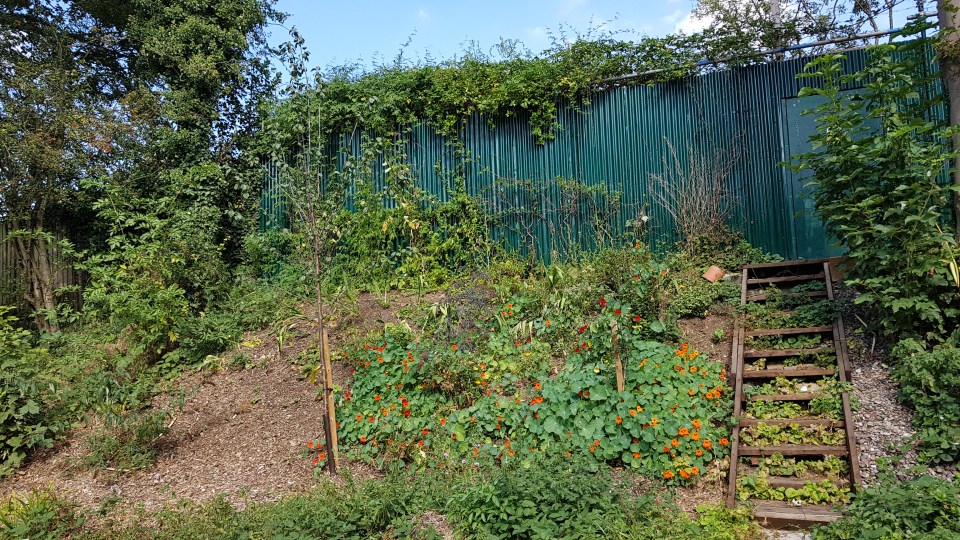
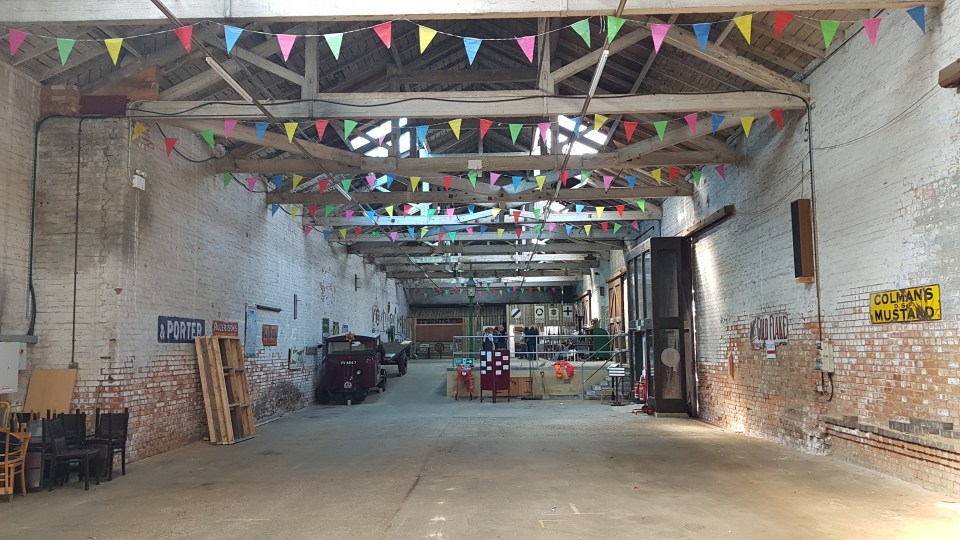
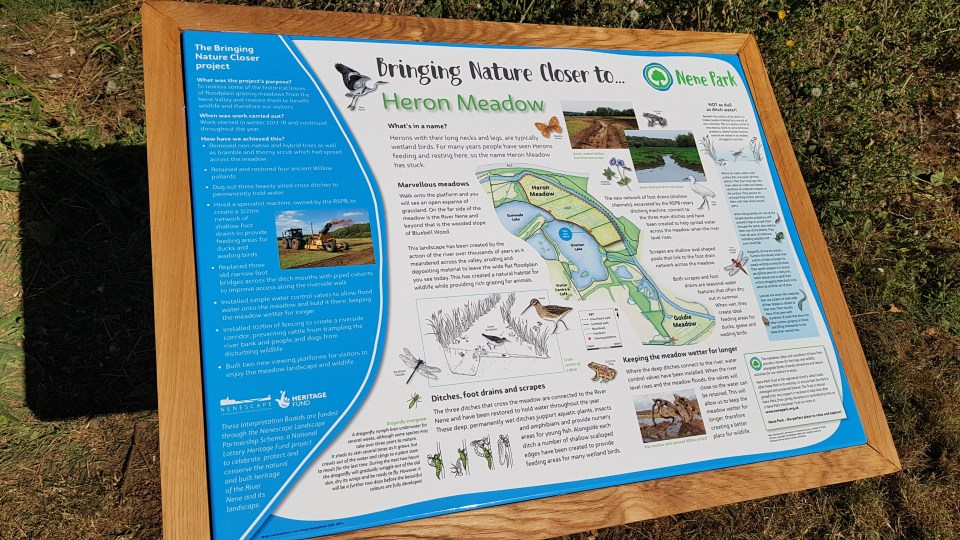
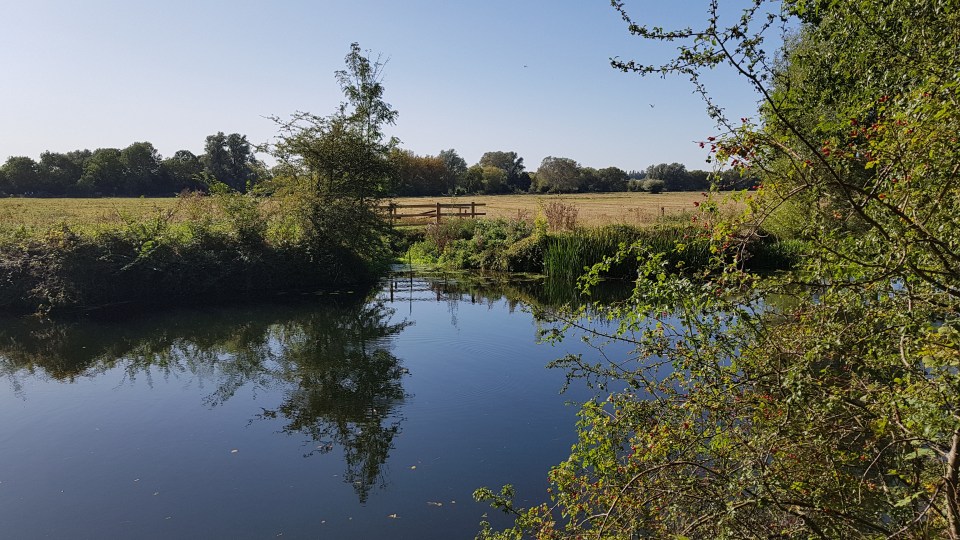
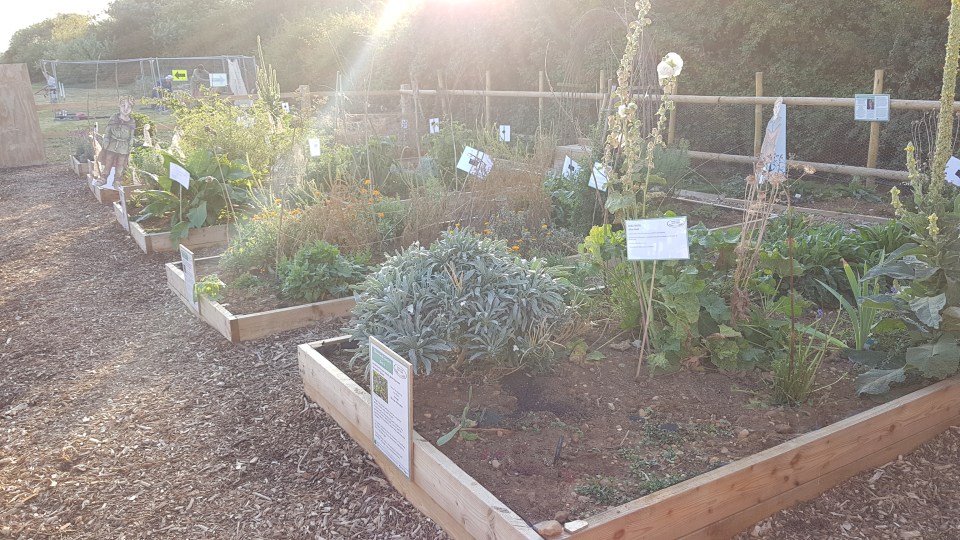
Friday and Saturday this week was taken up representing the University and the Nenescape board at events that showcased Nenescape-funded projects.  First up was the East Northants Greenway project where we admired the new benches that had been installed, the clearance of rubbish along this former railway, tree planting, the All Aboard for Rushden Art Codes project, and a new mural, and chatted with local residents who seem to be very happy with the work that’s been done.  Then it was along to Rushden Transport Museum to look at the work that’s been done on the old railway goods shed.  On Saturday I was up at Ferry Meadows near Peterborough to try out the new boardwalk that has been installed and to see the restoration of Heron Meadow as a site for overwintering wild fowl and waders.  I now have temporary tattoos of pollinators…. Later in the afternoon I headed to Stanwick Lakes for a celebration of the new barn and heritage garden that’s been created as part of the Settlers of the Nene Valley project, complete with a Viking re-enactment group.  Here are some images from the two days:

2019-09-20 11.32.31

2019-09-20 11.44.15

2019-09-20 11.49.28

2019-09-20 11.49.41

2019-09-20 11.54.50

2019-09-20 12.15.20

2019-09-20 13.04.57

2019-09-21 14.09.00

2019-09-21 14.43.51


2019-09-21 17.47.26

2019-09-21 17.38.28