
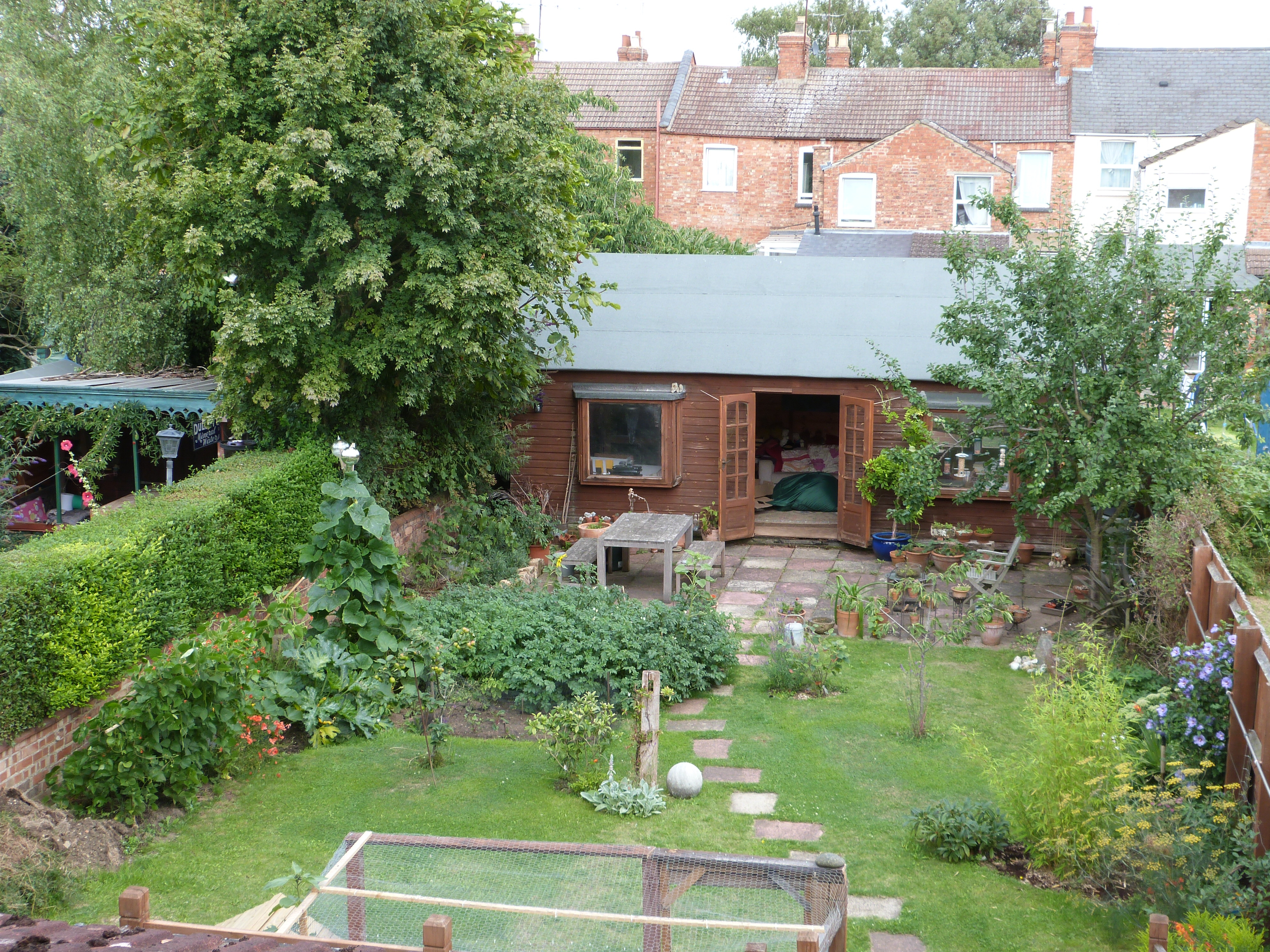
One of the few positive things to come out of the COVID lockdowns was the unexpected opportunity to look much more closely at the nature right outside our doors. In 2020 I coordinated the Lockdown Gardens initiative, bringing together pollination ecologists from around the world to carry out standardised surveys of flower visitors in the gardens they could access during that strange and constrained period. That project generated an unusually rich global dataset: 67 gardens, almost 47,000 flower visits, and records from more than 650 pollinator species.
Since then, the dataset has started to yield some really interesting insights. A new paper led by Luis Perugini uses the Lockdown Gardens data to ask a deceptively simple question: what determines how specialised plant–pollinator interactions are in gardens? In other words, are garden flowers in some places visited by a narrow set of pollinators, while elsewhere they are more generalist?
The answers are not quite what we expected. Looking at 40 garden networks from four continents, we found that larger gardens support more plant species, and that suburban gardens tended to be richer in plant species than either rural or urban gardens. We also found that pollinator richness increased with plant richness and with precipitation. But when it came to the actual specialisation of interactions, climate and species richness did not seem to matter very much at all. Instead, variation in specialisation was mostly species-specific and showed no clear phylogenetic pattern.
That’s an important result, because it suggests that the factors that drive biodiversity in gardens are not necessarily the same factors that shape the ecological relationships within those gardens. Put more simply: having more species does not automatically mean having more specialised interactions.
For me, this is a nice example of how a project born out of a global crisis can continue to produce useful science. The Lockdown Gardens surveys began as an improvised response to an extraordinary moment, but the data are now helping us to understand how gardens function as ecological systems, and how they might better support pollinators in an increasingly human-dominated world.
Here’s the full reference with a link to the paper, which is open access:
 Prof. Jeff Ollerton - ecological scientist and author
I sat in my garden during lockdown, drank tea, watched the butterflies and wrote poetry. But give a scientist a couple of months off and look what happens . . . 🙂