Tag Archives: Wildlife

Disturbed birds? Results of a visitor access study to the Upper Nene Valley

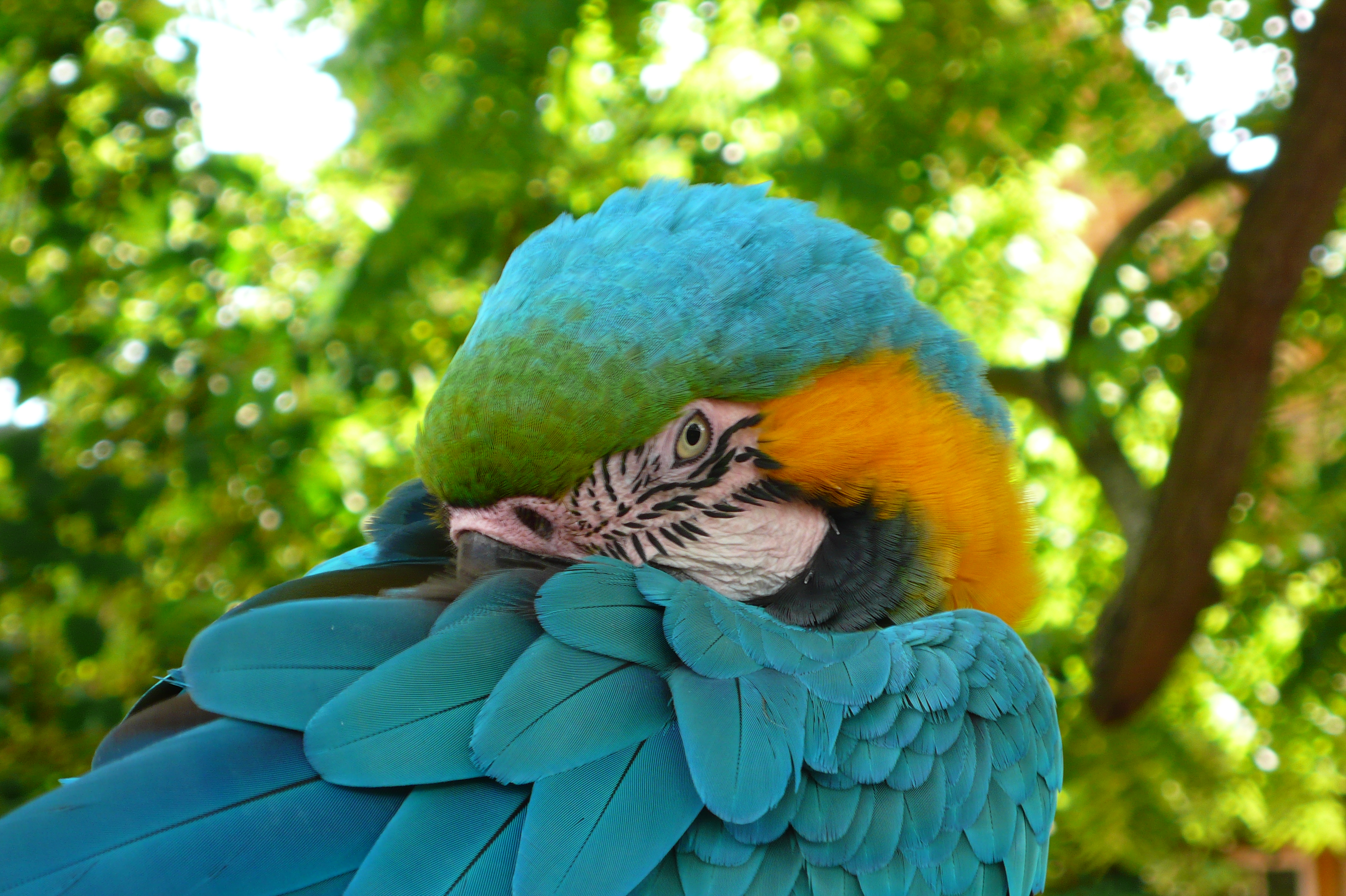
Parrot from Coton Manor

Human activities can have significant impacts on wildlife in quite subtle ways that are not always appreciated by those of us who enjoy going out to look at nature.  For example, simply walking close to sensitive areas such as bird nesting or roosting sites has the potential to drive those birds from an area.  This was the theme of a workshop we attended yesterday afternoon, hosted by the local Wildlife Trust as part of the Nene Valley Nature Improvement Area (NIA) Project.

During the afternoon Colin Wilkinson from the RSPB presented the results of a survey that had been commissioned to assess the level of public access and usage of the Upper Nene Valley gravel pits.  These pits have Special Protected Area status due to the numbers of migratory over-wintering birds that use them.  They are also well used by the public but at the moment we have no idea what impact this is having on the birds, though there is anecdotal evidence that it is considerable at some sites.

The consultants who conducted the study used a combination of face-to-face interviews, site surveys, etc.  There’s too much in the report to go into all of the detail – you can access the full text here – but I’ve copied the highlights from the summary below:

  • The majority (98%) of visitors were on a short visit from their home
  • Group size for interviewed groups ranged from 1-8; 51% of interviewees were visiting on their own. Stanwick Lakes was notable in that group size tended to be larger here.
  • Half of the 939 interviewees had dogs with them (636 dogs in total).
  • Across all sites and survey periods, dog walking was the most common main activity (48% of interviewees).
  • During the winter, a higher proportion of people interviewed were dog walking (48% of interviews during the winter compared to 36% in the spring at the 6 locations surveyed in both seasons).
  • Over the winter, the main activities given by interviewees were: dog walking (53%), walking (26%), and wildlife watching (6%).
  • Most (77%) interviewees had arrived by car to the survey point
  • Most interviewees were frequent visitors (60% indicated that they visited at least once a week).
  • Most visits were short: 50% of visitors stated that they spent less than one hour on site and, in total, 88% spent less than two hours at the survey location.
  • The quality of the site was the most common reason for choice of site (61% interviewees), but was not the most common ‘main’ reason’; 32% interviewees gave proximity to home as the main factor underpinning their choice of site. Proximity to home seemed particularly important for dog walkers (44%) and those fishing (40%).
  • A total of 863 visitor routes were collected, either through lines on paper maps during the interview or via GPS units which were given out.
  • There were significant differences between sites in the lengths of routes taken by visitors. There were also differences between activities. The mean route length for dog walkers was 3.1km. For cyclists the average route was 7.3km while those fishing tended to have the shortest routes (0.6km average).
  • At three of the six sites that were surveyed in the winter and the spring/summer, the median route length increased in the spring/summer when compared to the winter, stayed the same at two and fell at one, suggesting no real pattern of people walking further in the summer .
  • A relatively high proportion (78% of interviewees) indicated that they were aware of the importance of the area for wintering birds. Around a quarter (24%) of all interviewees responded that they were aware that of the international importance of the area for nature conservation.
  • 908 postcodes were mapped reflecting the home postcodes of visitors. The two main settlements were Northampton (137 postcodes from the winter interviews fell within the settlement) and Wellingborough (88 postcodes from the winter interviews).
  • Dog walkers and joggers lived closest to the site at which they were visiting, with median values of 2.3 and 2.9km respectively
  • Visitor rates (visits per household) declined rapidly with distance such that a relatively small proportion of people visit from distances beyond 3km of the surveyed access points.

The challenge now will be to understand if and how these visitors are impacting on the abundance and diversity of birds in the Upper Nene Valley, and what can be done to minimise any disturbance.  Clearly there’s a balance to be struck between public recreation and wildlife protection, and this will be the theme of future work by the Nene Valley NIA Project.

What are YOU doing for our pollinators this year? (reduce, reuse, recycle part 6)

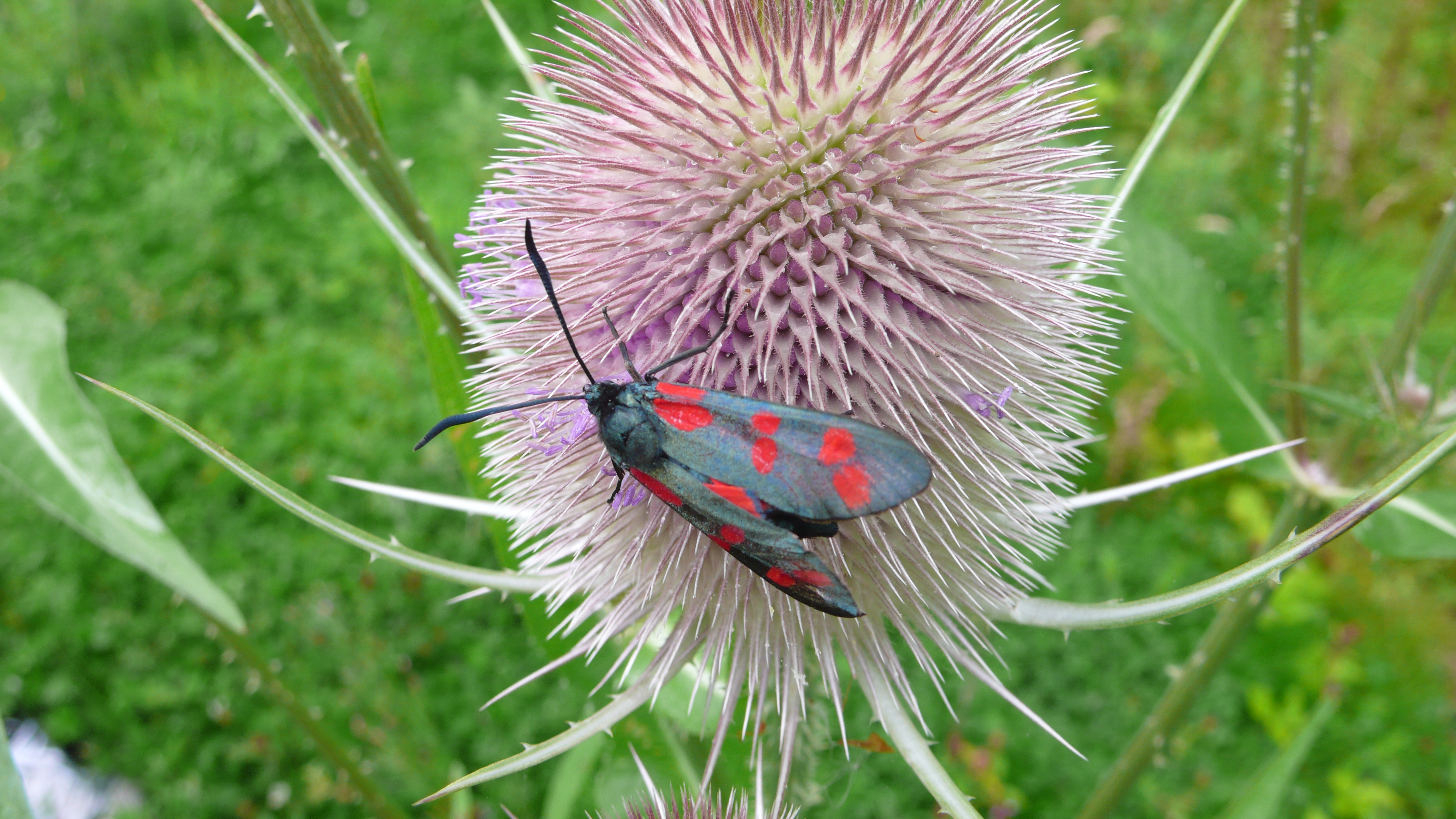
2012-08-02 13.41.13

Earlier this year I was asked to write a short article by my former PhD student, and still a current collaborator, Dr Sam Tarrant.  Sam works for the RSPB as the CEMEX UK-funded Biodiversity Advisor, and wanted something on pollinator conservation that could be circulated in the CEMEX company’s e-newsletter.  In the spirit of reworking and reusing odd bits of writing, I thought I’d post it here too.


Insects are vital for our country’s economy.  Don’t believe me?  Then read on….

Beneath a large black mulberry tree near the University of Northampton’s Newton Building there is a plaque that commemorates its planting “On Shakespeare Commemoration Day, 3rd May 1916”.  Despite its age this tree annually produces large crops of succulent berries, aided by the fact that wind eddies are sufficient to disperse its pollen, ensuring pollination and fruit set.  Each year it’s a scramble between students, lecturers and birds, to see who can eat the most.

In contrast, the old apple trees in the grounds possess a different strategy – pollination by insects that move from flower to flower each spring.  This form of pollination is both more sophisticated and less reliable than wind pollination, and is currently under considerable threat: whilst there will never be a shortage of wind currents in Britain, insect pollinators are in decline.

The apples trees are not alone in requiring insects to pollinate them, so to do other farm and garden crops, including oil seed rape, field beans, courgettes, runner beans, and strawberries and other soft fruit.  It’s worth at least £440 million annually to the British economy, and most of it is done by wild bees and hoverflies, rather than managed hives of honey bees.

But all is not well with these insects in Britain – they are in decline.  Although the extent of the “pollination crisis” is debated by scientists, long term records show us that these insects are under pressure: 23 species of bee and flower-visiting wasp have gone extinct since the mid 1800s, as have 18 species of butterflies.  Less obviously, other species have considerably reduced in abundance so that they are now found in only a small part of their previous distribution.

There are lots of gardeners who want to “do something” for the pollinators, and keeping honey bees is often mentioned.  By all means, if you wish to help the honey bees (which are suffering their own problems) then keep a hive or two.  That will not, however, help our wild, native pollinators; the analogy I use is that it’s the equivalent of trying to help our declining songbirds by opening a chicken farm!

If you want to make a real difference for pollinators in your own garden, here are a few ideas:

  • start by planting nectar and pollen rich flowers; there’s a useful list on the Royal Horticultural Society’s website (see below).
  • allow plants such as clover and dandelion to flower in your lawn, bees love them.
  • as well as food, pollinators also need nest and egg laying sites, so you could help by allowing some of the far corners of your plot to run a little wild.
  • wait until late Spring to cut back hollow stemmed perennials as they are used as hibernating places by some of our bees.
  • allow mason bees to nest in old walls and don’t worry about them, the wall won’t fall down.
  • And finally, stop using pesticides!

Changing some of our gardening habits can help a group of insects on which we rely and which supports our economy in a very real way.


Further reading and information:

Bees Wasps and Ants Recording Society:   http://www.bwars.com/

Bumblebee Conservation Trust:  http://www.bumblebeeconservation.org.uk/

Butterfly Conservation:  http://www.butterfly-conservation.org/

Hoverfly Recording Scheme:  http://www.hoverfly.org.uk/

Royal Horticultural Society’s list of plants for pollinators:  http://www.rhs.org.uk/Gardening/Sustainable-gardening/Plants-for-pollinators