Tag Archives: Kenya

Aggressive dominance of acacia floral resources by wild East African lowland honey bees – a new study just published

Back in August 2022, Karin and I traveled to Kenya where I was teaching on a Tropical Biology Association field course at the Mpala Research Centre – see my posts from the time here and here.

Students on the course have to complete an extended group project, with supervision by teaching staff. Two of the groups looked at the visitors to flower heads of one of the dominant savannah acacias and the interactions between wild honey bees of the native subspecies and the other insects. There have been rather few studies of this honey bee in the wild and so we wrote up the work as a short research note that has now been published in the African Journal of Ecology.

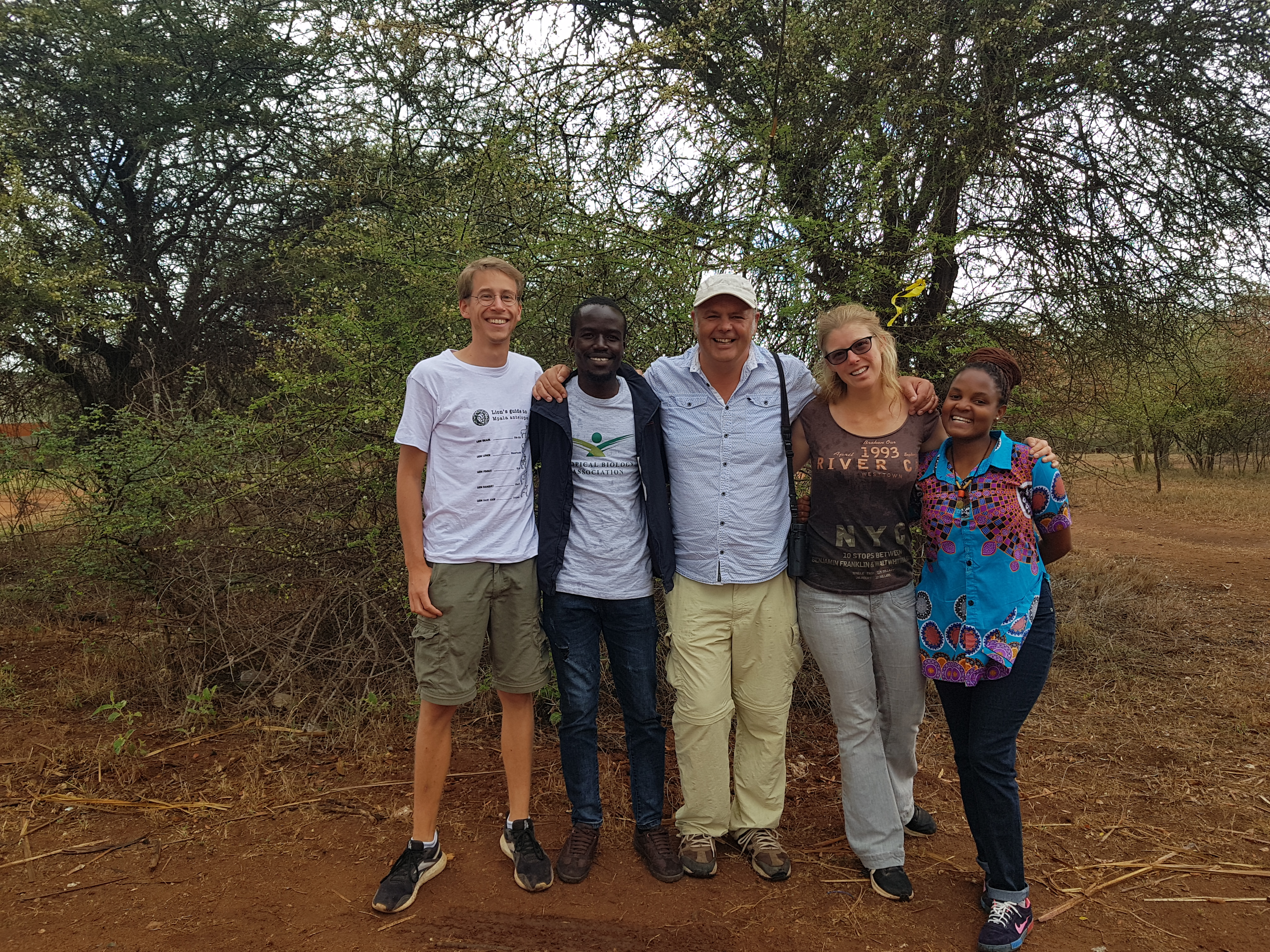
The photo above shows the authors – ‘Team Etbaica’ – from left to right: Luis Pfeifer, Swithin Kashulwe, me, Caka Karlsson, and Janeth Mngulwi.

Here’s the reference with a link to the publisher’s site – the paper is open access:

Kashulwe, S., Mngulwi, J. B., Karlsson, C., Pfeifer, L., & Ollerton, J. (2024) Aggressive dominance of acacia floral resources by wild east African lowland honey
bees. African Journal of Ecology 62, e13271. https://doi.
org/10.1111/aje.13271.

Here’s the abstract:

The East African lowland honey bee (Apis mellifera scutellata) is reported as an aggressive subspecies of the Western honey bee, but few studies have investigated the impact of its aggressiveness on other insect pollinators. Observations of flower visitors to Vachellia (Acacia) etbaica and interactions between honey bees and other insects were conducted in 2022 in Mpala, Kenya. A total of 873 individual flower visitors were recorded, the most frequent being Hymenoptera, followed by Diptera and Lepidoptera. Honey bees dominated floral resources in the morning and late afternoon. When honey bees encountered other types of insects, they displaced the latter from flowers 100% of the time. This has never been observed in other Western honey bee subspecies, and we recommend further research on these taxa.

Under every stone, an ecosystem: photosynthesis beneath rocks in the Kenyan savanna

We’re coming to the end of our time here in Kenya and we’ve amassed some amazing memories of the wildlife with great views of large mammals such as giraffe, zebra, elephant, hippos, and a variety of antelopes including the ubiquitous dik-diks. In addition, between us we’ve put together a bird list of about 130 species for the site. But as always it’s the smaller things that have fascinated me the most and some of the student project groups have worked with pollinators, ants, and other invertebrates.

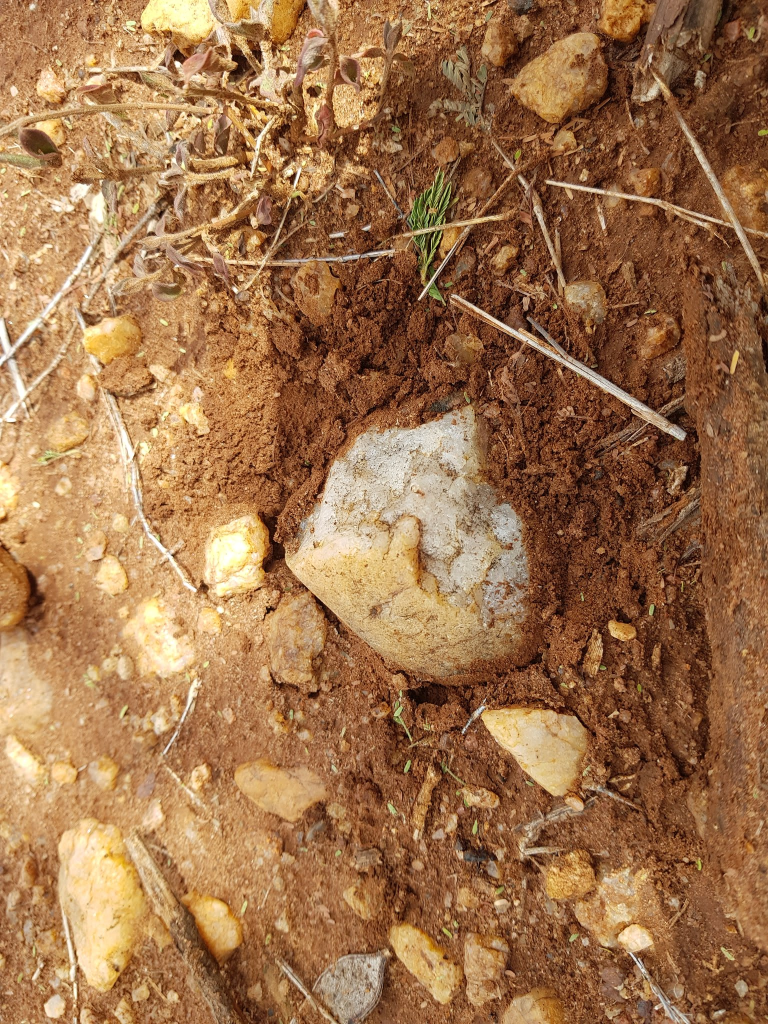
One of those fascinations has been the life that exists beneath some of the rocks that are embedded in the red soils of this part of the savanna. Turn them over and you often find the green growths of what are probably cyanobacteria – so-called “blue-green algae” – which are true bacteria and not at all related to algae, even though they also photosynthesise.

The question arises, of course, of how an organism that requires sunlight to survive is able to grow under a stone? Our investigations have shown that they only live under quartz rocks, mainly those that are lighter in colour. Quartz is of course a crystal and it allows a small amount of sunlight to pass through, typically only one or two percent of the sunshine hitting the rocks. There’s also greater humidity under the stones so it’s a relatively more benign place to grow than the savanna, especially in the dry season.

There’s a great review of these microbial communities, and their ecological importance, by Chan et al. called Hypolithic microbial communities: between a rock and a hard place.

Here’s some photographs that I took of these hypolithic photosynthesisers:

Oh, ok, if you insist: here’s some giraffe:

Field work in Kenya with the Tropical Biology Association

The blog has been quiet over August because Karin and I have been in Kenya for most of the month at the Mpala Research Centre. I’m here teaching on a Tropical Biology Association (TBA) field course, as well as doing some writing. In addition to sharing the adventure, Karin is also writing and acting as unofficial field course therapist!

This is the second TBA field course on which I have taught, the other being in Tanzania back in 2011, and it’s a pleasure to give some time to this remarkable organisation. The model is a very simple one: take 24 students, half from Africa and half from Europe, and embed them in a field work environment for a month, where they learn from one another and from their tutors about ecology and conservation. It’s been hugely successful and TBA alumni now hold senior positions in national conservation departments and NGOs, and universities, across Africa and Europe. Some of the African alumni are also returning to help teach on the field course.

We’re back in Denmark around the 9th September but in the meantime here’s a selection of photographs showing where we are staying and the work that we are doing.

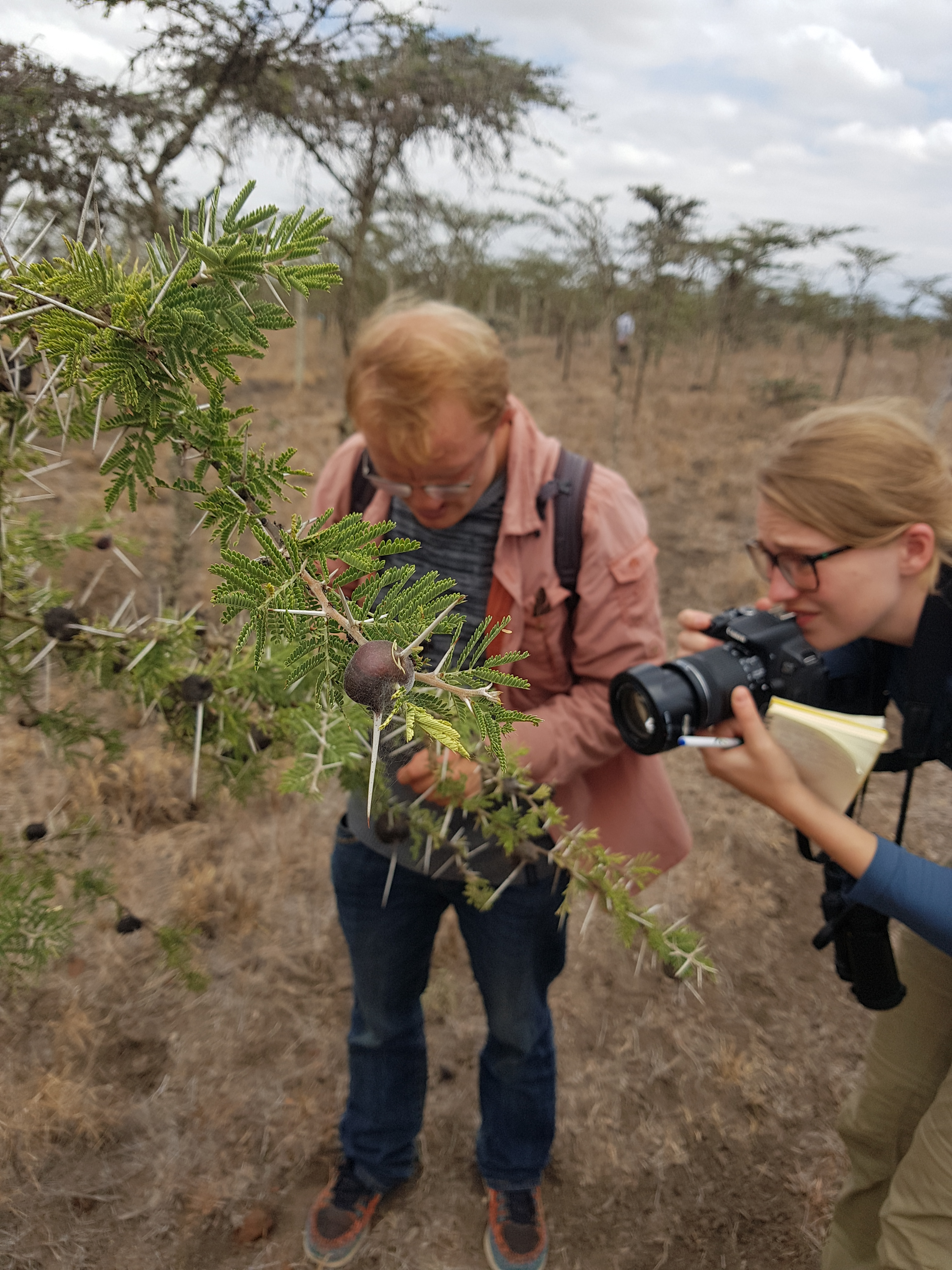
Getting up close with an Acacia species that defends itself by housing colonies of ants in its inflated thorns.

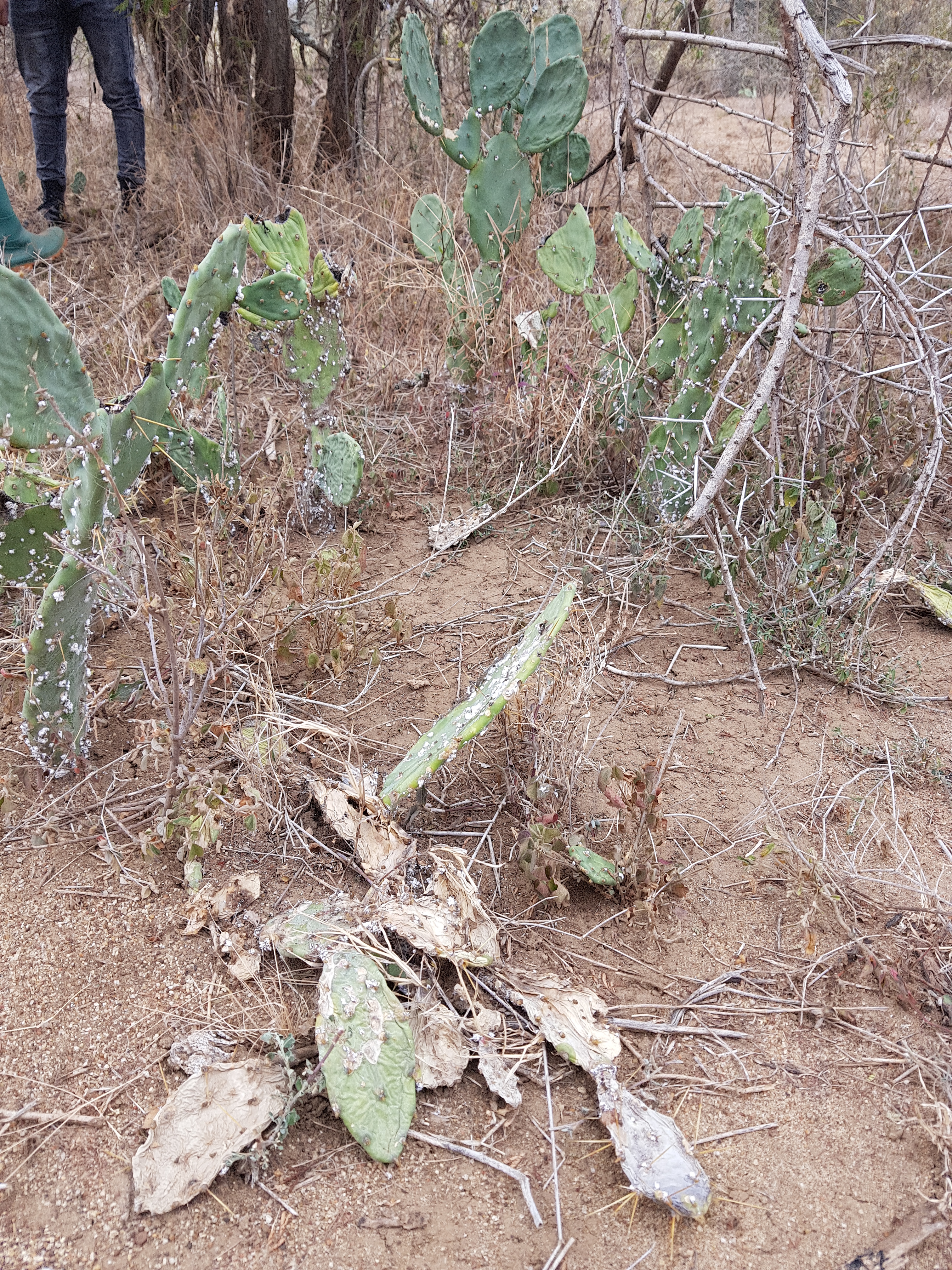
Invasive Prickly Pears (Opuntia spp.) are a growing problem in Kenya, where the cochineal bug has been introduced to help control them.
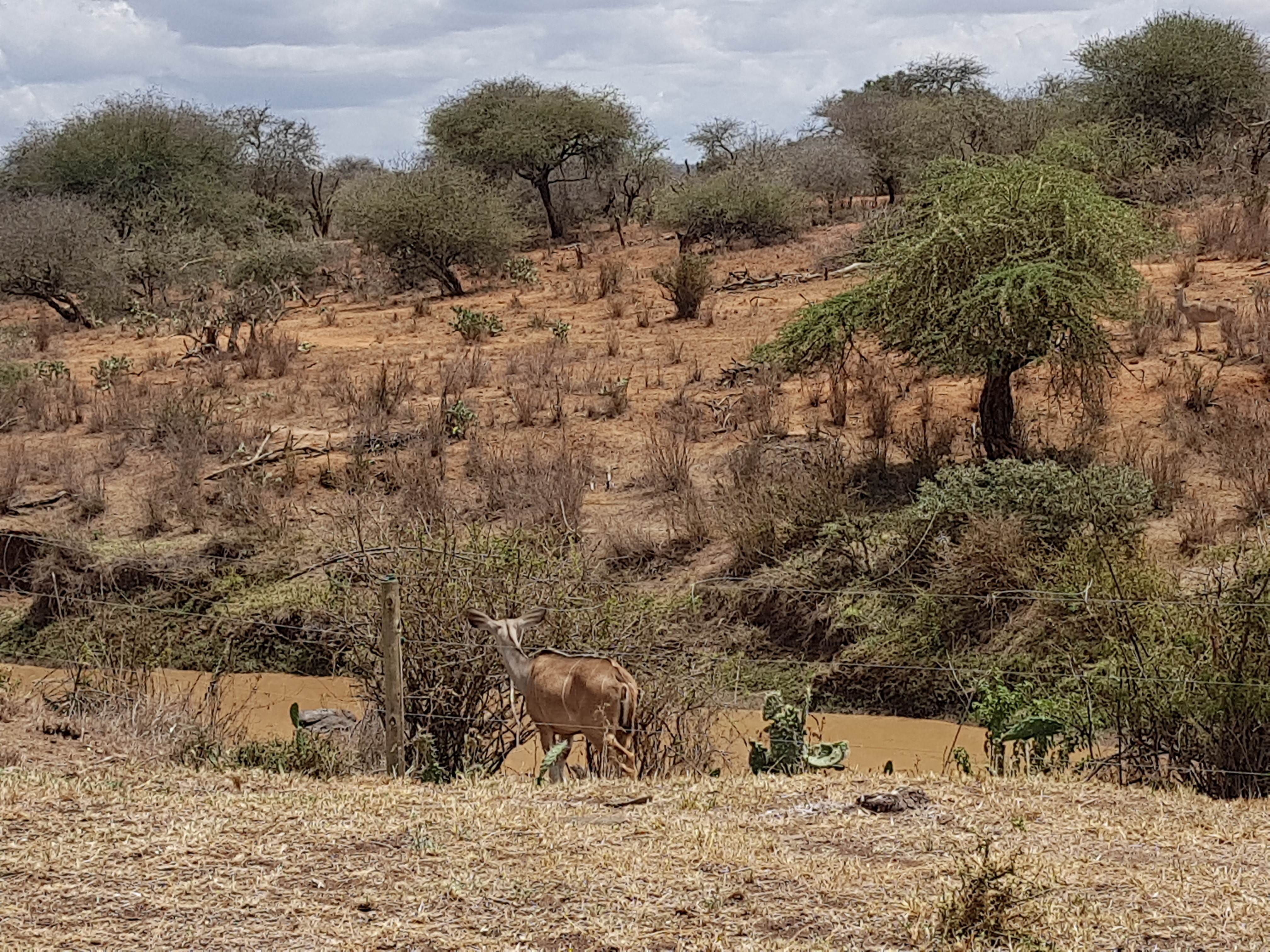
Although there’s an electric fence around the camp site, antelope such as Kudu and Dik Dik are regular visitors.
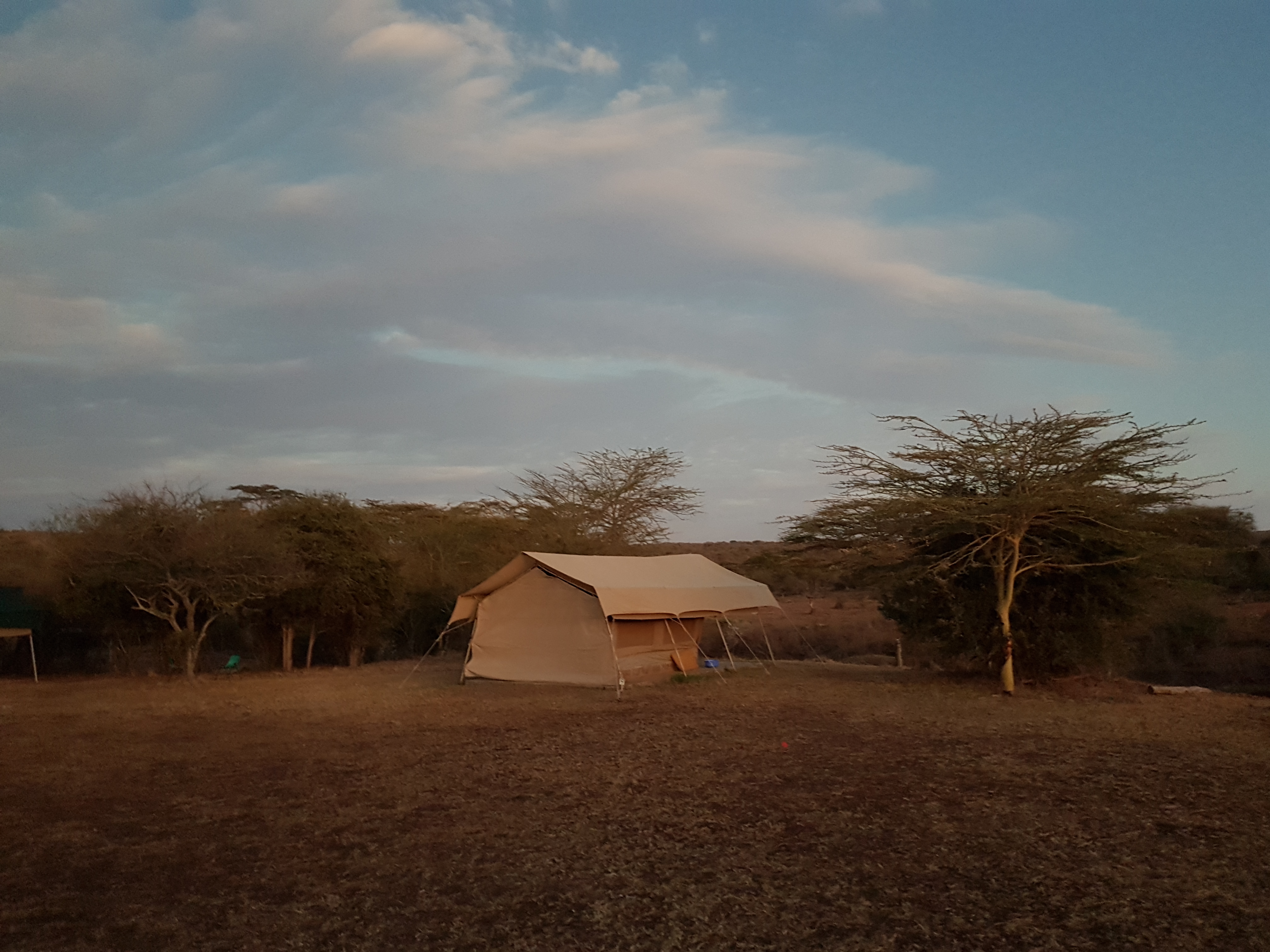
This tent has been our home for most of August. Early in the trip we were confined to it when we both caught COVID. There are worse places to recuperate!
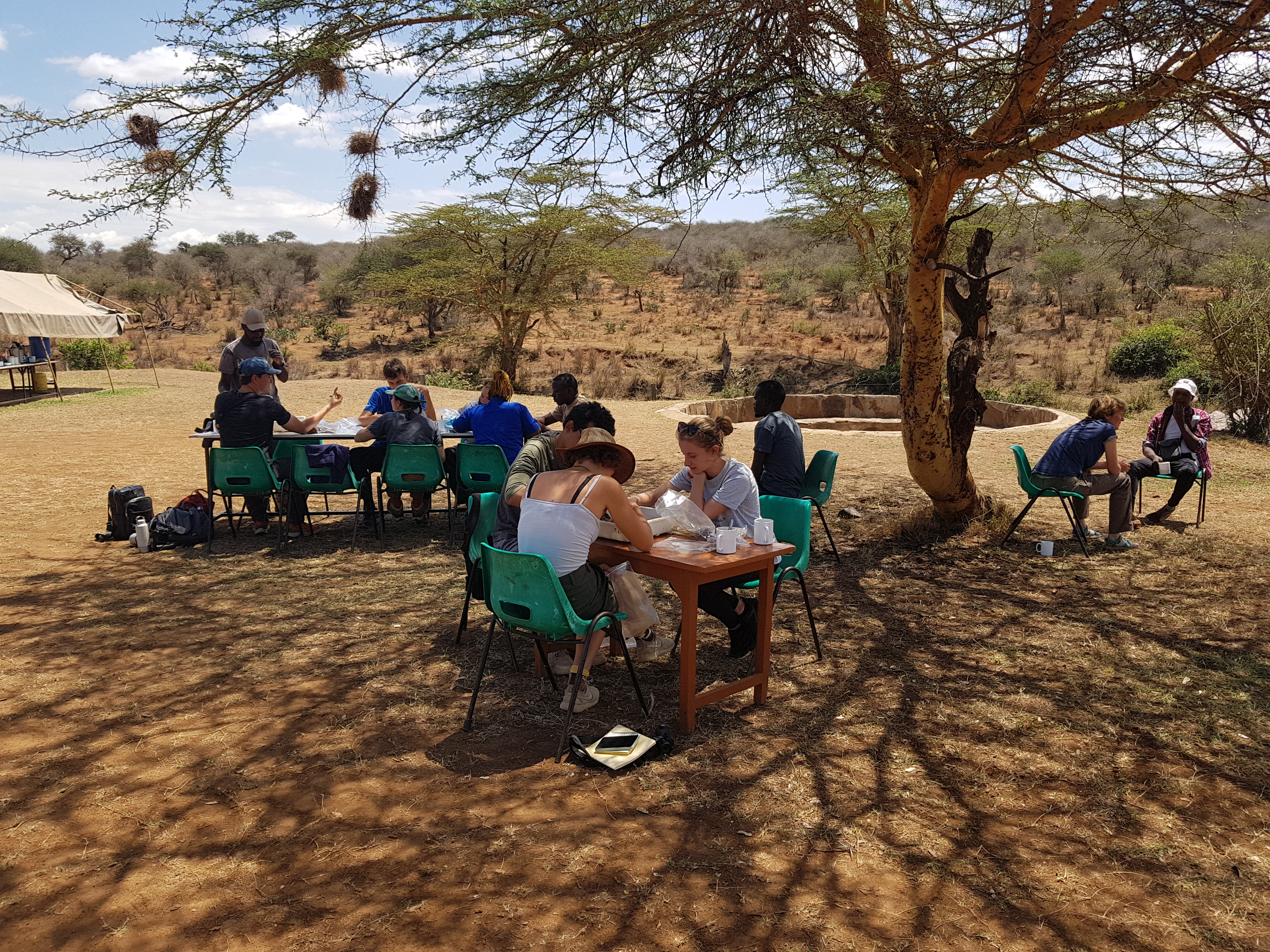
The students sorting samples in our open-air classroom, while the White-browed Sparrow Weavers tolerate our intrusions
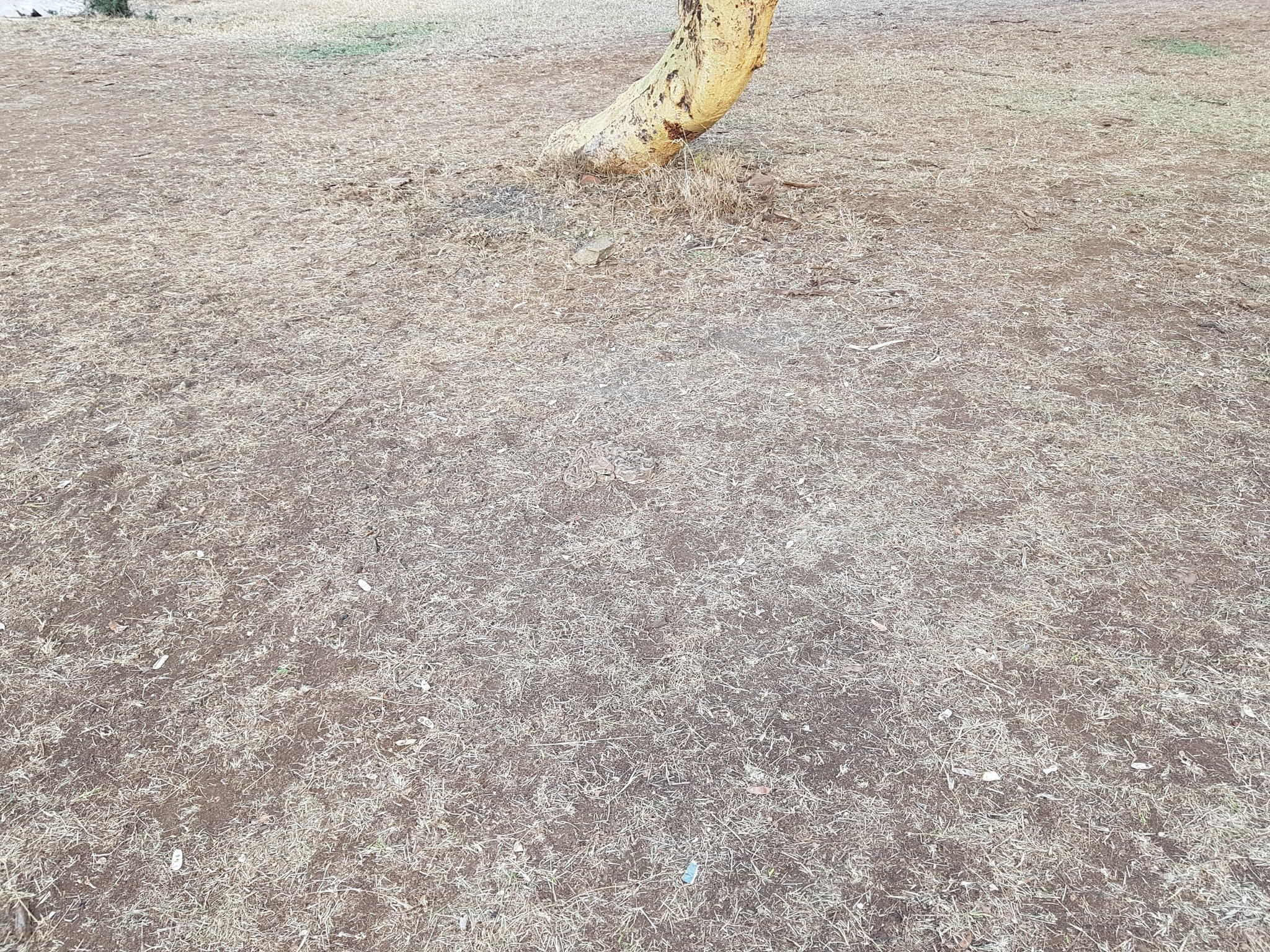
Spot the snake! The Puff Adder is one of the most deadly snakes in Africa. Fortunately one of the students is an experienced herpetologist and qualified to handle these venomous reptiles.
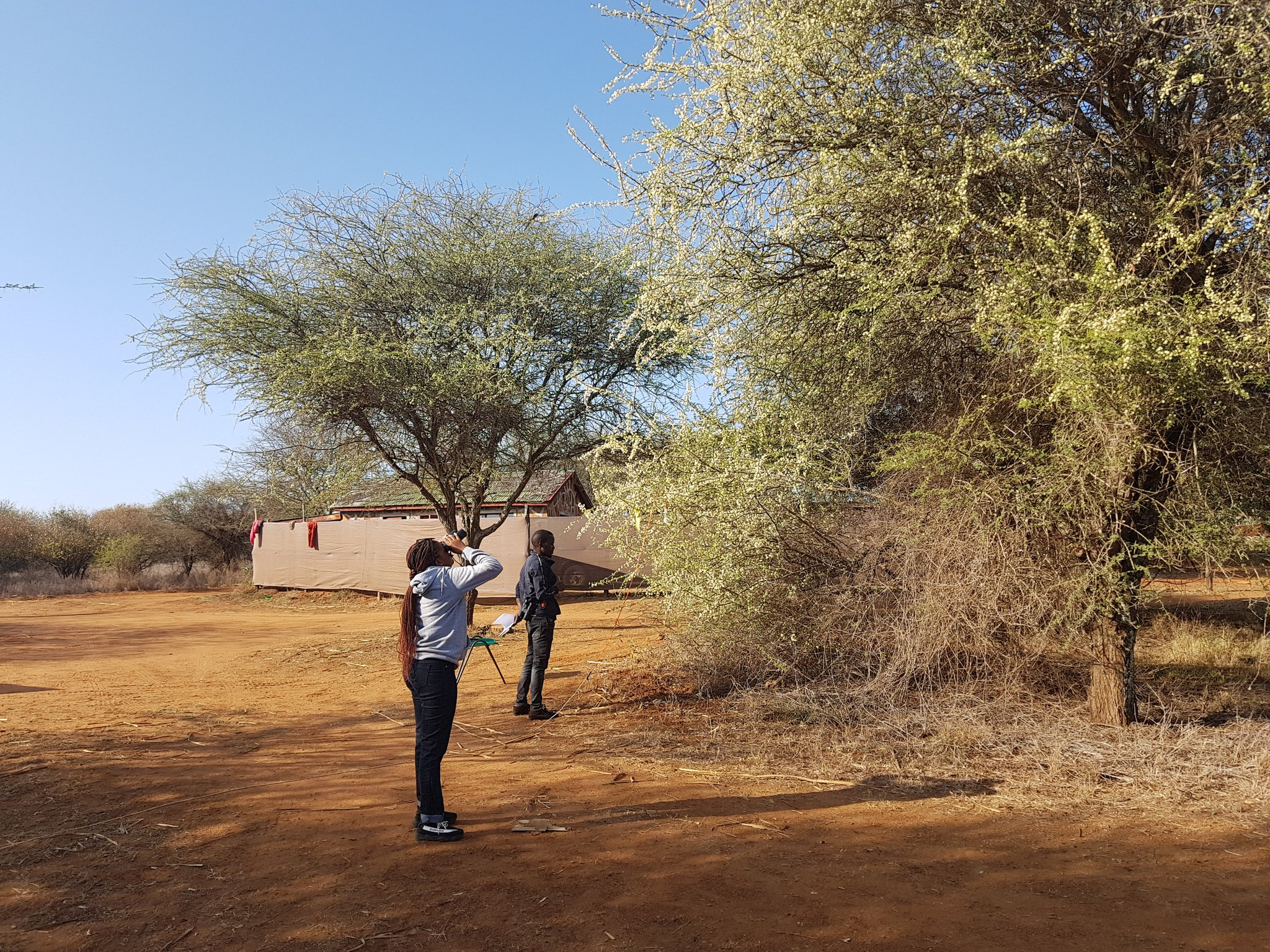
As I write, our TBA students are hard at work on their projects. This is Janeth and Swithin who are looking at competition between honey bees and other pollinators on flowers of this Acacia species.
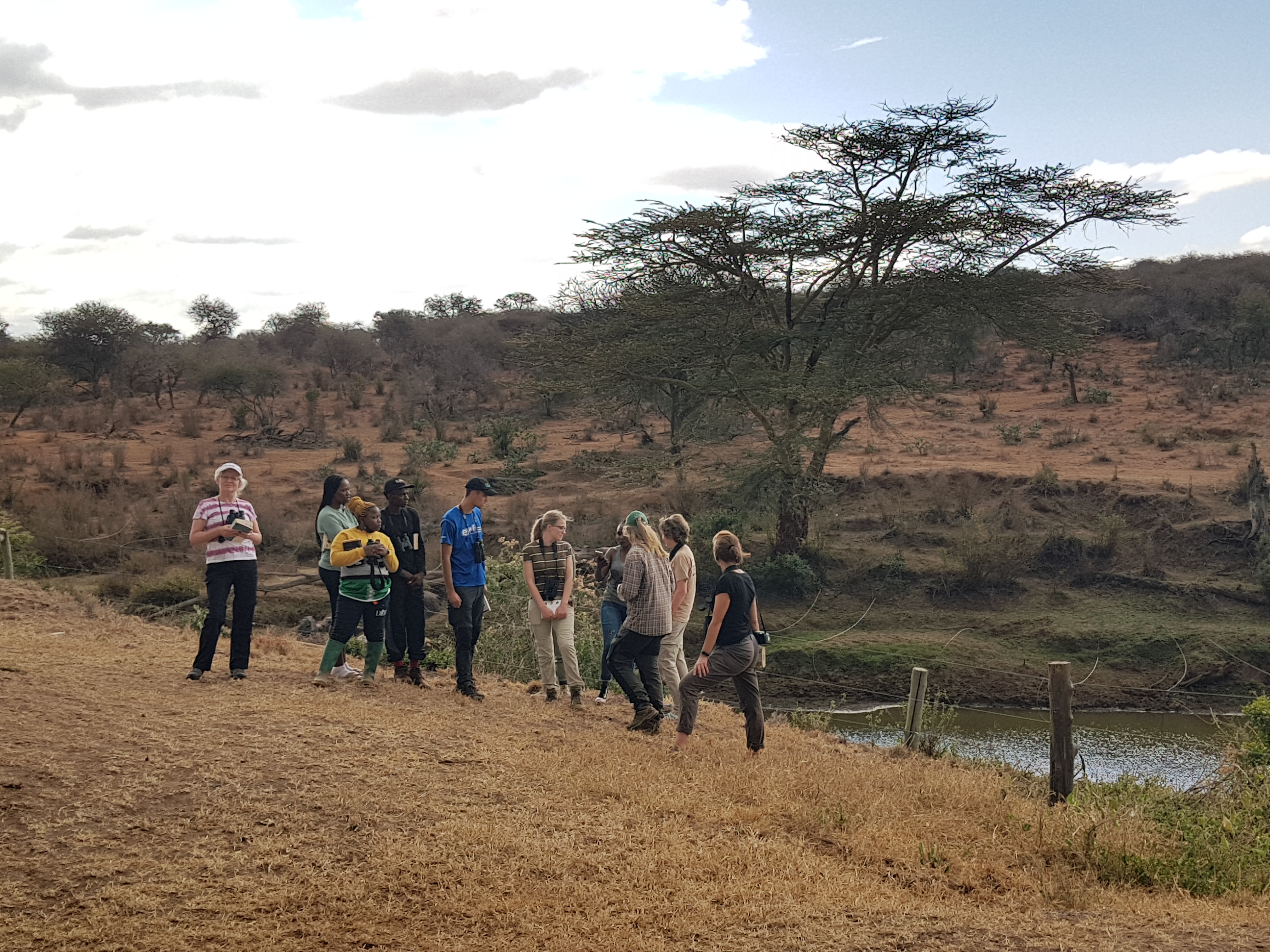
Karin in African ornithologist mode!
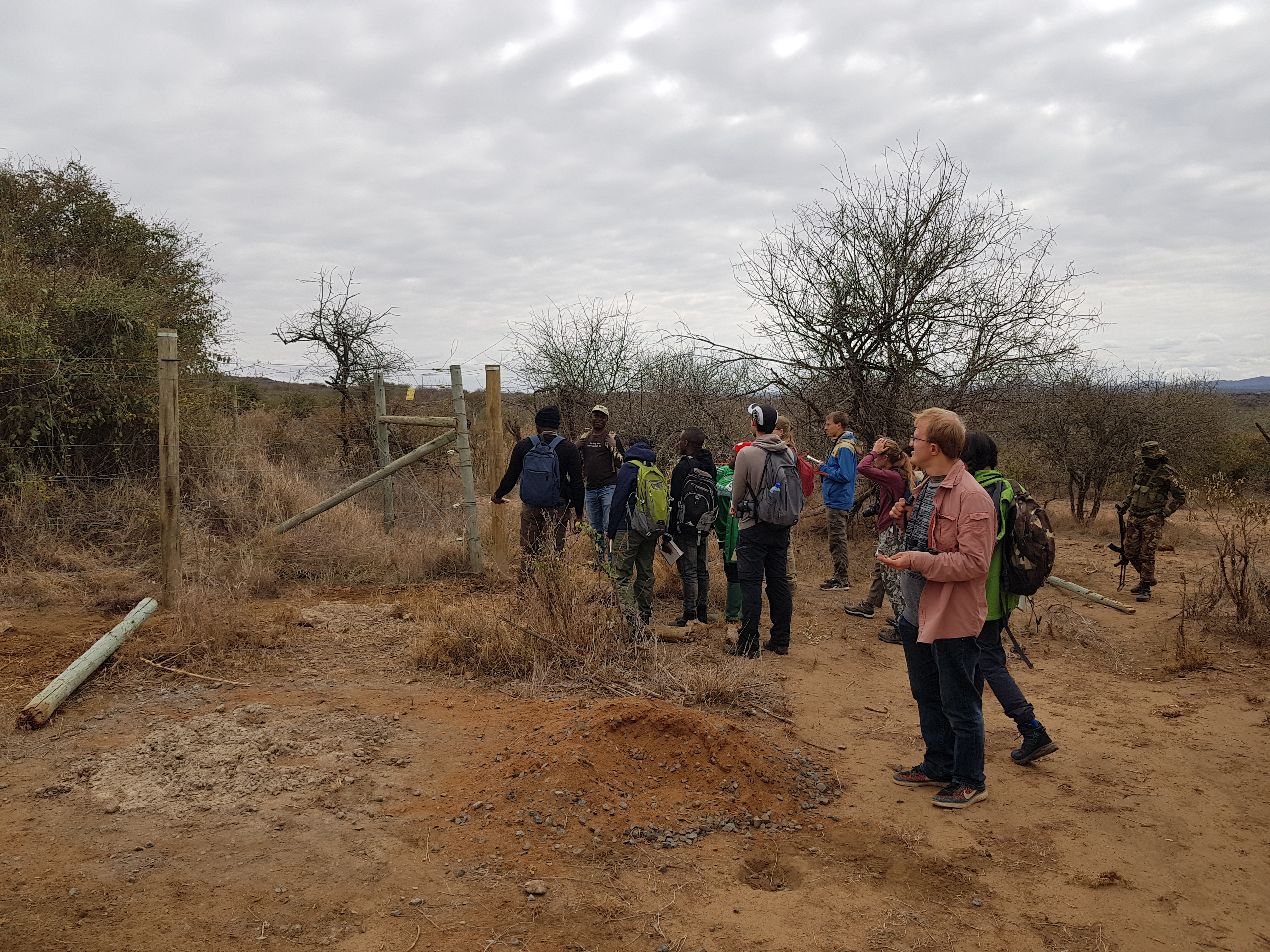
Examining the Kenya Long-term Exclosure Experiment (KLEE) aimed at understanding the role of mega-herbivores in maintaining savanna biodiversity
I’ve donated a copy of my book to the TBA’s Africa library and it’s already inspired some student projects.
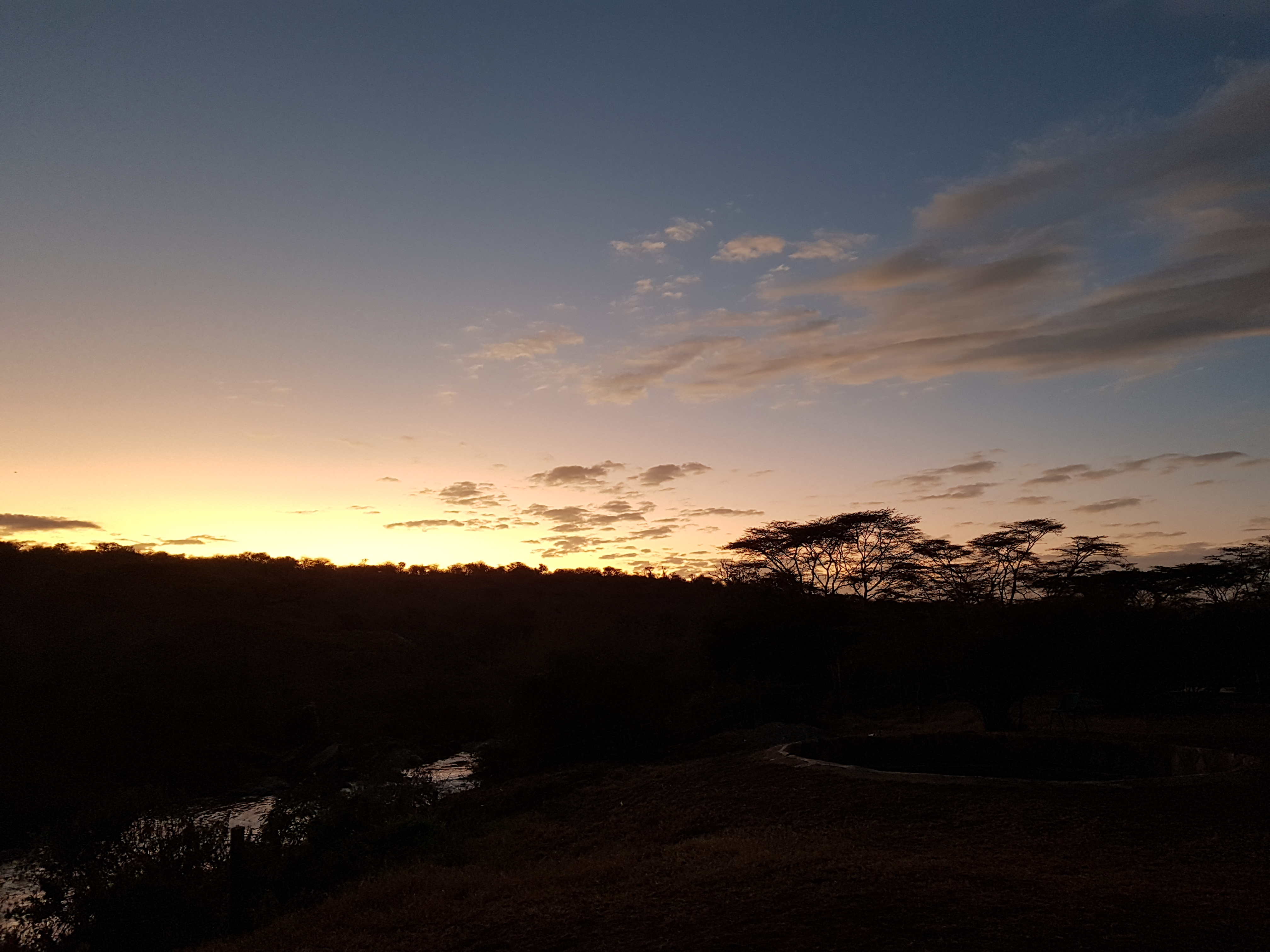
Sunrise on the savanna