Tag Archives: Conservation

Ecosystem services online lecture by Robert Costanza

goldsworthy1

A few weeks ago I posted about ecosystem services and the differing opinions of writers such as George Monbiot and academics like Robert Costanza, together with a link to Monbiot’s lecture on the topic.  A new online lecture by Costanza has just been released, based on a webinar he presented last week.  It’s well worth watching, highly recommended as a state of the art over view of the concepts and progress in this area.

George Monbiot will not like it.


How do YOU value the Nene Valley?

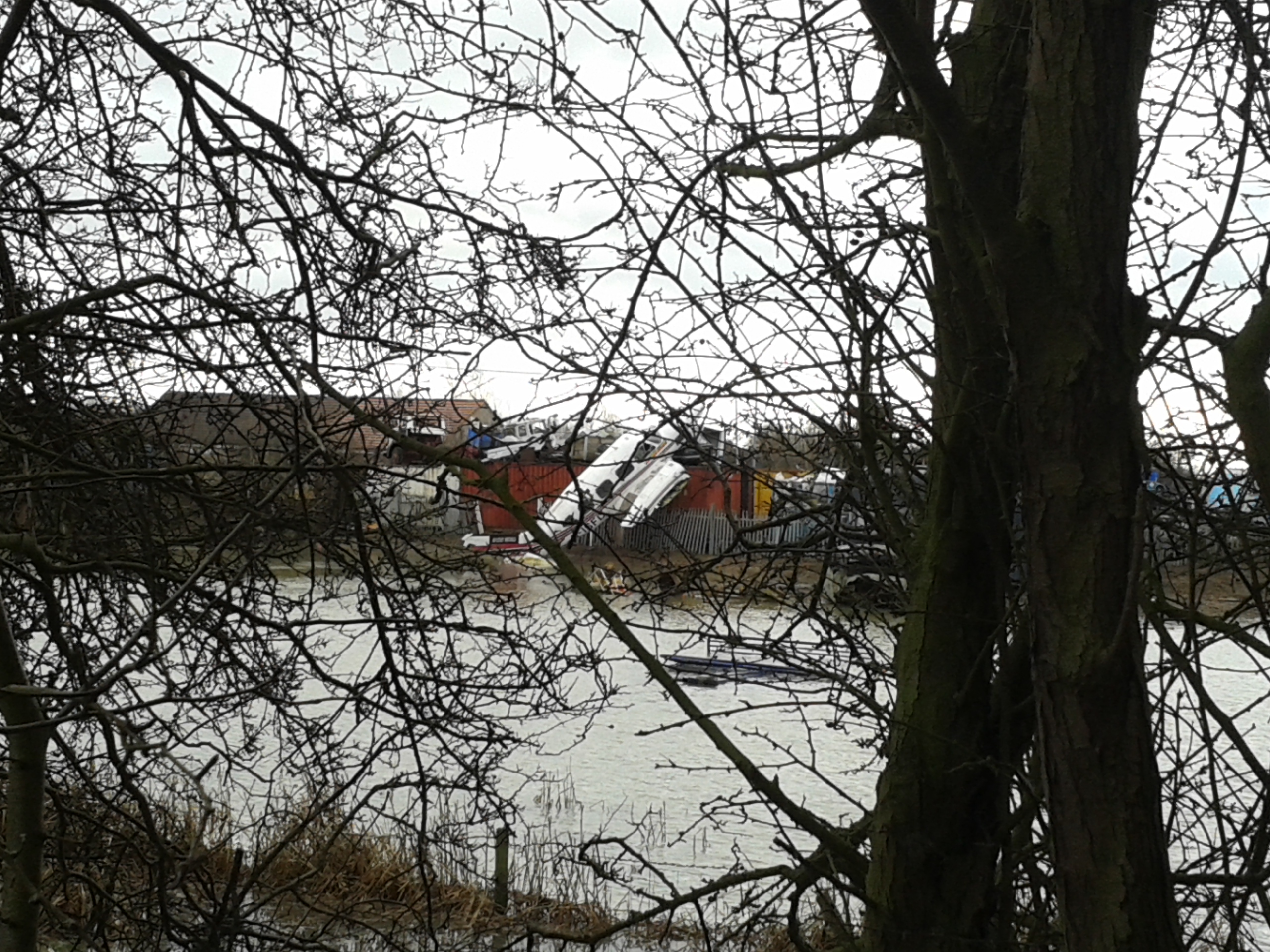
Plane in river at Irthlingborough

Following on from my recent post about how contrasting ways in which to value nature, today sees the launch of a new interactive web site that is asking people which areas of the Nene Valley they value, and why.  There is also a photography competition with a chance to win pairs of binoculars.  The website link is:

www.nenevalleynia.org


Here’s the text from today’s joint University of Northampton/Wildlife Trust press release:

The Nene Valley Nature Improvement Area (NIA) project has today launched a new interactive website, which aims to encourage people to share their views on the local natural environment.

Covering over 41,000 hectares across Northamptonshire, Huntingdon and Peterborough­, the Nene Valley Nature Improvement Area features a variety of natural habitats, including wildflower meadows, wetlands, marshes, woodlands and wet grasslands. With fishing lakes, bird watching opportunities and children’s adventure playgrounds, the NIA is an attractive area for animals – such as otters, kingfishers and grass snakes – to call home.

Researchers from the University of Northampton have joined forces with conservation organisations and the national Sciencewise initiative to launch the new NIA website, which features a wealth of information, a virtual tour and a discussion forum.

The website provides an opportunity for local people to share their thoughts on the Nene Valley, and an online mapping survey has been developed to identify areas of the valley that are particularly valued and why these areas are important to visitors.  This will provide University researchers with valuable data that can be used to inform future plans for the valley.

A photo competition has also been launched to find some of the best images of the Nene Valley and to encourage people to explore the area over the summer.  Judges are looking for images of wildlife, landscapes, people, heritage, water, and the built environment taken in the Nene Valley.  There are separate categories for children so everyone can enter. Images should be submitted through the NIA website, and the winners will be selected through an online vote. The most popular photos will be displayed in the Autumn as part of the Nene Valley Festival, and the photographers of the top two images will each win a pair of Opticron binoculars. The competition closes for entries and voting at 5pm on 30 September.

Project co-ordinator Heather Ball from the Northamptonshire Wildlife Trust commented: “The new website is a great way to have your say about what goes on in the Nene Valley and share some fabulous images.”

University of Northampton researcher Dr Jim Rouquette added: “We need to gather information on the local places that people particularly value and the benefits that people gain from visiting.  By better understanding what is important to different people, we can start to target conservation efforts and ensure that local knowledge and values are incorporated into decision-making.”

​If you would like to contribute to this important project or take part in the photo competition please go to: www.nenevalleynia.org

Fleet on foot

Fleet photo 7
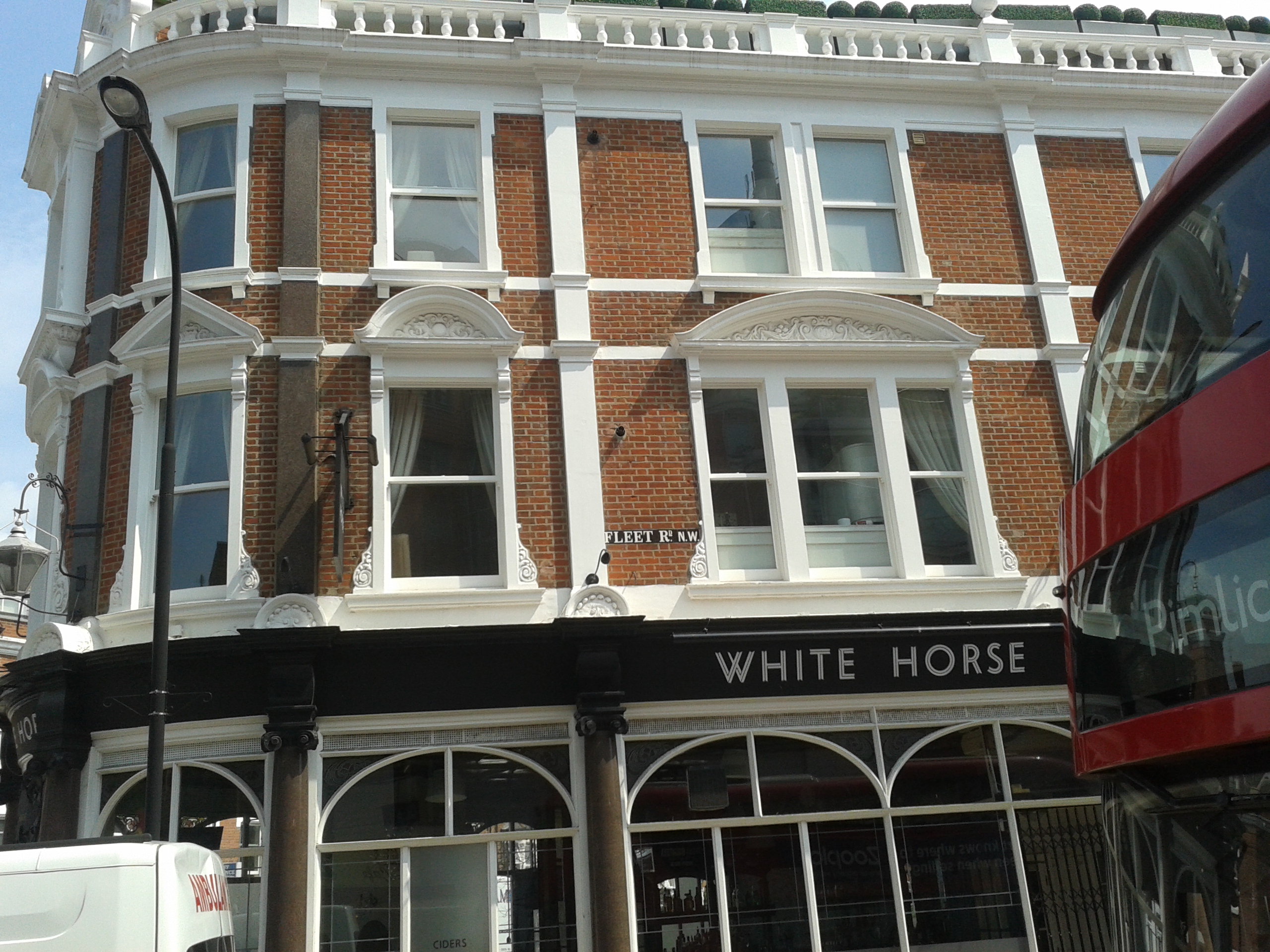
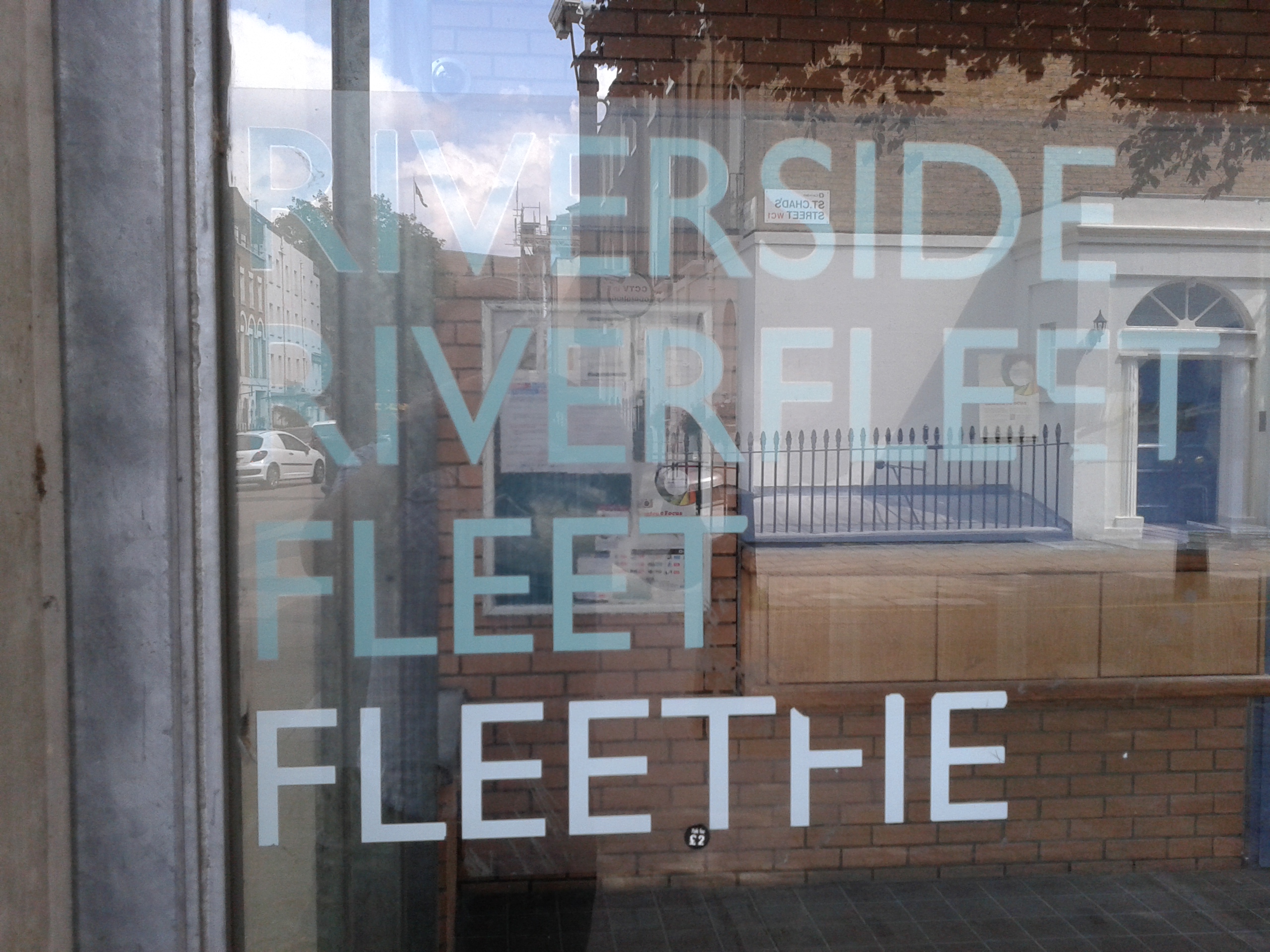
A few weeks ago my sons Patrick and James and I spent a very enjoyable day walking the full length of the River Fleet at the invitation of my colleague Ian Livingstone, together with his wife Jane, her Australian colleague Matt Butler and his partner Kate.  “Walking the River Fleet” sounds like it should involve a gentle, rural amble along willow fringed banks, accompanied by clouds of damselflies and the occasional splash of a water vole sliding into the shallows. And that’s exactly what it was like –  two hundred years ago.  Nowadays “walking the River Fleet” is an urban hike through heavily built up areas in one of the largest cities in the world, for the Fleet is a “Lost River” of London, commemorated only by the names of streets and businesses:
Fleet photo 8
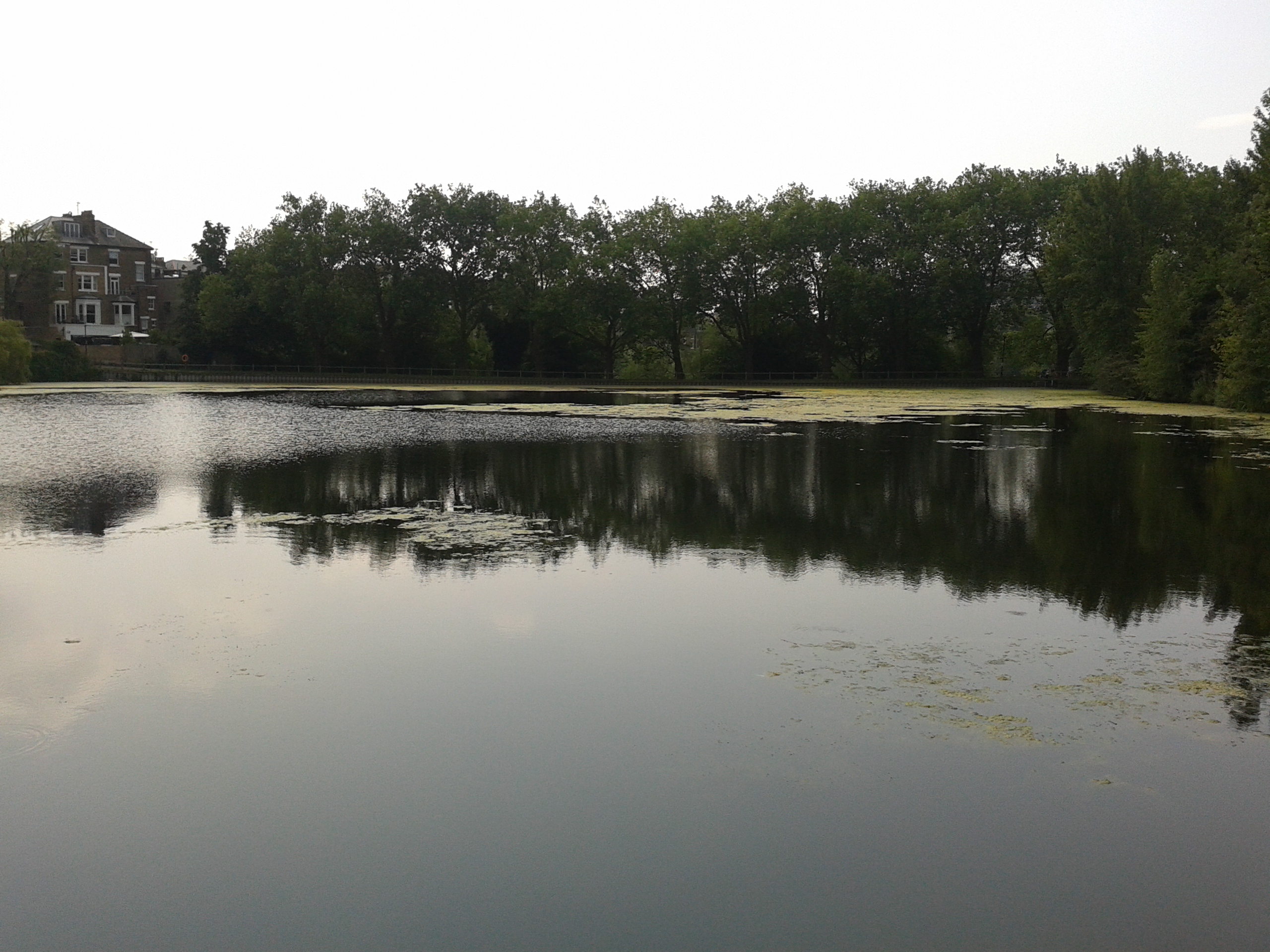
Our 7 mile walk started on Hampstead Heath where the Fleet rises and feeds a series of 18th Century ponds, originally reservoirs and now used for bathing and recreation.  As we walked I began to list the birds that we saw and, of course, these ponds added considerably to the list as diversity of habitats = diversity of species. In fact one of these water bodies is known as Bird Sanctuary Pond and in less than a minute yielded coot, mallard, black-headed gull, common gull, mute swan and tufted duck.  None of which you can see in the following photograph:
Fleet photo 6
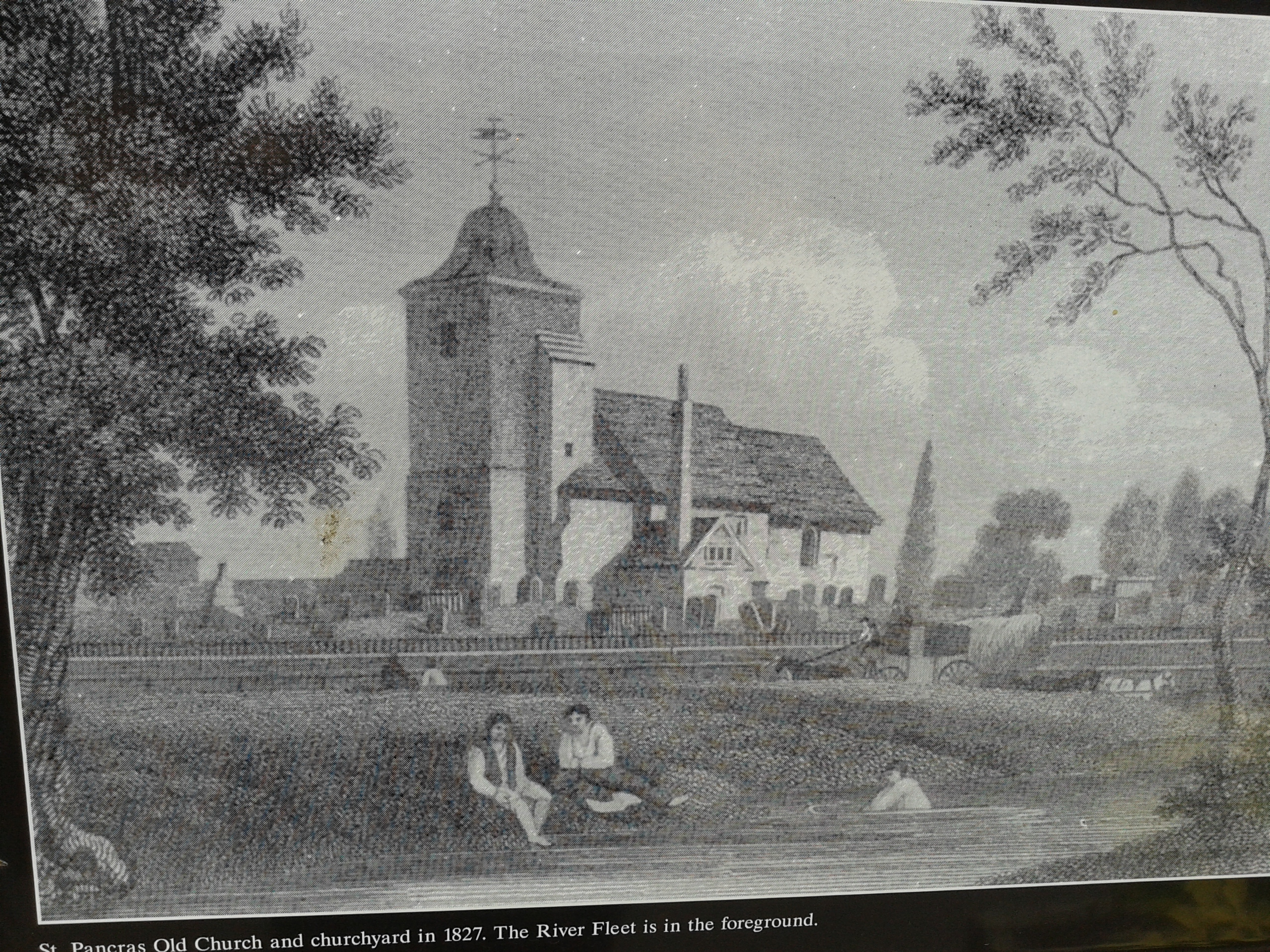
From Hampstead we walked through winding streets that occasionally name-checked the river we were following (see the top photo on this post) down into Camden, where we stopped beside the canal to eat lunch and tick off another water-associated bird, Canada goose.  Then on to St Pancras where we paused at St Pancras Old Church and imagined the Fleet running past it in the early 19th century, before pollution and the need for more land on which to build had submerged it beneath the surrounding infrastructure:
Fleet photo 4
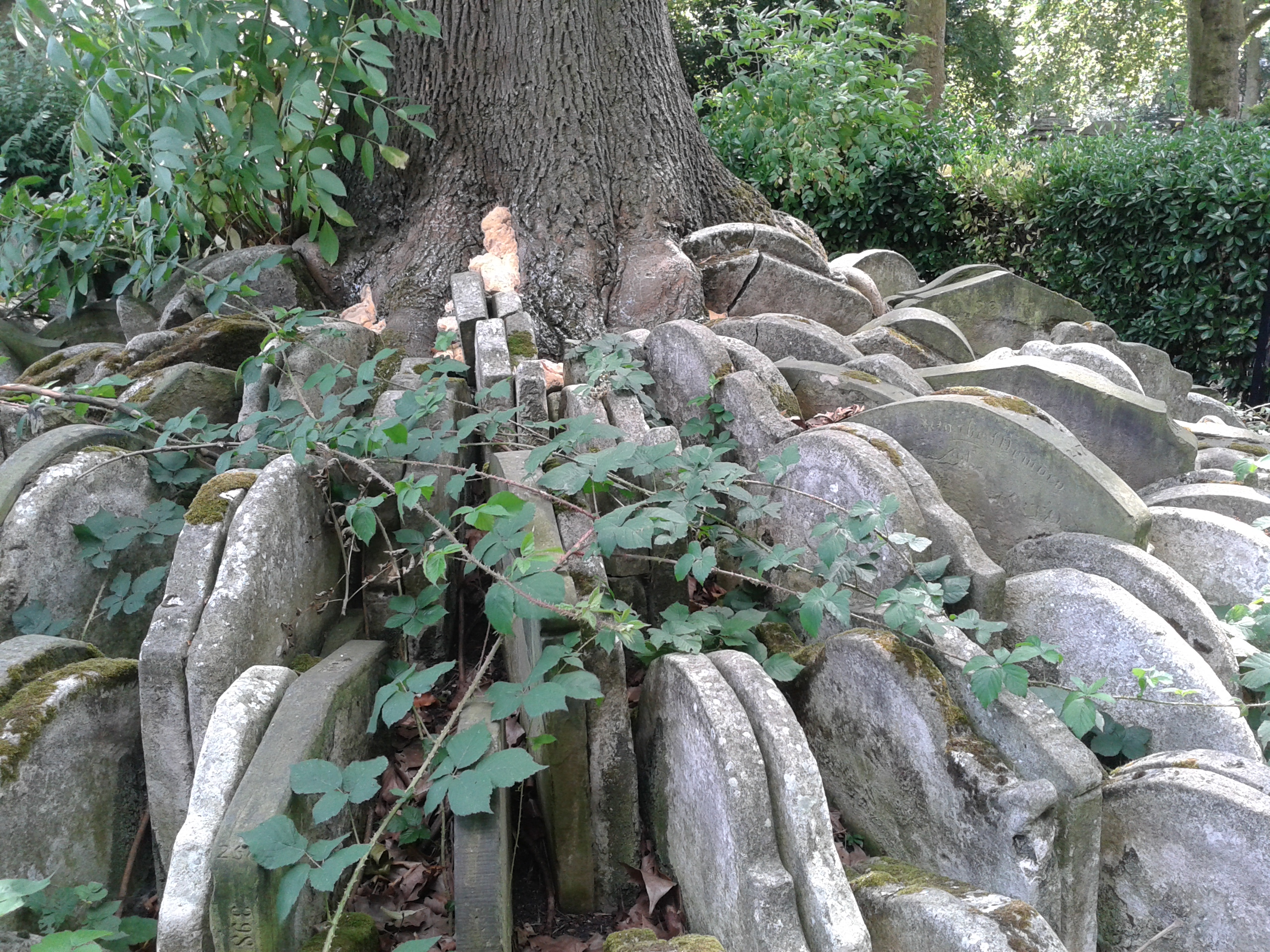
The churchyard is a green oasis in this part of London and we looked at the Thomas Hardy gravestones, which are being slowly absorbed by the bole of an impressive ash tree:
 Fleet photo 5
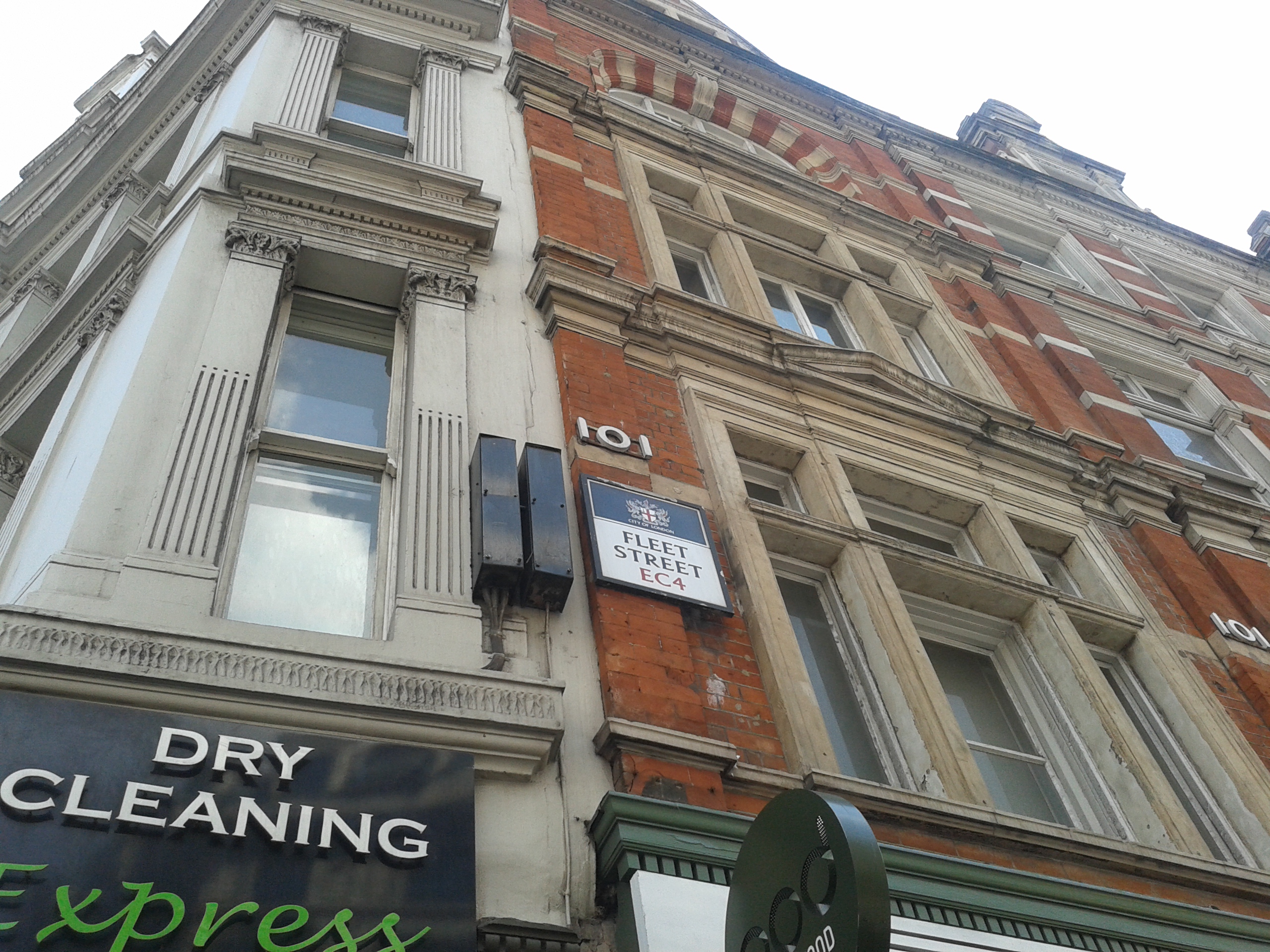
We continued through St Pancras, where the river runs under the attractively refurbished railway station (a huge contrast to the horrors of Birmingham New Street), and on to Holborn, past Fleet Street (of course)…..
Fleet photo 3
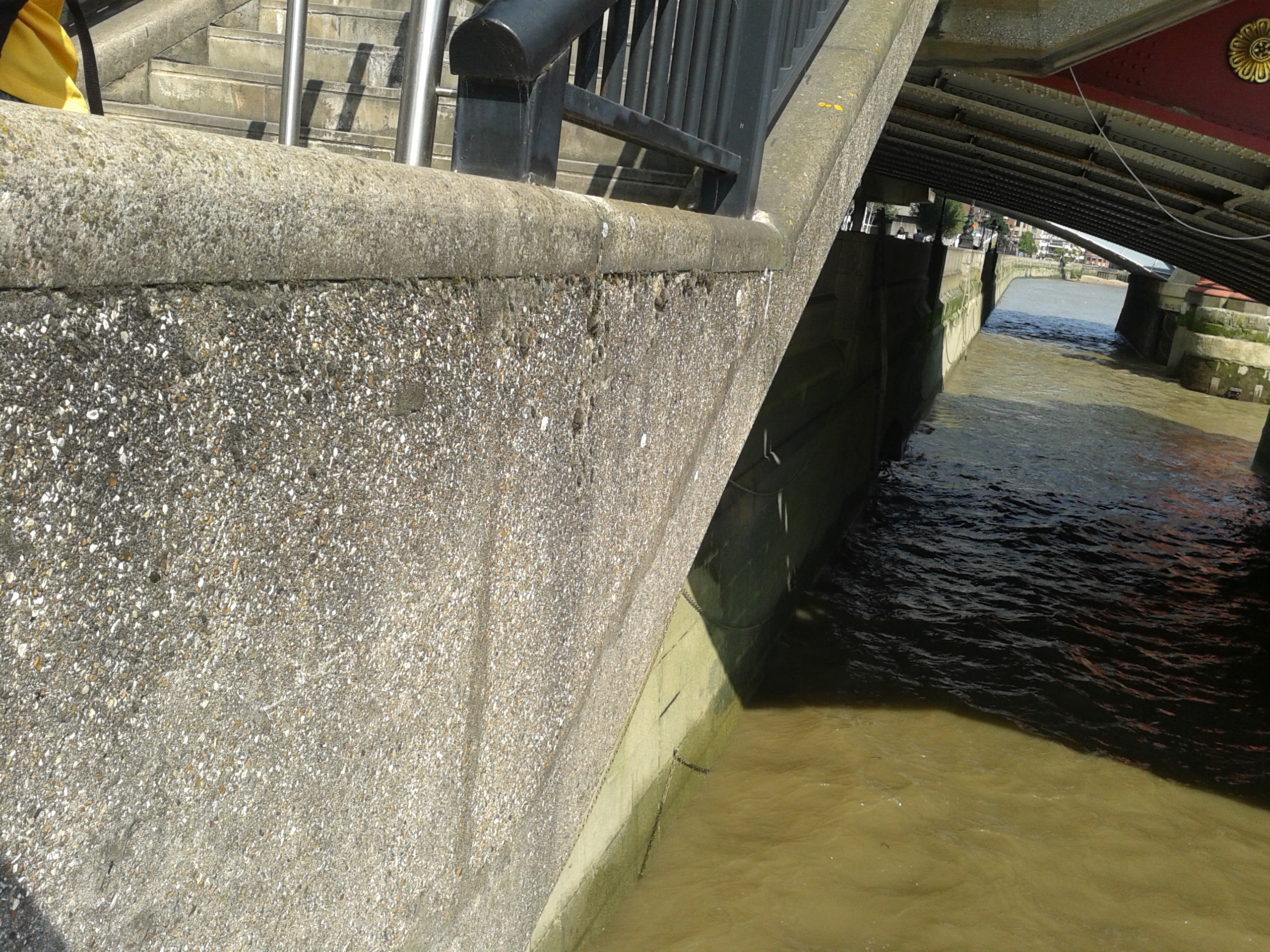
 ….to our final destination at Blackfriars.  All the while we were following subtle changes in the geography of the urban landscape, often obvious only to a physical geographer such as Ian, because the river is wholly covered and has been confined to pipes and sewers.  The Fleet emerges into the Thames beneath Blackfriars Bridge where it is visible at low tide, part-hidden in the shadows of this image which could only be taken by hanging precariously over the river (where I also ticked herring gull):
Fleet photo 2
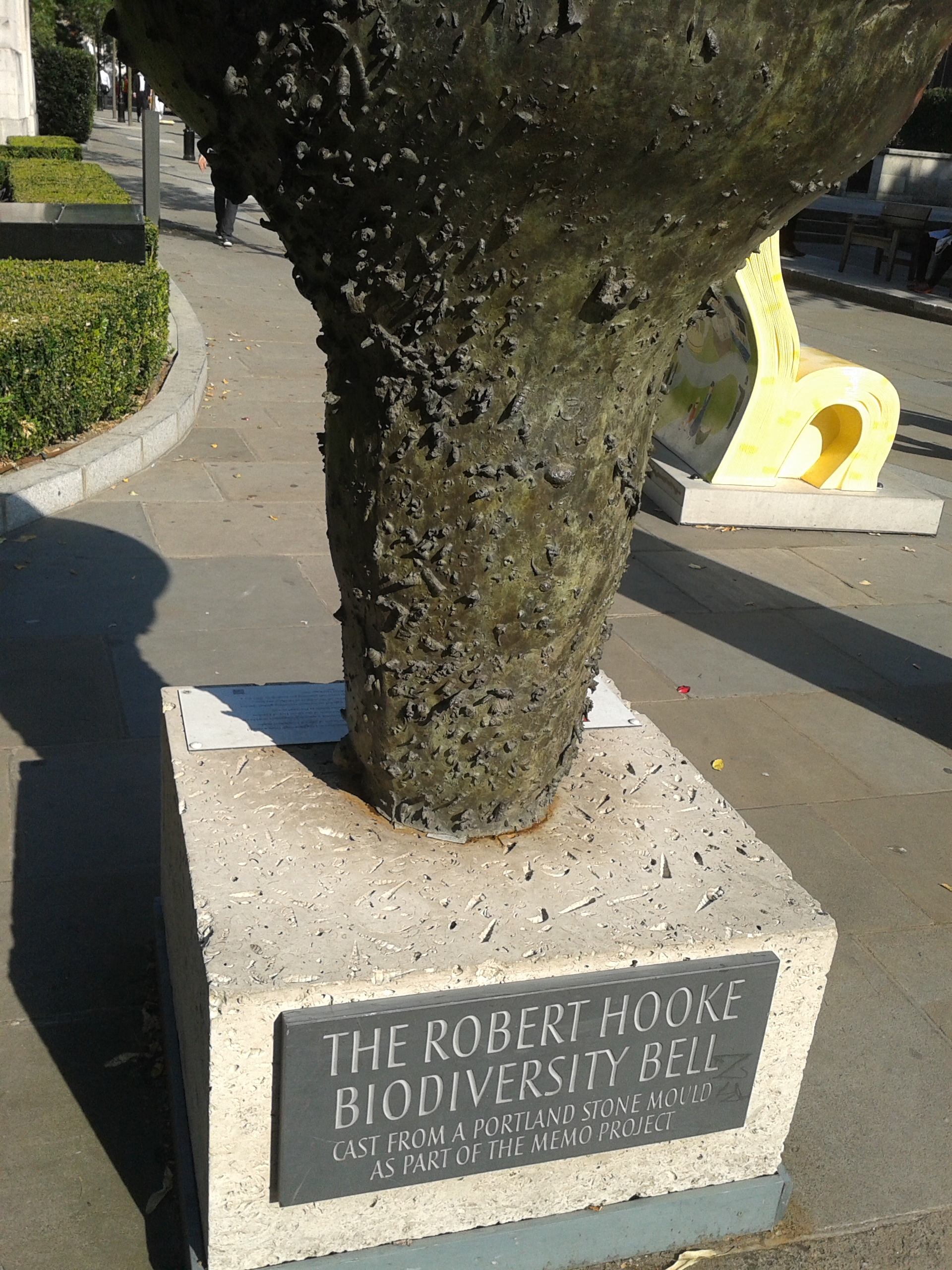
When ecologists think about the environmental changes associated with “urbanisation” we’re often considering processes that are modest in scale and impact, perhaps the building of a new housing development on what was once farmland.  Sometimes such urbanisation can have positive effects for biodiversity, for example gardens increasing local populations of birds and beneficial insects such as pollinators.  But in the case of metropolises like London, the effect of urban development has been to wholly remodel the physical geography of the landscape, covering or filling in features such as open rivers, ponds and valleys that would once have harboured wildlife, replacing them with stone and steel and concrete, and the occasional London Plane tree to provide shade on a hot day.  Restoring these culverted rivers has become an important focus for research and action.  While doing some reading for this post I came across Adam Broadhead’s blog about Sheffield’s rivers and the work he is doing on “daylighting” water courses that have been hidden.  It’s exciting stuff and has great potential for both urban biodiversity and the quality of life of city dwellers.On the way back to the tube station we passed through the surrounding gardens of St Paul’s Cathedral and encountered the Robert Hooke Biodiversity Bell:

Fleet photo 1
This is part of the Mass Extinction Monitoring Observatory project and marked a fitting end to our trip, a reminder of the populations of organisms that were displaced as the River Fleet was first polluted then enclosed.  Perhaps opening up the Fleet and regaining this biodiversity is too much of a task in a city with some of the highest real estate prices in the world, but as I’ve said before, we can always dream a river.The final total of birds for the day was a paltry 14* – how many might it have been if the Fleet was still a visible, viable water course?

*carrion crow, woodpigeon, robin, coot, mallard, feral pigeon, black-headed gull, mute swan, tufted duck, magpie, swift, Canada goose, herring gull.

How do we value nature? Costanza, Monbiot and the clash of concepts

2012-05-31 13.57.26

Is nature something that we should simply value for its own sake?  Or should we take account of how nature supports our society and our economy in real financial terms?  Back in 1997 Australian academic Robert Costanza and colleagues published a now classic paper in the journal Nature called “The value of the world’s ecosystem services and natural capital” that proved to be hugely influential and has been cited more than 3,500 times by other researchers in ecology, conservation, and ecological economics.  Soon after publication I began to use the paper in some of my classes, asking students how they felt about putting a monetary ($) value on how nature supports ecosystem services such as soil formation, pollination, carbon storage, climate regulation, etc.  Opinions were mixed, reflecting the fact that economic valuation of nature is controversial in theory, difficult to do in practice, and results in vast estimations of the “worth” of nature that seem to be fantastical.  The Costanza et al. study, for example, suggested that ecosystem services were worth $33 trillion per year to the global economy, a figure almost twice as large as the Global GDP at the time!

More than a decade and a half later, Costanza has published a follow up paper that updates the figures in the 1997 paper and arrives at a global valuation of natural capital of between $125 and $145 trillion per year, depending on assumptions made about changes to the area of biomes such as temperate forest, grassland, coral reefs, etc.  This last point is critical as loss of biome area due to changes in land use from agriculture and urbanisation has resulted in an estimated loss of ecosystem services of between $4.3 and $20.2 trillion per year between 1997 and 2011.  That’s a big change and, if nothing else, gives an indication of how we are altering the face of the planet at an ever faster rate, something I will come back to later in this post.

In this new paper Costanza and colleagues have also responded to some of the criticisms of the earlier work, particularly by journalist and activist George Monbiot who, as I’ve previously discussed on this blog, has a genuine, but I feel misguided, aversion to the whole notion of ecosystem services and natural capital. Monbiot’s been repeating these criticisms in a lecture, a video and text of which is available on the Guardian website.  I won’t go into a detailed discussion of his position, some of which I agree with, but I do believe that his major criticisms fail on two points.

The first is that Monbiot mixes up some very different concepts, bundling ecosystem services (a reasonable way of thinking about nature in relation to society) with biodiversity offsetting (a load of bollocks), green infrastructure (the importance of green space to urban development), carbon trading (dubious in theory and practice), and payments for ecosystem services (PES) schemes (which can work on a regional scale, as in the case of South West Water’s upland catchments project), as if they were all the same thing, which they are not.  In the Nene Valley NIA Project, for example, we are using an ecosystem services approach and are trying to develop a PES, but are wholly against biodiversity offsetting.

The second is that Monbiot sees all of this as some kind of neoliberal agenda to sell off the natural world to the highest bidder.  That’s really not the case and ecosystem services are being promoted as a concept by conservationists, NGOs and scientists whose motivation is saving the natural world, not selling it.  As Costanza et al. (2014) rightly state: “It is a misconception to assume that valuing ecosystem services in monetary units is the same as privatizing them or commodifying them for trade in private markets”

In his lecture Monbiot uses the classic rhetorician’s device of using partial quotes to support his point.  For example he quotes Dieter Helm as saying that:

“The environment is part of the economy and needs to be properly integrated into it so that growth opportunities will not be missed”.

Sounds bad, I agree.  But the full quote actually gives a very different and more profoundly “green” message:

“Over the coming decades, there will be a major programme to develop the UK’s infrastructure. The National Infrastructure Plan 2013 sets out ambitious plans – for new railways, roads, airport expansions, energy systems, water resources, sewerage investments, flood defences and a major increase in house building …….. In taking forward this major investment, it is important not to lose sight of natural infrastructure and the integral part that natural capital plays in delivering sustainable economic growth. …… the environment is part of the economy and needs to be properly integrated into it so that growth opportunities will not be missed.  Integrating the environment into the economy is hampered by the almost complete absence of proper accounting for natural assets. What is not measured is usually ignored.”

Monbiot does make some good points in relation to how power can trump any environmental monetary valuation, and how political influence works, but his solution of “mobilisation”, is most effective at a relatively small scale, for example the defeat of Derby Council over plans to develop a nature reserve.  Mobilisation by passionate environmentalists has failed to protect large swathes of Brazil’s natural environment, but arguments about the link between vegetation and rainfall, underscored by financial assessments of agricultural crop reductions, just might.

What is interesting about the lecture (which I encourage you to watch, Monbiot is a great speaker and it’s more entertaining than the transcript) is that not one of the audience questions afterwards actually dealt with the main topic of the lecture, namely the pricing of nature.  Is that because he won over the audience completely with his arguments?  Or is it because the ecosystem services approach to nature conservation is too recent a concept for its technicalities to have embedded themselves within public consciousness, and a general audience such as this might not feel confident enough to make challenging comments?  I suspect the latter because whenever I give public lectures to gardening and wildlife groups, for instance, I always ask who has heard of “ecosystem services”, and invariably it’s a minority of the audience.

If Monbiot was correct and it’s possible to sell off natural capital in the way he describes, then we would expect the coalition UK government, for one, as well as big business, to buy into the concept wholeheartedly and to invest much more than they currently do in order to make a quick buck out of biodiversity.  But they aren’t, and in fact this government has a track record that shows it has only the most cursory of interests in the UK’s natural ecosystems, and is willing to ignore scientific evidence to placate special interest groups who happen to be Conservative Party supporters (witness the recent badger cull debacle and the lack of action over illegal activity on grouse moors).

This is no doubt a debate that will continue but time is running out for the natural world and we don’t have many options: in Table 3 of Costanza et al. (2014) the authors present worrying data on how some biomes have greatly reduced in area since 1997 (e.g. coral reefs, wetlands) whilst croplands and urban settlement has increased.  That can’t go on: the natural world is too valuable, in all senses of that world, to lose, something I’m sure George Monbiot would agree with even if he doesn’t believe that monetary valuation is the way to do it.


 

Fire and rain (Darwin’s Unrequited Isle part 4)

I’ve seen fire and I’ve seen rain,

I’ve seen sunny days that I thought would never end…

On Sunday I arrived back in Tenerife with my students for our annual field course. This is now my 14th trip to the island and James Taylor’s song Fire and Rain provides an apt soundtrack to some of what we’ve seen during our current stay on Darwin’s Unrequited Isle.

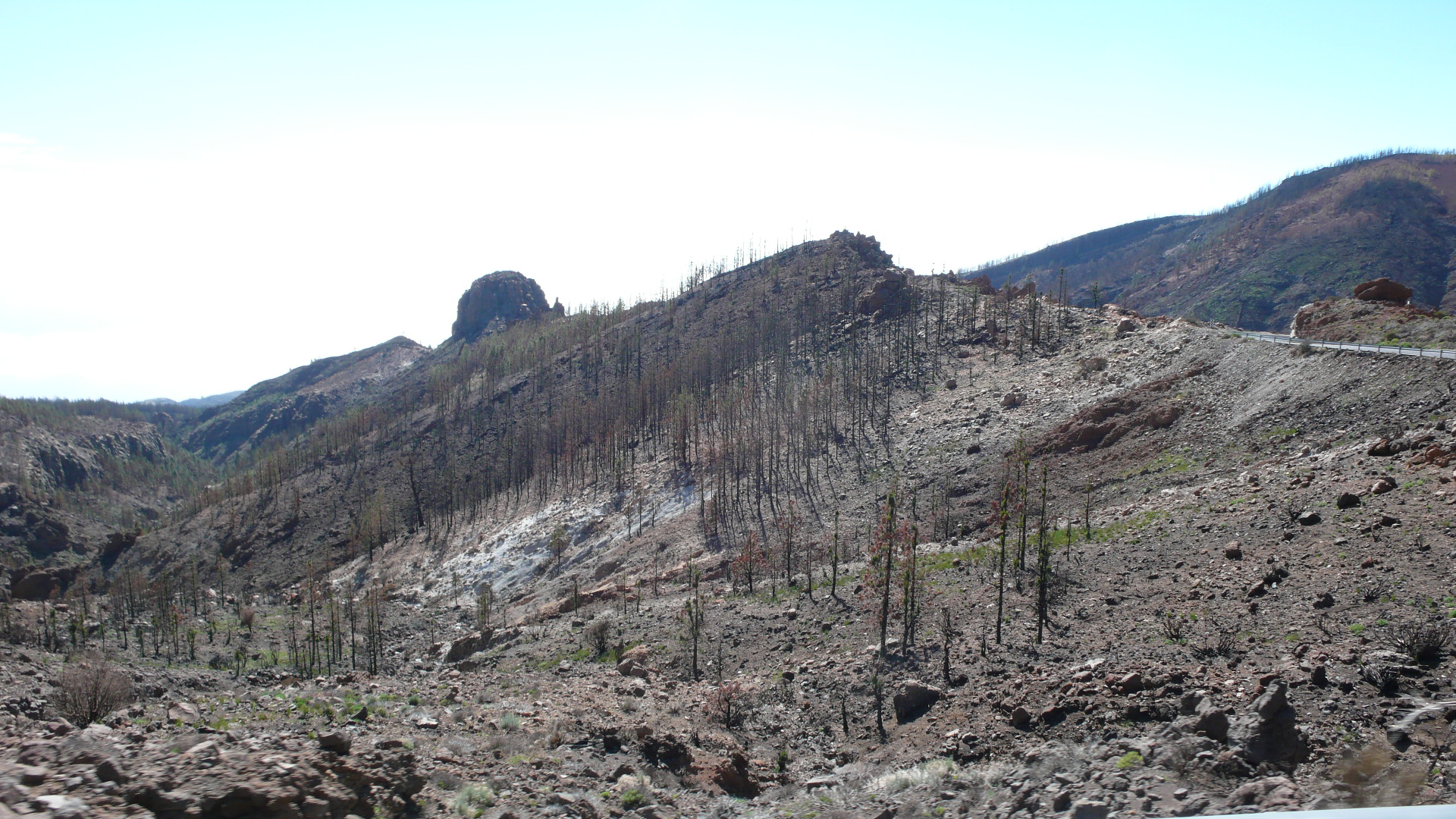
When we were here in 2013 the pine forest on the slopes south of Las Cañadas looked black and bare, having burned a few months previously:

2013-04-16 16.17.57

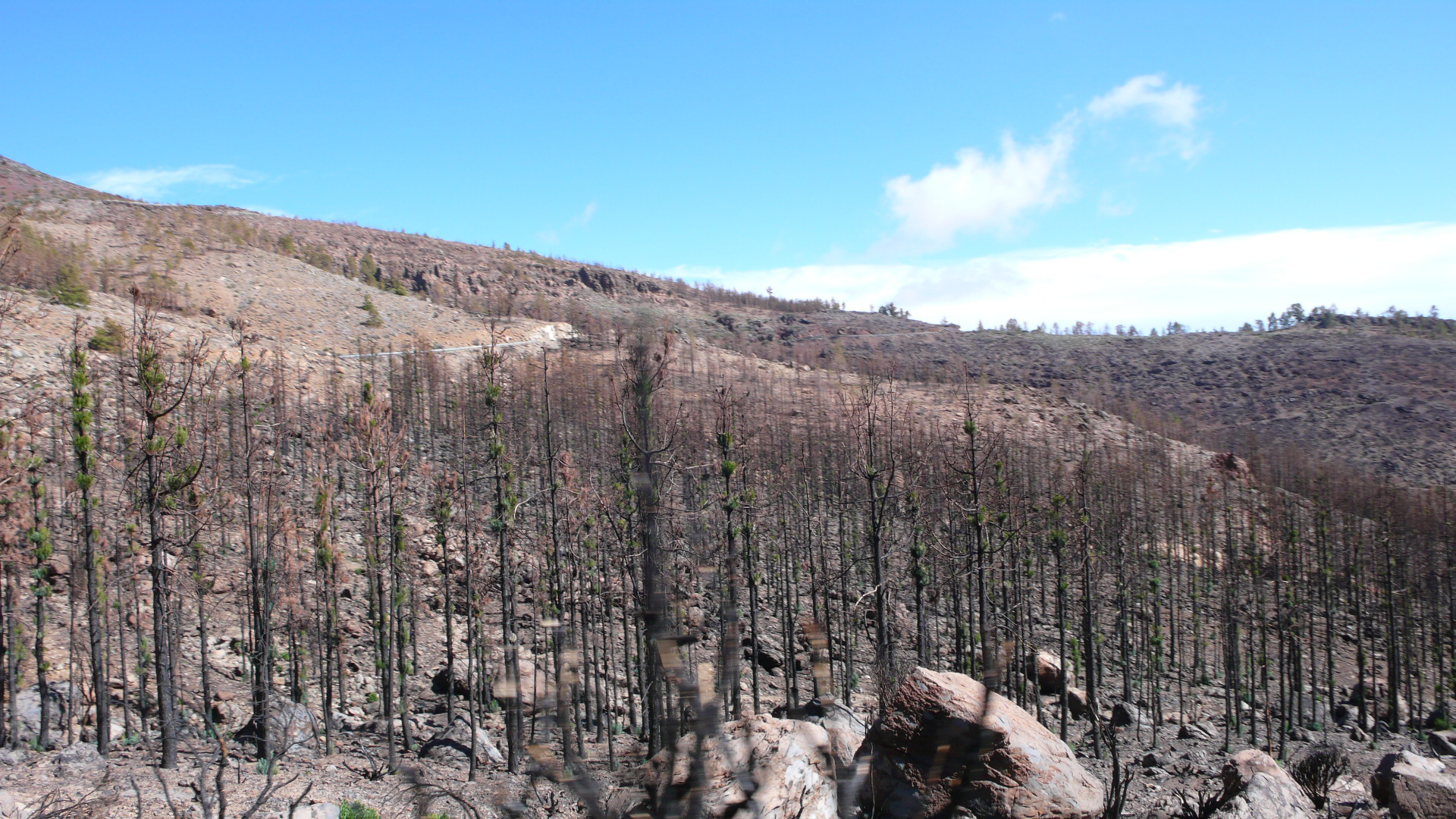
Trunks of the endemic Canary Island Pine Tree (Pinus canariensis) were blackened and showed very little foliage:

2013-04-16 16.19.00-2

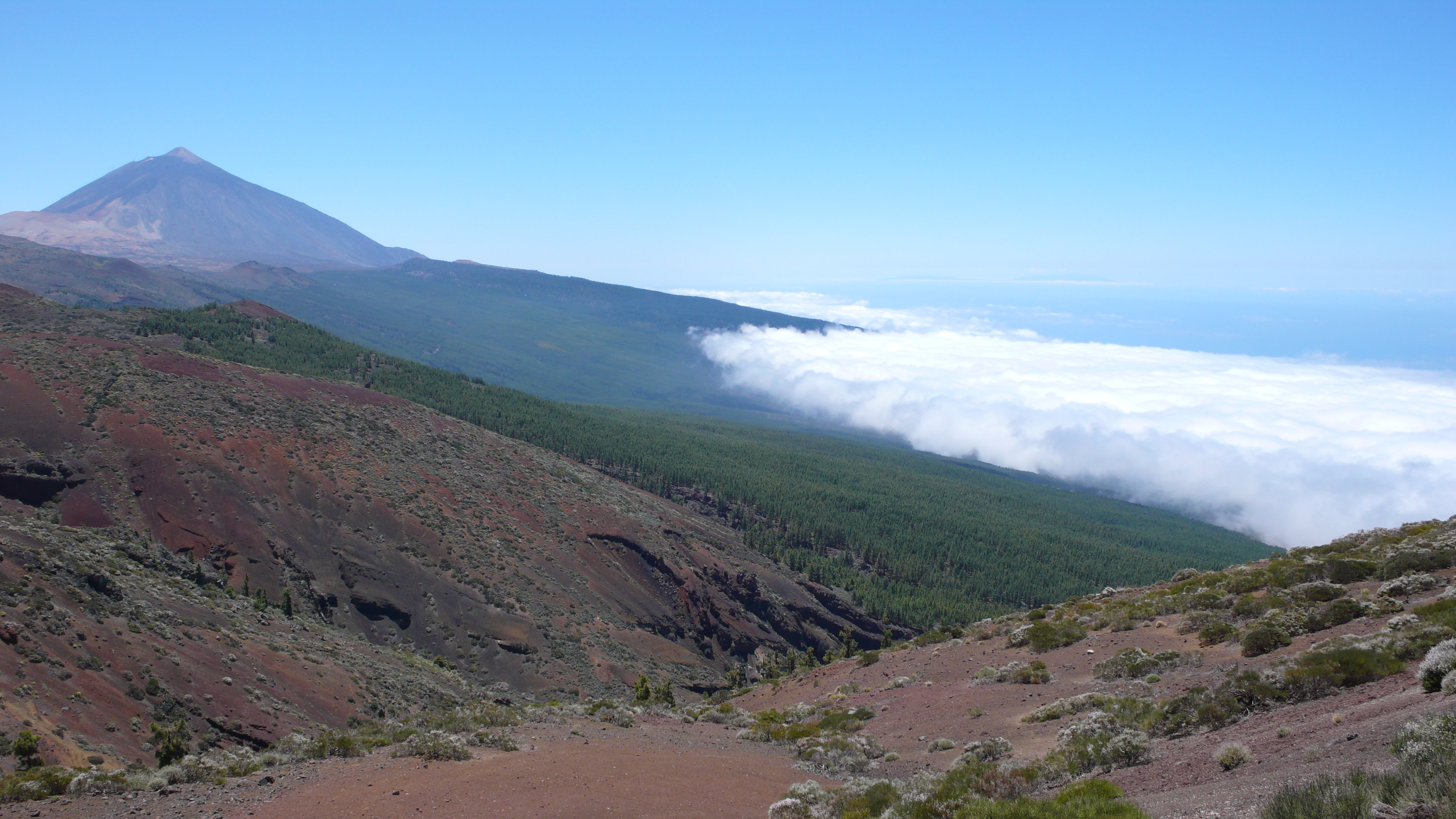
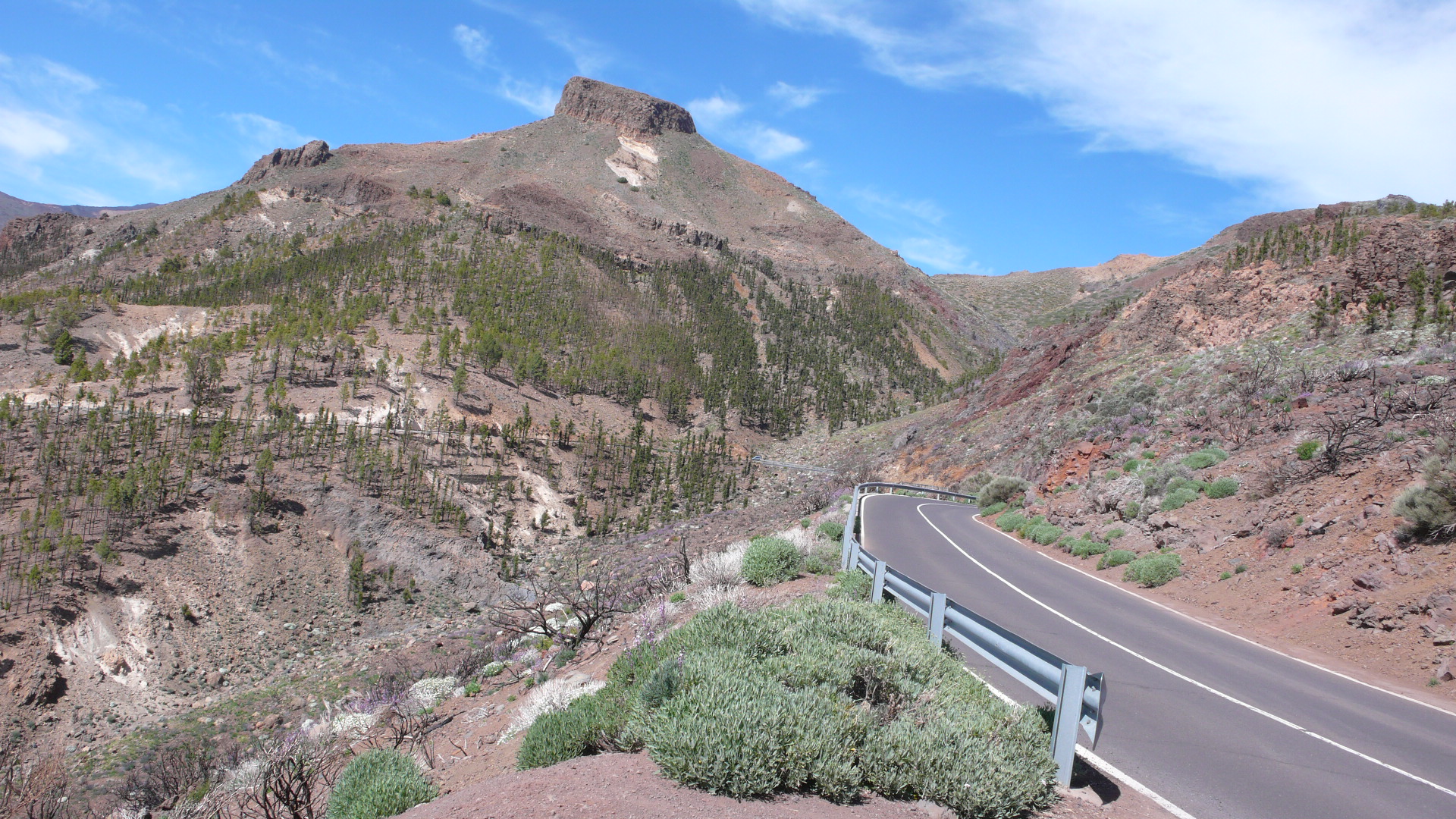
That was April 2013.  Twelve months later, following one of the wettest winters that Tenerife has experienced, we were greeted with a sight of rejuvenation. The pine trees are re-sprouting and the landscape is full of colour as plants such as Erysimum scoparium, Echium wildpretii and Argyranthemum tenerifae flower in abundance.  There are also more butterflies that I can previously recall seeing in these habitats:

P1110721

James Taylor’s song is about loss and grief; but from fire and rain also comes new life and new beginnings, a positive environmental stimulus for the endemic biodiversity of Tenerife. The fire has opened up the vegetation, allowing seeds to germinate, and the winter rain has stimulated growth and flowering in these summer-drought habitats.

….I’ve seen lonely times when I could not find a friend,

But I always thought that I’d see you again.

“These things aren’t to study. They’re to turn up very loud and say, hey, once upon a time, everything was just as easy as this”

May June 2010 Garden, River of Flowers, Cambridge 011

The title of this brief post is a quote by Led Zeppelin frontman Robert Plant, from an interview that the BBC reported just this morning, regarding the forthcoming release of previously unheard Zeppelin material.  You can read the story and hear the interview here.

Regular readers of this blog will know that I’m not averse to sprinkling musical references into my posts, and this was a great quote that seemed to chime with something else I read this morning.  Over at the Small Pond Science blog, evolutionary ecologist Amy Parachnowitsch has a thought provoking post entitled “Save the bees, but maybe not this way“.  I’ll let you read it for yourself, but in a nutshell Amy is concerned about the scientific legitimacy of a “Save the Bees” campaign being crowd funded by online activist network Avaaz.org.

I share this concern and it worries me that whoever is organising the campaign is exploiting the genuine desire by people to “do something for the bees” without any regard for what exactly it is that’s “being done”.  It seems to me to be purely a campaign fund-raiser by people who don’t understand the issues or how science works, the message being: “These things aren’t to study. They’re to turn up very loud and say, hey, once upon a time, everything was just as easy as this”.

The organisers promise “the world’s first large scale, grass-roots supported, totally independent study of what’s killing our bees that decisively challenges the junk science of big pharma”.  As Amy notes, this is hugely offensive to independent scientists who are working on bee conservation issues (such as myself).  But without ever actually saying what they are going to do with the money, they’ve already had pledges of money from over 78,000 people!  If only raising funds for real research was that easy!

To reiterate what I said in the comments to Amy’s post, something that really worries me is that over-emphasis on pesticides and honey bees as single issues affecting “pollinator conservation” deflects attention from other factors which are at least as important, such as habitat loss. Colleagues and I have a manuscript in preparation at the moment showing that native bee and flower-visiting wasp extinctions in Britain began in the mid-19th century and reached their highest rate during the period 1929-1959, during a time of rapid agricultural intensification (but prior to the introduction of neonicotinoid pesticides that is currently exercising many people).  Loss of pollinator diversity is an issue that has deep roots.

In actual fact, although wild bee diversity is declining in the UK, overall abundance seems to be stable as some species are doing extremely well, including a new natural colonist, the Tree Bumblebee (Bombus hypnorum) which is spreading fast and is locally common.  But clearly greater diversity provides us with future insurance against losses of other species.

There are positive things that can be done for pollinator populations by every citizen, beyond giving money to crappy, pseudo-scientific campaigns, as I talked about in a recent post of mine.  So please don’t contribute to this Avaaz.org request, and use the money you save to buy some wild flower seeds and/or the Led Zeppelin reissues.  It will make the world a better place.


Budget cuts to Kew are cultural vandalism

P1110628


The Royal Botanic Gardens, Kew, is a beautiful place to visit, a tourist destination for visitors to London, and a green island in an urban ocean.  That’s the public face of the Gardens.  What is less well appreciated to most of the casual strollers around the flower beds and glasshouses, is that Kew is arguably the most important centre for botanical research anywhere in the world.  During its long history it has produced, and continues to deliver, top rate science that informs international conservation strategies, agriculture and horticulture, as well as basic plant science in ecology and evolutionary biology.

It’s also a welcoming, inclusive place that embraces scientific visitors from all over the world, as I know from personal experience.  Although I’ve never had a formal relationship with staff at Kew, I’ve benefitted enormously from informal links, which have facilitated research and teaching, including annual trips to the Kew Herbarium for my final year undergraduate students.

I first visited Kew as a naive 20 year old to look at their living plant collection during research for what became my first ever publication: “Adaptations to arid environments in the Asclepiadaceae” (British Cactus and Succulent Journal 1986).  So started a long appreciation of Kew and what it freely offers teachers and researchers, which has included access to specimens prior to overseas research trips, to assess distribution and flowering times; identification of specimens we’ve collected on those trips; and primary data for our study of fly pollination in the genus Ceropegia.  I’ve also used their archives for my work on John Tweedie.  Kew is an incredible resource that, in any civilised and culturally aware country, would be cherished and supported. Unfortunately it appears that I do not live in such a country.

Rumours have been circulating for a while about an impending, massive budget cut at Kew, on top of financial savings that have already been made.  Now it appears that those proposed cuts are  much bigger than anyone had thought and 120 posts, mainly in science, are threatened.  I won’t repeat the depressing statistics underlying all of this – I’ll just urge you to visit the online campaign against these cuts, read the details, watch the David Attenborough video, sign the petition, and share it with friends and colleagues.

Please don’t let Kew wither away; it’s too important to UK science, conservation and education to allow it to be gutted without a fight.


Disturbed birds? Results of a visitor access study to the Upper Nene Valley

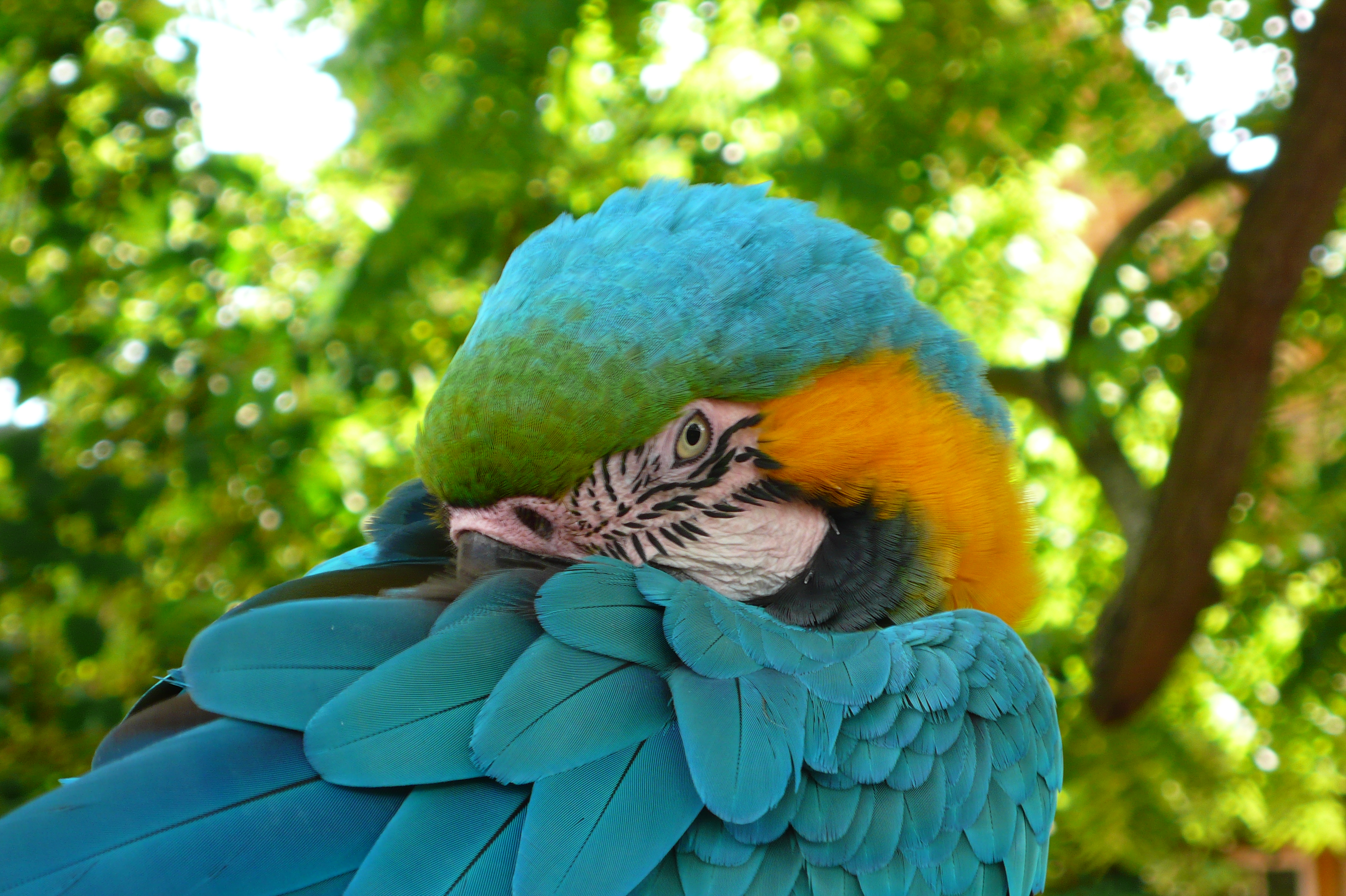
Parrot from Coton Manor

Human activities can have significant impacts on wildlife in quite subtle ways that are not always appreciated by those of us who enjoy going out to look at nature.  For example, simply walking close to sensitive areas such as bird nesting or roosting sites has the potential to drive those birds from an area.  This was the theme of a workshop we attended yesterday afternoon, hosted by the local Wildlife Trust as part of the Nene Valley Nature Improvement Area (NIA) Project.

During the afternoon Colin Wilkinson from the RSPB presented the results of a survey that had been commissioned to assess the level of public access and usage of the Upper Nene Valley gravel pits.  These pits have Special Protected Area status due to the numbers of migratory over-wintering birds that use them.  They are also well used by the public but at the moment we have no idea what impact this is having on the birds, though there is anecdotal evidence that it is considerable at some sites.

The consultants who conducted the study used a combination of face-to-face interviews, site surveys, etc.  There’s too much in the report to go into all of the detail – you can access the full text here – but I’ve copied the highlights from the summary below:

  • The majority (98%) of visitors were on a short visit from their home
  • Group size for interviewed groups ranged from 1-8; 51% of interviewees were visiting on their own. Stanwick Lakes was notable in that group size tended to be larger here.
  • Half of the 939 interviewees had dogs with them (636 dogs in total).
  • Across all sites and survey periods, dog walking was the most common main activity (48% of interviewees).
  • During the winter, a higher proportion of people interviewed were dog walking (48% of interviews during the winter compared to 36% in the spring at the 6 locations surveyed in both seasons).
  • Over the winter, the main activities given by interviewees were: dog walking (53%), walking (26%), and wildlife watching (6%).
  • Most (77%) interviewees had arrived by car to the survey point
  • Most interviewees were frequent visitors (60% indicated that they visited at least once a week).
  • Most visits were short: 50% of visitors stated that they spent less than one hour on site and, in total, 88% spent less than two hours at the survey location.
  • The quality of the site was the most common reason for choice of site (61% interviewees), but was not the most common ‘main’ reason’; 32% interviewees gave proximity to home as the main factor underpinning their choice of site. Proximity to home seemed particularly important for dog walkers (44%) and those fishing (40%).
  • A total of 863 visitor routes were collected, either through lines on paper maps during the interview or via GPS units which were given out.
  • There were significant differences between sites in the lengths of routes taken by visitors. There were also differences between activities. The mean route length for dog walkers was 3.1km. For cyclists the average route was 7.3km while those fishing tended to have the shortest routes (0.6km average).
  • At three of the six sites that were surveyed in the winter and the spring/summer, the median route length increased in the spring/summer when compared to the winter, stayed the same at two and fell at one, suggesting no real pattern of people walking further in the summer .
  • A relatively high proportion (78% of interviewees) indicated that they were aware of the importance of the area for wintering birds. Around a quarter (24%) of all interviewees responded that they were aware that of the international importance of the area for nature conservation.
  • 908 postcodes were mapped reflecting the home postcodes of visitors. The two main settlements were Northampton (137 postcodes from the winter interviews fell within the settlement) and Wellingborough (88 postcodes from the winter interviews).
  • Dog walkers and joggers lived closest to the site at which they were visiting, with median values of 2.3 and 2.9km respectively
  • Visitor rates (visits per household) declined rapidly with distance such that a relatively small proportion of people visit from distances beyond 3km of the surveyed access points.

The challenge now will be to understand if and how these visitors are impacting on the abundance and diversity of birds in the Upper Nene Valley, and what can be done to minimise any disturbance.  Clearly there’s a balance to be struck between public recreation and wildlife protection, and this will be the theme of future work by the Nene Valley NIA Project.

What are YOU doing for our pollinators this year? (reduce, reuse, recycle part 6)

2012-08-02 13.41.13

Earlier this year I was asked to write a short article by my former PhD student, and still a current collaborator, Dr Sam Tarrant.  Sam works for the RSPB as the CEMEX UK-funded Biodiversity Advisor, and wanted something on pollinator conservation that could be circulated in the CEMEX company’s e-newsletter.  In the spirit of reworking and reusing odd bits of writing, I thought I’d post it here too.


Insects are vital for our country’s economy.  Don’t believe me?  Then read on….

Beneath a large black mulberry tree near the University of Northampton’s Newton Building there is a plaque that commemorates its planting “On Shakespeare Commemoration Day, 3rd May 1916”.  Despite its age this tree annually produces large crops of succulent berries, aided by the fact that wind eddies are sufficient to disperse its pollen, ensuring pollination and fruit set.  Each year it’s a scramble between students, lecturers and birds, to see who can eat the most.

In contrast, the old apple trees in the grounds possess a different strategy – pollination by insects that move from flower to flower each spring.  This form of pollination is both more sophisticated and less reliable than wind pollination, and is currently under considerable threat: whilst there will never be a shortage of wind currents in Britain, insect pollinators are in decline.

The apples trees are not alone in requiring insects to pollinate them, so to do other farm and garden crops, including oil seed rape, field beans, courgettes, runner beans, and strawberries and other soft fruit.  It’s worth at least £440 million annually to the British economy, and most of it is done by wild bees and hoverflies, rather than managed hives of honey bees.

But all is not well with these insects in Britain – they are in decline.  Although the extent of the “pollination crisis” is debated by scientists, long term records show us that these insects are under pressure: 23 species of bee and flower-visiting wasp have gone extinct since the mid 1800s, as have 18 species of butterflies.  Less obviously, other species have considerably reduced in abundance so that they are now found in only a small part of their previous distribution.

There are lots of gardeners who want to “do something” for the pollinators, and keeping honey bees is often mentioned.  By all means, if you wish to help the honey bees (which are suffering their own problems) then keep a hive or two.  That will not, however, help our wild, native pollinators; the analogy I use is that it’s the equivalent of trying to help our declining songbirds by opening a chicken farm!

If you want to make a real difference for pollinators in your own garden, here are a few ideas:

  • start by planting nectar and pollen rich flowers; there’s a useful list on the Royal Horticultural Society’s website (see below).
  • allow plants such as clover and dandelion to flower in your lawn, bees love them.
  • as well as food, pollinators also need nest and egg laying sites, so you could help by allowing some of the far corners of your plot to run a little wild.
  • wait until late Spring to cut back hollow stemmed perennials as they are used as hibernating places by some of our bees.
  • allow mason bees to nest in old walls and don’t worry about them, the wall won’t fall down.
  • And finally, stop using pesticides!

Changing some of our gardening habits can help a group of insects on which we rely and which supports our economy in a very real way.


Further reading and information:

Bees Wasps and Ants Recording Society:   http://www.bwars.com/

Bumblebee Conservation Trust:  http://www.bumblebeeconservation.org.uk/

Butterfly Conservation:  http://www.butterfly-conservation.org/

Hoverfly Recording Scheme:  http://www.hoverfly.org.uk/

Royal Horticultural Society’s list of plants for pollinators:  http://www.rhs.org.uk/Gardening/Sustainable-gardening/Plants-for-pollinators