

Last month I cleared out my office in preparation for our move to the University of Northampton’s new Waterside Campus. Going through files I’d not opened in decades was a cathartic and occasionally emotional experience. In one file I came across a box of OHP transparencies from the presentation I gave at my job interview in 1995! (For younger readers, OHPs were just like PowerPoint, but you carried them around in a box….)
Anyway, the presentation (see photo above) at what was then Nene College of Higher Education set out what my research plans were going to be if I was offered the job. It’s interesting to look back on these research themes and consider whether I did actually do what I said I was going to do (go to my Publications page for details of the papers I’m referring to):
“Flowering phenology” – This was a large part of my PhD, which I had completed two years earlier. At Northampton I did a bit of work, including a big meta analysis with Mexican colleagues Miguel Munguia-Rosas and Victor Parra-Tabla, but nothing further, though I do have a lot of unpublished data that one day may see the light of, err, day….
“Pollination systems in the Asclepiadaceae” – I’ve done a lot of work on this plant family, including field work in South America and Africa, particularly with my German colleague Sigrid Liede-Schumann. However Asclepiadaceae no longer exists as a separate family (it’s now a subfamily of Apocynaceae). I have a large paper in press at the moment which assesses the diversity of pollination systems in the Apocynaceae; more on that when it’s published.
“Specialisation and generalisation in pollination systems” – yes, done lots on this too, including contributing to the Waser et al. (1996) Ecology paper that’s now racked up >1550 citations, plus assessing latitudinal trends in specialisation. Still a major focus of my research, it’s an area where there are lots of questions still to be answered.
“Reproductive output [in plants]” – very little done since my doctoral work, though questions of annual variation in reproductive allocation were a big part of my PhD. Has fallen by the wayside rather.
“Seed predation” – ditto – it was a major component of my PhD and I published a couple of things but then hardly touched the topic. A shame in some ways as I still think it’s a fascinating topic.
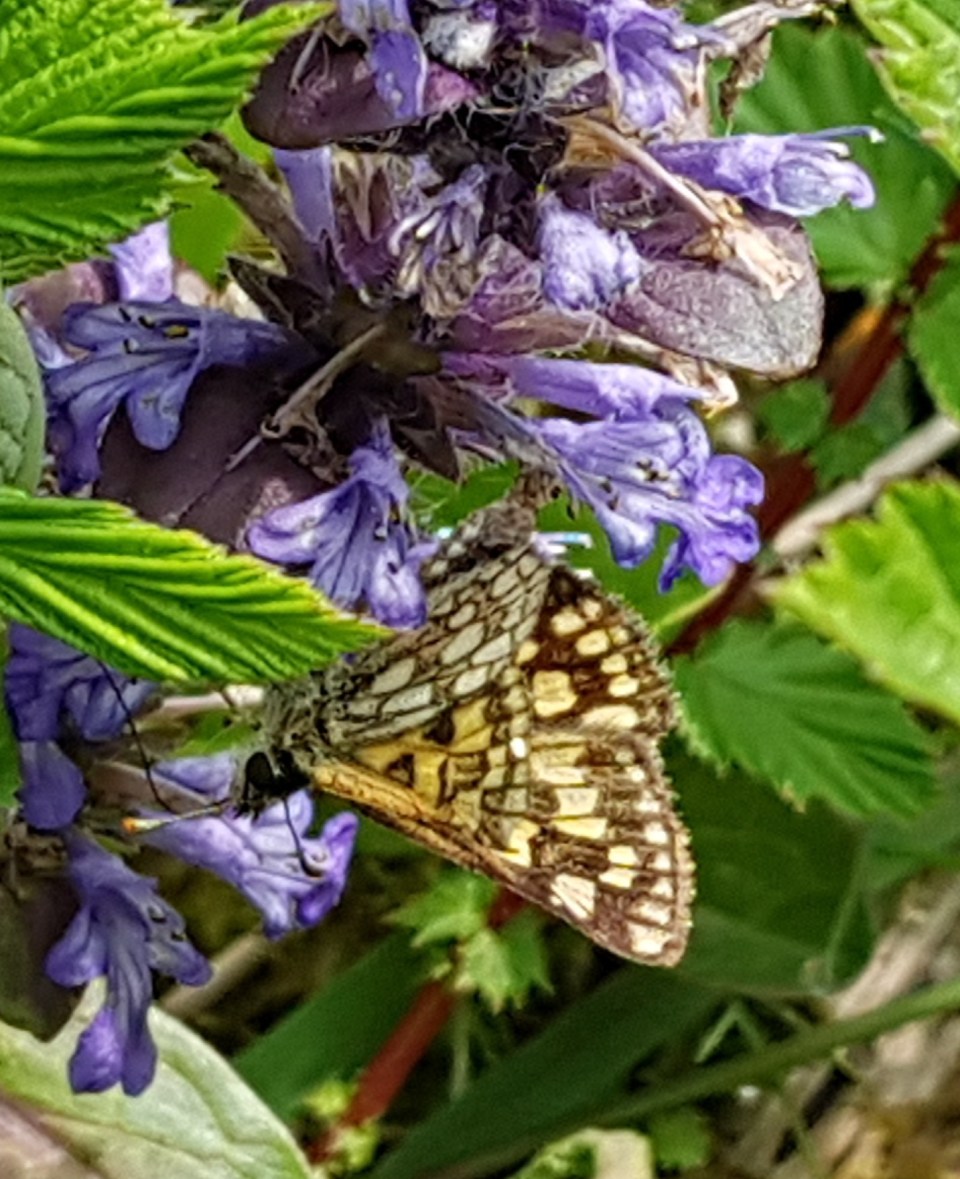
“Pollinator behaviour” – I’ve done some work, mainly on birds and bees rather than the butterfly model system I proposed at the time, which was to work with Dave Goulson on a follow-up of a paper we published on floral constancy in Small Skipper butterflies. This field has moved on hugely though, with some extremely sophisticated work being done with captive bumblebee colonies for instance.
Overall I think I’ve worked on about 50% of what I said I would do, which I’m more than comfortable with. Because I’ve also done a whole bunch of stuff I never mentioned at interview, including work on pollinator conservation and interaction network analyses, both of which were hardly thought about in 1995. There’s also research on the history of science that I was thinking about in the early 90s but which I didn’t present as a major research theme.
The moral of this story for anyone preparing for a job interview for an academic position is: Don’t think that you have to do all of the research that you say you’re going to do in the presentation. Opportunities come and go, and interests wax and wane. What is currently seen as exciting research may well, in 10 years time, be seen as old hat or a dead end, or have evolved in ways that provide you with fewer opportunities to contribute. Prepare to be flexible, but don’t lie about your intentions. In fact, as recently highlighted on the Dynamic Ecology blog, don’t lie about any aspect of getting an academic job!
One other thing: be realistic. In retrospect I was too ambitious in the range of areas in which I wanted to do research, though they were all linked. But over the course of 23 years it’s impossible to say how your research career will develop. I’m looking forward to the next 23…. 🙂




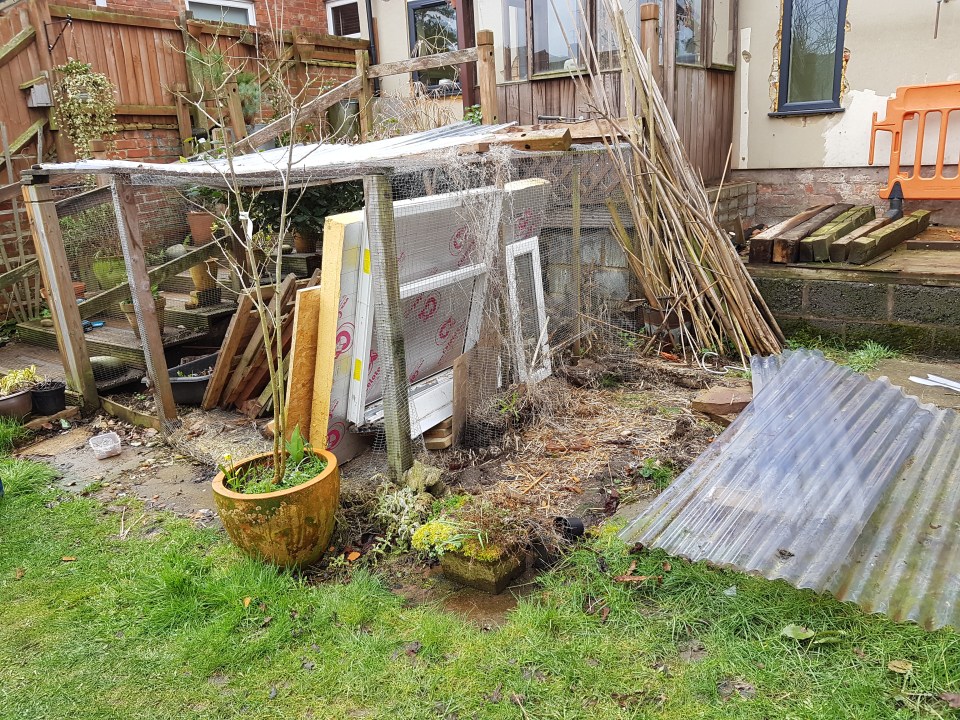 And this is what it looks like now; we still have more plants to add and hopefully the border will fill out come the summer: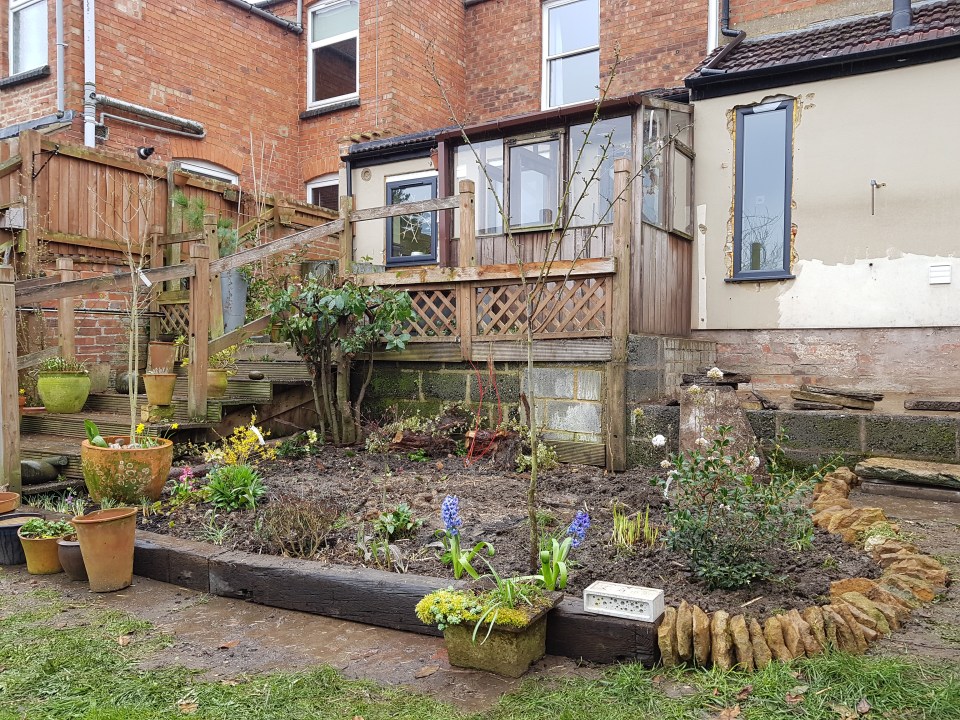

 Prof. Jeff Ollerton - ecological scientist and author