
It’s very easy to get a fixed idea of what you think a particular group of plants ‘ought’ to look like, based on those that are most familiar to you from where you live. But exploring a good botanic garden always reveals surprises, as far as plant families are concerned. Willows (or osiers) provided me with a great example recently. Based on those that I am familiar with, I thought I had a pretty good idea of what to expect from the family Salicaceae, which includes not just willows (Salix spp.) but also aspens and poplars.
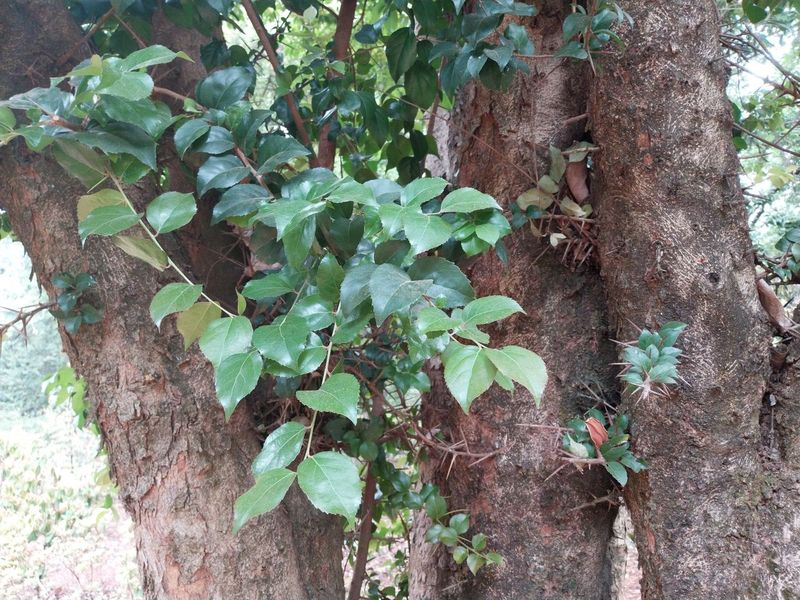
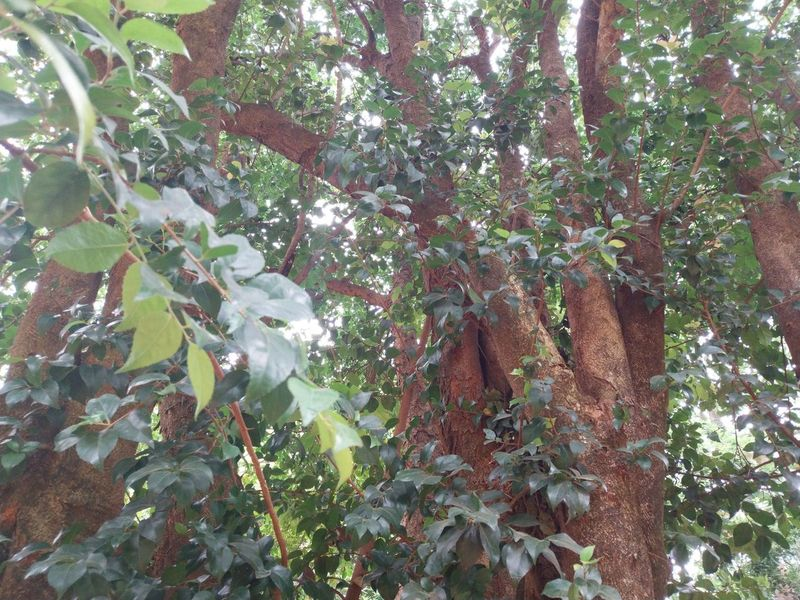
Then you encounter the trunk of a large tree that’s covered in vicious thorns that remind you of the rose family (Rosaceae) and particularly some species of cherries and plums, such as Blackthorn (Prunus spinosa). But it’s a big tree, larger than expected for that group, and the bark in particular doesn’t look right:
Fortunately, being a botanic garden, there’s a helpful label:
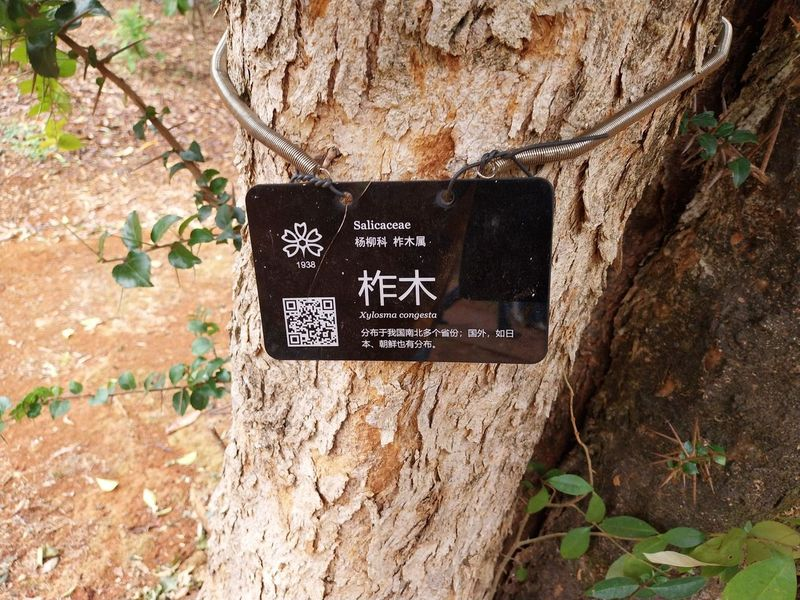
Lo and behold, it’s a member of the willow family! A species of Xylosma, quite a large genus of about 100 species, but not one with which I am familiar.
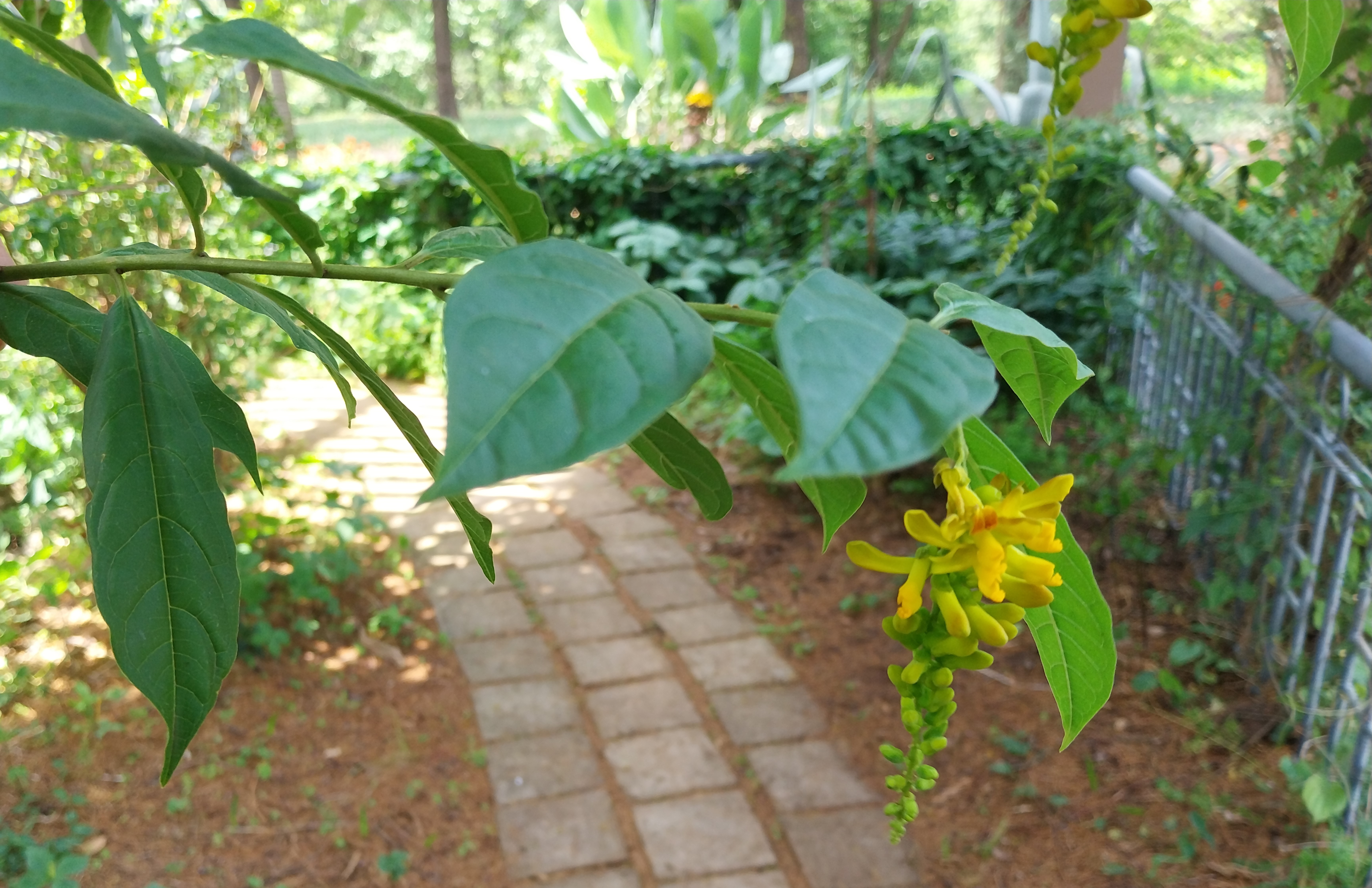
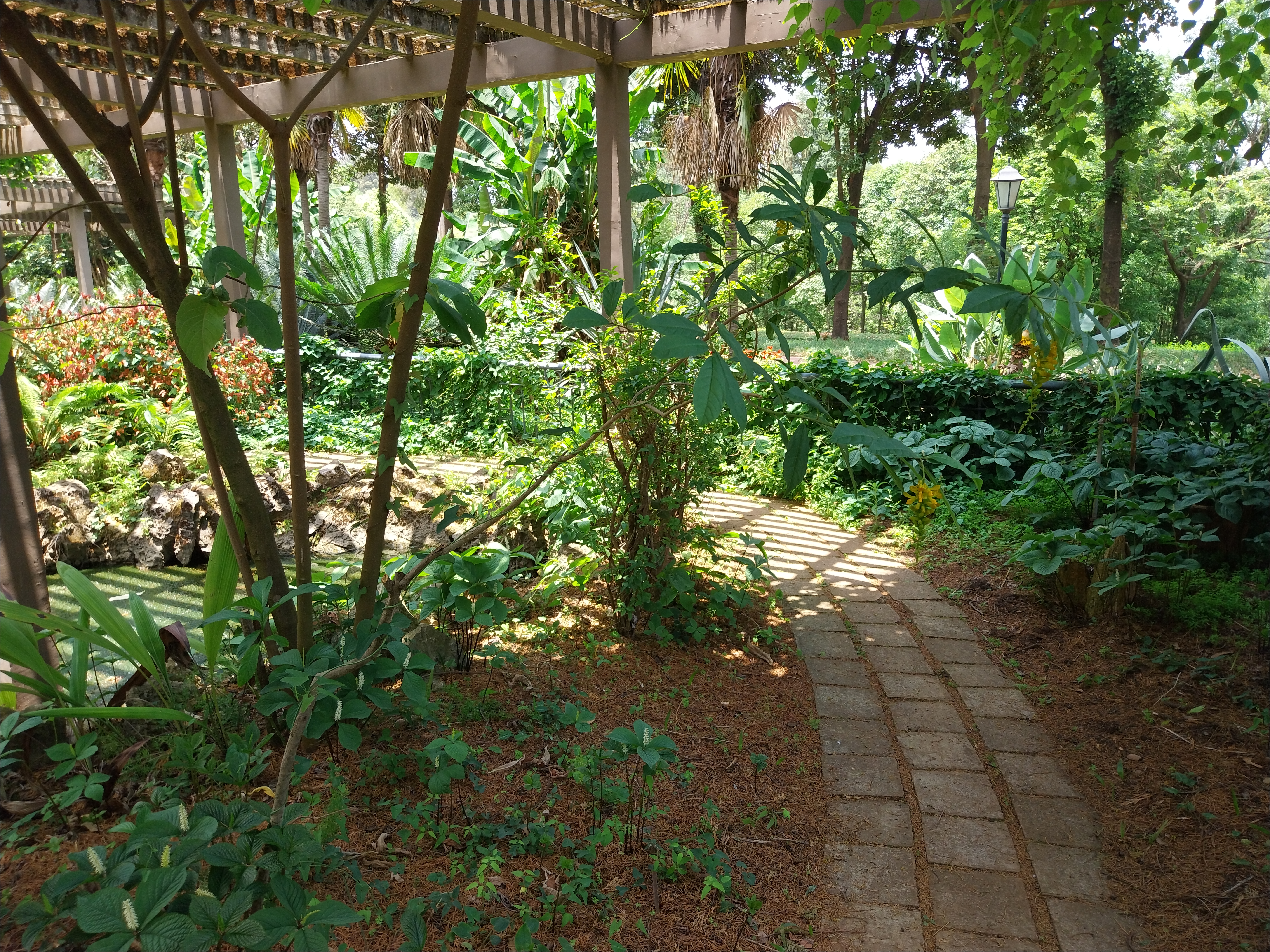
I encountered another example in the Chinese medicinal garden – a species of milkwort (Polygala). The milkworts that are native to Britain are low-growing, herbaceous species, not tall woody shrubs like this P. arillata. The rather legume-like flowers are familiar, but not displayed in these pendant inflorescences, laburnum style:
This wasn’t the biggest surprise of my China trip so far, however – how about these clusters of yellow-ish white, highly fragrant flowers, on a large (15 metre) tree? What family could it belong to?
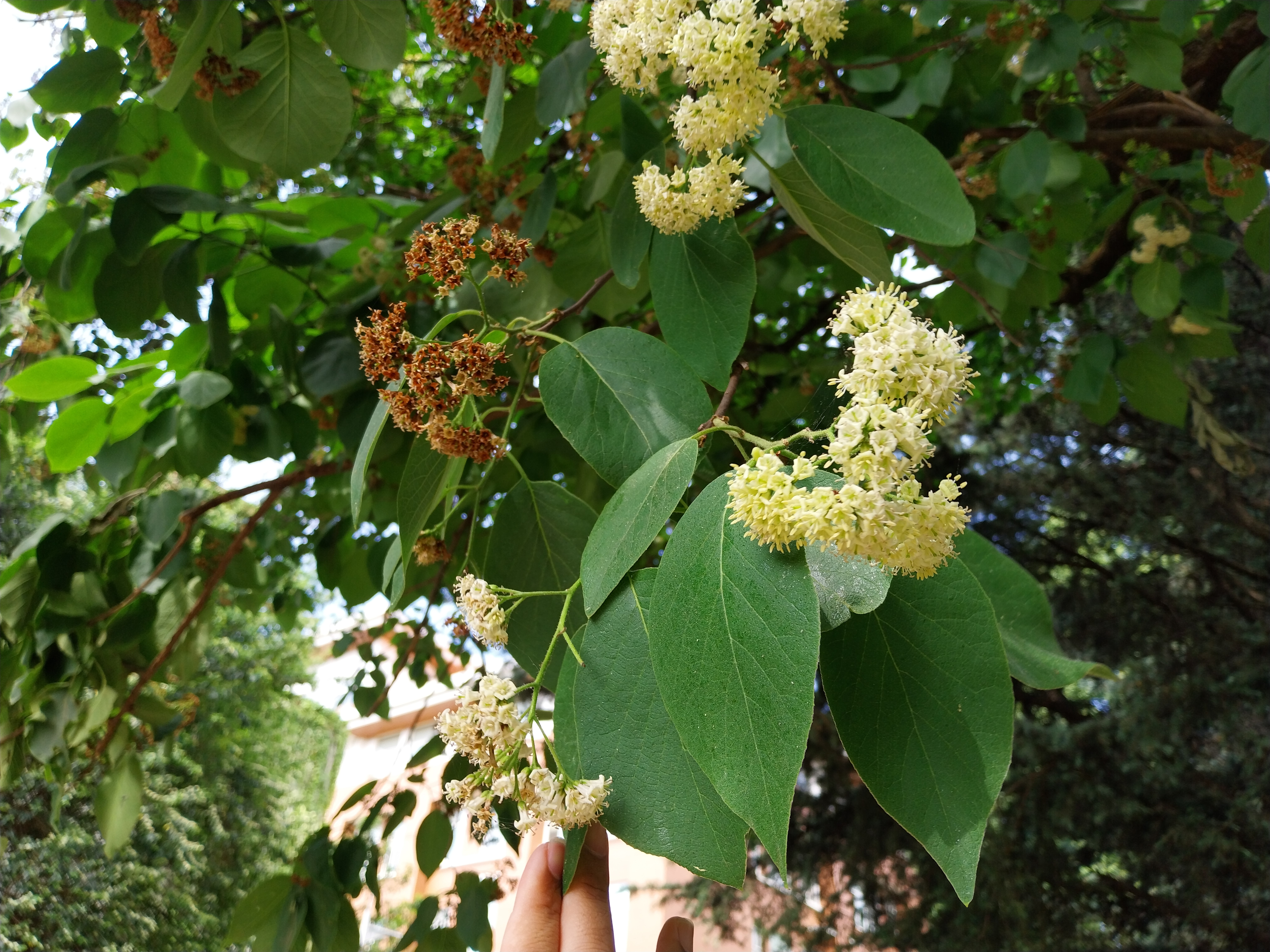
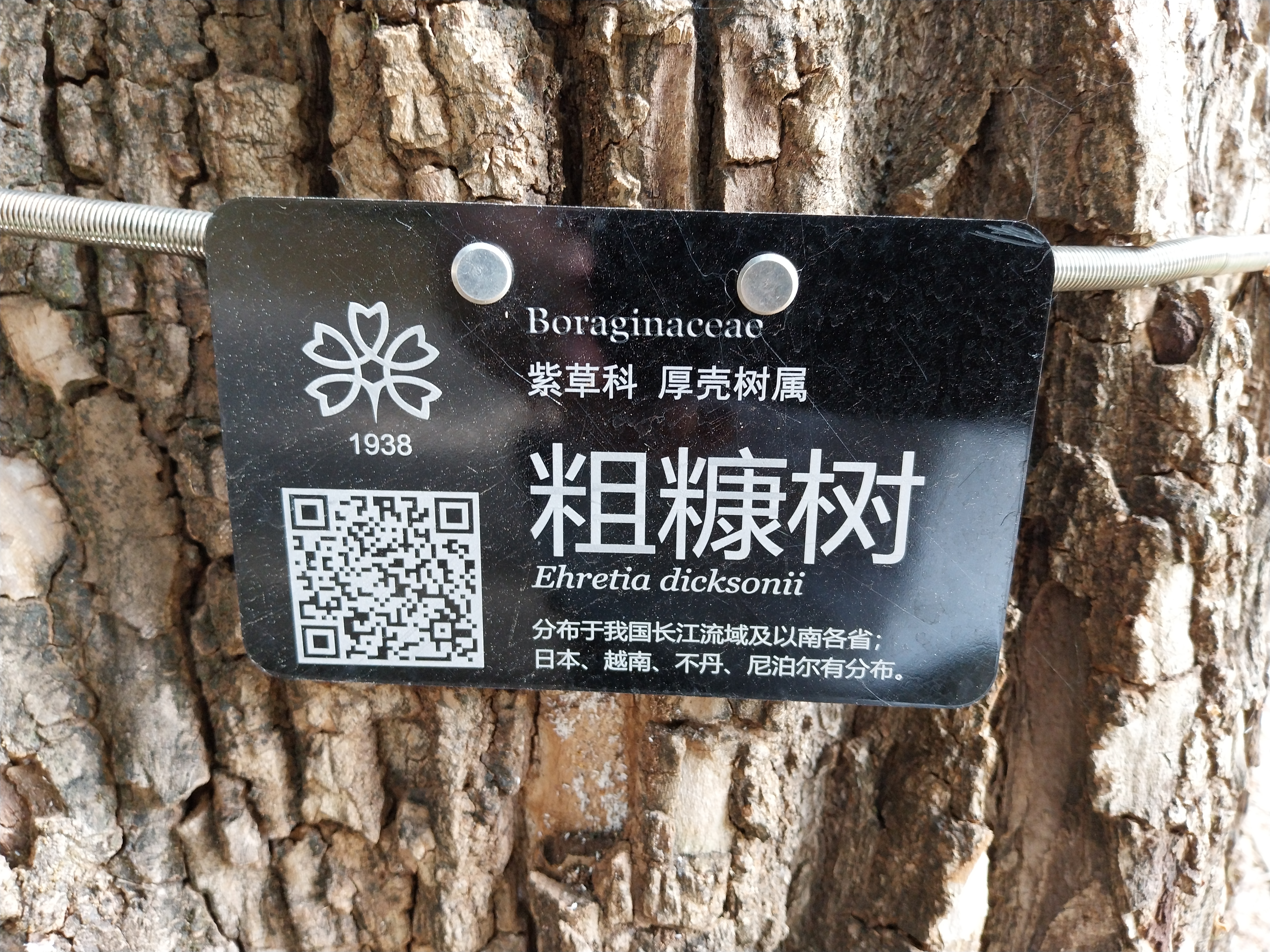
Again, Rosaceae comes to mind, but it turns out that it’s in the borage or forget-me-not family (Boraginaceae):
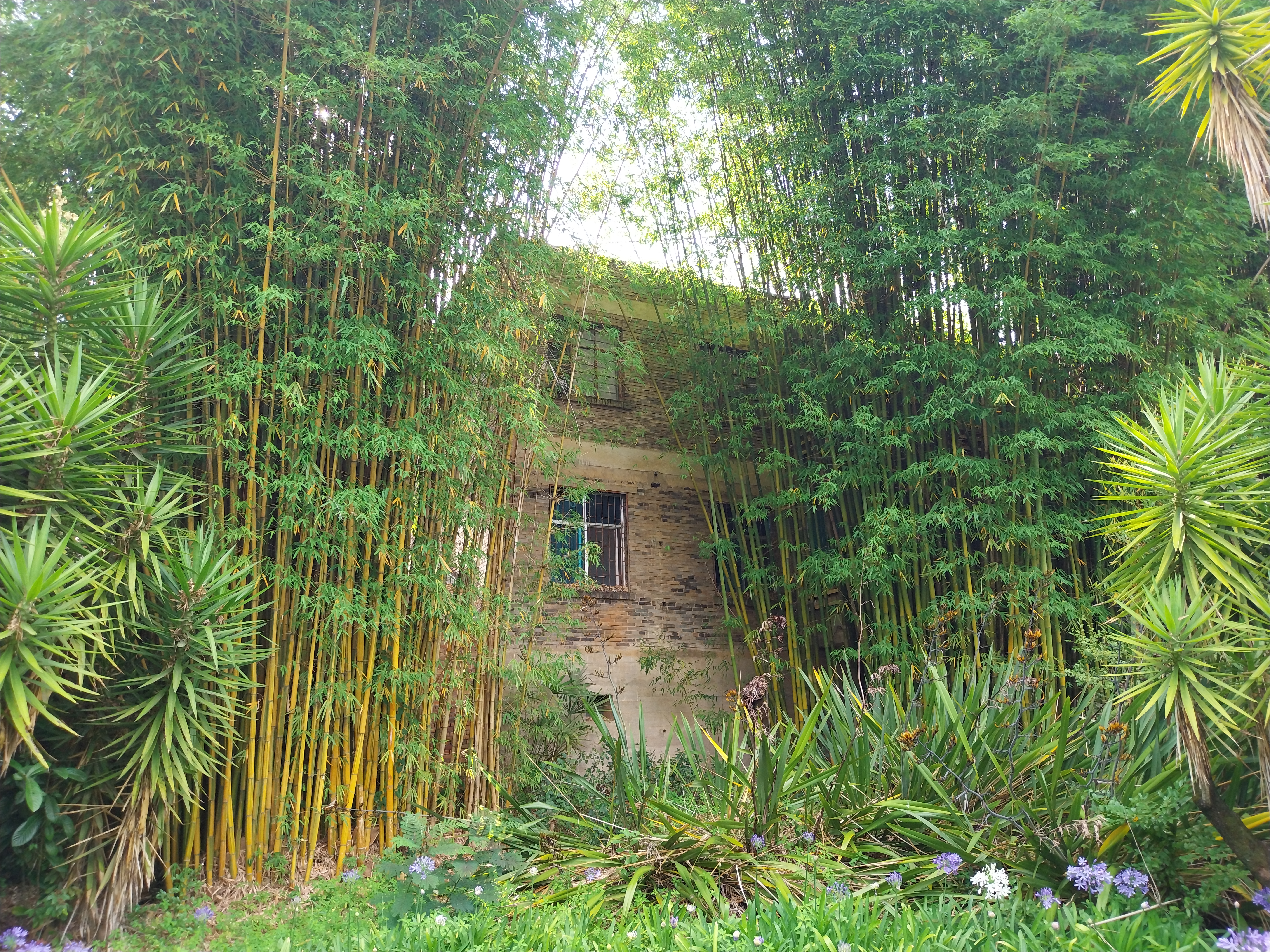
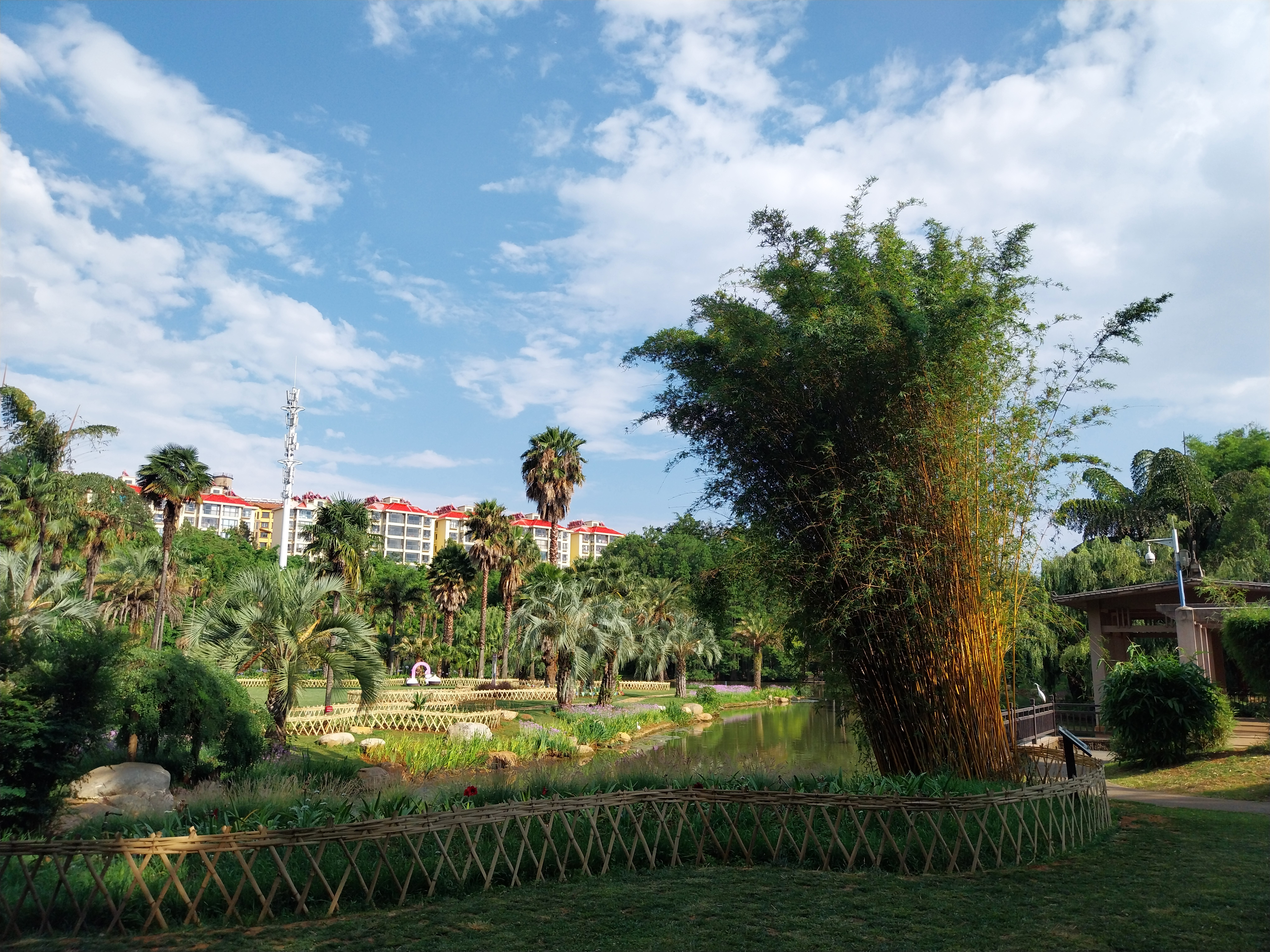
Those last two species are a nice example of a general trends in plant families and genera, which often contain smaller, herbaceous species in cooler, more temperate parts of the world and larger, woody species at lower latitudes in the tropics and subtropics. Bamboos (which are of course woody grasses) are a good example – and we have encountered some spectacular specimens in the garden:
Of course there’s also some familiar species, including birds: how many Little Egrets can you spot in this picture?
Exploring botanic gardens are one of my favourite pastimes, it’s always worthwhile and, in the words of an old blog post of mine, Je ne egret rien.
 Prof. Jeff Ollerton - ecological scientist and author
G…..R….R…..OOOOOOO….A….NNNNnnnn :-0