Category Archives: Biodiversity and culture

Clever crows!

Clever crows

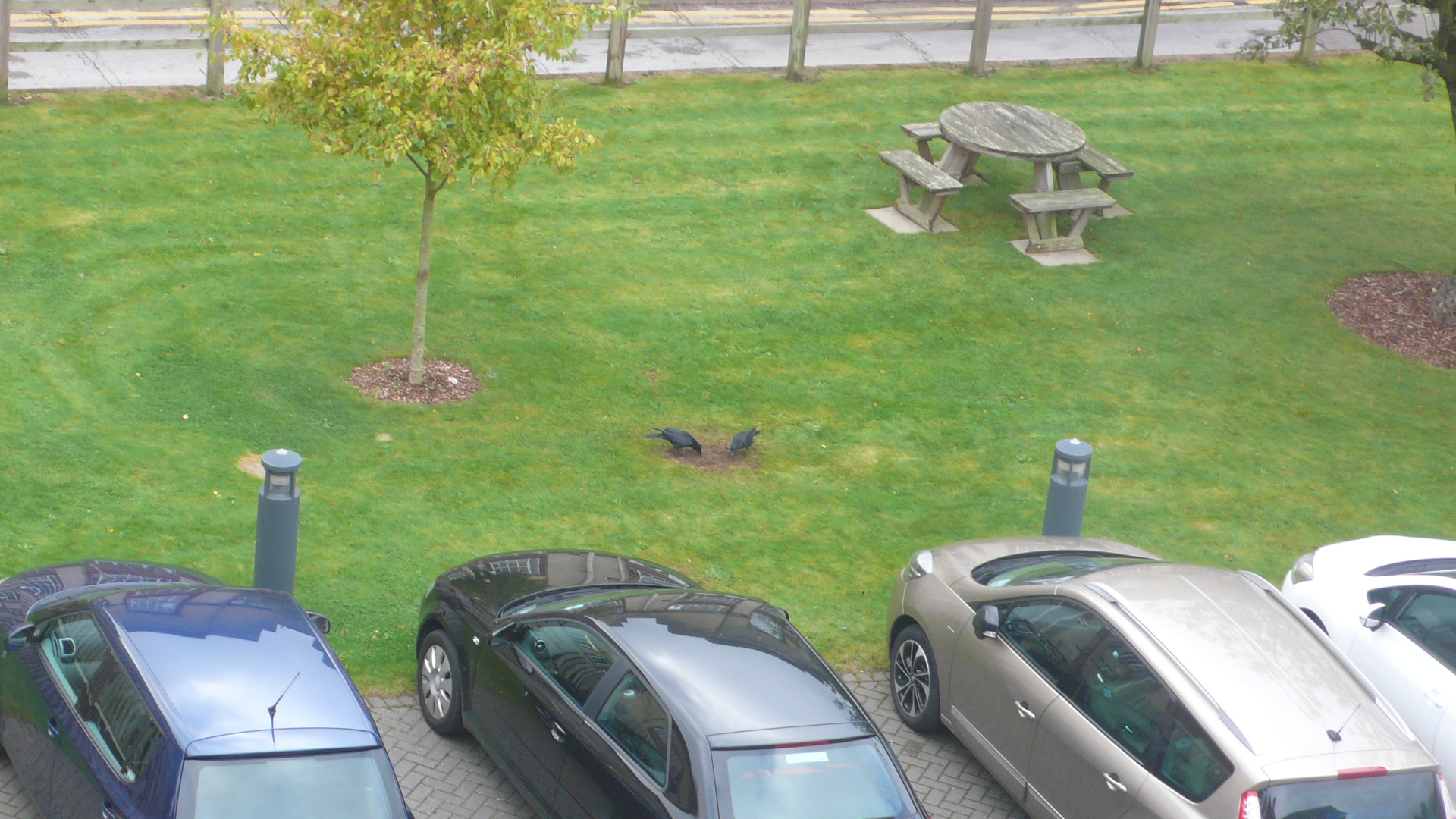
Back in October I was staring out of the window of the office that I share with my colleagues, something I often do when I’m pondering a question or trying to add a tick to our “Birds Seen Out of the Window” list*, when I spotted something odd.  A pair of crows had focused their attention on a brown patch of lawn and appeared to be eating the grass.  I’m not much of a birder but I do know enough about crows to realise that grass is not a regular feature of their diet.  The same behaviour was observed a few other times after that, and on other occasions magpies were seen doing the same thing.  What could be going on?

Once I’d taken a closer look at the patch of dead grass the explanation was clear.  During our first year undergraduate induction week about a month earlier there had been a barbeque set up on that spot which had leaked hot fat onto the grass.  What the birds were eating was dead grass coated in lard, a useful source of fat to store for the cold conditions of the oncoming winter.

That’s one of things I love about urban birds such as corvids and gulls: they are adaptable and will exploit any resource that becomes available.  But how had they located the patch of fatty grass?  Were they simply exploring the lawn and stumbled across it by accident?  Seems plausible especially as they often feed on earthworms on the adjacent parkland.  Could they smell it?  The acuity of birds’ sense of smell has been the topic of considerable debate, but that’s certainly a possibility.

I was reminded to post this (originally half-written before Christmas) by a story on the BBC news website this morning about a young girl in the USA who receives gifts from the crows in her garden.  If you’ve not read it, please do: it’s a wonderful example of positive interactions between humans and the rest of biodiversity.

Crows (and other corvids) get a bad press, being often described as “evil” (surely a term that only applies to humans) and blamed for the demise of “nicer” birds – a reputation that is not completely justified, as a recent post on Kaeli Swift’s crow research site demonstrates.

So, learn to appreciate (even love) the crows in your local neighborhood; they will reward you with some entertainment as you watch their behaviour, if not necessarily with gifts.


*currently standing at 19 species and rising every month.

Evolving a naturalist – happy birthday to me!

Jeff in the tee-pee

Somehow, today is my 50th birthday.  So I thought I’d mark it with a short post about my personal evolution as a naturalist and, ultimately, professional scientist.

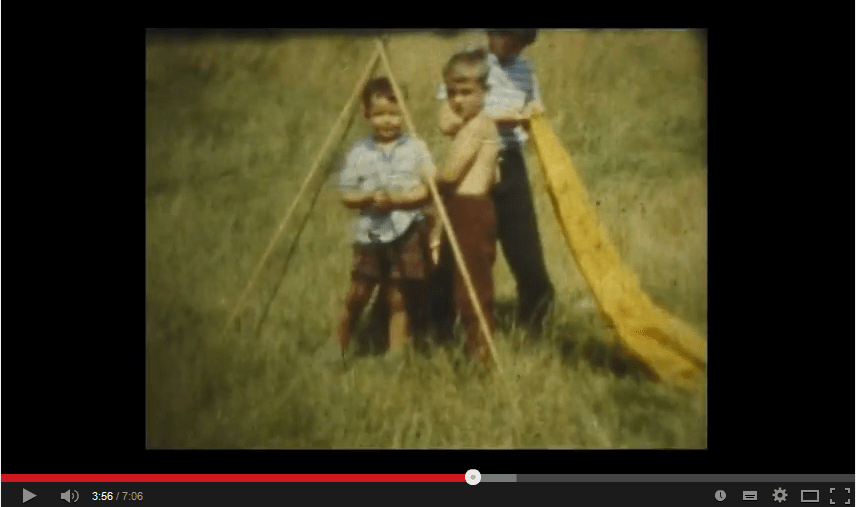
One of the great things about the internet and social media such as Facebook is that you can make exciting discoveries on a weekly basis.  Recently I found out something that means a lot to me on a very personal level: I discovered that a family* who lived in the same street when I was growing up in Sunderland in the 60s and 70s have digitised some old home movies and made them available on YouTube.  In our digital age in which every phone and camera can capture and share events as they happen, it’s sometimes easy to forget that owning a movie camera in the 60s was quite a rarity and the majority of kids living at that time were never filmed.   

These movies are exciting not just because one of them shows me aged about 5 years (in the blue shirt) playing with friends (I’m there from 3’53”) but because it documents, in colour and moving pictures, one of the reasons why I became a professional naturalist with a deep fascination for biodiversity. 

The grassland in which we are erecting a tee-pee is not some country meadow, the kind of wild rural landscape cited by so many other naturalists as inspiring their childhood fascination with natural history.  These grasslands had arisen spontaneously on cleared demolition sites, following the removal of Victorian terraced housing and tenement blocks, some of which were slums and others that had suffered bomb damage in the Second World War (now that does make me sound old!)

Up until the 1950s this area had been very built up, with the houses, shops and pubs serving the local families who were employed mainly in the shipyards and coal mines to the north of the town.  You can get a sense of how urban it was from this 1898 map of Southwick; the places I refer to are just south-west of The Green to the left of the map. 

Following demolition the sites were left to their own ends, and were colonised by plants, insects, birds and mammals from patches of habitat closer to the river that had either been cleared of buildings earlier in the century, or which had never been built upon at all.  There are some nice areas of magnesian limestone grassland nearby along the higher banks of the River Wear valley, and typical calcicole plants such as Greater Knapweed (Centaurea scabiosa) could be found on these post-demolition grasslands.  In fact, in the absence of horse chestnut trees, we used to play a version of conkers using the unripe seed heads of Greater Knapweed.  Was that an echo of earlier children’s games in Britain, prior to the introduction of horse chestnuts in the 17th century?  Apparently similar games were played with snail shells and hazelnuts.  

If you watch the opening minute of this piece of footage from the same series, and ignore the girls posing and playing in the foreground, the background reveals a rich flora of plants, with butterflies hopping between flowers.  The first bird species that I can remember identifying, and being fascinated by its bright colours, was Goldfinch (Carduelis carduelis) feeding on the seeds of tall thistles in the very area where this was filmed.   The first butterfly that I could put a name to was the Small Tortoiseshell (Aglais urticae), also feeding on thistles, but this time on the nectar-rich flower heads, as a pollinator.  We’d collect its caterpillars from the nearby nettles and raise them in jars.

So you don’t have to have had a rural upbringing to appreciate and benefit from nature, and to later influence your profession and passions, any piece of land can inspire interest in kids, regardless of its origin, if nature is left to colonise. Unmanaged, semi-wild green space within towns and cities has huge value, both for wildlife and for the culture of childhood.  They need to be protected just as much as rural nature reserves, including the generally disparaged but actually biodiverse “brownfield” sites, as Sarah Arnold has discussed in a recent blog post.

Some of the riverside grasslands still remain and I hope that they are fascinating new generations of kids with their colour and diversity and flouncing butterflies. But the post-industrial grasslands on which I played and looked for bugs and flowers are all gone; they were cleared and built upon in a flurry of housing and retail development in the 1980s.  Perhaps in the future they may return if those buildings are themselves demolished and the land allowed to lie undisturbed for a while.  That is what nature does: it ebbs and flows across our landscapes in response to human, and natural, interventions, endlessly changing and endlessly fascinating to the curious minds of children and scientists, no matter how old they are.


*My sincere thanks to the Scrafton family who took the original footage, made it available on YouTube, and gave me permission to use it in this post.

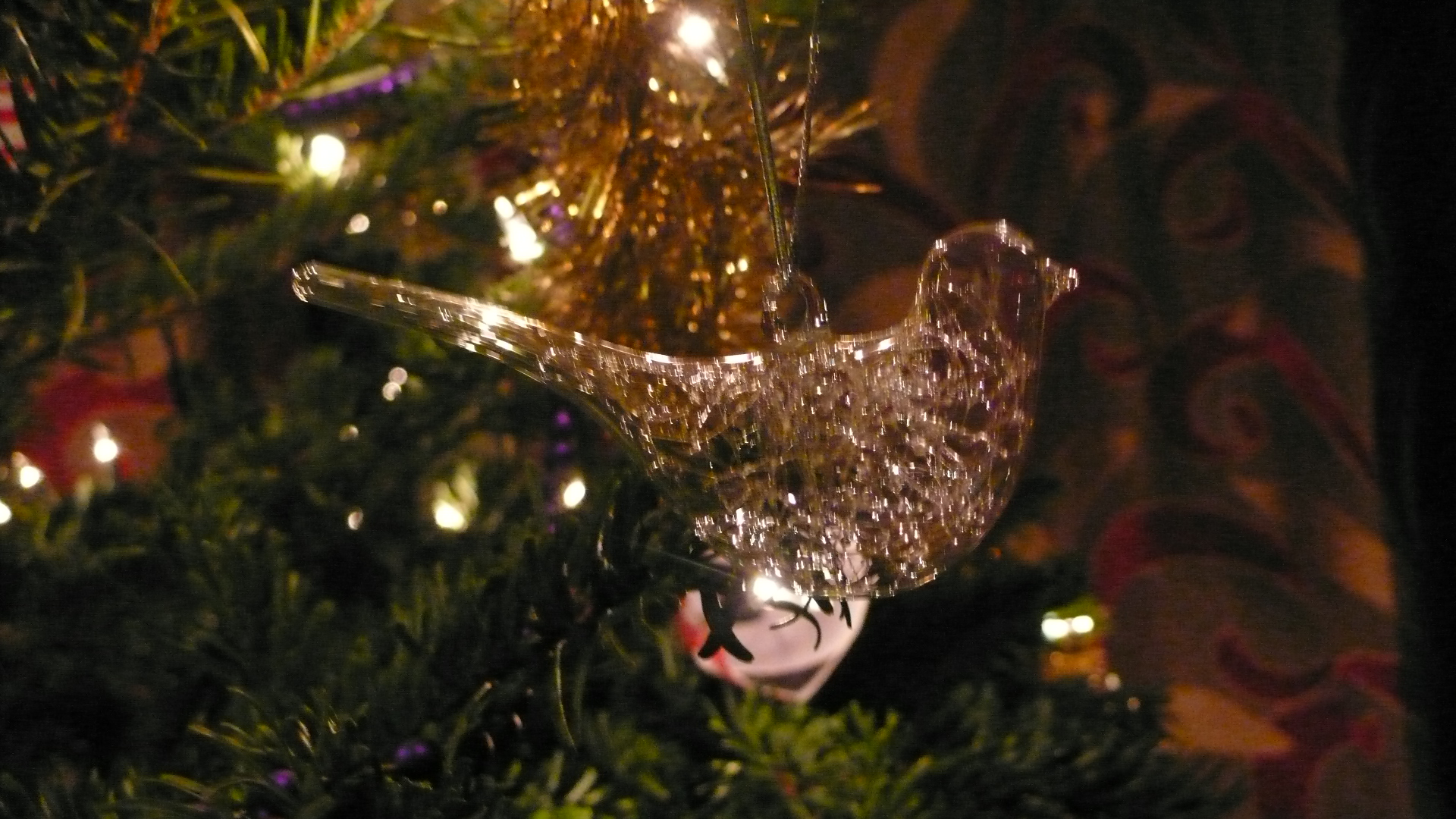
A Christmas vignette (re-post from 2013)

P1110602

First posted Christmas 2013, I thought it was worth re-posting as it’s as resonant this year as last.

—————————————————————————————————————————

This afternoon I booked half a day’s leave to go into Northampton town centre to pick up some final Christmas gifts.  A crowd of shoppers in Abington Street was eager to lay their hands on the freebies being distributed by that traditional Yuletide apparition, The Coca Cola holidaysarecomingholidaysarecoming Big American Truck.  As red and shiny as Rudolf’s nose, it was pedalling its cheap brand of Christmas sentimentality to a willing audience.  

Shopping completed and daylight fading fast, I headed back to the multi-storey car park, again passing the Coca Cola queues, skirting them, determined not to be sucked in.

The car park was cold and ugly, as they tend to be.  But on the second floor, level with the bare crown of a tree that emerges from an adjacent pub garden, a mother and her young son stood.  Hands full of shopping bags, they had paused to listen to a male blackbird singing as the dusk drew in.  As I passed I heard them chatting about its song: both agreed it was beautiful.

Driving out of the car park I wound down my window: the blackbird was still singing.

I could give a very academic spin to this tale and talk about the cultural and spiritual ecosystem services that are provided by such birds, which nourish us in ways that no amount of corporate marketing ever could.  But I shan’t: it was a perfect Christmas vignette and a perfect contrast to the earlier soulless commerciality.  And that’s sufficient.

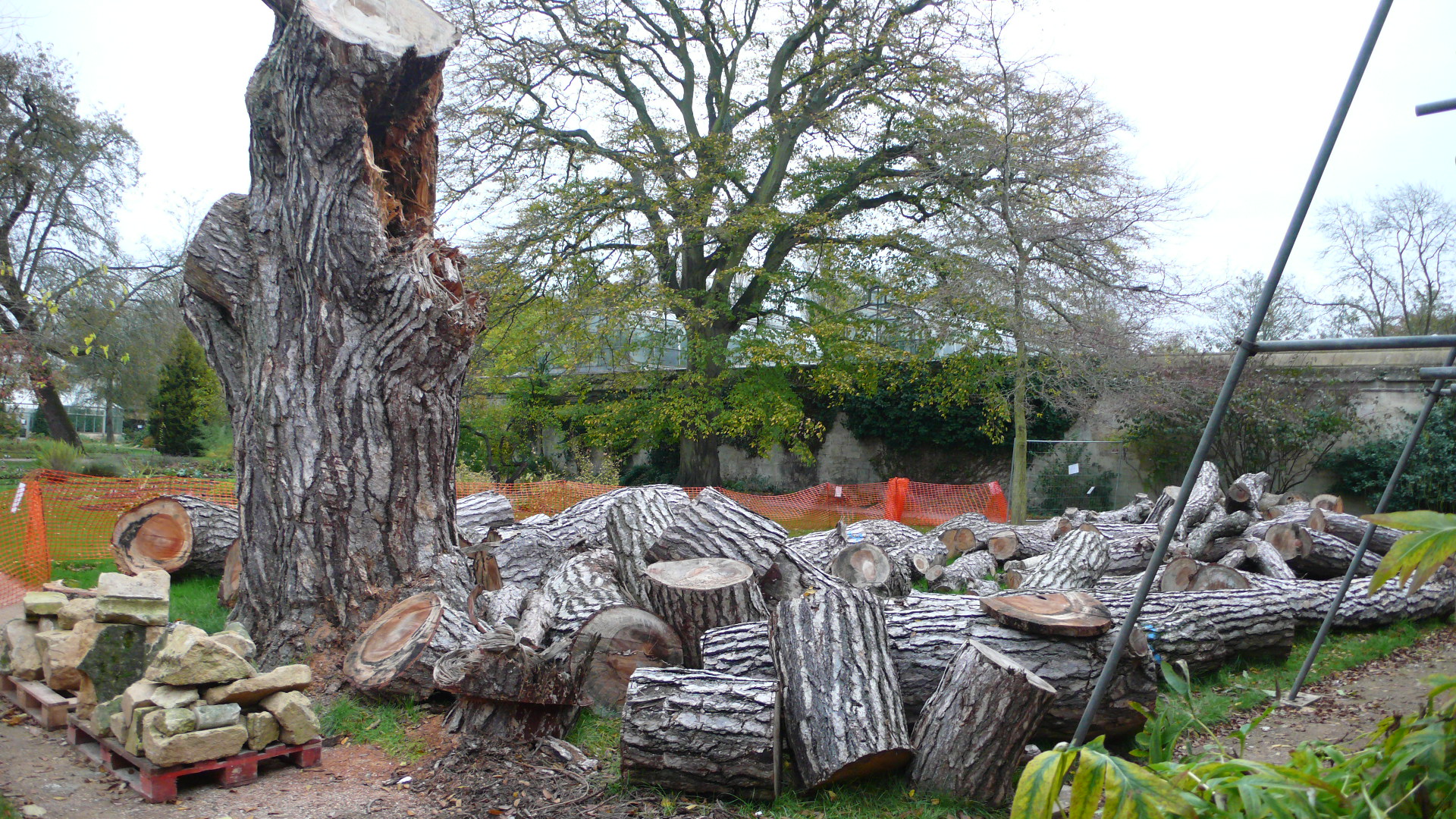
A giant falls: the Tolkien tree is no more


March 2009 - Oxford Botanic Garden 012

Perhaps more than any other aspect of biodiversity, big trees hold a special place in our emotions.  Sure, whales do too, but it’s hard to hug a whale.  Trees on the other hand can be approachable behemoths, instilling awe into the observer and grandeur into a locality.  So I was hugely saddened to discover today that the vast Black Pine (Pinus nigra) at Oxford Botanic Garden had been badly damaged a few months ago and has been felled.  I’ve known this tree since 1987, and have introduced generations of undergraduates to it during our annual trip to the Garden.  Each time I tell the story that it was one of J.R.R. Tolkien’s favourite trees and probably inspired his creation of the ents in Lord of the Rings.

The damage to the tree and its subsequent felling has been caught on camera, though I should warn you that for anyone who knew and loved the tree it’s an emotionally charged video.  The tree has been propagated and its offspring will live on, but it will be another 200 years before one of them becomes quite so majestic.

March 2009 - Oxford Botanic Garden 011

P1120016

Blackberry Week

2014-08-23 11.11.25

As a kid growing up in the north-east of England in the 1970s, the half-term school holiday that occurred early in October was always referred to as “Blackberry Week”.  A quick on-line search suggests that the phrase goes back to at least the 1930s (can anyone trace it earlier than this?) and it refers to the time when blackberries (Rubus fruticosus agg.) were ready for picking.  The local kids would spend hours at our favourite blackberry patches, picking bags full of dark, luscious berries to take home for our mothers to cook into pies and crumbles, or stewed to eat with cream. As much fruit was scoffed as was collected (“one for the bag, one for me, one for the bag, one for me…”) and over-ripe ones were pelted at one another until we looked like road casualties.

All of this has been brought to mind recently, since we began to pick blackberries in our garden – at the end of July.  That’s at least two months earlier than I recall doing as a youngster.  Part of this difference can be attributed to latitude; I now live more than 200 miles further south than I did, with a concomitant advance in relative dates of flowering and fruiting, amongst other phenological indicators.  But that can’t be the only answer, the difference is too extreme, though I have not (and I doubt if anyone has) assessed it systematically.

The main reason for the difference, it seems to me, is that our seasons are shifting. We know that spring is generally earlier now in the UK than it was 20 years ago, and with that shift, autumn has likewise been brought forward and is lasting longer, as shown by changes in fungi fruiting patterns.  There’s a lot of research interest in these changes, for example the Centre for Ecology and Hydrology’s collaborative project.  Whilst phenology scientists usually express these changes quantitatively, as number of days difference between events, such as bird migration dates or plant flower times, across a period of years, any person with an interest in the natural world can see these changes for themselves, even in gardens.

Without realising it, as kids we were also making decisions about where to pick blackberries that go directly to the heart of biodiversity, which is essentially about variation and difference in the natural world.  As part of our own knowledge of the local (and very personal) biodiversity of the area in which we played and explored, we would know the best bushes from which to pick fruit, and the ones to avoid because the plants produced berries that were small, or had a poor flavour. Blackberries are hugely variable in all manner of ways, including leaf shape, number and size of prickles, flower size and colour and, most importantly for us, characteristics of fruit quality.

Much of this variation is genetic rather than environmental and reflects the complex biology of the species, or should I say group of species. Let’s go back to the scientific name of blackberries: Rubus fruticosus agg.  I’ve posted in the past about the formalities of writing scientific names of species, and the “agg.” element is an unusual addition not often seen.  It’s an abbreviation of “aggregate”, which in its taxonomic sense means a collection of species that are very similar to, and may even be synonymous with, that species.  The plant that we know and love as the blackberry is actually an aggregate of many hundreds of “microspecies”, at least according to some plant taxonomists.  This is because of the variable sexual behaviour of blackberries and their tendency to hybridise.

Blackberries are often taken for granted and dismissed as invasive woodland dominators that need to be kept in check.  But they are important for their cultural significance, have a fascinating biology, attract a wide range of insects to their flowers, and provide both fruit and habitat for birds and mammals.  Blackberries are worth making space for if your garden is large enough.

How do YOU value the Nene Valley?

Plane in river at Irthlingborough

Following on from my recent post about how contrasting ways in which to value nature, today sees the launch of a new interactive web site that is asking people which areas of the Nene Valley they value, and why.  There is also a photography competition with a chance to win pairs of binoculars.  The website link is:

www.nenevalleynia.org


Here’s the text from today’s joint University of Northampton/Wildlife Trust press release:

The Nene Valley Nature Improvement Area (NIA) project has today launched a new interactive website, which aims to encourage people to share their views on the local natural environment.

Covering over 41,000 hectares across Northamptonshire, Huntingdon and Peterborough­, the Nene Valley Nature Improvement Area features a variety of natural habitats, including wildflower meadows, wetlands, marshes, woodlands and wet grasslands. With fishing lakes, bird watching opportunities and children’s adventure playgrounds, the NIA is an attractive area for animals – such as otters, kingfishers and grass snakes – to call home.

Researchers from the University of Northampton have joined forces with conservation organisations and the national Sciencewise initiative to launch the new NIA website, which features a wealth of information, a virtual tour and a discussion forum.

The website provides an opportunity for local people to share their thoughts on the Nene Valley, and an online mapping survey has been developed to identify areas of the valley that are particularly valued and why these areas are important to visitors.  This will provide University researchers with valuable data that can be used to inform future plans for the valley.

A photo competition has also been launched to find some of the best images of the Nene Valley and to encourage people to explore the area over the summer.  Judges are looking for images of wildlife, landscapes, people, heritage, water, and the built environment taken in the Nene Valley.  There are separate categories for children so everyone can enter. Images should be submitted through the NIA website, and the winners will be selected through an online vote. The most popular photos will be displayed in the Autumn as part of the Nene Valley Festival, and the photographers of the top two images will each win a pair of Opticron binoculars. The competition closes for entries and voting at 5pm on 30 September.

Project co-ordinator Heather Ball from the Northamptonshire Wildlife Trust commented: “The new website is a great way to have your say about what goes on in the Nene Valley and share some fabulous images.”

University of Northampton researcher Dr Jim Rouquette added: “We need to gather information on the local places that people particularly value and the benefits that people gain from visiting.  By better understanding what is important to different people, we can start to target conservation efforts and ensure that local knowledge and values are incorporated into decision-making.”

​If you would like to contribute to this important project or take part in the photo competition please go to: www.nenevalleynia.org

Budget cuts to Kew are cultural vandalism

P1110628


The Royal Botanic Gardens, Kew, is a beautiful place to visit, a tourist destination for visitors to London, and a green island in an urban ocean.  That’s the public face of the Gardens.  What is less well appreciated to most of the casual strollers around the flower beds and glasshouses, is that Kew is arguably the most important centre for botanical research anywhere in the world.  During its long history it has produced, and continues to deliver, top rate science that informs international conservation strategies, agriculture and horticulture, as well as basic plant science in ecology and evolutionary biology.

It’s also a welcoming, inclusive place that embraces scientific visitors from all over the world, as I know from personal experience.  Although I’ve never had a formal relationship with staff at Kew, I’ve benefitted enormously from informal links, which have facilitated research and teaching, including annual trips to the Kew Herbarium for my final year undergraduate students.

I first visited Kew as a naive 20 year old to look at their living plant collection during research for what became my first ever publication: “Adaptations to arid environments in the Asclepiadaceae” (British Cactus and Succulent Journal 1986).  So started a long appreciation of Kew and what it freely offers teachers and researchers, which has included access to specimens prior to overseas research trips, to assess distribution and flowering times; identification of specimens we’ve collected on those trips; and primary data for our study of fly pollination in the genus Ceropegia.  I’ve also used their archives for my work on John Tweedie.  Kew is an incredible resource that, in any civilised and culturally aware country, would be cherished and supported. Unfortunately it appears that I do not live in such a country.

Rumours have been circulating for a while about an impending, massive budget cut at Kew, on top of financial savings that have already been made.  Now it appears that those proposed cuts are  much bigger than anyone had thought and 120 posts, mainly in science, are threatened.  I won’t repeat the depressing statistics underlying all of this – I’ll just urge you to visit the online campaign against these cuts, read the details, watch the David Attenborough video, sign the petition, and share it with friends and colleagues.

Please don’t let Kew wither away; it’s too important to UK science, conservation and education to allow it to be gutted without a fight.


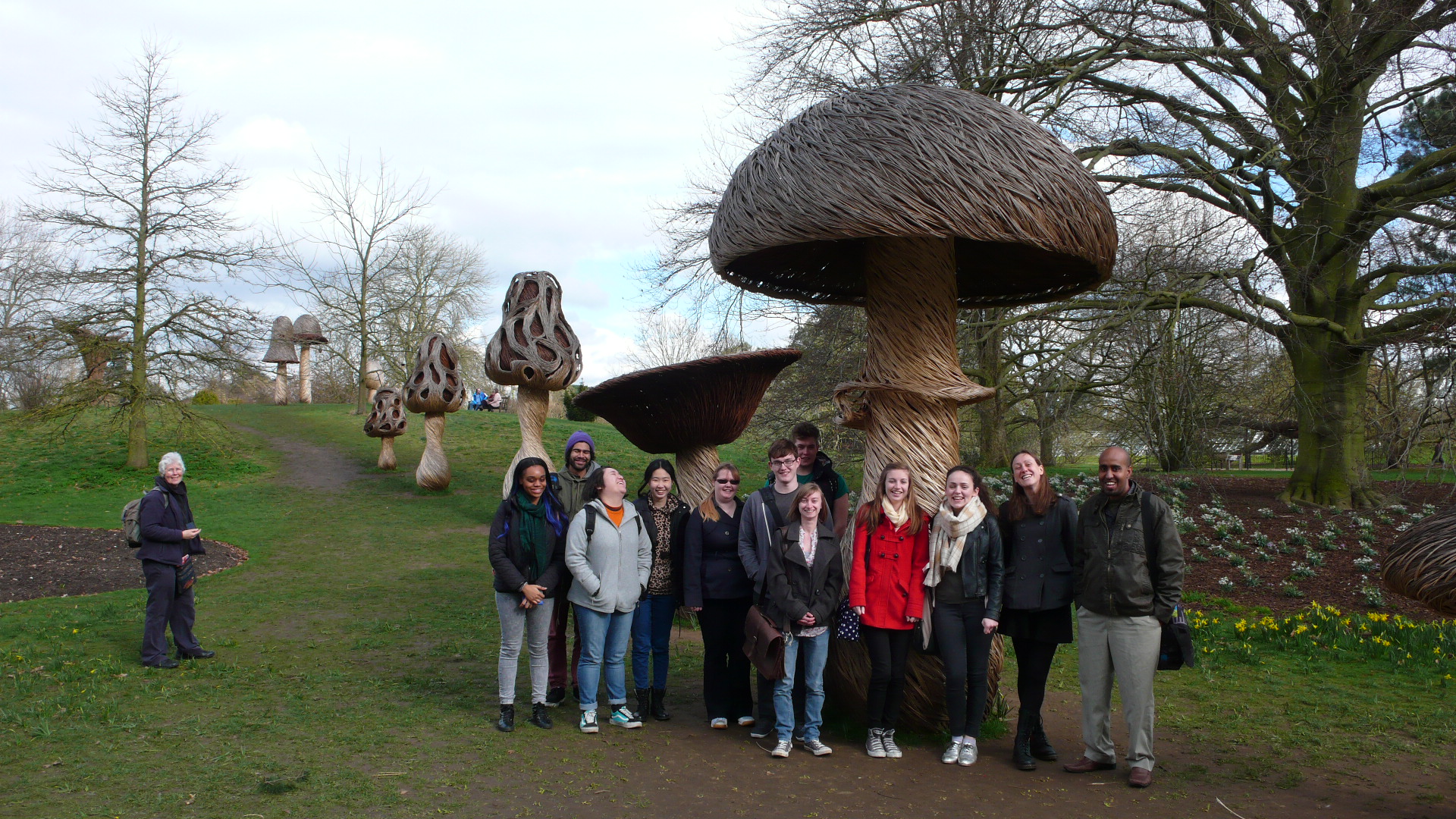
Two turtle doves……?

Mainz 2009 007

On the Second Day of Christmas my true love sent to me
Two Turtle Doves
and a Partridge in a Pear Tree.

So goes part of The Twelve Days of Christmas, a song that can be dated back to the late 18th century, and which celebrates the period between Christmas Day and the 5th January.  The chances are that few people under the age of 50 will have seen the culturally iconic turtle dove in the wild in Britain as it’s a species which has reduced in numbers by a spectacular 93% across Britain since the 1970s, as this graph shows.  Not only that, but the British Trust for Ornithology suggests that the turtle dove is “one of the most strongly declining bird species across Europe since 1980”.  Clearly this is an issue not just for the U.K. and organisations such as the RSPB have responded with schemes focused on turtle dove conservation.

If you’ve been following the various news items about nature and conservation over the festive period you’d be forgiven for being a little confused by the mixed messages.  On the one hand the turtle dove and other farmland species, as well as wetland birds, were shown to be suffering long term declines in the State of the U.K.’s Birds report for 2013.  But then we have the National Trust telling us that 2013 was the best year for wildlife for a long while, with nature thriving in the long, hot summer.  Which of these is true?  Both of them are, of course, it’s just that the scales at which they are assessing their results are very different.  Whilst analyses of single years are important and can provide some grounds for conservation optimism, it’s the long term trends that really matter.  And for many species these trends are not looking good.

With this in mind it was hoped that the budget announcement by the Department for Environment, Food and Rural Affairs (Defra) might contain some good news for Christmas, but it was not to be: overall, there will be less money available for agri-environmental schemes on UK farms in the foreseeable future, a situation that the RSPB states “falls short of what nature needs for recovery” and the Wildlife Trusts describes as “a missed opportunity to boost investment in wildlife-friendly and progressive farming“.  As always, Mark Avery’s blog had some forceful opinions on the subject and is a recommended read on this topic.

On the Twelfth Day of Christmas my true love sent to me
Twelve drummers drumming…..

…hopefully drumming up government support for some real action in 2014, rather than fine words and greenwash, to begin to reverse the loss of our native biodiversity.  Happy New Year everyone.

Thank the insects for Christmas (REBLOG)

P1110606

It’s become a tradition (ok, only for the past two years, but a tradition has to start somewhere!) for me to post a version of this festive blog entry.  I’ve updated the stats for 2013.  Hope you enjoy it.

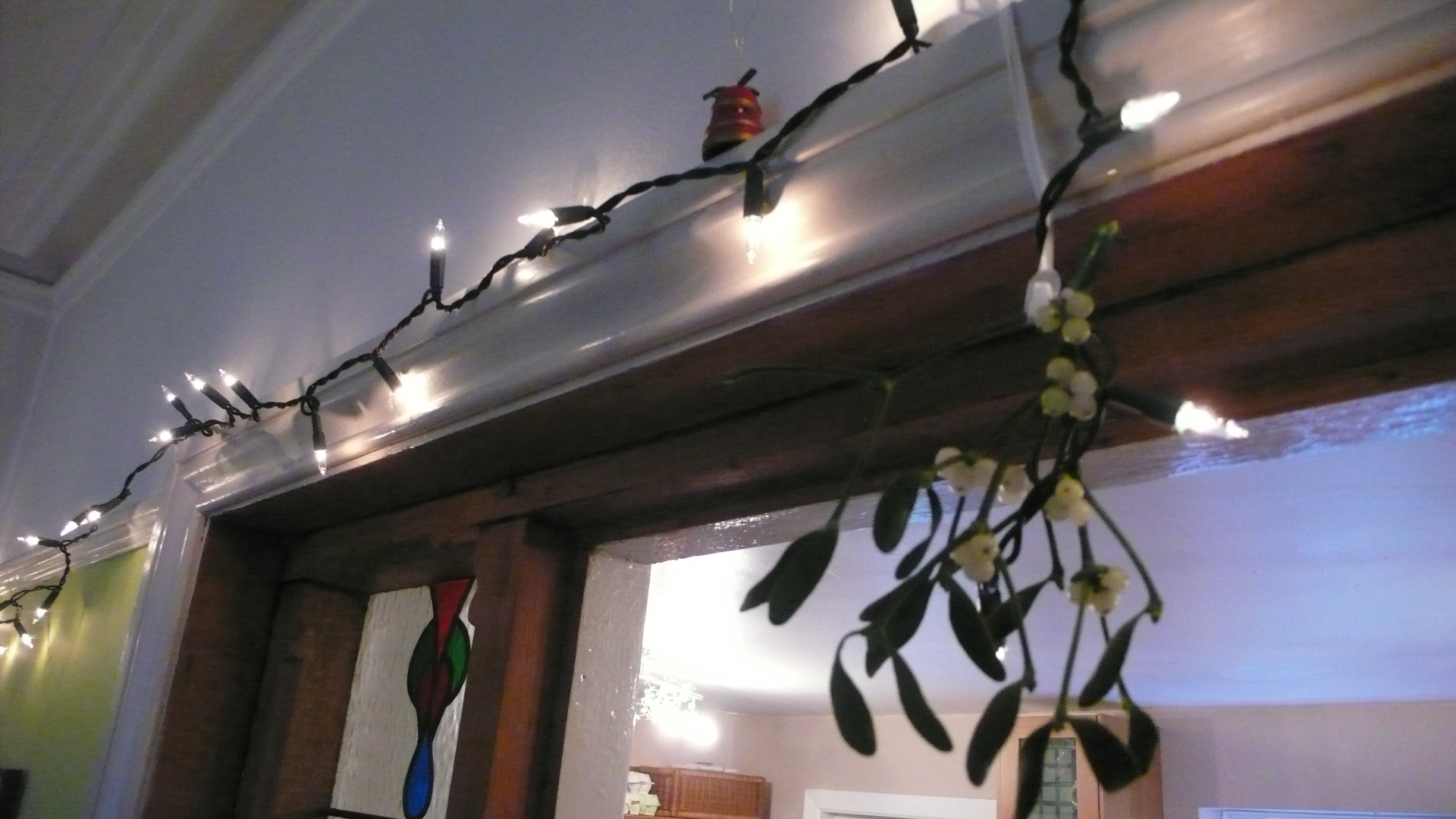
Christmas!  A time to relax and enjoy ourselves, to share time with family and friends, and to unwind during the cold and gloom of winter.  Whatever your faith, or lack of it, Christmas should be about taking a break and reflecting on the year that has passed.  We’re helped in that respect by the ceremonial seasonal trimmings: the Christmas tree, strings of flashing lights, baubles and tinsel.  So while you’re kissing a loved one under the mistletoe, admiring that glossy holly wreath, or tucking into your Christmas dinner, spare a thought for the insects.

What in Saint Nicholas’s name”  you are asking ”have insects got to do with Christmas?!”  Well, like the turkey, we’d be stuffed without them:  they play an essential part in providing us with the things we associate with Christmas.  If we had no flies, wasps, bees and other bugs acting as pollinators there’d be no berries on your mistletoe or your holly.  Kissing and admiring would be a less festive affair and that’s just for starters.  These insects also pollinate many of the vegetables, herbs and spices on your plate, as well as some of the forage that went to fatten your roast bird or tender joint of meat.   Not to forget much of what went into the nut roast that’s feeding the vegetarian relatives.

The economic value of insect pollination in the UK was estimated by the recent National Ecosystem Assessment to be about £430 million per year.  In fact this is a huge under valuation because the labour costs alone of paying people to hand pollinate those crops would run into billions of pounds.  This sounds far fetched but it’s already happening to fruit crops in parts of China.  The answer is to encourage wild insects, not artificially  managed honey bees, because collectively the former are far more abundant, and often more effective, as pollinators.  Their diversity is an insurance against losing any one species in the future. The NEA’s valuation is also too low because it only deals with commercial edible crops, and does not include those we grow in our gardens and allotments.  It also does not take account of ornamental crops such as mistletoe and holly, both of which are dioecious species, which is to say that individuals are either male or female, rather than hermaphrodite as are most plants.  This means that the plants cannot self pollinate and insects are absolutely vital to their reproduction and to the production of the decorative berries we so value (a holly wreath without berries is just a big spiky doughnut, in my opinion).

Whilst researching the economic value of the annual mistletoe and holly crops for this blog posting last year I had a conversation with Jonathan Briggs over at Mistletoe Matters and he told me that “the mistletoe trade in Britain is entirely unregulated and not documented in any tangible way”, and the same is true of holly.  We therefore have no idea what the economic value of these non-food crops actually is.  But some back-of-the-red-and-gold-Christmas-lunch-napkin calculations can at least give us an insight.  Auction reports for 2013  show that on average the best quality berried holly was selling for £2.50 per kg whilst equivalent quality holly without berries sold for only 80p per kg.  In other words, pollination by insects increases the value of that crop by more than 300%!   Similarly the high quality mistletoe averaged £1.20 per kg, whilst the second grade stuff was only 40p per kg.  And the best holly wreaths (presumably with berries!) were averaging £7.00 each.

These are wholesale prices, of course; retail cost to the customer is much greater.  A decent holly wreath will set you back between £15 and £30 whilst online shopping for mistletoe is in the £5 to £20 range, depending on how much you want.  The national census of 2011 shows us that there are 23.4 million households in England and Wales, plus there are 2.36 million in Scotland and 0.70 million in Northern Ireland.  Let’s round it down and say there’s 26 million households in the whole of the UK.  Let’s also be very conservative and estimate that only 5% of those households bought one holly wreath and some mistletoe at a total cost of £20.  Multiply that by the small proportion of households buying these festive crops and you arrive at a figure of about £26.5 million!  And that doesn’t include non-household use in shops, offices and businesses.  So there you have it: an industry worth a few tens of millions (at least) all being ultimately supported by insects.

With pollination, timing is everything, and Jonathan also made the point that spring flowering mistletoe and holly can be important early nectar sources for insects.  Therefore despite the poor  summer weather in 2012, that year was a good one for mistletoe berries because the pollination happened before the heavy rains began.  Despite being quite common plants, rather little research has been done on either holly or mistletoe pollination in the UK and it would make for an interesting student project.  The Landscape and Biodiversity Research Group here at the University has for many years been working to understand the ecology of plants and pollinators, and how to best conserve them.  In this blog I’ve referred a few times to some ongoing projects researching how the wider landscape is supporting pollinators in habitats such as country house gardens  (Hilary Erenler’s PhD work which she completed this year) and urban centres (ongoing PhD work by Muzafar Hussain).  There’s also the work completed a few years ago by Sam Tarrant and Lutfor Rahman on pollinator (and other) biodiversity on restored landfill sites.   Plus research that’s recently started by Kat Harrold on how whole landscapes support pollinators in the Nene Valley Nature Improvement Area. This is all part of a broader programme of research into the conservation of biodiversity in our region and beyond, including our Biodiversity Index, a contribution to the Shared Enterprise Empowering Delivery (SEED) sustainability project.

Biodiversity matters and its importance to our society is being increasingly recognised by government, business and the public. So if you make one New Year’s resolution on the 31st December, let it be that you will put away your garden bug sprays for 2014 and learn to love the insects (even wasps!) who give us so much and help to support our economy in a very real way.  It costs us nothing; all we need to give them is well managed, diverse, unpolluted habitats in which to live. Have a great Christmas everyone!

Biodiversity and urban cultural fabric

093

It’s easy to take for granted the biodiversity of our towns and cities, though “urban ecology” has become a buzz phrase within the subject and there’s lots of research groups working on this topic, as I’ve mentioned previously in relation to Muzafar Hussain‘s work on solitary bee diversity within Northampton.  Muzafar is currently analysing his data and writing up the results, and I hope to share some of his exciting findings with you at some point in the future.

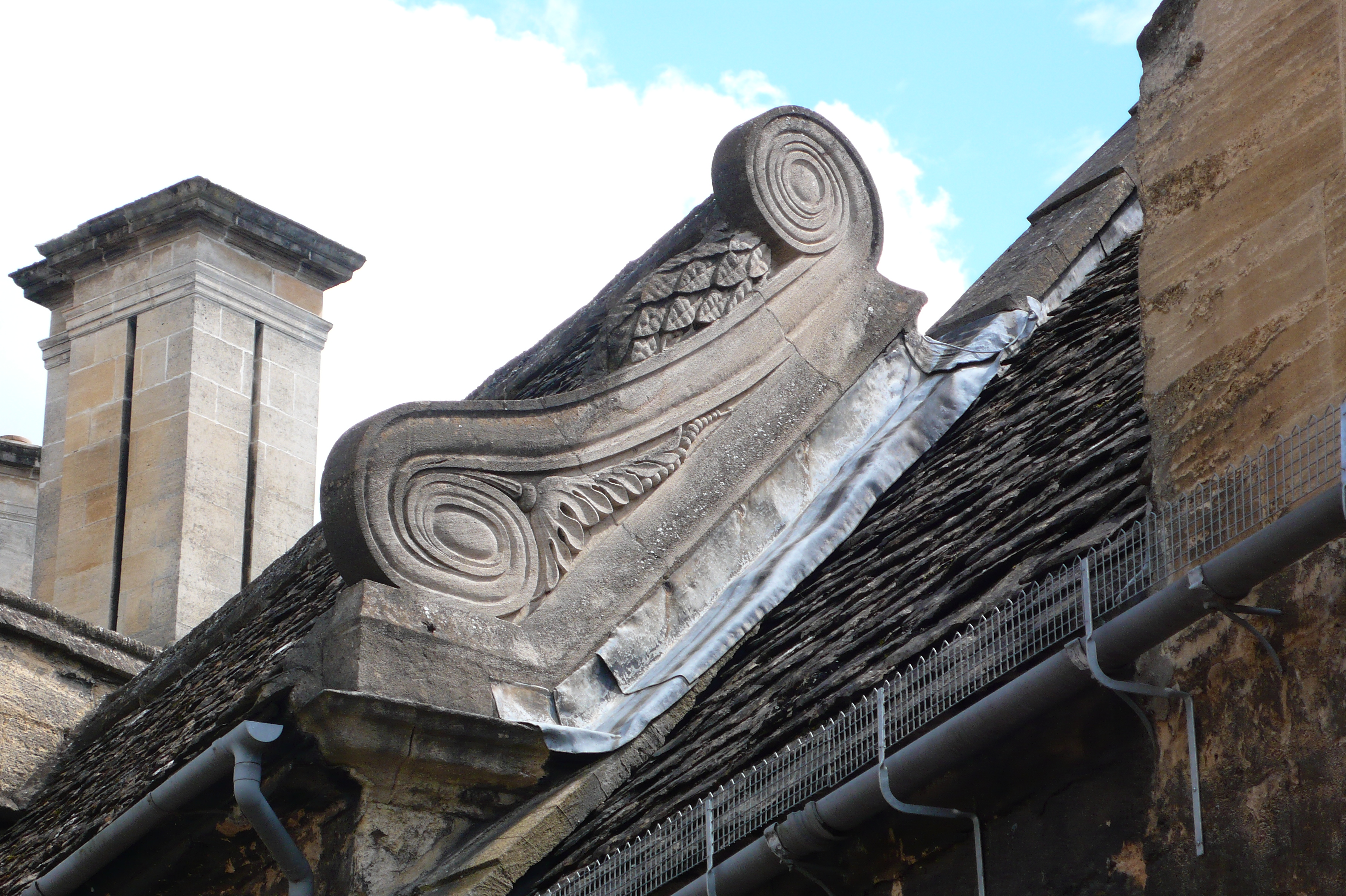
However another aspect of urban “biodiversity” has hardly been researched at all, as far as I’m aware:  the way in which elements of the natural world have been incorporated into the physical fabric of urban landscapes. The use of flower and animal figures around doorways and windows, and in the metalwork, of Victorian town houses in Northampton, for example.  Some of the most impressive are to be found on a couple of houses in the Barrack Road Conservation Area, where the iron railings around street-side balconies have been cast to resemble botanically accurate Epihyllum cacti in full flower.  There are many others, including birds incorporated into boot scrapers, and flowers and trees used for house names  (“Holly Cottage”, “Lonicera House”, “The Lindens”).  Much of the housing and commercial architecture in Northampton dates to the back end of the 19th century and the use of such motifs possibly reflects the influence of the iconic Natural History Museum in London, Alfred Waterhouse’s cathedral of biodiversity a century before the term was coined.

The names of pubs and inns may sometimes reflect our fascination with the natural world (“The White Elephant”) or with agricultural biodiversity (“The Cock Hotel”), a topic that I’ve written about in the past.  I was therefore unhappy to read that a pub in Northampton town centre is to be renamed, despite the fact that its old name of The Fish Inn reflects a history of that part of town which goes back to at least the 16th century and was included in a town heritage trail.  Why do councils allow this to happen?  It devalues the cultural fabric of the town ever further.  

Oxford, I’d like to think, might treat its local history a little better, regardless of whether one can spin a loose link to biodiversity.  It’s always a pleasure to return to the city which turned me into a professional scientist so I was happy to make the almost two hour early morning car and bus trip to attend the first day of the Biodiversity Resilience symposium.  I was teaching on the second day so had to miss it, but the first half of the symposium was interesting and thought provoking.  Highlights for me included:

  • Sam Turvey‘s analysis of whether or not human range expansion over the past several thousand years has driven the extinction of large mammals.   In some cases the evidence is clear cut, in others it’s not.
  • Lydia Cole on using the fossil pollen record of tropical forests to estimate recovery times of forest vegetation following disturbance; it appears that whilst all forests can recover, not all regions do so equally quickly, with time scales varying from around 150 to 350 years.
  • Graham Stone describing his group’s work on  how the history of interactions between oak gall wasps and their parasitoids in Europe can be reconstructed using molecular genetic data.
  • Guy Woodward on the effects of stressors such as pollution and drought on freshwater food webs.
  • John Dearing linking social science with natural science in an analysis of how population growth and exploitation of natural resources might lead to environmental problems in some parts of China in the near future.

These should give you a sense of the diversity of topics covered and that was the overwhelming impression that I came away with at the end of a long day: the study of biodiversity is as broad as one can imagine, from genes to ecosystems, interactions to extinctions.  Notions of what is meant by “resilience” were equally wide, with each presenter having a subtly different take on a slippery concept.  This illustrates the value of conferences such as this: it brings together a community of individuals who might work in complete ignorance of one another’s work, even though it could inform and challenge their own studies.  If day two was as stimulating as day one, then the organisers can count it a success.