The blog has been quiet over August because Karin and I have been in Kenya for most of the month at the Mpala Research Centre. I’m here teaching on a Tropical Biology Association (TBA) field course, as well as doing some writing. In addition to sharing the adventure, Karin is also writing and acting as unofficial field course therapist!
This is the second TBA field course on which I have taught, the other being in Tanzania back in 2011, and it’s a pleasure to give some time to this remarkable organisation. The model is a very simple one: take 24 students, half from Africa and half from Europe, and embed them in a field work environment for a month, where they learn from one another and from their tutors about ecology and conservation. It’s been hugely successful and TBA alumni now hold senior positions in national conservation departments and NGOs, and universities, across Africa and Europe. Some of the African alumni are also returning to help teach on the field course.
We’re back in Denmark around the 9th September but in the meantime here’s a selection of photographs showing where we are staying and the work that we are doing.
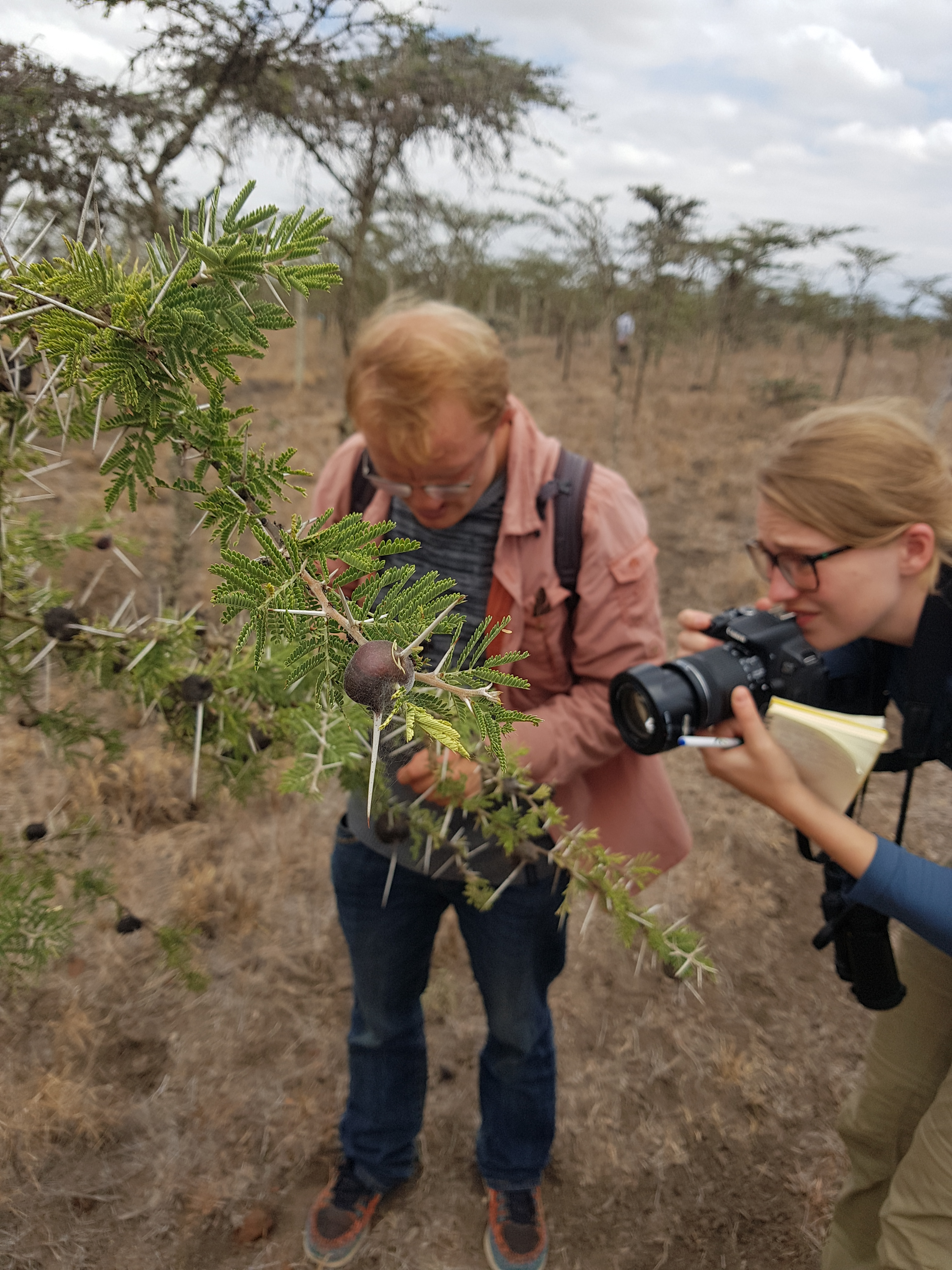
Getting up close with an Acacia species that defends itself by housing colonies of ants in its inflated thorns.
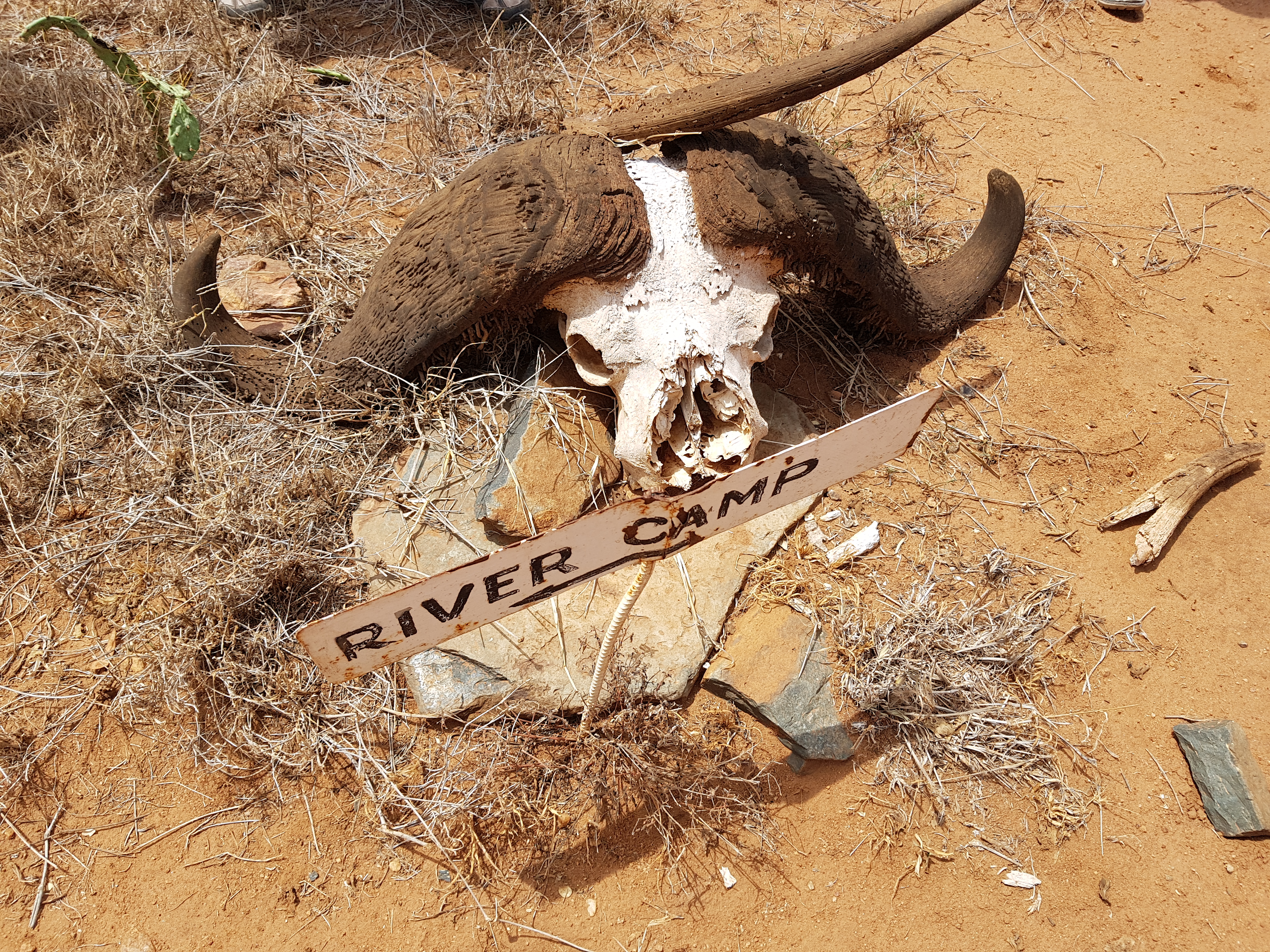
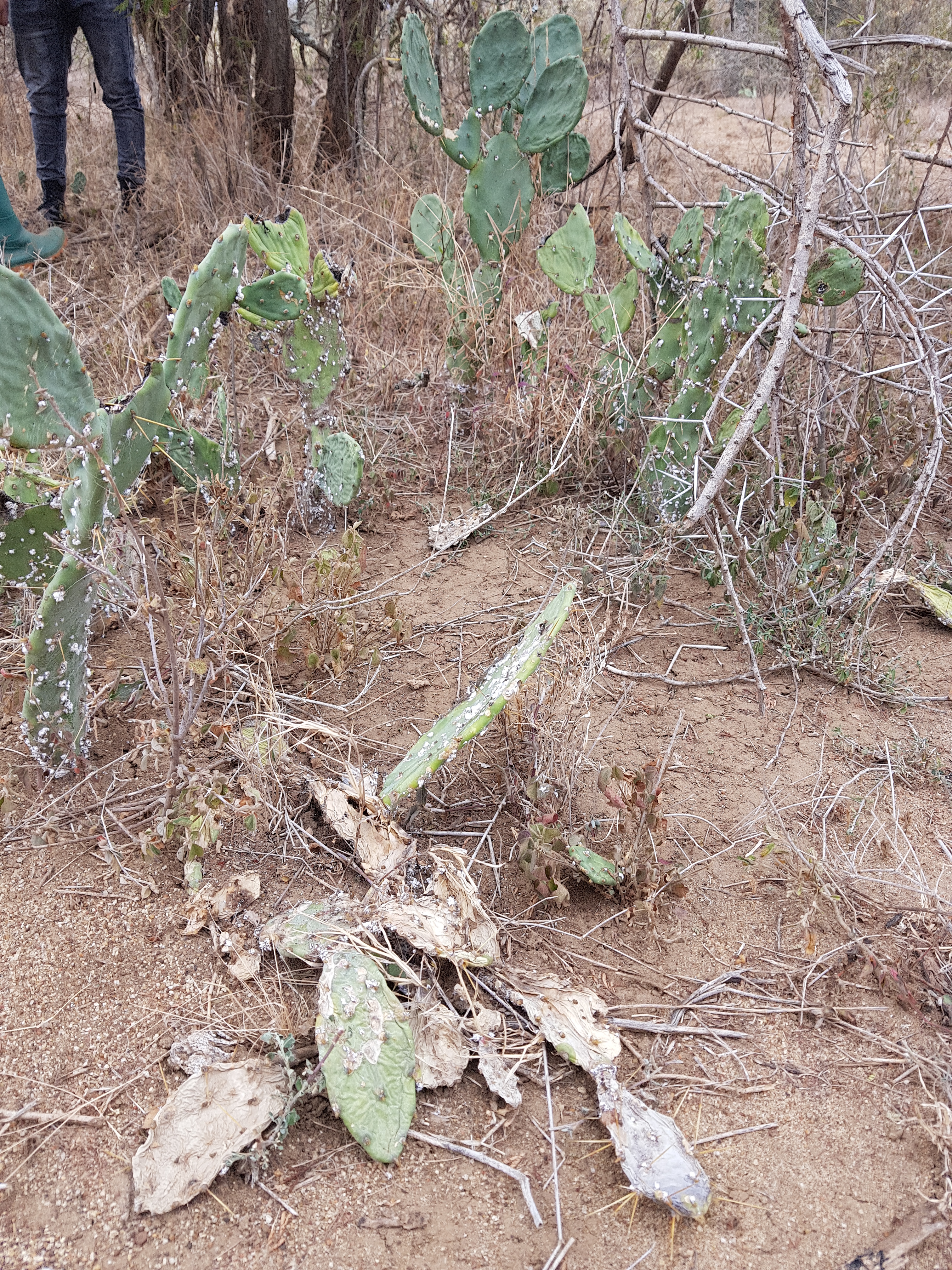
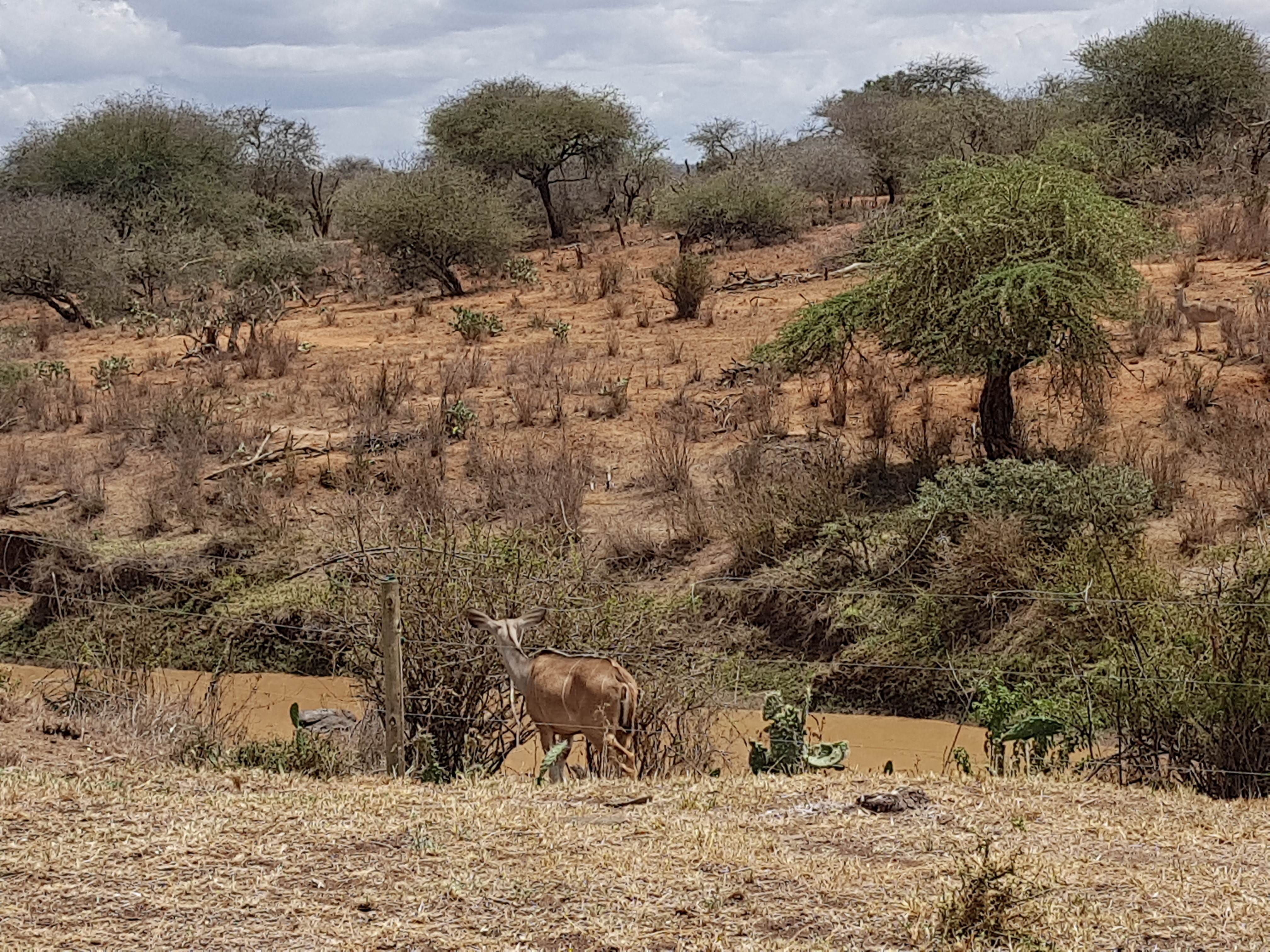
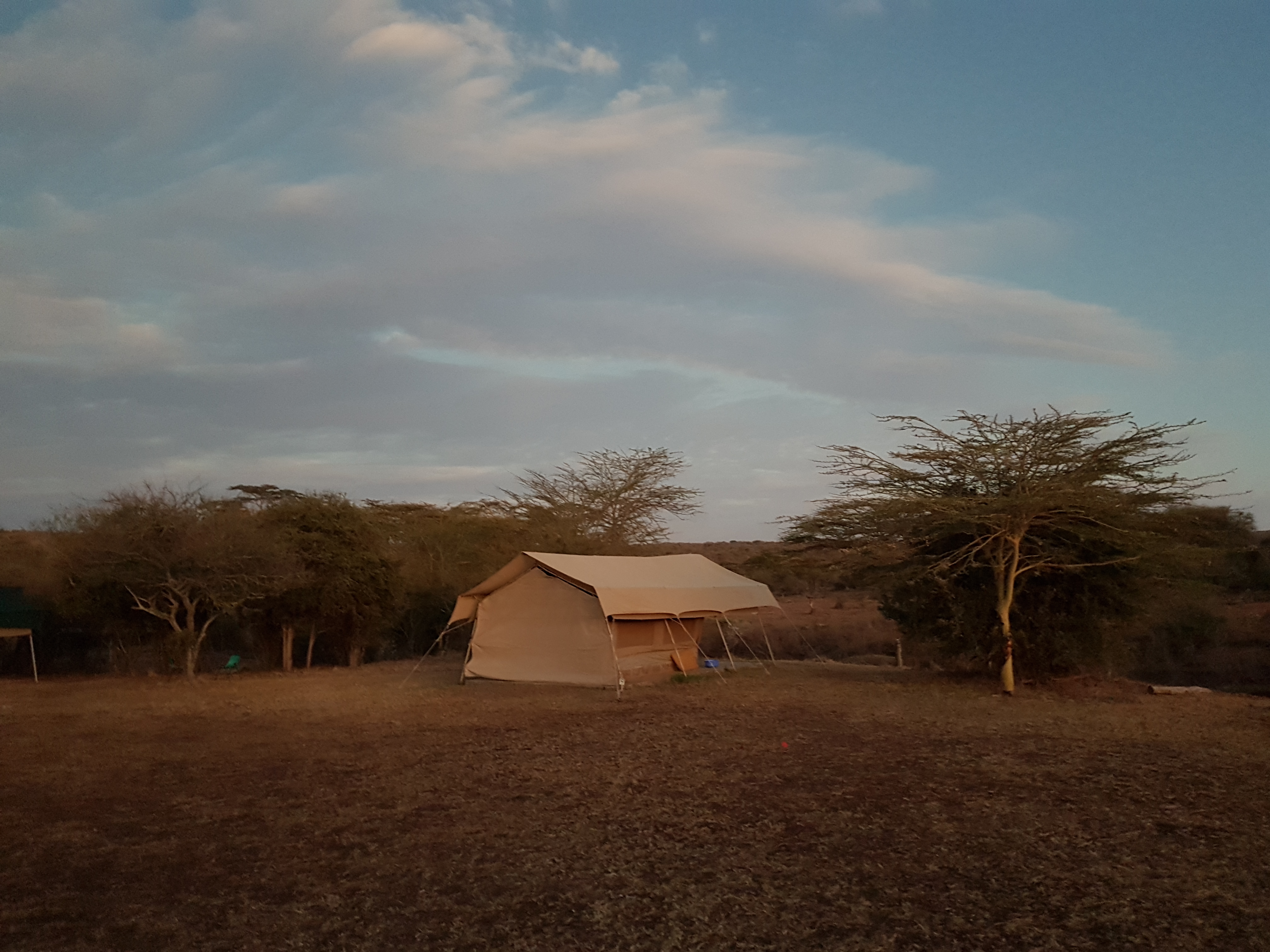
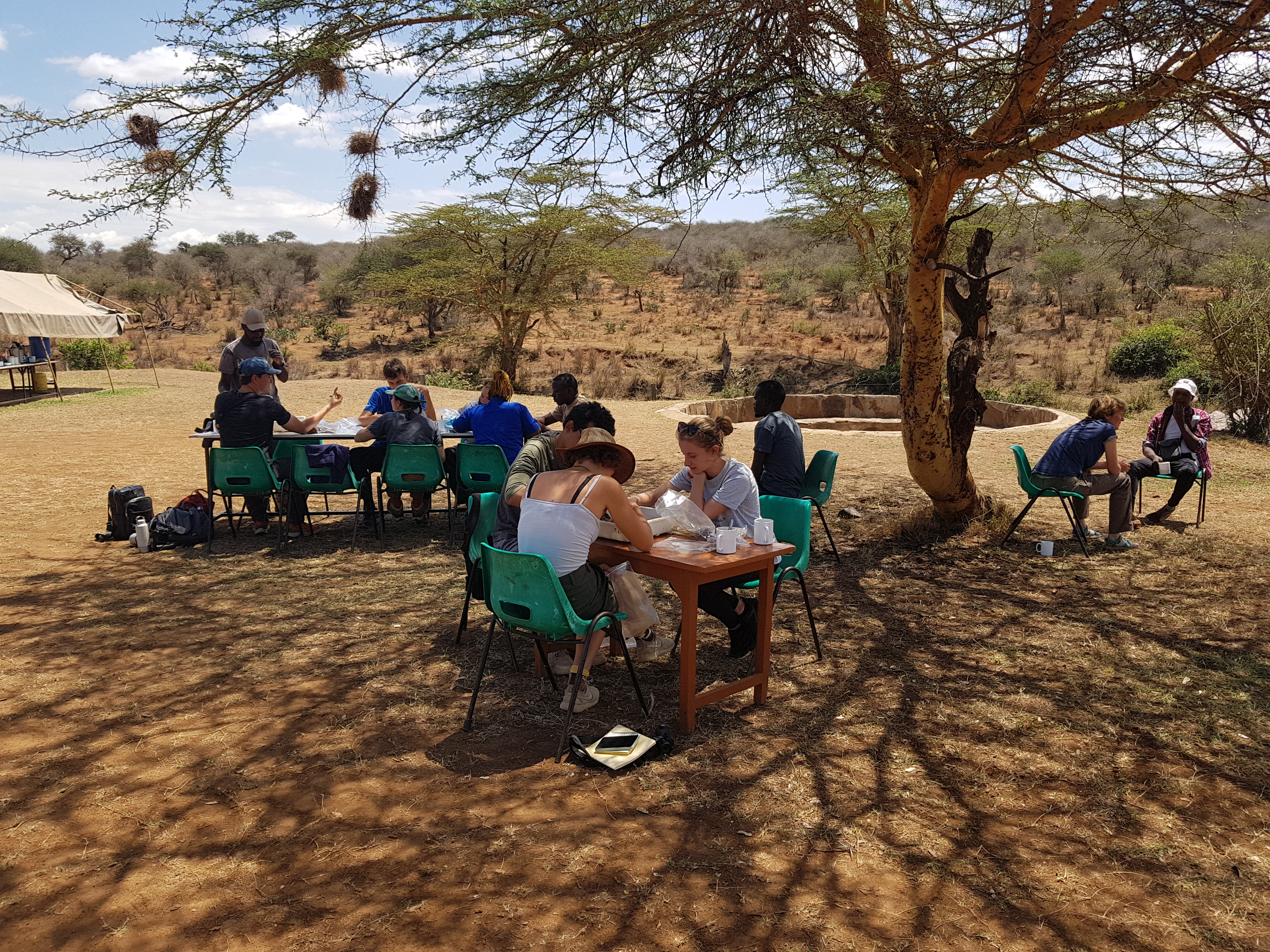
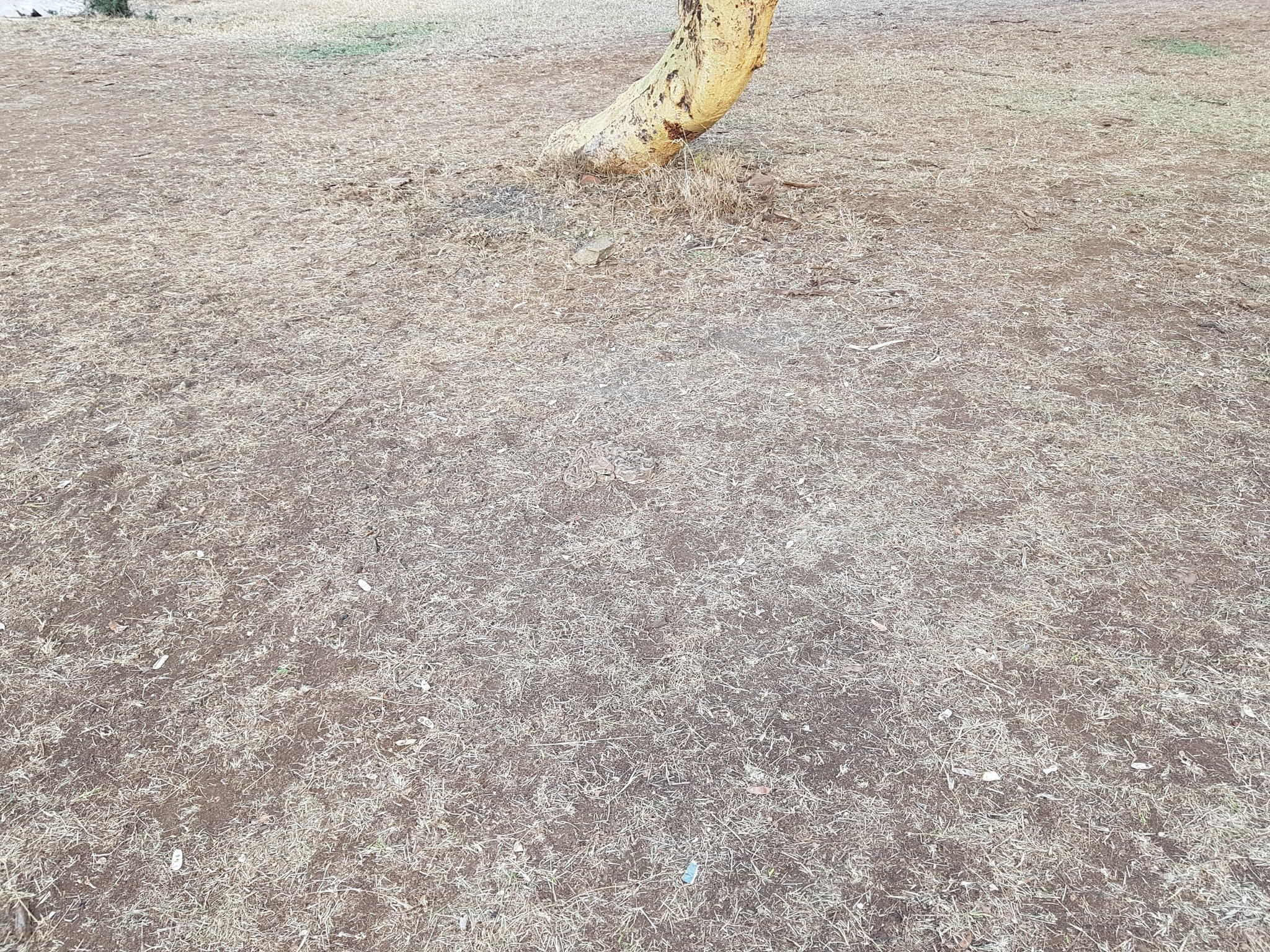
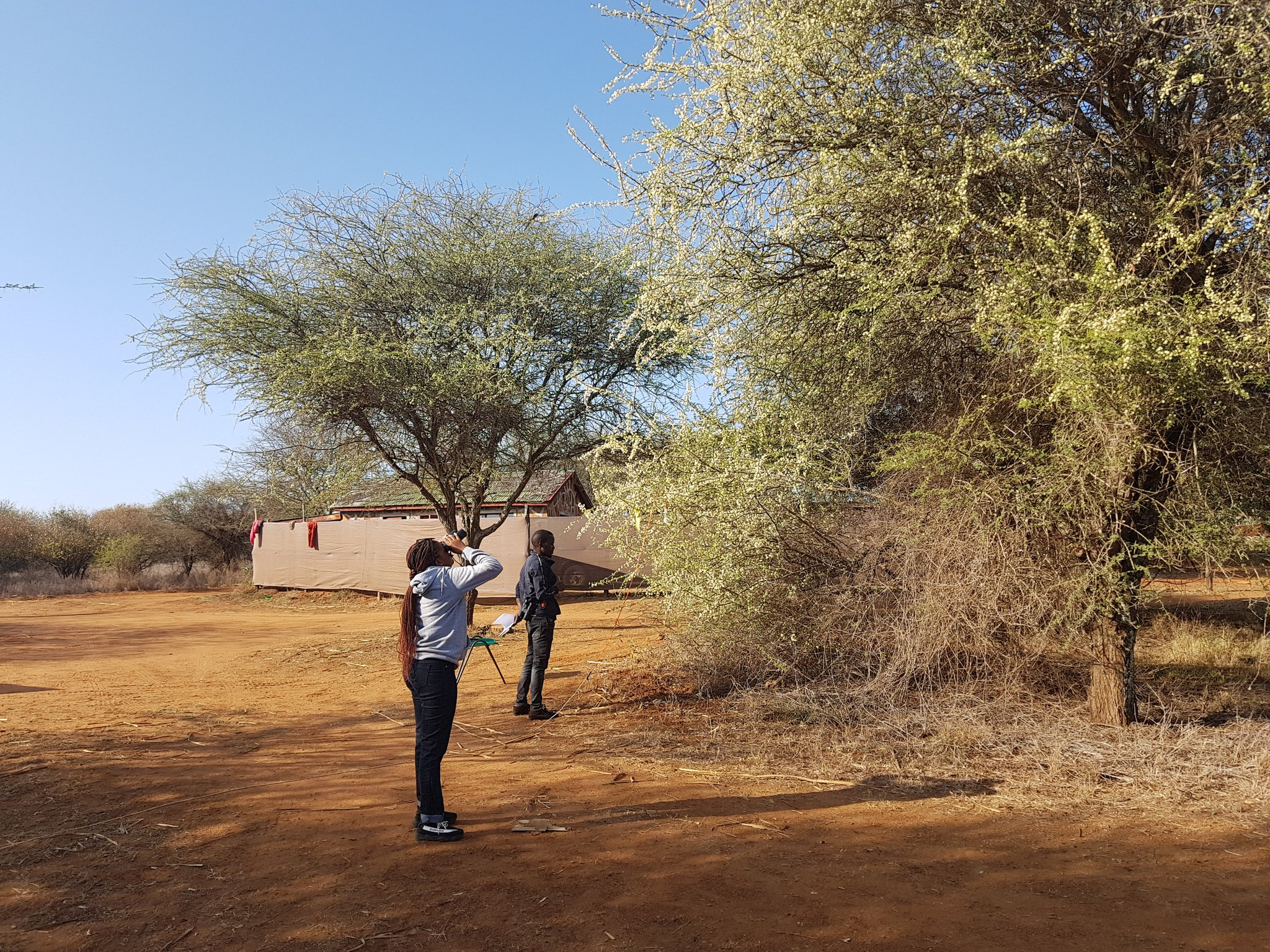
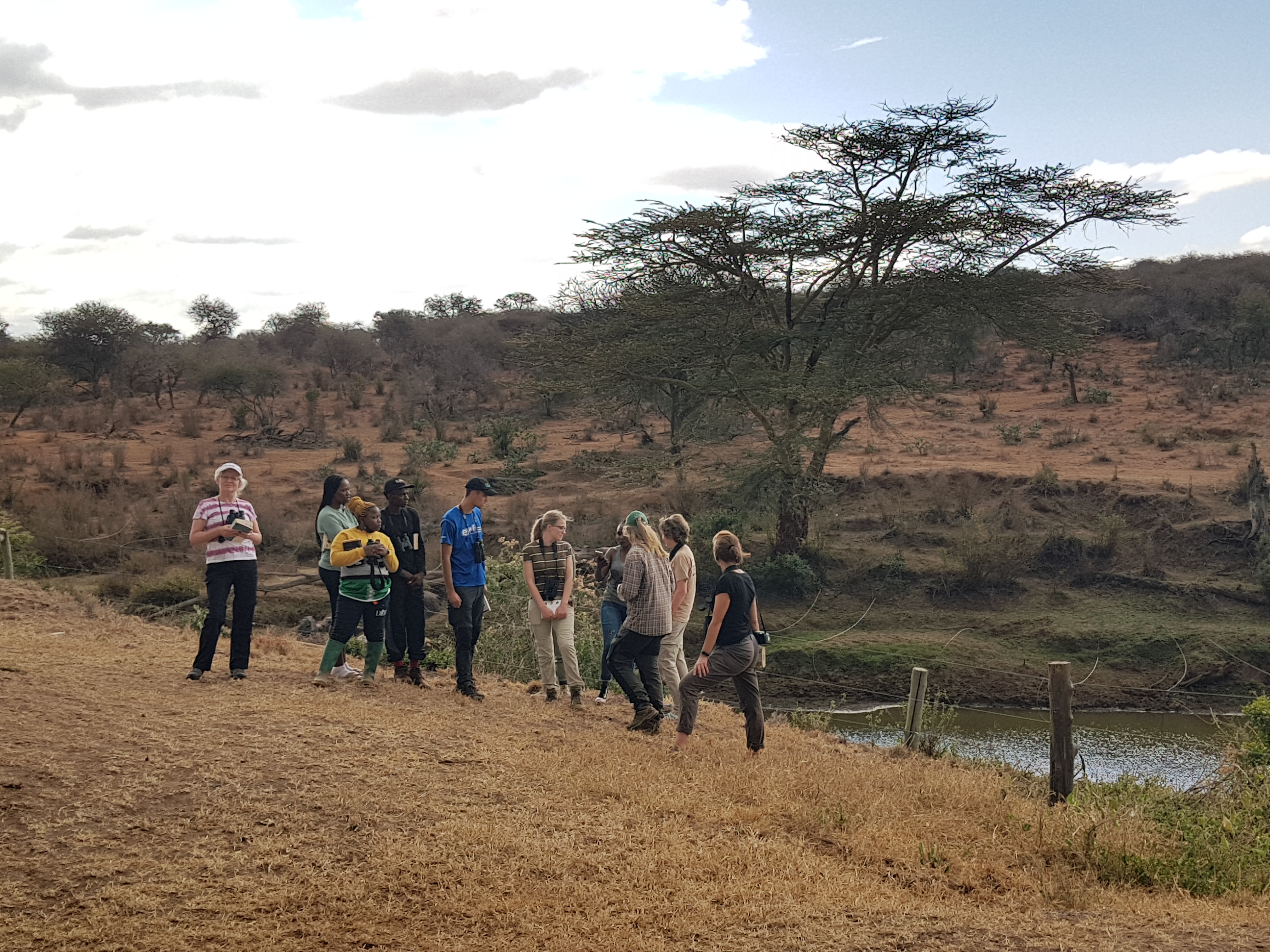
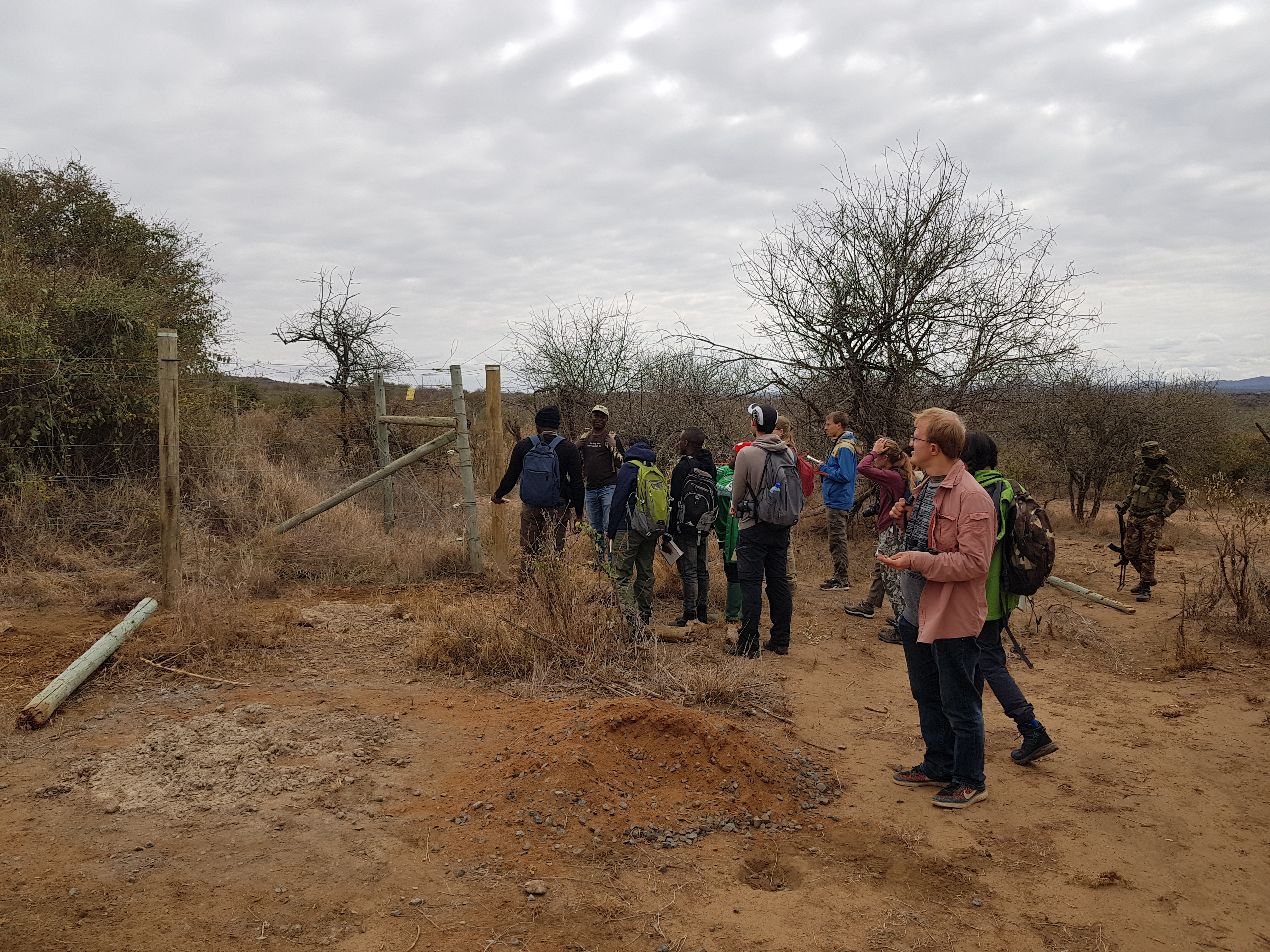
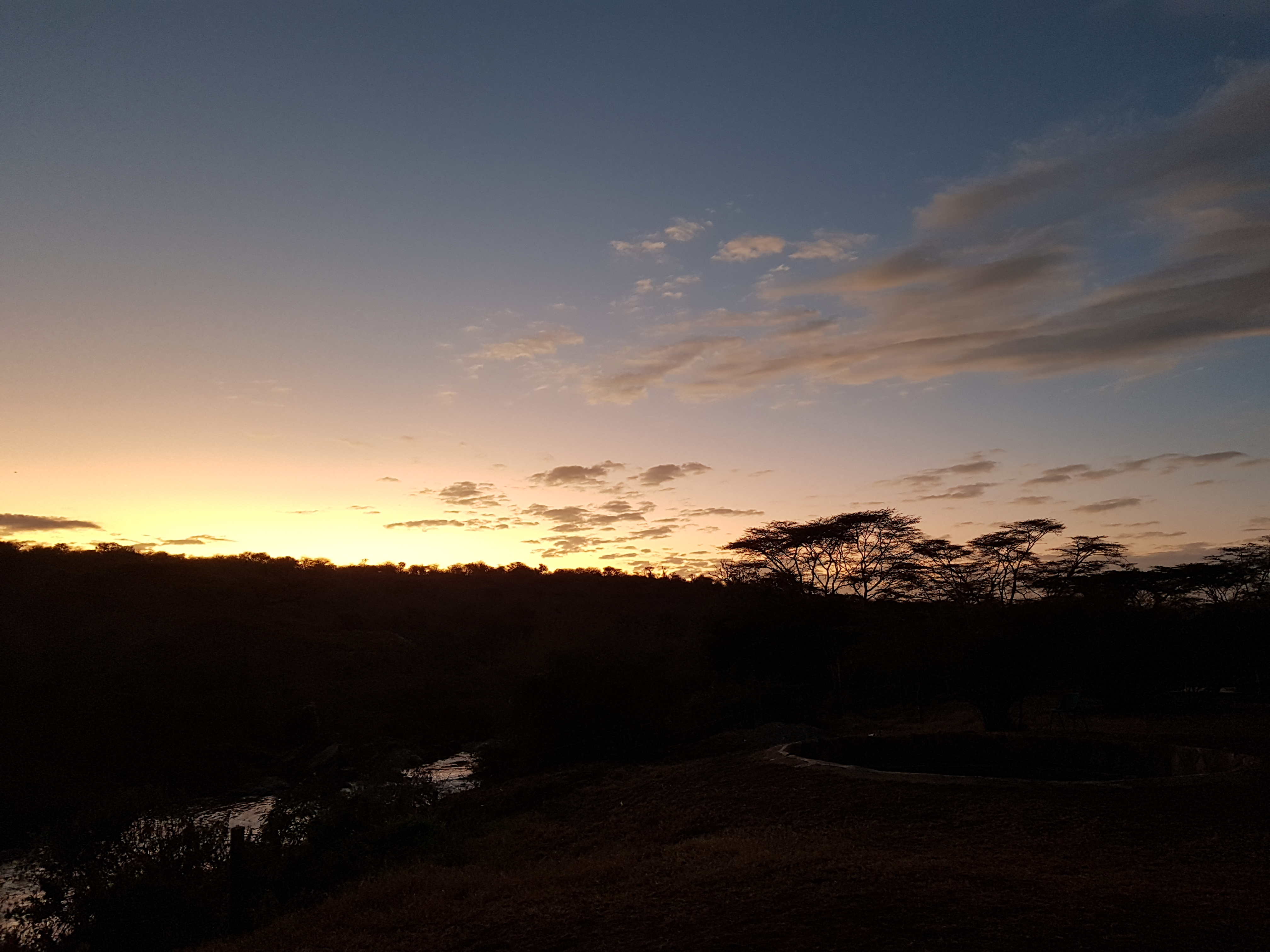
Invasive Prickly Pears (Opuntia spp.) are a growing problem in Kenya, where the cochineal bug has been introduced to help control them.Although there’s an electric fence around the camp site, antelope such as Kudu and Dik Dik are regular visitors. This tent has been our home for most of August. Early in the trip we were confined to it when we both caught COVID. There are worse places to recuperate! The students sorting samples in our open-air classroom, while the White-browed Sparrow Weavers tolerate our intrusionsSpot the snake! The Puff Adder is one of the most deadly snakes in Africa. Fortunately one of the students is an experienced herpetologist and qualified to handle these venomous reptiles.As I write, our TBA students are hard at work on their projects. This is Janeth and Swithin who are looking at competition between honey bees and other pollinators on flowers of this Acacia species.Karin in African ornithologist mode!Examining the Kenya Long-term Exclosure Experiment (KLEE) aimed at understanding the role of mega-herbivores in maintaining savanna biodiversityI’ve donated a copy of my book to the TBA’s Africa library and it’s already inspired some student projects.Sunrise on the savanna


 Prof. Jeff Ollerton - ecological scientist and author
Pingback: Aggressive dominance of acacia floral resources by wild East African lowland honey bees – a new study just published | Prof. Jeff Ollerton – ecological scientist and author