
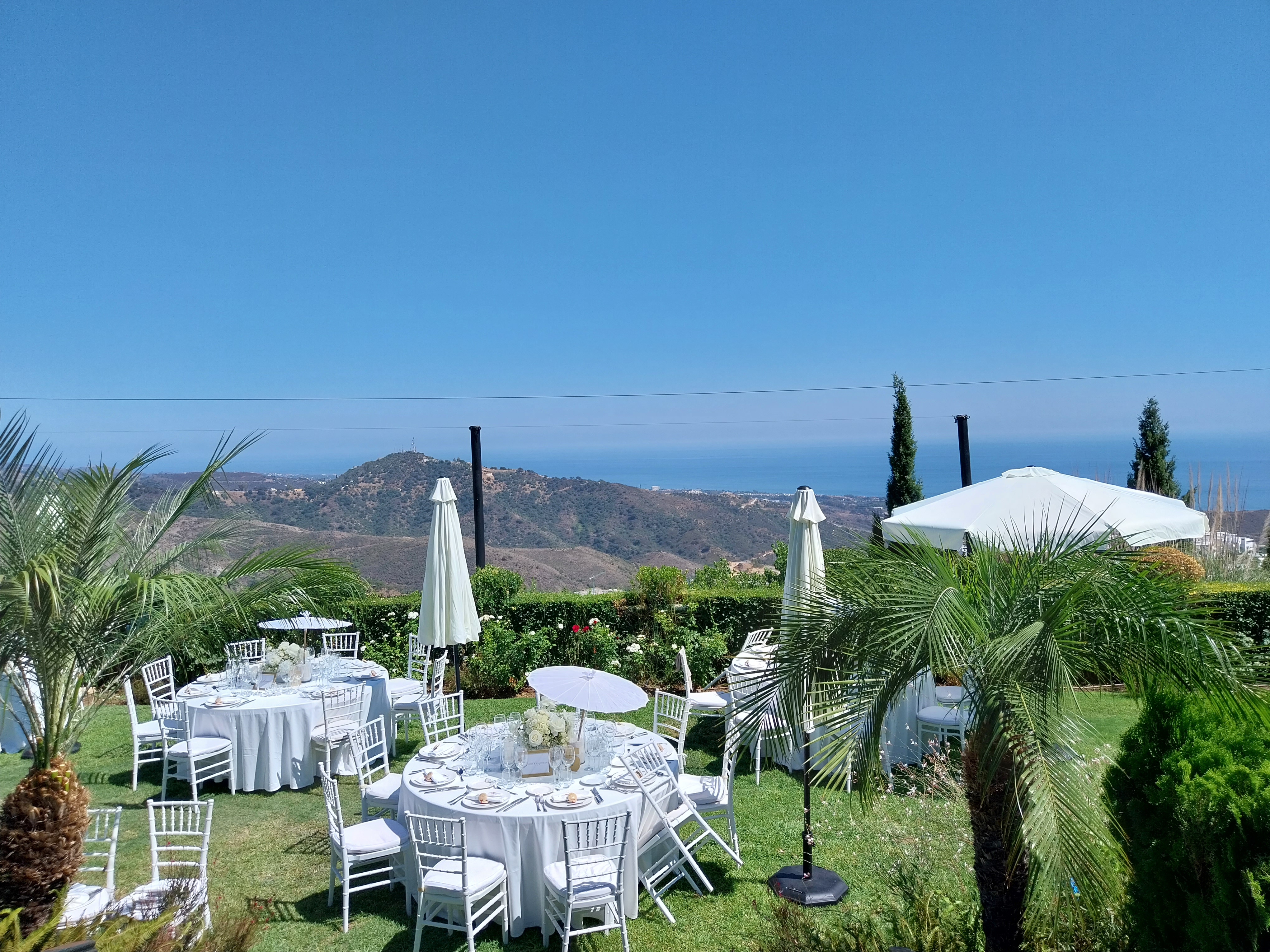
Late on Wednesday night, Karin and I returned, tired but happy, from an eight-day trip to southern Spain, where we celebrated the marriage of our son Oli to his partner Kate. Our base for the trip was the small town of Benahavis, a former Moorish enclave in the mountains above the Costa del Sol.
As well as spending time with Oli and Kate and the other guests, Karin and I took the opportunity to explore some of the many trails that meander through this wonderful landscape. One of these crosses, then follows, the spectacular canyon of the Guadalmina river, the trail shaded by over-arching trees that provided relief from the hot sun.
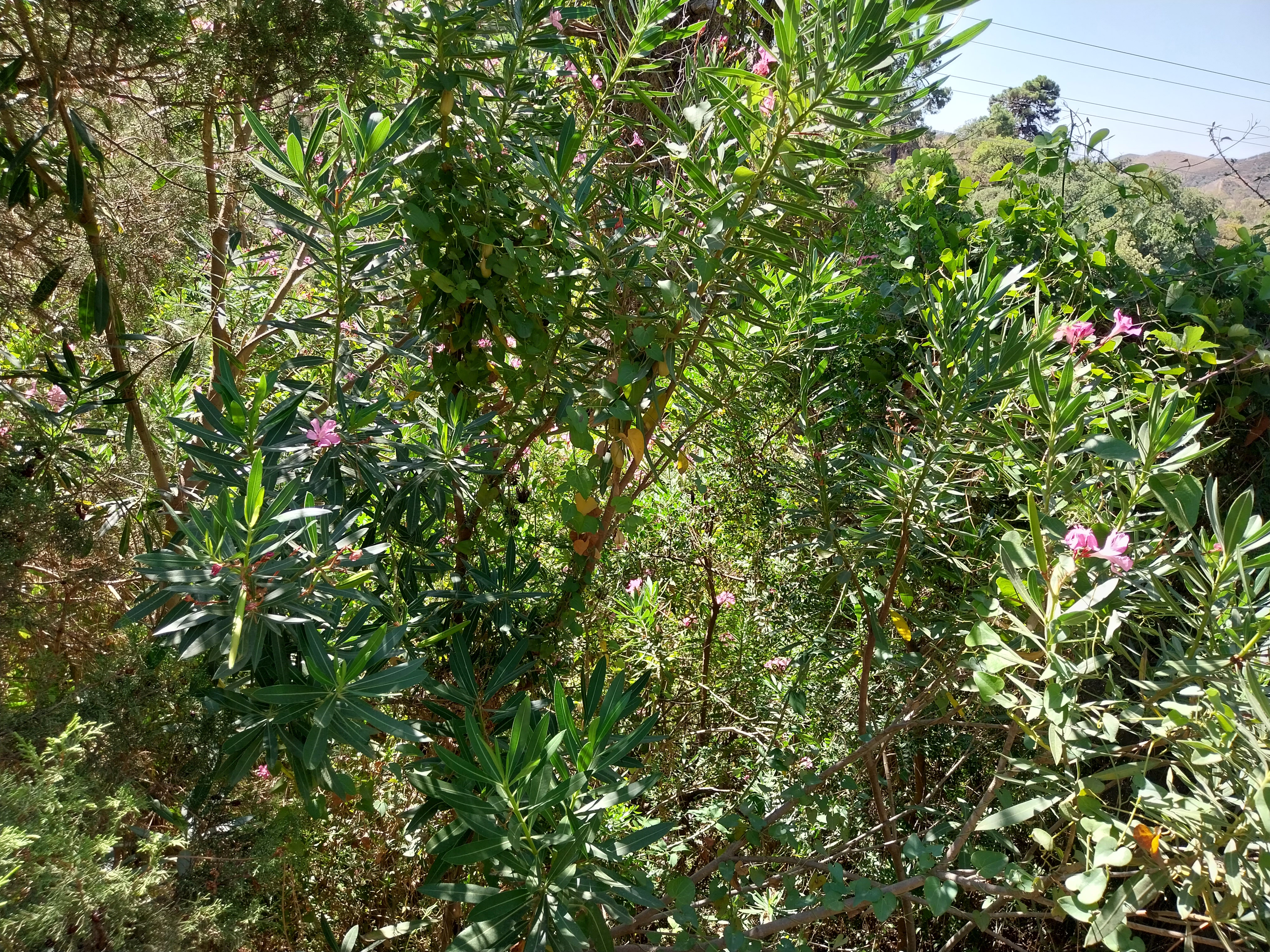
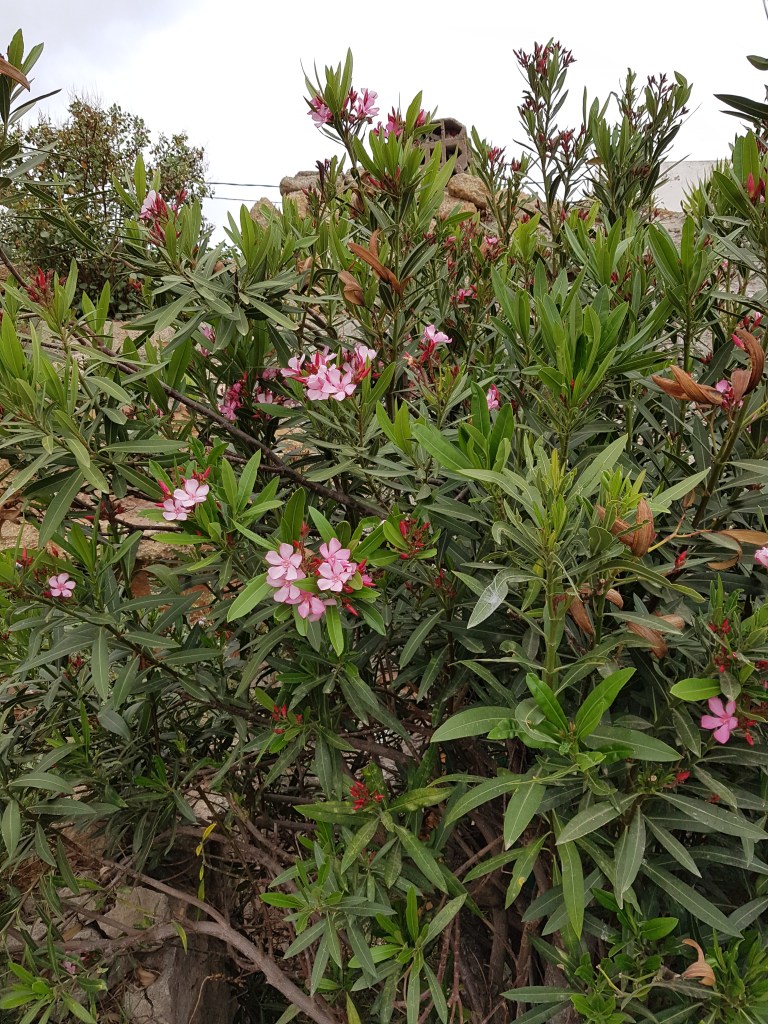
Many of these small trees, I was delighted to see, were oleanders (Nerium oleander) growing in what is (arguably) their natural habitat. It’s been so widely planted for thousands of years that the true origin of this species is unclear, but it’s almost certainly native to the Mediterranean basin.
Twining through one of these oleanders was a plant with heart-shaped leaves and dangling fruit that I instantly recognised – the Andalusian pipe vine (Aristolochia baetica). As a climber, this plant needs the support of trees and shrubs to enable it to reach the light. The supporting species is not harmed and likely benefits from the nutrients in the dead leaves and flowers that fall beneath it.
The juxtaposition of these two species was so perfectly symbolic of our reason for being in Spain that I had to take the photo that you see above. Why, you may ask? Well the oleander is a member of my all-time favourite plant family, Apocynaceae, that I’ve worked on for more than 30 years. The pipe vine belongs to the Aristolochiaceae, another fascinating family that’s also in my top five favourites.
That’s the thing with families, sometimes they come together and entwine in ways that just feel and look…right. Huge congratulations to Oli and Kate, and our very best wishes for a long and happy future together!
 Prof. Jeff Ollerton - ecological scientist and author